YA Weekend: Snowed by Maria Alexander
Posted on December 24, 2016 13 Comments

I received a review copy from the publisher. This does not affect the contents of my review and all opinions are my own.
Mogsy’s Rating: 3 of 5 stars
Genre: Urban Fantasy, Horror, Young Adult
Series: Book 1
Publisher: Raw Dog Screaming Press (November 2, 2016)
Length: 218 pages
Author Information: Website | Twitter
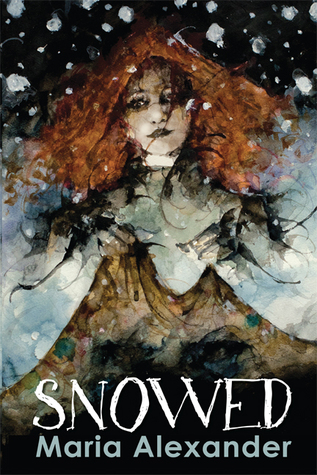
Snowed is a story about Christmas, but it is definitely not like your usual schmaltzy Christmas book. It stars Charity Jones, a sixteen-year-old biracial student with a natural talent for all things science and engineering. At her high school in a conservative county of California though, this only gets her mercilessly bullied because she is different. Thankfully, for Charity there’s one bright spot in this bleak situation: Aidan, the sweet mild-mannered teen runaway whom her family takes in as a foster child. No one know where Aidan came from, but it is clear that he is running away from something—something terrible.
Still, despite his reluctance to share much about his past, Aidan and Charity wind up hitting it off and they quickly fall in love. Things actually start looking up for Charity, but of course this respite doesn’t last. The community is shaken one day, when the body of Charity’s worst bully is found behind the bleachers, savaged and torn apart. The authorities are quick to suspect a wild animal attack, but Charity isn’t so sure. After all, unbeknownst to the rest of the school, she was actually the first one to find the victim, and there was something strange she saw at the scene…
First, I want to go into the positives of this book, and there are certainly many. Number one is diversity. Kudos to the author for doing her best to include perspectives from all walks of life, even though her approach can be pretty heavy-handed at times, almost like she was making sure to check off all the boxes on a #diversereads checklist. Having main characters that reflect and honor the lives of all people is always wonderful though, and something to be celebrated especially in the young adult genre.
I also liked how Snowed was a Christmas story for those who might be looking for something other than the usual feel-good and campy holiday-themed books that flood the market around this time of the year. Personally, I love the festive atmosphere around Christmastime, but hey, it’s also okay to have a “bah humbug” moment every now and then. If you ever feel the need to take break from the holiday madness and the constant barrage of holiday-themed music and TV hitting you from all directions, then this book is the answer. Forget the warm and fuzzy feelings, because this is one dark book that likely won’t be filling you with the holiday cheer by the time it’s over. On the other hand, how cool is it that we get a story that explores Krampus lore and presents a darker, more sinister side to the figure of Santa Claus?
And now for the things that didn’t work so well for me. The big one was the extreme-to-the-point-of-contrived stereotypes. All the horrible people at school bullying Charity are of course the jock and cheerleader types, all of them white, bible-thumping and gun-happy ignorant rednecks according to our protagonist. The irony is that Charity frequently comes off as even more judgmental and patronizing as the people she rails against. There are also very few responsible and admirable adult characters, which is a pet peeve of mine when it comes to YA. Charity and her friends paint the police as a bunch of incompetent meatheads, while Charity’s parents are portrayed as a couple of dopes in denial, helpless in stopping her deranged psychopath of a brother hurt her and everyone she loves. The teachers are also apparently too busy planning their own holidays (or worrying about new charter schools opening in their county, threatening their precious hegemony) that they can’t be bothered to do anything about serious problems like bullying and death threats to their students.
In fact, the narrative tries very hard to make you think that Charity and her little “enlightened” group are the only ones capable of getting anything done. Not only was this unrealistic, it just made Charity and all her friends intensely unlikable. Furthermore, Charity also can’t help but remind readers every other chapter that she’s into science, robotics and technology (yet apparently not computer savvy enough to prevent her own email account from getting hacked). I agree we need to encourage girls and young women to enter and succeed in the STEM fields, but there’s no subtlety at all in the way the author is trying to prop up her protagonist as a poster child for the cause.
Finally, I didn’t like the romance. In my opinion, the instalove and Charity’s dramatics actually undermined a lot of what the story was trying to achieve, removing some of Aidan’s mystique. After knowing him for little more than a week, Charity professes to love Aidan so much that she can’t live without him, that she “dies every minute” they’re not together, or that losing him would be like the worst thing that’s ever happened to her (even worse than when Grandma Jones passed away!) In retrospect, the overwrought and sentimental adolescent language probably didn’t help either.
That said, overall I had a good time with Snowed. Ultimately it’s a book with some great ideas but which might be lacking in polish when it comes to execution, though it’s nonetheless impressive especially since we’re talking about a book from a small indie publishing house. Admittedly the story could have been streamlined to bring the horror aspects and Krampus plotline to the forefront while toning down the exposition and romance, but I also have to give it credit for its diverse cast of main characters and the fact that it also explores difficult topics, including a few that don’t get talked about much, like the emotional struggles that families of incarcerated teens go through (and I actually wish this had been given more attention in the book). All told, an interesting read that offers something a little different for the holidays.


Week 4: A Closed and Common Orbit Read-Along
Posted on December 23, 2016 8 Comments
Sci-Fi November might be over, but that doesn’t mean the sci-fi fun has to stop. Our Read-Along of A Closed and Common Orbit by Becky Chambers has officially begun. If you’re interested in participating, hop on over to the SF/F Read-Along group for more information; we’d love for you to join the discussion. Have you read The Long Way to A Small Angry Planet, the first Wayfarers book? Are you planning on reading this standalone follow-up? Let us know your thoughts.
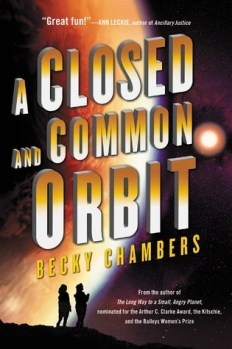
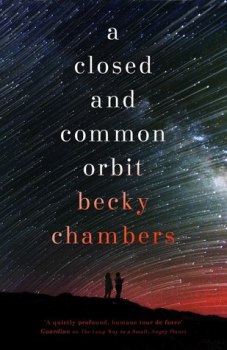
Lovelace was once merely a ship’s artificial intelligence. When she wakes up in an new body, following a total system shut-down and reboot, she has no memory of what came before. As Lovelace learns to negotiate the universe and discover who she is, she makes friends with Pepper, an excitable engineer, who’s determined to help her learn and grow.
Together, Pepper and Lovey will discover that no matter how vast space is, two people can fill it together.
The Long Way to a Small, Angry Planet introduced readers to the incredible world of Rosemary Harper, a young woman with a restless soul and secrets to keep. When she joined the crew of the Wayfarer, an intergalactic ship, she got more than she bargained for – and learned to live with, and love, her rag-tag collection of crewmates.
A Closed and Common Orbit is the stand-alone sequel to Becky Chambers’ beloved debut novel The Long Way to a Small, Angry Planet and is perfect for fans of Firefly, Joss Whedon, Mass Effectand Star Wars.



Week 1: Friday 2nd December – Part 1 up to Page 94, hosted byLisa at Over the Effing Rainbow
Week 2: Friday 9th December – Page 95 to End of Part 1, hosted by Imyril at There’s Always Room For One More
Week 3: Friday 16th December – all of Part 2, hosted by Lynn at Lynn’s Book Blog
Week 4: Friday 23rd December – Part 3 to End, hosted by Mogsy at The BiblioSanctum

1. At the end of the last segment, we got to meet Laurian but this week we got to know him better in Jane’s sections and learn how he factors into these flashbacks. What do you think of his and Jane’s relationship and how has it impacted your understanding of the bond between Pepper and Blue?
Blue had always been a character on the periphery and while it was clear that he and Pepper were very important to each other, I never truly understood why until it was revealed how the two of them first met and what they had gone through together. I really enjoyed the sections that showed how Jane and Laurian had each others’ backs, especially when she realized that he was just as protective of her as she was of him. The story of Pepper and Blue is another example of how two lost souls can forge their own family and I thought it was very sweet.
2. In this section, we saw how Jane finally made it to the GC. Sidra, in her storyline, also makes headway in freeing herself from her programming and has developed a new kind of relationship with the kit. In a way, both of them managed to accomplish what they set out to do, but what do you think they each made of their results?
Jane had the less favorable experience, I think. After escaping from her wasteland planet, she was filled with hope and excitement for a new life…only to have that optimism ripped away from her when she realized the galaxy at large is complicated web of regulations and politics. Losing her ship (and by extension Owl) to a lousy rule was probably the the most traumatic blow to her dream of achieving freedom and control over her own destiny. I’m glad that she was later able to meet good people to disprove the idea that the GC is only full of uncaring, patronizing bureaucrats though.
Sidra, on the other hand, clearly had the better of it. I found it interesting how after going back to briefly “inhabiting” a ship, she started missing being in her kit. And speaking of which, following that scene, I actually noticed that she no longer referred to her body as “the kit” anymore.
3. When the seeds of Sidra’s plan started to form, what were your thoughts? Did you have any concerns about what she might do and how things might end?
I’ll admit, I got nervous for a second! A part of me was filled with dread, thinking, “Oh no, not again, Becky Chambers, please don’t let Sidra sacrifice herself for Owl.” I mean, I love Owl, and it would be the noblest thing of Sidra to do with her newfound sense of purpose and free will, but I won’t deny it would have been a huge downer for me if her entire journey were to come to an end like that. And after the way the first book ended, we all know how Chambers is with her bittersweet conclusions. Even though I was pretty sure we were going to get a happy ending, I still couldn’t help it; a part of me was always braced for the other shoe to drop.
4. What did you make of Sidra’s comments on the nature of “Purpose”? How well do you think her views match with the examples we’ve seen so far in the story?
I think Sidra was greatly simplifying things, but at the same time I would agree with the generalities of her statement. Obviously, the notion of having purpose will be different for an A.I. versus a biological sentient being, i.e. for the former it might be determined by a few lines of code, while the latter has much more freedom in determining their own “purpose”. Still, I think Sidra’s point is that everyone needs something to live for, or it can become easy to lose your way. We saw how Lovelace/Sidra and Jane/Pepper came into this world as creations, meant to serve a purpose they did not choose. However, we also saw how both characters became unsettled and adrift once they were freed from their respective constraints, at least until they were able to chart a new course.
5. What did you think of the ending, and/or any closing thoughts?
I’m so glad in general that we got a happy ending. And I loved getting Owl’s perspective in the last chapter. How awesome is it that in the end, the two A.I.s decided to get together and open up a bar? Something about that just strikes me as so random and yet appropriate at the same time. This was a “feel-good” book through and through, and I ended it with a big smile on my face.
Mogsy: Best of 2016 and the Year in Review
Posted on December 22, 2016 54 Comments
It’s once again that time of the year where I look back at the last twelve months and round up my favorite reads! As always, my methods are going to be rather haphazard, but as you know I read a TON of books and having to narrow it down to just “Top 10” or even “Top 20” is a difficult (if not impossible) task. That’s why I’ve opted not to do a traditional list, and instead I’m going to be breaking this post down into different genres/categories to highlight all the books that 1) were my favorites of the year, 2) I thought were most memorable, or 3) I think should be getting more love and attention. The one thing they have in common is that I loved them all.
You can see my reviews and more information about the books by clicking on the images and following the links.
Fantasy
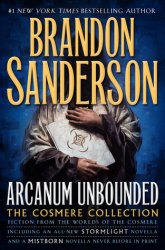

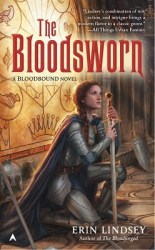
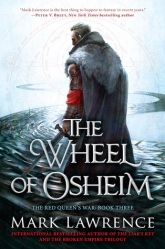
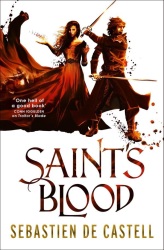

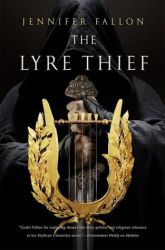
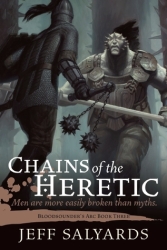
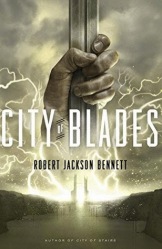
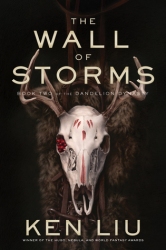
Starting off with Fantasy, the biggest category, this is mostly a year of epic sequels and conclusions. Incredible trilogies like Jeff Salyards’ Bloodsounder’s Arc, Mark Lawrence’s The Red Queen’s War, Erin Lindsey’s Bloodbound, and Juliet Marillier’s Blackthron & Grim all ended with a bang. The Mirror’s Truth, Saint’s Blood, In the Labyrinth of Drakes, and City of Blades were also impressive continuations of their respective series. Edit: And of course Wall of Storms, which I first missed putting up…an oversight for sure!
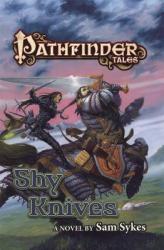
I also discovered new favorites by authors I’ve read before, like Sam Sykes with his surprisingly funny, highly entertaining new novel in the Pathfinder Tales sequence. Anthologies aren’t usually my bag but I also really enjoyed Brandon Sanderson’s Cosmere Collection. Finally I discovered a favorite new-to-me author in Jennifer Fallon with The Lyre Thief, an awesome opener to a new series.
Science Fiction

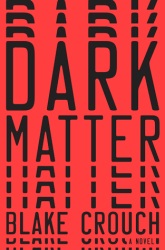
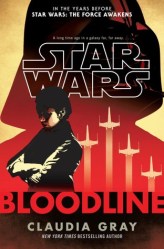

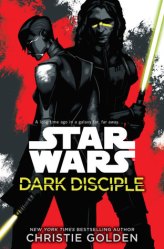
2016 was an excellent year for Science Fiction as well. Some highlights include more great titles in the new Star Wars canon (Bloodline and Dark Disciple, which I finally got to read this year), and another new-to-me author who is now among my favorites, Blake Crouch. Allen Steele also impressed me with his new book Arkwright but Emma Newman probably deserves the big prize for blowing me away with After Atlas. I’ve read a lot of books by her, but this was the best.
By the way, this year The BiblioSanctum also participated again in the month-long Sci-Fi November event, so if you’re interested in seeing a more detailed list of all my favorite sci-fi reads this year, be sure to check out the Top Ten post I put together for the wrap up!
Horror
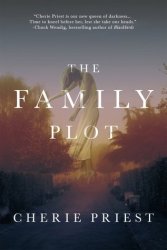
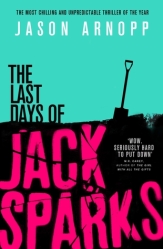
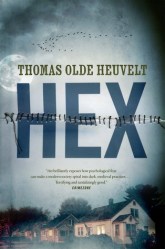


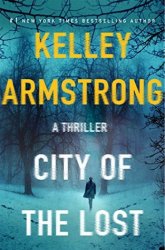
2016 was also a huge year for me when it comes to the Horror genre, both for new books and with exploring the backlist. It was tough choosing my favorites, but I knew without a doubt that The Last Days of Jack Sparks was going to be among them, and The Family Plot and Hex were also clear standouts. I was also glad that I got to go back and read A Head Full of Ghosts and The Damned. Finally, The City of the Lost by Kelley Armstrong is technically more of a Mystery/Thriller, but I decided to include it in this category anyway because arguably it does contain some elements of psychological horror, not to mention it was just plain awesome.
Urban Fantasy/Paranormal
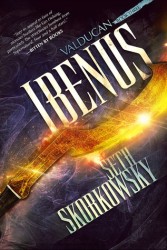
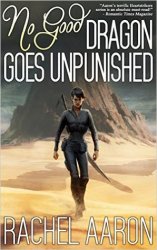
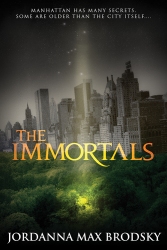
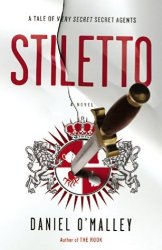
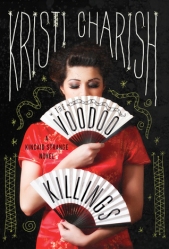
Urban Fantasy and Paranormal – an assorted genre for sure, and so it’s no surprise that my favorites are also varied. The Valducan horror UF series gets its most amazing sequel yet in Ibenus, while No Good Dragon Goes Unpunished is another self-published winner by Rachel Aaron, and the long-awaited Stiletto finally came out and delighted fans of The Checquy Files. One of my favorite authors Kristi Charish also kicked off a new series with the fantastic Voodoo Killings and The Immortals by debut author Jordanna Max Brodsky was absolutely stunning.
Children’s and Young Adult
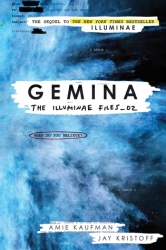

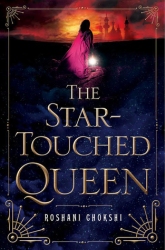

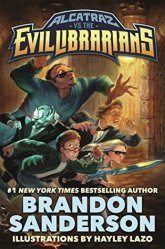
I didn’t read as many Young Adult books this year, so the ones that stood out were truly memorable. There were the excellent debuts: The Star-Touched Queen, Iron Cast, and The Reader. Gemina was a highly anticipated sequel which I enjoyed even more than the first book. After many years, I also finally got to read the Alcatraz series by Brandon Sanderson – and I loved it.
Overview: Books Read in 2016

Goodreads Ratings:
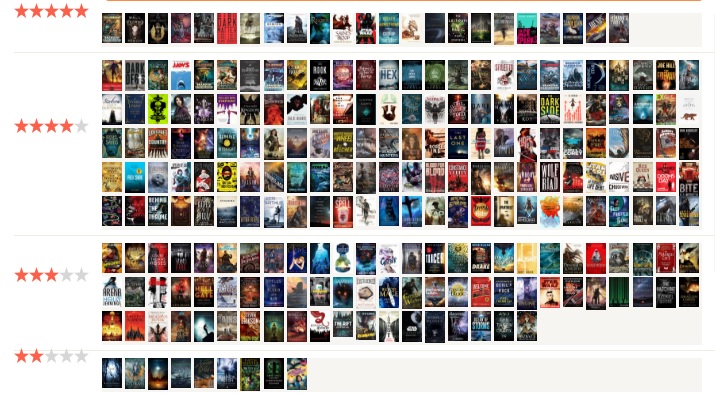
On My Shelves…
By a Male Author: 51.9%
By a Female Author: 46.8%
Unknown/Male & Female Co-Authored: 1.3%
Audiobooks: 25.8%
For Review: 88.0%
Genres (some crossover):
Fantasy: 47.6%
Science Fiction: 27.3%
Horror: 16.0%
Urban Fantasy and Paranormal: 16.0%
Children’s and Young Adult: 18.2%
More on The BiblioSanctum:
Mogsy: Best of 2014 and The Year in Review
Mogsy: Best of 2015 and The Year in Review
Waiting on Wednesday 12/21/16
Posted on December 21, 2016 9 Comments

“Waiting On Wednesday” is a weekly meme hosted by Breaking the Spine that lets us feature upcoming releases that we can’t wait to get our hands on!
Mogsy’s Pick
Shattered Minds by Laura Lam (June 20, 2017 by Tor Books)
This follow-up to False Hearts will be, according to the author, “a standalone set in the same world, so it can be read in any order”. I loved the first book though, so I’ll definitely be picking up Shattered Minds. It does appear it will be featuring a whole new story and protagonist, but I am intrigued at the mention of the drug Zeal since it was such a big part of the previous book’s plot. It’s exciting to know that Lam will continue to expand the incredible world-building.
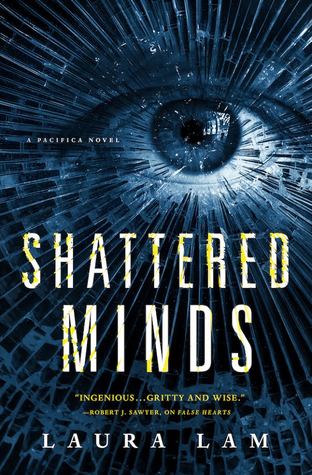 “Johnny Mnemonic meets a female Dexter in Laura Lam’s new speculative thriller, set in the near-future SF world of False Hearts
Carina used to be one of the best biohackers in Pacifica. But when she worked for Sudice and saw what the company’s experiments on brain recording were doing to their subjects, it disturbed her—especially because she found herself enjoying giving pain and contemplating murder. She quit and soon grew addicted to the drug Zeal, spending most of her waking moments in a horror-filled dream world where she could act out her depraved fantasies without actually hurting anyone.
One of her trips is interrupted by strange flashing images and the brutal murder of a young girl. Even in her drug-addicted state, Carina knows it isn’t anything she created in the Zealscape. On her next trip, she discovers that an old coworker from Sudice, Max, sent her these images before he was killed by the company. Encrypted within the images are the clues to his murder, plus information strong enough to take down the international corporation.”
Book Review: Ocean of Storms by Christopher Mari and Jeremy K. Brown
Posted on December 20, 2016 11 Comments
I received a review copy from the publisher. This does not affect the contents of my review and all opinions are my own.
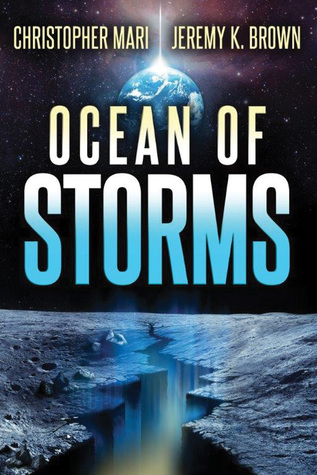 Ocean of Storms by Christopher Mari and Jeremy K. Brown
Mogsy’s Rating: 3.5 of 5 stars
Genre: Science Fiction
Series: Stand Alone
Publisher: 47North (December 1, 2016)
Length: 400 pages
Author Information: Christopher Mari | Jeremy K. Brown
Impending apocalypse. A heart-pounding Space Race. Political thrills. Oceans of Storms has all this and more, and it is also a story made up of many different parts. With scenes and situations reminiscent of movies like Independence Day, Armageddon, or Jurassic Park, the book also felt to me a lot like a Hollywood summer blockbuster in prose form. Indeed, looking back at the notes I took while reading, the thing that kept cropping up in my comments and descriptions was the word “cinematic”.
It all began with the moon. But of course, when the massive electromagnetic pulse ripped across Earth, knocking out power globally, no one knew the cause. It wasn’t until later that scientists determined that the EMP originated from our planet’s closest neighbor, where a powerful explosion had exposed something buried deep beneath the lunar surface. Based on early findings and analysis, at the bottom of this newly created fissure is an extremely large and technologically advanced object that has been on the moon for at least two million years. Which means whatever it is, it couldn’t have been placed there by human beings. Moreover, the discovery was accompanied with a message: coordinates to a location somewhere on the vast lunar mare called the Ocean of Storms.
Not surprisingly, the news causes worldwide chaos and panic. In response, the US vows to launch a manned mission to the lunar coordinates to investigate the source of the power surge. Problem is, budget cuts over the years have gutted NASA’s space program, putting them far behind where they need to be to make that possible. Meanwhile, the Chinese are way ahead, sending rockets to survey the moon from orbit, though they lack the lander technology—technology that the US has. To prevent further widespread unrest, the two countries’ space programs have no choice but to team up amidst the burgeoning cold war between their governments because the answers on the moon are too important to let politics get in the way. Knowing as well that they might find the remnants of an ancient civilization, two American archaeologists and a Chinese forensic anthropologist also join the team in the hopes of finding out who or what might have been responsible for the mysterious signal.
Before I begin, I have a confession to make. Archaeology and Anthropology are my pet subjects and my college specializations so as soon as I saw that a couple of “maverick archaeologists” were among the main characters of this book, I knew I had to read it. Relatively speaking though, neither the scientific or technological aspects were really all that weighty here, but there’s certainly enough to tickle readers’ interests. I also found the story easy to get into, and I very much enjoyed the mashup of sci-fi elements together with the thrills and suspense.
I think if the authors had stayed on this course, the book would have been even more compelling. I loved how things started with a bang, and that burst of momentum was continued by the mystery of the discovery on the moon. As I mentioned before, there was also a cinematic quality to the story that I really enjoyed. Sure, the characters might not be all that deep, and the overall premise might be too farfetched or unconvincing, but I have I to say I didn’t mind too much. I picked up this book for the same reason millions flock to see the big-budget, special-effects laden films that dominate the box office every year—to be entertained. And for the most part, I think Ocean of Storms succeeded. Without giving away any spoilers, I would say the book only stumbled in the second half, when the story shifted away from the big action and suspense to focus instead on convoluted government conspiracies, dubious physics, and going a little too overboard with paleoanthropological theory.
To the book’s credit though, I never once found it boring. Suffice to say, I think the authors wanted Ocean of Storms to be the literary equivalent of the “big-budget, special-effects laden blockbuster” and had a boatload of great ideas to make it so, but ultimately they might have taken it a little too far. There’s just not enough room to make all these pieces fit together coherently, so while the end result is certainly captivating, it unfortunately also feels somewhat disjointed.
Still, in spite of my complaints, Ocean of Storms was a damn fun read and I do not regret the time I spent with it. I loved the concept, even if its execution was a bit off and the science was a little flimsy. Let’s just say you aren’t likely to be bowled over by its literary merits, but if you’re simply looking to kick back with an entertaining, high-octane sci-fi thriller, then you’ve come to the right place. Overall a really enjoyable, if at times flawed, read.

4th Quarter Audiobook Challenge Update
Posted on December 19, 2016 6 Comments

It’s our final update for the 2016 Audiobook Challenge! Thank you to the challenge hosts and here’s to another year of great listens. Let’s see how everyone did.
1st Quarter Audiobook Challenge Update
2nd Quarter Audiobook Challenge Update
3rd Quarter Audiobook Challenge Update
Reading Challenge Details:
- Runs January 1, 2016 – December 31, 2016. You can join at any time.
- The goal is to find a new love for audios or to outdo yourself by listening to more audios in 2016 than you did in 2015.
- Books must be in audio format (CD, MP3, etc.)
- ANY genres count.
- Re-reads and crossovers from other reading challenges are allowed.
- You do not have to be a book blogger to participate; you can track your progress on Goodreads, Shelfari, Booklikes, Facebook, LibraryThing, etc.
- If you’re a blogger grab the button (on the sidebar) and do a quick post about the challenge to help spread the word. If you’re not a blogger you can help by posting on Facebook or Tweeting about the challenge.
Levels:
- Newbie (I’ll give it a try) 1-5
- Weekend Warrior (I’m getting the hang of this) 5-10
- Stenographer (can listen while multi-tasking) 10-15
- Socially Awkward (Don’t talk to me) 15-20
- Binge Listener (Why read when someone can do it for you) 20-30
- My Precious (I had my earbuds surgically implanted) 30-50
- Marathoner (Look Ma no hands) 50+

Baby it’s cold outsiiiiide, so that means I’m not walking to work, which is when I usually enjoy my audiobooks, but I’ve still managed to pack in several titles, bringing my 2017 Audiobook Challenge total to *drum roll please* 49! Which is one shy of the Marathoner title. But hey, the year’s not over yet and the nights are still long and full of terrors. I can probably squeeze one more in before I say good bye to 2016. What do you think?



Look at me, I’m a Marathoner! Through audiobooks, I even managed to catch up with a bunch of my unsolicited print books this year. Some of these were awesome stories that I might not otherwise have gotten to due to lack of time, which is why I simply adore the flexibility of enjoying both formats at once. My finally tally ended up being 60. I might have done poorly on the challenge in the summer, but I think a strong first and fourth quarter made up for it.




The second half of the year turned out to be extremely busy for me, so I didn’t read/listen to as many books as I’d hope. I actually read more physical books these past three months, so I have a very short showing for this quarter. However, I did manage to sneak a few in there, and I’m pleased to say that I did manage to listen to an admirable 80 books this year on top of the physical/digital books I read despite all the setbacks.
Book Review: The Burning Isle by Will Panzo
Posted on December 18, 2016 13 Comments
I received a review copy from the publisher. This does not affect the contents of my review and all opinions are my own.
 The Burning Isle by Will Panzo
Mogsy’s Rating: 3.5 of 5 stars
Genre: Fantasy
Series: Stand Alone
Publisher: Ace (November 1, 2016)
Length: 432 pages
Author Information: Website | Twitter
One never knows what to expect when diving into a debut, especially when the book in question comes with the ambitious label of “grimdark”. Because this happens to be one of my favorite subgenres, I can be quite demanding—not to mention I also have very particular tastes. The Burning Isle, however, exceeded expectations even when it didn’t turn out like anything I had in mind. In its own way, this novel was intensely entertaining and satisfying, and I wouldn’t be surprised if it will continue making waves in the fantasy fiction world long into the future.
The story introduces us to its protagonist Cassius, a young spellcaster newly arrived on a savage, lawless island that serves as home to those who can’t find welcome anywhere else. Scipio is made up of a slum situated on the edge of a jungle, but while the city itself is ruled by two warring crime lords, the real power resides with the enigmatic general who oversees everything with a vast army from his stronghold deep in the wilderness.
It is Cassius’ goal to shake this system up, but first he has to make a name for himself. He quickly manages this in spectacular fashion, defeating a rival spellcaster in a very public prize fight on the very first day. Immediately, he uses the notoriety gained from his win to insinuate himself into one of the crime bosses’ employ, kicking off the first step of his carefully formulated plans to overthrow the status quo and change Scipio from within.
But to what end? Will he stand to gain anything from the downfall of the corrupted leaders of the island? And while we’re asking these tough questions, who is Cassius anyway, and why might an outsider be so invested in the future of the city? Will he ultimately be a force for good or evil in the coming war?
From the very start, Will Panzo surrounds his main character with an aura of mystery and magic, making the reader wonder about his endgame. However shrouded his true intentions are though, Cassius has an earnestness about him that makes his personality easy to like. He is powerful in the ways of spellcasting, and yet he would remark upon others’ harsh language or blush at the slightest flirtations from an attractive woman, leading one to guess he must have led a pretty sheltered life. And yet, there’s still the strong sense that he’s far from innocent or naïve, and everything he does is calculated and for a reason.
The Burning Isle is essentially the story of who our protagonist is and why he is on this particular mission to turn Scipio upside down on its head. The author has succeeded in telling a dramatic tale, a large part of which I feel is a coming-of-age character study. Aside from a few instances of info-dumping in the beginning chapters, I also thought that the gradual reveal of Cassius’ past was nicely handled, though readers who have been paying extra attention might be able to guess his purposes and motivations well before the end of the book.
The writing is also solid. I love Panzo’s style, which is impressively detailed but the prose still comes across smooth and light on the eyes. In addition he has a great talent for writing dialogue; every time we had two or more characters interacting on a page, I found myself completely drawn into the scene.
This being a debut though, there were a few areas that could have used some polish. The magic system is one aspect I would have liked to see better developed, because while all the spell-slinging and magical duels may look and sound impressive on paper, I have a hard time wrapping my head around how it all works. I also have mixed feelings about the various interludes that pepper the narrative. While they are significant in providing background information, the author should have been more subtle and taken care not to show his hand too early. Some of these sections were also inserted in places that hindered the overall flow of the story, tempting me to skim.
Apart from those minor points though, there’s nothing truly negative I can say about this book. I really enjoyed it, even if it didn’t perfectly line up with my impressions of grimdark. One can argue the circumstances surrounding Scipio are oversimplified, the protagonist and antagonists’ motivations too superficial and exaggerated to fit the mold of grim realism, but on the other hand, Panzo has created something that’s all together something else, something that’s more sentimental but also filled with darkness and brutality. I was taken with the story, and though this reads like a standalone, I do hope the author will continue to write more books. If he does, I will be eagerly wanting to read them.

Mogsy’s Bookshelf Roundup: Stacking the Shelves & Recent Reads
Posted on December 17, 2016 54 Comments
Bookshelf Roundup is a feature I do every other weekend which fills the role of several blog memes, like Stacking the Shelves where I talk about the new books I’ve added to my library or received for review, as well as It’s Monday! What Are You Reading? where I round up what I’ve read since the last update and what I’m planning to read soon. Mostly it also serves as a recap post, so sometimes I’ll throw in stuff like reading challenge progress reports, book lists, and other random bookish thoughts or announcements.

Received for Review
Thank you to the publishers and authors for the following review copies received. For more details and full descriptions of the books, be sure to click the links to their Goodreads pages!

Lost Souls by Kelley Armstrong – A surprise arrival, but I knew I had to read it because 1) THAT COVER, I’m in love! and 2) Kelley Armstrong, whose work I vowed I’ll read more of in the coming year. And according to its description, the story is inspired by the urban legend of the disappearing hitchhiker. How awesome is that? Thank you so much to Subterranean Press!
The Adversaries by David Hair – As a fan of David Hair, I was surprised to learn he has a new book out that I hadn’t heard of, but the confusion was cleared when I realized Jo Fletcher Books is reissuing his Return of Ravana series under different titles. This is the sequel to The Pyre, a YA reimagining of the epic Ramayana following a trio of Indian high school students. I enjoyed the first book immensely and would enthusiastically recommend it to anyone looking for YA fantasy with diverse settings and protagonists. My thanks to the publisher.
Thunderbird by Chuck Wendig – My preciousssss. Totally psyched about this ARC of the long-awaited fourth book of the Miriam Black series. With thanks to Saga Press and the amazing team at Wunderkind.
Also much love to Pyr Books for this incredible trio of goodies: ARCs of Black City Demon by Richard A. Knaak and Worldshaker by J.F. Lewis, as well as a beautiful finished copy of Judgement at Verdant Court by M.C. Planck. All three are sequels in series I need to catch up on, so I better get crackin’.

The Dead Seekers by Barb & J.C. Hendee – I’ve wanted so long to read something by the authors, and with this being the first of a new series set in the same fantasy world as their Noble Dead Saga, I figured there’s no better time. My thanks to Ace Books for the review copy.
Tor Books also surprised me last week with the following ARCs, and they happened to be a couple of my most anticipated releases for 2017! Within the Sanctuary of Wings by Marie Brennan will be the final book of the Memoir by Lady Trent series (*cries*) while Soleri by Michael Johnston is the first of an epic fantasy series inspired by ancient Egypt and the tragic story of King Lear.
Next up, a pair of finished copies: Reaper’s Eye by Richard A. Knaak is the latest in the Pathfinder Tales sequence, and The Nature of a Pirate by A.M. Dellamonica is book three of The Hidden Sea Tales. I wish I’d read the first two books, because this one looks great. Huge thanks to Tor for these lovelies!
Upside Down edited by Jaym Gates and Monica Valentinelli – I’d also like to thank Apex Publications for sending along this cool anthology of inverted tropes in storytelling. They had several paperbacks that were a little too banged up to sell commercially so earlier this week they put out a call for any US-based bloggers who might be interested in checking them out as review copies. I was more than happy to give this wicked looking collection a new home and put it to good use! Looking forward to reading these stories.



Windwitch by Susan Dennard – While it’s true the first book didn’t exactly sweep me off my feet, I admit I’m curious to see where the story might be heading. I also want to give the sequel a chance, especially since I was presented with the opportunity to review the audio version, thanks to Listening Library.
Ararat by Christopher Golden – Another one of my most anticipated releases for spring 2017, I couldn’t resist requesting this one either. Definitely going to wait until closer to release date to read it though; right now it’s just too damn cold for a story about being trapped on a mountain in the middle of a blizzard. With thanks to St. Martin’s Press via NetGalley.
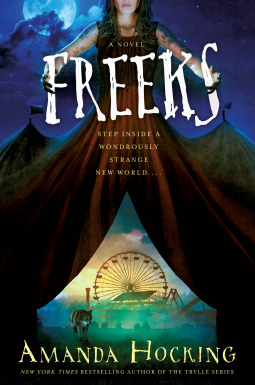
Freeks by Amanda Hocking – Also thanks to St. Martin’s Griffin for sending me an invitation to read this YA fantasy about a traveling sideshow circus. Looking forward to checking it out.
Nemesis by Brendan Reichs – I first heard of the author when he collaborated with his mother Kathy Reichs on the Virals series (which stars Tory Brennan, great-niece of Temperance Brennan who the show Bones is based on) so my interest was already piqued. But then I saw the tagline: Orphan Black meets Lord of the Flies. You’d think by now I’d be immune to book blurbs like that, but nope. Thanks to Penguin’s First to Read, I was also sitting on a boatload of points so I decided to request an ARC.
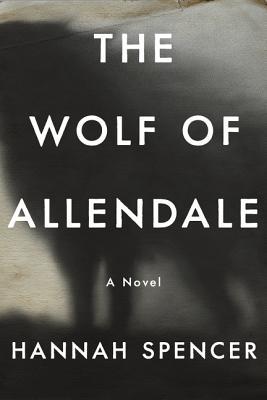
The Wolf of Allendale by Hannah Spencer – I’ve had this historical paranormal novel on my watch-list for a while now, so when the author contacted me earlier this week to ask if I would be interested in a review copy, I said absolutely! Hoping to read it soon in the new year. With thanks to Hannah Spencer and HarperLegend.
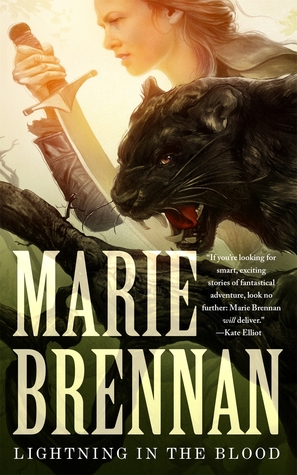
Lightning in the Blood by Marie Brennan – Hard to believe the second novella of this series is already on the horizon, where has the time gone? Looks like I have some catching up to do with Cold-Forged Flame. Cheers to Tor.com for the e-galley.
Reviews
Review round-up time! The Mirror’s Truth rises above the rest to seize the top feature spot!
The Mirror’s Truth by Michael R. Fletcher (4.5 of 5 stars)
Babylon’s Ashes by James S.A. Corey (4 of 5 stars)
Stranded by Bracken MacLeod (4 of 5 stars)
The Found and the Lost by Ursula K. Le Guin (4 of 5 stars)
Winter Halo by Keri Arthur (4 of 5 stars)
Certain Dark Things by Silvia Moreno-Garcia (4 of 5 stars)
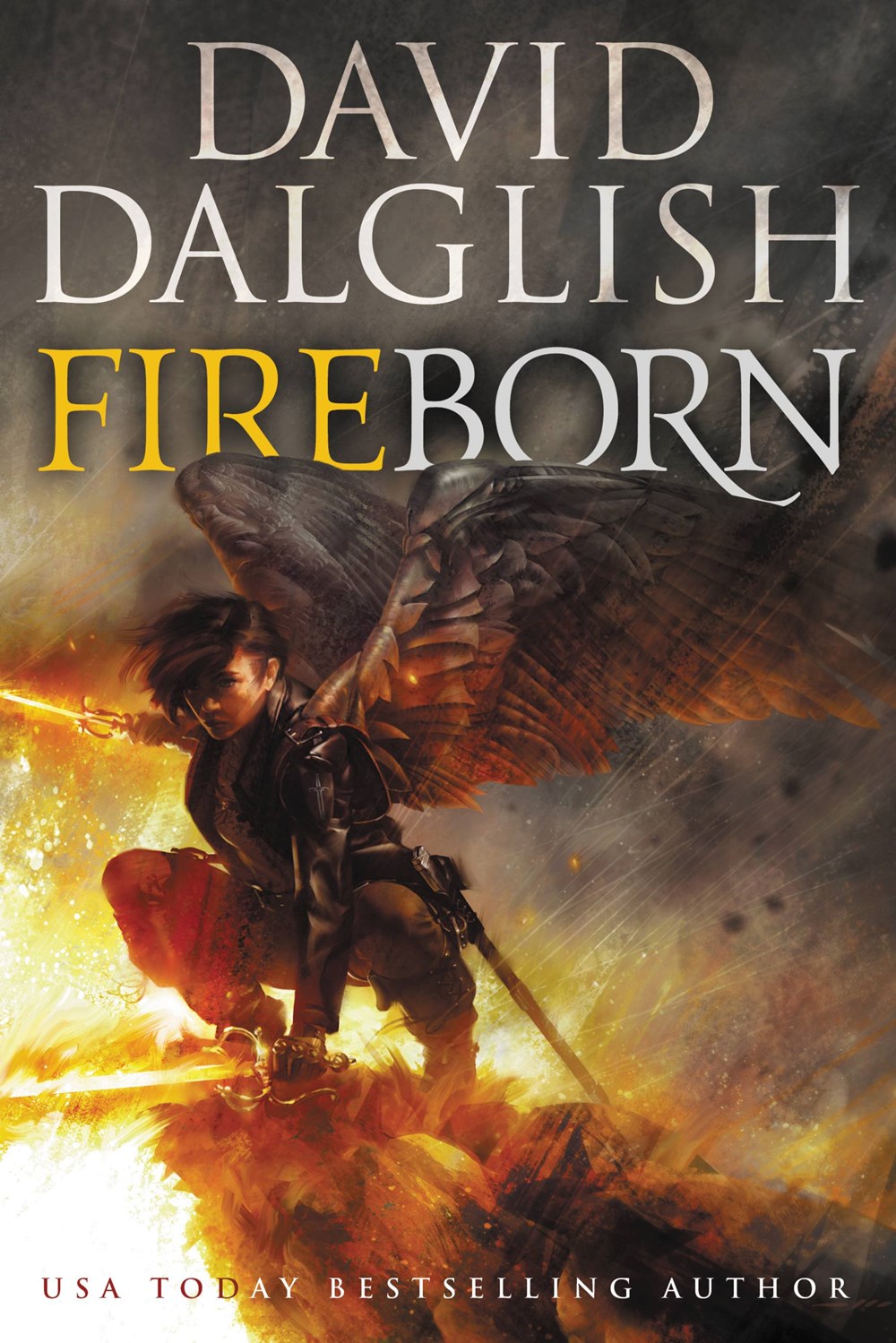
Fireborn by David Dalglish (3.5 of 5 stars)
The Rains by Gregg Hurwitz (3 of 5 stars)
Roundup Highlights:

Interviews & Guest Posts
Get ready for even more Manifest Delusions! Big thanks to author Michael R. Fletcher who also stopped by The BiblioSanctum this week to talk the series and his new book.
Talking Delusions: An Interview with Michael R. Fletcher
What I’ve Read Since the Last Update
My December catch-up is in full swing (which includes some SPFBO reading as well)! Being continuously sick for the last two weeks has slowed me down some though. Nevertheless, here’s what I’ve reviewed/will be reviewing soon.
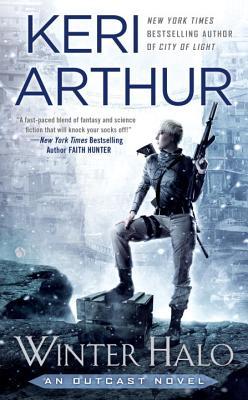


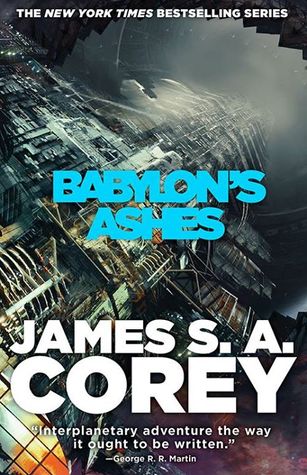


Have you heard of or read any of the books featured this week? What caught your eye? Any new discoveries? I hope you found something interesting for a future read! Let me know what you plan on checking out. Until next time, see you next Roundup!
Week 3: A Closed and Common Orbit Read-Along
Posted on December 16, 2016 6 Comments
Sci-Fi November might be over, but that doesn’t mean the sci-fi fun has to stop. Our Read-Along of A Closed and Common Orbit by Becky Chambers has officially begun. If you’re interested in participating, hop on over to the SF/F Read-Along group for more information; we’d love for you to join the discussion. Have you read The Long Way to A Small Angry Planet, the first Wayfarers book? Are you planning on reading this standalone follow-up? Let us know your thoughts.
Lovelace was once merely a ship’s artificial intelligence. When she wakes up in an new body, following a total system shut-down and reboot, she has no memory of what came before. As Lovelace learns to negotiate the universe and discover who she is, she makes friends with Pepper, an excitable engineer, who’s determined to help her learn and grow.
Together, Pepper and Lovey will discover that no matter how vast space is, two people can fill it together.
The Long Way to a Small, Angry Planet introduced readers to the incredible world of Rosemary Harper, a young woman with a restless soul and secrets to keep. When she joined the crew of the Wayfarer, an intergalactic ship, she got more than she bargained for – and learned to live with, and love, her rag-tag collection of crewmates.
A Closed and Common Orbit is the stand-alone sequel to Becky Chambers’ beloved debut novel The Long Way to a Small, Angry Planet and is perfect for fans of Firefly, Joss Whedon, Mass Effectand Star Wars.
Week 1: Friday 2nd December – Part 1 up to Page 94, hosted byLisa at Over the Effing Rainbow
Week 2: Friday 9th December – Page 95 to End of Part 1, hosted by Imyril at There’s Always Room For One More
Week 3: Friday 16th December – all of Part 2, hosted by Lynn at Lynn’s Book Blog
Week 4: Friday 23rd December – Part 3 to End, hosted by Mogsy at The BiblioSanctum
1. So, the opening chapters brought us an apology from Tak to Sidra following the tattoo debacle. What were your thoughts on that particular scene?
Mostly relief. I thought for sure Sidra would have lost Tak as a friend and as the first connection that she’d so desperately wanted. Tak’s open-mindedness is understandable given the reasons, though; I think they share a lot in common despite their different origins. Then there was Tak’s confession about not having much A.I. experience. The apology was probably encouraged by the understanding that there was a void in knowledge which needed to be filled.
2. The stories between Jane and Sidra have a certain symmetry and this week’s was no exception as we watched the pair of them almost go through a period akin to puberty. Did any of their particular experiences bring back fond, or not so fond, memories for you?
Haha, last week I compared Sidra to a teenager who was just starting to develop her independence, and in doing so was also maybe trying to test her limits. I guess we were on the right track leading up to the sections featuring Jane this week. While I won’t deny I had my own defiant phase as a teenager, I sure hope I wasn’t such a brat! It did made me think perhaps that Jane’s behavior was exaggerated – I could understand the hormones, but would someone who has had her life of isolation, with only Owl as her guardian really act out in the ways she did, i.e. so similar to the stereotype of your modern-day rebellious high schooler?
3. I love the two separate storylines going on here and though Jane and Sidra share some common ground I think their stories both have something different to say. What are your thoughts on that?
They both want more control over their own destinies, I think. This week Sidra almost gave up when her confidence was shattered after the incident at the party, but later decided to take matters into her own hands by looking into her programming. With Jane, we saw how her grisly discovery drove home the idea that if she didn’t want her own bones to end up forgotten in a scrap heap, then she’ll have to get her act together and start taking steps to get off the planet. In both cases, they’re taking matters into their own hands so they can start shaping their own futures.
4. I’m curious about the Enhanced. We haven’t really spent a lot of time with them but I still think we can draw some conclusions. Is there any aspect of the Enhanced and the planet on which they live that really caught your attention?
I’ll admit, I’m probably just as confused about the Enhanced now as I was when I first started, so I’m not too comfortable speculating on them that much yet. The introduction of Laurian didn’t offer much illumination either. I’m hoping in the final section of the book he’ll open up more about himself and then more puzzle pieces will start falling into place.
5. At the end of the chapters we have a couple of new developments. Sidra has managed to alter the protocols that compel her to speak the truth and the spaceship that Jane escaped in has been uncovered. Do you have any predictions how either of these might affect what is yet to come?
Hard to say; with only 20% or so left to go in the book, I would expect everything to start tying together now. Pepper, who is Jane, is likely looking for the spaceship because of how much Owl means to her. I’m guessing we’ll get the story behind what happened to cause them to separate and lose track of each other, and when they retrieve the spaceship I sure hope Jane/Pepper will find what she’s looking for or I’m sure there will be some epic-level tears. Given the bittersweet ending Chambers gave us in A Long Way, I would say sucker punches are entirely possible, so I’m not ruling anything out at this point.
With regards to Sidra, all I can say is: good for her. I know they say honesty is a virtue, but can you imagine having to answer every single question that is ever asked of you, and to always reply with the truth? It’s hard to be truly human without being able to keep some parts of yourself to yourself, and everyone should be entitled to their own private thoughts. I hope Sidra learns to treasure and not abuse this gift, and that Pepper won’t give her too much of a hard time over it.
Book Review: Stranded by Bracken MacLeod
Posted on December 15, 2016 16 Comments
I received a review copy from the publisher. This does not affect the contents of my review and all opinions are my own.
Mogsy’s Rating: 4 of 5 stars
Genre: Horror
Series: Stand Alone
Publisher: Tor (October 4, 2016)
Length: 304 pages
Author Information: Website | Twitter
If Dan Simmons’ The Terror and The Fold by Peter Clines had a lovechild, I’d like to think the results would look a lot like Stranded. At first this book reads like a suspense-thriller with heavy shades of paranormal horror, but then we get a twist around the halfway point that arguably plunges it into sci-fi territory. And that’s when things starts to get really wild and interesting.
The story follows the crew of the Arctic Promise, a platform supply vessel for an oil rig in the Chukchi Sea. The main character Noah Cabot, ostensibly just a simple deckhand, also appears to be the resident whipping boy for everything that goes wrong aboard the ship, and we soon discover why: the ship’s master is William Brewster, Noah’s father-in-law from hell. The older man has never forgiven Noah for marrying his beloved daughter Abby, and has set out to make our protagonist’s life as miserable as possible by turning most of the crew against him. With few allies, Noah knows he has no other choice but to keep his head down and do the work.
But then one night, everything changes. After weathering through a particularly nasty storm, the Arctic Promise finds itself lost in a sea of fog with its navigation and communication systems down. What’s worse, once the visibility clears, the crew discovers that somehow their ship has gotten itself beset in second-year ice that stretches as far as the eye can see—an impossibility, given how they were just sailing in open water hours before. Things keep going downhill as one by one, the men on the ship are incapacitated by an unknown wasting sickness. Even Noah, who has remained relatively healthy, is not immune to some of its side effects which include the ghostly shadows that men are reporting to see in the corner of their visions. With none of the equipment on the ship working, the crew’s only hope is a mysterious structure they can barely spy in the distance, separated from them by an ocean of thick ice.
Stranded may have started with a heart-thumping opening sequence in which readers are thrown into the midst of a storm, but then the story pulls back a little as MacLeod gradually doles out the details of our maritime setting and establishes the protagonist’s situation aboard the ship. This book is like a ride that starts off slow, focusing first on the element of human drama and making us wonder why everyone on the Arctic Promise seems to have it out for Noah. As it turns out, Brewster’s grudge against him over Abby is only one half of the puzzle; the other has to do with a shocking incident that took place around a year ago while our main character was on the job. Hence the author spends a lot of time weaving the past into the present narrative, but seeing as how both points will come back to haunt Noah in a big way later on in the novel, all that measured build-up turned out to be worth it.
All the payoff is in the second half, there’s no doubt about that. The turning point drops not long after the crew discovers their ship trapped and they strike off onto the ice to investigate, and I think for many readers this will be the moment that determines whether they like this book or not. Personally speaking, I took this “make or break” plot twist in stride and ended up really enjoying myself, and even though this story is far from perfect, I thought the way the author pulled it off was pretty clever and slick. Overall this is a very entertaining tale, especially once things take off at a breakneck speed, culminating into a suspenseful climax and conclusion. I also liked the calculated progression in genres as we moved towards the grand finale; so much could have gone wrong along the way, but somehow this bizarre mash-up of thriller, mystery, horror and science fiction elements ended up working in the story’s favor.
That’s all I can say, really, without giving too much away. I’ll just close this off with a final piece of advice: try to read this in a warm place. Stranded is a good reminder humans are not meant for -40 degree temperatures; I swear I get chills just thinking about certain parts of the book (and it’s not all just because of the cold setting). The cruel atmosphere, engaging characters, and an entertaining plotline all helped make this one a fast, fun read. I’d check it out if it piques your interest.



 The BiblioSanctum