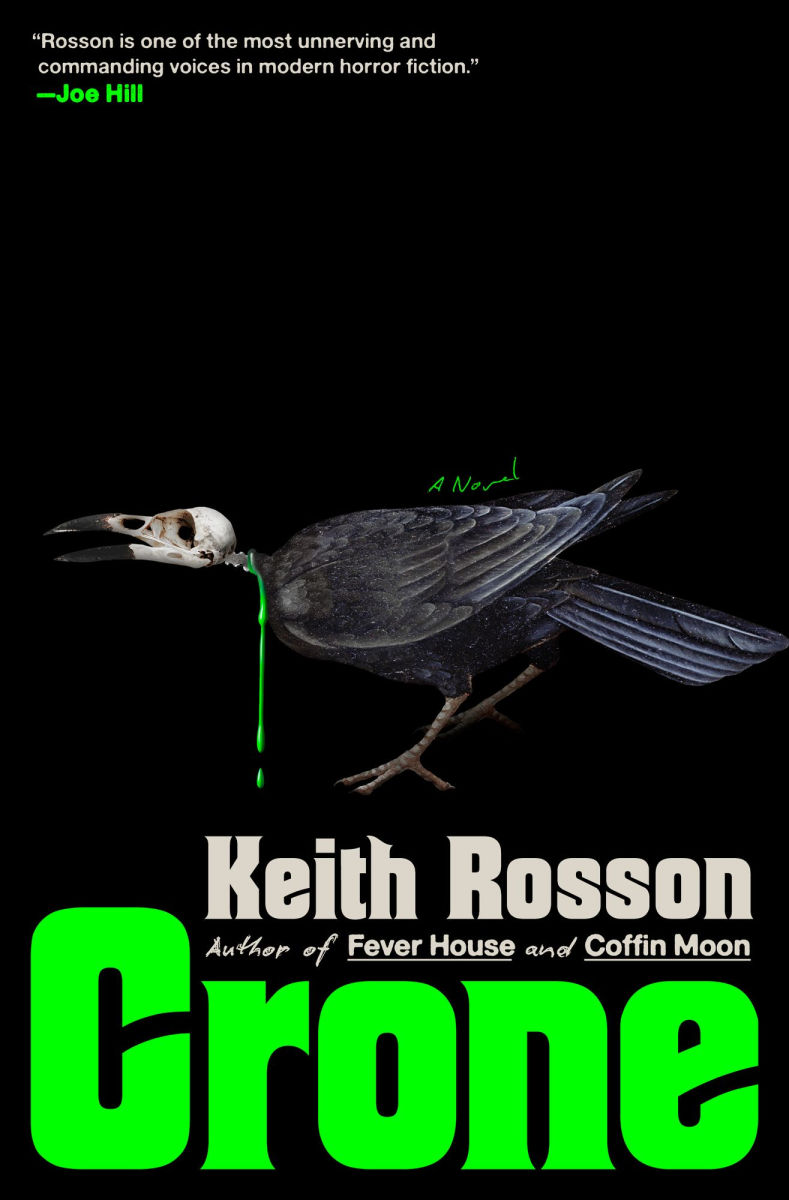
Book Review: Crone by Keith Rosson
Posted on October 23, 2026 4 Comments
I received a review copy from the publisher. This does not affect the contents of my review and all opinions are my own.
Mogsy’s Rating: 4.5 of 5 stars
Genre: Horror
Series: Stand Alone
Publisher: Random House (September 22, 2026)
Length: 352 pages
Author Information: Website
I’ve had several of Keith Rosson’s books sitting on my reading list over the past few years, but somehow, Crone is the first one I’ve actually picked up and read. And man, am I glad I finally took the plunge. Blending small-town crime, mystery, and supernatural horror, this was a great introduction to the author’s work. It’s the kind of story that starts pretty grounded, treading in gritty albeit familiar territories before gradually taking things up a notch in much stranger directions.
The story takes place in a small seaside town in the Pacific Northwest, where fifteen-year-old Hannah Lamp disappeared thirteen years ago after hitching a ride on a stormy night. The last person to see her was her best friend, Avery Bryant, who can only remember that the vehicle was a blue van and that she should have done more to stop Hannah from getting in. Years later, the guilt of that night still haunts her. Hannah’s father, Eli Lamp, a former detective, is just as unable to let go. Haunted by his own failings as a father and the time he neglected to give his daughter, Eli remains consumed by the need to find out what happened to her. His obsession, however, has left him indebted to a local drug gang, forcing him to work as their enforcer to pay off what he owes. Desperate to leave that life behind but unable to find a way out, Eli sees a possible escape when the gang’s leader offers to wipe his debt clean in exchange for finding out who killed his son.
Meanwhile, Avery returns to her hometown after many years, called to it by an unsettling dream of Hannah which brings unresolved questions back to the surface. A terrible discovery on the beach also catches the attention of Vicki Stubbs, a local fortune teller and self-professed witch who recognizes the bloody find as a sign of bad things to come. As these separate storylines begin to come together, the investigation points towards something far more sinister than the usual criminal activity in town.
One of the things I really liked about Crone was the mix of small-town crime and mystery with the larger, more insidious threat lurking beneath the surface. The drug trade and the organized crime rings, for example, are a menace that goes well beyond just a few criminals, reaching into the community and affecting the people in ways that aren’t always obvious. I thought this gave the story an unsettling vibe even before the supernatural elements came into play. Up until that point, I also liked how Rosson was leaving some room for doubt about what’s really happening. While there were hints that something unnatural might be at work, you’re never entirely sure until a major, genuinely shocking moment puts those doubts to rest once and for all. And speaking of shocking, there are a few twists here that I genuinely didn’t see coming.
Rosson also does a good job of showing how loss can leave people stuck in the past, unable to move forward even as the years pass them by. This is particularly evident in Eli and Avery, two of the novel’s strongest characters. Eli is a deeply flawed man whose grief over his missing daughter has shaped virtually every aspect of his life, but his determination to find out what happened to Hannah makes him an admirable figure all the same. Avery, too, is a tragic figure in her own right. Like Eli, she’s spent years weighed down by guilt, but there’s also a sense of wasted potential to her story that makes her situation all the more heartbreaking. Together, these characters give the novel an emotional depth that elevates it beyond what could otherwise have been a straightforward crime thriller with a supernatural twist.
As for the horror itself, I thought there was great balance between the grounded crime elements with the more disturbing, otherworldly aspects of the story. I enjoyed how the tensions gradually increased as the plot’s pieces gradually fell into place. A word of warning, there’s plenty of gruesome material here as well, including a few downright nasty scenes that get tough to read, though to be fair, it generally reads like a natural extension of the story rather than violence thrown in simply for shock value. If I’m forced to make just one complaint, I have to say my only disappointment was the ending. Given how well the mystery and atmosphere came together through most of the book, I was hoping for a conclusion that continued in that same vein. Instead, things became a little too untethered for my tastes. Fortunately, it did little to spoil the overall experience, but I did wish the end had felt more in keeping with the crime-driven horror that made the rest of the book work so well.
Overall, Crone was a very satisfying read, and I’m glad it was my introduction to Keith Rosson. I loved the combination of small-town mystery and creeping horror, but I also appreciated that beneath all the brutal crime and violence, there was also meaningful development with real emotion and sadness, especially after I read the author’s note and found out more about the book’s inspiration. I guess I know what this means: I’ll need to stop letting the author’s other books sit on my reading list for so long.


Book Review: It Looks Like You in the Dark by Mathilda Zeller
Posted on October 19, 2026 6 Comments
I received a review copy from the publisher. This does not affect the contents of my review and all opinions are my own.
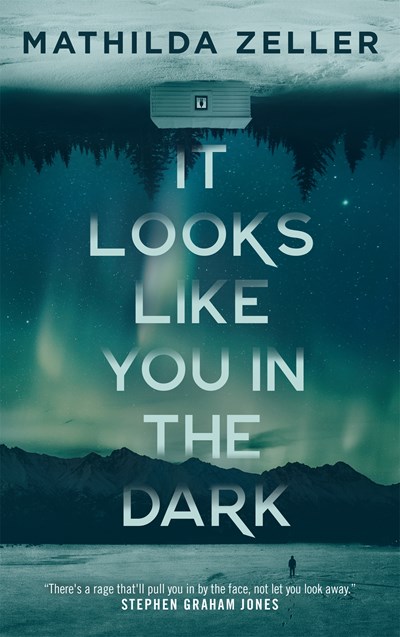 It Looks Like You in the Dark by Mathilda Zeller
Mogsy’s Rating: 3 of 5 stars
Genre: Horror
Series: Stand Alone
Publisher: Nightfire (October 13, 2026)
Length: 288 pages
Author Information: Website
Set in a remote wilds of northern Alaska, Mathilda Zeller’s It Looks Like You in the Dark blends Indigenous folklore with supernatural horror and a story about greed, environmental destruction, and the struggles of a small, isolated community. It has an interesting premise and some genuinely creepy moments, but I ultimately found the actual reading experience a little uneven and slower than I’d hoped.
The story follows Tapeesa, who has just finished high school and is now working at the local fish processing plant in Chukchi, the Alaskan village where she was born and raised. Between keeping an eye on her unreliable mother and looking after her younger sister Esther, she already has plenty on her plate. Even if knew what she wanted to do with the rest of her life, she wouldn’t have the freedom or the means to pursue it. But then their quiet village life is soon disrupted by a series of strange and unsettling events. Like the other children in the village, Tapeesa grew up hearing stories about the kushtuka, a creature that can take the form of someone you love to lure you away. It’s the kind of folklore that’s easy to dismiss as a childhood tale, but as people begin to disappear, Tapeesa starts to wonder just how much truth there might be behind the legend.
Adding to the tensions, a mining company has also arrived in town with plans to extract resources from the surrounding land, promising to revitalize the economy and provide jobs. However, the community is divided over the announcement, concerned about what this means for their future and how all the mining activity would impact the environment around their home. But when Esther suddenly goes missing, Tapeesa has more immediate concerns. Determined to find her sister, she is forced to make uneasy alliances and consider compromises she never imagined making. But no matter what it takes, she will do anything necessary to bring Esther home.
It Looks Like You in the Dark had a lot of things going for it, particularly its Alaskan setting and the incorporation of Inupiat folklore. I really enjoyed the sense of place and how the story draws on the history and traditions of the community. The isolation makes for an interesting backdrop, with its bleak and unforgiving landscape and the self-reliance that comes with living so far removed from the rest of the world. There’s also a quiet sadness in the way the story portrays life for younger people like Tapeesa, who struggles to eke out a living while feeling as though there are few opportunities to build a different life. But at the same time, the book recognizes that Chukchi is more than a place people feel stuck in. It’s home to a community with its own traditions, connections, and ways of life, as seen in the way one of Tapeesa’s friends prepares for the Iditarod. There’s a deep balance between the hardships of living in such a remote place and the deep ties that make it meaningful to the people who live there.
Unfortunately, I had a rougher time connecting with the story itself. The pacing was slow, and there were stretches where I found things a little tedious waiting for things to pick up. Some of the plot points also felt repetitive, with similar conversations and conflicts coming up more than once without adding enough to keep them interesting. I sympathized with Tapeesa’s struggles with her responsibilities to her family and community but also felt like the book spent too much time circling these concerns. Meanwhile, I was especially intrigued by the concept of the shape-shifting creature that lures people away from the safety of their homes by taking the form of someone they know and trust. There’s just something deeply unsettling about the idea of a monster that can exploit the love and bonds between people, but while this was one of the story’s strongest elements, we honestly didn’t get much of it. There was so much potential to create a stronger sense of paranoia and dread, but it never became as central to the horror story as it should have.
At the end of the day, I thought It Looks Like You in the Dark had the ingredients for a much more effective horror novel. But while its underlying elements made it good, the overall execution never quite pulled everything together in a way that made it great. Still, although it landed somewhere in the middle, the interesting ideas and themes made it a worthwhile read.

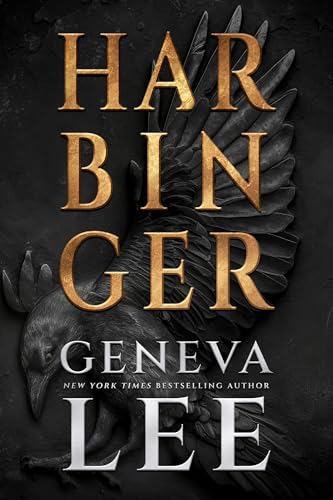
Book Review: Harbinger by Geneva Lee
Posted on October 15, 2026 6 Comments
I received a review copy from the publisher. This does not affect the contents of my review and all opinions are my own.
Mogsy’s Rating: 3.5 of 5 stars
Genre: Romance, Fantasy
Series: Book 1
Publisher: Red Tower Books (September 10, 2026)
Length: 496 pages
Author Information: Website
If you’re a fan of Red Tower Books and the kind of romantasy they publish, Harbinger by Geneva Lee should feel right at home on your reading list. Their signature vibe is all over it, which isn’t necessarily a bad thing! Sometimes it’s helpful to know exactly what you’re getting into before you even open a book, and this one delivers on many of those favorite and familiar ingredients. On the other hand, if you’ve read a lot of their titles, you might also find yourself experiencing a little déjà vu.
The story follows Arden Icaros, a daughter of one of Antares’s five noble bloodlines. Although her family is considered among the least wealthy and influential in the kingdom, their earth magic nonetheless plays an essential role in feeding its people. And so, while Arden would much rather be at home working the family farm than dealing with the stuffy pageantry of court life, she unfortunately cannot avoid her Petition, a ceremony in which young nobles discover whether they will inherit their family’s magic. Yet what should have been a routine rite of passage takes a horrifying turn when Arden breaks with tradition, setting off a chain of events that could cost her everything. Instead of returning home triumphant, she finds herself branded the Harbinger, a designation that, to some, makes her an omen of war and a threat that must be eliminated at any cost.
With few options available to her, Arden seeks help from the one person who might be able to keep her alive. Known only by his title, Bishop is a feared member of an elite order sworn to guard the kingdom from its enemies. Ruthless and dangerous, he is hardly the kind of person our protagonist should trust, particularly since his very role involves eliminating people like her, but surprisingly, he offers her protection. At his home, now her new sanctuary, Arden must learn to navigate unfamiliar rules, political machinations, and a strange magic system she barely understands. As she struggles to adapt, she and Bishop become increasingly enmeshed in a tangle of secrets surrounding her fate as Harbinger and the forces that want to destroy her.
On the whole, I enjoyed this book and its potential, even though certain story elements felt recognizable and standard. There are plenty of romantasy staples here, from the mysterious brooding male lead to the heroine who finds herself caught up in forces far beyond her control. Individually, though, I think these elements worked well in Harbinger, making the plot feel a little less predictable. The story did take a while to get going, making it more difficult to become fully invested during the early chapters, especially when world didn’t begin to feel like a fully realized place until around the halfway point, when everything opened up enough for me to get a better sense of what was happening. Things became more interesting from there, as the setting and its larger conflicts started to take shape.
But for me, the characters presented the biggest struggle, particularly Arden. I know plenty of romantasy readers who enjoy a female protagonist with a sharp tongue and rebellious streak, so these criticisms might be just me, but her particular brand of sass wore me down pretty quickly. Arden often seemed incapable of knowing when to shut up or think through the consequences of her actions, and I found myself increasingly frustrated with her whenever her own impulsiveness lands her or others in trouble. To be fair, this is a characterization I struggle with in general. There’s a difference between being outspoken and being needlessly reckless or always needing to have the last word. If you’ve read your fair share of Red Tower titles like I have, you’ll probably recognize this heroine archetype.
Whether it works for you will depend on how you feel about Arden’s dynamic with Bishop. Personally, the contrast between her impulsive behavior and his more composed, experienced, and mature demeanor sometimes made her come across as an impudent child rather than an equal romantic partner. And that’s why the romance was just okay for me too. It was slow burning, which itself was fine, and I actually appreciated that their relationship was given time to develop. However, the eventual shift from simmering tension to a full-blown established lovefest also felt rather abrupt. After all that time building anticipation, I wish there was a little more balance in the transition to savor it! Still, credit where credit is due, their romance added another layer to the central conflict and gave that killer ending even more punch.
All told, Harbinger was a great read, especially given the way it steadily picked up as it went along. While it was admitted slow to take off, once things picked up, the expanded world and larger conflicts made it very enjoyable. Although I personally had a difficult time warming up to the main protagonist, I think I’m in the minority and that most romantasy readers will likely find plenty of reasons to root for her. If you’re a fan of the genre and of Red Tower Books’ other titles, this one will be right up your alley.

Book Review: Mystery Play by Elizabeth Kostova
Posted on October 9, 2026 7 Comments
I received a review copy from the publisher. This does not affect the contents of my review and all opinions are my own.
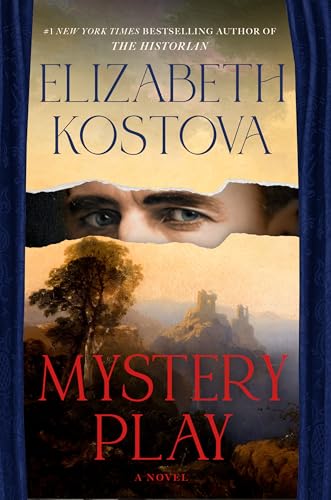 Mystery Play by Elizabeth Kostova
Mogsy’s Rating: 3.5 of 5 stars
Genre: Horror, Mystery
Series: Stand Alone
Publisher: Ballantine Books (October 13, 2026)
Length: 592 pages
Author Information: Website
Mystery Play by Elizabeth Kostova is a different kind of horror and paranormal historical mystery, and I mean that in a good way. There’s definitely a puzzle at the heart of the story for the reader to solve, but it is also much more interested in slowly uncovering its secrets than delivering scares or nonstop suspense. Emphasis on SLOWLY! I came away from this knowing that I enjoyed myself, yet at the same time, there’s no denying some major pacing and structural issues.
The story follows Jay Turner, a young history teacher who loses his mother to a sudden illness. After taking leave from the boarding school where he works, he returns home to sort through her belongings. There, he discovers a collection of unusual keepsakes, including an old book and references to Gael Brogan, a celebrated nineteenth-century stage actor whose many roles included Shakespearean characters, but whose most famous performance was Dracula in a stage adaptation of Bram Stoker’s classic. Curious about his mother’s apparent fascination with these collected materials and the secrecy surrounding them, Jay begins his own investigations. His research soon leads him into a much larger mystery involving Brogan’s productions, the actor’s relationships with those around him, including a young co-star with whom he was rumored to have been romantically involved. Letters, diaries, and other surviving documents gradually reveal hints of strange rituals and darker secrets lurking beneath the theatrical world.
Following even more clues, Jay’s efforts eventually lead him to tour a historic estate, where he meets Rhiannon, a graduate student in history who works there. While Jay immediately finds himself drawn to her, their connection takes on a much greater significance after someone close to both of them is brutally killed, revealing a link between their lives that neither knew existed. Together, they set out to understand the murder and what it might have to do with the secrets they have been uncovering. Jay begins to wonder whether the strange objects his mother left behind are connected to the killing and whether someone is trying to stop them from putting the pieces together. Before long, the two find themselves caught between pursuing answers and trying to stay ahead of something that may already be pursuing them.
I really enjoyed the way the story gradually connected the pieces, particularly the historical details. The strong theatrical themes also ended up being one of my favorite aspects of the book. I learned that a mystery play is a type of medieval religious drama depicting biblical stories or spiritual themes, and Kostova expands on that idea, connecting literature, mythology, and theater with dark rituals and paranormal elements across several periods. She weaves all these threads together so well that it becomes difficult to tell where history ends and the otherworldly begins.
Then there are the nods to Dracula itself. The story is written in an epistolary style, with diaries, letters, documents, and other written accounts forming the backbone of the novel. At the same time, Shakespeare and the traditions of theater are woven throughout, giving the book an appropriately old-world quality. There were times when it felt as though I was digging through some dusty archive alongside Jay and Rhiannon, and I appreciated how the plot drew on the rich history of theater to create a sense of awe around its ancient, mysterious traditions.
But towards the middle, I struggled. As I mentioned before, pacing can be rather slow, though this is likely by design. Generally, I don’t mind too much as long as the atmosphere and mystery are strong enough to carry it, but there were admittedly stretches that really tried my patience, leading to boredom. Several interruptions to the main narrative, including an extended section that cut in following another character’s diary and writings made me wonder why I was suddenly reading about this person and what it had to do with everything else. Once the significance was revealed, it made much more sense, but getting there sure felt like a chore at times. There were more detours and abrupt switches like this throughout the book, and while they eventually fit together, they frequently pulled me out of immersion rather than drawing me deeper into it.
Fortunately, the atmosphere ultimately won me over and motivated me to finish the book. Mystery Play isn’t a horror novel that will have you peeking through your fingers or jumping at every noise in the house, but the gradual accumulation of strange details is designed to fill you with a sense of unease. Kostova is very good at letting that tension simmer rather than constantly pushing it to the surface, and I thought that worked particularly well given the story’s themes.
Overall, I have to say Mystery Play was an interesting and atmospheric read that, while not without its flaws, stands out as one of the more unique and distinctive books I’ve read this year. Its blend of historical fiction, paranormal mystery, and gothic horror makes it feel special, and despite some narrative hiccups and slower stretches, there was plenty here to keep me invested. When everything clicks, it’s an experience that makes the journey worthwhile.
Audiobook Review: Dive Bar at the End of the Road by Kelley Armstrong
Posted on October 5, 2026 15 Comments
I received a review copy from the publisher. This does not affect the contents of my review and all opinions are my own.
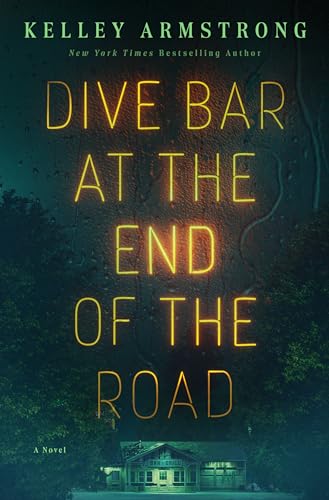 Dive Bar at the End of the Road by Kelley Armstrong
Mogsy’s Rating (Overall): 2.5 of 5 stars
Genre: Horror, Mystery
Series: Stand Alone
Publisher: Macmillan Audio (October 6, 2026)
Length: 8 hrs 23 mins
Author Information: Website | Twitter
Narrator: Helen Laser, Sean Patrick Hopkins, Shane Ghostkeeper
Kelley Armstrong is one of my favorite authors so it’s rare for me to come across a book of hers I dislike, though it occasionally does happen. Given the way she moves between genres and styles with an impressive amount of versatility, I guess it’s inevitable that sooner or later, there will be something that doesn’t quite work. Unfortunately, Dive Bar at the End of the Road turned out to be one of those books. It’s an interesting and unusual take on supernatural horror for sure, but maybe just a little too weird for my tastes.
The story begins on a dark and stormy night when a series of accidents leaves a group of strangers stranded at an isolated dive bar, which is the only sign of civilization in the literal middle of nowhere. Ellie is the first to arrive after swerving to avoid a mystery woman suddenly appearing standing in the road, sending her car crashing into a tree. More vehicles soon pile up, the next one belonging to Henry, a paramedic, who rushes to help bring Ellie to the bar in the hopes of calling for some help.
But there, they only find a strangely upbeat bartender who seems to know far more about them than he should, along with a single bar patron who looks suspiciously like the woman Ellie narrowly avoided on the road. There are also no working vehicles to be had, phone lines are down, and no cell service. Before Ellie and Henry can even decide their next move, however, more guests turn up, all of them frazzled and in a panic, telling a similar tale. They were all driving along the lonely road when suddenly, an unavoidable obstacle causes them to crash, disabling their cars and leaving them with nowhere else to go. Of course, it doesn’t take them long to realize something is very wrong with the bar and the surrounding woods, and that none of them are here by accident. What started off as a straightforward survival situation swiftly turns into something more supernatural, and the rules of whatever dreadful place our characters have stumbled in may cost them their lives.
I can absolutely see how this premise will work well for some readers, and there were even some elements of this story I really liked. For one, the basic setup is fantastic. A group of random strangers with disparate personalities are thrown together due to circumstances outside their control, forcing them to work together to figure out what’s going on. Next, there’s the supernatural horror aspect. This isn’t simply a case of being trapped by a bad storm, and only once the characters are confronted with unexplained visions and manifestations of their own fears do they begin to accept that there may be no rational explanation for the dangers they’re facing.
That said, I had a harder time with the way the story was structured. There’s an element of another plane of existence, almost like a purgatory at work here, and the plot relies heavily on flashbacks and revelations to explain what is happening. Because of that, the narrative can feel pretty disjointed, especially as more characters and backstories are added once they show up. There are a lot of moving pieces, and just when I thought I had a handle on one aspect of the story, another character or piece of history would get pulled into the mix. Simply put, I eventually found myself feeling worn down by having to keep track of what exactly was going on.
That was probably my biggest issue with the book. The whole mystery surrounding the bar and its bartender and why these particular people have ended up there is designed to keep you guessing, but at some point, I just wasn’t particularly interested in playing this guessing game anymore. It wasn’t that the underlying concept was bad. I actually think there’s a highly intriguing thread holding it all together. My problem was the process of teasing it out, which wasn’t particularly enjoyable. It had me so distracted that I couldn’t even find the book nearly as creepy or frightening as I expected. Armstrong has a real talent for creating genuinely unsettling horror, but here I felt like the sheer number of things going on ended up overshadowing the atmosphere and making it harder for her to work her magic.
On the bright side, I can easily picture this book working much better as a movie. The premise itself seems tailor-made for the big screen, and I think so much of what happens on the page would play out much more effectively as visuals, like the isolation of the bar, the unseen threats lurking in the woods, and the disturbing visions the characters experience. Even in audio format, which was what I listened to, helped a lot with good narrators that made the story feel more immediate, and more immersive. I had no complaints about the performances, which were excellent. Still, this story is definitely a movie I would watch, but as a novel, I found myself more frustrated. Which is a shame, because in a right format, I feel this is a story that can really shine.
In the end, I know this review is probably going to be an unpopular opinion, but I’m bummed to say Dive Bar at the End of the Road did not work for me. I can certainly appreciate what Kelley Armstrong was trying to do, but I just didn’t love the execution. She’s written much better books, particularly when it comes to building atmosphere and telling a tight, coherent story. I’m still a huge fan of the author, but this latest offering was ultimately too weird and all over the place for me.

Book Review: The Need by Megan Mostyn-Brown
Posted on September 30, 2026 7 Comments
I received a review copy from the publisher. This does not affect the contents of my review and all opinions are my own.
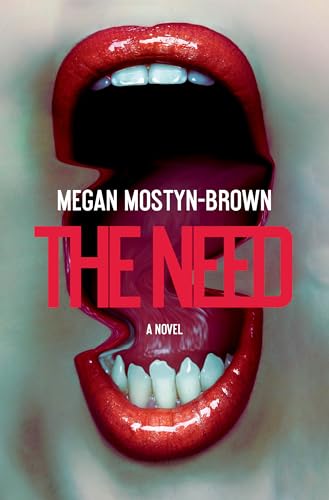 The Need by Megan Mostyn-Brown
Mogsy’s Rating: 4.5 of 5 stars
Genre: Horror
Series: Stand Alone
Publisher: Del Rey (September 22, 2026)
Length: 288 pages
Author Information: Website
I don’t know what it is about The Need, but I absolutely loved the hell out of this book. It’s weird, gory, a little ridiculous, and clearly not interested in taking itself too seriously, which turned out to be a pretty perfect combination for me. Megan Mostyn-Brown takes the idea of cannibalism in some very unexpected directions, mixing gruesome horror with dysfunctional families, dark humor, and a bit of chaos. I went into this expecting something dark and fun, and boy, did it deliver.
The novel’s premise alone is enough to grab your attention: certain people are born with a genetic condition that requires them to consume human flesh to stay alive. This condition, known simply as the Need, is passed down genetically, and kept secret amongst those who have it. For many, it is a curse that must be hidden at all costs. But others have embraced it as part of who they are, with some families even treating it as a source of pride and becoming obsessed with keeping the bloodline pure. This story follows Talia, a mother who falls firmly in the first camp. She has spent years moving from place to place with her twins, Sam and Rosie, trying to stay one step ahead of her mother-in-law, Vera, a brutal woman who falls firmly into the latter camp. Following the death of her husband, Talia wants nothing more to do with his overbearing family, but Vera has other plans. As the head of a wealthy and powerful family, she has every resource at her disposal and will stop at nothing to get her grandchildren back under her control.
Talia has another problem to worry about. While Rosie was born without the Need, Sam on the other hand has inherited the full-blown form of the condition. Now a teenager, he struggles with the impulses that come with it and sometimes loses control, leaving Talia to pack up the family and move whenever his actions threaten to catch up with them. Meanwhile, Rosie is simply eager to experience something resembling a normal teenage life, which is difficult when you have a brother who eats people and a mother who keeps uprooting you every few months. But as Talia’s carefully constructed plans begin to unravel and she runs out of places to hide, the family is forced to confront just how much damage the Need has caused across generations.
I really loved the concept behind the novel, especially the idea of families approaching the Need from very different directions. Talia sees it as something dangerous and almost shameful, while Vera has taken the opposite approach, becoming almost fanatical about her heritage and horrified by the possibility that any of her descendants, like her son or Rosie, could be born without the condition. That difference creates some wonderfully messed-up family dynamics, but underneath all the killing and cannibalism, there’s actually some deeper stuff going on about parenthood and the hang-ups and unhealthy patterns that get passed down from one generation to the next.
A possible sticking point, however, might be the number of POVs. There are a lot of them, and because the chapters move quickly between multiple first-person perspectives, keeping track of them can easily become overwhelming. At the same time, I have to admit this format probably worked better than it should have because of how it kept the story moving. And then there’s Vera. Oh my goodness, Vera! I was not prepared for how much I would enjoy this woman. She is absolutely terrible, completely unhinged, yet somehow manages to be hilarious while doing some truly dastardly things. I’m pretty sure she made me laugh out loud at least a dozen times. There’s just something incredibly entertaining about a villainess who is so committed to her own demented worldview that she can turn even the most horrifying situation into something absurd.
Speaking of which, some of the imagery in this book is genuinely wild. The Need was exactly the kind of strange, messy horror book I didn’t realize I was in the mood for. Of course, there was also a little more teenage drama than I personally needed, particularly when everything else going on was much more interesting. But if nothing else, it was entertaining to watch the kids worry about teenage problems when everything else around them is so out there. This is not a book where everyone makes sensible decisions, and honestly, I think the story is better for it.
Ultimately, this novel was just ridiculously fun to read. Sometimes all I need is a killer concept, some deeply questionable characters, and a whole lot of blood to have a good time. The Need has a sort of horror-meets-dark-humor energy that makes me think fans of Rachel Harrison will really love this, and I definitely recommend it to genre readers who like being entertained without losing sight of the emotional and dysfunctional human relationships underneath the horror.
Book Review: The Court of Venus by Bel Banta
Posted on September 26, 2026 10 Comments
I received a review copy from the publisher. This does not affect the contents of my review and all opinions are my own.
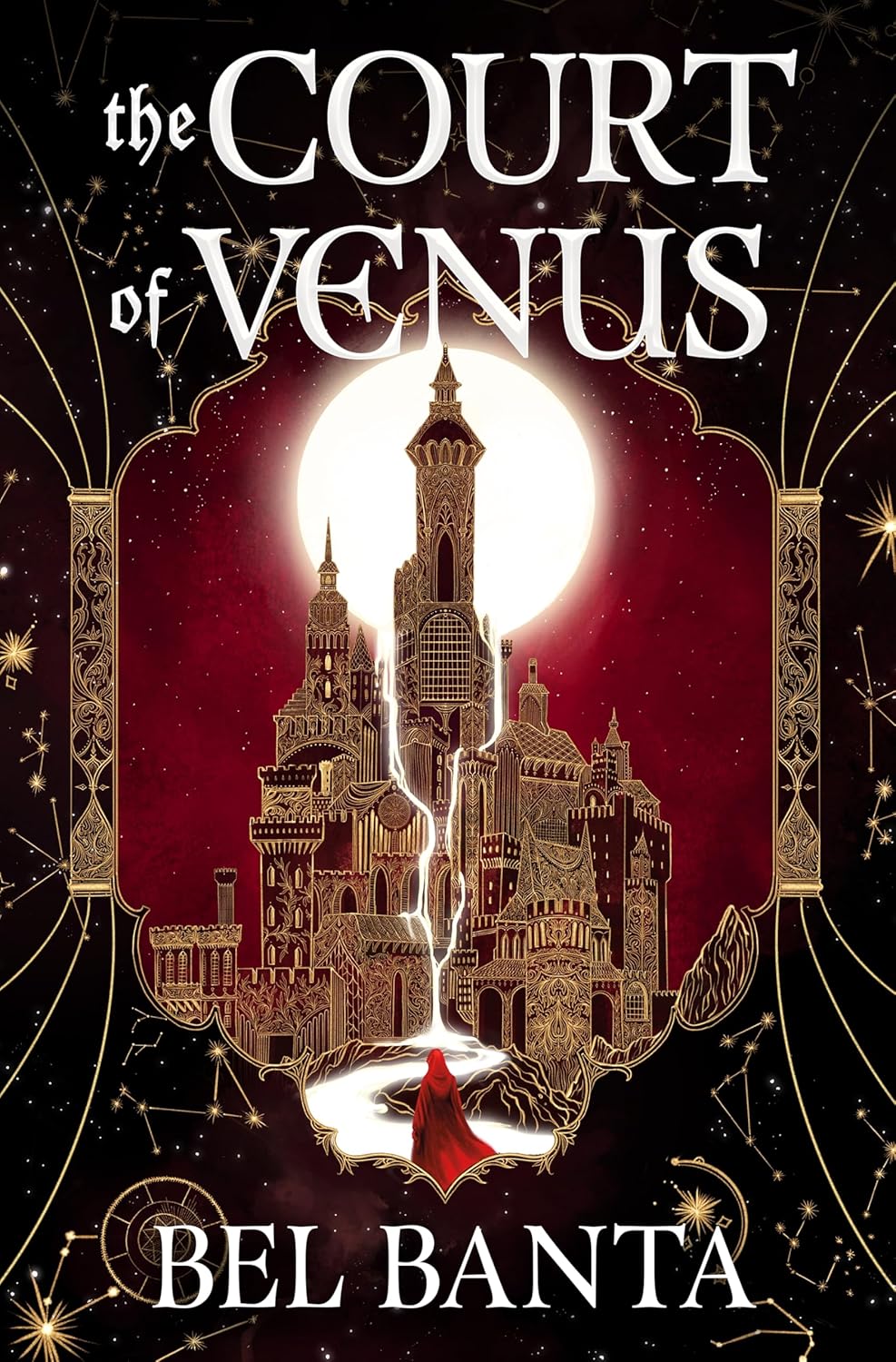 The Court of Venus by Bel Banta
Mogsy’s Rating: 4 of 5 stars
Genre: Fantasy, Romance
Series: Stand Alone
Publisher: Tor Books (September 29, 2026)
Length: 368 pages
Author Information: Website
I’m usually quite picky when it comes to romantic fantasy, but The Court of Venus by Bel Banta surprised me. This is a slow-burn romance in the truest sense, with a lot of history and unresolved feelings between our characters before anything starts happening, but I thought it was handled remarkably well. Add in a celestial magic system, a dangerous royal court, and a murder mystery, and there’s a lot to like here.
The story follows Bianca Mortlake, the first Moonborn magician in more than a thousand years. Due to the incredibly rare alignment of celestial bodies at the time of her birth, she possesses a number of magical abilities that are difficult to predict, as the seven planets each grant their own distinct gifts. She is eventually trained at court by Alvion’s royal magician alongside the charismatic yet lofty Roland, her fellow acolyte and a powerful Venusborn magician in his own right. The two of them and the crown prince were once inseparable, but tragedy eventually drove them apart and sent Bianca away from court.
Years later, after building a quiet life elsewhere, Bianca is summoned back to Alvion under troubling circumstances. When she returns, she finds the place falling apart at the seams. The royal family is in shambles, the question of succession has become increasingly urgent, and competing factions have come out of the woodwork, all trying to gain the upper hand. Bianca soon finds herself practicing spycraft, as her status of Moonborn makes her an especially important piece on the board. Using her magical abilities to navigate the court and uncover what is really happening behind the scenes, she discovers there is more happening beneath the surface than anyone wants to admit. And then there is Roland, her old rival, who has once again entered her life. Despite their complicated history, they now find themselves fighting on the same side.
First things first, I don’t often find myself particularly interested in romantic arcs, but to my astonishment, I found this one genuinely enjoyable. There’s real chemistry between Bianca and Roland, and more importantly, I actually believed in the emotional connection between them. There’s a sort of enemies-to-lovers dynamic happening here, but thankfully without the constant snark and one-upmanship that can make that trope exhausting. Instead, there’s a tangible sense of familiarity even underneath all the tension. Their relationship truly feels like it has existed long before the start of the book, with plenty of background to unpack, rather than two characters who suddenly develop feelings because the plot says they should. I liked that the story took its time building those foundations, then letting the intimacy advance from there.
But yes, it’s slow. Frustratingly slow, at times. And yet, I have to say this is one of those rare cases where the process actually works. The story needed time to let Bianca and Roland get reacquainted, allowing them to put the awkward past behind them, so that new and exciting feelings between them can develop and grow. For that reason, it never felt as though the plot was holding back just for the sake of making readers wait. By the time things finally started moving in that direction, it felt much more rewarding than if they had been rushed into a relationship, and I think the results speak for themselves.
I also enjoyed the world-building, particularly the idea of the different magical courts being associated with celestial bodies and having abilities that reflect those associations. The planetary influences give the magic system a distinct identity, and the dangerous alliances and political maneuvering at court made the setting feel like more than just a backdrop for Bianca and Roland’s romance. There’s a lot of potential in this world, with its elements generally complementing each other well. That said, my one complaint involves the vague explanation behind a Moonborn’s abilities. I can accept that Bianca is an unusually powerful magician, but eventually it just felt like she could do almost anything the story needed her to do. Without a firm understanding of how those different powers fit together, many of the magical revelations at the end came across as a little too convenient.
Still, overall, I very much enjoyed reading The Court of Venus. The pacing may not work for everyone, especially if you’re looking for a fast-moving fantasy with a lot of driving force behind the romance, but the combination of court intrigue, cloak-and-dagger mystery, and a celestial-based magic system works nicely give this novel its own identity. Overall, it’s an engaging fantasy romance that I would recommend.

Book Review: Bodies of Magic by Freya Marske
Posted on September 22, 2026 10 Comments
I received a review copy from the publisher. This does not affect the contents of my review and all opinions are my own.
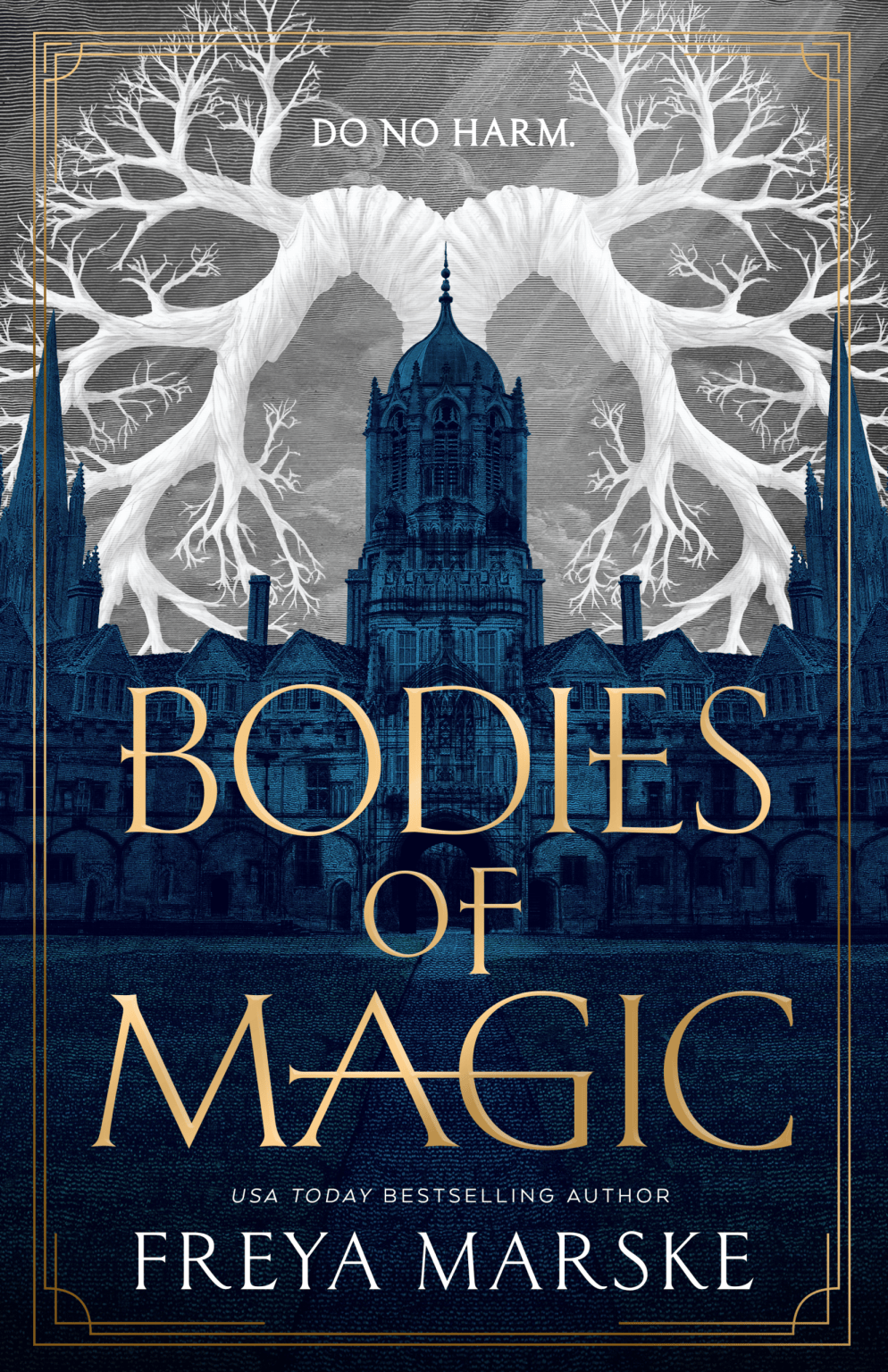 Bodies of Magic by Freya Marske
Mogsy’s Rating: 3.5 of 5 stars
Genre: Fantasy
Series: Stand Alone
Publisher: Tor Books (September 15, 2026)
Length: 464 pages
Author Information: Website | Twitter
Actually, the publisher blurb here is pretty spot on. Bodies of Magic really is Grey’s Anatomy if Grey’s Anatomy were a fantasy murder mystery, including all the interpersonal drama that comes along with it. Unfortunately, it was that last part which didn’t work quite as well for me, as I was hoping the magical medical school and murder mystery would be more of the main draw. Instead, the book spends a distracting amount of time on the characters’ personal lives and relationships.
At the Academie of the Grand Duchy of Sieuxerr, individuals born with magical talent are required to undergo a grueling training program to master the healing arts. Their education culminates in the Grand Exam, a week-long practical test where students are randomly placed in groups and assigned a series of difficult medical cases that they must work through together, passing as one or failing as one. For five students, their final year should have ended with the biggest test of their lives and an opportunity to prove their abilities. Instead, right before exams begin, they discover the dead body of their classmate Ysabel, one of the academy’s best and brightest.
Initially, everyone is quick to attribute the death to suicide. After all, given the enormous pressures of the academy, especially around testing time, burnout resulting in such tragedies is sadly not uncommon. But cryptic messages left behind to the group from Ysabel start leading them to believe there is more to what happened. After all, each of them has their own connections to her, and Clement, her closest friend, refuses to believe that the brilliant and promising young woman could have taken her own life. As our characters begin digging into Ysabel’s death, they must also balance the rigorous demands of their studies with an increasingly difficult investigation involving their individual secrets, romance and rivalries, and complex family dynamics.
The best part of Bodies of Magic is the mystery. The setup of it is simple, following the five students—Clement, Moyna, Estiene, Alys, and Jehan—as they try to solve a murder while being simultaneously subjected to the most important examination of their lives. As such, there’s plenty here to keep your attention, watching them try and juggle an investigation on top of diagnosing patients and treating magical illnesses. The intense atmosphere of the academic setting gives the story an added sense of urgency beyond our characters simply passing or failing.
At the same time, I can’t deny that I felt much more invested whenever the plot was focused on figuring out what really happened to Ysabel. Sure, we have here an interesting group of characters with their own personal backstories and reasons for approaching their studies and interactions the way they do, and more is gradually revealed about their lives as the novel progressed. Ultimately, if you enjoy that kind of character-driven drama, I can absolutely see this being a lot of fun. Personally though, I was just eager to get back to the murder mystery, which meant some of the romantic and interpersonal scenes felt more like interruptions than developments I cared about.
Because there’s so much going on, the pacing also felt pretty unbalanced. This one took a while to really get going, and the amount of meandering in the middle made the story feel slower than it needed to be. At the same time, the book introduces a lot of interesting ideas without necessarily doing a deep enough dive into all of them, including academic pressure, high expectations, social privilege, and the heavy demands placed on people working in high-stakes medical professions. I liked that these themes were present, but I often found myself wishing the book would either spend more time exploring them or simply move on instead of trying to squeeze so many different ideas into the story. As a result, some of the more interesting elements felt like they were competing for attention rather than coming together into something more cohesive.
Overall, Bodies of Magic landed somewhere in the middle for me. There’s no doubt that I liked the concept more than I liked the execution, but there’s still a lot here that worked. The magical medical academy is a great setting, the murder mystery gave the story its strongest hook, and while the slow start and amount of soap opera drama was a bit of a drag, I can also see why this particular combination would work well because of the intrigue created by the dark academia atmosphere and the messy relationships. If you’re looking for a fantasy mystery and don’t mind your investigation coming with a healthy dose of character-driven extras, this could be a good fit.
Audiobook Review: They Say A Girl Died Here by Sarah Pinborough
Posted on September 16, 2026 6 Comments
I received a review copy from the publisher. This does not affect the contents of my review and all opinions are my own.
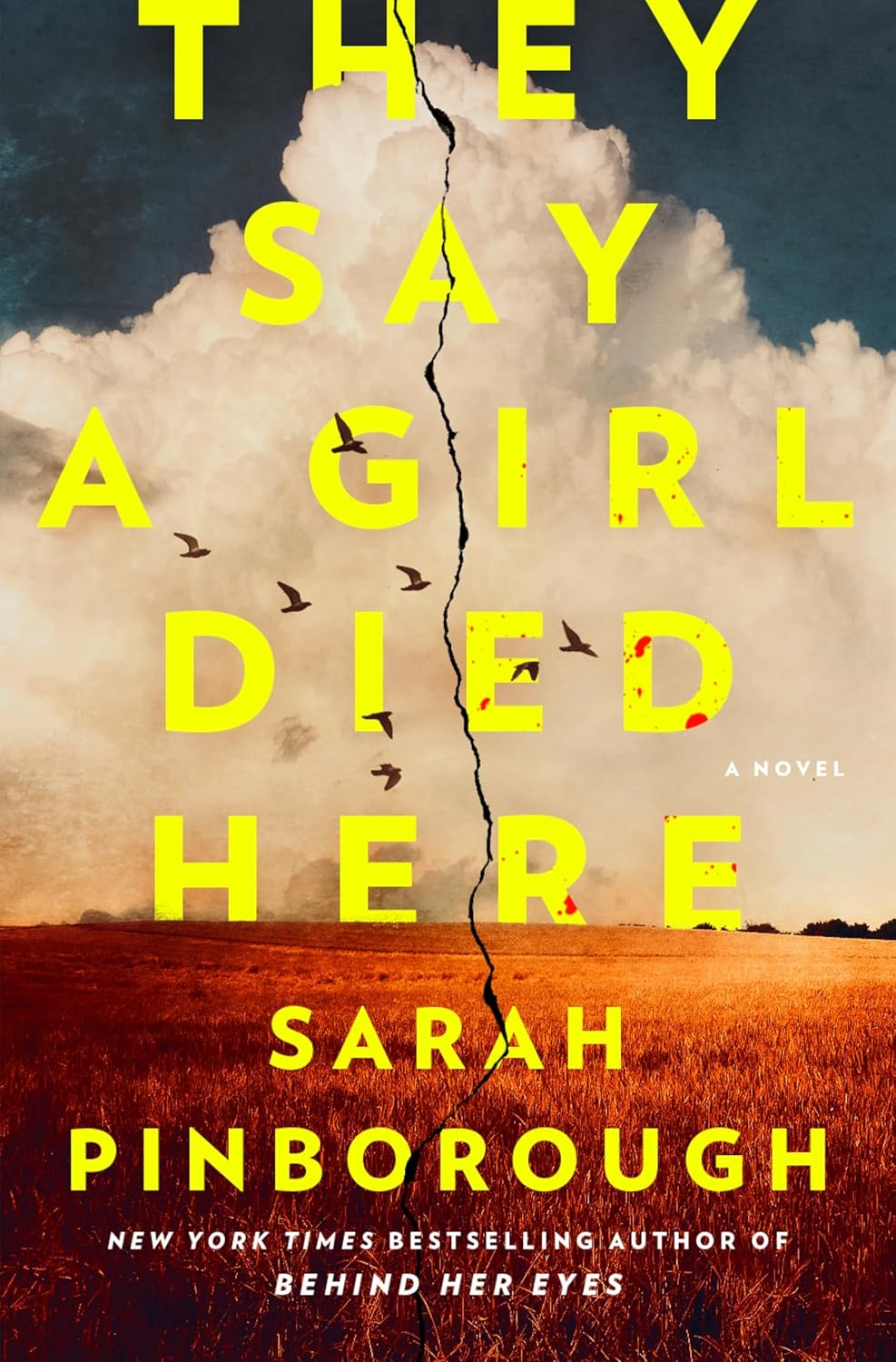 They Say a Girl Died Here by Sarah Pinborough
Mogsy’s Rating (Overall): 3.5 of 5 stars
Genre: Mystery, Thriller
Series: Stand Alone
Publisher: Macmillan Audio (August 25, 2026)
Length: 9 hrs and 20 mins
Author Information: Website | Twitter
Narrators: Saskia Maarleveld
I’ve been reading Sarah Pinborough for a long time, and it’s no secret that I heartily approve of her solid shift towards thriller, mystery, and psychological suspense in recent years. Not surprisingly, They Say a Girl Died Here was an easy book to pick up, though I didn’t realize until finishing it that this was originally an older story that has since been reworked, polished, and expanded for a new release. Knowing this now, it might actually explain some of the thoughts I had while reading it.
The story follows Anna Maybourne, who returns to her hometown after spending many years away in the city. Shaken by a traumatic experience she still can’t bring herself to fully talk about, she moves in with her mother and younger sister in Harper’s Creek, a rural struggling farming town. The family is also caring for Anna’s grandmother, whose worsening dementia has led them to take up residence in her old house, a place with a dark history that the locals seem afraid to discuss.
At first, Anna hopes that this will be the fresh start she needs, but clearly, Harper’s Creek has its own troubled history. Some time before, two young women were murdered exactly three years apart, and the deaths have never quite faded from the town’s memory. The man responsible, known as the Farmhand, was thought to have been killed by the police, but not everyone is convinced the terror is over. Now, as the three-year anniversary of the last murder approaches, old fears are resurfacing. Some residents are starting to worry that another girl could be next, and Anna becomes increasingly interested in the previous victims, particularly as her grandmother starts saying things that seem strangely connected to the dead girls.
There’s a lot to like here, especially the small-town horror mystery. If you’re a fan of the genre, Harper’s Creek is the perfect setting, a place where everyone seems to know everyone else’s business, yet somehow still hides plenty of secrets. The town practically leaks atmosphere, with its dusty drought-stricken fields and creepy old houses. Plus, I’ve always enjoyed how Pinborough can take a familiar thriller or psychological mystery setup and make it feel like something stranger is lurking underneath. That’s especially true here with Anna’s grandmother, whose worsening health and behaviors leave Anna questioning whether she’s witnessing confusion, buried memories, or something else entirely.
But I also had a few issues. Firstly, They Say a Girl Died Here feels to me like the author’s most straightforward crowd-pleaser yet, with a story that reads like a big commercial thriller, complete with all the familiar clichés and twists you’d expect. Honestly, that isn’t necessarily a bad thing, though eventually, it did make the plot a little too predictable. Towards the end, I had the urge to yell at Anna, How on earth are you not seeing any of this!? and wondering how a protagonist could be so blindsided by something that seemed so glaringly obvious. Some of the plot developments also felt very much like checking items off a list, maybe as a result of reworking the story. Again, this doesn’t have to be a negative, especially since it made the book incredibly easy to enjoy, but it did make the experience feel less fulfilling than I would have expected.
And like I said, Anna herself was a bit frustrating, and not just because she’s clueless. We’re reminded frequently that something terrible happened to her back when she was in the city, and it’s clearly a huge part of why she behaves the way she does, but the details are kept so tightly hidden for so long that I had trouble connecting with her emotionally. As much as I wanted to sympathize with Anna, it’s difficult to get behind some of her more questionable decisions when the book is keeping an enormous piece of her history hidden and preventing you from fully understanding her character.
Still, I had a lot of fun with the book. Even when I could see the major reveals coming, I was invested enough to continue, and the audiobook probably had a lot to do with that. Saskia Maarlveld, a talented narrator whom I’ve listened to many times, narrated the story wonderfully, giving Anna and believable voice and doing a good job distinguishing others. There was also a nice sense of tension in the delivery during the creepier scenes, which helped sell the tone of the book without going overboard.
Overall, They Say a Girl Died Here came together nicely, even if all its elements weren’t handled quite as smoothly as they could have been, possibly due to edits in the process of revamping and expanding the original story. It’s definitely not one of my favorite Sarah Pinborough thrillers, though it still made me pay attention and is solid for being an accessible and entertaining read.

Book Review: Three Reasons for Revenge by Dervla McTiernan
Posted on September 11, 2026 3 Comments
I received a review copy from the publisher. This does not affect the contents of my review and all opinions are my own.
 Three Reasons for Revenge by Dervla McTiernan
Mogsy’s Rating: 3.5 of 5 stars
Genre: Thriller, Mystery
Series: Stand Alone
Publisher: William Morrow (July 21, 2026)
Length: 327 pages
Author Information: Website
I’m always on the lookout for new-to-me authors and interesting thrillers, so Three Reasons for Revenge by Dervla McTiernan caught my attention right away. This one sounded like a mystery with some topical subjects, combining good old-fashioned police investigation with a much darker premise about the lengths someone might go to when they feel they’ve been wronged. It was a pitch that definitely had me curious, but while I ended up having a pretty good time with it, it didn’t quite blow my socks off.
The story follows Judith, a police detective who is tasked with working a sexual assault case when a young woman named Alexis Turner arrives at the station with an accusation against a prominent psychologist at her university. For Judith, the details of Alexis’s report hit particularly close to home. That’s because ten years ago, she handled a very similar case against the same man, though that investigation resulted in a tragedy that she would never forget. Marking a promise not to make the same mistake again, she is determined to dig into this psychologist’s background, leaving no stone unturned. However, before she can get very far, Alexis disappears without a trace, leaving Judith without a key witness.
Shortly afterwards, seemingly unconnected people begin receiving mysterious correspondence to their mail and inboxes. A prominent news anchor receives a video file sent anonymously that shows her husband being intimate with another woman. A single father returns home with his child to find a package waiting for him containing a handgun, with no return address on the box. A successful brand manager is horrified to discover that her private conversations are being used and twisted against her on social media by someone trying to sabotage her career. Each person appears to be targeted because there are details about their private lives they wouldn’t want anyone to know, and as Judith starts putting together the pieces of the puzzle, it’s clear that someone has chosen them all deliberately. What initially looks like a straightforward case soon turns personal, with Judith herself becoming caught in the crosshairs.
I liked that Three Reasons for Revenge takes a somewhat different route with its thriller setup. There’s a lot going on beneath the mystery, particularly when it comes to questions about personal acts of retaliation, as the title implies. While the story’s focus is on the anger that can come from feeling wronged, especially when someone believes they have been denied the justice they deserve, the revenge aspect also has a contemporary feel. For example, I found it interesting how social perceptions can be weaponized, or how technology can be used maliciously to expose secrets, manipulate sentiment, and potentially turn the entire world against a person. Enacting vengeance doesn’t necessarily have to mean physical punishment; sometimes all it takes is having control over the narrative everyone else believes.
The book also takes a surprisingly dark turn as it moves toward the final stretch, and that tone shift probably threw me off more than the ending’s actual revelations. As things grew increasingly grim, there were definitely a few moments when I thought, I can’t believe the story actually went there. Though not every development worked for me, I appreciated the fact that McTiernan didn’t play it particularly safe and was willing to take things into pretty uncomfortable territory. The darker direction also gave the last act a stronger sense of urgency, even if I wasn’t completely sold on every aspect of how we got there.
And that leads to what bugged me most about the book. Some of the investigation admittedly felt a little far-fetched, and a few plot points were simply too convenient for my liking. Maybe some of that comes down to the fact that the story takes place in Australia and law enforcement and legal systems there work very differently than what I’m familiar with, because there were many moments where characters were placed in situations that felt almost too perfectly arranged to create conflict, or circumstances would line up just right for readers to access information that might have otherwise been difficult to uncover. None of it was quite enough to pull me out of immersion completely, but I do wish certain events had been allowed to unfold a little more naturally.
Overall, Three Reasons for Revenge was a solid read featuring an intriguing take on the genre. I didn’t love everything about it, but I also never regretted picking it up. For first introduction to Dervla McTiernan, it was enough to make me curious about what else she has written, and I’ll be keeping my eye out for her next book.


