Audiobook Review: The Water Knife by Paolo Bacigalupi
Posted on June 9, 2015 16 Comments
A review copy of this book was provided to me by the publisher in exchange for an honest review. All opinions are my own.
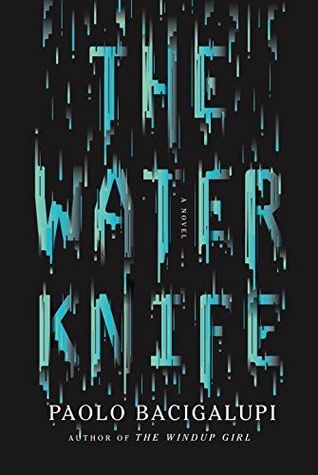 The Water Knife by Paolo Bacigalupi
Genre: Science Fiction
Series: Stand Alone
Publisher: Audible Inc. (May 26, 2015)
Author Information: Website | Twitter
Mogsy’s Rating: 4.5 of 5 stars
Narrator: Almarie Guerra | Length: 14 hrs
In this day and age where one can’t even walk into a bookstore’s sci-fi section without a few dozen dystopian titles getting thrown in your face, I have to say Paolo Bacigalupi’s The Water Knife really impacted me in a big way. It put me in mind of an eccentric high school teacher I once had, who was a little obsessed with doomsday scenarios. He used to be fond of saying that if the civilizations were to crumble or if the whole world were to go to war, it wouldn’t be over things like a pandemic or nuclear war. No, it would be for water – fresh, drinkable water without which none of us can survive.
Indeed, Bacigalupi paints a rather bleak, hellish picture of a place where water is scarce and more valuable than gold, a resource for which people are willing to kill and destroy. Drought has ravaged the American Southwest, changing the physical and political landscape. States like Nevada and Arizona clash viciously over shares of the Colorado River while bigwig California looks on, and states like Texas and New Mexico have long since given up the ghost. Las Vegas employs mercenaries like Angel Velasquez as “Water Knives”, hired to “cut” water for the Southern Nevada Water Authority and its boss, Catherine Case. This ensures continued survival for her lush arcology developments in the hot desert, where the rich luxuriate in cushy comfort while elsewhere cities like Phoenix dry up and stagnate for lack of water.
This book follows Angel as he travels to Phoenix to investigate rumors of a new water source for his boss. The story is told through two other perspectives, including a journalist named Lucy Monroe, as well as a young Texan refugee named Maria Villarosa. Desperate and destitute folk like Maria are struggling to make a living in the city while dreaming of one day having enough money to escape north. Lucy, on the other hand, could have left any time she pleased, but years of living in Phoenix has led her to adopt it as her home, and you get a sense that she’d do what she can to try to help the city. When it appears that California is finally making its move to monopolize the river, Angel, Lucy and Maria end up coming together in a precarious alliance to stop a conspiracy and secure a future for the people of Phoenix.
There are many unsettling themes in this book, and not least of all because the scarcity of potable water is a reality for many people in the world. Talk of droughts in California and in the American Southwest in the news today makes The Water Knife seem less like science fiction and more like a commentary on current issues. If seeing pictures of the immaculate green lawns and freshly filled-pools of the rich and famous during a drought make your blood boil, then this book will take that fury to a whole new level. It’s really hard to read about this divided America where characters like Maria were driven out of Texas after their water got shut off, only to be treated like interlopers when they have no choice but to migrate to Arizona. Girls like Maria’s friend Sarah turn to prostitution as a last resort, servicing those wealthy corporate types for whom a single shower may use up more water than a poor person in Phoenix might see in an entire week. Then to rub salt in the wound, the girls’ money gets taken away by the local gangsters, never allowing anyone a fair shot to work themselves out of this nightmarish situation. There’s a lot in this book that’s hard to take.
It’s also heavy on graphic violence, descriptions of torture both during and after the act, and generally features many scenes of groups of people doing terrible, unspeakable things to other groups of people. If you are squeamish about such things, you should probably go in prepared to read some pretty sick stuff. To the book’s credit, while there’s certainly no shortage of examples in here when it comes humanity’s lowest moments, there are nonetheless many instances of characters stepping up to show an extraordinary amount of bravery and compassion. Despite being categorized as a sci-fi thriller, The Water Knife is also a very human story, where characters are intimately touched by plot events as well as the lives of other people.
The book isn’t exactly a light read, even in the audiobook format I listened to, with its heavy themes and also some parts which are quite drawn out with descriptions. But for all their lengthiness, I think I have these sections to thank for making the world of The Water Knife one of the most detailed and fleshed out dystopians I’ve read. Southwestern America has reverted back to a kind of wildness, a melting pot of disparate rhythms and cultures where Red Cross aid workers, rich Chinese businessmen, underworld crooks, poverty-stricken refugees, sensationalist media journalists, religious evangelists, and dangerous mercenaries all commingled together in a dying city. This also makes the audiobook of The Water Knife worth experiencing, as narrator Almarie Guerra delivers a performance filled with a great variety of accents and voices, and it’s one of the best I’ve ever heard.
This is the first book by Paolo Bacigalupi I’ve ever read, but if this is the kind of originality and well-rounded quality I can expect from his writing, it certainly won’t be the last. I really enjoyed The Water Knife, and I look forward to checking out the author’s previous work as well as his future books.




Book Review: Clash of Iron by Angus Watson
Posted on June 8, 2015 7 Comments
A review copy of this book was provided to me by the publisher in exchange for an honest review. All opinions are my own.

Genre: Fantasy
Series: Book 2 of The Iron Age
Publisher: Orbit (April 14, 2015)
Author Information: Website | Twitter
Mogsy’s Rating: 4 of 5 stars
*Splutters with disbelief*
Yeah, if I could leave my impressively eloquent analysis of this book at just that, I would. But no. This review is going to have details (or at least as much as I can give), dammit, and I’m going to do my best to articulate my thoughts while trying to hold myself together lest I fall to pieces.
Honestly though, I’m at a complete loss as to how to review Clash of Iron. Has this every happened to you? You’re just reading a book as normal, all the while taking down mental notes on what you’re going to say about it, when all of a sudden the ending comes at you so hard that the shock and awe of it just drives every single thought out of your head?
This is me right now. I am dumbfounded. Stupefied. I still can’t believe that ending really happened.
But let’s back up a bit to talk about what the book is about. In a word, Clash of Iron is about war. Lots and lots of war. It is the second novel in Angus Watson’s Iron Age trilogy and sequel to his brilliant, epic debut Age of Iron which was one of my top reads of last year. At the end of that book, our heroes Dug and Lowa managed to capture Maidun castle and free it from the brutal grip of its tyrant king Zadar. Lowa has usurped him and taken over his reign as Queen of Maidun, but unfortunately it seems, just in time to meet a massive invading Roman army coming from Gaul! The British Isles are thrown into disarray as its disparate tribes go to battle against each other instead of forming a united front against Julius Caesar, the Roman’s military genius who has his sights set on their homeland.
First I feel the need to warn that like its predecessor, Clash of Iron is as brutal and bloody as ever. As expected, there are many violent battles, lots of split skulls and tons of dismembered limbs flying about. There are also more intimate, disturbing scenes of torture and in general characters doing very unpleasant and painful things to other characters. Watson paints a dark, cruel world in The Iron Age where it doesn’t matter who or what you are; men, women, children, animals can all expect to meet a terrible and gruesome end in this series, so be aware if you’re squeamish about such things to approach these books with discretion.
This sequel, however, does head in a new direction when it comes to other aspects. The story here feels altogether different, with more focus on war. When all the sides aren’t engaging in it, they’re preparing for it, in this new martial climate of Britain. With the threat of the Roman Empire and Caesar bearing down on the Britons, there are whole new challenges to face. In many ways, Clash of Iron is Lowa’s story while I saw Age of Iron as being more Dug’s. As queen of Maidun, she’s now the head of an army of thousands and makes all the important decisions that will decide the fate of her people. As a new ruler, she also faces many new obstacles, such as adversity from all sides – even her own. Meanwhile, Dug takes more of a backseat in this book, retiring to a small farm. Still, all the while, his feelings for Lowa are alive and well and so are hers for him, so their awkwardness around each other provides no small amount of hilarity.
Other old favorites return, though describing Ragnal as a “favorite” is a bit of a stretch, that little double crossing fair-weather weasel. Spring’s presence also diminishes somewhat, though her actual role gets a huge boost. Big things are going to happen, and I have a feeling Spring is going to be at the center of them. Chamanca, the literally bloodthirsty warrior woman who scared the living bejeezus out of me in the first book is also back, though this time I had a lot of fun following her character and actually found myself rooting for her. Then there’s new player on the field, Julius Caesar himself, a man who needs no introduction. Angus Watson’s portrayal of the general had me alternating between feeling horror at his atrocities to laughing my ass off at his quirks.
And of course, we come to the ending. Oh, that ending. There’s nothing I can say about it that won’t be a massive spoiler, so I’ll just state that as shocking and unexpected as it was, I really shouldn’t have been surprised. But I was. You just never think an author would go there. But he does.
Any way you look at it, Clash of Iron will have you feeling exultant. You’ve just read an awesome book. Regardless of anything else, this wildly entertaining read will make you pine for the next one. Bring on Reign of Iron!

More of The Iron Age on The BiblioSanctum:
Review of Age of Iron (Book 1)
Graphic Novel Review Bites
Posted on June 8, 2015 7 Comments

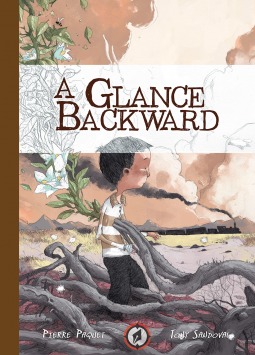 A Glance Backward by Tony Sandoval
With thanks to NetGalley for the opportunity to read an advanced copy of this graphic novel in exchange for an honest review.
My mother recently passed away and the most phenomenal experience for me has been watching my daughters deal with her death. They had a big cry when we told them she was dying, but after that, they have been content. They accepted it and had no qualms about seeing her on her deathbed, hugging her, and reading her one last story.
I’ve seen some reviews that question how this dark fantasy tale of a boy slipping into his imagination to deal with the struggles of life and death and growing up could possibly be for children. Frankly, I believe we don’t give children enough credit for what they can and will deal with in their own way, whether it be with rainbow unicorns and angels, or something dark like this.
The art is beautiful. Soft and intense, with exaggerated features that capture a child’s vision. My disappointment in the book is that it didn’t let the art take us where the story needed to go, relying instead on over-explanation of how a child sees the world, both real and fantastical. In spite of this abundance of explanation, the connection to the book’s deeper meaning comes as a bit of a surprise at the end, though again, I think it would have been better served with more emphasis on letting the imagery tell the story, rather than the words.

 The Fade Out, Vol. 1 by Ed Brubaker
With thanks to NetGalley and Image Comics for the opportunity to read an advanced copy of this graphic novel in exchange for an honest review.
I liked Fatale, Vol. 1: Death Chases Me, and really enjoyed Criminal, Vol. 6: The Last of the Innocent, but I think I hit my noir limit with this book.
The Fade Out takes place during the golden age of Hollywood and even features actual stars, including Clark Gable, a favourite thanks to my obsession with Gone with the Wind. The main character is a man suffering from PTSD after the war, who hides his pain in a bottle, and the mystery surrounds a beautiful blond actress, and the look-alike that replaces her. Brubaker is a great writer, but I chalk a lot of my jadedness up to having to see such limited roles for the few women who make it into the story, especially when one of them ends up murdered.
Perhaps noir just isn’t for me at all. The other two books I mentioned, as well as Brubaker’s Catwoman, Vol. 2: No Easy Way Down, have unique elements that really stand out from the noir backdrop, but this just… bored me.

 Rat Queens, Vol. 2: The Far Reaching Tentacles of N’rygoth by Kurtis J. Wiebe
Oh Gary. Gary, Gary, Gary.
What can I say about a series that I have loved so much from day one that I literally buy copies of it to hand out to any of my friends who dare say the words “Rat Queens? What’s that about?”
Volume one wrapped up nicely after introducing the brash, unapologetic Rat Queens, Hannah, Violet, Dee, and Betty, and their various compatriots. It also left us with a nice little cliffhanger involving the great tentacled god of Dee’s cult. Tentacles, cults, fantastic heroines? What more could we want! Well, how about a little back story!
I could see myself in each one of the Queens, but volume two digs a little deeper with background info that includes–my personal item of interest–Violet’s beard, as well as Dee’s existential crisis, and Hannah’s troublesome past. The Queens come head to–uh–tentacle with their enemy, and Wiebe continues to turn the tables on the usual genre tropes as they race to Sawyers rescue with the help of their friends and sort of rivals.
The art is spectacular, even with the switch in artist. Normally, I hate when books switch artists early on, but after the circumstances of Upchurch’s arrest, this is understandable. Stejpan Sejic steps into the job with his own great sense of humour and style.

Graphic Novel Review: Jupiter’s Legacy by Mark Millar and Frank Quitely
Posted on June 7, 2015 5 Comments
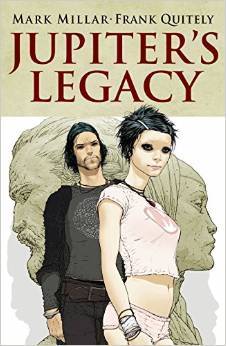 Jupiter’s Legacy, Book One by Mark Millar and Frank Quitely
Genre: Superhero
Series: Collecting Jupiter’s Legacy #1-5
Publisher: Image Comics (April 2015)
Author Info: millarworld.tv
Wendy’s Rating: 3.5 of 5
A dream leads Sheldon and his team to an island (headcanon says it’s the island from Lost) where they are bestowed with superhuman abilities. Now called The Utopian, Sheldon brings order to the world with his friends and the growing number of superbeings and their children, but not quite in the way his brother Walter and his son Brandon thinks he should, especially when Utopian refuses to allow the superbeings to become involved in political matters.
Millar wrote one of my favourite Superman stories, Superman: Red Son, where a Superman who really does use all of his powers for good shows just how dangerous benevolence in the hands of a very human god can be. The Utopian/Superman comparisons are obvious–presumably intentionally so. Right down to The Utopian’s insistence on awkward, bumbling alter egos. Millar’s penchant for taking the superhero genre beyond the limitations of Marvel and DC’s canon is evident here, with the added touch of superhero children who don’t care much for their imposed responsibilities or how Utopian treats them. None of the supers care for Utopian’s heavy handed rule so their subsequent mutiny shouldn’t come as a surprise–though I initially felt it was played out too abruptly. I was somewhat disappointed in what then seemed like a glossing over of the resulting new world order, but once the focus firmly shifts to the Utopian’s on-the-run daughter and her family, things really start to get interesting and leave me wanting more.
As I said, this book does not have the limitations of DC and Marvel’s canon universes, so Millar is free to do as he pleases. This means upping the murder-death-kill level of violence (though I appreciate that it is well placed, rather than gratuitous), and the powers displayed seem almost limitless, particularly with Utopian’s offspring.
The series sets up a pending collision as the forces of we-think-we’re-not-evil go up against the forces of sort-of-were-evil-without-realizing-it-but-probably-just-mostly-misunderstood. With the ground work of this Millar’s world established, it was these last few confrontational pages that really drew me in and made me want more and am looking forward to the final five issues of the series. I hope to see what family truly means under these terms and how the innocent people under the ruling party’s thumb are handled. Oh and I’d really love it if we could have a bit more racial diversity in the characters kthx.

Book Review: The Gracekeepers by Kirsty Logan
Posted on June 6, 2015 14 Comments
A review copy of this book was provided to me by the publisher via Blogging for Books in exchange for an honest review. All opinions are my own.
 The Gracekeepers by Kirsty Logan
Genre: Fantasy
Series: Stand Alone
Publisher: Crown (May 19, 2015)
Author Information: Website | Twitter
Mogsy’s Rating: 3.5 of 5 stars
I went into The Gracekeepers very carefully. From what I’d heard, it sounded a lot like the kind of literary magical realism which would require an active engagement of the reader’s imagination in order to fill in the gaps, and books like this with their haunting, dreamlike style can either be a huge hit with me or it can fall flat. After completing novel, I think my feelings hover somewhere in between. Overall I enjoyed the story, but also felt there was a lot that kept me from connecting with it fully.
To start, The Gracekeepers takes place in a world where the ocean has flooded most of the earth, so its people have learned to adapt. Those who have taken to the sea and made their permanent homes aboard ships and other vessels are referred to as damplings, while those who have remained on land are known as landlockers. A class disparity exists between these two groups, with damplings regarded as second-class citizens and often looked upon with condescension and suspicion by the more well-to-do landlockers.
The story focuses predominantly on two characters, North and Callanish. North is a young woman who performs with her trained bear companion as part of her act with the traveling circus ship Excalibur. The circus’s captain and ringmaster Jarrow “Red Gold” Stirling has dreams for his son and North to marry and settle on land in a house he’s spent his whole life saving up for, to the displeasure of Avalon, Jarrow’s pregnant wife who wants that house for herself. Meanwhile in another place, Callanish lives a solitary life while dutifully performing her role as a gracekeeper, an undertaker of sorts who lays the dead to rest at the bottom of the ocean. Callanish and North meet in the wake of a great storm after the crew of the Excalibur is forced to make their way to the gracekeeper to seek her services, and the two are drawn to each other immediately.
Kirsty Logan has created something very interesting here, as far as her world and characters go. The writing style evokes an image of a gauzy shroud enveloping everything in the story with a light aura of enchantment, even though there is little to no magic involved. As I had expected, a bit of imagination is required to find your way through the mist, because even though the world is fascinating, world-building itself is decidedly lacking. There’s a positive side to this if you like getting just enough to inspire the mind, especially if you enjoy a little ambiguity and speculation. For instance, could the waterworld of The Gracekeepers be our own in some distant future, or someplace else entirely? What caused the divide between damplings and landlockers? How did the rituals of gracekeeping first come about and what’s the significance behind the use of graces, small birds that are starved to death in order to mark the end of the mourning period? There are many things that don’t get explained, but perhaps they don’t need to be – similar to the way we’re content to accept folk or fairy tales as they are, because there is simply no need to question them critically. And certain aspects of the narrative – like Callendish’s backstory – are better off being vague because we already have all the information we need to know.
However, while there are the bigger and more general mysteries that I can abide going unsolved, I still felt there were some specific details lacking that hurt the overall cohesiveness of the story. There are two factions – the military and the revivalists – that are important to the plot of The Gracekeepers, but they felt like such a poor fit with the rest of the book because the parts they played were slapdash and written in so randomly. Individuals like North and Callendish are characterized very well, but when it comes to actual character relationships, the story loses some of its magic. I wasn’t even that convinced of the bond between North and her bear, her best friend and companion since childhood who apparently wasn’t even given a name. There are more examples which I can’t go into for fear of spoilers, but with regards to the writing style, it’s probably safe to say that the emphasis is on atmosphere – which, to the author’s credit, she creates very well – but there just isn’t enough substance for me. I would have preferred more reasons to engage with the story and to see everything tie together more neatly.
Still, I would happily recommend The Gracekeepers, even if it does come with a couple caveats. It’s quite an ambitious novel, very well-written considering how the author no doubt achieved the haunting, dreamy effect she was going for. Not as solid as I’d hoped, but the story is nonetheless fascinating and beautiful, walking that fine line between melancholy and optimism, and I found the characters genuinely interesting.

Mogsy’s Bookshelf Roundup: New Books & Books I’ve Read
Posted on June 6, 2015 24 Comments
Bookshelf Roundup is a feature I do every two weeks where I talk about the new books I’ve added to my library or received for review, what I plan to read soon, and what I’ve finished reading in the last fortnight.
Received for Review
Please excuse my paltry attempts at artistry; as you can probably tell, I was messing around with the #bookstagram tag on Instagram last week. If you have an account, feel free to look me up (I’m on there sporadically, but I do use it).
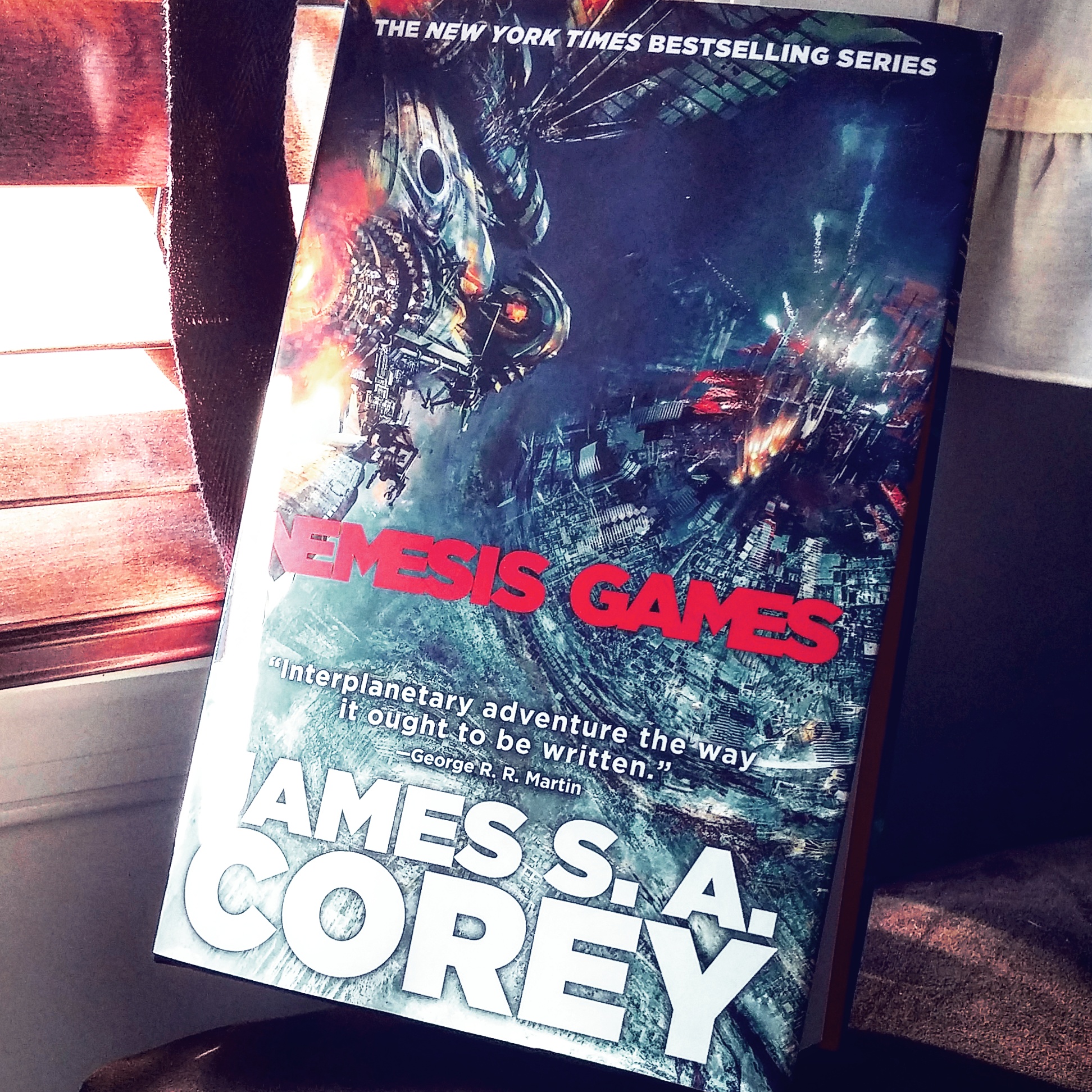
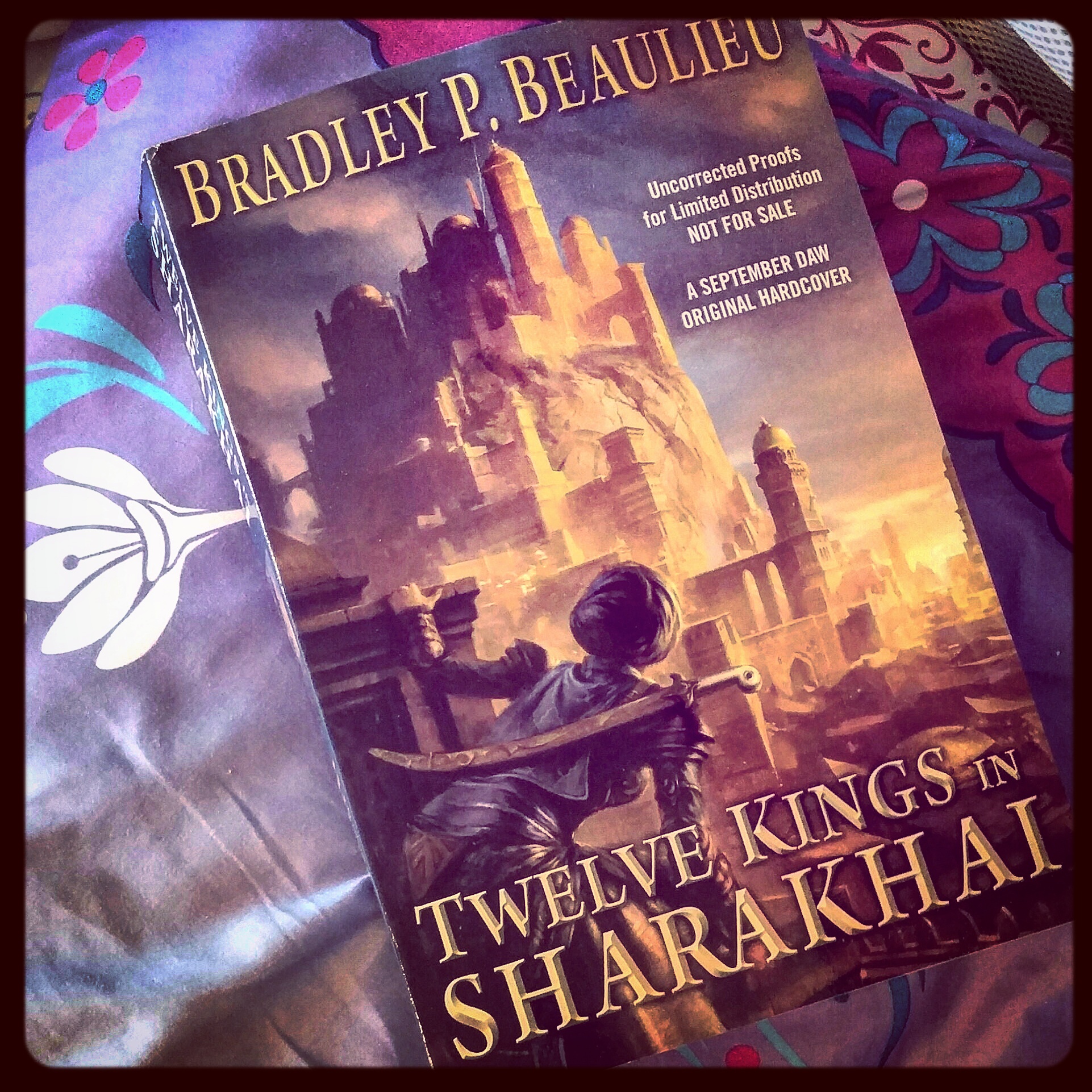
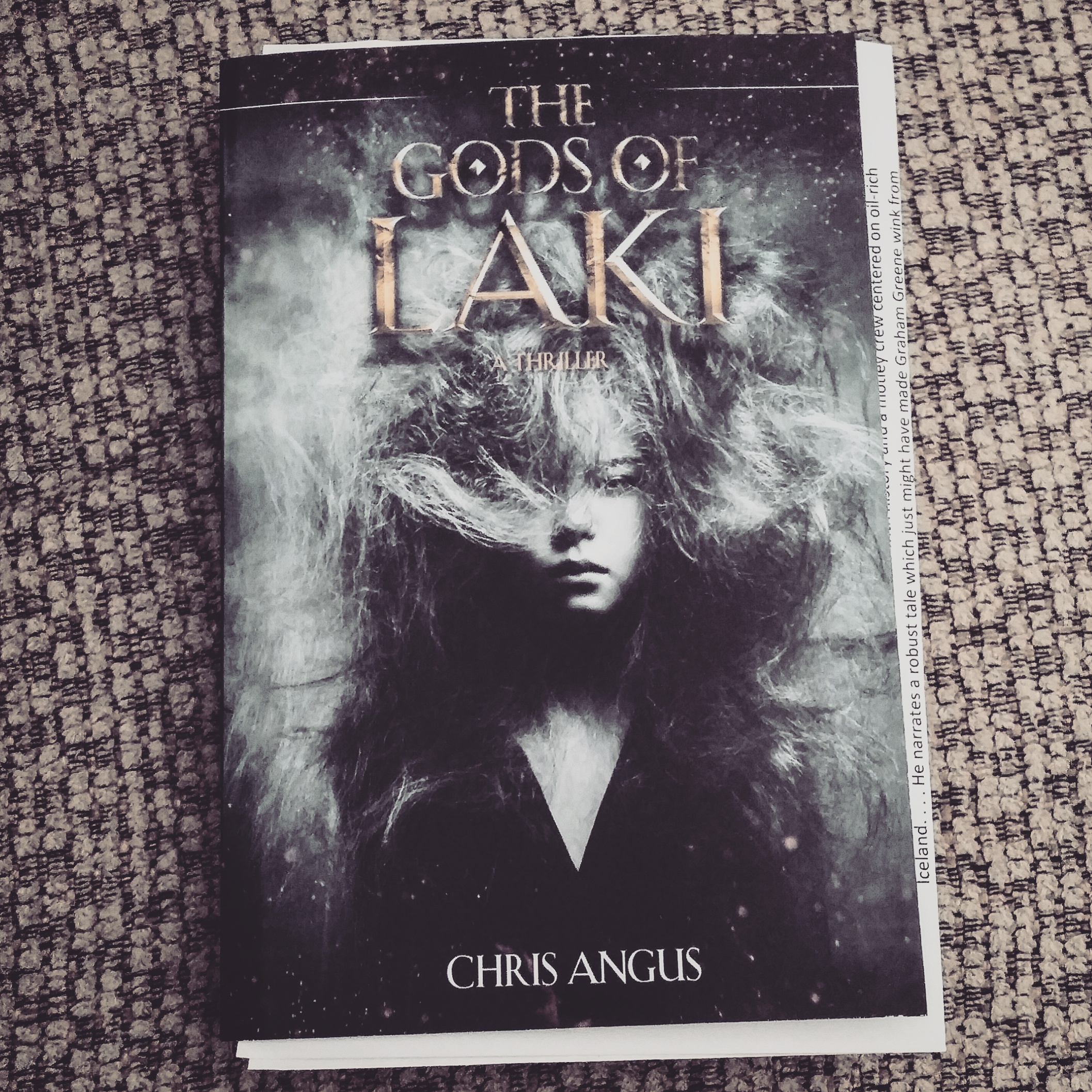
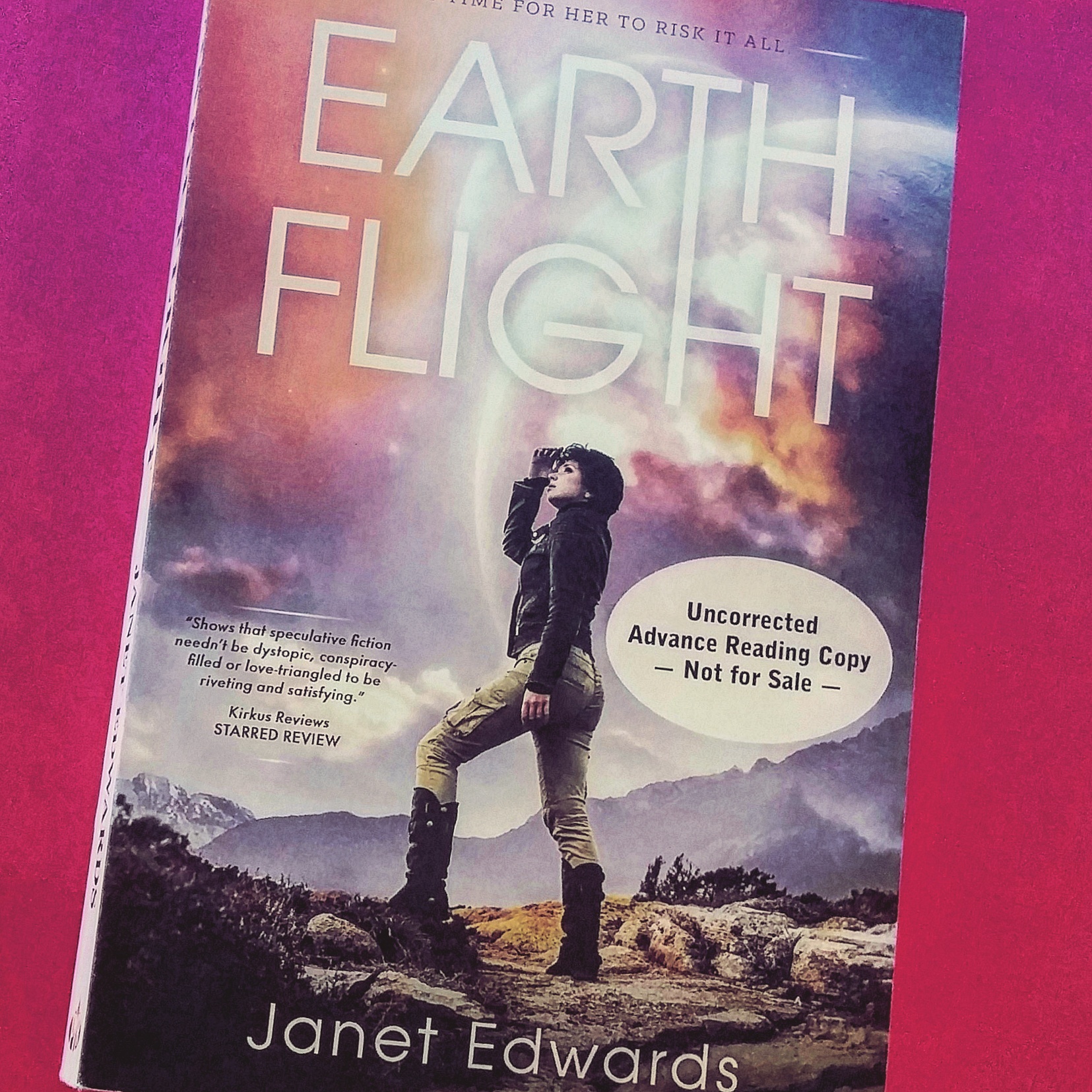
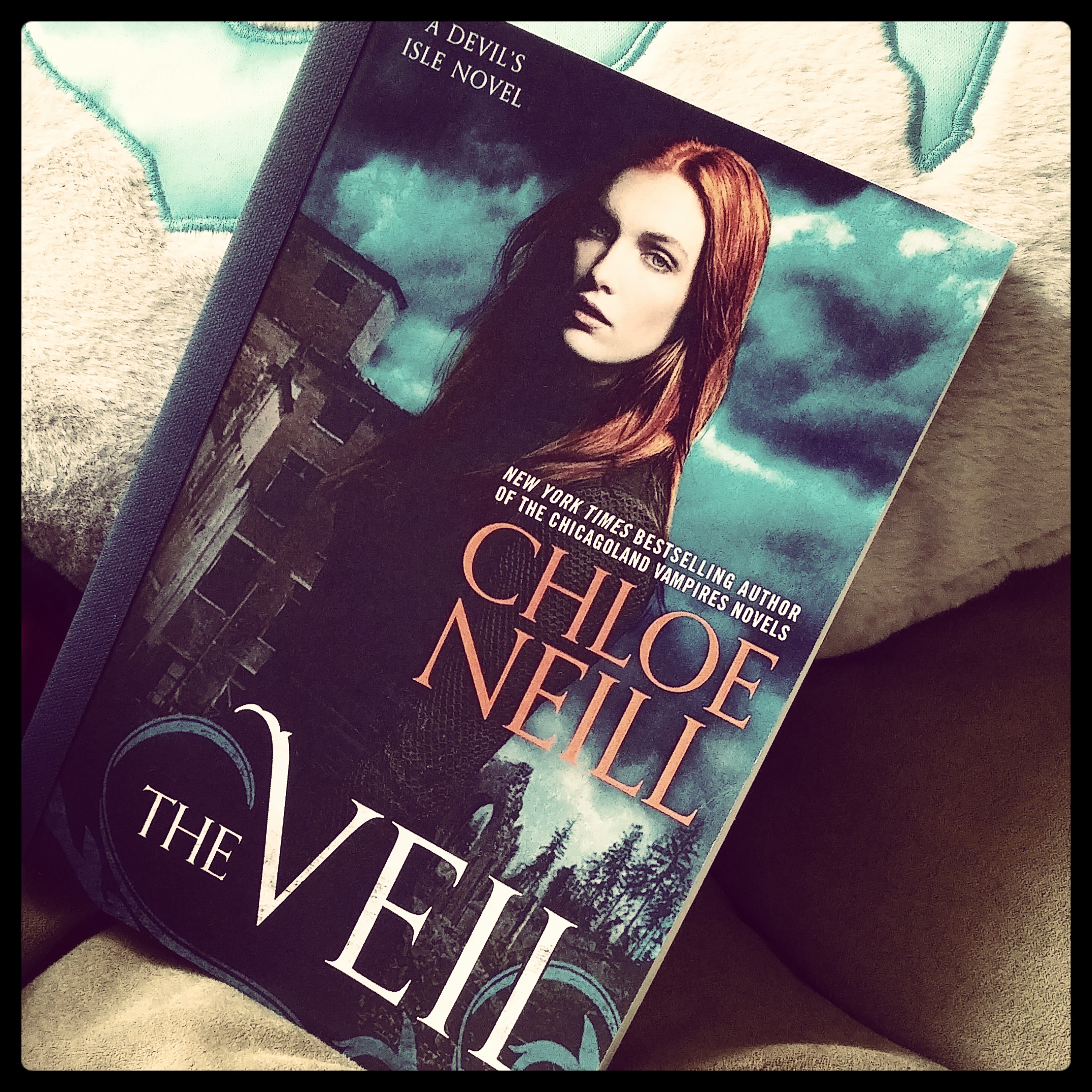
Nemesis Games by James S.A. Corey – Hardcover, with thanks to Orbit. Most sci-fi series have lost me by this point, but The Expanse is still going strong at book 5. Who’s excited for the SyFy TV series? I am, I am!
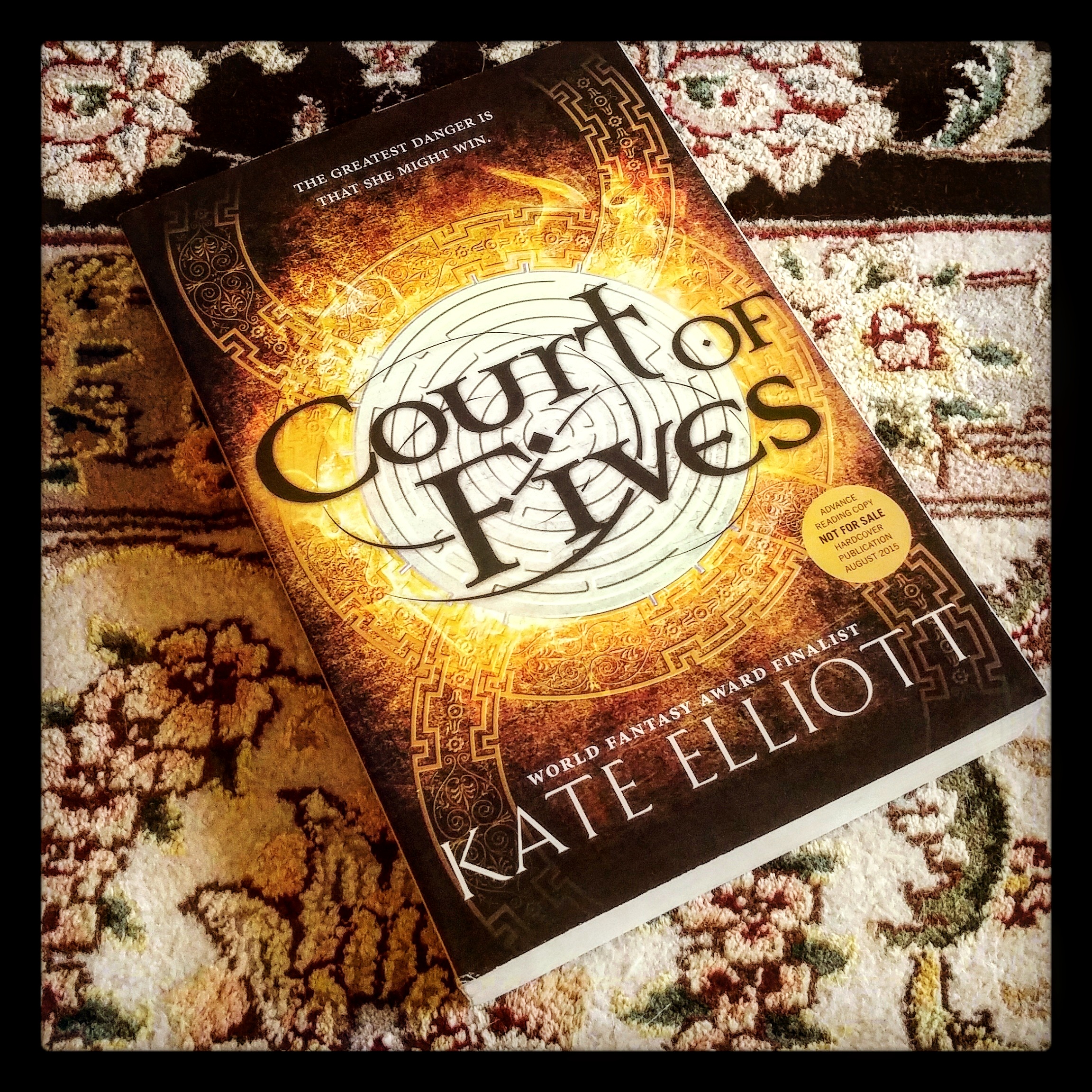
Court of Fives by Kate Elliott – Print ARC, with thanks to Little Brown Books for Young Readers. I was invited to read this book by the publisher, and I’m really glad they got in touch because Kate Elliott is awesome and I’m curious about her YA.
Twelve Kings in Sharakhai by Bradley P. Beaulieu – Print ARC, with thanks to the author who contacted The BiblioSanctum to see if I would be interested in reviewing his upcoming book. My answer was ABSOLUTELY! A couple years ago I backed Bradley P. Beaulieu’s The Flames of Shadam Khoreh on Kickstarter, which was the third book of his Lays of Anuskaya so I have all three of those books on my shelf too.
The Gods of Laki by Chris Angus – Paperback, with thanks to Yucca Publishing. This one showed up in the mail from Yucca’s parent publisher Skyhorse – looks like an interesting fantasy adventure-thriller.
Earth Flight by Janet Edwards – Print ARC, with thanks to Pyr. So happy to see this book coming to the US! I loved the first two Earth Girl books.
The Veil by Chloe Neill – Print ARC, with thanks to NAL . I’ve never read any of Chloe Neill’s books before, so the upcoming book of her new series seems like it’ll be a good place to start. Really looking forward to it.
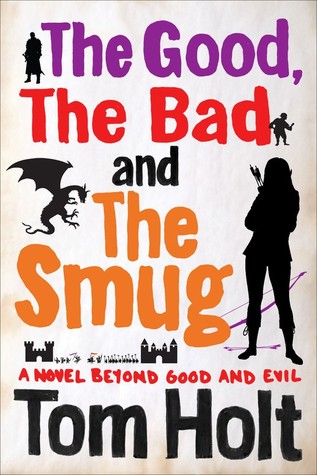


The Good, The Bad and The Smug by Tom Holt – Digital ARC, with thanks to Orbit. I’ve been curious about this comic fantasy. And now that we also know Tom Holt is K.J. Parker, if I haven’t read Parker before, once I read this will it count? Hmm.)
The Water Knife by Paolo Bacigalupi – Audiobook with thanks to Audible Studios. I’ve been meaning to read something by Paolo Bacigalupi for ages, so when an opportunity to review the audio of his new book came up, I enthusiastically seized it.
The Undying Legion by Clay Griffith and Susan Griffith – Digital ARC, with thanks to Del Rey via NetGalley. I liked The Shadow Revolution I just had to request the sequel. In case you missed it, The BiblioSanctum also had a Q&A with the authors earlier this week about this series.
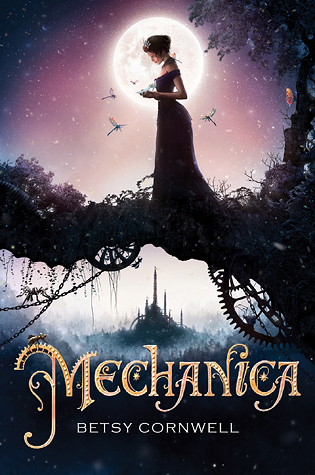
Mechanica by Betsy Cornwell – Digital ARC, with thanks to Clarion Books via NetGalley. I know what you’re thinking – the description makes it sound a lot like Cinder. But apart from it being another book about a mechanical Cinderella, I don’t think there are that many similarities. It’s unfortunate that a lot of comparisons are probably going to be made, but I want to give it a fair shot.
Illuminae by Amie Kaufman and Jay Kristoff – Digital ARC, with thanks to Random House Children’s Books. I’ve never read anything by Amie Kaufman but I have read Jay Kristoff. I think his Lotus War trilogy is excellent, so I have some high expectations to see what they can do together.
Kindle Unlimited
I did something silly a couple weeks ago. By that, I mean I signed up for a free trial of Kindle Unlimited, as if I needed more books on my plate. It didn’t cost anything though, and they have a lot of great stuff in their list of eligible titles that makes it worth it. Even if I don’t decide to keep the KU sub, I was able to get a bunch of sweet Whispersync audiobook deals out of it:
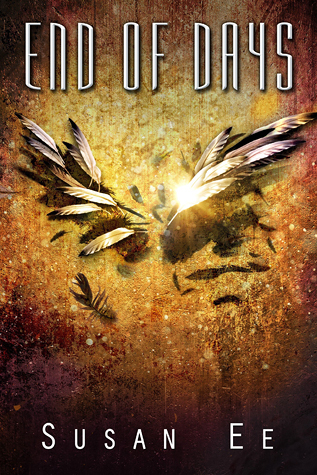
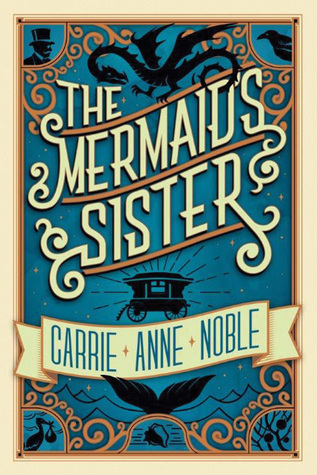
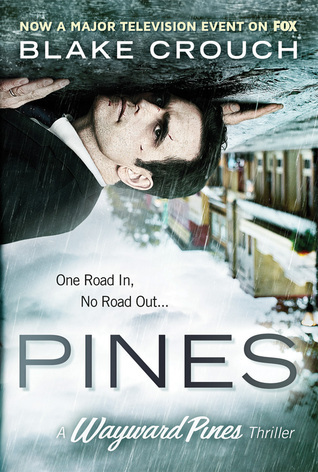
Of the audiobooks I grabbed, End of Days by Susan Ee and The Mermaid’s Sister by Carrie Anne Noble were among my most-wanted. Pines by Blake Crouch was one that intrigued me too, anyone watching the TV show?
Books I’ve Read Since the Last Update
Keep an eye out for my reviews of these books in the coming weeks, and you can see my reviews for these books which are up already: The Fold (5 of 5 stars), Artemis Awakening (2.5 of 5 stars), The Liar’s Key (5 of 5 stars).
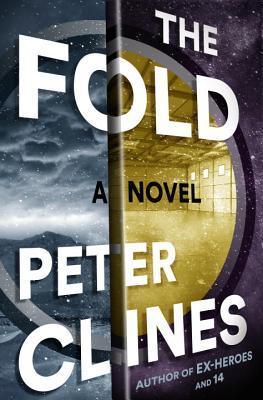
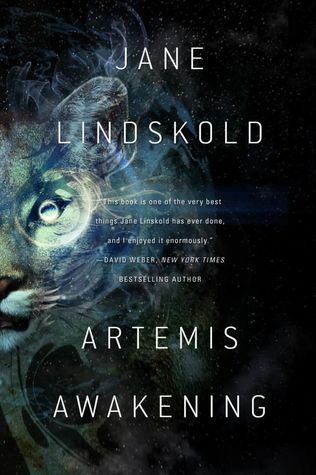
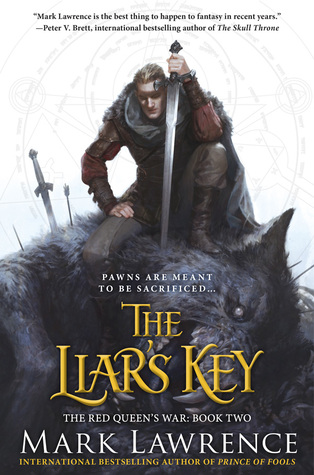
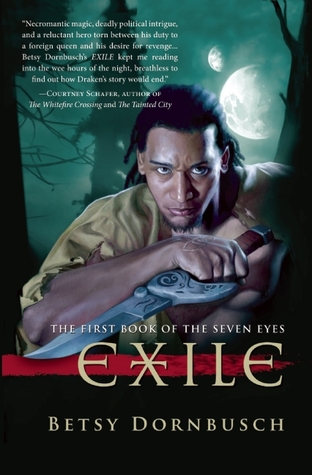
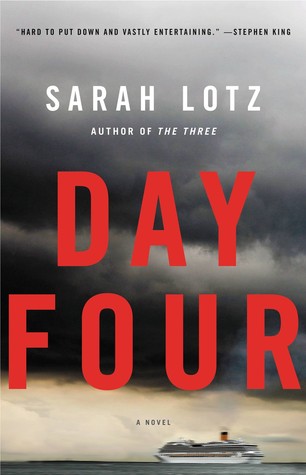
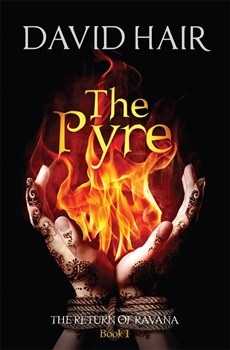
Have you heard of or read any of the books featured in this week? What looks interesting to you?
June is Audiobook Month!
Posted on June 5, 2015 16 Comments

Credit: Audiobook Publishers Association
June is Audiobook Month as designated by the Audiobook Publishers Association. The APA’s website mentions a few ways for audiobook fans to get involved and spread audiobook awareness. The APA’s mission is as follows, quoted directly from their site:
Formed in 1987, the Audio Publishers Association (APA) is a not-for-profit trade association that advocates the common, collective business interests of audio publishers. The APA consists of audio publishing companies and allied suppliers, distributors, and retailers of spoken word products and allied fields related to the production, distribution and sale of audiobooks.
APA:
Advocacy: Promote policies and activities to create greater awareness and accelerate audiobook industry growth.
Events: Deliver programs and services that serve the common business interests for all members.
Networking: Serve as a networking, educational, and informational forum for members.
Standards: Advocate and guide for high quality production value.
For the month of June, the APA gives some very simple guidelines for supporting audiobooks and getting the word out:
Want to help spread the word about the Audies, APAC, and June is Audiobook Month? Please use the following hashtags in order to direct attention to our season of celebration, education, and community! With your help, we can reach more audiobook lovers and new listeners than ever!
#Audies2015
#APAC2015
#Audiomonth
They’re encouraging posts, interviews that focus on audiobooks, audiobook reviews, and of course sharing across social media to get the word out. Other hashtags that I’ve seen supporting Audiobook Month include #JIAM (which seems to share its tag with a celebrity athlete, but the athlete doesn’t overwhelm the tag), #AudiobookMonth and #ListenLit
My personal history with audiobooks has been rocky until very recently. I’m a fast reader, often finishing thick books in a single day if you leave me to it. Before kids, it wasn’t uncommon for me to read two full novels a day. I started reading early in life, and my love of reading has never ceased since finishing my very first book. My initial problem with listening to audiobooks was that the narrators could never read as fast as I could, which made me impatient. I’d usually end up abandoning the audiobook and just moving on to the actual book to get it finished. I also like the feel of books in my hands. I’m a very big ebook reader too, but I used to have to hold an actual book and flip through pages from time to time even when I got my first Kindle, so audiobooks made me uncomfortable. That’s a habit I still sort of have. I think it’s just a comfort thing. I love the feel of pages between my fingers and that book smell.
Another problem I faced is that I’m fidgety. I don’t just like to sit in one place listening to a story being read to me. Despite this, my husband gifted me with an Audible account in 2009, and it felt like a waste, at first. My credits would pile up. I’d pick up a few books, listen to them for a while, and abandon them for the actual book. However, sometimes, he is wise. He must’ve saw this day coming because something happened.
First, Audible’s speed controls. Those were a godsend when I found them. I don’t normally listen to audiobooks on any speed slower than 2x. In most cases, that’s still slower than I read, but it’s not so slow that I get annoyed. I can actually enjoy the story and the narration, picking out what does and doesn’t work in the narration for me rather than huffing about how slow the narration is going.
Second, I learned that I didn’t have to just sit. I’m really embarrassed it took me so long to realize that. I could listen to my books while I cleaned, while I did laundry, while knitting, while driving, and even while I was doing mundane things in video games that require no brain power–such as exploring the Hinterlands in Dragon Age: Inquisition or roaming the world of The Witcher 3.
Third, Amazon and Audible teamed up to give us Whispersync, which is absolute genius. It allows you to follow along in the ebook as the audiobook is playing. It highlights the words as the story is being read to you. It’s an excellent form of deep immersion and is amazing with books that might prove to be difficult reads if you only listened to the book or only read the book. Now, I’m actually excited about the prospects of audiobooks and joked that I’ve come to appreciate them in my old age. I don’t have the “too many” credits problem on Audible anymore. Now, I have a problem of which books I’m going to use my credits on.
We’re pretty busy women here on this site and have tons of content to share with you, but I will try to focus a bit more on reviewing audiobooks this month and maybe even write an article or two commenting on some new voices I’ve found since our initial post about our favorite narrators.
I’ll end this post with a few audiobook related links for you to check out if you’re so inclined.
Check out our audiobooks tag to see what audiobooks we’ve been reviewing!
Also, we’re participating in the 2015 Audiobook Challege hosted by The Book Nympho and Hot Listens:
Mogsy’s Audio Challenge Post
Tiara’s Audio Challenge Post
1st Quarter Audio Challenge Update
Here are some additional links to audiobook resources that may come in handy, and don’t forget your local library as a resource as well.
Audiobook Resources: Audible | Ambling Books | Downpour | Tantor | Barnes & Noble | Audio Jukebox | ListenUp Audiobooks
If you have an audiobook you’ve really enjoyed, tell me about it in the comments. I’m always looking for new suggestions, and I read any and every genre. So, don’t be afraid to recommend your favorite romances, mysteries, contemporary reads or whatever else you enjoy outside of speculative fiction. As one of my favorite quote goes:
“By way of this unprecedented, unbridled literary promiscuity, I have made some pleasant discoveries.”
Anna Lyndsey, Girl in the Dark
Happy reading!
Book Review: The Liar’s Key by Mark Lawrence
Posted on June 5, 2015 21 Comments
A review copy of this book was provided to me by the publisher in exchange for an honest review. All opinions are my own.
The Liar’s Key by Mark Lawrence
Genre: Fantasy
Series: Book 2 of The Red Queen’s War
Publisher: Ace (June 2, 2015)
Author Information: Website | Twitter
Mogsy’s Rating: 5 of 5 stars
It’s official; The Liar’s Key is probably my favorite work by Mark Lawrence to date, surpassing even my love for the entire Broken Empire trilogy. It’s also stronger than its predecessor Prince of Fools, which I rated highly as well, but I was never able to shake the feeling that the first book of Prince Jalan’s adventures was still missing a little something – it didn’t read as fluidly as it could have, perhaps. However, The Liar’s Key charges out the gate at full speed and never once does it falter. Chalk it up to the story finding its stride in the second book, but I found this one went a lot more smoothly.
The story picks up again in the port town of Trond, where Jalan and the two Vikings Snorri and Tuttugu have spent the winter after their harrowing journey to the Black Fort. But as the ice retreats, Snorri grows restless to be on the move again, driven by his personal mission to bring his slain wife and children back to the world of the living. He holds Loki’s Key, a magical key said to have the power to open any lock – even the one on death’s door.
But such a powerful item attracts its fair share of attention. Others seek Loki’s Key, including the Dead King, agent of the Lady Blue who has sent her assassins, necromancers and armies of undead to dog Jalan and his companions every step of the way in her war against the Red Queen, Jalan’s indomitable grandmother. In this field full of power players, Jalan and Snorri suspect that the two of them are merely lowly pawns on a game board, yet they do what they must, even if it means heading knowingly into danger.
Consequently, I watched as the story barreled forth with both the inevitability and heart-stopping rush of a runaway tank. I could not peel my eyes away. As our adventurers travel south towards their goal, they pick up two more companions – a witch named Kara and an orphan boy named Hennan – to complete their party and join the quest. Their motivations range from ambition to loyalty, with the exception of Jalan, who was unwillingly bound to Snorri’s fate since the very beginning (even as he keeps telling himself he’s only along for the ride to escape massive gambling debts and the legions of angry brothers, fathers, and husbands of the women he’s bedded back home).
Many reviewers have contrasted Jalan to Jorg Ancrath, the protagonist of Mark Lawrence’s Broken Empire trilogy, stating that the two of them are completely different. That’s because they really are, but in this book, I began to see some similarities, not least of all is that fact they are actually both quite disgusting and despicable human beings, just in different ways. That didn’t stop me from enjoying Jalan’s character though, embracing him in a way that I never managed with Jorg. Prince of Fools was an aptly named first novel because Jal is a fool indeed, albeit a very charming, lovable one. He’s the best kind of protagonist; for all his unsportsmanlike behaviors, Jalan’s internal dialogue provides an endless amount of entertainment. This series maintains its much lighter, more humorous tone because of it.
At first, I was convinced that Jal wasn’t going to change, that he would remain the kind of rakish, dandy self-serving cad who would throw a woman into the path of an angry horde or use a child as a human shield (both of which he considered doing in the course of this story. Seriously, I never want to find myself in a position where I’d have to depend on someone like him to have my back). But Lawrence is a master of characterization. We do get to see growth in Jalan, a gradual and thoughtful journey that sees him maturing and growing more courageous (well, to a point, of course – this is Jal we’re talking about). We witness a change in Snorri at the same time as well, though he’s lost a bit of his fire in his case, burdened by what happened to his family and the knowledge of what he must do. I found a great irony in this, since the Viking is the light-sworn one where Jalan is the dark, and yet we see the prince become enlightened while the Viking retreats into his gloom. Regardless of how I took to these changes, I was amazed to see how incredibly well these two characters evolved, and yet they still continue to play off each other very well. Bringing Tuttugu, Kara and Hennan into the fold did nothing to throw off the momentum, and instead added a boatload of new and exciting dynamics.
The Liar’s Key is the kind of sequel every reader dreams about. The story is riveting and superbly well-constructed, just one reason why Mark Lawrence’s writing is such a force to be reckoned with. A pure blend of dark magic and adventure, this book launches Jalan’s saga to a whole new level. It unlocks a whole slew of secrets from his past, raising the stakes for everyone involved. Perhaps my only quibble is the ending and how fast we blew through it, but that’s not even really a true quibble because even now I suspect I only felt this way because I was enjoying myself so much I didn’t want it to be over. I have to say I felt that cruel cliffhanger like a punch in the gut, but now I simply cannot wait until the third book comes out.

More of The Red Queen’s War on The BiblioSanctum:
Review of Prince of Fools (Book 1)
Book Review: The Fold by Peter Clines
Posted on June 4, 2015 15 Comments
A review copy of this book was provided to me by the publisher in exchange for an honest review. All opinions are my own.
Genre: Science Fiction, Horror
Series: Stand Alone
Publisher: Crown (June 2, 2015)
Author Information: Website | Twitter
Mogsy’s Rating: 5 of 5 stars
The Fold is an amazing book. I couldn’t put it down, which is not something I normally write in reviews because it sounds so much like a cliché. In this case, however, it’s absolutely true and no exaggeration. This book even caused a moment of blustering indignation at one point, because it was 4:30 in the morning but it still wasn’t letting me close it up and get some sleep. And that is the story of how I finished this almost 400-page book in a little more than a day.
Needless to say, I was already feeling beyond excited when I first learned that Peter Clines was going to have a new book out this summer. I’m a big fan of the author and his genre-mashing stories and writing style, after having read his novel 14 and gobbling up every book in his Ex-Heroes series as they are released. So when The Fold finally landed in my grubby little hands, I could hardly wait to get started. What does it have in store for me, I wondered, if it wasn’t another Ex novel about the zombie apocalypse versus superheroes?
Well, my excitement only grew when I started reading and discovered that The Fold is actually kind of a “side-quel” to 14. And while the novel’s protagonist Leland “Mike” Erikson might not be a superhuman, with his powerful eidetic memory and the ability to perfectly recall anything he has ever heard or seen in his life, he may as well be. This part is really cool: Mike visually pictures all his memories as bits and pieces in his head, carried by a swarm of ants all constantly seething with information and interpretation. The ants allow him to take in the sights and sounds, and organizes them with his thoughts. He can put together graphs and statistics, even overlay them in 3D representation if he wants, all in a blink of an eye. Captain America or any movie that’s ever been made can be instantly replayed in his head whenever it pleases him, as long as he’s seen it before. Man, what I wouldn’t give to have a gift like his.
But then, there are the downsides. Mike can never forget anything, which includes bad memories. Traumatic experiences stay with him forever and with awful clarity, like they only happened five second ago. Between that and the overwhelming, all-consuming way his ants seethe and swarm when he lets them out to do their thing, I can understand why the guy just wanted to fade into obscurity and teach high school English in the-middle-of-nowhere, Maine. It’s a safe place without any great challenges to tempt the ants. It’s a place where he can just be normal.
All that changes one day, when his best friend Reggie drops in on him with a job offer, one that he knew Mike could never refuse. Out in the California desert, a team of DARPA scientists have figured out a way to transport matter in a mode that is effectively as good as teleportation. By “folding” across dimensions, their invention called the Albuquerque Door makes the difference between point A and point B almost negligible, so that the subject can simply travel across that distance with a single step. The Door works. And it’s safe. Those are facts no one can dispute. However, the scientists are refusing to go public with it for some inexplicable reason. On top of that, Reggie can’t shake the hunch that something about the project just feels wrong, so he sends Mike out there to scout things out and report back to him before the government approves funding for another year.
What follows is riveting and unique genre-mashing experience, taken to a whole new level. After all, that is what Peter Clines does best. The Fold starts off reading like a Michael Crichton novel, with 100% more pop culture and geek references. Despite its nature as a sci-fi thriller-suspense mystery, the book is surprisingly easy to enjoy without the reader feeling inundated with heavy science and tech terms – an impressive feat, considering how so much of the premise deals with topics like quantum physics or cosmological theory. Information was doled out in unobtrusive ways which often meshed neatly with the plot, like during the course of a funding review, or in casual conversations between characters over drinks at a bar.
Though the writing style isn’t anything special, the smooth flow of the prose almost makes reading this book like watching a movie. Mike is like a modern Sherlock Holmes, gathering clues with his photographic memory to build a framework of evidence to bring back to Reggie and DARPA. There’s always an air of suspense just hanging over your head, especially in the beginning when you don’t know what’s going on, and the scientists’ strange attitude towards Mike can’t be explained away by simple hostility. Even when nothing much is happening in a scene you can still feel the increasing tension and expectancy, which makes it really hard to stop (in case you’re wondering, this is how yours truly got in trouble and ended up being awake even five hours past her bedtime).
There’s a marked difference in the second half of the book, when the story take a turn for the creepy before arguably veering into horror territory. If you’ve read 14, you’ll have some idea of what I’m talking about. It actually surprised me how pleased I was to see the green cockroaches in The Fold, as that was the first hint that the two books were connected. In fact, The Fold reads a lot like 14; the two books share more than just the same world, as they are also similar in tone, style, as well as structure (though ultimately I think Clines handles the themes and pacing much better here). And just like my review of 14, I can’t really go into the second half of The Fold without giving too much away, though I will say everything reaches critical mass in a significant, explosive way.
The Fold is hands down my favorite Peter Clines book to date. It’s got everything – mystery and suspense, humor and horror, science fiction and the paranormal – all perfectly blended together with a bizarre twisty ending that will keep you saying, “Just one more page…” A fun and enjoyable read all around.
More of Peter Clines on the BiblioSanctum:
Review of 14 | Review of Ex-Communication (Ex-Heroes Book 3) | Review of Ex-Purgatory (Ex-Heroes Book 4)


 The BiblioSanctum