Full Fathom Five Read-a-Long Week No.3
Posted on August 3, 2015 4 Comments
Banner designed by Anya of On Starships and Dragon Wings
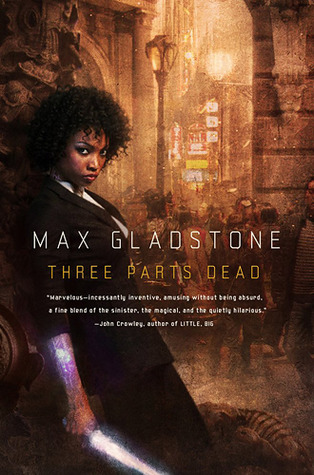
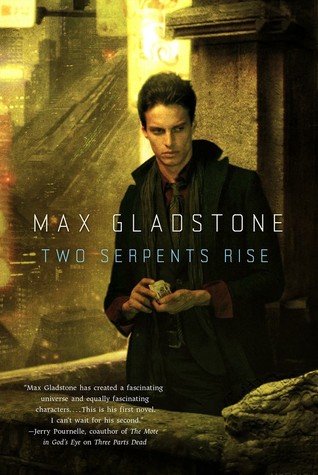
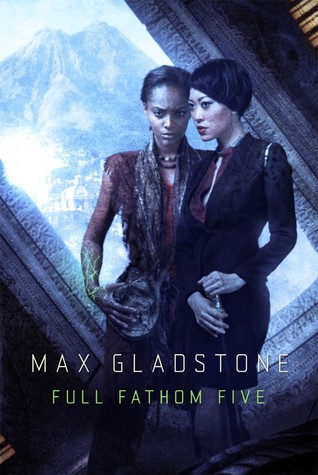
Full Fathom Five is the the third book in the Craft Sequence, however, each book stands alone. Want to know a little bit about the other books? Check out our reviews here:
Three Parts Dead | Two Serpents Rise
If you’re interested in joining the read-a-long, visit the SF/F Read-A-Long group for more information or to join in the conversation.
Week 1: July 20 Ch 1-13 – hosted by Allie from Tethyan Books
Week 2: July 27 Ch 14-32 – hosted by Lynn from Little Lion Lynnet’s
Week 3: August 3 Ch 33-50 – hosted by Heather from The Bastard Title
Week 4: August 10 Ch 50-62 – hosted by Lisa from Over the Effing Rainbow
1. Kai and Izza finally meet face-to-face. What do you think about their confrontation? Did it go as you expected, or did they surprise you?
Wendy: I am not sure if I had any expectations of their confrontation, but it certainly wasn’t unusual. Izza’s mistrust and anger were understandable, but Kai has a cool head so she handled the situation well.
Tiara: Really didn’t have any expectations as far as a confrontation would go. I’m not even sure I really thought it’d be a “confrontation” more than Izza making herself “visible” for the sake of letting Kai know that she’s watching her. I think I had too many other grand theories building in my head that much of this part of the book confirmed.
Mogsy: Went about as I expected. Izza may have mastered the tough act, but she’s first and foremost a thief and not someone I can picture committing more serious crimes. So despite all her threats, I really doubted she would have resorted to truly hurting Kai.
2. Poor Margot. Do you trust that Claude just did a stupid thing and didn’t believe Kai when he needed to, or do you think he has a bigger role in the conspiracy? And who is behind the mysterious murdering Penitent?
Wendy: I think it was a stupid decision, but perhaps one he can’t avoid because of his conditioning. I think the murder Penitent and the Watch are under the control of Jace.
Tiara: Both. Bigger role and stupid decision. I think the Penitents do more to a a person’s mind than we think, and while I think that Claude probably didn’t mean to do what he did, he was probably compelled to do what he did. I pretty much think Jace is the main villain and have for a while for various reasons that that would be too long for me to go into, but some people have heard ALL about my Jace theories.
Mogsy: I was so mad at Claude. What part of “Don’t tell anyone, this can mean someone’s life (or mine) on the line” do you not understand, CLAUDE?! Worst part is, he didn’t tell just one person, he told several. It was stupid, but I also agree with Wendy that it could be the result of Penitent conditioning. In which case, I think Kai should have known and been more circumspect about trusting him. I too think that Jace is behind the murdering Penitent, but I’m stumped as to what he might have done to get it to kill.
3. Kai and Teo’s conversation about evolution and creation myths, science vs. belief, was really striking. Which side of the philosophical argument would you lean towards?
Wendy: I like that the conversation covered the concept of both existing together. Ideally, I believe in evolution, but I believe in the importance of the creation myths to every culture that has them. Those myths and our beliefs shape who we are.
Tiara: Neither. I’m middle of the road. Both arguments were created well, and as Kai said, there’s no reason that creation myths and evolution can’t coexist in the world or even that one person could believe both. Hasn’t the History Channel been doing those schlocky shows for years on how the Bible and science could coexist and explain each. Maybe theories like that are created to reconcile people’s beliefs, but the story of one’s people and culture are a very important part of the sociological scope of people’s origins and beliefs.
Mogsy: I see the merits behind both arguments. You should know though, my university degree was a Specialist in Anthropological Sciences, which included both a biological and a cultural component. I studied human evolution and paleoanthropology quite extensively as a result, but I also found creation myths to be a fascinating topic in my cultural anthro courses. Creation myths are perhaps the most important cultural and religious traditions in any human society, and they have an important place in our history. We have to consider and respect them if we are to develop a deeper and more complete understanding of our species.
4. So we know now that all of the idols and Izza’s gods are different facets of a single goddess. How do you think this development might affect the different characters, and Kavekanan society as a whole?
Wendy: Someone mentioned Makawe coming back and being put into an idol. I really liked that concept. This is different but I think along the same lines. The goddess that the people thought had not returned has always been here, trapped by a corporation that is using her as a source of revenue and control.
Tiara: Well, from what I gather from the story, the people have already been told their gods would return, and it seems they are in ways they aren’t expecting. To be honest, I’m pretty sure that Mako is Makawe, so I’m just going to put that out there now. I’m sure most of the characters would be jubilant, except for those who have made idols a big business, probably especially Jace. But I don’t feel his motivations for not wanting the gods to return has everything to do with money. Also, some people may shiver at the return. Idols are safe, mindless things to Pilgrims. Gods are something infinitely real and scary.
Mogsy: I think it would shake up the island for sure. So much of their economy is tied up in the idols. I think for those with financial interests, it would lead to instability if not outright bad news.
5. Why do you think Teo threw her bracelet into the pool?
Wendy: Some sort of warning. Something to return for later.
Tiara: Am I allowed to use gifs? Ah, well, I’ll use a hashtag instead: #KanyeShrug. Her words seem to point to some experiment she was trying and got results she hadn’t expected.
Mogsy: For it to act like a beacon of some sort? Maybe?
6. Uh, oh, Jace. All signs are starting to point to Jace being the architect of this conspiracy. Signs can be wrong, of course. But where do you think we’ll go from his surprise appearance? If he did know about the goddess in the pool all along, why do you think he would have covered it up?
Wendy: Pretty sure Jace is Smiling Jack but I don’t believe he is a straight up big bad. I am certain he knows all the details and the goddess is no surprise to him, but I suspect he us a high end cog in this wheel. I also think he wanted Kai in on this because they share the level of devotion to their job (something Twilling chose not to get into), but because of Kai’s ignorance of the truth, her obsession caused her to mess up this particular instance too much which alerted the clients. I also think there is more to the clients than just people who quietly invest their funds and sit up only when things go wrong. Kai made it clear that she wanted Margot protected because the Grimwalds were mafia dangerous. I suspect they have their skeletal fingers more deeply secured in this process, and Jace fulfills those obligations.
Tiara: I doubt these signs are wrong. I think Jace is acting purely in his own self interests. I think he believes that he’s doing what’s best for his nation. Do I believe he’s working with anyone else? No. I think the Grimwald’s, much like the Iskari, are just looking for a lawsuit and purchase to find a way to get into the nation more as these books are just as political and mired in law as books not about gods. I think they are the real red herrings of the book because they’re expected to be behind all this drama, and I just don’t think so. I think that Jace either a.) doesn’t want the loss of business and subsequent power or b.) he’s in some sort of denial about the gods. What I mean by that is, we’ve learned the idols in the pool are all one goddess broken into many aspects, it’s possible he might believe the goddess to be “corrupted” because she’s not whole. He knows what he’s doing. He obviously doesn’t respect this goddess and doesn’t see her as “his” or his people’s goddess. I think the order of Margot’s death had more to do with protecting this information getting out about the idols, which Margot might’ve eventually revealed something pertinent in his poems if he’d been left to his own devices.
Mogsy: Is Jace the architect? I don’t know, but he’s part of the conspiracy, all right. With us nearing the conclusion of the book, I’m sure the next step will be him regaling us with all his schemes and why he did it. I honestly don’t feel confident enough to speculate further at this point. There have been so many red herrings, I’ve developed and tossed out more theories than I can count. I’m not 100% sure that Jace is the mastermind behind everything; he may be the player or the pawn, but I do have a sneaking suspicion he’s not alone in this, whether he knows it or not.
Bonus (silly) question: what possible reason could a skeleton Craftsman have for poolside tanning?
Mogsy: I think we’re thinking about this the wrong way. If pale bones are perceived as the desirable trait in skeletal culture, the skeleton lounging in the sun isn’t tanning; he or she is bleaching.
Wendy: I am laughing too hard at Mogsy’s response to even attempt to think of something.
Tiara: Ha! I was thinking bleaching, too, but they also sit out and do the same thing when the moon is out. So, maybe they have a crap sense of timing as well.
Book Review: The Veil by Chloe Neill
Posted on August 3, 2015 8 Comments
A review copy was provided by the publisher in exchange for an honest review. All opinions are my own.
Genre: Urban Fantasy
Series: Book 1 of Devil’s Isle
Publisher: NAL (8/4/15)
Author Information: Website | Twitter
Mogsy’s Rating: 3.5 of 5 stars
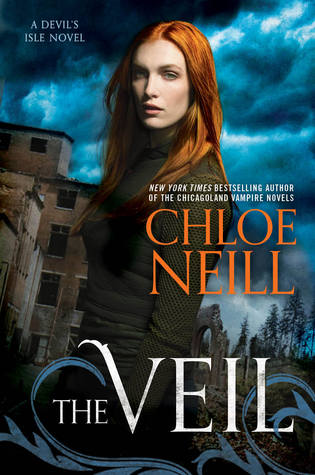
Total newcomer to Chloe Neill here, so I had no idea what to expect when I started the first installment of her new Devil’s Isle series. Being peripherally aware of her Chicagoland Vampires books though, I knew enough to prepare myself for a fun urban fantasy story, and I was right. Leaving aside a shaky start and a couple rough edges, The Veil is a pretty solid introduction to a brand new post-apocalyptic world featuring an intriguing protagonist.
Her name is Claire Connolly, just another young woman trying to survive in post-war New Orleans running her late father’s antique shop (which sells more emergency batteries and MREs than furniture these days). She’s also a Sensitive, someone endowed with the magic which seeped through the Veil when the Paranormals came through seven years ago to wage war on humanity. It’s a secret she guards closely, for if anyone discovers her powers she could end up in Devil’s Isle, a prison for Sensitives and other stray Paras trapped in this world after the fighting was done.
However, keeping her secret also left Claire untrained and unable to control her magic. When bounty hunter Liam Quinn discovers the truth about her, he wastes no time finding her a mentor before the magic can consume Claire and turn her into a wraith like the one that killed his sister. But then strange things start happening to the Veil, which has remained closed for many years now, and Claire and Liam stumble upon a plot to plunge what is left of NOLA back into conflict with the Paranormals, a threat they and their friends must stop in order to prevent more death and destruction on all sides.
I confess, this book and I didn’t exactly start off on the right foot. If things like large swaths of infodumps bother you, then you might experience some of the same difficulties I had with the introduction. Claire’s story about how she discovered her powers, along with the entire history of the war with the Paras following the opening of the Veil were unceremoniously crammed into the first handful of pages, without much effort to make the deluge of details less awkward or obtrusive.
However, the book also started with a party, with the characters celebrating the not-so-imaginatively named War Night, a day which commemorates the survival of New Orleans after one of the biggest battles towards the end of the war. New Orleans is a city that ranks high among my favorite urban fantasy book settings, so it was really hard to resist the boisterous and frenetic atmosphere where everyone just wants to have fun and forget the hardships of everyday life. Even though the city is a shadow of what it once was, the spirit of its people is alive and well.
My impressions of the story also improved a lot as it progressed, once we were through with laying down the groundwork. I wouldn’t say the premise is anything unprecedented and there are admittedly a few kinks in the world-building that need ironing out or expanding, but on the whole I had a good time with this book. I enjoyed Claire as a protagonist, even if she is still feeling rather generic at this point, but I do look forward to seeing her develop more of a personality as the series progresses. The character of Liam Quinn, on the other hand, I really loved; when we first met him I immediately pegged him for a cookie-cutter UF love interest, one of those mysterious and smoldering tall, dark, handsome (and boring!) types — but turns out, I couldn’t be more wrong. He’s the character I found most likely to surprise me by going against my expectations, which immediately made him the most interesting in my eyes.
I was also astonished (but not entire unhappy) to see that the romance is relatively understated. The priority here is the overall story, and Chloe Neill really takes a no-nonsense approach to pacing by limiting the superfluous drama, instead focusing on driving the plot forward so that I never lost interest.
All told, The Veil may not be breaking any new ground, but I found it satisfying and entertaining. I’m curious to see where the author will go with the world-building, but what I’m most interested in is the potential in these characters. I’m definitely on board for the next book.

SERIES SPOTLIGHT – Tufa Book Review: Long Black Curl by Alex Bledsoe
Posted on August 2, 2015 13 Comments
Wrapping up today’s special Series Spotlight, I am pleased to bring you my review for the third book of the Tufa series by Alex Bledsoe. A big thank you to Tiara for teaming up with me on this endeavor with her reviews of books one and two, and I hope you enjoyed all our posts today featuring this very unique and charming series. Be sure to also check out Wendy’s review of the short story set in this universe, Hisses and Wings by Alex Bledsoe and Teresa Frohock.
A review copy was provided by the publisher in exchange for an honest review. All opinions are my own.
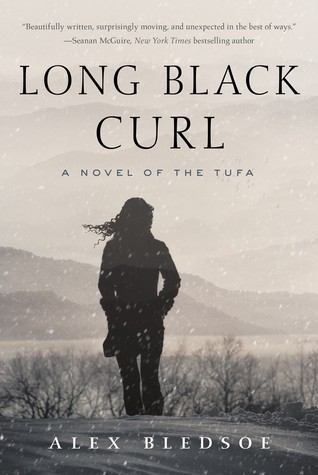 Long Black Curl by Alex Bledsoe
Genre: Urban Fantasy
Series: Book 3 of Tufa
Publisher: Tor (5/26/15)
Author Information: Website | Twitter
Mogsy’s Rating: 4 of 5 stars
And now time for something totally different. Long Black Curl isn’t a book I would have normally picked up on my own, and not least because it’s actually the third book of the Tufa sequence. I don’t usually like to jump onboard mid-series, but two factors made me decide to make an exception. First, I was told this book can be read as a stand-alone, and second, I’ve been hearing all these great things about it, which got me curious.
Now I’m so glad that I decided to give it a shot. I suppose Long Black Curl is technically an urban fantasy, but it’s certainly unlike anything else in the genre that I’ve ever read. When I think about the typical setting for a UF, I picture big cities or built-up metropolitan areas. The setting of the Tufa, on the other hand, is a remote valley nestled in the Smoky Mountains of Tennessee. We’re talking the rural south, a land of gorgeous peaks and ridges upon ridges of pristine forests. But it’s also a land of no indoor plumbing, dirt roads, and where bigotry is still very much alive.
It’s an interesting world. There’s beauty, but also a whole lot of ugliness. It’s also where the Tufa make their home. No one knows exactly where they came from before they settled here, but for generations they have lived in the quiet hills and valleys of Cloud County, passing on the their stories and traditions in the form of song. Music is a huge part of their lives, and an innate part of their identity. To be cast out of their community and stripped of their ability to make music is one of the worst fates imaginable, but this is exactly what happened to Bo-Kate Wisby and her lover Jefferson Powell, the only two Tufa to have ever been exiled.
Now Bo-Kate is back, and she is angry, bitter, and determined to take over both tribes of the Tufa, which means taking out the two leaders Rockhouse Hicks and Mandalay Harris. Her secret weapon is Byron Harley, a famous musician from the 50s who went down in a plane crash but did not die, trapped instead in a faerie time bubble for the last sixty years. Bo-Kate hopes that Byron will help her by taking advantage of his desire for revenge, and for a while she seems unstoppable, until the rest of the Tufa decide to seek out a secret weapon of their own: Jefferson Powell, Bo-Kates old boyfriend.
Anyway, that’s the brief description of the book. What’s way more difficult is putting into words the feelings I got while reading it. The first thing that struck me about the story was how atmospheric it was, seemingly evocative of so much more than meets the eye. Reading about the Tufa was like walking through a veil into another realm. And it’s not just the nature of the setting either; reading about some of the things that go on in this small community (especially those perpetrated by one of the Tufa leaders Rockhouse) are just so hideous and beyond the pale that convincing myself that this is some faraway fantasy world becomes easier and less traumatic to accept. Furthermore, because the Tufa are such a closely knit group, everything that goes on within their ranks – like internal politics or scandals, for example – feel so much more personal, making the emotions cut even deeper.
What I loved the most though, was the music. Creating it is an art form I find both mysterious and beautiful. And to a non-musician like me, it even almost seems like magic. Alex Bledsoe pretty much takes this idea and runs with it, so that music to the Tufa is in fact the source or their magical power. Songs become more than just a way to communicate ideas; they become a means for them to affect the world around them. Music is also a part of the Tufa shared heritage, something that links the community together and gives the individual a sense of identity and belonging. Of course, I’ve seen music used as a magical device in fantasy novels before, but Bledsoe’s handling of it is one of the more unique examples I’ve seen so far, despite—or perhaps because of—the abstractness in its execution.
Needless to say, I enjoyed the book a lot, and something tells me I would have liked it even more if I’d read the previous two before I tackling this one. Long Black Curl worked absolutely fine as a stand-alone, but I think the extra background information would further enhance the story by adding more context to the Tufa characters and all their complex relationships. I’ve gone ahead and added the first book The Hum and the Shiver to my to-read list, because this is a very special series and I would love to go back and read more. Highly recommended.

More on The BiblioSanctum:
Tiara’s review of The Hum and the Shiver (Book 1) | Tiara’s Review of Wisp of a Thing (Book 2)
SERIES SPOTLIGHT – Tufa Audiobook Review: Wisp of a Thing by Alex Bledsoe
Posted on August 2, 2015 2 Comments
 Genre: Magical Realism, Magic, Fantasy
Series: Book 2 of the Tufa
Publisher: Tor Books (June 18, 2013)
Author Information: Website | Twitter
Tiara’s Rating: 4 of 5 stars
Goodreads | Amazon | Barnes & Noble
Narrator: Stefan Rudnicki | Length: 9 hrs and 14 mins |Audiobook Publisher: Blackstone Audio (June 18, 2013) | Whispersync Ready: Yes
Rob Quillen is a musician known for being one of the final contestants on a reality show called So You Think You Can Sing? Despite that, Rob really isn’t one of those fifteen minute famer types and really loves music. After the tragic death of his girlfriend in a plane crash, he’s directed by a mysterious stranger to go to Cloud County, Tennessee where he’ll learn a song that will mend broken hearts. Rob is not a Tufa, but is often mistaken as one because of his looks, which he attributes to being part Filipino. As strange as the stranger’s words are to him, Rob travels to Needsville in search of this musical balm for his soul. He’s not sure if he believes he’ll find it, but he needs something to take his mind off his tragedy and get him away from people who know his face. What he finds in Needsville is mystery, an ages old power struggle, and secrets that could change the Tufa forever. Caught in the middle of this all is the sister of one the First Daughters, a feral Tufa woman who roams the woods.
This second book proved to be much more political in terms of how the Tufa live and what their future holds. As I mentioned in the last book, despite most people thinking the Tufa are all one people, they are actually two factions who are vying for power. The true villain of these books–who is actually both father and villain, in a sense–has his plots revealed more. Unlike the two villains of the last book, there’s more depth to this character and his villainy. His presence means more to the Tufa people, and his possible demise also leaves all the Tufa in a state of flux, wondering what will happen to them if he ceases to exist. This book explores the depths of cruelty and how deep hatred can run, even for those people should protect and love. Bledsoe plays around with some interesting lore and ideas where the Tufa are concerned, and I’ve enjoyed seeing where he takes their story.
I can’t stress enough that these are not pretty, flowery books. There’s plenty of violence and language. Life in the mountains is hard, even for the Tufas. Because there’s more focus on finding out who and what the Tufa are, you don’t get as many snatches of random songs as in the last book instead you get more portents and history, especially the history of where this bad blood comes from. However, the songs you do get in this book tell stories just as powerful as the last, and you get longer, fleshed out musical tales, which makes up for it because it probably all evens out in the end. Beauty is expressed in their music, but still there’s so much tragedy in it, as well, expressing the ordeals and hardships of the Tufa life.
I did listen to this one nearly the whole way through this time, but I was able to better pay attention this time even with Rudnicki’s deep, lulling voice. I think it helped tremendously that there was only one narrator for this book instead of having various breaks in the story as the narrator changes. That works for some stories, but this definitely benefited from only having one narrator. Still no singing, though, so if you’re interested in these books because you expect to get some off-key narrator singing, don’t bother. The verses are chanted, which is probably the best deal for the narrator and readers alike.
These books do an amazing job of being very accessible to new readers and acting as standalones. Sure, the same characters show up, but Bledsoe provides an amazing amount of context to what they mean to the story, even down to having some passages read almost exactly the same from the previous books. You won’t get lost regardless of which book you start with it seems, but for even more context about the Tufa, I’m sure you should get around to reading the first book at some point as the politics seem to be becoming a larger focal point now than in the first book where it was only beginning to burgeon, even though you know something’s simmering underneath the surface.
I wasn’t supremely happy with the wording of the very last line of the ending or the “epilogue” type thing that follows, especially depending on how the next story goes as far as that “epilogue” goes. Rob could sometimes come off as a “special snowflake” since he is definitely not Tufa. I liked that he didn’t learn that somewhere on his great-great-great grandmother’s side he had a Tufa relative, but there were times when things were just a little too convenient for Rob. Also, it would’ve been nice to learn more about Rob and his anger issues. I did like that, even though Rob wasn’t Tufa, he had the music in his soul and didn’t need that qualifier to make him a musician who had music in his bones. I found this story just as engaging as the first as more of the Tufa’s true nature comes to light. This also means that the story becomes more whimsical as readers learn more truths about the Tufa people. Whether you prefer the more grounded magical realism of the first book or the magical realism blended with magical fantasy of this one will totally be up to you as the reader. I enjoyed both. Side note: A painting mentioned in both this book and the prior book is a real painting. I had to go stare at it a while on Wikipedia. And I have to use this song again from Alan Wake because there is definitely a song that reminds me of this one in this book:
Story:  | Performance:
  | Overall:
SERIES SPOTLIGHT – Tufa Audiobook Review: The Hum and the Shiver by Alex Bledsoe
Posted on August 2, 2015 13 Comments
What’s this? A series spotlight? Yes, but I won’t be reviewing the whole series in this one post. Neither will this be an endeavor I take on my own. Instead, you’ll be getting three reviews throughout the course of the day of the three main novels in this series. I’ll be reviewing the first two books in the series, and Mogsy will be reviewing the last book in this series. I’ll also point you to Wendy’s review of a short story set in this universe, and co-written with Teresa Frohock, called Hisses and Wings.
Before I get on to the review. Let’s start out with a very important fact about me:

My first tattoo was dedicated to my love of music. It’s my lifeblood, so I went into these book very expectant. Now, let’s kick things off with my thoughts on The Hum and the Shiver.
 Genre: Magical Realism, Magic, Fantasy
Series: Book 1 of the Tufa
Publisher: Tor Books (September 27, 2011)
Author Information: Website | Twitter
Tiara’s Rating: 4 of 5 stars
Goodreads | Amazon | Barnes & Noble
Narrator: Emily Janice Card, Stefan Rudnicki | Length: 9 hrs and 42 mins | Audiobook Publisher: Blackstone Audio (September 29, 2011) | Whispersync Ready: Yes
Twenty-year-old Bronwyn Hyatt returns to Cloud County, Tennessee after a horrifying experience in Iraq brings her back to the States a war hero. She returns to her home a place she both dreads and loves, a place she has a deep connection to. Bronwyn is a Tufa, and they are at the apex of their magical strength, which manifests in music, when they’re home. The Tufa are an enigmatic ethnic group living in the mountains, believed to have been there when the first white settlers stumbled into the area. They’re called everything from black to Native American. However, no one knows for sure who they are or where they come from. Bronwyn is a pure-blood Tufa and one of the “First Daughters,” women who carry the songs of the Tufa through the generations. Even though Tufa men sing the songs, as well, the First Daughters are the most powerful and most important of the Tufa. Despite this, Bronwyn is a bit of black sheep among her kind. She was rebellious as a child, eventually leaving the safety of the Tufa land for the military. She returns a rebellious woman who is insistent of honoring her heritage while embracing the change that seems to be coming for them. On top of this change, signals of death are in the air, leaving the Tufa on high alert because the signs point to the Hyatt family.
This book also follows an uninspired reporter named Don Swayback who has lived away from the Tufa for years, but he is part Tufa. With Bronwyn’s return, which he reports on for the small paper he works for, he feels something awakening in him as he begins to embrace more of his heritage. That chance encounter stirs something in him. Being part Tufa means he may or may not have the capacity for the magic as explained by this passage:
“Anyway, we need to talk about blood. You got more Tufa in you than you realize. It ain’t always about quantity: you can have a man ninety-five percent pureblood, but if that missing five percent is the part that lets him ride the wind, he ain’t a true Tufa. You know about riding the night wind?” Don shook his head.“You will, I reckon. I hope. One night you’ll go outside, look up at the sky, and either hear the hum or feel the shiver. If it’s the shiver … well, you’re still kin and I love you, but it means you’ll never be a real Tufa. If it’s the hum, though, you’ll feel the stirrin’ of your wings.”
I should briefly point out that in this book the term “the hum and the shiver” is used frequently and in many beautifully poetic ways. It can be used to express many different things in the Tufa life. Read More
Audioook Review: Android Paradox by Michael La Ronn
Posted on August 1, 2015 3 Comments
 Genre: Science Fiction
Series: Book 1 of Android X
Publisher: Ursabrand Media (March 25, 2015)
Author Information: Website | Twitter
Tiara’s Rating: 3.5 of 5 stars
Narrator: Erik Johnson | Length: 3 hrs and 47 mins | Audiobook Publisher: Ursabrand Media (May 29, 2015) | Whispersync Ready: Yes
In the year 2300, humans and androids are living alongside each other in relative peace. Hundreds of years earlier, when humans first started making more intelligent androids, a singularity war broke out that pitted humans and androids against one another. Humans won the war (though, I’m not really sure how), which created a universal government system and a world that lives mostly in peace. Instead of destroying the androids that betrayed them, a scientist named Dr. Crenshaw came up with part of a simple solution to make them more agreeable to humans. He made androids that had some semblance of emotion. Emotion, he reasoned, would make androids more likely to consider what they are doing when it came to humans, at least. Androids learned they benefited from humans, that humans made them smarter because they always learn at least one of three things from individual humans–history, human nature, and emotion. Though, there were other more technological safety protocols put in place as well, including a black box. Xandifer Crenshaw, an android simply called X, and his human partner, Shortcut, are sent to take down a rogue android hiding in Aruba. What seems to be a simple mission turns into something a bit more complicated as they try to decipher the actions of the rogue android as even more begin pop-up in the story, led by some mysterious human who has a fascination with X. On top of that, androids are being “murdered” and salvaged for their parts. How does this tie into the actions of the rogue androids? Does it tie into the actions of the rogue androids? Read More
Mogsy’s Bookshelf Roundup: New Books & What I’ve Been Reading…
Posted on August 1, 2015 21 Comments
Bookshelf Roundup is a feature I do every two weeks where I talk about the new books I’ve added to my library or received for review, what I plan to read soon, and what I’ve finished reading since the last update. Sometimes I throw in stuff like reading challenge updates, book lists, and other random bookish things.
RECEIVED FOR REVIEW
As you can see, it was a very busy fortnight! The last two weeks were just an explosion for new arrivals. While a few titles were books I requested or accepted for review, the majority of these were complete surprises — that doesn’t mean I was any less excited to see them in the mail though! Much love and gratitude to these publishers and authors for filling my summer with such great reads:
Physical Books:
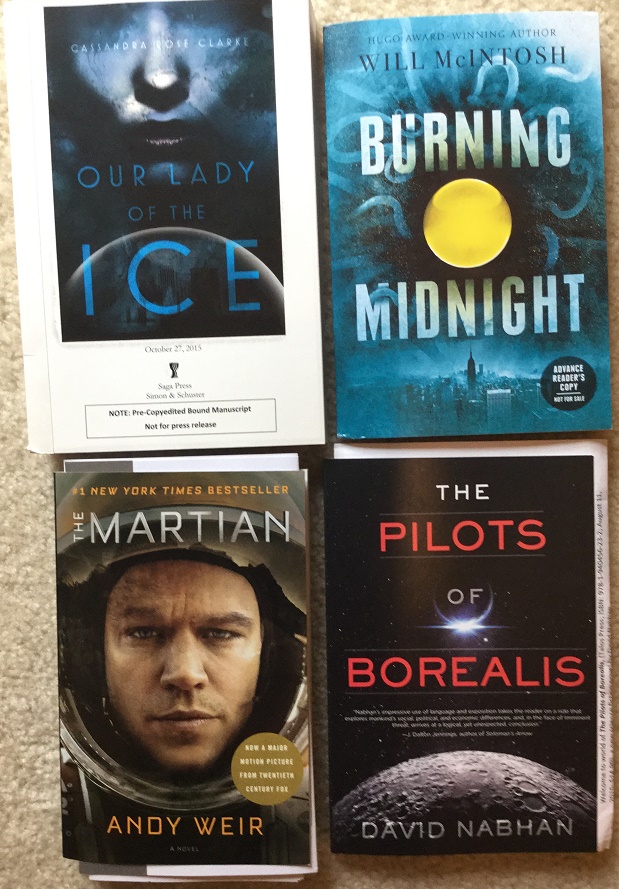
Our Lady of the Ice by Cassandra Rose Clarke – Print ARC, with thanks to Saga Press. One of the more squeetastic arrivals this week. I’ve been wanting to get my hands on this book since CRC and I chatted about it in last year’s BiblioSanctum interview.
Burning Midnight by Will McIntosh – Print ARC, with thanks to the author. This is another one of my highly anticipated reads! After seeing me feature this book and seeing how how excited I was for it, Will McIntosh actually messaged me a couple weeks ago offering an ARC. Thank you, Mr. McIntosh, you definitely made my day!
The Martian by Andy Weir – Paperback (movie tie-in edition!) with thanks to Crown Publishing. When Crown’s publicist emailed me about this book last month, I wrote back with my thanks but also let her know that I’d already reviewed it last year. Imagine my surprise and delight then, when she arranged a copy to be sent anyway for my personal stash. Crown, you guys are awesome! This worked out perfectly too, since I only owned the ebook and audiobook. I am so happy and grateful to FINALLY have a physical copy of this most excellent novel (and with Matt Damon’s face on it, bonus!) If you haven’t already, you must read this. I can’t wait for the movie.
The Pilots of Borealis by David Nabhan – Paperback, with thanks to Talos. Skyhorse Publishing spoils me once again with another surprise arrival. I had to look this one up because it was unfamiliar to me, but it sounds really cool. Already, I’ve been seeing folks say how intrigued they are by the description, and I absolutely agree.

Alice by Christina Henry – Paperback, with thanks to Ace/Penguin. Another exciting new arrival. It also occurred to me that of the many retellings I’ve read in my life, none of them have ever been about Alice in Wonderland. What the, how is this possible? So this will be my first, and I can’t wait. I’ve been hearing so much great stuff.
The Geomancer by Clay Griffith and Susan Griffith – Print ARC, with thanks to Pyr Books. Hooray, the Griffiths return with another Vampire Empire novel! This was a surprise arrival but I flailed hard when I saw it come out of the package — I love Adele and the Greyfriar. I realized I still have the third book to read before I get caught up though, but believe me when I say IT WILL BE DONE.
Regeneration by Stephanie Saulter – Paperback, with thanks to Jo Fletcher Books. I knew when I saw a care package for me from London that it would be from the wonderful folks at JFB. What I didn’t expect was to see that it contained book three of the ®Evolution series. I LOVED the first book and I still have to catch up with the second, so both are being bumped up on my TBR.
Devil’s Pocket by John Dixon – Paperback, with thanks to Simon & Schuster (Gallery Books). A surprise arrival which hadn’t previously been on my radar, so of course the first thing I did was to go find out as much as I could about it. After some research, I discovered it’s actually the sequel to last year’s Phoenix Island! I’ve definitely heard of that one. A lovely chat with the publicist let me know that I can jump into Devil’s Pocket even if I haven’t read the first book, which is great news. I’ll definitely have to find time for this.

Last week I also stepped out to discover that USPS had left a stack of unexpected packages from Macmillan resting on my doorstep, and inside them were these gorgeous finished copies:
The End of All Things by John Scalzi – Hardcover, with thanks to Tor. I absolutely adore the Old Man’s War series so you can imagine my joy when this came out of one of the packages. A serialized novel, The End of All Things is a follow up to events from The Human Division (which was also a serialized novel). This one will soon be devoured, you can count on it.
The Dinosaur Lords by Victor Milán – Hardcover, with thanks to Tor. I was previously sent an eARC of this roartastic novel (be sure to check out my review, link is below) so I hadn’t anticipated this finished copy, but it’s much appreciated! The presentation is simply incredible, too: deckle edges plus amazing illustrations.
The Edge of Dawn by Melinda Snodgrass – Hardcover, with thanks to Tor. This one was completely new to me, so once again I used my googlefu to learn more. As I’d guessed, this is a later installment (book 3, specifically) in a cool looking series called The Edge. I have no idea if it’s possible to jump on board mid-series starting with this book though, so I’ll have to wait and check out some reviews.
Last First Snow by Max Gladstone – Hardcover, with thanks to Tor. I’m actually reading Full Fathom Five with my co-bloggers in a blogger readalong right now, so the arrival of this was quite timely indeed. I’m thinking about jumping right into this as soon as I’m done — unless a later readalong is scheduled for LFS as well. I hope so, because I’m having a lot of fun with the FFF readalong right now.
Digital and Audio:
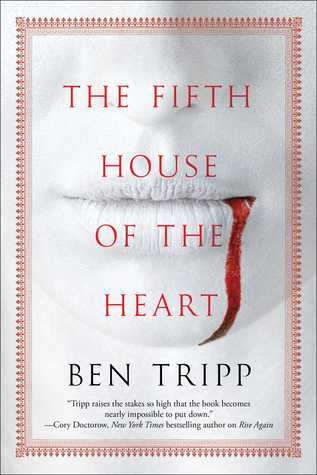


The Fifth House of the Heart by Ben Tripp – eARC, with thanks to Gallery Books and NetGalley. Even accounting for unsolicited titles, the length of my to-be-reviewed list is giving the Great Wall a run for its money, so I thought long and hard before I requested this. Oh, who am I kidding, this book looks amazing! It’s gotten glowing reviews from a couple bloggers I follow already, so no regrets.
Blood Call by Lilith Saintcrow – eARC, with thanks to Orbit. My experience with Saintcrow’s Trailer Park Fae didn’t go so well, but then I’m a mood reader and it’s true that the book was very different from what I expected. I still wanted to give her other books a chance though, and so when Orbit sent an invite to this one, I couldn’t resist. This time, I know what I’ll be getting: Blood Call sounds exactly like the paranormal thriller it’s meant to be and that’s perfect for me.
The Time of Contempt by Andrzej Sapkowski – Audiobook CDs, with thanks to Hachette Audio. To say I’m thrilled that these Witcher books are finally available in English audio is an understatement; I still have to pinch myself sometimes to make sure I’m not dreaming. The books are still gradually being released as audiobooks, and I am grateful to Hachette Audio for the opportunity to review them.
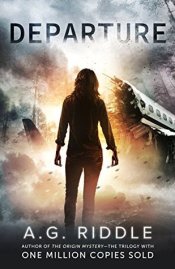
Departure by A.G. Riddle – Audiobook, with thanks to Audible Studios. I was actually first introduced to this one as an audio title, so I had no idea that the book was originally self-published. Guess news of its success is catching on, because I also only just learned HarperCollins is re-issuing it later this year. It’s about a plane crash, so I’m prepared to be scared out of my wits by this sci-fi thriller.
WHAT I’VE READ SINCE THE LAST UPDATE
With so many new additions to my library, thankfully I’m also reading a lot. My Goodreads shows that I read a total of 21 books in July! It’s probably a new record for this year. I credit the weekend mini-vacation I took with my family last week, the convenience of audiobooks during long car rides, and the fact that a lot of my reads this month were relatively short. My burst in productivity is also reflected in the number of reviews I put up recently. Keep an eye out for reviews of my completed books in the coming weeks, but of course there are a bunch that are up already. Be sure to check ’em out now if you haven’t yet!
Faces by E.C. Blake (3.5 of 5 stars)
The Raven Boys by Maggie Stiefvater (4.5 of 5 stars)
Daughter of Dusk by Livia Blackburne (4 of 5 stars)
The Dinosaur Lords by Victor Milán (4 of 5 stars)
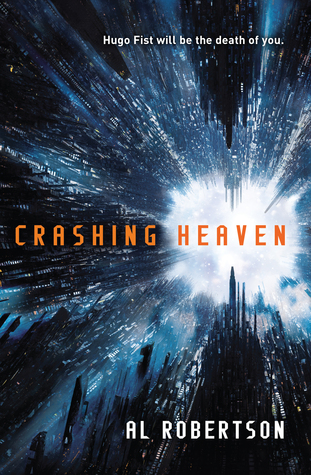
Crashing Heaven by Al Robertson (3.5 of 5 stars)
Dark Ascension by M.L. Brennan (4.5 of 5 stars)



* * *
Have you heard of or read any of the books featured in this week? Let me know! I like helping people discover new books so I hope you found something interesting to read. See you next Roundup! 🙂
Tiara’s July Wrap-Up
Posted on July 31, 2015 15 Comments
I slowed down my reading a bit this month because I listened to so many audiobooks last month for Audiobook Month, and this month I had to hammer down on a work project, which I’ll probably be working on for the rest of the year. Go Government Peons! However, this month saw us really crunching, and I’m sure I’ll have more crunch months at work. When I’m working really hard, I tend to start moving toward things like gaming television to keep myself entertained because I don’t want to process anymore words. However, audiobooks are great for this reason, too. I can just kick back and listen rather than scan pages. As I stated before, even though I haven’t commented as much, this month especially, I see your comments. I read your posts. And I thank you for all your interactivity! 🙂
Book Count




Audiobook Count
This brings my count to 40! I’m well ahead of what I thought I’d achieve.


Popsugar 2015 Challenge Count
Since this is the first time I’ve included this in an update, I’ll list the books that I’ve retroactively read for the challenge as well as the books I read this mount for the challenge. The list of books for this challenge can be found here. Since I read so much speculative fiction, this was a challenge I decided to join to keep my reading rounded, even though I’m still reading a large amount of speculative fiction.
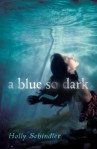
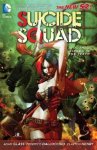
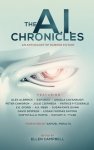
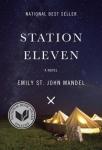
Categories I have completed so far are (and the book covers are listed in order of this list): A Classic Romance, A Book That Became A Movie, A Book Published This Year, A Book Written by Someone Under 30, A Book with Non-Human Characters, A Funny Book, A Mystery or Thriller, A Book More than 100 Years Old, A Book That Made you Cry, A Book with a Color in the Title, A Graphic Novel, A Play, A Book with Short Stories, A Book Originally Written in Another Language, and A Book by An Author You’ve Never Read Before.



Goodreads Challenge Update
Sorry this is a little blurry having to use my work iPad to update this post. I use my work equipment for such evil when I have to.

Miscellany
Here’s a general update of what I’ve been getting into aside from reading because, sometimes, even I need a break from reading. Sometimes, I want to enjoy more visual media, and I can’t live without music. Music is my heart and soul.
TV/Movies
Aside from still being on my Mad Men kick. Here’s a couple of new shows I’m watching now. Daredevil being one. I’ve always been a huge Marvel fan, but I don’t think I’ve appreciated Daredevil as much as I should. I’m actually halfway through Marco Polo. I just need to finish it. I’ve been putting it off for so long now. I’m also getting caught up on Orange is the New Black and House of Cards.


Music
I am on on a Nick Cave & the Bad Seeds kick right now. I blame the show Peaky Blinders, which features a ton of Nick Cave.
Gaming
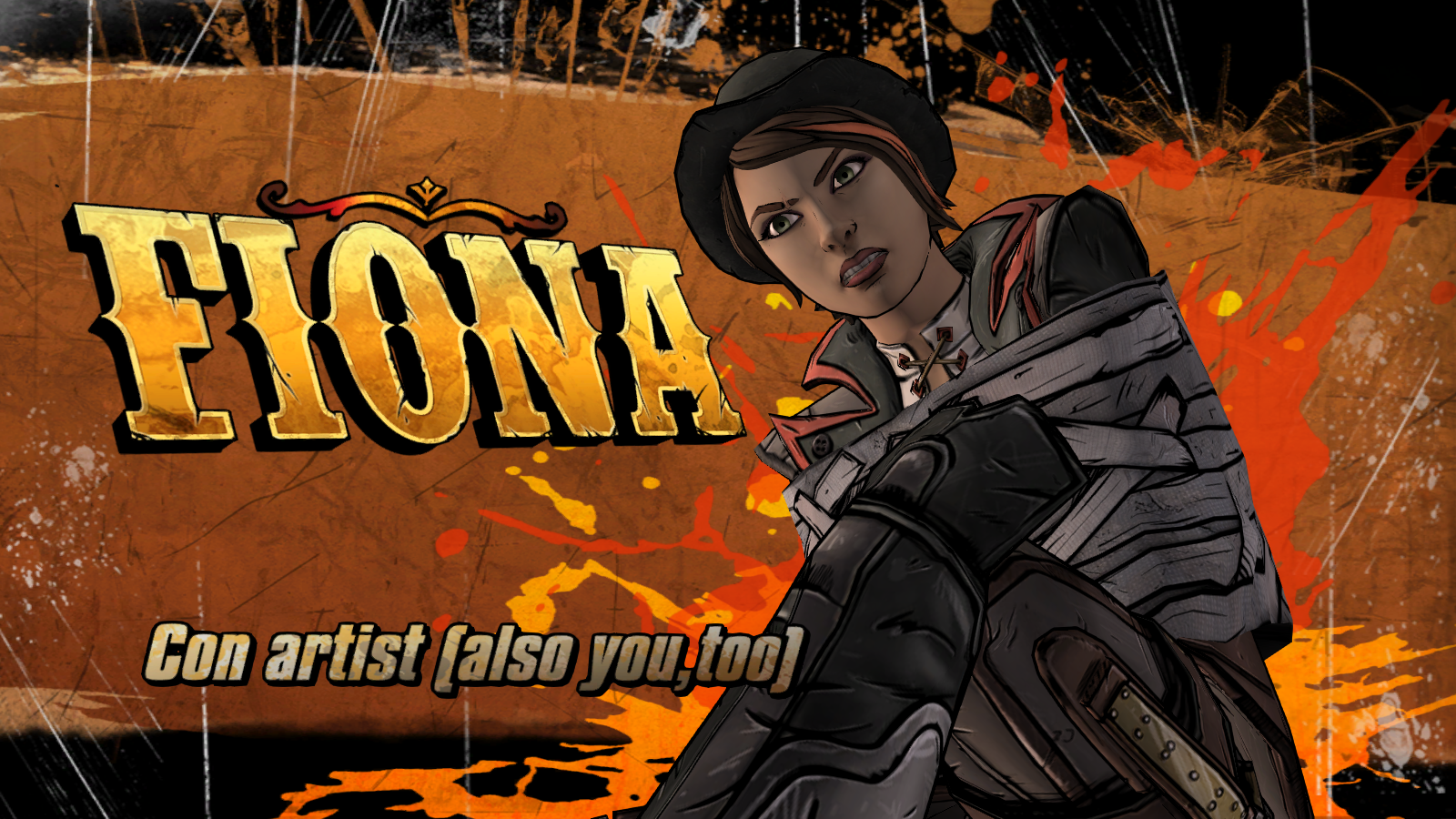
Borderlands bender with Borderlands: The Pre-Sequel. Sorry, Geralt! Wendy has also joined our ranks. One of us. One of us. I’ve also been playing Telltale’s Tales from the Borderlands, which is excellent as well. Not that I expected anything less from 2K or Telltale. Hilarious, absurd, off-color, I love it. I should read some of the books. Also, I’ve started a Dungeons & Dragons campaign (my very first, my final geek frontier!) with Wendy and some other friends, as well.

That’s it for my monthly wrap-up. See ya next month! Happy reading!

Backlist Burndown: The Raven Boys by Maggie Stiefvater
Posted on July 31, 2015 19 Comments
As book bloggers, sometimes we get so caught up reading review titles and new releases that we end up missing out on a lot previously published books. As a result, one of my goals this year is to take more time to catch up with my backlist, especially in my personal reading pile. And it seems I’m not the only one. Backlist Burndown is a new meme started by Lisa of Tenacious Reader. Every last Friday of the month, she’ll be posting a review of a backlist book and is inviting anyone interested to do the same. Of course, you can also review backlist books any day you want, as often you want, but be sure to watch for her post at the end of the month to link up!
This month, I’m reviewing a book that according to Goodreads has been on my to-read list since September 2013. It’s…
The Raven Boys by Maggie Stiefvater
Genre: Young Adult, Fantasy
Series: Book 1 of The Raven Cycle
Publisher: Scholastic (9/18/12)
Author Information: Website | Twitter
Mogsy’s Rating: 4.5 of 5 stars
I don’t know why it’s taken me this long to get to Maggie Stiefvater’s The Raven Cycle series considering how I’ve read practically every other novel she’s written. Possibly I burned out on her Wolves of Mercy Falls books and then The Scorpio Races didn’t end up meeting my expectations, so I figured I just wasn’t a big fan of the way she wrote her characters and decided not to follow any more of her future series.
Of course, then I started hearing a lot of great things about The Raven Cycle once the second book and then the third came out, which made me think maybe I should give The Raven Boys a try after all, though clearly I didn’t jump on it right away. Anyway, my mistake. I finally read this book and discovered that it was actually pretty damn awesome.
The novel follows the lives of several teenagers who cannot be any more different. Blue Sargent is the daughter of a clairvoyant, though she isn’t a seer herself. But what she does have is the power to amplifying psychic effects with her presence, which is how she ends up in a churchyard on a freezing St. Mark’s Eve, helping out her mother doing her clairvoyance-y things. This is the night where the soon-to-be dead walk the Corpse Road, and this year, Blue sees her first spirit – a boy who calls himself Gansey. There’s only one reason why she could have seen him, though: either he’s her true love, or she will be the one to kill him.
Thing is, for as long as Blue can remember, she’s also been warned by her mother and all her seer friends that her kiss will cause her true love to die. Soooo…you do the math.
Meanwhile, the very much alive and corporeal version of Richard Gansey III is spending his days pursuing an eccentric hobby in between going to class at the prestigious Aglionby private school for boys. The students there – known as Raven Boys because of their school crest – are mostly the sons of rich and powerful people, their children also destined for great things. Gansey fits the mold, being a scion to a wealthy family. He’s never lacked for anything, but it doesn’t matter because what he wants is so much more than just the material. Together he’s on a mystical quest with three fellow classmates Adam (the smart but poor one), Ronan (the bad boy), and Noah (the quiet and taciturn wallflower) to seek the rumored burial site of a legendary king.
The four boys, despite falling into seemingly conventional stereotypes, are in truth so much more beneath the surface. Against all odds, such disparate personalities manage to work very well together, their friendship held fast by the glue that is Gansey. That camaraderie between the Raven Boys (along with their eventual relationship with Blue) make up the meat of this novel, and it was the element I enjoyed the most. Shocker! Still, that doesn’t mean the characters never got my nerves, because they did; Gansey and his condescension, Adam with his insufferable pride, Ronan and his belligerence (and really? Naming your baby raven Chainsaw? You hokey idiot), and Blue and her bullheadedness all rankled me at one point or another, but none of it was to the extent at which Steifvater has frustrated me in the past. The dynamics here work, plain and simple.
The plot surprised me too, delivering something very different from than I expected, though maybe I should have given the author more credit. After all, the issues I’ve had with Stiefvater’s characters in her other novels notwithstanding, her knack for storytelling is unequaled in the Young Adult genre. The premises behind her books have never been anything less than beautiful, unconventional, and simply marvelous. From the beginning, I was held completely rapt by the story of The Raven Boys, drawn in by the intricate details of each characters’ situation. There was an introductory period where I wasn’t sure what everything had to do with each other, but eventually all the pieces fell into place and the resulting picture was one that knocked me off my feet. The sheer imagination on display here is impressive as hell; I was really charmed by all the little things like the mythological aspect, historical and geographical connections, magical rituals, Tarot readings and the personalities of the other seers that Blue and her mother live with. There’s also a thread of mystery weaving itself in and out of the narrative, and some of the revelations which came to the surface at the end were eye-opening to say the least. I can hardly wait to find out what happens next.
So maybe Maggie Stiefvater’s books and I still have a future together after all. Now off I go to procure the next book to add to my library. Consider me a new fan of The Raven Cycle, I’ve very glad I finally got a chance to read this first book.

More on The BiblioSanctum:
Wendy’s Review of The Raven Boys (Book 1) | Wendy’s Review of The Dream Thieves (Book 2) | Wendy’s Review of Blue Lily, Lily Blue (Book 3)
Book Review: The Unremembered by Peter Orullian
Posted on July 30, 2015 6 Comments
A review copy was provided by the publisher in exchange for an honest review. All opinions are my own.
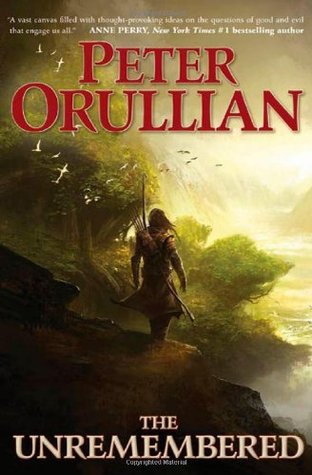 The Unremembered by Peter Orullian
Genre: Fantasy
Series: Book 1 of Vault of Heaven
Publisher: Tor (April 7, 2015)
Author Information: Website | Twitter
Mogsy’s Rating: 3 of 5 stars
This review is for the “Author’s Definitive Edition” of The Unremembered. What does this verbiage spell for the book, exactly? According to an interview I found, author Peter Orullian made a ton of changes for this re-issue, many of which were not just limited to minor adjustments like adding an excerpt or fixing a typo here and there, though there was certainly some of that involved too. In fact, there are significant differences between this and the original (but Orullian also assures that those who read the latter will be able to transition into the sequel just fine), like about fifteen thousand words added in, but even more cut out. So, unlike a lot of Author’s Editions, this new version is actually substantially shorter than the original. It’s all supposed to make a stronger book – trimming the fat, bolstering what needed to be bolstered, fixing the pace, improving character development, etc.
I’ve not read the original, so I can’t really speak to whether or not the Author’s Definitive Edition met its goals, but finding out all that information did make me curious about this book. It’s so rare that an author gets a chance to do this, and I wanted to see the end result.
The Unremembered opens with a god condemned by the rest of the pantheon for creating a world filled with terrifying creatures, upsetting the divine balance. As punishment, he is sent to live for eternity with his abominations in the Bourne. Thousands of years later, the focus shifts to the perspective of a villager named Tahn who encounters nightmarish creatures around his home and the lands of the Hollows. Mysterious strangers arrive in town, and one of them – an old man named Vendanj – warns Tahn of great danger. A tear between the realms has resulted in the evil things from the Quiet entering the world, putting everything in peril.
Together with his sister Wendra and his friend Sutter, Tahn sets off on a quest with Vendanj and the old man’s other companions, the Sodalist Braethen and the beautiful-but-deadly warrior Mira. Tahn has no idea where this quest will take him, but he is all too aware that the world is depending on him and his group to stop the darkness from swallowing up everything he knows and loves.
The Hero’s Journey immediately comes to mind. The Unremembered is exactly that, pulling in the familiar tropes in the genre for this traditional quest narrative. This makes it a tough book to review. On the one hand, many of the themes can be recognized as the conventional and rehashed ideas from well-known fantasy classics, and though I wouldn’t exactly describe the story as generic, I can’t exactly call it original either. On the other hand though, there’s a certain charm and appeal to reading a book that harkens back to the days of old-school fantasy, almost like slipping on a worn but comfortable and much-loved sweater. As with all books in general, I suspect how you feel about this one will entirely depend on the sort of mood you’re in.
Still, that’s not to say Peter Orullian brings nothing to the genre. I find his world and characters intriguing, and whether or not this has to do with the changes he made in this edition, I liked his writing style and found it flowed very smoothly. His world-building is deep and very detailed, and his characters – while playing a bit to clichés – are people you can relate to. After all, archetypes such as The Hero are popular because they resonate with us. Tahn is likeable in that role, and his companions also play out their respective parts nicely. Orullian fleshes out his characters and gives them individual traits that make them memorable, even if they are present in a derivative capacity.
Is The Unremembered perfect? No, but I still enjoyed reading it. It’s well-paced, probably much improved from the original version is my guess. Some scenes carry a lot of weight, and in these the author does a fantastic job with the atmosphere, highlighting tough choices and the consequences of making them. Sometimes, it can get very poignant and emotional in keeping tensions high and the reader hooked on every word. As well, at a certain point in the book, the story diverges into two different threads, which threw some variation into the mix.
Ultimately, I don’t know if I would recommend this book to everyone, but I imagine there will be fantasy readers who will enjoy it. If you’re looking for something wildly fresh and original, this probably won’t be it. But if you’re feeling nostalgic for some traditional epic fantasy reminiscent of The Wheel of Time or The Lord of the Rings, then it’s quite possible that this could work for you. Personally I thought this was a decent read, and I felt invested enough that I will most likely read the sequel.



 The BiblioSanctum