Book Review: City of Broken Magic by Mirah Bolender
Posted on December 31, 2018 19 Comments
I received a review copy from the publisher. This does not affect the contents of my review and all opinions are my own.
 City of Broken Magic by Mirah Bolender
Mogsy’s Rating: 2.5 of 5 stars
Genre: Fantasy
Series: Book 1 of Chronicles of Amicae
Publisher: Tor (November 20, 2018)
Length: 393 pages
Author Information: Website | Twitter
Five hundred years ago, a magical weapon was created in the form of an infestation that ate magic, but it quickly got out of hand and became impossible to control. This power burrowed itself into amulets and would grow and devour everything in its path if not contained. Only individuals with talent and specialized training, called Sweepers, can defuse and dispose of these magical ticking time bombs.
Enter Laura, an apprentice Sweeper who works with her boss Clae to rid the city of these dangerous threats. The problem though, is that the local politicians have been deceiving their people into believing that infestations aren’t really a problem anymore. As a result, Clae’s office is severely underfunded, and no one takes the profession as seriously as they should. All it will take is one mistake—or one act of malice—for a massive infestation to level the entire city.
This wasn’t a terrible book, but it very clearly could have been improved. For one thing, it’s always unfortunate when a publisher description oversells the story. When I read “bomb squad that defuses magic weapons”, I immediately pictured elite armored special teams and lots of suspense and excitement. Too bad this book had none of these things. I was expecting something more akin to a fast-paced thriller, but instead what I got was a somewhat dry and meandering plot that seemed to lack even a main conflict for the first half of the novel. As a result, the early part of the story felt like it had no direction, a problem also exacerbated by too much info-dumping. While the world-building may have been able to capture the reader’s imagination (at least initially), having no immediate hook meant that any interest I had in the plot rapidly faded.
The other problem I had was with the characters. It’s one thing to be progressive and proud to work in a profession not conventionally held by women, but Laura goes through life with an air of superiority I didn’t much care for. Often, she had this attitude of dismissal or contempt for subjects that she doesn’t understand or things that don’t interest her, which drove me crazy. And God forbid we ever forget she’s bucking gender norms and society’s expectations of her, because she never fails to remind us every chance she gets. Then there was Clae, her boss and head Sweeper. He’s tactless, brusque, and incredibly antagonistic towards everyone, reminding me of a more annoying and less lovable version of Benedict Cumberbatch’s Sherlock Holmes. In fact, I feel like that was exactly what the author was trying for, attempting to channel BBC’s 21st-century portrayal of the famous literary detective, except Clae comes across just plain unlikeable, and Laura is no Martin Freeman’s Watson to pull off the part in this double act.
There were a few things I did enjoy. One was the world-building. It wasn’t as well developed as I would have liked, but I was intrigued by the notion of magical amulets that held infestations that could grow into monsters capable of destroying cities. I also loved the concept of Sweepers. In truth, taken individually, all the ideas in this book are great, but as a whole, they feel like pieces of a puzzle that don’t fit together quite right. Perhaps if the plot been clearer and more cogent, the world-building might have reached its full potential.
Overall, I think it was a combination of a vague synopsis and disorganized storytelling that made City of Broken Magic a miss for me. It’s a shame because I really wanted to like this one, as there were many ideas in here that I liked. Sadly, they were unable to carry the plot, which struggled to get off the ground, or make me overcome my initial distaste for the characters. Since this is Mirah Bolender’s debut, I chalk most of these up to new-author problems, and if this is to become a series, hopefully the next book will have many of the issues ironed out.


Book Review: The Outsider by Stephen King
Posted on December 30, 2018 34 Comments
Mogsy’s Rating: 4 of 5 stars
Genre: Horror, Mystery
Series: Stand Alone
Publisher: Scriber (May 22, 2018)
Length: 561 pages
Author Information: Website | Twitter
Hard to believe, but the last book I read by Stephen King was 11/22/63 (which was one of the most amazing pieces of literature I’ve ever read), but it’s true I’m probably not as keen to jump on every new release of his as I used to be. And quite honestly, I haven’t been all that interested in picking any of his recent stuff. But something about The Outsider caught my attention. There was some of that old-school King flavor about it that looked promising.
The book opens by laying out the details of a horrific crime, setting the scene for a detective story. In Flint City, Oklahoma, a little boy named Frank Peterson has been murdered, his violated body found in a town park. Based on the mountain of evidence available, including multiple eyewitness accounts and DNA and fingerprint samples, Detective Ralph Anderson arrests Little League coach Terry Maitland at a baseball game in front of the whole town. Everyone is shocked that the well-respected husband and father of two could be capable of such an unspeakable act, but it just goes to show, you can never know what’s going on in someone’s heart or mind, no matter how normal they seem.
The problem though, is that Terry Maitland insists on his innocence. And despite everything the police have on him, he also has an airtight alibi. It seems that at the time of the murder, Terry was out of town attending a conference with his fellow teachers, who all confirm he was with them the entire time. There’s even security and TV footage to back up his story. So what gives? How is it possible that a man can be in two places at the same time? Detective Anderson sure isn’t buying it, and is convinced that Terry killed the Peterson boy, but he just doesn’t know the why and the how. But before he can dig any further, disaster strikes, altering the course of his investigation as well as the fates of everyone involved.
The Outsider is one of those books only Stephen King can write. No one else can tease the reader for a third of the book, without providing any real answers or progress, and still have you eating out of his hands, begging for more. The first two hundred pages or so are filled with an outrageous amount of background information, a lot of back and forth conversations and going over what we already know again and again. Any other author would have me cursing their name, but King somehow manages to make it work. After all, long introductions are kind of his thing, and I put up with them for the most part because I trust he’s building up to something big, and besides, no one can create such an intense atmosphere of anticipation quite the way he does.
In truth, we don’t get to the meat of the story until the second part. Enter Holly Gibney of the Bill Hodges trilogy fame, a series a confess I never really got into, but she was fantastic in this book, despite being a supporting character. She gets involved when Flint City gets in touch with her to see if she can follow up on a few leads in Dayton, Ohio, and thanks to her tenacity and smarts, the team gets a huge break in their investigation. From there onwards, it’s a thrilling and unputdownable hunt for a supernatural predator who feeds on violence, pain and misery. Like many of King’s novels, the story seeks to explore the idea of evil in the world that goes far beyond the understanding of mere mortals. It is here that we begin our transition from murder mystery into pure horror territory.
Of course, it’s not all smooth sailing. The plot meanders and languishes close to the end of the second act as we ramp up towards the finale, and the ending felt like it came on and was over and done with way too soon. I also liked the supernatural element, but it seemed to try too hard to be convincing and cover all its bases, when a little ambiguity might have served it better. Trying to over-explain the situation and in general making things more complicated than necessary was why I felt the pacing lagged a bit in the second half, but happily, the conclusion made up for it. While it may have been a little rushed, the scene of the final showdown was dramatic, suspenseful and most importantly satisfying when it was all over.
In the end, The Outsider is a Stephen King novel through and through. Even with its warts and all, that’s a good thing. It’s not the best book I’ve read by him, but it’s definitely up there in terms of readability and how much fun I had with it. If you’re a King fan, it’s well worth your time.

Audiobook Challenge 2018: 4th Quarter Update
Posted on December 29, 2018 21 Comments

It’s our final update for the 2018 Audiobook Challenge! Thank you to the challenge hosts and here’s to another year of great listens. Let’s see how everyone did.
Challenge Details
- Runs January 1, 2018 – December 31, 2018. You can join at anytime.
- The goal is to find a new love for audios or to outdo yourself by listening to more audios in 2018 than you did in 2017.
- Books must be in audio format (CD, MP3, etc.)
- ANY genres count.
- Re-reads and crossovers from other reading challenges are allowed.
- You do not have to be a book blogger to participate; you can track your progress on Goodreads, Facebook, LibraryThing, etc.
- If you’re a blogger grab the button and do a quick post about the challenge to help spread the word. If you’re not a blogger you can help by posting on Facebook or Tweeting about the challenge.
Levels
- Newbie (I’ll give it a try) 1-5
- Weekend Warrior (I’m getting the hang of this) 5-10
- Stenographer (can listen while multi-tasking) 10-15
- Socially Awkward (Don’t talk to me) 15-20
- Binge Listener (Why read when someone can do it for you) 20-30
- My Precious (I had my earbuds surgically implanted) 30+
- Marathoner (Look Ma No Hands) 50+
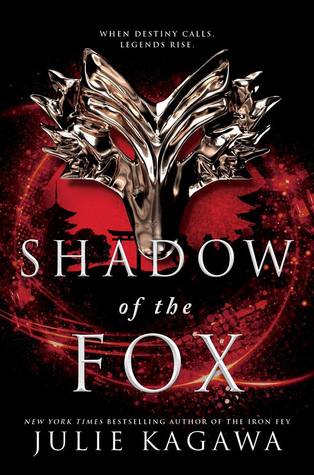
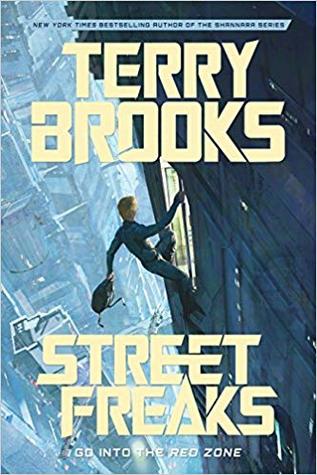
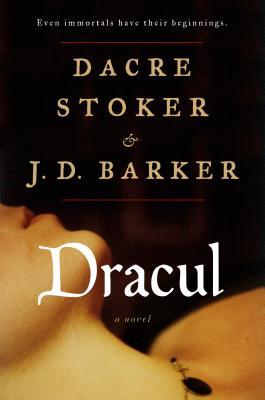
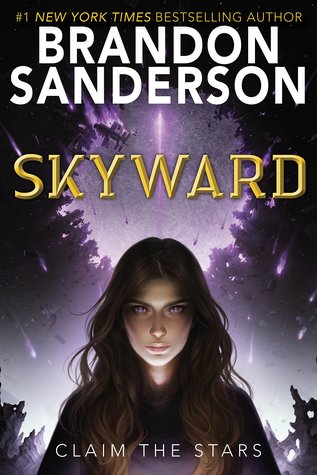


This quarter I listened to 6 audiobooks (counting only those I listened to from start to finish, i.e. not titles where I tag-teamed both formats) for a total of 43 for the year total. I didn’t quite make Marathoner, but that’s okay, as my goal was My Precious and I blew that level away! And of course, 2019 is another year and you better believe we’ll be doing this again. I hope everyone is did well on their challenges this year!
Friday Face-Off: Freebie
Posted on December 28, 2018 24 Comments
Welcome to The Friday Face-Off, a weekly meme created by Books by Proxy! Each Friday, we will pit cover against cover while also taking the opportunity to showcase gorgeous artwork and feature some of our favorite book covers. If you want to join the fun, simply choose a book each Friday that fits that week’s predetermined theme, post and compare two or more different covers available for that book, then name your favorite. A list of future weeks’ themes are available at Lynn’s Book Blog.
This week’s theme is:
A FREEBIE!
Choose one of your favorite titles and compare the covers
Mogsy’s Pick:
The Golem and the Jinni by Helene Wecker
Yes, I absolutely adored this book, even though magical realism isn’t typically my thing. Combining religion and mythology to tell a story of two supernatural creatures who find themselves in New York City in 1899, the story plays out like a fairy tale for adults. Chava is a magically-crafted clay golem, brought to life by a disgraced rabbi who dies at sea while on the voyage from Poland. When the ship reaches NYC, she is left directionless and without a master. Ahmad is a jinni, released accidentally after being trapped in a copper flask for hundreds of years. Through free from the vessel, he finds himself still bound to the physical world by a band of iron around his wrist, placed there by the wizard who imprisoned him so long ago.
The golem and the jinni become two more faces in the crowd trying to seek a new beginning in America. Despite being creatures of lore, their struggles and aspirations make them feel entirely too human. This was just simply a beautiful book, and a great choice if you’re in the mood for some literary fantasy! Now let’s take a look at the covers:
From left to right:
Harper (2013) – Blue Door (2013) – Portuguese Edition (2015)
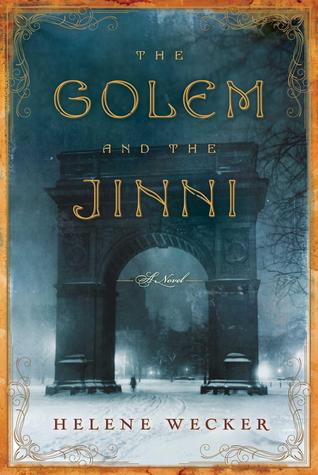
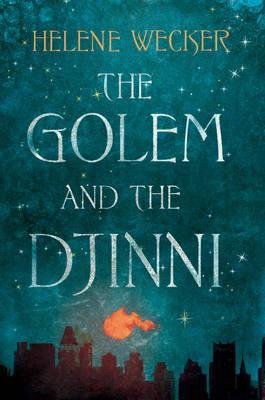
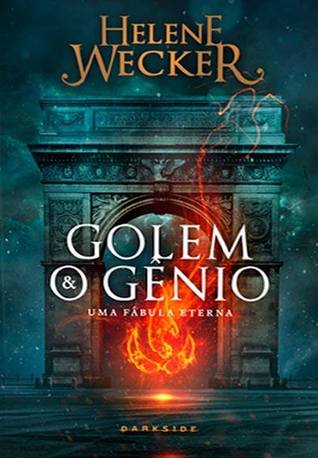
Turkish Edition (2014) – Spanish Edition (2014) – German Edition (2013)
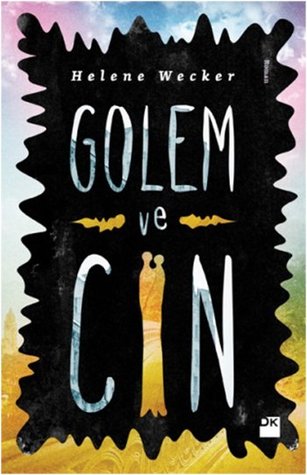

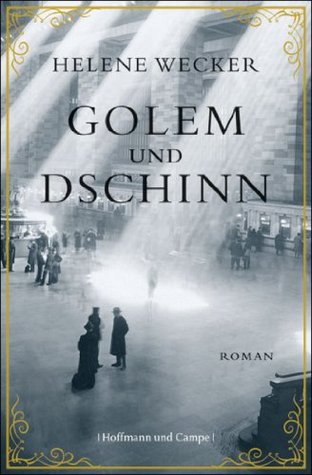
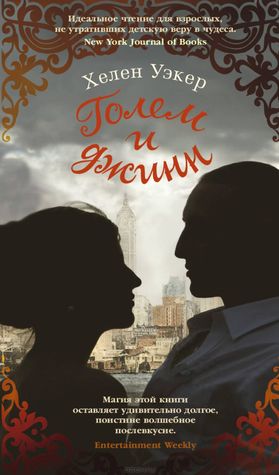
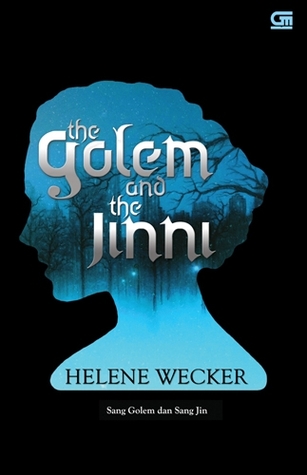
Czech Edition (2014) – Russian Edition (2014) – Indonesian Edition (2015)

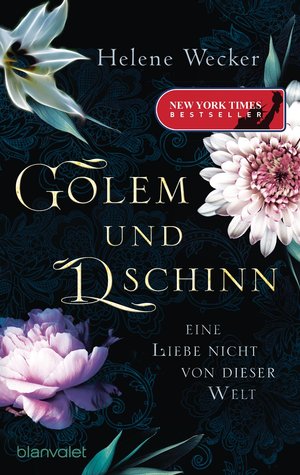
Italian Edition (2013) – German Edition (2015) – Hebrew Edition (2013)

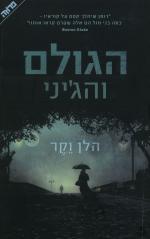
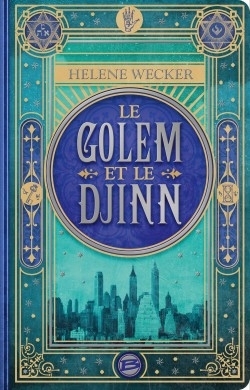
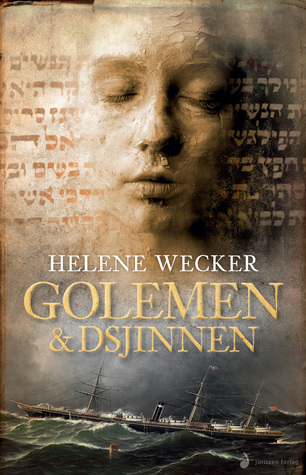
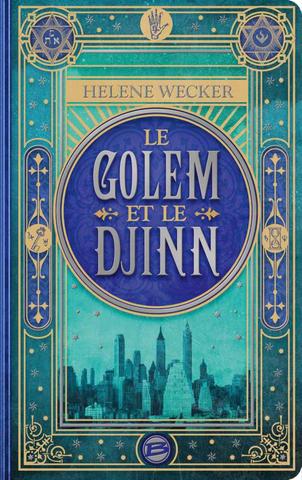
Hungarian Edition (2015) – French Edition (2016) – Norwegian Edition (2013)

Winner:
So many covers to choose from, and several that really stand out for me this week, but there can only be one! Even though it’s not as atmospheric as some of the others, I’m really feeling the colors of the French edition. At least at this very moment. Ask me another day, and my choice might be different!
But what do you think? Which one is your favorite?
Best of 2018 and the Year in Review
Posted on December 27, 2018 48 Comments
It’s once again that time of the year where I look back at the last twelve months and round up my favorite reads! As always, my methods are going to be rather haphazard, but as you know I read a TON of books and having to narrow it down to just “Top 10” or even “Top 20” is a difficult (if not impossible) task. That’s why I’ve opted not to do a traditional list, and instead I’m going to be breaking this post down into different genres/categories to highlight all the books that 1) were my favorites of the year, 2) I thought were most memorable, or 3) I think should be getting more love and attention. The one thing they have in common is that I loved them all.
You can see my reviews and more information about the books by clicking on the images and following the links.
Fantasy
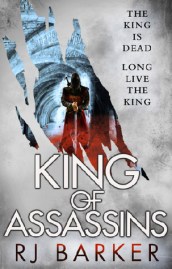
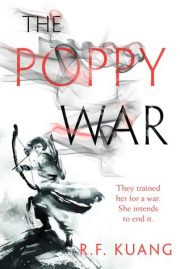
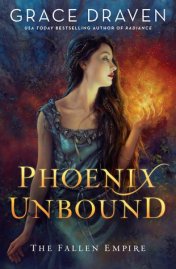
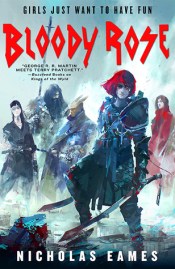
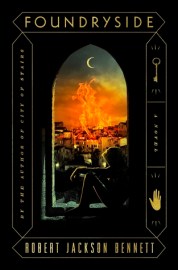

Fantasy is typically my biggest category, though this year there were fewer contenders for top spots, or maybe I’ve just gotten pickier. Still, 2018 saw some epic releases, including The Poppy War by R.F. Kuang, which is also notable for being my favorite debut of the year. There were some great sequels, including Bloody Rose by Nicholas Eames, as well as King of Assassins by RJ Barker which capped off a phenomenal trilogy. A couple of my favorite authors also dazzled with new projects like Foundryside by Robert Jackson Bennett and Starless by Jacqueline Carey, and one of the year’s biggest surprises came in the form of Phoenix Unbound by Grace Draven, a swooningly scrumptious romance fantasy.
Science Fiction
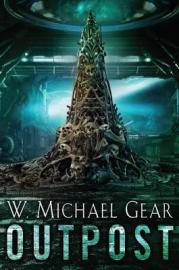
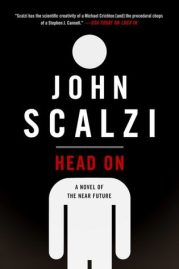
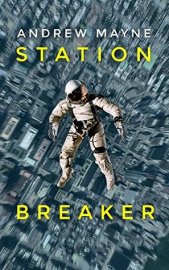

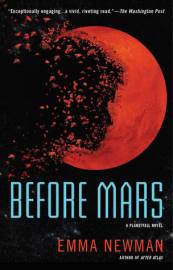
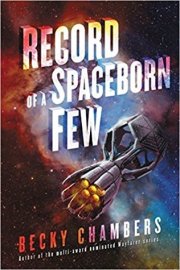
This was also a decent year for science fiction. My favorite sci-fi read of 2018 was probably Record of a Spaceborn Few by Becky Chambers. Other standouts include Before Mars by Emma Newman, Artificial Condition (as well as the other novellas in the Murderbot Diaries) by Martha Wells, Head On by John Scalzi, as well as a backlist book by Andrew Mayne called Station Breaker that I was really glad I got to read. I also got to sneak in one great sci-fi read before the end of the year, in the form of Outpost by W. Michael Gear.
But wait, there’s more! This year The BiblioSanctum once again participated in the month-long Sci-Fi November event, so if you’re interested in seeing a more detailed list of all my favorite sci-fi reads this year, be sure to check out the Top Ten post I put together for the wrap up!
Horror
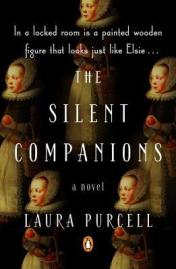
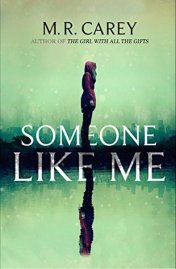
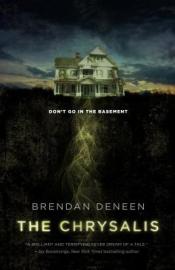
I did not read as much Horror in 2018 compared to previous years, but I did love The Silent Companions by Laura Purcell, and I also enjoyed Someone Like Me by M.R. Carey and The Chrysalis by Brendan Deneen.
Urban Fantasy/Paranormal
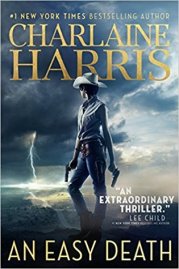
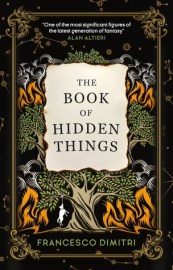
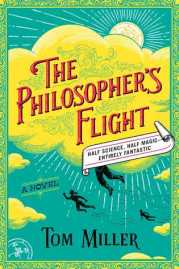
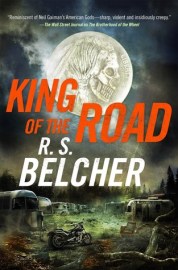
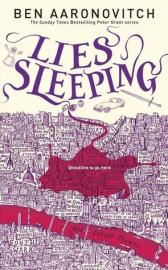
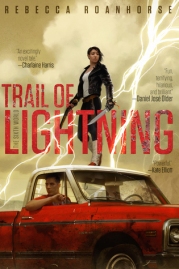
2018 was a good year for me when it comes Urban Fantasy, Paranormal, or just fantastical spec fic that doesn’t really fit neatly into either the high fantasy or science fiction categories. Speaking of being hard to categorize, The Book of Hidden Things by Francesco Dimitri was one of my most memorable reads of the year. The Philosopher’s Flight by Tom Miller was also one of my biggest surprises. An Easy Death by Charlaine Harris and Trail of Lightning by Rebecca Roanhorse were both gifts to post-apocalyptic UF, and if we’re talking more traditional urban fantasy, we have Lies Sleeping by Ben Aaronovich closing out the first major story arc of the Rivers of London series. Finally, King of the Road by R.S. Belcher was a book I only finished a few days ago, but it might just be my favorite paranormal read of 2018.
Young Adult
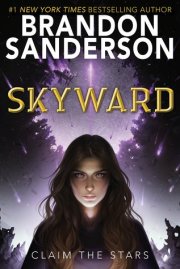
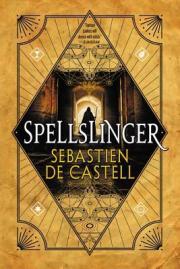
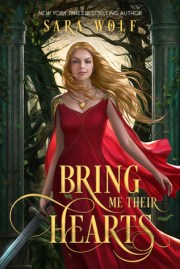
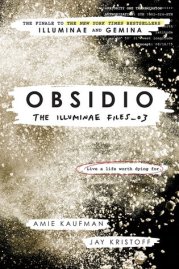
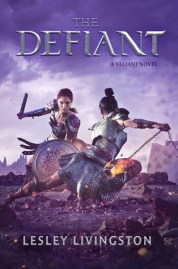

Like most years, there were a number of highly anticipated Young Adult releases that fizzled for me in 2018, but thankfully there were also a number of amazing reads that balanced out those disappointments. Among them are books by a couple of my favorite authors like Skyward by Brandon Sanderson and Spellslinger by Sebastien de Castell. I also discovered a couple gems from new-to-me authors, including Bring Me Their Hearts by Sara Wolf, and The Hazel Wood by debut author Melissa Albert. In terms of sequels, I had a blast with The Defiant by Lesley Livingston, and Obsidio by Amie Kaufman and Jay Kristoff was a worthy finale to the Illuminae trilogy.
Mystery/Suspense/Thriller
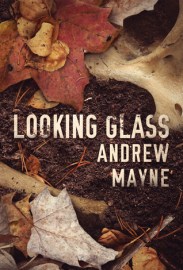
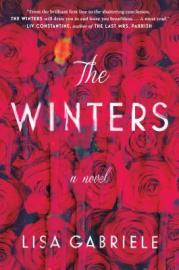
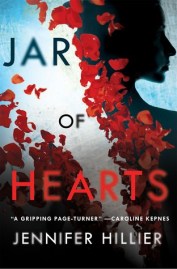
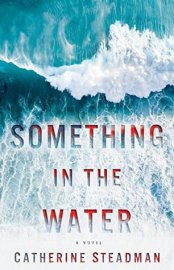
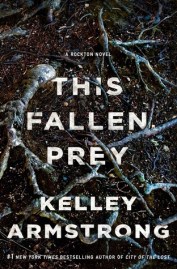
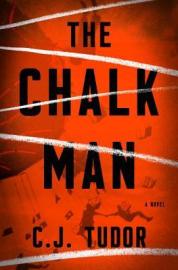
2018 was the year I made a real effort to read more Mystery, Suspense, and Thriller – and it shows. There were quite a few books I loved in this category, including debuts like Something in the Water by Catherine Steadman and The Chalk Man by C.J. Tudor, sequels like Looking Glass by Andrew Mayne and This Fallen Prey by Kelley Armstrong, as well as a couple of awesome reads by new authors I discovered like Jar of Hearts by Jennifer Hillier and The Winters by Lisa Gabriele.
Overview: Books Read in 2018
We still have a few more days left in the year so these numbers aren’t going to be final, but the below charts and statistics taken from Goodreads should provide a good general overview of my 2018 in books. It would be cool if I could reach 200 books read for the year!
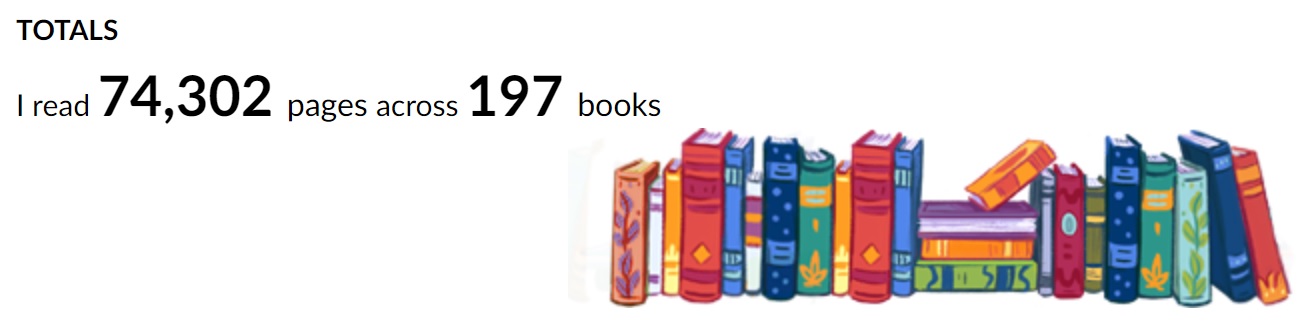
Goodreads Ratings:
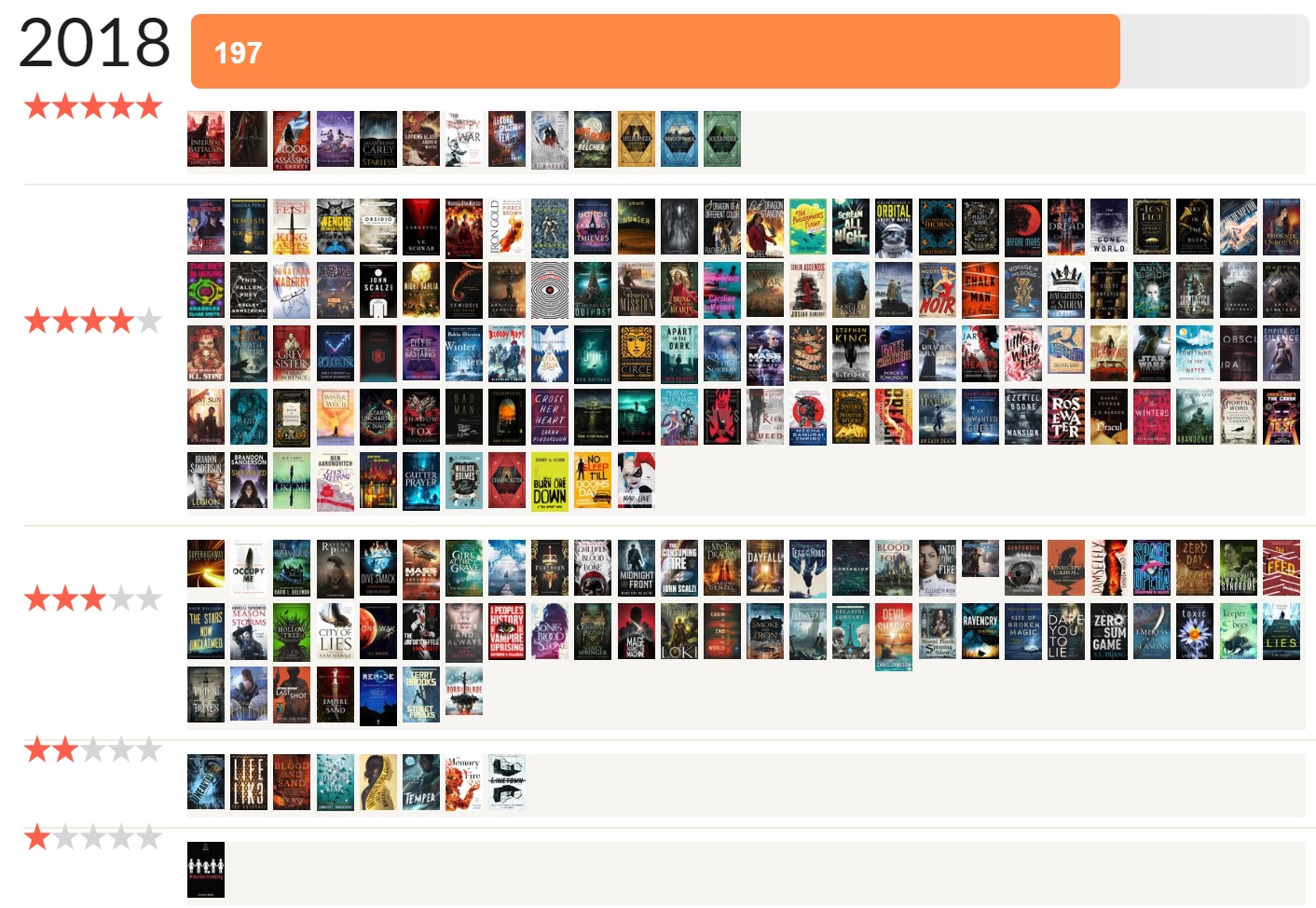
On My Shelves…
By a Male Author: 49.2%
By a Female Author: 47.7%
Unknown/Male & Female Co-Authored: 3.1%
Audiobooks: 21.8%
For Review: 95.4%
Genres (some crossover):
Fantasy: 42.1%
Science Fiction: 29.9%
Thriller/Suspense: 16.2%
Horror: 13.1%
Urban Fantasy and Paranormal: 17.3%
Children’s and Young Adult: 22.8%
More on The BiblioSanctum:
Mogsy: Best of 2014 and The Year in Review
Mogsy: Best of 2015 and The Year in Review
Mogsy: Best of 2016 and The Year in Review
Mogsy: Best of 2017 and The Year in Review
Waiting on Wednesday 12/26/18
Posted on December 26, 2018 16 Comments

Waiting On Wednesday” is a weekly meme that first originated at Breaking the Spine but has since linked up with “Can’t Wait Wednesday” at Wishful Endings now that the original creator is unable to host it anymore. Either way, this fun feature is a chance to showcase the upcoming releases that we can’t wait to get our hands on!
Mogsy’s Pick
Turning Darkness into Light by Marie Brennan (August 20th, 2019 by Tor Books)
I’m a huge fan of the Memoirs of Lady Trent series, and I couldn’t be more excited when I found out about this book. Isabella’s saga may be over, but her legacy will be carried on by her granddaughter!
 “As the renowned granddaughter of Isabella Camherst (Lady Trent, of the riveting and daring Draconic adventure memoirs) Audrey Camherst has always known she, too, would want to make her scholarly mark upon a chosen field of study.
When Lord Gleinheigh recruits Audrey to decipher a series of ancient tablets holding the secrets of the ancient Draconean civilization, she has no idea that her research will plunge her into an intricate conspiracy, one meant to incite rebellion and invoke war. Alongside dearest childhood friend and fellow archeologist Kudshayn, must find proof of the conspiracy before it’s too late.
TURNING DARKNESS INTO LIGHT is a delightful fantasy of manners, the heir to the award-winning Natural History of Dragons series, a perfect stepping stone into an alternate Victorian-esque fantasy landscape.”
Top Ten Tuesday: Bookish Gifts I Hope I Find Under My Christmas Tree This Morning
Posted on December 25, 2018 33 Comments

Top Ten Tuesday was created by The Broke and the Bookish, a weekly meme that now resides at That Artsy Reader Girl. The meme first came about because of a love of lists. Who doesn’t love lists? The original creators also wanted their lists to be shared with fellow book lovers and to ask that we in turn share ours with them and connect with other book bloggers. To learn more about participating, stop by their page dedicated to it and dive in!
This week’s topic: Top Ten Bookish Gifts I Hope I Find Under My Christmas Tree This Morning
Merry Christmas to those of you who celebrate, and Happy Holidays to all!
Today’s Top Ten Tuesday topic is officially “Books I Hope I Find Under My Christmas Tree This Morning”, but quite honestly, I already have more than enough on my TBR to get through at the moment, so instead of books, I decided to feature bookish or reader related gifts that I think are pretty cool or useful (and wouldn’t mind having).
Book Sleeves


The problem with book sleeves is that you only ever really need one or two, at most a few. But all the many amazing and gorgeous designs out there make me wish I could own a few dozen.
Book Quotes Doormat


I love showing my love for fantasy in subtle ways, and having a quote doormat is a nice way to do it for when the delivery people or neighbors come around. I’m actually trying to convince my husband we need these, but I don’t know if I’m making any progress on getting him on board.
Bookish Apparel and Accessories


Speaking of showing off your love for books, another way I like to do it is through the clothing and jewelry I wear.
Book Totes


I can never have enough tote bags, especially in the summers when I visit the local library every week to stock up on reading materials for my kids. Most of mine are from shirt.woot, and I’ve gotten tons of laughs and compliments on them, so I’m always on the lookout for new available designs with bookish themes.
Headphones

Huge audiobook listener that I am, I go through bluetooth headphones like they’re going out of style. I always carry a pair with me wherever I go, and around the house will be a couple more charging, ready to be switched out when my current one runs out of juice. Due to the hard and constant use, I probably replace a pair every few months, so I have a feeling I’ll find some in my stocking this year.
Dictionary bookmark

I’m not really big on bookmarks; most of the time, whenever I find myself in need of something to mark my page, I pick up whatever’s conveniently lying around be it an old receipt or a piece of candy wrapper. I kind of like the idea of an electronic dictionary bookmark, though. Not sure how well this thing actually works, but it’s a neat concept. Something like that would be super handy for when I’m reading a dead tree book. I can’t tell you how many times I’ve caught myself poking at a word on the page like an idiot, waiting for the definition to pop up, momentarily forgetting I’m not actually on my Kindle.
Art Books


Okay, so maybe there are some actual books I am wishing for today. For those who don’t know, I’m a collector of concept art books, for video games especially. There have been some recent ones I’m hoping to add to my collection.
Replica Swords of SFF


Speaking of collecting random things, my dream one day is to own a respectable collection of replica swords. Not too surprisingly, there are plenty out there inspired by fantasy literature. The best replicas are super pricey though, so if I ever win the lottery or stumble across some outrageous sum in pirate treasure, maybe it’ll happen.
Little Free Library


So you’ve all heard of the Little Free Library, right? It’s basically a “take a book, return a book” free book exchange. Commonly, they take the form of a small wooden box that anyone can fill with books to share, or bring one home to enjoy. The ones I’ve seen in my area are mostly around local parks and playgrounds, but some people have also placed them in front of their houses to share with their neighborhood. This is something I’ve always wanted to do, if nothing else because it’s a fun way to donate my books and set them free in the world (let’s hope my neighbors enjoy Sci-Fi & Fantasy). If I had any woodworking talent, I’d make my own, though ready-to-be-assembled Little Free Libraries can also be purchased. Still, chances are it’s all a moot point anyway, since my despotic HOA would probably shoot this idea down faster than you can say BAH-HUMBUG! Oh well, I can dream, and if I ever move, a Little Free Library in my front yard might still be in my future.
New Shelves

I’ve long since run out of shelf space. Currently, the linen closet is doing double duty as a makeshift bookshelf, handling some of the overflow, while my side of the walk-in closet is stacked from floor to ceiling with even more books. If I were to grab a coat just a bit too violently, there’s a real possibility I might disturb something and get crushed to death in a horrible book avalanche. Yes, I am in desperate need of new shelves. My husband, who actually does have some woodworking skill, has promised to install some built-in bookshelves for our family room, but six years later, this project has still yet to get off the ground. After all this time, I’m not holding my breath, but with luck, maybe I’ll get to see some blueprints/plans this year at least!
So those are some of the neat bookish things I’ve stumbled across. What did you get (or are hoping to find) underneath the Christmas tree this year? Hope everyone is having a safe and merry holiday season!
Book Review: King of the Road by R.S. Belcher + Series Giveaway!
Posted on December 24, 2018 18 Comments
***The giveaway is now over, thanks to everyone who entered!***
I received a review copy from the publisher. This does not affect the contents of my review and all opinions are my own.
 King of the Road by R.S. Belcher
Mogsy’s Rating: 5 of 5 stars
Genre: Urban Fantasy
Series: Book 2 of The Brotherhood of the Wheel
Publisher: Tor (December 4, 2018)
Length: 384 pages
Author Information: Website | Twitter
I swear, R.S. Belcher gets better with every book. Of all his projects, The Brotherhood of the Wheel series is probably my favorite, and King of the Road is his best work yet.
First off, I love the premise. At the heart of The Brother of the Wheel series the concept of “road magic”—the idea that frequently traveled pathways have power, which often overlap with ley lines and landmarks or other structures with spiritual significance. In the United States, this would be the Interstate Highway System, and the people who make their livelihoods on it—truck drivers, bikers, highway patrolmen, toll booth collectors, rest stop operators, etc.—are the heroes of this story. They are the Brotherhood of the Wheel, members of an ancient secret society who have vowed to keep travelers on the road safe, protecting them from not just mundane threats, but from supernatural dangers and monsters as well.
King of the Road is the second book in the series, and though it can technically be enjoyed as a standalone, I would not recommend it as a starting point. The story returns to many characters we met in the first book, including Jimmie Aussapile, a thickset pot-bellied trucker whose gruff exterior belies a heart of gold. Like many in the Brotherhood, he lives a double life, moonlighting as a vigilante and monster hunter while he’s hauling freight and doing his best not to miss deadlines. At the moment, however, Jimmie is back at home in North Carolina with his family, trying to help his squire Heck Sinclair survive a gang war involving two rival motorcycle clubs. Meanwhile, Detective Lovina Marcou has traveled from Louisiana to Pennsylvania to follow up on a missing-person case, her desire to find answers driven in part by the disappearance and death of her own sister years ago. Assisting in the investigation is Max, providing Lovina with the necessary research in her capacity as a Builder, the R&D arm of the order. This time though, the mystery will lead them down a rabbit hole of terrifying danger and conspiracy, not to mention killer clowns and the infamous unsolved case of the Black Dahlia.
By incorporating so many elements together, as well as so many different plot lines, King of the Road might be the author’s most ambitious book to date, but he has managed to pull it off flawlessly. This book is a most delectable blend of horror and urban fantasy, offering up the perfect balance of dark and light, of the ancient and the modern, of the magical and the macabre. The separate mysteries Belcher develops here are each independently absorbing, but they also end up tying together in a larger narrative that compounds the immersive atmosphere of dread and unease, keeping the reader glued to the page.
And of course, I loved coming back to these characters. Jimmie was great in the The Brotherhood of the Wheel, which to some extent was also a story exploring his commitment to the Brotherhood. But now that his soul-searching is over, and he has come to terms with his personal sacrifices, it is time for him to take a step back and let his friends take the lead. Heck, Lovina, and Max are the ones who mostly drive this novel, while Jimmie settles into a more supporting role. I liked how this gave us a deeper look into the personalities and lives of the others. This time around, my favorites were Lovina and Max, whose adventures lead them to encounters with everything from hobo shamans to life-sucking carriage ghouls, as well as a visit to a haunted trailer park.
Speaking of which, I would be remiss if I did not give a special mention to the kids of the Valentine Trailer Park. One of the best POVs in this novel belongs to that of Ryan, a boy who has traveled from Baltimore with his mother to live with his grandmother in Pennsylvania. An outcast who suffers from PTSD, Ryan finds a new life as well as camaraderie and mutual support in the group of children at Valentine, who warn him against the monsters that lurk in the woods. Ryan’s chapters read like a love letter to Stephen King’s It, with clear nods to the themes of adolescent friendships, secret pacts, and a vicious cycle of terror that plagues a community. Oh yeah, and the scary clowns.
With so much going on, this novel could have been a right mess, but Belcher kept a tight rein on all the multiple threads, weaving them masterfully to create something incredible here. I’m still floored by how well everything came together. Granted, I wasn’t as interested in the storyline involving Heck and his part in the gang war, but as someone with a fascination into unsolved mysteries, I found myself completely engrossed with Lovina’s investigation into the case of the missing young woman and the connections to the Black Dahlia and Cleveland torso murders. Belcher kept the pace moving quickly, knowing exactly when to transition his scenes, and when to drop the revelations to tie the parts of his story together. He has successfully orchestrated an atmosphere of eeriness and anticipation, playing on the reader’s fears of the darkness and unknown.
We all have things that scare us, and it is precisely because of that we cannot look away. I read this book in record time, consuming it in a couple of sittings, barely coming up for breath. Full of horrors but also a surprising amount of heart and humanity, King of the Road combines excitement with an ambience of mystery. This is dark urban fantasy at its best.

More on The BiblioSanctum:
Review of Brotherhood of the Wheel (Book 1)

The Brotherhood of the Wheel Series
+ Trucker Hat Giveaway

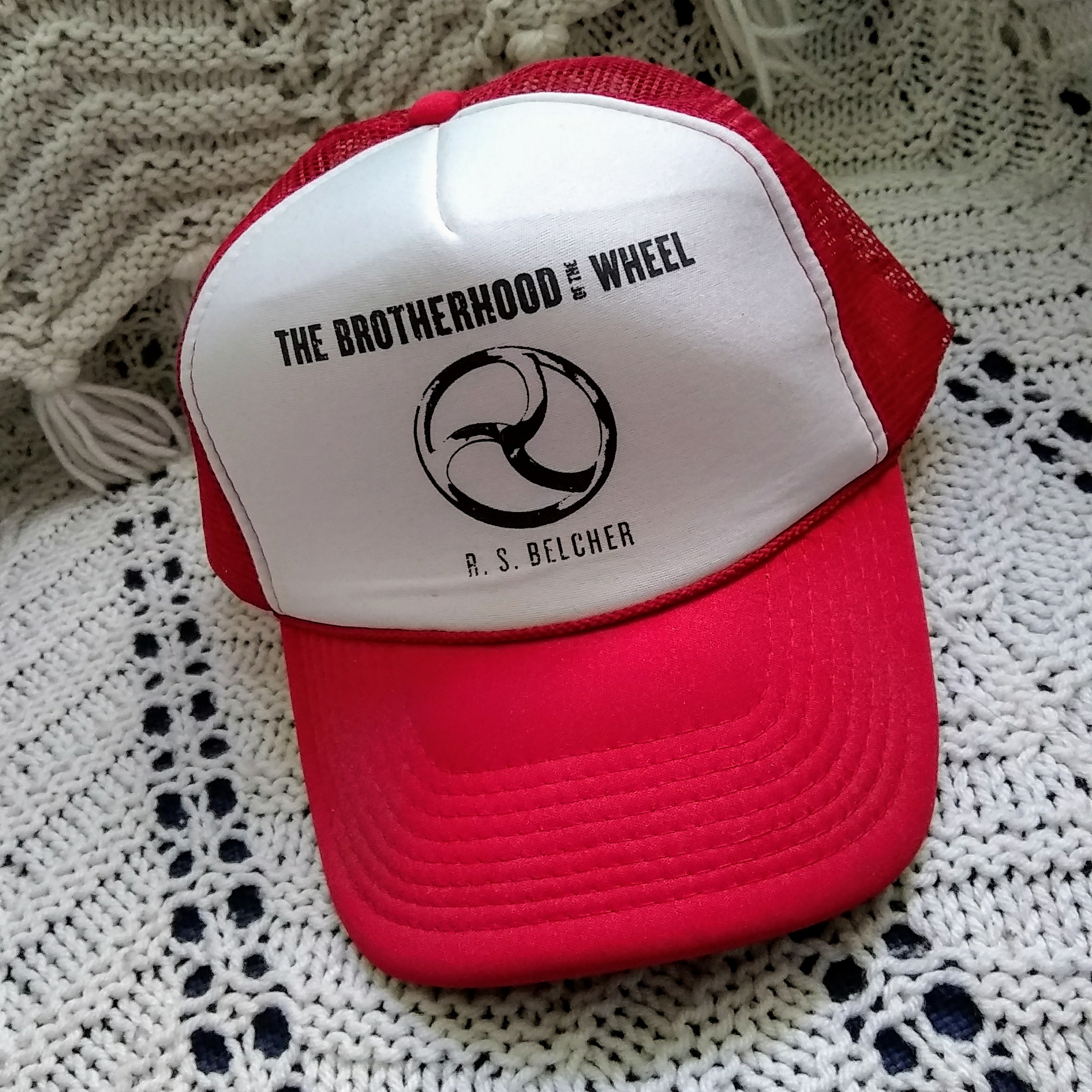
And now, time for a pre-Christmas giveaway! Because I am such a fan of this series, I’m thrilled to be working with Tor Books to host this giveaway for a special Brotherhood of the Wheel prize package. As per the publisher’s terms, this giveaway is open to residents in the US and Canada. One winner will receive a print copy of Brotherhood of the Wheel, a print copy of King of the Road, as well as this super nifty trucker hat! To enter, all you have to do is send an email to bibliosanctum@gmail.com with your Name and valid Mailing Address using the subject line “KING OF THE ROAD” by 11:59pm Eastern time on Monday, December 31, 2018.
Only one entry per household, please. A winner will be randomly selected when the giveaway ends and then be notified by email. All information will only be used for the purposes of contacting the winner and sending them their prize. Once the giveaway ends all entry emails will be deleted.
So what are you waiting for? Enter to win! Good luck!
Book Review: Limetown created by Zack Akers & Skip Bronkie with Cote Smith
Posted on December 23, 2018 17 Comments
I received a review copy from the publisher. This does not affect the contents of my review and all opinions are my own.
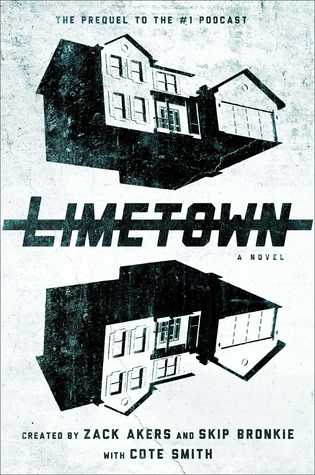 Limetown created by Zack Akers & Skip Bronkie with Cote Smith
Mogsy’s Rating: 2 of 5 stars
Genre: Mystery, Science Fiction
Series: Stand Alone
Publisher: Simon & Schuster (November 13, 2018)
Length: 290 pages
Author Information: Website
I confess I’d never heard of the Limetown podcast, but when this prequel novel arrived for me by surprise from the publisher, I thought it might be worth checking out. Apparently you could read it independently of the podcast, and I figured even if I had no idea who all the character were or the background of the story, the fascinating premise should at least help carry me through. After all, a paranormal mystery about a mass disappearance sounds like just the thing I would enjoy.
The story is told through the eyes of two main characters. Lia Haddock is a seventeen-year-old student journalist whose life is changed forever the day she hears about the disappearance of three hundred men, women, and children at a research facility in Limetown, a small community in Tennessee. There is also a personal connection, as one of the missing is her uncle, Emile Haddock. The event sets Lia on a path to uncovering the mystery about what happened to the people of Limetown, as well as her own family’s connection to the place. Why are her parents so reluctant to talk about Emile and what might have happened to him?
Alternating between Lia’s chapters, we also get Emile’s POV, which takes place years before. Emile is revealed to have special powers, and his strange, secretive ways also makes him a bit of a pariah at his school. He and his brother Jacob (Lia’s dad, who is much younger here) live with foster parents, but Emile cannot stop obsessing about the whereabouts of their missing mother. Running away to look for her, he winds up at a secret research facility where his psychic abilities are identified, resulting in him becoming a subject of forced experimentation.
So yes, after reading Limetown, I have concluded you can indeed pick this story up without having any knowledge of the podcast. But should you? Probably not. After some research, I did learn that Lia is the narrator of the podcast, in which she is a reporter chronicling her investigation into the missing people of Limetown, presenting her findings in a serialized fashion over the course of six episodes in the first season. Perhaps if I was a listener of the podcast, I would have felt a deeper connection to her character, but I found myself really struggling to engage with her chapters while reading the book. Granted, being somewhat reticent and aloof might have been part of her personality, but because the writing seemed to always keep the reader at arm’s length, I never felt truly invested in her storyline.
Emile fared a little better. While Lia was all about getting down to business, Emile had an openness to him as well as a humanness to his conflict which made him a more sympathetic character compared to Lia. However, after a while, his storyline paralleled hers so neatly and unconvincingly, that gradually it began to feel more forced than mysterious.
Though I hate to say it, things became rather dull after that. Part of the problem is that the mystery became lost in all the plodding details about family drama and other unnecessary distractions. The connections and big reveals were also predictably spelled out for you, so as a reader I didn’t even have to work hard to figure things out. It made me question the point of this novel. Obviously, you don’t get any answers about Limetown, since those are probably held in reserve for future seasons of the podcast, leaving this book feeling like a hastily thrown together side story with too much padding.
All told, as someone entering the world of Limetown for the first time, I found it hard to care about anything that went on in this prequel novel. Based on my experience, I can’t really say it worked too well as a standalone, but it is now also clear that I am not its target audience. Perhaps the podcast’s fans will find some things in here that will enhance their experience, especially if you are interested in getting more of Lia’s backstory.

Mogsy’s Bookshelf Roundup: Stacking the Shelves & Recent Reads
Posted on December 22, 2018 29 Comments
Bookshelf Roundup is a feature I do every other weekend which fills the role of several blog memes, like Stacking the Shelves where I talk about the new books I’ve added to my library or received for review, as well as It’s Monday! What Are You Reading? where I round up what I’ve read since the last update and what I’m planning to read soon. Mostly it also serves as a recap post, so sometimes I’ll throw in stuff like reading challenge progress reports, book lists, and other random bookish thoughts or announcements.

Received for Review
My thanks to the publishers and authors for the following review copies received, and be sure to click the links to their Goodreads pages for more details and full descriptions!

The new year’s ARCs are starting to come in. Most of these were complete surprises, and with thanks for Orbit for this awesome haul: A Boy and His Dog at the End of the World by C.A. Fletcher is a journey of survival through a post-apocalyptic landscape, following a beloved family dog that is stolen and her owner who will do anything to get her back. I’m also looking forward to checking out Soulkeeper by David Dalglish, the opener of a new fantasy trilogy about a warrior priest who must answer the call to protect his world from monsters. Up next, The Rosewater Insurrection by Tade Thompson is the sequel to Rosewater, which was one of the strangest books I read this year, but I nonetheless enjoyed it very much. Speaking of sequels, Shadow Captain by Alastair Reynolds is the follow-up to Revenger, a book I had some really mixed feelings about, so I’m still deciding whether or not to continue the series, and The Unbound Empire by Melissa Caruso is the finale volume of the Swords and Fire trilogy, but this one I know I’ll definitely be reading!
Also thanks to the kind folks at Saga Press for sending along an ARC of Vultures by Chuck Wendig, the sixth and final installment of the Miriam Black series. I look forward to this ending with bittersweet excitement.

With thanks to Harper Voyager, I also received an ARC of The Lost Puzzler by Eyal Kless, a dystopian sci-fi mystery about a society trying to unlock the secrets of the past. I hope to get to this one over the holidays, because the more I hear about it, the more curious I get.
From the amazing team at Tachyon Publications comes this ARC of The Unicorn Anthology edited by Peter S. Beagle and Jacob Weisman, a collection containing sixteen magical and powerful tales about unicorns from an incredible line-up of authors including Garth Nix, Patricia A. McKillip, Carrie Vaughn and more.
My thanks also to Ace/Roc/DAW for ARCs of Titanshade by Dan Stout, a noir fantasy thriller which, judging by the cover and description, promises a lot of fun; as well as Wild Country by Anne Bishop which is the follow-up to Lake Silence, the book that began a new chapter in the author’s world of The Others earlier this year.
Also thank you to Tor Books for the following finished copies: Blood of Ten Kings by Edward Lazellari is the concluding volume of the Guardians of Aandor trilogy, and I just realized I’ve only read the first book so it looks like I’ll have a bit of catching up to do before I can dive into this one; and King of the Road by R.S. Belcher is the sequel to Brotherhood of the Wheel, continuing this amazing series a secret society of guardians who protect travelers from all kinds of supernatural threats that seek their prey along the US Interstate highway system. I’m currently reading this now and I’m loving the hell out of it – be sure to keep an eye out for my review and a very special giveaway, coming soon!

And can you all feel the holiday cheer in the air? I got a few extra goodies in the mail this month, with a huge thanks to Harper Voyager for sending along a festive holiday package containing The City of Brass by S.A. Chakraborty as well as an ARC of its sequel, The Kingdom of Copper. Included with the books were also a couple of yummy looking Arabic sweets, which I’m looking forward to eat! Also a shout-out and a big thank you to Peter Tieryas, who sent me a Mecha Samurai Empire holiday card, which is so unbelievably cool!


My digital haul is lighter this week, with thanks to Tor.com for kicking us off with Miranda in Milan by Katharine Duckett, described as a haunting story that re-imagines the consequences of Shakespeare’s The Tempest. Also thanks to Serial Box for providing me with an advance reading copy of The Vela by Yoon Ha Lee, Becky Chambers, Rivers Solomon, and SL Huang. Described as a space opera combining adventurous action with political intrigue, this serial has been compared to sci-fi franchises like The Expanse and Battlestar Galactica, but all I had to do was take one look at the writing team involved and I was sold. And finally, I was thrilled to snag an advance listening copy of The Wicked King by Holly Black earlier this week, and this one is already queued up to be my next audio listen. With thanks to Hachette Audio for the opportunity.
Reviews
A summary of reviews posted since the last update:
Soulbinder by Sebastien de Castell (4.5 of 5 stars)
The Mortal Word by Genevieve Cogman (4 of 5 stars)
Little White Lies by Jennifer Lynn Barnes (4 of 5 stars)
Abandoned by W. Michael Gear (4 of 5 stars)
The Mansion by Ezekiel Boone (3.5 of 5 stars)
Mass Effect: Annihilation by Catherynne M. Valente (3.5 of 5 stars)
The Darkest Star by Jennifer L. Armentrout (2 of 5 stars)
Roundup Highlights:
Interviews & Guest Posts
Here’s to the authors who stopped by The BiblioSanctum this week!
Guest Post: “Why Write About Ghosts?” by Ben Galley

What I’ve Read Since the Last Update
Here’s what I’ve managed to “unstack” from the TBR since the last update. More reviews coming soon!

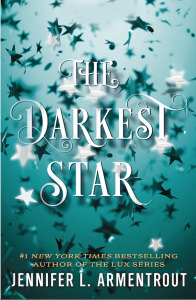
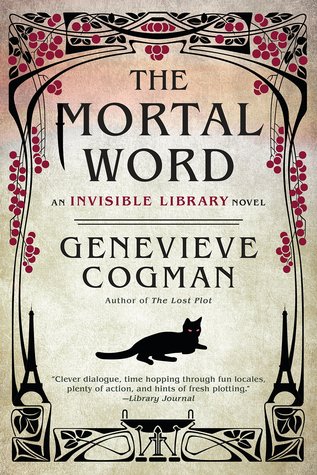
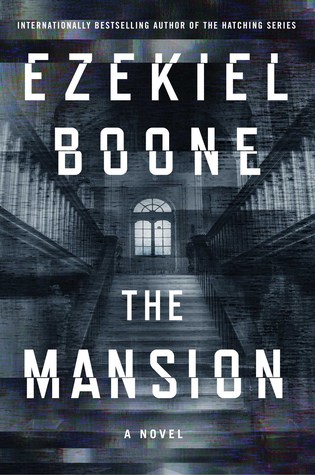
Have you heard of or read any of the books featured this week? What caught your eye? Any new discoveries? I hope you found something interesting for a future read! Let me know what you plan on checking out. Until next time, see you next Roundup!


 The BiblioSanctum