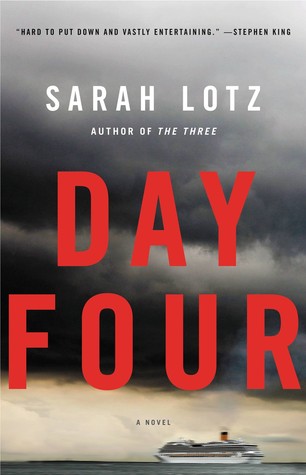
Book Review: Day Four by Sarah Lotz
Posted on June 15, 2015 19 Comments
A review copy was provided to me by the publisher in exchange for an honest review. All opinions are my own.
Genre: Horror
Series: Book 2 of The Three
Publisher: Little, Brown and Company (June 16, 2015)
Author Information: Website | Twitter
Mogsy’s Rating: 5 of 5 stars
Sarah Lotz topped my 2014 Horror/Thriller list with her book The Three, terrifying me with a story about four deadly plane crashes and three mysterious child survivors. This year she’s set to dominate my Best-Of lists again with her new book Day Four.
Thing is, The Three may have scared the living daylights out of me, but hey, I was already afraid of flying.
Day Four, however, may have just ruined cruising for me as well.
This is the story about the Beautiful Dreamer, a cruise ship carrying just under 3000 souls on board for her four-days-fight-nights voyage through the Gulf of Mexico. It’s New Year’s Eve on the final night and everyone’s ready to party and usher in a fresh new start, when the unthinkable happens. The ship suddenly stops dead in the water – no power, no radio, no cellphone signals. The much prayed for rescue never comes, and as the days go by, things get worse – the toilets stop running, food starts spoiling, and all over the ship, reports are coming in about passengers and crew members seeing and hearing some strange, impossible things…
Before this book, I’d never considered how much we take for granted on a cruise. If you’ve ever been on one, then you know the drill. From the moment you board to the time you disembark, everything is organized and planned for your pleasure and convenience. Your luggage is brought to your stateroom, where your excursion tickets await. Your dining times are scheduled, unless you wish to hit up the buffet where more food than you could ever imagine is piled in mountains on the serving tables. Everything works like a well-oiled machine, despite the hoopla of hundreds of guests all crammed into staterooms on multiple decks along the long narrow corridors that span almost the entire length of the ship.
But when the engines stop and the lights go out, how cheery do you think a cruise ship is then? Without power and the ability to cook or keep food fresh, what good are the all-you-can-eat buffets? When the infrastructure starts to break down, the crew overworked and sick of the abuse from irate passengers, the entire system falls apart. A cruise ship is like a floating city, after all. When order fails on a ship, you can expect to see the same kind of uncontrolled spiral into chaos. And I have to say Sarah Lotz has perfectly envisioned and captured this descent into pure anarchy.
On top of that, compared to The Three which was more of a suspense/thriller, Day Four reads more like a horror novel in the traditional sense. We’re exposed to some disturbing things right off the bat, even if the horrors are the more mundane kind to start with. For most of us, cruise ships mean vacation and relaxation, plenty of fun in the sun. However, beneath the glitzy façade lies the dark truths no one likes to talk about. Slovenly and rude passengers. Inclement weather and unstable seas. The risk of norovirus and infectious diseases. Sexual predators and assault. There’s plenty in the secret world of cruise ship problems that can turn a fun-filled vacation into a nightmare, I’m sure.
The day after the Beautiful Dreamer breaks down, when it’s clear that no rescue is coming and the captain is hiding the truth of the problem, that’s when the real creepy fun begin. Several passengers start exhibiting strange behavior, the superstitious crew insist on seeing visions of the Lady in White who haunts the belly of the ship, a child is spotted darting around the lower decks even though it is an adults-only New Year’s cruise, and a dead body of a young woman is found in her stateroom with rumors saying that she died just before the ship stopped. Imagine all that going down in the middle of the ocean stranded miles from civilization, tempers and tensions high with full-blown panic not too far behind. Oh, and throw in an open bar, because alcohol is sure to make any bad situation better! Right?
No surprise that in a short time, the Beautiful Dreamer turns into a floating hell. Amidst the paranormal eeriness that pervades the story is added stresses of the passengers and crew, and Sarah Lotz does an incredible job showing that people can be driven to all sorts of ugliness when they are feeling frightened and trapped. More than once, I entertained the thought of the ship sinking and everyone going down with it on this voyage of the damned, and realized I probably wouldn’t even feel too bad if that happened. What amazes me is that so much goes on in this book, but everything is tied together in some way. The story is told through the perspectives of about half a dozen people whose lives are all linked, showing all sides of the narrative. All of it forms a picture of the kind of dread that’s both awful and claustrophobic, and the writing puts you right there on the Beautiful Dreamer in the middle of that craziness.
I didn’t think it would be possible, but I think I enjoyed Day Four even more than The Three. It’s a real page-turner and an easier read in many ways, written in a more traditional style versus an epistolary format. The book is advertised as a sequel to The Three but really it is a stand alone novel that can be enjoyed on its own, and I’d even say pick this one if you had the choice between the two, though both books are fantastic and worth reading.
Highly recommended, with just one warning: you probably want to avoid Day Four if you have a cruise planned in the near future! I love cruises and the vibrant atmosphere of a cruise ship, and despite what I said at the beginning of my review, I doubt this book would be enough to turn me off cruising…but I probably won’t be planning my next one until the memories of this terrifying story are out of my system!

More of The Three on The BiblioSanctum:
Review of The Three (Book 1) | A Discussion with Sarah Lotz
Audiobook Review: The Cloud Roads by Martha Wells
Posted on June 14, 2015 25 Comments
 Genre: Fantasy
Series: Book #1 of The Books of the Raksura
Publisher: Night Shade Books (March 15, 2011)
Author Information: Website | Twitter
Tiara’s Rating: 5 of 5 Stars
Goodreads | Amazon | Barnes & Noble
Narrator: Christopher Kipiniak | Length: 15 hrs and 11 mins | Audiobook Publisher: Audible Studios | Whispersync Ready: Yes
The Cloud Roads introduces us to Moon, an orphaned shapeshifter who has spent years living among the groundlings (more traditionally humanoid looking races) disguised as one of them. Moon has long given up on finding his real people, and he doesn’t even know the name of his race at the beginning of this book. Instead he’s focused on living in different locales with various races, moving on when they became suspicious of him, forging some semblance of a life as best as he can. Despite Moon’s somewhat detached nature due to his self-reliance, cynicism, and general distrust–learned habits from having to keep on the move–Moon is not a solitary creature by nature and finds comfort living among others, even if he isn’t free to be himself. That all changes one day when he meets another shapeshifter like himself, and Moon begins a life changing journey that may finally provide the answers he feared he’d never find.
Moon presents an interesting conundrum in Raksuran society. He has difficulty with the mores of the society, and while Moon tries to keep his outward feelings neutral, even as he worries he may doing the wrong things, Moon’s survival tactics never quite leave him. Given how he’s lived much of his life wandering, he always looks for weaknesses and escape routes when introduced into unfamiliar situations. I appreciated he didn’t immediately find personal peace or a feeling of belonging among the Raksura, He didn’t find himself suddenly eager to sing the songs of his people. No, having Moon work through issues and learn how he factors into this new society gave his journey substance. Moon also showed that, even though he’s wary by nature, he is a very dedicated, caring, and trustworthy individual, often feeling his own happiness isn’t more important than doing what’s right.
What made me enjoy this book as much as I did was Moon and how he slowly comes to learn about his culture including the complicated court politics of his people. Because neither Moon or the reader know anything about the Raksura, this allows a level of world building that feels almost like we’re taking this journey with Moon. We’re experiencing this strange new place with him, and it gives Wells such freedom of expression with the culture and people. She’s allowed to dwell on her world building, presenting Moon and the readers with this beautifully crafted landscape and culture. She weaves this new information into the story without having to resort to info dumping.
With the world building, Wells did a terrific job of fleshing out her characters and races, making most of them feel like more than just humans with odd colored skin tones and some structural appearances. Some races outside the Raksura can feel fairly typical for the fantasy setting, but the author still manages to give them cultural differences to make them memorable. The Raksura culture is treated with ingenuity and craftiness by Wells. There’s something that feels familiar and human about them, making the reader empathize with them while giving them this unique culture and mannerisms that sets them apart from typical humans or even the groundlings in the story.
The Raksuran culture is largely matriarchal and plays with gender roles in clever ways. However, gender doesn’t play out in such obvious ways to make the characters feel inferior or in ways that makes it seem like a gender war is happening. The genders largely on equal footing with defined roles that are important to their society as a whole. Gender differences aren’t treated as a slight. A female may be stronger than her male counterpart in some cases and it doesn’t cause an inferiority complex due to gender. It’s just treated as part of the culture and makes a interesting, subtle commentary on gender without feeling like it’s crept over into the territory of being angry and preachy. In this same vein, the sexual nature and customs of this world are varied and include various sexual orientations and customs without demonizing them in any way.
Chris Kipiniak was an excellent choice in the reading the series. I especially loved the gravelly voice he used for Stone, which made the character actually sound like his name. I was a little unimpressed with his female voices, but I’m particular about narrators voicing characters opposite their gender in general. He didn’t do a terrible job with their voices, though. I just wasn’t moved by them. Despite that, he was an engaging narrator and added a nice flair to much of the dialogue. I enjoyed his characterization of Moon best and thought he did a superb job with capturing the wry nature of Moon’s personality and Moon’s conflicted nature that knew he should practice selfish self-preservation but ultimately always did what was right.
In this first book, Wells has introduced us to a wildly imaginative world with these fully fleshed out characters and traditions that take the reader on quite a journey. This is one of the more innovative books I’ve read in any genre. There haven’t been many books that make me feel like I’m reading something that’s truly fresh and special, but Wells has managed to make me feel like I’ve stepped into a whole new world with the Raksura while keeping elements that make it feel familiar.
Story:  | Performance:
  | Overall:
More reviews of this series: The Cloud Roads (reviewed by Wendy), Stories of the Raksura (Reviewed by Mogsy)
Audiobook Review: The Good House by Tanarive Due
Posted on June 14, 2015 15 Comments
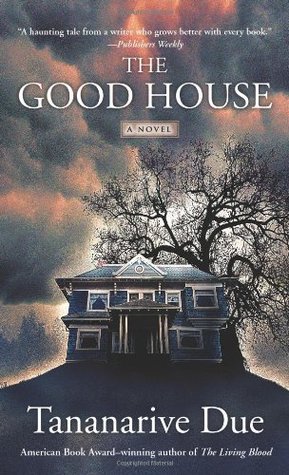 The Good House by Tananarive Due
Genre: Horror, Suspense
Publisher: Simon & Schuster (2006)
Wendy’s Rating: 3 of 5
“The home that belonged to Angela Toussaint’s late grandmother is so beloved that townspeople in Sacajawea, Washington, call it the Good House. But that all changes one summer when an unexpected tragedy takes place behind its closed doors…and the Toussaint’s family history — and future — is dramatically transformed.”
This is more suspense than horror, despite the predominant categorization, though personally speaking, I didn’t get overly spine-tingly over the tense moments, despite my very visual mind letting me picture everything.
This is my first book by Due, and I am going to say that I love her writing style. I particularly love hearing a voice and dialects that aren’t your typical American or British fare. Listening to the audiobook certainly helps and let me tell you, Robin Miles is amazing. Another addition to my list of favourite audiobook narrators. She powers through all the characters, male and female, and their distinctive accents, including and most especially, Grandma Marie’s thick Creole. But as much as I enjoyed Due’s writing style and even the back and forth leaps through time and perspectives, I eventually found myself wishing the main character, Angela, would finally catch up to the point everyone else had reached many chapters before. I also found this troubling because Angela seemingly forgetting her connection to her grandmother’s voodoo is part of her jaunty character development, though Angela herself doesn’t really grow throughout the story. She just… remembers when it is convenient, and spends the rest of the time lamenting the love that she let get away, her broken marriage, and the tragedy that set the current horrors of her life in motion. In other words, Angela really isn’t a likable character. She’s not particularly interesting either, nor a woman I can particularly relate to. I don’t necessarily need to relate to or even like every character I read, but Angela just didn’t have much going for her.
What the story did have for me was an interesting peek into the world of voodoo. Voudon is a misunderstood religion and it’s often misused for the sake of Hollywood entertainment.
 I am no expert on the subject and, while I’m sure there was some element of entertainment in this story, I’d like to think it was done justice here.
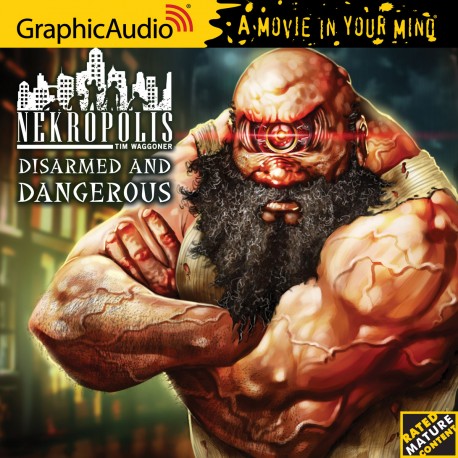
GraphicAudio Review: Disarmed and Dangerous (A Nekropolis Short Story) by Tim Waggoner
Posted on June 13, 2015 10 Comments
 Genre: Urban Fantasy, Zombies
Series: Short Story from The Matt Richter Series
Publisher: GraphicAudio (May 1, 2014)
Author Information: Website | Twitter
Tiara’s Rating: 4.5 of 5 Stars
Narrator: Full Cast | Length: 39 mins
I’m not a huge fan of zombie stories unless there’s some interesting angle to the story such as The Walking Dead or Warm Bodies. Other than that I really, really don’t like zombies. However, aside from the two examples mentioned, there are always more exceptions. This story is an exception.
Since I listened to and enjoyed my first GraphicAudio book, I decided to give some of their non-comics a chance. I went with a short story instead of a full novel, just to get a taste. I don’t know why this caught my attention. Maybe it was the thought of a private investigator who also happens to be an aware zombie as well that was just good enough to catch my interest. Besides, it was short. If I hated it, it wouldn’t take long to get through.
This story starts with Matthew Richter, zombie private investigator facing off with a demon. He pauses in the story to explain how he found himself in that situation. During his flashback, Matt explains the nature of his death and how he became a citizen of Nekropolis. He followed a suspect into a portal, died, and was later raised as a zombie. He also explains briefly how the city works. The city uses human technology as well as magic, but is better suited for biological technological advances being used on their bodies. The supernatural creatures of Nekropolis left earth after unable to live side by side with humans anymore and formed their own magic and technology filled city.
Zombies seem to follow the normal conventions of being shambling shells that fall apart, except without all the “BRAINS?!” mentality. Matt even uses the dumb zombie routine to his advantage at times. Most people in the city ignore them. In some ways, Matt feels worst than his mindless counterparts because he’s aware of all the things he can’t do anymore such as feel pleasure or pain or smell. Body parts being ripped off are just outer body type experiences, getting them sewn back on is much the same. However, thanks to the magic performed on Matt by a voodoo priest, he’s able to most keep himself mostly together. His ability to keep his awareness is never explained in this short. This priest, even if Matt won’t admit it, is his only friend in the city. What I appreciated about this is that voodoo isn’t written off as some big bad in the story. The practice is highly demonized in most stories, when it’s actually not malevolent at its core, and this one does its best not to fall into that trap.
Despite how short this is, it did a wonderful job of giving a taste of Matt’s world and the people he deals with every day. I didn’t feel lost at all while listening to this story, which can rarely happen for a story like this that’s based on a longer work. If anything, it made me more curious to read about Nekropolis and its denizens, and to have me saying that I want to read a zombie book is a very rare thing. The story never felt slow even with the brief history Matt provides the listeners.
Just as with The Death of Captain America, this is voiced by a full ensemble with music and action sequence sound effects. Unlike The Death of Captain America, there were no moments when the sound effects overpowered the dialogue for me and maybe that’s because this was just so short. I hated to hear it end so soon and will definitely be buying the GraphicAudio versions of these full-length novels.
This story takes place before the first book, Necropolis. Some strange things I noticed with reading that book’s description of Necropolis is that some of the names and spellings have changed between the book and this short story such as the spelling of the city, Nekropolis and Matt’s last name is different. The author uses Richter and Nekropolis as the proper spellings on his website, too. Maybe there is some explanation for this minor discrepancy. However, I am still interested in meeting Matt Richter in his fleshed out world.
Story:  | Performance: | Overall:
YA Weekend: Hidden Huntress by Danielle L. Jensen
Posted on June 13, 2015 21 Comments

A review copy was provided to me by the publisher in exchange for an honest review. All opinions are my own.
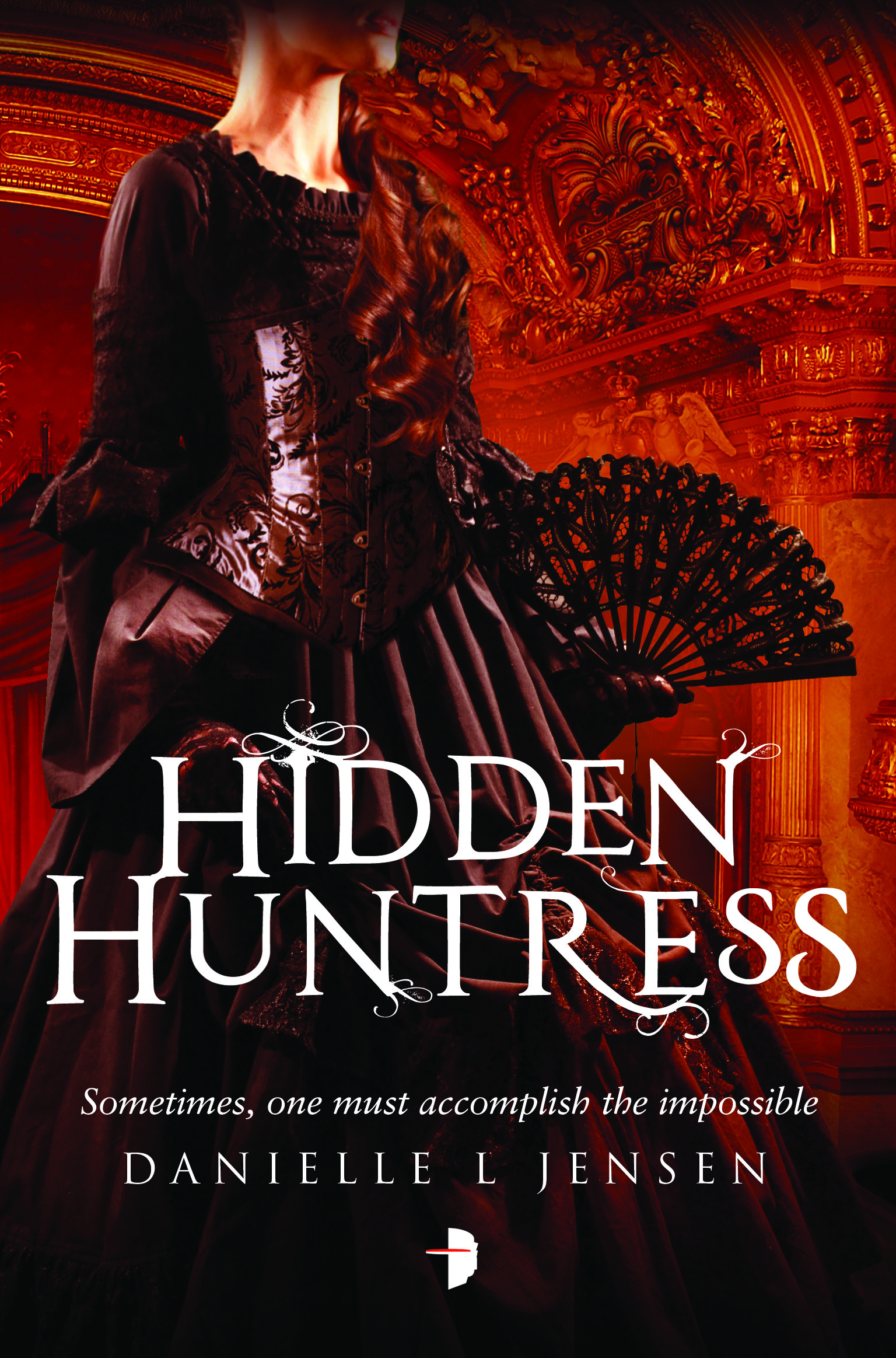 Hidden Huntress by Danielle L. Jensen
Genre: Young Adult, Fantasy
Series: Book 2 of The Malediction Trilogy
Publisher: Angry Robot (June 2, 2015)
Author Information: Website | Twitter
Mogsy’s Rating: 4 of 5 stars
When Angry Robot announced in the summer of 2014 that they were shutting down their Young Adult imprint Strange Chemistry, I was among the many readers saddened by the cancellation of their books and series. But thank goodness for at least the small mercies, like Danielle L. Jensen’s Malediction Trilogy being picked up by the parent company. Stolen Songbird was one of the best YA titles I read last year, and I was looking forward to continuing Cécile’s story in Hidden Huntress.
The sequel picks up shortly after the events of the first book. Cécile has recovered from her harrowing escape from Trollus, but it also means being separated from her love, the troll prince Tristan who is still trapped in the city beneath a mountain, sealed in by a witch’s curse. Determined to save Tristan, Cécile is willing to do anything – even if it means entering into a magically binding deal with the tyrant troll king, who tasks her to break them free by hunting down the elusive Anushka, the one who cast the original curse so long ago.
Meanwhile, Tristan is at his lowest point. He is shunned by his people, and only has few remaining loyal followers at his side. His power-hungry father will stop at nothing to escape their mountain prison and unleash the power of the trolls on the outside world, but Tristan is just as resolved to do all he can to stop him. Neither Tristan nor Cécile were prepared for the extent of the king’s Machiavellian cunning though, or just how far he would go with his manipulations.
On the whole, I actually thought Hidden Huntress was an even better book than its predecessor. This surprised me somewhat, considering some reviewer opinions I’ve seen expressing disappointment that Cécile and Tristan were separated for most of the story, and I thought for sure I would feel the same way. In fact, the opposite turned out to be true. In a case like this, distance apparently does make the heart grow fonder. Because of their magical bond, Cécile and Tristan are able to feel each other’s emotions more deeply than most couples even when they are far apart, creating a very intriguing dynamic. I felt too that the opportunity gave each protagonist the time they needed to fully develop as individuals, something that might not have occurred if they had been together. Tristan, for example, got his chance to really shine, occupying almost if not just as much page time as Cécile. Though I personally didn’t find his chapters as interesting as hers, his mission in Trollus was no less important, and I really appreciated how much of his personality we were able to glean from his perspective.
As much as Cécile and Tristan’s separation pained me, ultimately I believe the decision was worth the benefits to the plot. Sometimes, I find physical romance can take a back seat but the resulting novel ends up being just as satisfying. The story of Hidden Huntress is more sophisticated and even more entertaining than Stolen Songbird, placing a stronger emphasis on the bigger picture and also allowing supporting characters to play larger roles. The city of Trianon is a whole other world, but as a rising opera star following in her mother’s footsteps, Cécile has to tread just as carefully. Genevieve de Troyes was mentioned in the first book and I was very curious to finally meet this woman who has made such an impact on her daughter’s life. Let’s just say she was not what I expected.
I wouldn’t surprise me though, if readers are divided on Hidden Huntress. Danielle L. Jensen made a bold move, and it’ll pay off for some but perhaps not for others. It worked well for me for many reasons, some of which I’ve outlined above, but I also found it important that Ms. Jensen showed what would happen to her characters if they were placed under terrible pressure. Many will probably find some of Cécile’s decisions in this book frustrating, but to me they were an extension of the determined young woman we met in the first book who is loath to give up on something she believes in even if it drives her to extremes. We already had the chance to see the romance spark and develop between her and Tristan in the first book; I was glad to see that this book went further beyond giving readers more of the same, deciding instead to explore the greater mysteries. The page count is probably just a tad higher than I would have been comfortable with, but I got a lot out of it in the end, so I can’t bring myself to complain too much.
Hidden Huntress opens up the world, simply put. It felt bigger and more encompassing, upping the ante for all involved. The pull of the story was irresistible, given how so much more now rests on the success of our protagonists. Everything that the first book set us up for comes to fruition, complete with welcome twists and unexpected surprises. If nothing else, that incredible ending sure has me eager for book three.

More of The Malediction Trilogy on The BiblioSanctum:
Review of Stolen Songbird (Book 1)
Book Review: Exile by Betsy Dornbusch
Posted on June 12, 2015 8 Comments
A review copy of this book was provided to me by the publisher in exchange for an honest review. All opinions are my own.
Genre: Fantasy
Series: Book 1 of The Seven Eyes
Publisher: Night Shade Books (February 1, 2013)
Author Information: Website | Twitter
Mogsy’s Rating: 3 of 5 stars
I’ve been wanting to read Exile by Betsy Dornbusch for a while, so I’m glad I was able to finally tick this off my list. Something tells me I might have enjoyed this more if I had read this a few years ago though, before I’ve had more experience reading fantasy fiction under my belt, because then some of its shortcomings might not have been as noticeable for me. It is a good book, but like many reviewers have pointed out, it is not without its flaws.
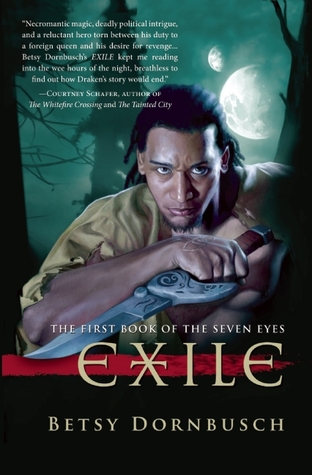
Exile introduces us to its protagonist Draken Vae Khellian, the bastard cousin of the king and a former guard commander, fallen far from grace and now chained up on a prisoner ship’s hold. Draken’s wife was found brutally murdered and he has been falsely accused for the crime, even though the circumstances around her death stinks of dark sorcery. Draken is summarily banished to Akrasia, a land of magic and wildness, a far cry from his homeland of Monoea. Grieving and alone, all he can think about is clearing his name and getting revenge on his wife’s true killer.
In a stroke of extraordinary luck, very early into his exile Draken encounters a sorcerer of death magic named Osias along with his half-Moonling servant girl Setia, who save him from possession by a malicious spirit called a Bane. He accompanies them both to the palace where he learns of the Akrasian queen’s plight – her land is in turmoil and on the brink of revolution, and no doubt even now her detractors are planning conspiracies and assassination attempts against her…
In fact, one was going down right that instant, putting Draken in the perfect position to rescue her and gain her trust. She subsequently grants him the prestigious post to guard her safety, and Draken swears to track down the assassin who attempted to kill her.
Has the issue become apparent yet? Draken seems to have the extraordinary ability to be in the right place at exactly the right time, despite starting out his exile with nothing but the clothes on his back – no food, no money, no friends, no nothing. Within what feels like mere moments of his landing on the shores of Akrasia, he’s found himself in the personal service of its monarch.
In spite of this, I found the beginning of the book very interesting. The world building is strong, with its myriad peoples, cultures and religions. The “arse-end of the world” that is Akrasia really isn’t so bad, and the strange land was actually a wonder for me to explore with its Moonlings and spirits. I was a big fan of the magic and its mysteries, and necromancers like Osias captured my curiosity with the dark nature of his powers. My first impression is that the world of Seven Eyes, named for its seven moons, sounds like a very beautiful and magical place for a fantasy setting. There’s also a lot of depth to its history and political landscape.
The story and characters admittedly pale a bit compared to the world building, but I was nonetheless satisfied. The sequence of events in this book aren’t so much predictable as they are much too convenient to be believable, but even though that skepticism kept me from engaging with the story fully, it was still an enjoyable read. I liked Draken’s characterization, though I found his healthy sexual appetite to be quite a turnoff, considering the all-consuming grief he’s supposedly feeling for his wife. For all his sadness, it was a short mourning period, apparently.
All told, Exile is a decent book, and with its in-depth world building but simplistic plot, I’d say it’s probably more suited for new-ish readers to the fantasy genre. There are a lot of punches you have to roll with, but nothing major that would be a deal breaker. A light, entertaining fantasy novel that has all the right stuff, just in imperfect amounts, but still quite good.

Book Review: Talon by Julie Kagawa
Posted on June 12, 2015 5 Comments

Genre: Young Adult, Urban Fantasy
Series: Talon #1
Publisher: Harlequin Teen (October 2014)
Author: juliekagawa.com
To be honest, I don’t even know how this book ended up in my pile. I suspect it was an Audible Daily Deal or maybe it was Tiara being generous with her Audible gifts, because otherwise, I don’t go out of my way to pick up YA love triangle books.
Unless that love triangle involves shapeshifting dragons….
Ember and her brother Dante are 16 year old twins–that is, brood mates–sent by Talon to assimilate into human culture. As with all dragons, their human form is beautiful and they have been trained to blend in with other beautiful people. Of course. But the more Ember gets into the joys of beach life with hot boys and surfing, the less she enjoys the restrictions imposed by Talon. And the mysterious rogue dragon that Ember is instantly attracted to certainly doesn’t help dissuade her questioning.
But there’s another problem: St. George–the soldiers who are trained to root out and destroy all dragons. But when Garrett is ordered to infiltrate the beach in order to find the sleeper female, he not only falls for Ember, but discovers that dragons aren’t the cold, calculating monsters he was raised to believe them to be.
DRAMA!!!
Other than the fantastical twist of shapeshifting dragons in human form, this is a fairly typical YA novel with beautiful teens on the beach discovering their passions for rebellion and romance. The issues of misconceptions over dragonkind and the dragonslayers is constantly hammered in thanks to the juxtaposition of both Garrett and Ember’s points of view as the story progresses.
But there wasn’t nearly enough dragon going on. Perhaps that will come in later books, but even when Ember did get to get her dragon on, it felt superficial, with the focus heavily placed on her human self, which seemed to be less of a skin than an second personality. When romance comes into play, there is constant talk of her dragon’s instinctive reaction, but her human side always seemed to dominate. I would have liked to see a lot more conflict.
Overall, an entertaining read, but not necessarily a story I’ll continue with.
For another perspective, check out Mogsy’s review here.
Book Review: The Pyre by David Hair
Posted on June 11, 2015 16 Comments
A review copy of this book was provided to me by the publisher in exchange for an honest review. All opinions are my own.
Genre: Young Adult, Fantasy
Series: Book 1 of The Return of Ravana
Publisher: Jo Fletcher (June 4, 2015)
Author Information: Website | Twitter
Mogsy’s Rating: 3.5 of 5 stars
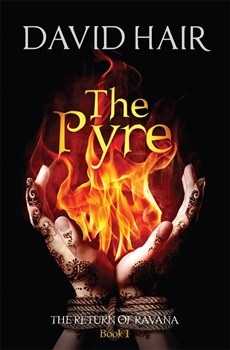
When it comes to Young Adult fiction, David Hair hasn’t just broken the mold. He’s completely shattered it. His book The Pyre is a substantially revised edition of his 2010 novel Pyre of Queens, inspired heavily by Indian folklore and mythology, even incorporating a reimagined version of the epic Ramayana. The entire novel takes place in India, following the lives (and past lives) of a trio of Indian high school students.
Two story lines occur in tandem over the course of this novel. One takes place in 769 AD in the royal court of Ravindra-Raj, the mad king of Rajasthan. His people live in the shadow of his tyranny, and anyone suspected of sedition or rebellion is quickly tortured and killed. Fearing that Ravindra will come for him next, Madan Shastri, Captain of the Guard, redoubles his efforts to show his loyalty even though his king’s cruel commands sicken him. The court poet Aram Dhoop is a bookish man who is unhappy with the way things are, but lacks the fighting skills or courage to do anything about it – that is, until Ravindra suddenly dies under mysterious circumstances and Aram learns that the king’s wives are to be burned to death on the pyre along with their husband’s body. Aram had fallen in love with the newest of the wives, a young woman named Darya, and in a moment of daring, the poet rescues her from the flames and whisks her off away from the palace. As the guard captain, Shastri is ordered by Ravindra’s son and heir to go after them. Reluctant as he is, Shastri has no choice but to obey.
However, all was not as it seemed. Ravindra’s death and the burning of his wives was actually a part of the mad king’s schemes all along. His plan to rise again as Ravana, the demon-king of the Ramayana was thwarted by Darya’s escape, and now he’ll make them all regret it – for a long, long, LONG time.
Fast forward to a high school in the city of Jodhpur, Rajasthan, in the year 2010. Nerdy Vikram, athletic Amanjit and beautiful Deepika are three students whose lives are changed forever when a strange phenomenon is triggered the first time they all find themselves together in one place. Soon, they’re working together to solve the mystery of how the three of them are linked, and the answers they seek may be hidden in the past.
Before reading The Pyre, the only other works I’ve read by David Hair were his Moontide Quartet books, pure epic fantasy albeit with some influences from real life locations, cultures and religions. This book, however, is impressively solid mix of Hair’s understanding and respect for Hinduism, the rich mythology and history of India, as well as the realities of modern life in that country today. The amount of research and care that went into this book to make it as accurate as possible must have been astounding.
Also, for a book that’s being classified by many as Young Adult, it is actually quite mature. Even though the three main protagonists are teenagers, adults will have no trouble enjoying this. David Hair doesn’t pull punches or talk down to his audience, even when it comes to the portrayal of difficult or sensitive themes in both the historical and modern-day timelines. Reflective readers will also find plenty in this book to discuss or think about.
The book is not without its flaws, though in the overall scope of things, they can be considered pretty minor. I thought the story was a little slow to take off, and generally I found the storyline with the three teens in the present to be more interesting and engaging than the storyline with Aram, Shastri, and Darya in the past, though that may be a very personal preference. Even with the very obvious love triangle thrown in, I simply found life Hair’s description of Vikram, Amanjit, and Deepika’s day-to-day lives in modern-day India much more fascinating and unique. After all, how often do I get the chance to read something like that? Whereas, the past storyline didn’t feel that different from reading historical fantasy.
All in all, if you enjoy books that are creative retellings of myths and would like to broaden your horizons beyond stories inspired by the western tradition, you definitely need to put this one on your list. The Pyre is a great opportunity to experience a story featuring diverse locations and characters, not to mention a wonderful read all around.

Tough Traveling: Orphans
Posted on June 11, 2015 58 Comments


The Thursday feature “Tough Traveling” is the brainchild of Nathan of Review Barn, who has come up with the excellent idea of making a new list each week based on the most common tropes in fantasy, as seen in (and inspired by) The Tough Guide to Fantasyland by Diana Wynn Jones. Nathan has invited anyone who is interested to come play along, so be sure to check out the first link for more information.
This week’s tour topic is: Orphans
No one in Fantasyland amounts to anything if they still have both parents. Rule number one. Thanks to Stephanie for the suggestion (and let us all be surprised together that it isn’t in the Tough Guide).
Tiara’s Picks:
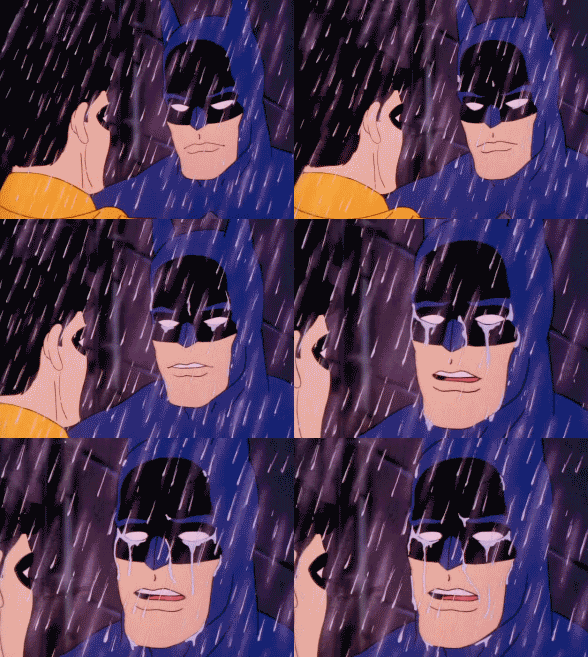
… until he took a bullet to the parents.
For this week’s topic, I actually picked all my books with my own children in mind. My picks are all books that I’ve read with my children either aloud (with me reading to them or my son reading them to us) or via audiobooks. Children’s books are ripe with stories about orphans in various fantastic situations who usually go on to do fantastic things. I’ll start off with two of our most recent reads by Diana Wynne Jones.
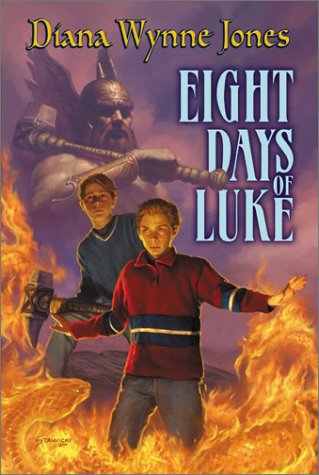 David Allard (Eight Days of Luke by Diana Wynne Jones)
David, who is an orphan obviously, comes home from his boarding school where he learns that he’ll have to put up with his awful relatives during his school break. While having a tantrum, the words that David speaks, which he believes he’s made up, cause a wall in his garden to break and a boy named Luke appears, leading to 8 days of mischievous adventure. This was a wonderfully imaginative story that played with Norse mythology with Luke being everyone’s favorite trickster god.
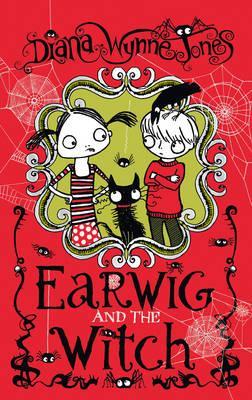 Earwig (Earwig and the Witch by Diana Wynne Jones )
Earwig is a young girl who was left at an orphanage as a babe with a note that said: “Got the other twelve witches all chasing me. I’ll be back for her when I’ve shook them off. It may take years. Her name is Earwig.” So, her mother may well not be dead. Usually orphanages are dreary places, but Earwig learns that she can make people do whatever she wants. She isn’t keen on leaving when a woman named Bella Yaga adopts her, but she does want to learn more about magic.
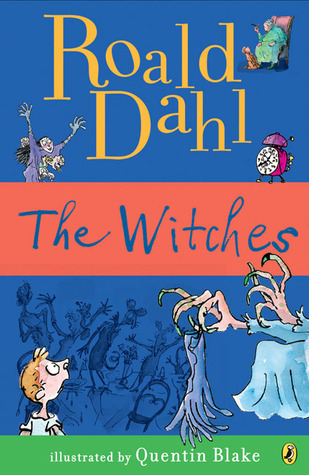
An orphaned boy who finds himself in the care of his grandmother learns that witches are real. Not only are witches very real, but they plan to get rid of all the children. Grandma and boy decide they’re not going to have any of that and decide to get rid of all the witches. All of them. In the entire world. Badass.
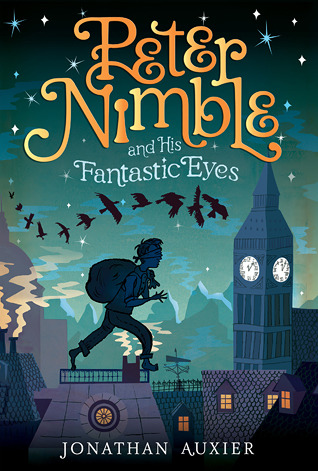 Peter Nimble (Peter Nimble and His Fantastic Eyes by Jonathan Auxier) – As the book itself states:“For those of you who know anything about blind children, you are aware that they make the very best thieves.” Peter is a blind thief, the best thief, who steals a box that contains magical eyes that begin a marvelous adventure for him. What I loved about this book is that Peter’s disability is not treated as some sad, sad thing. He’s given so much agency in this book and accomplishes some incredible things, and it’s for that reason the ending leaves me with mixed feelings.
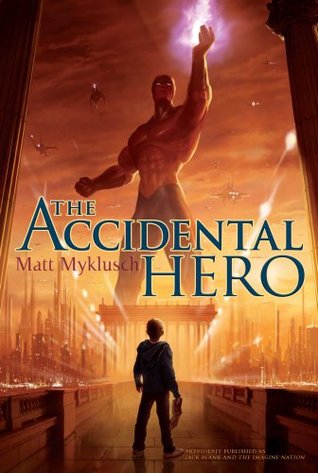 Jack Blank (The Accidental Hero by Matt Myklusch)
Jack lives at St. Barnaby’s Home for the Hopeless, Abandoned, Forgotten, and Lost. If that wasn’t bad enough, it’s in the middle of a swamp. Jack loves comics, but one day he finds himself face to face with something straight out of a comic, a robo-zombie. Jack is spirited away to Imagine Nation (get it?) where all heroes and villains originate, and Jack learns his true origins.
The Orphans (Time Snatchers by Richard Ungar) 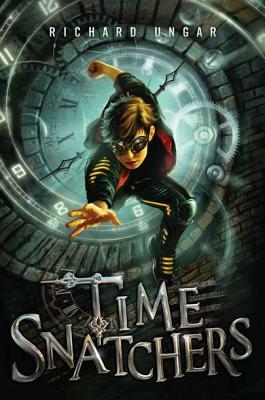
A group of orphans are adopted by a man called Uncle for the sole purpose of learning to use time travel to steal valuable objects. However, things are beginning to get a bit complicated and muddled for one of the orphans, Caleb, and he starts thinking about getting away. But how can he when Uncle can find him anywhere in any time? And runaways are not tolerated.
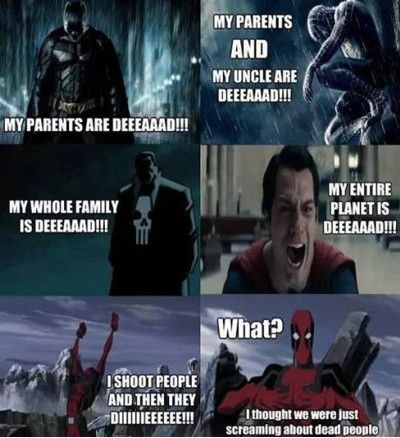
Also because I am actually 12-years-old and also a terrible human being:
Mogsy’s Picks
I’m actually quite surprised Orphans wasn’t listed in The Tough Guide either, considering how you can’t swing a cat in Fantasyland without hitting one (not to be confused with Abandoned-At-Birth children though, because there seems to be a ton of those too). They appear pervasive across every SFF sub-genre there is, so I’m looking forward to see a huge variety of books this week, and it also gives me a chance to use a couple of my more recent reads as well as books I’ve never featured for Tough Traveling before:
 The Gracekeepers by Kirsty Logan
North and her bear are one of the main attractions aboard the traveling circus ship Excalibur. Long ago, North’s mother had a similar dance act, until she was killed by her own bear on stage, leaving the orphaned North to grow up raised by the ship’s captain and ringmaster Jarrow “Red Gold” Stirling.
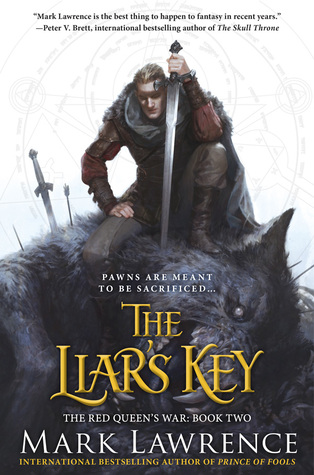 The Liar’s Key by Mark Lawrence
Prince Jalan’s quest party grows in this latest installment of The Red Queen’s War, when Jal, Snorri, Tuttugu and the northern witch Kara come upon an orphan named Hennan in Osheim as they make their way south. They bring Hennan along with them on their journey since after losing his grandfather and only family he had left, the boy had no place else to go.
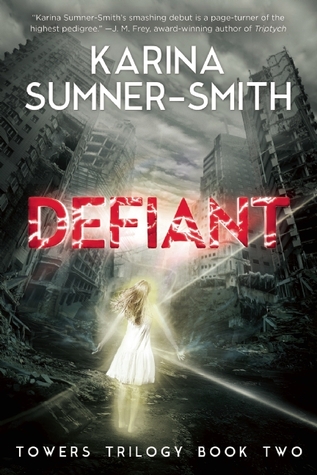 Defiant by Karina Sumner-Smith
Xhea is a teenage girl who has been living on her own in the depths of the Lower City for as long as she can remember. She survived her early years with the help of an older street girl, until later she disappeared as well. In Defiant, Xhea gets to learn more about her past and the circumstances behind how she was orphaned and left to fend for herself.
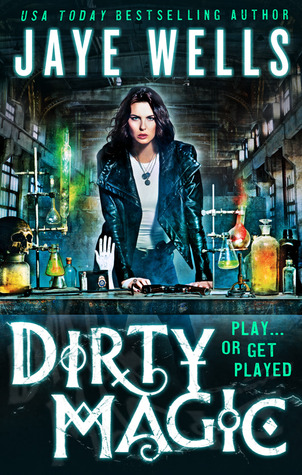 Prospero’s War series by Jaye Wells
Orphaned after their mother died, Kate Prospero and her brother Danny were taken under the wing of their crime boss uncle. Not wanting to be part of a dirty magic coven anymore, Kate takes Danny and leaves that life behind in order to start clean. She eventually became a cop, investigating magic-related crimes while also trying to raise her recalcitrant little brother by herself.
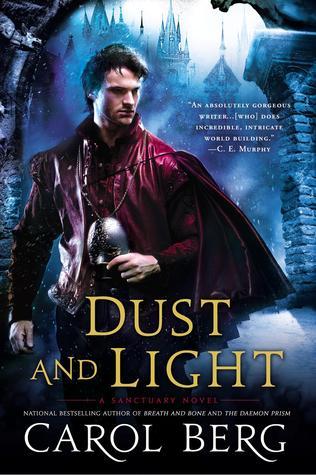
Here’s another story about an older sibling taking care of a younger one after being orphaned when their whole family perishes in a fire. Left with nothing, Lucian can only depend on his magical talents to support himself and his sister Juli, working as an artist for the Pureblood Registry since he had not yet reached the age to inherit his father’s title as head of his house.
 Master of Plagues by E.L. Tettensor
Nicolas Lenoir is a brilliant detective, but he had help to get where he is today. Sometimes, Lenoir relies on the tips from his informers, one of them being the street urchin named Zach, the boy Lenoir seems to tolerate more than most. The detective sees potential in the young orphan, and attempts to groom the boy to become something more when he grows up.
 The Mad Apprentice by Django Wexler
Alice has no one else after her father goes down in a shipwreck, so she is sent to live with her strange “uncle” Geryon, who she’s never even heard of. Geryon turns out to be a Reader, a magic user who can enter the worlds of certain books. He takes Alice on as his apprentice, and she has the chance to meet other Reader apprentices in The Mad Apprentice, many of whom are orphans as well. In this book, she also learns more about what happened to her father.
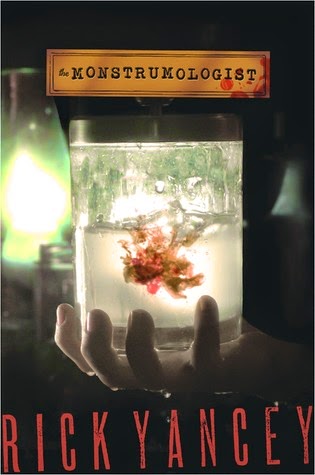 The Monstrumologist by Rick Yancey
I’m sure I’ve used The Monstrumologist for Tough Traveling before (multiple times, probably) but I can’t help it, I’m an evangelist for this book. The novel is presented as the diary of Will Henry, an orphan working as an assistant/apprentice to the weird Dr. Pellinore Warthrop who is a monstrumologist, someone who studies monsters. IT IS NOT AS CUTE AS IT SOUNDS. In fact, it’s creepy and disgusting. Sometimes, I still find it hard to believe that these books are categorized as YA.
Wendy’s Picks
Being an orphan can really suck sometimes. Especially when you discover the truth about your parents. Like when you find out that your mentor lied to you and your dad is really a jerk but he’d really love it if you came to work for him so you can rule the galaxy as father and son. (Star Wars)

Haha you made out with your sister.
Or when your father takes off to continue his life as an awesome space pirate, leaving you and your brother to suffer abandonment issues and be stalked by a not so nice guy named Mr. Sinister. (X-Men)
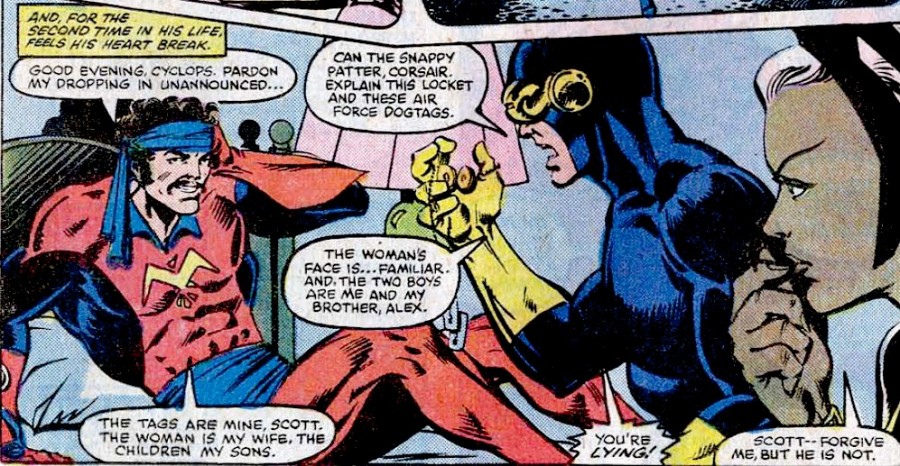
LYING, I SAY!
Or maybe you know who your dad is, but because you’re his bastard son, begat with some scullery maid (or so you believe….) you’ve been shipped off to live with your uncle and his young wife who doesn’t like you very much. (Dragon Age)
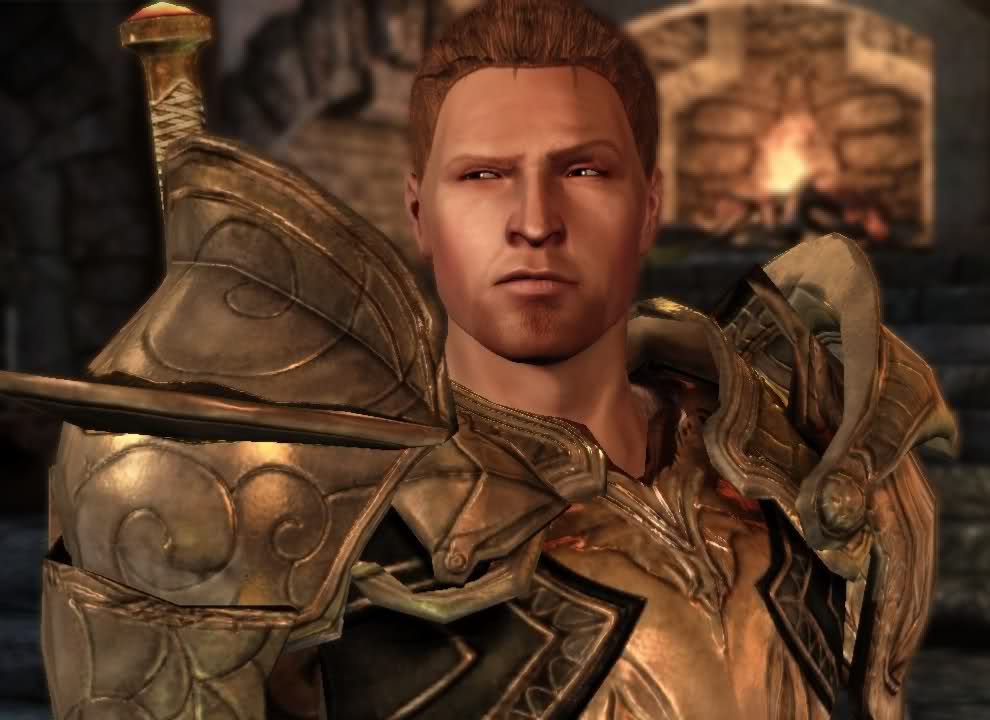
I know who your mother is…
Or your real dad (brother in the TV series) turns out to be that evil despot you’ve been sworn to kill, while he’s busy doing his best to kill you, or at least turn you evil too. (Legend of the Seeker/Sword of Truth)
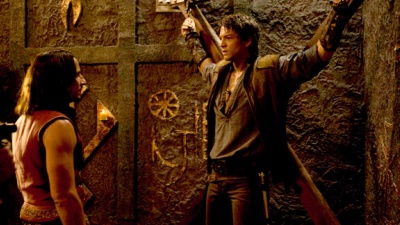
Family reunion.
Perhaps the decision to abandon your parent/child relationship has something to do with your dad being an evil demon lord, and you fear becoming like him and instead, use your powers for good. (Teen Titans)
Maybe, after the tragic, tear jerking death of your mom, you become a petty thief and then fate, friends, and a little courage turns you into a hero. But little do you know that the mysterious dad you never knew is actually a pretty big asshole. (Guardians of the Galaxy)
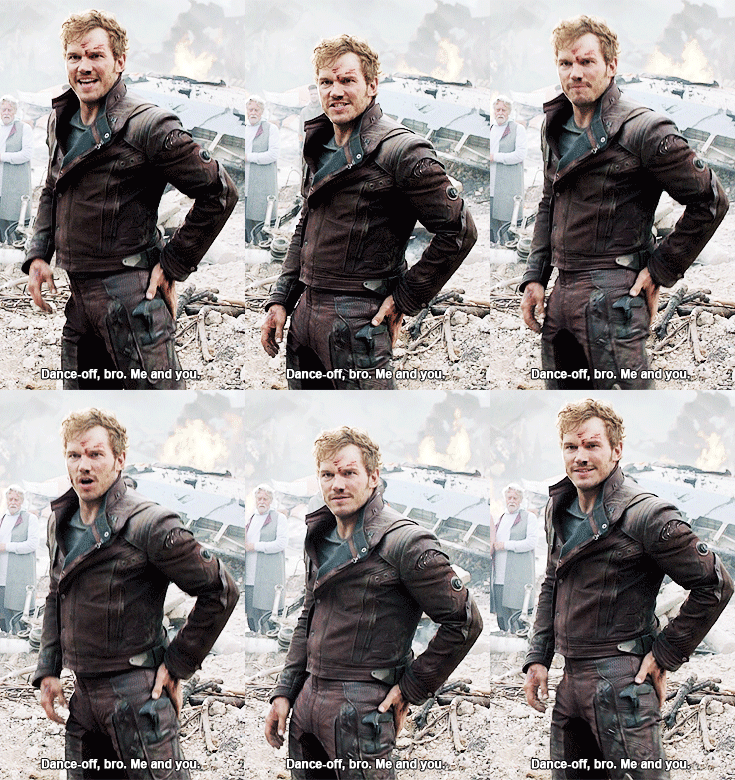
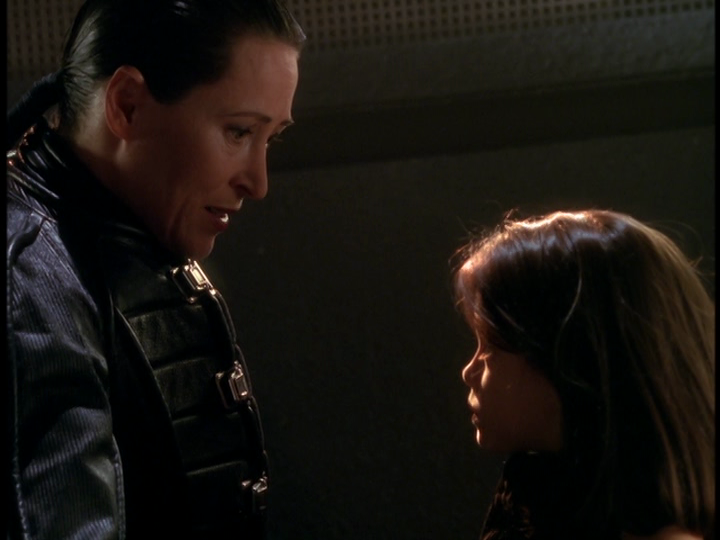
Or you think your mom is a jerk for assassinating your dad, until you learn that you are the product of their love, which is totally against the Peacekeepers rules, and she was forced to choose between killing him or killing you. (Farscape)
A mother’s love…
Maybe, just maybe, your orphan hood is a good one. Or it’s a bad one. Or it’s a misunderstood one. Or it’s all sorts of things because you didn’t realize that your actual parents were test tubes and that you are not the only one… (Orphan Black)
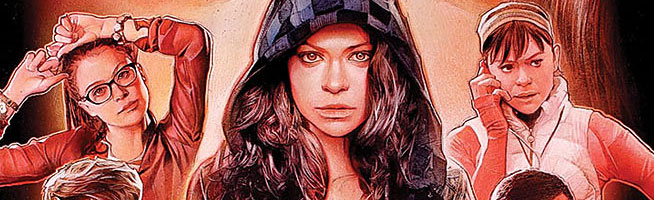
Seestras…
Wow, being an orphan really can suck sometimes…
Comic Stack 06/10/15: GraphicAudio Review: The Death of Captain America by Larry Hama
Posted on June 10, 2015 21 Comments

I’m doing something a little different for my comic stacks this month since I’m “celebrating” Audiobook Month. At first I thought I would forgo my stacks for the month and just review audiobooks, but then I thought of something better! I have been wanting to try a GraphicAudio production, which describes itself as a movie in your head, for quite some time. Among books listed there include many comics and books such as Mistborn, Dante Valentine, and Cemetery Girl. All their books include a full multi-voice cast, music, and action sound sequences.
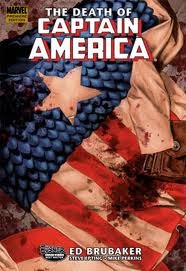 The Death of Captain America (novelization) by Larry Lama
Publisher: GraphicAudio (December 22, 2014)
Length: 6 hrs
I was impressed with the quality of the story that I decided listened to, which was the novelization of The Death of Captain America. I chose that book as a safety measure. This is my first venture into GraphicAudio, so I decided to go with content I was familiar with. I am very familiar with Marvel’s Civil War that led to the eventual death of Captain America. That is not a spoiler, so don’t get your underwear in a bunch. It’s right in the title, and it’s not some clever word play. Captain America’s death is not the denouement of this story. It’s a catalyst. His death plays a vital role in the emotions and decisions of those closest to him. It makes them face who they are and who they want to be in the wake of Captain America’s death. It shows their loyalty to one another even in precarious situations because something of the Captain lives in them all.
Before I get to the meat of the review, let me just make dying whale noises about Captain America while I emotionally spin in my chair.

What do you mean am I crying? I’m not crying. You’re crying. Leave me alone.
I read The Death of Captain America graphic novel, and I loved it. I enjoyed the audio narration of the events just as much. This audio presentation just filled out scenes for me, adding more depth to an emotionally tense moment. I especially loved Bucky Barnes (Winter Soldier), Sam Wilson (Falcon), and Sharon Carter’s (Agent 13) role in this story as they dealt in their own ways with the tragedy from dignified acceptance because that’s what Cap would’ve wanted to outright wanting revenge against the people who they blame for his death (Tony Stark) while trying to pull together as support. I wasn’t the biggest fan of the Civil War angle, but I credit it with being the story that made me love Captain America without question. He went from being more than just the penultimate good guy and really became a hero in my heart. I still get goosebumps when I think about his iconic stand where he says he’s not the will of the government but the will of the people.
His death during Civil War was monumental for me, even though I knew Marvel would never allow him to actually stay “dead.” This story still meant a lot to me and touched my heart, and this audiobook managed to capture so many of my feelings. The idea of Captain America in his final moments still trying to be that pinnacle of heroism while holding on to that empathy that still made him able to forgive even in his final moments. The fact that, even though he fought Tony, he never thought less of Tony or didn’t consider him a friend or someone he trusted beyond doubt. (Even though to it took me a long time to stop hating Tony Stark’s damn guts thanks to Civil War and again in Avengers vs X-Men) I’m going to quote something from my review of Captain America: The Chosen by David Morrell, which sums up how I feel about Captain America:
But part of, maybe even a large part of, the traits that make Captain America who he is doesn’t have to do with physical conditioning, but his indomitable will and the virtues he holds close to his heart, and this was something he had even before he became Captain America. This is something that anyone can have and extends beyond beliefs, race, citizenship, etc. Captain America knew this and admired the people who didn’t have his conditioning, but performed their duties every day. He questioned if ordinary people could go out there and risk their lives to help others, what made him any different? What made him better? Just because he may be physically superior to them didn’t make him better. You don’t have be Captain America to embody the virtues of courage, honor, sacrifice, and loyalty. You can find these same “hero” traits in doctors, teachers, farmers, any average person in the world. Everyone has the potential to be a Captain America. It’s not always the strength of body that makes a hero.
And this is Captain America in his purest form, who he’s always been. Captain America has always did his very best to embody virtues that everyone has and encouraged these same virtues in others. He’s not perfect, but he believes in standing up for what’s right, even when it’s not what others may want. Scenes like this touched me to my core with and reminded me why I love Captain America so much:
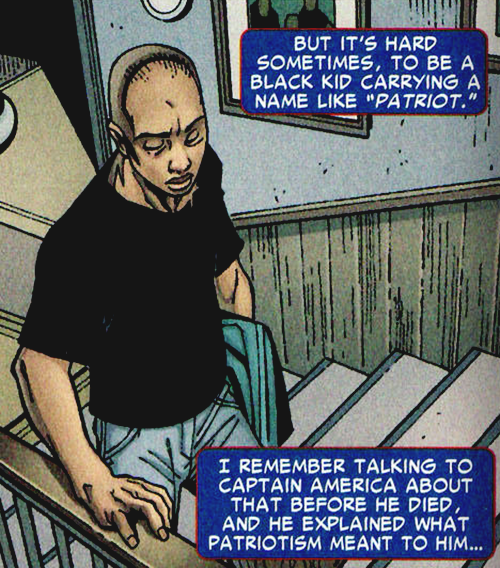
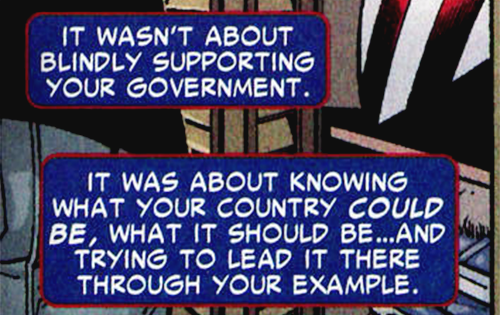
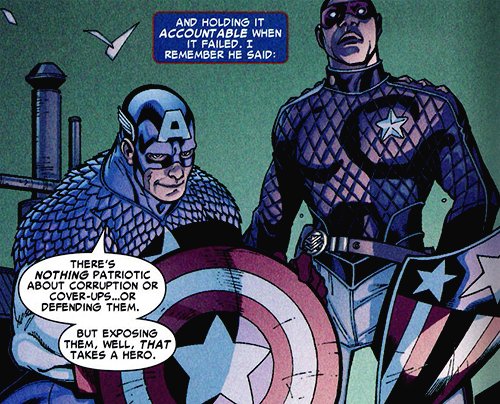
This audiobook continued to solidify what made the character special for me. Even in death, Cap’s influence is everywhere, leaving behind a legacy that tries to remind his friends and family that they don’t have to stoop to the level of their enemies to make a change. There were lovely scenes where Cap’s friends would basically ask themselves and each other, “What would Captain America do?”
An example. Bucky finds himself in a bar brawl after a veteran said that Captain America didn’t deserve a service funeral, that he was a traitor that hated his government and disrespected the uniform. After Bucky vented his frustrations on the guy with his fists, Sam asked him if that’s what Cap would’ve wanted. Bucky admits that Captain America would’ve stood up to the man and told him that if we always listened to our government we’d still have slavery and women wouldn’t have any of the rights they’ve fought so hard for and continue to fight for and he would’ve walked away from the man because Captain America was a stand up guy who followed his own advice: “It wasn’t about blindly supporting your government. It was about knowing what your country could be, what it should be… and trying to lead it there through your example.”
This was a well produced piece of work. The voice actors were excellent. I’m sort of bad about having a hard time getting over voices if they don’t sound like their actors in their cartoons or movies.I didn’t have that problem here. Sin’s maniacal laughter was so great and just fit her personality perfectly, and Sam’s voice gave me flutters. It was action packed and emotional. The only complaint I have, and this is a complaint I usually have for full productions like this, is that sometimes the music and action noises can make it hard to hear the dialogue. That’s only a little annoyance over the overall story. Another small little annoyance for me, which isn’t exactly this story’s fault, is that it doesn’t hold the same level of emotional impact it did when its graphic novel counterpart originally came out because, well, Captain America alive and well now. I’m listening to this book, and he’s alive and well now. Also, as with any comic, especially comics from one of the Big Two, there’s some corniness here that might make you roll your eyes, but it’s not prevalent. Caveat: I can’t recommend this story to those who aren’t familiar with Civil War (and I may do something crazy and start a Road to Civil War read through since the next Avengers movie will take elements from it). You’ll miss a lot of context by trying to read this. Excellent work on this, though.
Story:  | Performance:
  | Overall:
https://soundcloud.com/graphicaudio/marvel-death-of-captain-america-sample


 The BiblioSanctum