Book Review: Abomination by Gary Whitta
Posted on September 4, 2015 15 Comments
A review copy was provided by the author/publisher in exchange for an honest review. All opinions are my own.

Genre: Horror, Fantasy
Series: Stand Alone
Publisher: Inkshares (7/29/15)
Author Information: Website | Twitter
Mogsy’s Rating: 4 of 5 stars
I really want to bring attention to this one. In a word, Abomination was AWESOME. It feels like I’ve been waiting for a book like this my whole life, a historical fantasy mixed with horror that puts the “dark” in Dark Ages.
The only catch? The first part of this novel, made up of the first eight chapters, is its major weakness. I don’t want this to put anyone off though, because it really is not bad. However, when compared to the rest of the book, this section had the feel of a very long drawn-out prologue; the pacing here is a bit choppy, its tone blunt and cut-and-dried, the writing style straightforward and almost pedagogical in its delivery – not unlike a textbook. That’s because the first eight chapters are foremost concerned with establishing background information and historical details. They didn’t quite mesh with the part that came after. To me, Chapter Nine felt more like the real start of the story, kicking off the main narrative which takes place approximately fifteen years after the events of the first section. Here we finally get to the meat of it, when things truly begin to take off.
The entire tone of the novel also changes. We get a lot more character-focused, with the plot centered on two key protagonists. Wulfric is a former knight, fallen far from grace, who now wanders the English countryside dressed in rags and chains. Once the greatest soldier and former confidante of King Alfred the Great, Wulfric now lives in the shadows. Fifteen years ago, he fought to rid his kingdom of a plague of monstrous beasts known as abominations, and for his troubles he was cursed with a fate worse than death.
Then there’s Indra, a fierce young warrior, determined to prove herself worthy as a knight of the Order, an elite group of monster hunters. She is ten months into her initiation trial, which she must pass to become a full-fledged paladin. To do so, she’ll have to hunt down and kill an abomination within a year. Indra means to succeed, if nothing else just to defy her arrogant and controlling father, who was against this whole idea from the start. She’ll return home with the head of an abomination, or not at all.
The difference between the first third of the novel and its later two-thirds is incredible. I was not impressed with the beginning of the story, but after this turning point, I quickly changed my mind. I loved the characters. Wulfric is great, once I got to know him – which I felt we didn’t get the chance to do in the first section. He didn’t become fully realized for me until I got to meet him again in this second life of his, no longer a knight but a lowly beggar keeping away from civilization, fearing that innocents will die as a result of his terrible curse. His painful and blood-soaked past is awful and tragic, and if there’s one thing the intro did well, it was to make readers understand why Wulfric ended up the way he did. I also really liked Indra, which wasn’t too surprising; after all, it’s rare for me to read a spec fic novel and not to be drawn to a female protag, especially one this amazingly skilled with swords. Give me a woman with a sharp blade, any day.
The writing style also improved. Gary Whitta utilizes a third person omniscient point-of-view all through the novel and the effect is much like watching events play out like a movie. Of course, Whitta is also best known for his accomplishments in the film industry as a screenwriter (he did the post-apocalyptic thriller The Book of Eli and his writing credits also include Rogue One: A Star Wars Story, Star Wars Rebels, and The Walking Dead game from Telltale) so that was consistent with my expectations. I also really enjoyed the main story of Abomination, a bloody and gruesome tale of monsters. I meant what I said about waiting for a book like this to come along; I rarely get to see such a cool mix of history and horror, serious but also entertaining, and absolutely not shy about the graphic violence and grotesque descriptions of the abominations.
So if you end up picking up this one and find the writing not to your tastes, please do give it a chance to prove itself. Things really change and pick up after the first section. It was definitely necessary to get the history and background provided by the first eight chapters, but I think somehow weaving all that information subtly and evenly into the rest of the story would have made it a stronger novel. That also would have made a major plot reveal later on much less predictable. Still, aside the awkwardness of the first hundred pages or so, this book is scarily close to perfect. All things considered, I still really enjoyed Abomination and think it’s a damn good book. Worth checking out if you’re a fan of horror – especially if monster movies or stories are your thing!

Book Review: The Undying Legion by Clay Griffith and Susan Griffith
Posted on September 3, 2015 10 Comments
A review copy was provided by the publisher in exchange for an honest review. All opinions are my own.
 The Undying Legion by Clay Griffith and Susan Griffith
Genre: Fantasy
Series: Book 2 of Crown & Key
Publisher: Del Rey (June 30, 2015)
Author Information: Website | Twitter
Mogsy’s Rating: 4 of 5 stars
Just as fun and entertaining as the first book! Going back to earlier this summer, here were some of the words I used in my review of The Shadow Revolution, book one of Clay and Susan Griffith’s new Crown & Key trilogy: feisty, ass-kicking, fast-paced, pulpish and adventurous, the perfect beach read. Now I’m pleased to report its sequel proved just as satisfying, especially since we know what we’re getting into and are more acquainted with our main characters.
The Undying Legion is the second installment of the trilogy, but instead of hitting the “middle book slump” this book really takes off and hits the ground running. Simon Archer, Kate Anstruther, and Malcom MacFarlane are back on the hunt for monsters and other things that go bump in the night, and true to form, we kick off this story with a grisly discovery. While on one of his nighttime patrols, Malcolm comes across the mutilated body of a woman in a London church. Based on evidence at the scene – signs of black magic, cryptic words carved in stone, mysterious Egyptian hieroglyphics carved into the victim’s exposed heart – Malcolm, Simon and Kate determine this to be a ritual murder.
However, this just turns out to be the first of many more gruesome ritualized killings around the city. We follow our heroes as they join forces with a quirky gadgeteer and a young werewolf to solve these mysteries, creating an unlikely alliance to battle demons, Egyptian mummies, necromancers and hordes of zombies. Let’s just say The Undying Legion sure lives up to its title.
I ended up enjoying this book even more than its predecessor, mainly due to the improvements in a couple of areas I felt were lacking in The Shadow Revolution. While I love the fast-paced action and page-turning enthusiasm of “popcorn” reads such as this, let’s face it, these kinds of stories don’t often leave much room for fully-fleshed character development or robust world-building. This was the key weakness of the first book. Still, I understood the reason for the trade-off, and had hoped to see the authors go beyond the surface-level details in this sequel to expand upon the characters and the world.
This was the real test for me, and happily, The Undying Legion passed with flying colors. It’s often expected of a sequel to build upon its preceding volumes, and this one carried that responsibility well, giving us a more intimate look into the lives of Simon, Kate and Malcolm, as well as rendering their world into a fully realized setting. I felt like I was given a lot more reasons to care about the characters, especially as their relationships strengthened and grew more complex. Likewise, I could appreciate the clever and snappy dialogue from before, but knowing the history behind all the relationships now, many of the interactions started taking on a deeper significance. Supporting characters aren’t left out either, and I was very happy that Penny Carter the adorable inventress as well as Charlotte the child werewolf both got bigger roles.
The pacing in this book was also far less chaotic, allowing more opportunities to develop the story and explore its overall arc. The Undying Legion presents a new adventure, but rest assured, the questions raised in the first book about Kate and Simon’s connection and the mysterious key won’t be forgotten. Throughout it all, the plot maintained its rigorous momentum, so effectively that even now it’s a wonder to me how this book managed to accomplish all that it did in a little over 300 pages.
Final verdict? I once said this series is like the equivalent of an explosive summer action blockbuster if movies like that existed back in the Victorian era, and I stand by that. The Undying Legion doesn’t add much to the first book in terms of its light, pulpy tones and monster-hunting themes, but it’s still a deeper experience for all that because of how much more we’re invested at this point. I’m looking forward to check out what I believe will be Kate, Simon and Malcolm’s biggest adventure yet in the series conclusion, The Conquering Dark.

More on The BiblioSanctum:
Review of The Shadow Revolution (Book 1) | Q&A with Clay Griffith and Susan Griffith
Tough Traveling: Laborers
Posted on September 3, 2015 6 Comments


The Thursday feature “Tough Traveling” is the brainchild of Nathan of Review Barn, who has come up with the excellent idea of making a new list each week based on the most common tropes in fantasy, as seen in (and inspired by) The Tough Guide to Fantasyland by Diana Wynn Jones. Nathan has invited anyone who is interested to come play along, so be sure to check out the first link for more information.
This week’s tour topic is: Laborers
Not everyone can be a Prince. There is only room for one Queen. A few spoiled nobles can sit around and play cards. But fantasyland can’t build its own castles and roads, nor can it plow its own fields, nor cook its meals. Someone has to do the hard work. And often, as a reward of course, these laborers get pulled from their hard but simple life into a bigger plan.
Wendy’s Picks
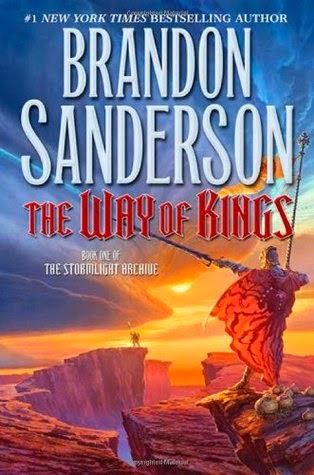 The Way of Kings by Brandon Sanderson
Sometimes the only payment a labourer gets is surviving to see the dawn of the next day. Kaladin Stormblessed leads the men of Bridge Four as they march into battle ahead of the soldiers, laying down the paths that allow for both attack and escape. Bridgemen have short lifespans as the first on the battlefield, but Kaladin is determined to make Bridge Four better and hardier than all the rest.
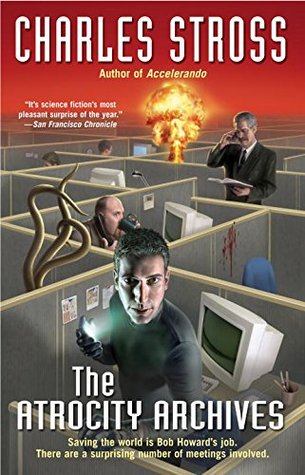 The Atrocity Archives by Charles Stross
While we sit around watching TV and wasting our lives on cat memes and such, Bob and the other employees at the Atrocity Archives are busy protecting the world from the dark forces of evil. Bob starts out as just your typical IT guy doing IT things, but soon enough, he’s promoted to bigger and far more deadly duties.
 Jennifer Government by Max Barry
In a future that doesn’t seem so off the wall, everyone works for and takes the name of the big corporations that run the world. Hack Nike has little choice but to do the bidding of his bosses, even if that means shooting teenagers to increase the value of Nike’s shoes. Enter Jennifer Government, who’s not about to let Nike get away with murder.
 Kushiel’s Dart by Jacqueline Carey
Whether some of us like it or not (and most of us most certainly do like it) sex is here to stay, as are the people who work in and profit from this industry–which is why I’m all for making sex work legal and therefore safe. Phedre begins as an indentured adept in one of the houses of Terre d’Ange. Each assignation earns her money toward her marque, and once it is complete, she is free to do as she pleases with her body and command her own hefty price for the privilege of a dalliance with the world’s only anguissette.
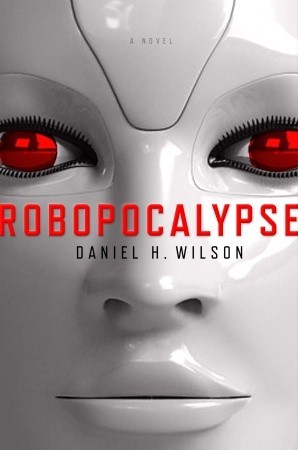 Robopocalypse by Daniel W. Wilson
Robots are made to obey and to make our lives easier, but as always seems to happen, those uppity robots get too smart for our own good and start deciding humanity’s fate. Maybe if we’d just stop being lazy and do our own damn dishes, apocalypses wouldn’t happen.
Tiara’s Picks

I took a few liberties with this topic and considered “laborers” as not just the people who do the backbreaking stuff for the nobles, but the people who have to trade for them, teach their children, fight their wars, act as priestesses for the higher ups, etc. because doesn’t this make them laborers and “unimportant” as well?
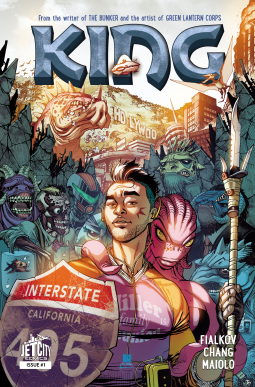 King (King by Joshua Hale Fialkov)
King is the last human on earth after a series of devastating events killed the whole human species. Now, earth is inhabited by mutant lifeforms and aliens who probably want to eat King. However, even in the wasteland of earth, King is tasked with finding old relics of days gone by, in particular they want something called “the seed of life.”
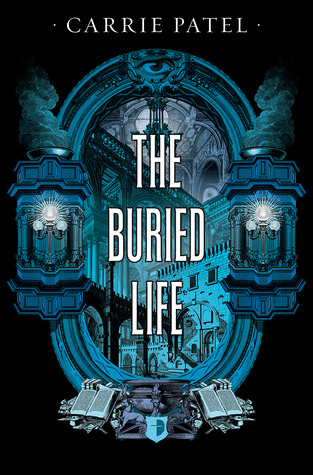 Jane Lin (The Buried Life by Carrie Patel)
Jane Lin is a laundress for the rich people of the underground city of Recoletta. Being as she’s seen as nothing more than a servant, she’s often seen as invisible, but her destiny is much larger than being just a laundress.
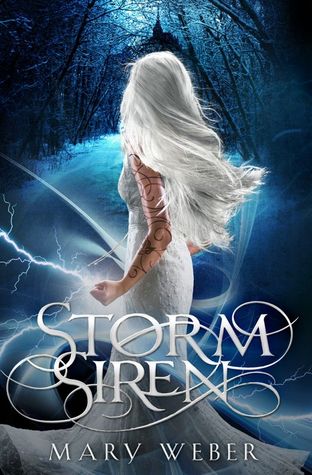 Nym (Storm Siren by Mary Weber)
Nym is a slave who has been sold well over ten times. She carried the telltale looks of a person who can control the elements, but only boys are supposed to have that power. When a buyer recognizes the potential in Nym, she must become more than just a rebellious slave.
 Shae and Flick Ohmsford (The Sword of Shannara by Terry Brooks)
The Ohmsford brothers are traders and they also work their father’s tavern/inn. They take good to neighboring cities to earn money and provide for those who have limited resources. However, Shea and Flick find themselves on a LOTR-esque adventure when they learn how important Shea is to stopping a looming threat.
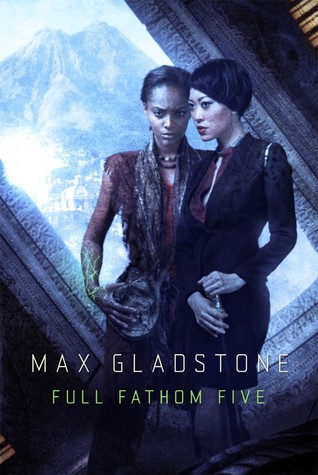 Kai (Full Fathom Five by Max Gladstone)
Kai is a priestess in the business of making “gods” for people to worship after the true gods have disappeared. Making gods is a serious profit making business in her world. These gods, however, are little more than empty shells for people to pray to. Kai finds herself in the middle of a deistic conspiracy when she realizes there seems to be more to these gods than people think.
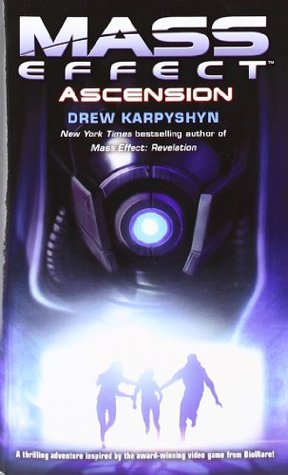 Commander Shepard (Mass Effect by Bioware)
I couldn’t have this list without the galaxy’s premier soldier, Commander Shepard who goes from investigating what seemed like a strange, but routine threat to being the only person to stand between the galaxy and its extermination.
 Thomas Boniface (The Element of Fire by Martha Wells)
Thomas Boniface is the leader of the Queen’s Guard. He and a group of the most loyal men in the country protect the dowager queen. Thomas finds himself in the center of controversy as a man with great magical power and a vendetta against his home country begins to use them as pawns for a coming war in both the real and magical world.
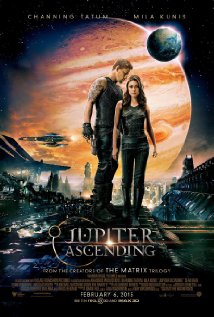 Jupiter (Jupiter Ascending by Lana and Andy Wachowski)
This is actually a movie not a book, but I felt it was important to add this one. Jupiter’s father loved space. Later in her life, Jupiter is a maid in the family business cleaning toilets for the rich and privileged, and she’s inherited this love of space. But as an undocumented (it seems to be implied) immigrant, her options seem limited. Then, Jupiter finds herself part of a story bigger than she could ever imagine in this space opera. While this movie tends to get mixed reactions I do applaud the Wachowskis for some of the elements they used and how they debunked some typical tropes in Jupiter’s narrative.
Waiting on Wednesday 09/02/15
Posted on September 2, 2015 16 Comments

“Waiting On Wednesday” is a weekly meme hosted by Breaking the Spine that lets us feature upcoming releases that we can’t wait to get our hands on!
Mogsy’s Pick:
Marked in Flesh by Anne Bishop: March 1, 2016 (Roc)
For various reasons I just couldn’t get into Anne Bishop’s The Black Jewels when I tried to read the first book. On the other hand though, I adore her urban fantasy. The Others is an excellent series with a truly unique premise. I read books two and three earlier this year, so I am now all caught up, not to mention very ready and pumped for this next installment.
 “Fourth in the “flawless” (The Reading Café) New York Times bestselling series from the author of Vision in Silver.
For centuries, the Others and humans have lived side by side in uneasy peace. But when humankind oversteps its bounds, the Others will have to decide how much humanity they’re willing to tolerate—both within themselves and within their community…
Since the Others allied themselves with the cassandra sangue, the fragile yet powerful human blood prophets who were being exploited by their own kind, the delicate dynamic between humans and Others changed. Some, like Simon Wolfgard, wolf shifter and leader of the Lakeside Courtyard, and blood prophet Meg Corbyn, see the new, closer companionship as beneficial—both personally and practically.
But not everyone is convinced. A group of radical humans is seeking to usurp land through a series of violent attacks on the Others. What they don’t realize is that there are older and more dangerous forces than shifters and vampires protecting the land that belongs to the Others—and those forces are willing to do whatever is necessary to protect what is theirs…”
Book Review: Updraft by Fran Wilde
Posted on September 1, 2015 19 Comments
A review copy was provided by the publisher in exchange for an honest review. All opinions are my own.

Genre: Fantasy
Series: Stand Alone/Book 1
Publisher: Tor (9/1/15)
Author Information: Website | Twitter
Mogsy’s Rating: 3.5 of 5 stars
Updraft is a lovely book, a mesmerizing debut from Fran Wilde that draws readers beyond the clouds into an incredibly imagined world of open skies, towers and wings. A lot of readers should enjoy this one, like I did. So why not a higher rating? As with a lot of crossover genre fiction, my main struggle was with the story and writing style, and a dissonance between what I read versus what I expected. Sometimes, getting something completely different can result in a huge payoff. Other times, I am left feeling torn.
On the one hand, I adored the world of Updraft because it was beautiful, innovative, and mind-blowingly unique. But on the other, its story and plot elements feel like it has been done before. While nothing about the book’s cover, description, publisher, etc. ostensibly screams Young Adult, in many ways this does read and real a lot like a YA novel. We follow a teenage protagonist, a young woman named Kirit Densira who dreams of becoming a sky trader, but first she must pass a trial to earn her wings. However, this is all before the plot reveals there is something different and special about Kirit, a suggestion that she has a secret talent that destines her for much greater things.
Kirit and her family and friends also live in one of the many skyward bone towers that make up the city, with living conditions determined by which structural tier you occupy – in both the physical and social sense. No matter which tower you’re from though, every citizen is at the mercy of the Spire, the tallest, most powerful and forbidding tower deep in the heart of the city. The Spire has the final say in all matters and uses its secrets to change history and keep the other towers under their thumb. An individual tower’s prestige and benefits – like whether they should be allowed certain privileges or be given the permission to rise – are determined by a special class of law makers and enforcers called Singers, whom citizens both revere and mistrust. Citizens are allowed to challenge Singers, but the results are often rigged against them. The Spire will also make the other towers pay by making examples of their lawbreakers, sacrificing them in very public displays, claiming this is how the Spire protects all of them. Citizens are not only expected to accept this, they are also expected to be thankful. Not surprisingly, the main antagonist is also the most influential Singer, a dictator-like figure who has everyone in his pocket, and of course he’s out to use Kirit for his own means.
Perhaps you see what I’m getting at. For sure, I credit the sky setting for being amazingly creative. If I weren’t so hopelessly afraid of heights, I would love to live in a world like this, to soar into the wild blue yonder on silken wings while feeling the brisk wind on my face. My concern is though, for all of the wonderful new sights and sounds, readers of YA dystopian fiction will still probably find the underlying themes very familiar. I also found the plot terribly predictable. There weren’t many surprises story-wise; I knew what Kirit’s fate would be from the start, guessed who her allies and enemies were, what challenges she would face, and how those challenges would resolve. The predictability never quite went away, and I feel it was the novel’s one and only flaw. For me, that was enough to make the difference, keeping Updraft from being a book that swept me off my feet.
That said though, this book also has an unbelievable number of strengths that make it worth reading. I’ve said this already but I have no problems saying it again: Fran Wilde’s world of Updraft will make your jaw drop. One only has to look at the cover to see what kind of wonders you’ll be in for. A whole civilization that lives above the clouds on towers of living bone. Giant tentacled sky predators that travel in huge migrations, causing great danger to the towers and any citizens on the wing. Breathtaking scenes of airborne maneuvers and skirmishes are guaranteed to make you see the physics and aerodynamics of flying in a whole new light. The world building is fantastically done, and I can’t stress that enough.
Then there’s the emotional appeal. Readers will no doubt root for Kirit, the unlikely champion pitted against a stronger enemy who has the weight and power of establishment behind him. The idea might not be new, but it’s an undeniably compelling one and a favorite for the ages. Readers who enjoy themes of family might also appreciate Kirit’s complex relationship with her mother Ezarit – the woman she admires but feels she’ll never live up to. Kirit’s best friend Nat and his mother Elna play a huge role in her support system as well, and their characters shine an interesting light on the concept of familial ties.
Ultimately Updraft is a good book that will appeal to readers across a broad age range. The predictability of the plot and familiar themes notwithstanding, the story is sure to blow readers away with its fascinating world building, plus it also has the added benefit of being a self-contained stand alone. Fran Wilde has an impressive novel debut here that will ignite imaginations and enchant readers; whether she decides to write other books in this universe or start something new entirely, I look forward to reading more.

Top Ten Tuesday: Ten Characters You Just Didn’t Click With
Posted on September 1, 2015 20 Comments

Top Ten Tuesday is an original feature/weekly meme created by The Broke and the Bookish. They created the meme because they love lists. Who doesn’t love lists? They wanted to share these list with fellow book lovers and ask that we share in return to connect with our fellow book lovers. To learn more about participating in the challenge, stop by their page dedicated to it and dive in!
This week’s topic: Ten Characters You Just Didn’t Click With
Instead of giving you the long ramblings of a madwoman, I thought I’d just sum all these up with a picture that mostly sums up my feelings about these characters and why I didn’t connect to them. A warning, I am a mean girl. 😛

Enjoy!
Kelsea (Queen of the Tearling by Erika Johansen)

The Shadow Master (The Shadow Master by Craig Cormick)
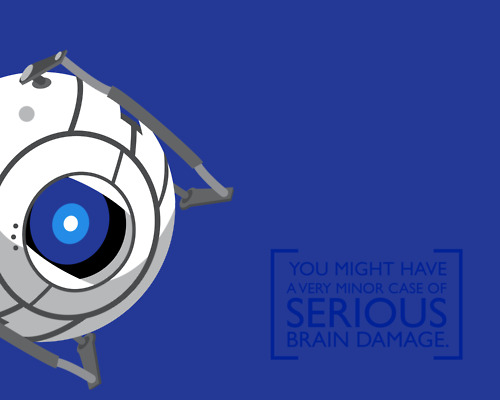
Mister Terrific (Mister Terrific by DC Comics)

Eren (Attack on Titans by Hajime Isayama)

Ti-Jeanne (Brown Girl in the Ring by Nalo Hopkinson)

Cyclops (X-Men by Marvel Comics)

Louis Wu (Ringworld by Larry Niven)

Isyllt Iskaldur (The Drowning City by Amanda Downum)

Devak (Tankborn by Karen Sandler)

Harley Quinn (Harley Quinn by DC Comics)
I wanted to give a clarification on this one. I am specifically talking about how Amanda Connor and Jimmy Palmiotti have been writing her and not her in other comics she’s been featured in.

Book Review and GIVEAWAY: Twelve Kings in Sharakhai by Bradley P. Beaulieu
Posted on August 31, 2015 21 Comments
*** The giveaway is now over, thanks to everyone who entered! ***
A review copy was provided by the author/publisher in exchange for an honest review. All opinions are my own.
 Twelve Kings in Sharakhai by Bradley P. Beaulieu
Genre: Fantasy
Series: Book 1 of The Song of the Shattered Sands
Publisher: DAW (9/1/2015)
Author Information: Website | Twitter
Mogsy’s Rating: 4.5 of 5 stars
I love Epic Fantasy for many reasons, not least of which is the fact every book is a portal to a whole new world. But when you read as much as this genre as I do, you sure get to visit a lot of them. That is why, when every once in a while I come across a setting that truly stands out, I sit up and take note. And Bradley P. Beaulieu’s Twelve Kings in Sharakhai made me do just that.
Right from the start I was captivated by the magnificent desert city of Sharakhai, where this novel takes place. Surrounded by a literal ocean of dust and sand, this political and cultural trade center attracts all manner of visitors. From merchants to dignitaries, they sail across the dunes in great sand-ships to treat with the city’s kings, twelve immortal men who have held power in Sharakhai since time immemorial. However, not all people are happy with their rule, and many remember the injustices wrought upon them by the kings and their ruthless agents.
The novel’s protagonist Çeda is one such individual. When she was eight years old, her mother was a rebel captured and executed by the kings, then hung from Sharakhai’s walls as a warning and example to other detractors. Çeda has sworn vengeance ever since. Now more than a decade has passed, and Çeda is still as determined as ever to take down the twelve kings, with the help of a book of cryptic writings left to her by her mother. Unlocking the book’s puzzles will not be easy though, and there are many questions about her own heritage that must be solved before Çeda can bring the fight to her enemies.
So many thoughts filled my mind when I finished this book, I’m not even sure where to begin. Beaulieu weaves a complex tale of intrigue, employing devices like flashbacks and bringing in other characters points-of-view to great effect. In many ways, Çeda’s story plays out almost like a mystery plot, following her on a journey to uncover clues about the twelve kings’ weaknesses while also revealing details about her own past and the secrets her mother kept from her. Flashback chapters are generally tricky to pull off, but I was impressed with the way they were done here, inserted at precisely the best moments to emphasize important events in the characters’ lives.
Çeda is also a wonderful main character, one of the best female protagonists I have encountered in years. We open the novel with a scene from the fighting pits, where she is a competitor in the tourney. Right after a phenomenal combat sequence which ends with Çeda serving her opponent his ass on a platter, she then goes on to engage in an intensely passionate tryst with the fighting pit’s owner. If all this was part of Beaulieu’s attempt to capture the reader’s attention right off the bat, well, it certainly worked on me! More importantly though, I got the sense that Çeda is her own woman. She does what she wants but she’s also smart about it, and she is committed to her goals and utterly loyal to those she cares about.
The story also introduces several more major characters, first of which is Emre – Çeda’s childhood friend, partner in crime, and brother of her heart. As Çeda’s mission takes her down one path, Emre’s involvement with the underground resistance takes him down another, leading the two friends to drift apart. But what I love about this story is that nothing about it is black and white, and there’s much more to it than simply good versus evil. The twelve kings may be ruthless and cruel, but the rebels – a group calling themselves the Moonless Host – are far from innocent themselves, employing methods that are just as bloody and destructive. The relationship dynamics between Emre and Çeda become a focal point when the two of them end up on opposite sides, fighting for the same cause while driven by different forces. Throw in a third faction, Ramahd and Meryam of the Qaimiri delegation, and it gets even more difficult to tell friend from foe. As with the best and most realistic stories of fluid loyalties and political intrigue, there is absolutely nothing clear-cut about the situation and the plot will keep you wondering who’s an enemy and who’s an ally every step of the way.
While Beaulieu never stops challenging his characters, the world building in this novel is where his skills really shine. The many distinct cultures that feature in the pages of Twelve Kings in Sharakhai provided a diverse setting, which is further fleshed out by its rich history, religions, and various magic systems. The many sights and sounds of the city are brought to life by the stunningly detailed descriptions of important locales, from the decadent halls of the Tauriyat to the blooming fields of adichara plants in the surrounding desert. The world-building also made up for the slower pacing of the first half of the novel, because there were just so many wonderful things to take in.
All told, the payoff was definitely worth it. A promising start to a new series, Twelve Kings in Sharakhai offers readers a glimpse into Bradley P. Beaulieu’s talent for storytelling as well as his emerging role as a master world-builder. With its many different peoples and cultures, Sharakhai’s desert setting was utterly spellbinding. I also found myself enthralled by the plot’s combination of adventure and intrigue, along with the richness and depth of the characters. Books like this keep the epic fantasy genre fresh and diversified, and I am very excited to see what the future holds for The Song of the Shattered Sands series.

***
TWELVE KINGS IN SHARAKHAI GIVEAWAY
Interested in the book? Now here’s your chance to win it. The publisher has very generously offered The BiblioSanctum an opportunity to host a giveaway for one print copy of Twelve Kings in Sharakhai. With apologies to international readers, this giveaway is US only. To enter, all you have to do is send an email to bibliosanctum@gmail.com with your Name and valid Mailing Address using the subject line “TWELVE KINGS” by 11:59pm Eastern time on Thursday, September 10, 2015.
Only one entry per household, please. Entrants must be 18 or older. The winner will be randomly selected when the giveaway ends and then be notified by email. All information will only be used for the purposes of contacting the winner and sending them their prize. Once the giveaway ends all entry emails will be deleted.
So what are you waiting for? Enter to win! Good luck!
YA Weekend Audio: The Witch Hunter by Virginia Boecker
Posted on August 30, 2015 7 Comments

A review copy was provided by the publisher in exchange for an honest review. All opinions are my own.
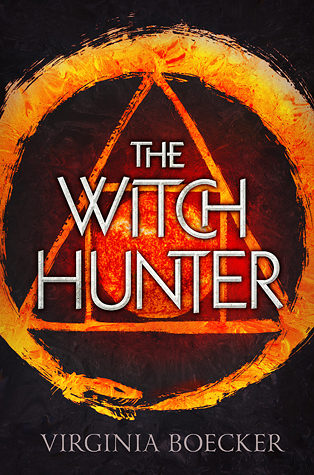 The Witch Hunter by Virginia Boecker
Genre: Young Adult, Fantasy
Series: Book 1 of The Witch Hunter
Publisher: Hachette Audio (6/2/15)
Author Information: Website | Twitter
Mogsy’s Rating (Overall): 3.5 of 5 stars
Narrators: Nicola Barber | Length: 10 hrs and 4 mins
The Witch Hunter is probably one of this summer’s more buzzworthy Young Adult titles, if the amount of coverage I’ve seen for it is any indication. Most of my friends who have read it also enjoyed it, while others were not so keen. If nothing else though, the book did succeed in getting my attention, and I was grateful to receive the audiobook for review, which is actually my preferred format when it comes to reading YA.
The story starts off by introducing us to its protagonist, Elizabeth Grey. She’s sixteen years old and already an accomplished witch hunter, part of the king’s elite group of agents trained to track down and capture sorcerers. But when a nighttime rendezvous goes awry, Elizabeth is accused of being a witch herself and is taken to the dungeons to await burning at the stake.
On the eve of her execution, a strange man pays a visit to her cell. Believing her to be a witch, he helps break her out of prison. As it turns out, her mysterious rescuer is none other than Nicholas Perevil, the most powerful sorcerer in the kingdom as well as leader of a group of young rebel witches and wizards who are unhappy with being persecuted by the king’s laws. By helping her escape though, Nicholas has also turned Elizabeth into public enemy number one, forcing her to accept his terms or be left on her own to deal with the authorities. Reluctantly, Elizabeth agrees to help Nicholas break a deadly curse that has been laid upon him, and the group also takes her in as one of their own.
But of course, Elizabeth knows that it’s all a lie. Not only is she not a witch, she is one of the hunters whom they hate and fear, and there is no telling what Nicholas and his group might do when they find out the truth about her.
Now that I’ve finished the book, I feel I can better understand the different reactions I saw across the board. My own feeling lie somewhere in between. The Witch Hunter is a story peppered with tropes and familiar clichés, making it a very typical middle-of-the-road YA fantasy. As a protagonist, Elizabeth was not exceptional, nor did she really strike me as particularly sharp. Are you really telling me, that in all the years of witnessing countless examples of her mentor using magic as a tool in their witch hunter training sessions, Elizabeth never once suspected he was a magician? The logic is not strong with this one. It was also one of the bigger plot holes I tripped upon. The story itself is rather simplistic too, with the obvious message of “magic itself not being inherently evil, it just depends on how you use it” being presented as the crux of the conflict. Not exactly profound.
For all its flaws though, The Witch Hunter also has plenty of redeeming factors. The novel’s strength is in its light and adventurous tone, which had me chuckling at a couple places in response to some clever lines of dialogue. I especially loved the conversations between Elizabeth and Fifer, the only other female in their group. When Fifer’s character was introduced, I despaired thinking she would be yet another typical “girl rival” whose only purpose in the story is to make the heroine look good. Suffice to say, I was glad to be wrong. I also enjoyed the lack of a full-blown love triangle, and I felt the romance arc was stronger for it.
Most of the time I also prefer to listen to YA novels in audiobook format. I’m less likely to get hung up on world-building (or the lack of it) when I’m experiencing a book in this format, and characters feel richer to me when a narrator gives them a voice. This isn’t the first time I’ve listened to an audiobook narrated by Nicola Barber; in fact it was just a few weeks ago that I listened to her on another title so her performance was still fresh on my mind. I find myself very impressed with her versatility. For The Witch Hunter, Barber sounded younger, giving the protagonist the bubbly, energetic personality which her character called for, and her deftly delivered curses of “Damnation!” made me think, yep, that’s Elizabeth right there.
Simply put, this book was a lot of fun. I may have called the story simple, but that in itself is not necessarily a weakness. In fact, if you enjoy tightly woven plots and are tired of the ostentation and gimmicky shticks cropping up all over the genre these days, this one might very well work for you. It’s mainstream and not looking to break new ground, but it definitely knows what it has to offer.
Story:  | Performance: | Overall:
Mogsy’s Bookshelf Roundup: Stacking the Shelves and Recent Reads
Posted on August 29, 2015 21 Comments
Bookshelf Roundup is a feature I do every other weekend similar to Stacking the Shelves where I talk about the new books I’ve added to my library or received for review, as well as what I plan to read soon. I also summarize what I’ve finished reading and/or reviewed since the last update, and sometimes I even throw in fun stuff like reading challenge updates, book lists, and other random bookish thoughts.
* * *
RECEIVED FOR REVIEW
August was a very big month for new arrivals, leaving me with a TBR which includes both requested/accepted books in addition to the many unsolicited books I want to check out too. As a result, for the last few weeks I’ve taken a more prudent approach when it comes to taking on new books. I think that’s been going pretty well, even though my NetGalley request button-pressing finger apparently missed the memo. But more on that later, as we first turn the spotlight on the books in my mailbox this week, with thanks to the wonderful publishers and authors who sent them my way.
Bound ARCs and Finished Copies:
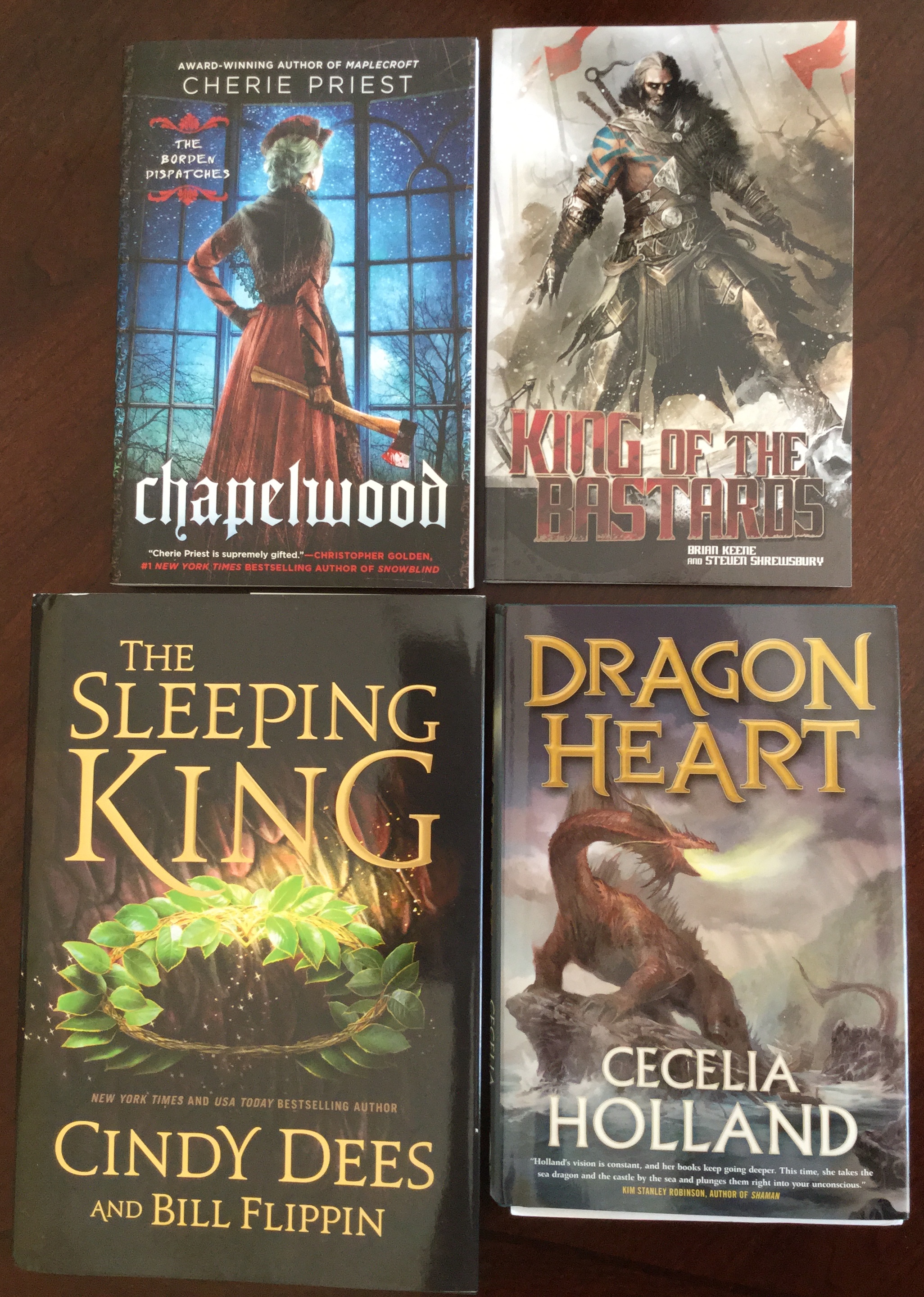
Chapelwood by Cherie Priest – Paperback, with thanks to Roc. This one was a surprise arrival and it’s also a sequel. It just so happens though, I’ve read the first book! It’s a tale of Lizzie Borden with a Lovecraftian twist, so Horror fans might want to take a look at this one.
King of the Bastards by Brian Keene – Paperback, with thanks to Apex Publications, whose awesome editor noticed my enthusiasm for this book and generously offered me a review copy. Sword and sorcery meets some old-school pulp, yeah! I knew I had to read it as soon as I saw it.
The Sleeping King by Cindy Dees and Bill Flippin – Hardcover, with thanks to Tor. Another unexpected arrival, but it was a very welcome one. This book has been on my watch list for a while.
Dragon Heart by Cecelia Holland – Hardcover, with thanks to Tor. Renowned historical fiction writer Cecelia Holland tackles fantasy! I’ve not read her work before, so I’m very excited about this.
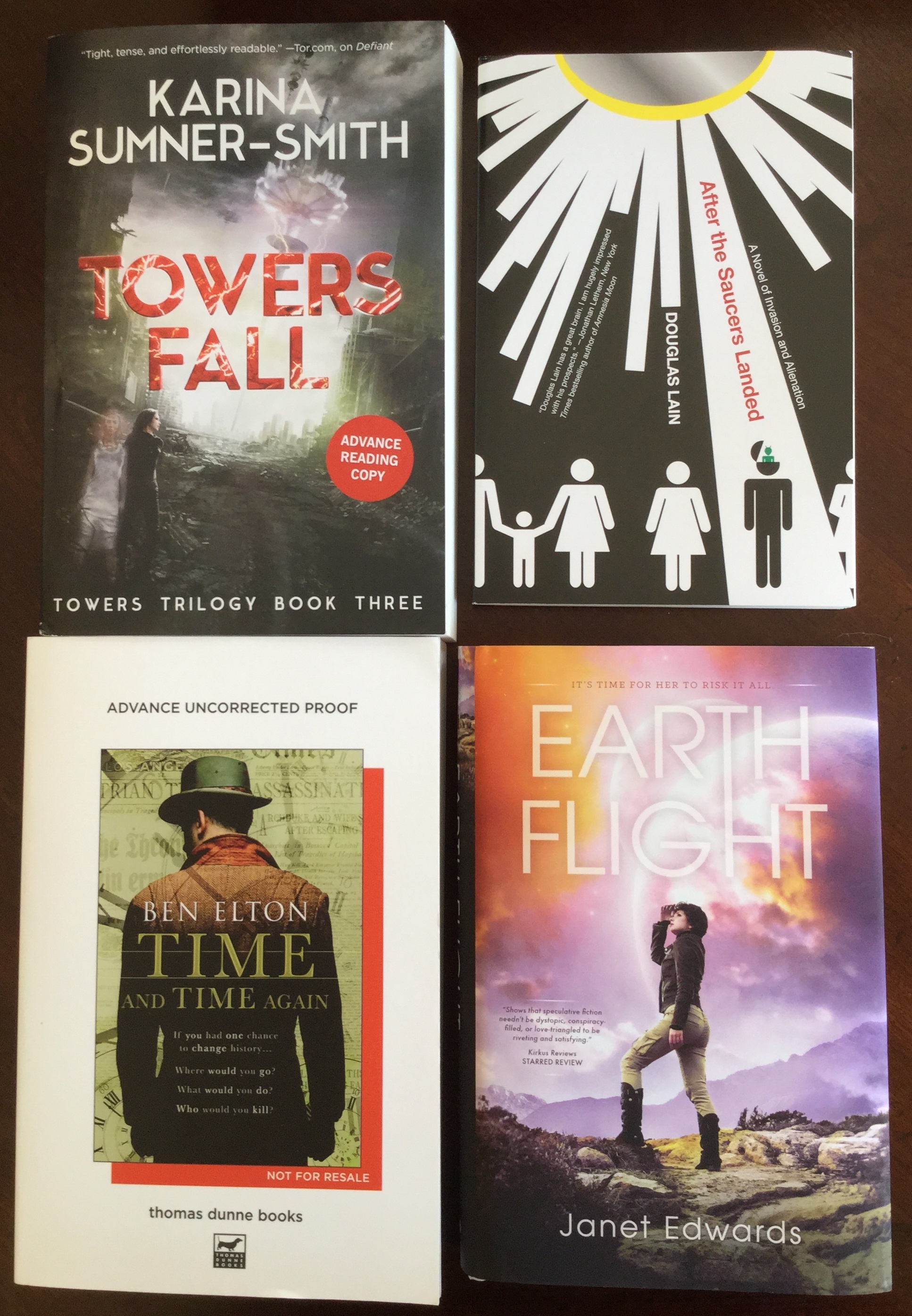
Towers Fall by Karina Sumner-Smith – Print ARC with thanks to Talos. A welcome surprise! I’ve enjoyed the first two books of this series and I still maintain that Karina Sumner-Smith and her series both deserve a lot more attention. I’m looking forward to read this third and final book of The Towers Trilogy.
After the Saucers Landed by Douglas Lain – Print ARC with thanks to Night Shade Books. More goodies from Skyhorse! This one actually caught my eye back when I saw the eARC on Edelweiss, so I was very happy when a finished copy turned up last week.
Time and Time Again by Ben Elton – Print ARC with thanks to Thomas Dunne Books, whose very kind, very nice publicist pitched me this title and gave her time to patiently answer all my questions about it. I did say I was going to be more prudent in taking on review books, so while the time traveling component of this one intrigued me, I wasn’t so sure about the historical fiction or WWI aspect. The publicist assured me that the story actually features more portal jumping/alternate history than history or war, and her enthusiasm ultimately sold me because it does sound really good! I think this book might have been released earlier in the UK too, so it already has some amazing reviews. Check it out.
Earth Flight by Janet Edwards – Hardcover, with thanks to Pyr for the finished copy. I so enjoyed books 1 and 2 in the Earth Girl trilogy, so this third and final installment is high priority!
Digital:
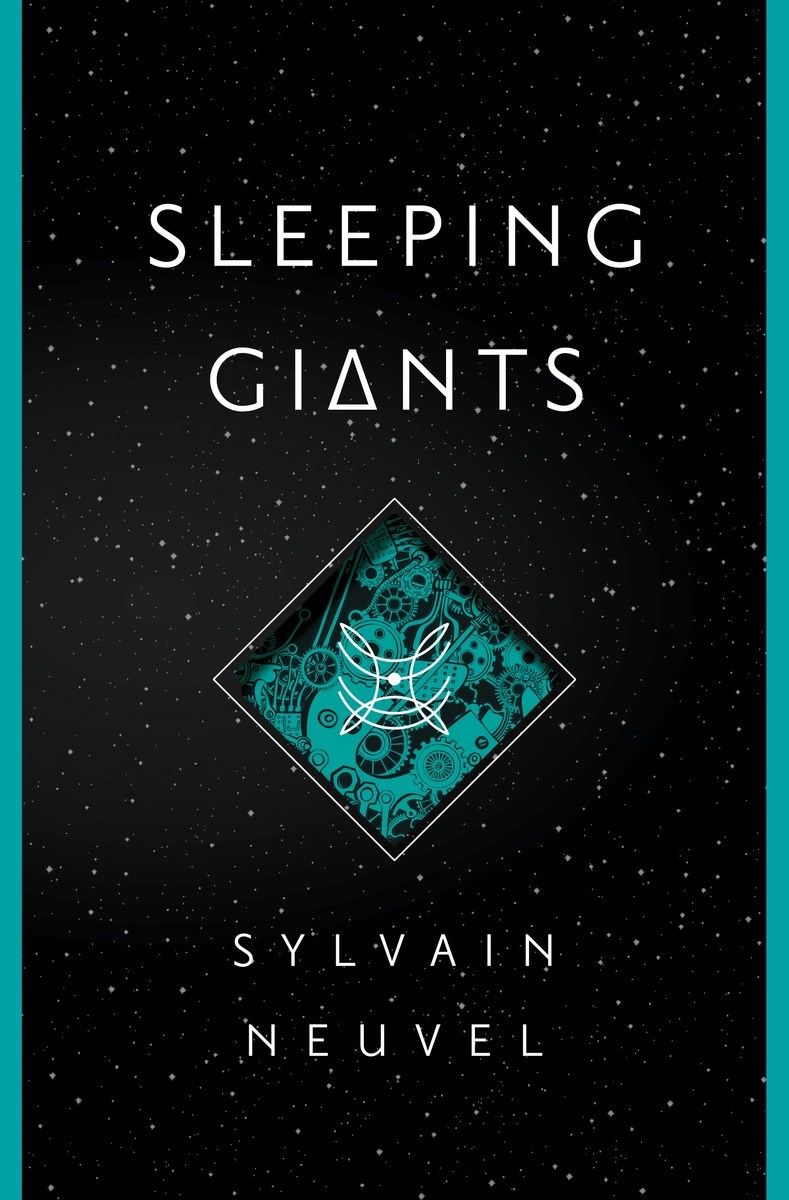

Sleeping Giants by Sylvain Neuvel – eARC with thanks to Del Rey via NetGalley. This was on my watch list, so I requested it as soon as I saw it. I was still pretty surprised to see the eARC available already though, considering its release date isn’t until next April.
Never Never by Brianna R. Shrum – eARC with thanks to Spencer Hill for the invitation. I’d been waiting for this one to show up on NetGalley forever, it seems. I even geeked out big time about it with a publicist from their imprint Spence City Books, and so she put forth my contact info when the widgets were going out for this title. If you caught my WoW this week, you’ll understand my excitement!
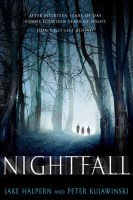
Nightfall by Jake Halpern and Peter Kujawinski – eARC with thanks to G.P. Putnam’s Sons Books for Young Readers via First to Read. This looks fantastic, and its Horror tag just brought it home. The last couple of YA novels I’ve gotten through Penguin’s FtR have been great, so I’m hoping to strike gold for a third time.
The Dead House by Dawn Kurtogich – eARC with thanks to Little, Brown Books for Young Readers via NetGalley. I actually won a print ARC recently, but before that I’d put in a request on NG which sat in my pending queue for so long, I thought for sure I was denied. I was utterly shocked when the approval email finally came through last week. Bumping this one up, though it was already marked high priority on my list!
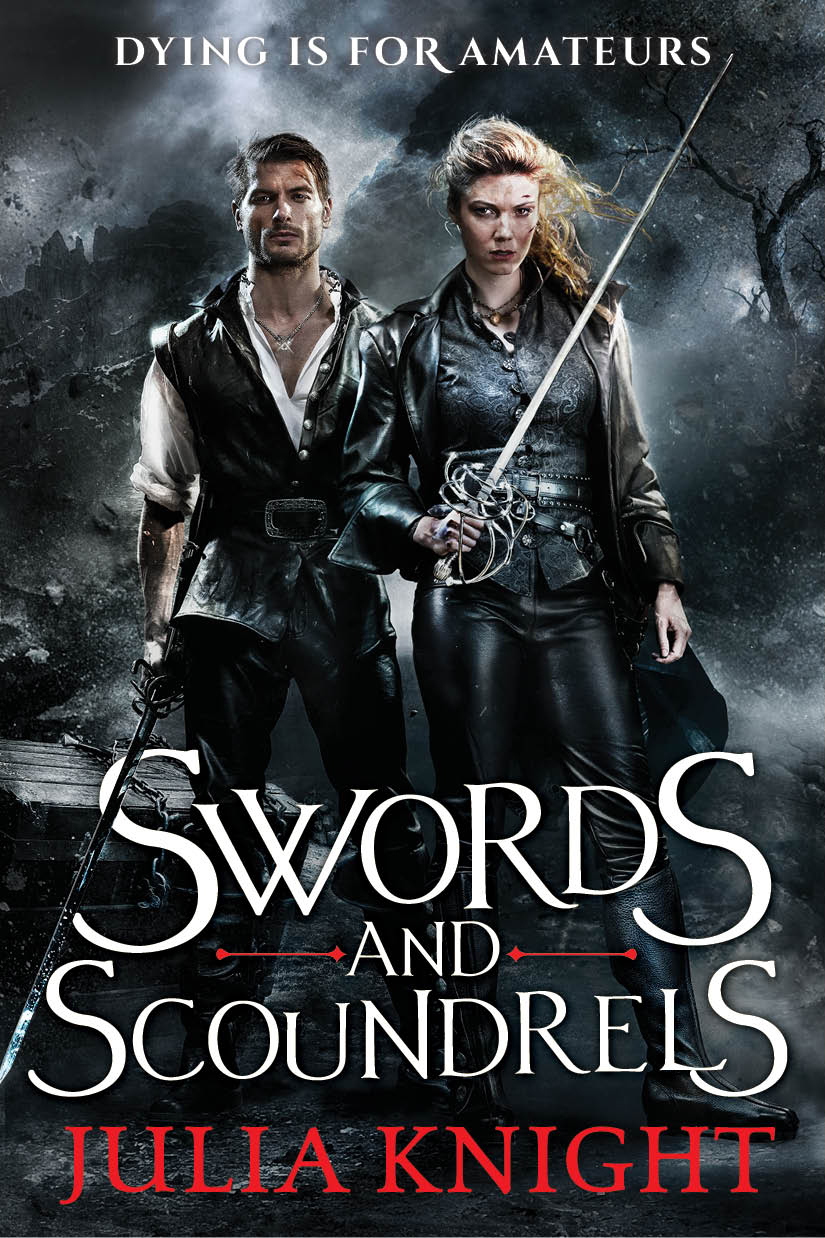
Swords and Scoundrels by Julia Knight and Wake of Vultures by Lila Bowen – eARCs with thanks to Orbit for the invitations and for making my NG shelf explode. They have so many amazing titles coming out this fall, it took everything in me to resist accepting them all. In the end I picked up these two books, both of which have been on my anticipated list for a long time.
Audio:
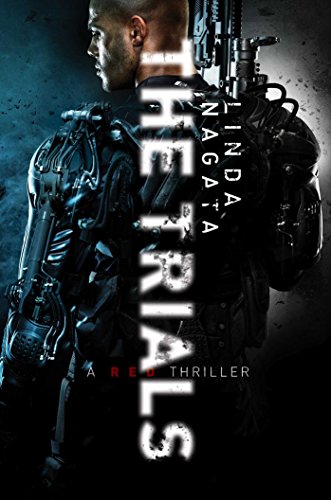
The Trials by Linda Nagata – Audiobook with thanks to Audible. Remember my review of First Light? I absolutely loved it. I’m thrilled to be given the opportunity to review the sequel.
The Good, The Bad and the Smug by Tom Holt and The Witch Hunter by Virginia Boecker – Audiobooks with thanks to Hachette Audio for review copies of these two books. I’ve heard great things about both, so I’m quite excited to dive in.
WHAT I’VE READ SINCE THE LAST UPDATE
Earlier this week, I got sick with the nastiest cold. I caught it from my daughter, who picked hers up from preschool AKA the germ factory. Seriously, these are some powerful, badass bugs. As you can imagine, being stuffed up and coughing my lungs out has affected my concentration somewhat, so this week I’ve been a little audio heavy. I’m still reading though, so I’m sure you’ll see some of these reviews in the coming weeks, if they’re not up already.
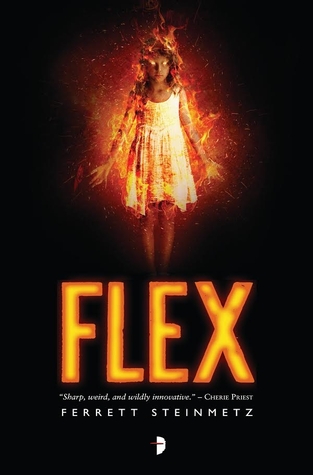

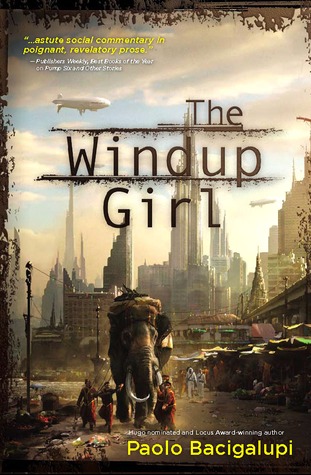
Reviews:
Here are the reviews I’ve written and posted since the last update, gathered together and listed here for your convenience and viewing pleasure.
Baptism of Fire by Andrzej Sapkowski (4.5 of 5 stars)
Flex by Ferrett Steinmetz (4.5 of 5 stars)
The End of All Things by John Scalzi (4 of 5 stars)
Alice by Christina Henry (3.5 of 5 stars)
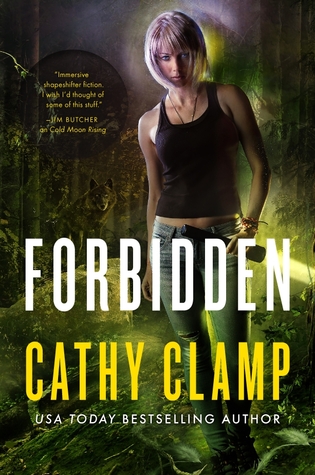
Forbidden by Cathy Clamp (3.5 of 5 stars)
Zer0es by Chuck Wendig (3.5 of 5 stars)
The Windup Girl by Paolo Bacigalupi (3.5 of 5 stars)
* * *
Have you heard of or read any of the books featured in this week? What looked good or caught your eye? Any new discoveries? Let me know! Nothing makes me happier than sharing my love for books and I hope you found something interesting for a future read. Until next time; see you next Roundup! 🙂
~Mogsy/Steff~
Tiara’s August Wrap-Up
Posted on August 28, 2015 18 Comments
I had various things going on this month which is why I slowed down with book reviews. I’m hoping to get my groove back in September. The kids started back to school. My husband had to do some traveling for work this month which meant I had to pull some double duty parenting at home. We’re dealing with a family tragedy right now, too, with one of my husband’s family members. However, we’re doing find, dealing with it one day at a time. And, of course, there’s always work and things that need to be done for our projects. I did get some reading done this month. Some of it wasn’t speculative fiction, which means I didn’t review it here. I read many wrestling memoirs because I’m a fan. Sometimes, it feels like wrestling should be considered speculative entertain. Also, I participated in my first read-a-long, and that was a lovely experience. I look forward to it in the future! 😀 Anyhow, here’s how my month of August wrapped up.
Book Count





Audiobook Count
Official count has now hit 43. I’m coming for you 50. I plan to double down next month. I’ve had Warbreaker audiobook on hold for about two months. I lke the story I’ve just been lazy.

Popsugar 2015 Challenge Count
Did not read any of my picks for the challenge this month, but I will remedy that in September.
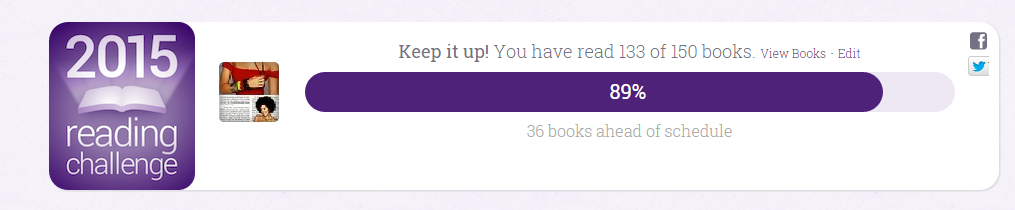
Goodreads Challenge Update
Just in case that’s a little small to read. I’ve read 133 out of 150 books for my Goodreads challenge.
Miscellany
Here’s a general update of what I’ve been getting into aside from reading because, sometimes, even I need a break from reading. Sometimes, I want to enjoy more visual media, and I can’t live without music. Music is my heart and soul.
TV/Movies


Music
Gaming
I’ve been playing a Scandanavian folklore game called Year Walk, which follows a premise of people locking themselves away from people and refraining from eating for 24 hours during an important holiday. At midnight, they take their Year Walk which is supposed to give them insight on things upcoming in the year such as marriages and deaths. It’s a very atmospheric horror-ish games I haven’t encountered any jump scares, but the way they’ve entwined it with mythology is interesting, making it creepy. It’s a very simplistic, engaging game. It requires more from the player than just to point and click, such as remembering which pagan symbols you saw in various places and recording drawings as well as clues that will help you advance.

That’s it for me for the month. See you in September where I hope to have more done!


 The BiblioSanctum