Book Review: Songbird of the Sorrows by Braidee Otto
Posted on February 4, 2026 9 Comments
I received a review copy from the publisher. This does not affect the contents of my review and all opinions are my own.
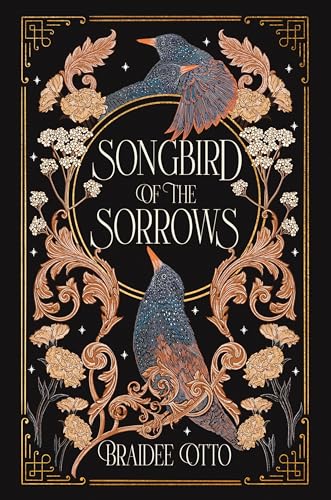 Songbird of the Sorrows by Braidee Otto
Mogsy’s Rating: 3.5 of 5 stars
Genre: Romance, Fantasy
Series: Book 1 of Myths of the Empyrieos
Publisher: The Dial Press (February 3, 2026)
Length: 400 pages
Author Information: Website
Even if you’re just a casual reader of YA or New Adult romantasy, I think Songbird of the Sorrows by Braidee Otto will instantly feel familiar. You have your secret princess, a shadowy network of spies, and a dangerous mission that places the protagonist in a “last one standing” style competition against others. It’s the kind of setup that immediately signals the types of tropes this story is interested in exploring.
The novel follows Aella, a king’s daughter cast out of the palace at a young age and raised instead in the Aviary, a school for orphans which is in fact a front for an organization that trains its students to become covert operatives for the Empyrieos. After completing years of training, successful graduates of the program are given new identities and code names inspired by birds. For example, when Aella finally earns her place among the full-fledged members, she takes the name of Starling and is given her first major assignment as part of the Aviary’s elite unit, Alpha Flight.
This mission sends her straight into enemy territory under the guise of competing in the bridal trials hosted by the Prince of Eretria to choose his future queen. Having been born a princess, Aella already possesses many of the skills expected of a highborn lady thanks to her early palace upbringing, making her return to the role of Princess of the Sorrows a natural fit. Combined with the spycraft and combat training she received at the Aviary, she becomes a serious contender in the trials. Beneath all the spectacle, however, Alpha Flight’s true objective is to gather intelligence and support a larger operation led by Raven, a senior agent with whom Aella shares a complicated past—one that only heightens the tension as she struggles to maintain her cover and survive the cruel prince’s dangerous games at court.
As the story unfolds, Aella is pulled in several directions at once. It doesn’t help that the bridal trials themselves function less as a The Bachelor style competition and more as a backdrop for political maneuvering and espionage. Unfortunately, the biggest hurdle for me was the journey it took to this point where hints are finally revealed about the larger power struggles beneath the surface. To put bluntly, the first half of the novel is a collection of clichés, from the emotional blackmail that drives Aella to perform her task to the absolute cringiness of a group of ladies competing for the hand of a prince. For one, Aella is threatened with her beloved friend’s death should she fail, and this is one device that has always bothered me. Our protagonist is clearly capable, but the story takes a while to let her feel like she’s acting for herself rather than being pushed from one obligation to the next.
The good news is, things improve drastically in the back half of the book. Once the groundwork is out of the way, the plot becomes more engaging and less predictable. Secondary characters start to stand out, the suspense surrounding the court intrigue sharpens, with the broader implications of Alpha Flight’s mission becoming clearer. The focus turns towards unpacking the secrets, while the big yikes situation between the bridal competitors begins to develop real momentum beyond banal pageantry. By the final page, the author has delivered an ending that hooks the readers and makes the larger series feel worth sticking with.
On a final note though, the writing tends to be on the purple side, and it didn’t surprise me to find out that Songbird of the Sorrows is a debut. On top of the plot being very ambitious and occasionally frazzled, at times the prose feels overwritten with “first novel” energy—as in just a tad too excessive with the flowery metaphors. Hopefully, that will soon turn into a cleaner style with Braidee Otto’s later books because I can see a lot of potential in this series. As a first installment, this is a solid if uneven start, but it’s also a beginning that hints at a stronger follow-up down the line!


Book Review: Artifact Space by Miles Cameron
Posted on January 30, 2026 8 Comments
I received a review copy from the publisher. This does not affect the contents of my review and all opinions are my own.
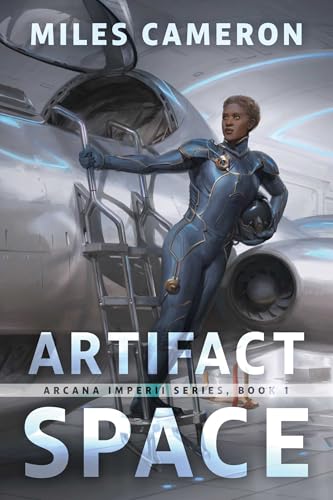 Artifact Space by Miles Cameron
Mogsy’s Rating: 3.5 of 5 stars
Genre: Science Fiction
Series: Book 1 of Arcana Imperii
Publisher: Saga Press (January 27, 2026)
Length: 528 pages
Author Information: Website | Twitter
Artifact Space was a book I felt genuinely excited about checking out. I already have a couple Miles Cameron books under my belt, mostly epic fantasy, but given his range as a writer, a science fiction novel felt like a natural next step. I was curious to see how his style would translate to a space opera setting. That said, military sci-fi being outside of my favorite corner of the genre, I wasn’t too surprised when I ended up struggling a bit.
The story follows a young woman named Marca Nbaro, who, despite growing up in the harsh conditions of an orphanage, has dreamed for years of one day being able to travel to the stars. And at long last, after countless hours of training and preparation, she finally has the chance to join the crew of the Athens, one of the massive Greatships involved in interstellar trade across the galaxy. Unfortunately though, getting aboard isn’t exactly legal. Marca had to spend the last of her resources forging her papers, which means that even if she manages to pull off her long-awaited escape, she’ll be at constant risk of being exposed.
Marca’s efforts pay off, however, when she is allowed onboard and made midshipman. Throwing herself into learning the ropes, she also tries to earn her place among the crew by adjusting to the realities of life on a Greatship run by a ruthless mercantile government. The primary mission of the Athens is the transport of a rare and immensely valuable material called xenoglas, which forms the backbone of human and alien trade. Crew schedules are tightly structured, and any mistakes are judged harshly, which only heightens Marca’s fears of being discovered and cast out. But even as she struggles to prove herself while keeping her head down, the ship becomes involved in an increasingly complicated web of trade politics and risky encounters, pushing Marca well beyond simply trying to get by unnoticed. Apparently, her past isn’t as easy to outrun as she’d hoped.
In a way, Artifact Space almost reads like a slice-of-life book, focusing on everyday moments of Marca’s life aboard the Athens as we follow her through the training routine and developing relationships with the other crew members. That’s not to say the story isn’t plot-driven or devoid of drama and action, because there’s plenty of those. Rather, we just work towards them more gently and slowly. Indeed, a high-stakes conflict does eventually emerge from a series of escalating developments that hint at bigger things in the background.
But while this setup is impressive, I think it’s also what caused the book to drag for me. One quirk I noticed is that although the Athens is a trading vessel, life onboard resembles more like the navy. There’s a lot of complex military-like jargon, heavy emphasis on ranks and hierarchies, as well as the logistics of operations and transport. Cameron clearly wants the reader to view these dynamics as an ecosystem and to understand how they function. The same goes for the political side of the story involving trade alliances and power structures. Of course, none of this is inherently bad, but I confess it didn’t always hold my interest. While I can appreciate this extreme level of detail, at times the minutiae can feel a little overwhelming and more methodical than I personally prefer.
My feelings are also mixed when it comes to Marca. As a protagonist, she’s clearly meant to be likeable, but emotionally, there was a distance. Character work was perhaps on the weaker side, as I often found it difficult to connect with her on a deeper level. For example, her reactions, especially when it came to attraction and romantic elements, didn’t feel fully developed or convincing. The camaraderie between the crew members added some warmth, but many of those relationships stayed fairly surface-level.
That said, the world-building is truly incredible. Just like in his fantasy and historical fiction, Cameron’s attention to detail pays off. The Greatships are a unique concept, giving off cool old-school-meets-futuristic-tech vibes. The setting feels well thought-out and lived in. Storytelling is consistent and shows plainly that it knows where it’s going and what kind of narrative it wants to be, even if it didn’t always line up with my own tastes.
In the end, Artifact Space is a solid start to a new series, but it doesn’t end on a cliffhanger and so also works perfectly well as a standalone. The scope of its wider world reminded me a little of The Expanse, while the more intimate, zoomed-in looks at daily life aboard the Athens even reminded me a little bit of The Wayfarers. Personally though, I do think experience or an appreciation for military sci-fi will help increase enjoyment. I didn’t love this, but I didn’t dislike it either, and I’m curious enough about where things are going that it’s likely I’ll be picking up the sequel.
Book Review: How to Lose a Goblin in Ten Days by Jessie Sylva
Posted on January 28, 2026 8 Comments
I received a review copy from the publisher. This does not affect the contents of my review and all opinions are my own.
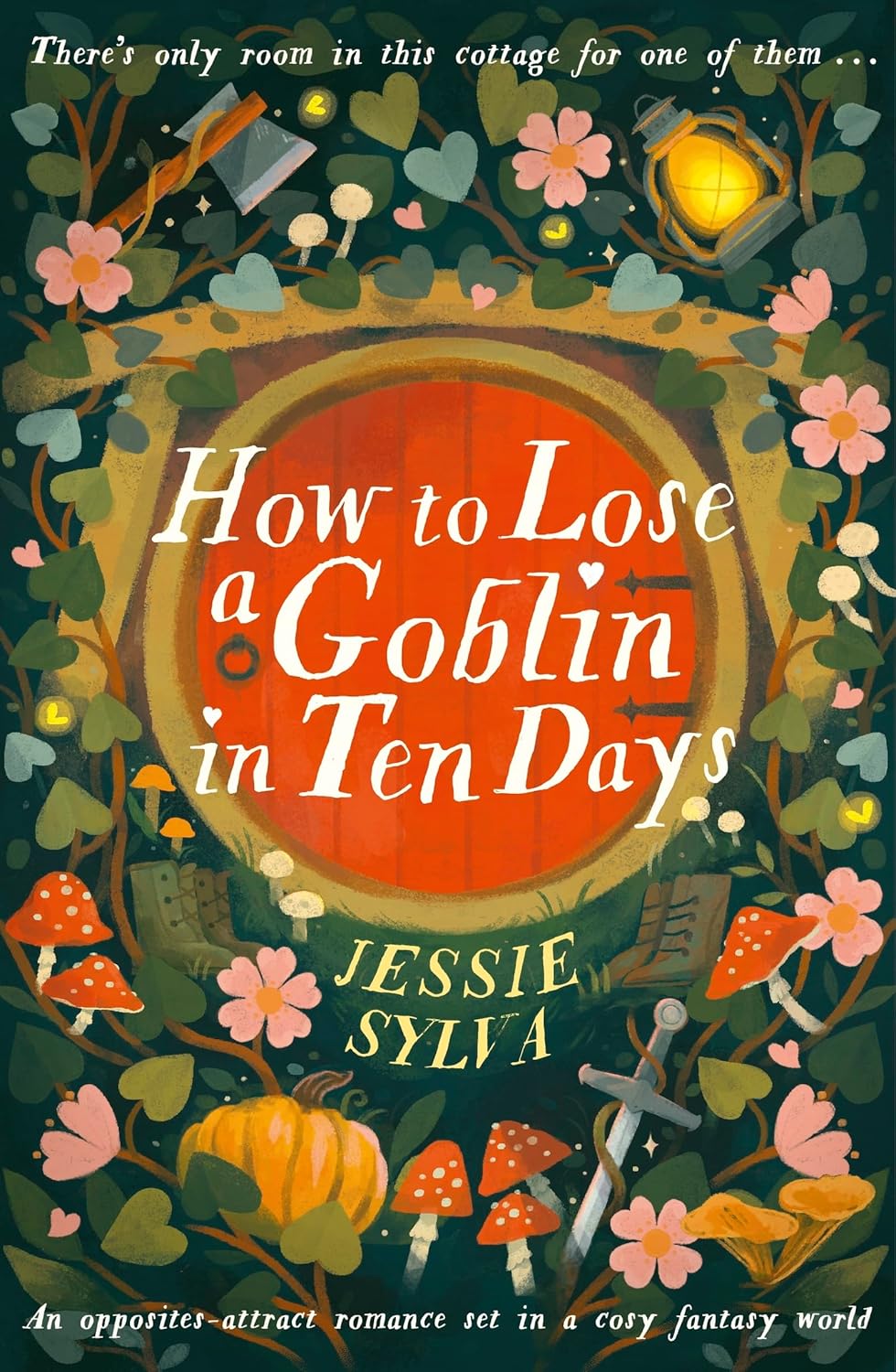 How to Lose a Goblin in Ten Days by Jessie Sylva
Mogsy’s Rating: 2.5 of 5 stars
Genre: Fantasy, Romance
Series: Stand Alone
Publisher: Orbit (January 20, 2026)
Length: 384 pages
Author Information: Website | Twitter
How to Lose a Goblin in Ten Days by Jessie Sylva is very clearly designed to be a comfy popcorn type read, so I’ll keep that in mind while I review the book in order to give it a fair shake. Given the title, the riff on the movie How to Lose a Guy in Ten Days should also be obvious, with the story unapologetically borrowing from rom-com traditions like clashing personalities and forced proximity before the inevitable happy ending. And while this concept didn’t end up being a slam dunk, I can easily see it working better for readers in the right mood for something cozy, light, and deliberately low-stakes.
The story follows Pansy, a young halfling who inherits her late grandmother’s cottage and is quite eager to prove her independence to her parents by moving into it. When she gets there, however, she is dismayed to find the home already occupied by Ren, an exiled goblin who tells her that in fact they are the rightful owner of the land. Using the key to the property that her grandmother had passed down to her, Pansy refutes this claim, and thus the two arrive at an impasse. With no one willing to back down, they decide to stay at the cottage together while each trying to drive the other out, with the understanding that whoever gives up first relinquishes their claim.
From there, the book dives headfirst into the romantic comedy playbook, as Pansy and Ren both start coming up with schemes that steadily escalate. But living in such close quarters also forces them to confront their assumptions about one another, as well as the cultural differences that shape how they see the world. Despite herself, Pansy begins to sympathize with Ren’s reasons for being so attached to the cottage, and Ren eventually learns why Pansy is so determined to make it on her own. What started as a struggle between rivals gradually transforms into something far more tender and intimate, though it remains complicated by the very different worlds they come from.
Given its premise, the plot is intentionally familiar, and so is the setting. The world-building is charming enough, but also somewhat broad. Sylva relies heavily on readers’ knowledge of fantasy archetypes and tropes, trusting it to do most of the work for her, particularly when it comes to filling in the gaps around the lore, cultures, and appearances of various creatures. While this makes the world easy to settle into, it also means that world-building isn’t as rich as it could be, specifically lacking in depth and detail.
That said, this book is a cozy fantasy through and through, and it goes all in on those vibes. The tone has an almost Disney fairytale-esque simplicity to its conflicts and resolutions, bludgeoning you with its messages of acceptance, co-existence, and challenging prejudice. Heartfelt and sincere these messages may be, they can also at times feel trite and repetitive, to the point where it sometimes feels like reading a picture book that has been stretched far beyond its proper length and welcome.
Still, at the end of the day, this is not a story interested in moral gray areas so much as emotional reassurance. Pansy and Ren make for an endearing couple. Their dynamic may follow a painfully predictable trajectory, but it is also genuinely sweet. The relationship unfolds exactly as expected for this kind of story, which will likely be a selling point for readers looking for coziness rather than surprises. For me, this made the pacing feel slower than necessary, but I concede that it also suits the book’s quiet, gentle approach.
Ultimately, How to Lose a Goblin in 10 Days presents itself as a pleasant and cozy read that personally didn’t quite click with me, but I appreciated its romantic comedy inspirations and the confidence with which it carried out the premise. Recommended for readers with more interest in low-stake fantasy and cute, whimsical romance.

Book Review: Twelve Months by Jim Butcher
Posted on January 24, 2026 11 Comments
I received a review copy from the publisher. This does not affect the contents of my review and all opinions are my own.
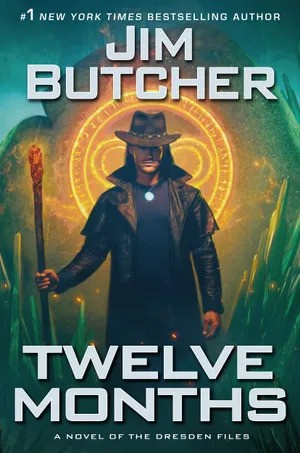
Mogsy’s Rating: 4 of 5 stars
Genre: Urban Fantasy
Series: Book 18 of Dresden Files
Publisher: Ace Books (January 20, 2026)
Length: 448 pages
Author Information: Website | Twitter
It’s kind of wild to think it’s been almost six years since Battle Ground came out, because Twelve Months very much feels like a sequel that has been cooking quietly in the background all that time. But instead of throwing readers straight back into the action, Jim Butcher hits the brakes to bring us a Dresden Files novel that’s much more subdued and reflective. In other words, this one is very much an “aftermath story” that explores what happens after the dust settles.
The last time we saw Harry, who is now openly operating as the Winter Knight, Chicago burned as the city became the site of a full-scale magical assault which resulted in the deaths of thousands. Though the attack was eventually thwarted and the enemy defeated, this came at an enormous cost. The supernatural world has been exposed for all to see, and Harry also lost someone very near and dear to him, only barely containing his anger and grief before he did something he’d regret. Still, given his history and his increasingly erratic and risky behavior, the White Council ultimately decided to cut ties with him, leaving our protagonist more isolated than ever.
And so, Twelve Months basically follows Harry across a year of his life as he tries to regain some sense of control and normalcy while trying to manage the crushing stress caused by grief, guilt, and an endless list of responsibilities. That said, there’s no more saving the world for Harry Dresden, at least not at this time. Right now, he’s in recovery mode, putting all his efforts into healing after loss and rebuilding the support systems around him, both emotionally and physically.
Stylistically, Twelve Months is one of the more unusual entries in the series. It’s certainly different from many of the previous sequels which saw Harry facing down supernatural foes and dealing with ever escalating threats. In this, the pacing slows down, but if you think that means the stakes disappear or the story loses its momentum, think again. The conflicts are alive and well, they’re just more intimate, and the focus turns towards character development and relationship dynamics.
Because of this, I can see this book receiving mixed reviews, but personally I enjoyed the change of pace. Having some room to breathe is a good thing, not to mention it’s also more realistic. Places don’t just bounce back from the brink of utter destruction, and neither do people. A lot happened in Battle Ground leading to significant repercussions that are going to take more than a few pages to digest, and Twelve Months gives us the chance to do a deep dive into the fallout, looking at how Chicago has changed. People are scared, resources are strained, and Butcher’s storytelling here truly drives home the point that the world of the Dresden Files is, and always has been, bigger than just Harry’s personal sphere.
There’s also a noticeable shift in the way Harry interacts with the greater world around him. He’s no longer the young, brash wizard who storms into every situation with his guns blazing. It’s been more than twenty-five years since the first book burst onto the scene, and in that time, the books have seen Harry mature and become a hardened man shaped by real-world experiences and fatherhood. Of course, he’s always been a reluctant hero, but there’s a lot more people now who look up to him and depend on him, and he’s becoming increasingly aware that his actions have consequences well beyond the here and now.
In the end, I do think there’s value in having a book like this every so often, especially in a long-running series. If nothing else, it helps break up the usual pattern and to prevent monotony. In this case, Dresden Files fans got a much calmer ride than we’re used to, but to be honest, I probably wouldn’t want too many more installments in this similar vein, and I certainly wouldn’t be too heartbroken if the next one swung back towards a more action-oriented approach. I’ll even admit I was cheering inside when the end of this book finally ramped up and delivered a genuinely exciting climax and conclusion.
In the end, Twelve Months feels very much like a transitional novel, nudging the overarching plot of the series forward, but not by too much and not in any way that’s too dramatic. By this point, Jim Butcher clearly knows his audience and trusts both their patience and their investment in Harry’s journey. In a way, this also feels like a book the author himself needed to write, since I’ve heard that so much of the emotional beats in the series are often a reflection of what he’s going through and feeling in his own life. As a sequel, this one feels necessary, giving the story a chance to decompress, while also efficiently laying the groundwork for what comes next.

Book Review: The Murder at World’s End by Ross Montgomery
Posted on January 21, 2026 14 Comments
I received a review copy from the publisher. This does not affect the contents of my review and all opinions are my own.
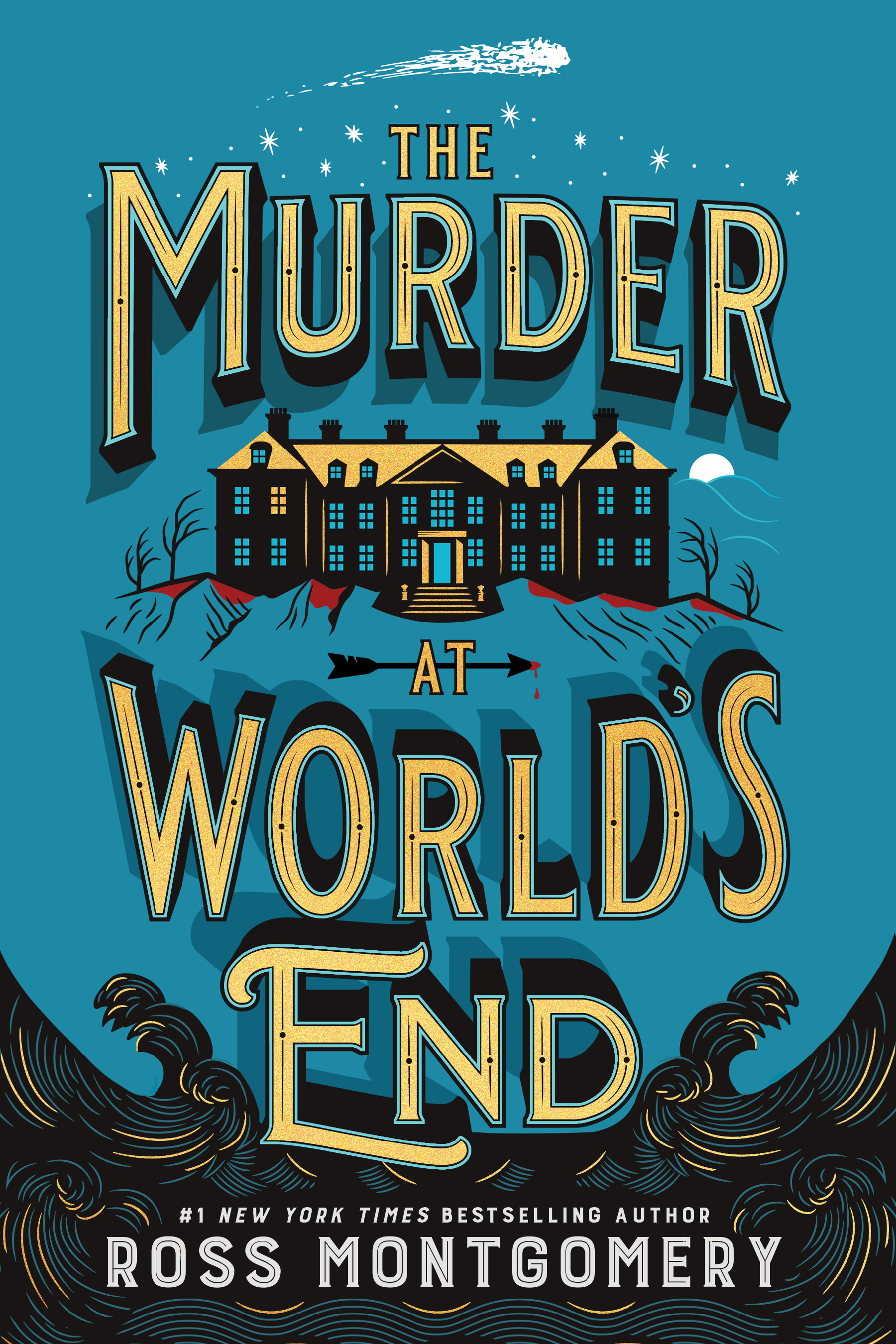 The Murder at World’s End by Ross Montgomery
Mogsy’s Rating: 5 of 5 stars
Genre: Mystery, Historical Fiction
Series: Book 1 of Stockingham & Pike
Publisher: William Morrow (January 6, 2026)
Length: 336 pages
Author Information: Website
And just like that, I already have my first contender for best read of 2026 and it’s a straight-up old-fashioned whodunit. There’s just something deeply satisfying about a mystery that knows exactly what it wants to do, and Murder at World’s End absolutely nails it, delivering a treasure that feels like a love letter to the Golden Age of detective fiction.
The novel is set in Cornwall in 1910, the same year Halley’s Comet sparked widespread panic as a sensationalist media warned that all life would perish as Earth passed through the comet’s poisonous tail. Ensconced in his remote island estate ominously named World’s End, the Viscount of Tithe Hall has a plan for himself and his family to survive the apocalypse. Every window, door, and chimney will be sealed down to the tiniest keyhole, supposedly to protect the manor’s guests and servants from all kinds of dangerous gases or noxious space dust falling from the heavens.
On the eve of Halley’s expected appearance, an earnest young man named Steven Pike arrives at Tithe Hall and steps into a world of utter chaos. Recently released from prison for a crime he didn’t commit, he has come desperately in search of work, knowing how slim his chances are due to his questionable past. With the pre-comet preparations in full swing, however, the place is short-staffed and Steven is hired on the spot. He is then given the curious task of chaperoning Miss Decima Stockingham, the Viscount’s curmudgeonly and foul-mouthed octogenarian aunt who has already driven away all her lady’s maids. Warned that the old lady might not be entirely in possession of her marbles, Steven is surprised to find Miss Decima is in fact far less unhinged than her reputation suggests, with a mind as sharp as her interest in science, though her spectacular temper and lack of tact are unfortunately very real.
Obviously, the world has not ended by the time morning arrives, and the houseguests all emerge from their sealed rooms in a state of collective bemusement and relief—all except one. Sometime in the night, the Viscount was murdered, and his body is discovered alone in a room that had been sealed from the inside. On the surface, the crime appears impossible, though with the island cut off by the high tide, the only certainty is that the killer is someone already at World’s End. As the newest arrival and a former convict, suspicion immediately lands on Steven, but with the help of Miss Decima, the two set out to clear his name by solving the case.
Eccentric suspects, multiple nefarious motives, a literal locked room—The Murder at World’s End has it all. From the very first page, it had me completely hooked, and by its end, I was already giddy with excitement to find this is only the first of hopefully many more Stockingham & Pike books to come. What I loved about the story is how unapologetically classic it feels. This is a proper mystery where the clues matter, the motivations make sense, and the reader is invited to play along rather than be distracted by spectacle. Of course, there are red herrings aplenty, but in my opinion, they are fair ones where the plot never resorts to outrageous twists or last-minute revelations to force a surprise. Instead, the novel features sensible detective work that unfolds with patience and care, rewarding close attention and logical thinking, which made the ending all the more satisfying.
Also, I truly enjoyed the unlikely detective duo of Miss Decima and Steven. The latter’s gradual development is wonderfully handled, portraying his transformation from a skittish young man into a confident go-getter who learns to trust his instincts. And how I loved Miss Decima! Witty, brilliant, and having absolutely no patience for bullshit, she steals every scene she’s in and completely owns it, and yet, while she can certainly be a lot, it never feels too forced or over-the-top like it’s tipping into caricature. What really makes it work, though, is the dynamic between the two characters. Their partnership forms naturally, initially built on shared curiosity and then later mutual respect, eventually evolving into a friendship that was easily the highlight of the entire book.
Historical fiction fans will further appreciate the setting. The looming presence of Halley’s Comet and the hysteria surrounding it serve as such a cool backdrop for the story, giving it an eerie and almost mystical atmosphere. Tithe Hall itself stands as an intimidating presence, and the author uses the environment—the surrounding sea, the dark woods nearby, and even an honest-to-goodness hedge maze—to incredible effect.
In the end, The Murder at World’s End is exactly the kind of mystery I’ve been craving. I could hardly put it down, and every time I was forced to, I found myself jonesing for the next time I could pick it up again. Clever without being convoluted, charming without being pretentious, and most importantly rooted firmly in the traditions of classic detective fiction, this novel is a perfect reminder of why the genre is so beloved and enduring. I would happily follow Steven Pike and Miss Decima Stockingham into as many investigations as Ross Montgomery is willing to write.

Audiobook Review: My Husband’s Wife by Alice Feeney
Posted on January 14, 2026 10 Comments
I received a review copy from the publisher. This does not affect the contents of my review and all opinions are my own.
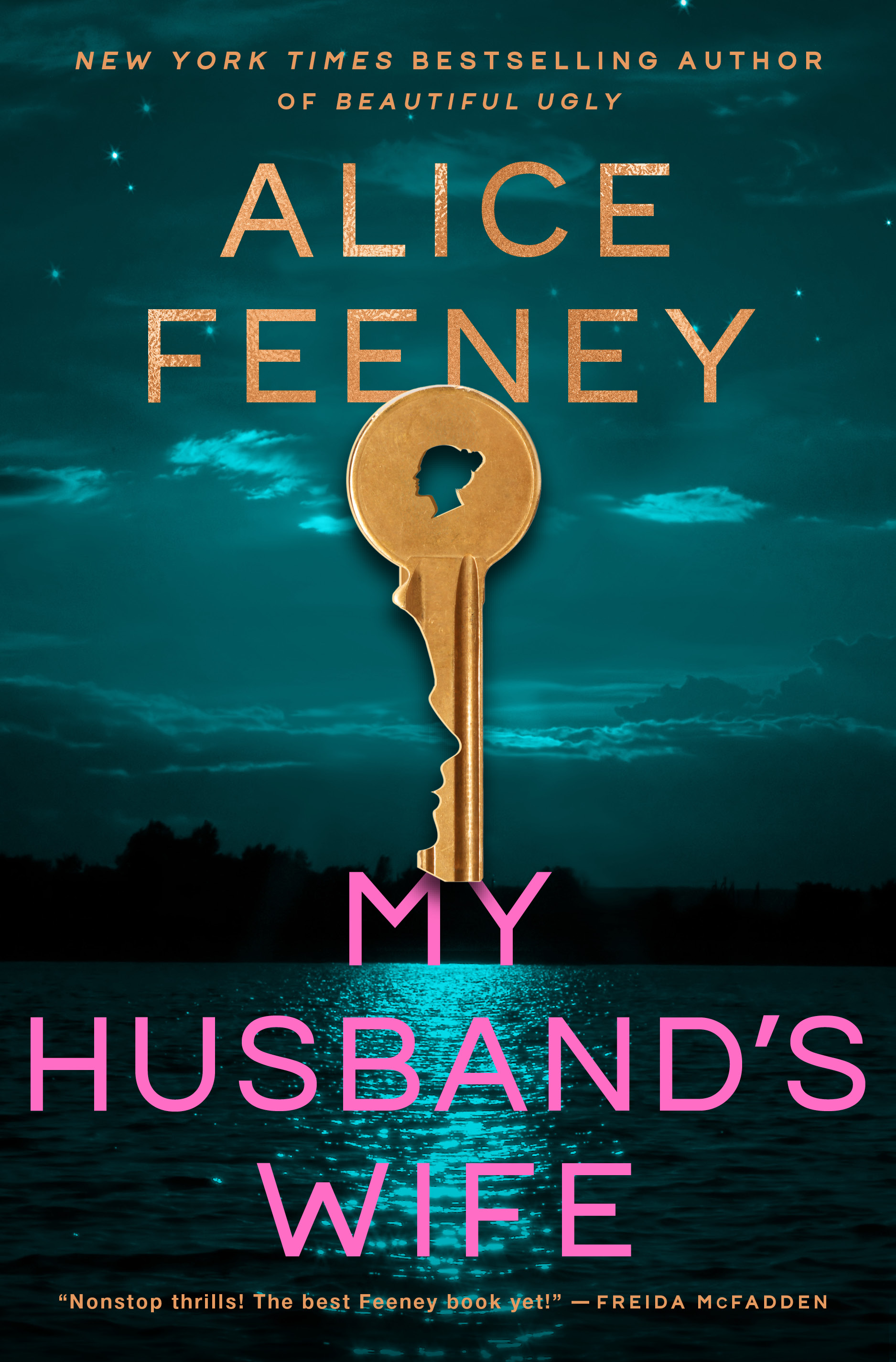
My Husband’s Wife by Alice Feeney
Mogsy’s Rating (Overall): 3 of 5 stars
Genre: Thriller, Mystery
Series: Stand Alone
Publisher: Macmillan Audio (January 20, 2026)
Length: 8 hrs and 58 mins
Author Information: Website
Narrators: Bel Powley, Henry Rowley, Richard Armitage
Alice Feeney is an author I can usually depend on to deliver an edge-of-your-seat thriller, and on its surface, My Husband’s Wife sounded like it would be exactly that. So, imagine my disappointment when it did not work for me the way it clearly has for so many others. Now, I’m aware I’m in the minority with this one, but somewhere along the way I felt the story just went so far off the rails that I stopped enjoying myself.
The book opens with Eden Fox, an artist about to have her career breakout moment, deciding on an evening run to blow off some steam before her first gallery exhibition. As always, she leaves all her valuables including her phone, wallet, and wedding ring at home before she heads out. When she returns, however, she discovers something very wrong. The key to her house no longer works. Someone answers the door to see what’s going on, and it’s a stranger who looks remarkably like Eden—similar build, hair, facial features—and she claims that there must be a mistake, because she lives there, not Eden. Then, a man come downstairs to investigate the commotion, and Eden is relieved because it’s her husband, Harrison. He’ll sort out this mess and kick this crazy lady out of their house! Except to Eden’s shock, Harrison stares back at her with no recognition in his eyes. He insists the strange woman beside him is his wife, and that he has no idea who Eden is but if she doesn’t leave the property, they will have no choice but to call the police. Carrying no proof of her identity, Eden is forced to flee into the night, feeling frightened, hurt, and confused.
Running alongside Eden’s story is a second one following Birdy, a reclusive woman living in London who has just received a devastating diagnosis and may only have months to live. That same night, however, she is visited by a representative of her estranged grandmother’s estate and learns she has unexpectedly inherited a house in the seaside village of Hope Falls, where her family once lived. When Birdie arrives at the property, affectionately known to all the locals as Spyglass, she discovers a letter among her late grandmother’s belongings from a mysterious corporation claiming it can predict the exact date of a person’s death. Given the timing of her diagnosis, Birdy’s curiosity is understandable, and she decides to look more closely into the company’s mission and history. As her investigation unfolds, the novel gradually stitches together these two seemingly separate narratives, linking half-truths and coincidences that may not be coincidences at all.
For the most part, this works. I’ll say this about all Alice Feeney’s books: her prose is snappy, the atmosphere is intense, and the pace is so brisk that the thought of taking a pause is nearly impossible. I was genuinely curious and looking forward to the reveals for at least the first half of My Husband’s Wife, even when I wasn’t entirely sure what the hell was going on. After all, confusion is part of the deal here, completely by design, and the plot is structured in a way to make the reader feel disoriented.
Where the story started to lose me was in the second half, with its handling of twists. Not because there were too few, but because there were too many! At a certain point, the story completely gives up on building upon its own foundations and begins pulling the rug from under itself, over, and over, and over again. Shocking revelations became less about providing answers and more about being completely unpredictable, even if it doesn’t really make sense or throws everything that we know about the characters out the window. When you realize that anything can change at any second and none of the truths that were previously established matter, it all starts to feel rather pointless.
To be clear, I have nothing against twists. It’s one of the best reasons to read thrillers and why I enjoy the genre so much. But at the same time, My Husband’s Wife was a bit much even by Feeney standards. Thing is, I don’t want to remove all thinking from the equation. I’d like to be given the chance to form coherent theories and emotional attachments to characters that could hold out to the next chapter. Without that expectation, I’m afraid it undercuts tension rather than heightens it for me.
That said, the audiobook narration is fantastic. Read by Bel Powley, Henry Rowley, and Richard Armitage, all three delivered strong and engaging performances. I’m especially a big fan of Armitage, who does incredible voice work on anything he does, not just Alice Feeney audiobooks. To be honest, even when the story frustrated me, the narration kept me listening.
In the end, I think My Husband’s Wife will be very much a “your mileage may vary” thriller. For me, the book started strong but ultimately collapsed under the weight of its need to induce whiplash, leaving me entertained but mentally exhausted and emotionally detached. But like I said, I suspect I am the outlier here, and fans who love Alice Feeney’s books despite or perhaps because of her bold, major-suspension-of-disbelief twists will probably have a great time.

Book Review: Tailored Realities by Brandon Sanderson
Posted on January 12, 2026 11 Comments
I received a review copy from the publisher. This does not affect the contents of my review and all opinions are my own.
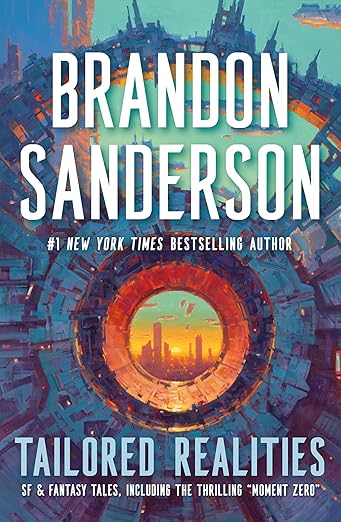 Tailored Realities by Brandon Sanderson
Mogsy’s Rating (Overall): 4 of 5 stars
Genre: Science Fiction, Young Adult
Series: Anthology
Publisher: Tor Books (December 9, 2025)
Length: 448 pages
Author Information: Website
I’ve always found myself somewhat on the fence when it comes to Brandon Sanderson’s Cosmere. Don’t get me wrong, I enjoy the books themselves, but following the ever-expanding web of connections has never been a big part of my interest. I just care that the stories stand well on their own, which is why Tailored Realities, a collection of Sanderson’s non-Cosmere short fiction, felt especially appealing. As I’ve always said, he’s also one of the rare authors whose storytelling and world-building generally leave a lasting impression, whether he’s writing ten pages or a thousand.
There are a few exceptions to that, of course. The following are my thoughts on each story, though a couple have already been previously reviewed on their own, and you can search for these earlier reviews for more detail. In addition, Tailored Realities includes three brand-new stories appearing for the first time.
Snapshot (4.5 stars)
Reviewed previously, and even better the second time around.
Brain Dump (4 stars)
A very quick and clever sci-fi vignette that wastes no time getting to the point. Imagine a near future where prospective parents can literally shop for a designer child, browsing through genetic models in a showroom. While the concept isn’t especially groundbreaking, it’s the execution that makes this story work. For one thing, it embraces brevity, and though Brain Dump reads almost like a thought exercise, sometimes that’s exactly what sci-fi needs: a simple setup, a clear social question, and the restraint to step away before it becomes overly trite and pretentious. Sanderson’s trademark humor also helps make his point without bogging things down, and despite its short length, this was one of my favorites.
I Hate Dragons (3 stars)
Speaking of experimental, this story about a boy’s magical talent for smelling good to dragons as well as his ability to hear spelling and punctuation makes for a fun little tale, and not surprisingly, it was born out of a writing exercise. Not much else to say about this one, but I did find it useful as a way to show my middle schooler what effective dialogue looks like.
Dreamer (2.5 stars)
Dreamer is a horror story about body snatchers, but it’s handled in a subtle way that’s less about what’s happening on the page and more concerned with making readers uncomfortable through ideas. In a way, this conceptual approach is very typical Sanderson, messing with your mind instead of relying on shock value. That said, this story didn’t do much for me. It’s simply much too short to leave a lasting impression, and while the ideas are interesting in theory, they aren’t explored deeply enough to make them particularly memorable.
Perfect State (3.5 stars)
Perfect State explores perceived realities and asks, what if nothing is real and our brains are simply living in fully simulated worlds tailored to our wants and needs? This is the case with the protagonist of this tale, who rules a fantasy kingdom in a simulation created just for him. He can be the hero he wants to be, even if it’s only in his own virtual existence. But does it really matter? This story examines consciousness and ambition, as well as the ways one measures satisfaction and achievement. Compared to the previous entries, this one is thematically heavier and denser in its world-building, which made it a bit harder to get into. While the concept itself is fascinating, the execution didn’t quite hold my interest and ultimately felt a little too slow to fully engage me.
Probability Zero (1.5 of 5 stars)
Ugh, I hate flash fiction, so take my rating with a grain of salt, but this story exemplifies why. Again, this one is told entirely in dialogue but has none of the charm of I Hate Dragons. At under 500 words, I barely see a point in reviewing this one, but it follows a human selected by aliens to be uplifted, and aside from a clever little twist at the end, it passed by with barely a blip on my radar. I have to say, I got far more insight from Sanderson’s author’s note for this story, which ended up being more enjoyable than the story itself.
Defending Elysium (3 stars)
I love the Skyward series, so I was giddy with a fair bit of anticipation by the time I got to Defending Elysium which apparently lays the groundwork for the Cytoverse. That said, the age of it shows, and as this is early Sanderson still developing his craft, the writing can feel a bit rough around the edges, as in heavier on description and telling rather than showing. While I’m fascinated by what feels like the origin seeds for the Skyward books, the mystery plot itself was fairly underwhelming, and the storytelling occasionally drags under too much detail. Still a neat little read though, especially if you are a Cytoverse completionist.
Firstborn (2.5 stars)
This is one I wish I had enjoyed more, and maybe I would have had I been more of a short fiction fan. However, I tend to struggle with novelettes, especially when they try to cram so much into such a small space. Firstborn is about a young man who follows in the footsteps of his legendary older brother, a brilliant and admired military strategist he knows he will never live up to. With so much potential for human conflict alone, the story barely has room to explore the characters once the epic battles are factored in. Any messages about inherited talent versus personal circumstance are completely overshadowed along the way.
Mitosis (4 stars)
Previously reviewed, this mini-story takes place in the Reckoners universe after the events of Steelheart. A quick, fun read that stands alone from the rest of the novels but worth reading for the supervillain and his cool powers alone.
Moment Zero (4.5 stars)
Moment Zero is the longest story and likely the collection’s selling point as it is also a brand-new, never-published-elsewhere-before novella. Part detective story, part time travel adventure, and part zombie apocalypse, it follows two police investigators and former lovers as they try to stop the same catastrophic event from happening, but from opposite directions in time after one is transported a few days into the past while the other is thrown forwards into the future. The dual-timeline structure here is clever, but like all time travel stories, it’s probably best not to think too hard about the mechanics behind them. Still, what’s lovely about Moment Zero is its longer page length, which gives readers more time to know the two main characters. The relationship between them carries a surprising amount of emotional depth, hitting harder than I expected for a novella. This one is hands down the best story in Tailored Realities—not only the most memorable, but the most satisfying as well.
Audiobook Review: The Storm by Rachel Hawkins
Posted on January 6, 2026 12 Comments
I received a review copy from the publisher. This does not affect the contents of my review and all opinions are my own.
Mogsy’s Rating: 4 of 5 stars
Genre: Thriller, Suspense
Series: Stand Alone
Publisher: Macmillan Audio (January 6, 2026)
Length: 7 hrs and 48 mins
Author Information: Website
Narrators: Alex Knox, Cathi Colas, Dan Bittner, Jane Oppenheimer, Patti Murin, Petrea Burchard, Stephanie Németh-Parker
The Storm marks my fourth Rachel Hawkins novel, and I always like to keep track of these things because I think repeat reads say a lot, especially with a genre as crowded as thrillers and mysteries. Standing out from the crowd isn’t easy, but Hawkins has become an author whose books I will make time for because they always deliver twisty, atmospheric stories while still finding room to surprise me.
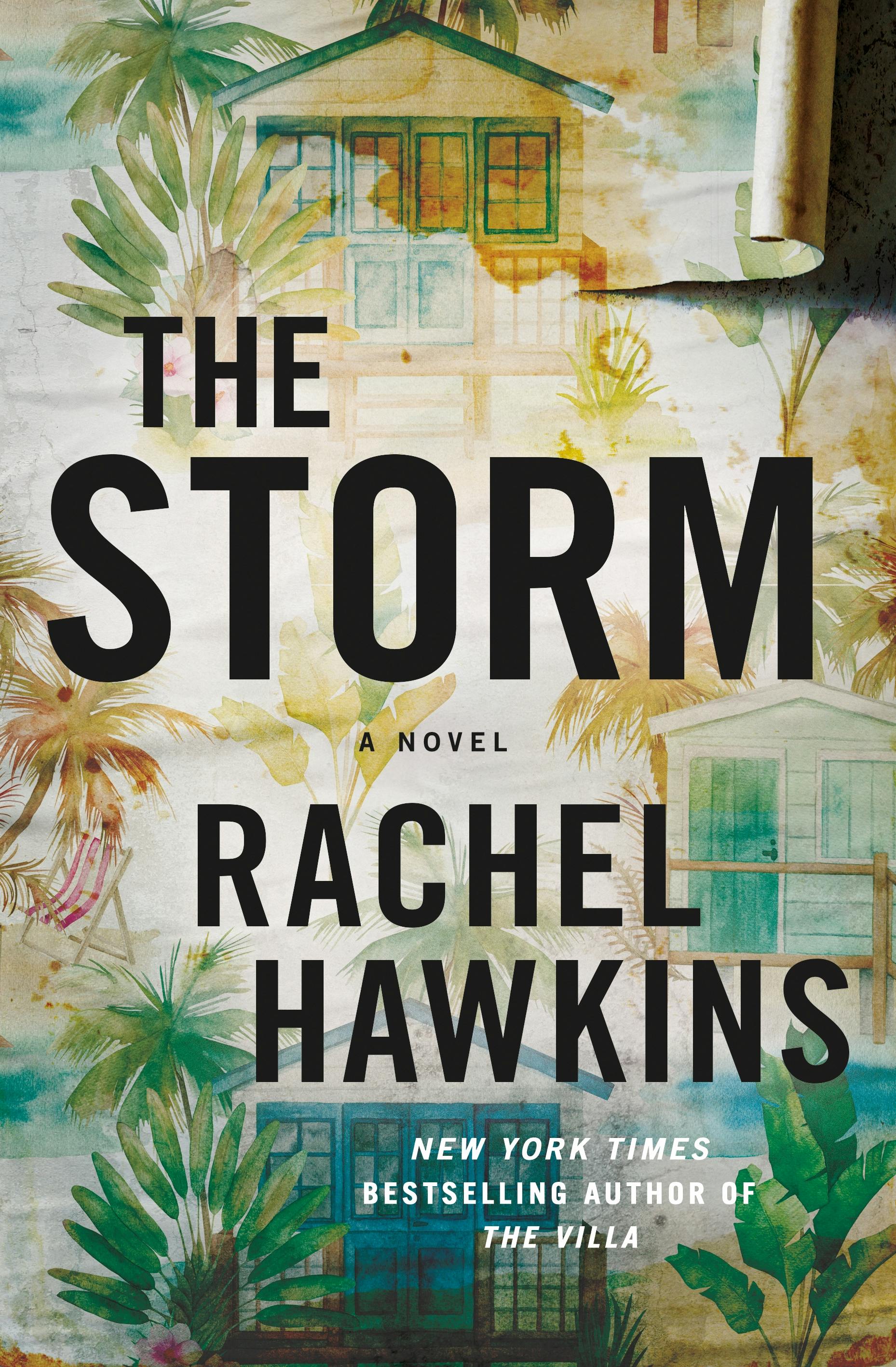
A southern thriller, The Storm takes place in St. Medard’s Bay, a coastal town in Alabama known for its summer beach vibes but also for the deadly hurricanes that regularly hit its shores. In 1984, during one such monster storm, a politician’s son named Langdon Fitzroy was killed, his body found washed up in the aftermath with his skull caved in. Still, despite these circumstances, some claimed that it was in fact murder that took his life, with suspicion falling on his barely legal mistress at the time, a local girl named Lo Bailey. What followed next was a very public trial that gripped the nation, but without solid evidence to convict, Lo walked away a free woman.
In the present day, Geneva Corliss is the proprietor of St. Medard’s historic Rosalie Inn, a beloved mainstay which has seen plenty of ugly hurricanes over the decades yet somehow managed to survive them all. But now, business is struggling, and if things don’t turn around soon, bankruptcy might be what finally takes the inn down. Then all of a sudden, a welcome reprieve arrives in the form of August Fletcher, a true crime writer who reserves a long-term stay at the Rosalie while doing research for his work. To Geneva’s surprise though, August shows up at check-in with an unexpected guest in tow, none other than Lo Bailey herself. The one-time murder suspect is traveling with the author as a consultant on his new book about the death of Langdon Fitzroy, which she claims will clear her name once and for all.
However, even after all these years, Lo’s return immediately stirs up old resentment in a town with a very long memory. At the same time, Geneva can’t help but be drawn to August and the subject of his research, which begins to uncover unsettling truths about the town she thought she knew and the inn that has been in her family for generations.
What I love about Hawkins’ writing is how readable and immersive her prose is, which makes her books incredibly addictive. Her last two novels, The Heiress and The Villa, impressed me with how vividly she brought their settings to life, from a secluded estate high up in the Blue Ridge Mountains to a luxurious Italian summer home in sun-soaked Tuscany, respectively. She works that same magic again in The Storm, this time turning the cozy beach town of St. Medard’s Bay into a setting that feels just as deeply involved and alive. It’s a charming slice of coastal paradise on one hand, but on the other, it can feel oppressive for those left behind once the summer crowds disappear, forced to weather the storms that come with each hurricane season.
The storytelling is also quite unique, relying on multiple timelines and character POVs to form a framework made up of different sections tied to specific named hurricanes, reinforcing the idea that destruction and heartache come to this town in cycles. Flashbacks and excerpts from letters and various documents are used to reveal new information and clues, allowing readers to draw connections between people and places across the two time periods. While sometimes it can get a little confusing, not to mention the occasional plot twist that is just so out there that it strains credibility, on the whole, I felt it was worth a few leaps of logic and some suspension of disbelief.
Overall, The Storm was a solid Rachel Hawkins novel. The audiobook also deserves a special mention, with its use of several narrators which does wonders for immersive listening and makes the multiple shifts between timelines and perspectives so much easier to follow. I had a blast with the story, and even a certain predictable plot twist couldn’t bring me down. Recommended if you enjoy slow-burn suspense and mysteries with simmering tension.
Best of 2025 and The Year in Review
Posted on December 31, 2025 20 Comments
Overall, 2025 was a good year, but like all years it had its ups and downs. I will say though, the changes to the blog I implemented this year has led to a happier and a less neurotic me (okay, maybe still very neurotic) due to a more casual posting schedule. Sometimes I still wish I was doing all the book tags, challenges, and weekly meme posts that I used to do, but then I remind myself that shifting to mainly reviews has allowed me more time to actually read. And we all know that TBR pile never gets smaller, only grows.
But of course, I will always make time for an end-of-year post where I look back at the last twelve months and do a roundup of my favorite reads! This is always one list I look forward to doing, as it lets me see all the reading I’ve accomplished in the past year and also relive the books that stood out the most. As usual, I’m going to highlight each genre category and all the titles in it that I loved.
Fantasy
Fantasy is always one of my favorite genres to read, and this year delivered no shortage of unforgettable stories from the epic and mythological to the paranormal and historical.
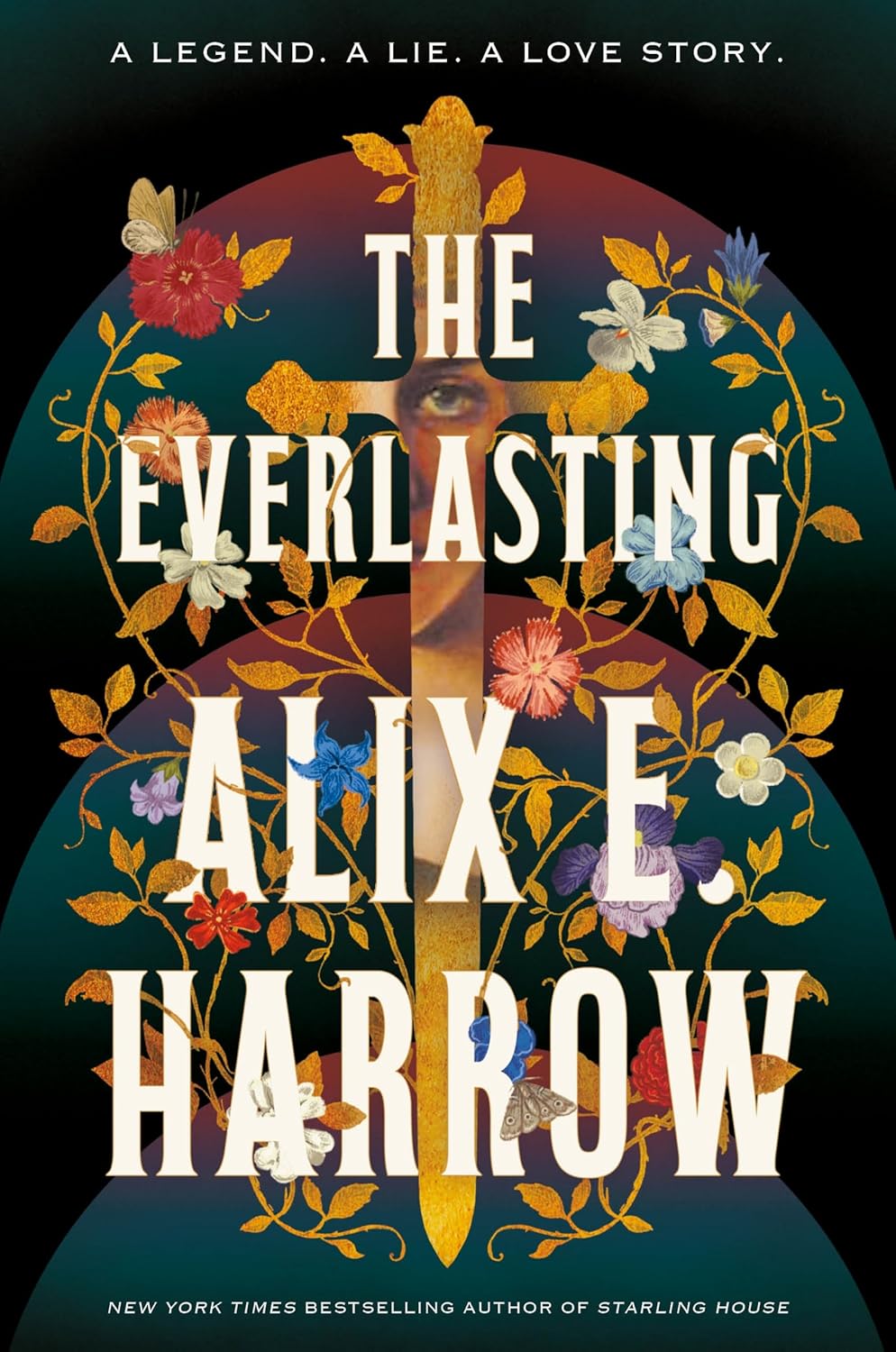

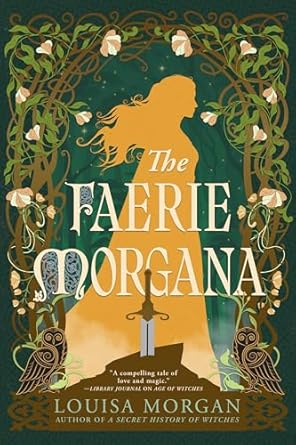


Romantasy
With the romantasy genre having exploded in popularity in 2025, I think it’s earned itself a brand new category on my list this year. As with any oversaturated market though, there were plenty of so-so entries, but these are the ones that stood out.


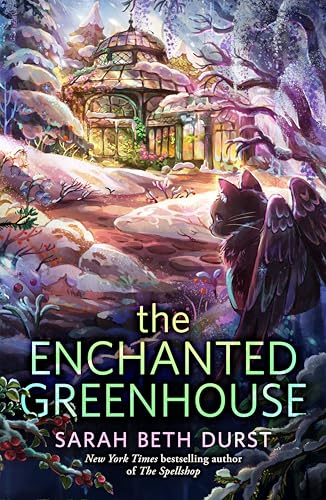

Science Fiction
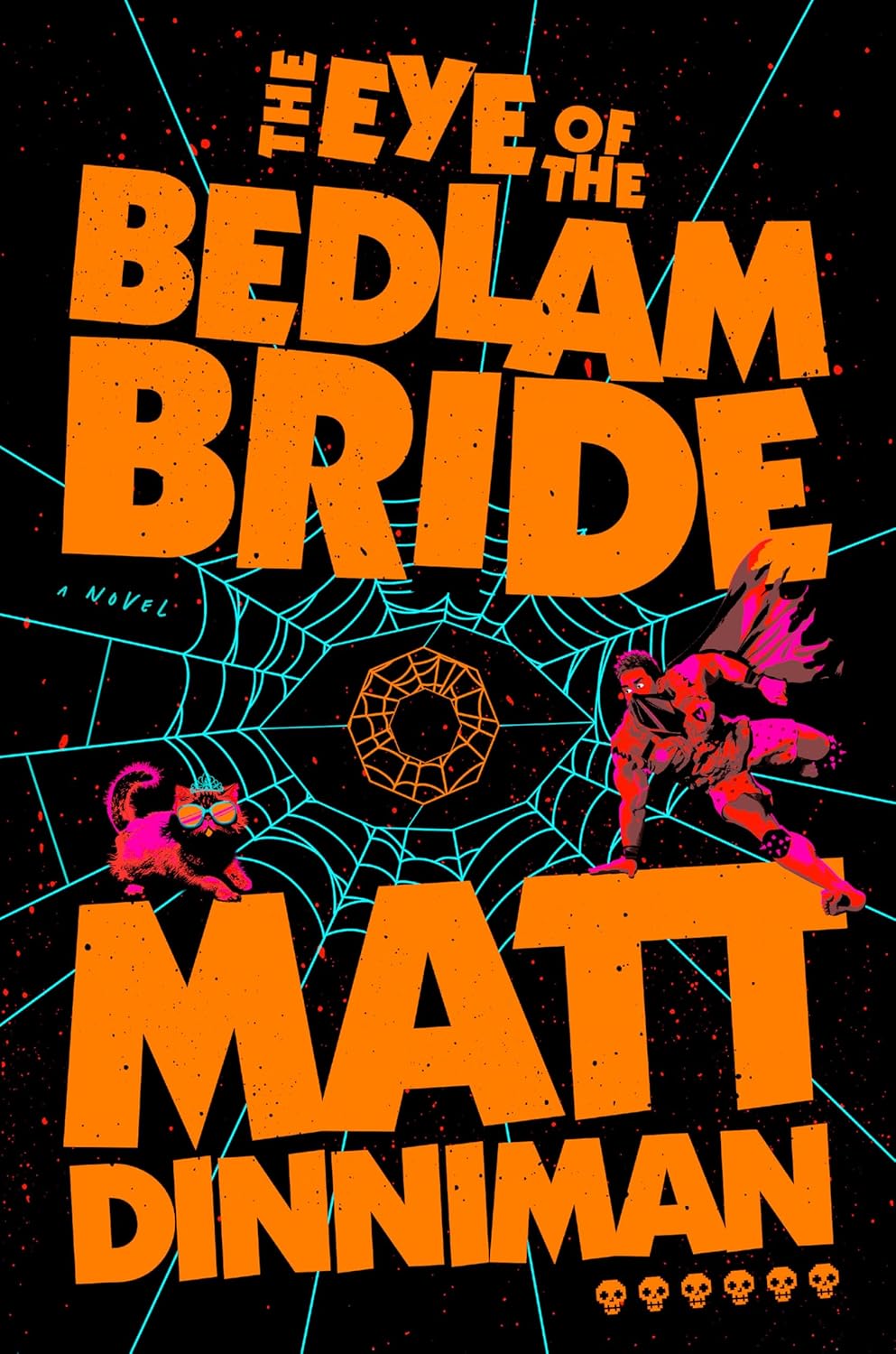
Science fiction once again underperformed for me this year, and I can only hope we’ll see a bit of a genre renaissance soon. Until then, there’s still the Dungeon Crawler Carl series to satisfy my aliens and sci-fi fun fix.


Horror
Horror continues to be one of my most reliable genres, featuring diverse themes and stories that keep things interesting. These books are a reminder of why I keep coming back for more.


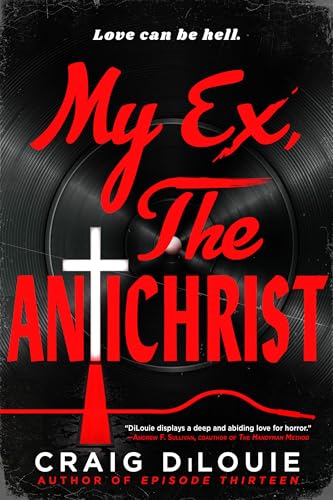


Mystery & Thriller
I’ve been exploring more mysteries and thrillers lately, though much of it tends to blur together with familiar formulas. These are the books that managed to break the mold.

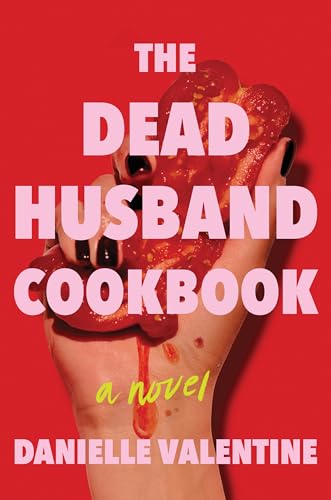

Young Adult
My YA reading has dwindled to almost nothing this year, with only three titles on my “read” shelf. Still, one of them made the best-of list, which is always my favorite kind of surprise.

Nonfiction
This year, I also started picking up some nonfiction books purely for fun, interest, and learning. While I don’t usually review these, I’ve included these recommended titles for being particularly well researched and engagingly written.


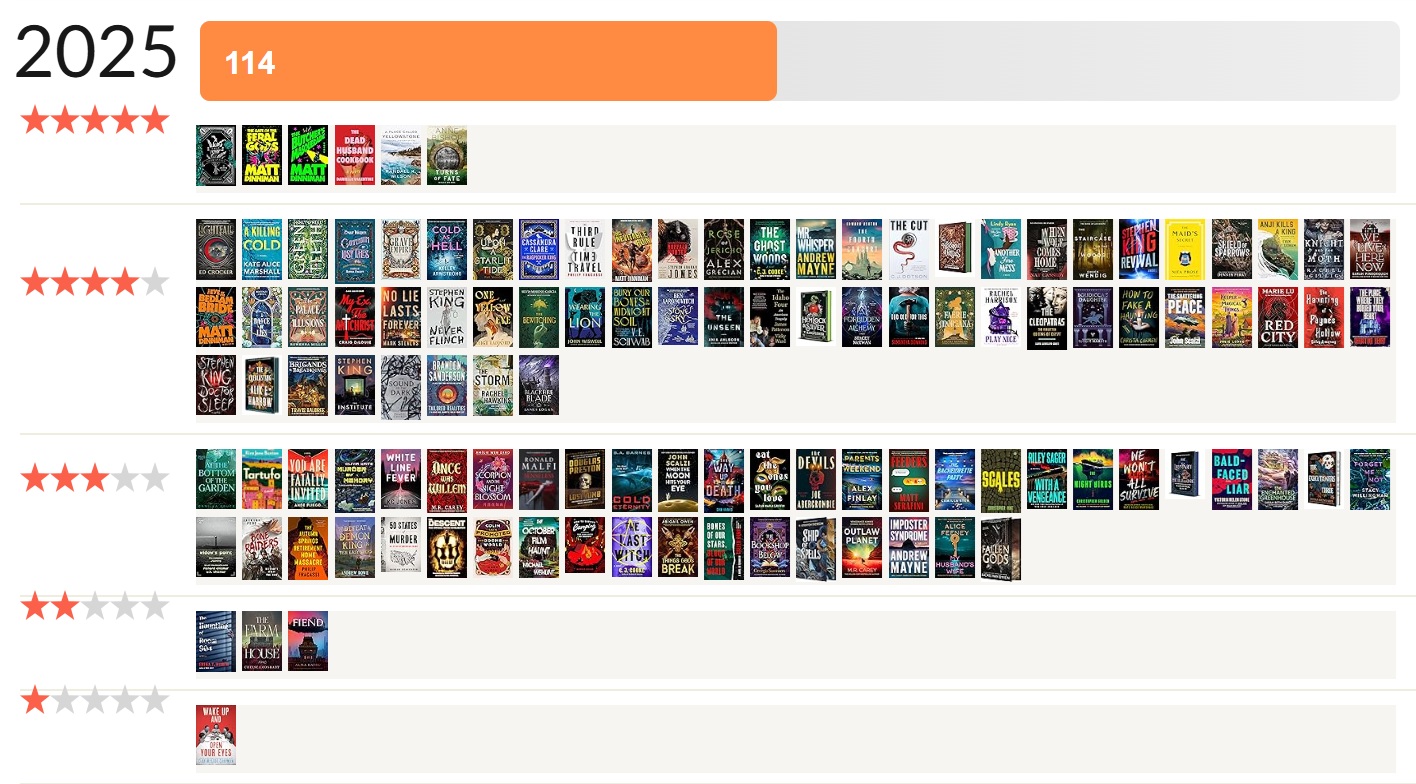
And now, on to the Goodreads stats! First, I crushed my GR reading challenge, which I always set at 100 books a year. This also lines up perfectly with my current goal of averaging two reviews a week.

Last but not least, the pretty Year in Books collage! Happy new year, everyone!
More on The BiblioSanctum:
Best of 2014 and The Year in Review
Best of 2015 and The Year in Review
Best of 2016 and The Year in Review
Best of 2017 and The Year in Review
Best of 2018 and The Year in Review
Best of 2019 and The Year in Review
Best of 2020 and The Year in Review
Best of 2021 and The Year in Review
Best of 2022 and The Year in Review
Best of 2023 and The Year in Review
Best of 2024 and The Year in Review
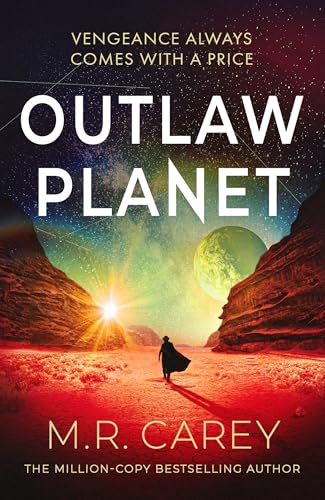
Book Review: Outlaw Planet by M.R. Carey
Posted on December 27, 2025 12 Comments
I received a review copy from the publisher. This does not affect the contents of my review and all opinions are my own.
Mogsy’s Rating: 3.5 of 5 stars
Genre: Science Fiction
Series: Stand Alone
Publisher: Orbit (November 18, 2025)
Length: 465 pages
Author Information: Website | Twitter
There was a time when picking up a new M.R. Carey novel was almost always a safe bet for me, but admittedly his work in recent years has been more hit-or-miss. That said, this is because he’s always pushing himself to try new ideas, which I admire, even when it doesn’t always click for me as a reader. His sci-fi in particular has grown increasingly cerebral and info-dense, packed with mind-blowing concepts that I can still appreciate on an intellectual level while struggling with the reading experience itself.
Outlaw Planet is once again Carey taking a big swing at something different, this time a genre mashup blending space opera and classic Western into a story that’s ambitious and strange, interesting even if it didn’t always hold my attention. As a note, while the novel is technically set in the same universe as his Pandominion books, it works perfectly well as a standalone, and no prior knowledge is required to jump right in. The sentient, bipedal characters featured here are animal-descended beings evolved from various Earth mammals in different parallel worlds, and the plot focuses primarily on Elizabeth Indigo Sandpiper, a canid-descended schoolteacher who journeys far from home to settle in a rough fronter town on the edge of the State’s Union. But when a brutal raid destroys her home and kills the woman she loves, Elizabeth joins a rebellion force, becoming the feared and infamous outlaw known as Dog-Bitch Bess.
Alongside Bess’s journey, the novel also introduces a second thread occurring in another timeline that follows Vel Esten, a military engineer involved with a Pandominion strike team that gets stranded on an unfamiliar world whose inhabitants are being enslaved and subjected to terrible experimentation. Our two storylines eventually converge, as Bess picks up an unlikely traveling companion in the form of sentient weapon of mysterious origin. Calling itself Wakeful Slim, the “smart gun” soon proves to be both the outlaw’s most powerful and faithful ally as well as one of the most intriguing aspects of the book.
As the author gradually pulls together the connections between his story threads and characters, they reveal a bigger picture with much to say about the hardships and injustices of a world caught in a forever war. A lot of this is accomplished through the world-building, portraying the setting as a harsh product of its history marked by centuries of colonialism and slavery. Its inhabitants are described as anthropomorphic animals, though their behaviors, motivations, and personalities are so similar to ours they might as well be humans. Not surprisingly, given the book title, Western tropes also abound with an overall sense of lawlessness with bandits, gunslingers, and dusty frontier towns.
That said, the sheer amount of content to digest means Outlaw Planet is not an especially fast or light read. The pacing is mixed, with some parts coming at you fast in erratic bursts while others drag, particularly the middle stretch when readers are still trying to figure out how everything is related. During those sections, there’s not much happening on the page while big movements are unfolding beneath surface. If it weren’t for the characters, I might have thought about putting this one aside, but Bess proved emotionally engaging enough that I felt invested in what happens to her. Every time we returned to her perspective, I felt invigorated again with my interest in the story renewed. Carey does a careful and meaningful job of showing Bess’s transformation through the different stages of her journey, and her relationship with Wakeful Slim manages to become humorous and unexpectedly moving all at once without it feeling gimmicky.
In the end, Outlaw Planet didn’t always hold my attention as strongly as I’d hoped, but it made up for that with some big ideas and standout characters. While it’s not even close to being my favorite novel by M.R. Carey, it’s also a solid and memorable one from him that I enjoyed. It’s perfect for readers looking for unique genre mashups and stories that aren’t afraid to explore some heavy, uncomfortable themes. As long as you’re prepared and willing to power through some slow moving bits, this book is an adventure worth checking out.



 The BiblioSanctum