Waiting on Wednesday 05/02/18
Posted on May 2, 2018 16 Comments

“Waiting On Wednesday” is a weekly meme that first originated at Breaking the Spine but has since linked up with “Can’t Wait Wednesday” at Wishful Endings now that the original creator is unable to host it anymore. Either way, this fun feature is a chance to showcase the upcoming releases that we can’t wait to get our hands on!
Mogsy’s Pick
Mecha Samurai Empire by Peter Tieryas (September 18, 2018 by Ace Books)
Gamers training to become Mecha pilots to fight Nazis? Sign me up please. Mecha Samurai Empire takes place in the same world as United States of Japan, an alternate history novel described as a spiritual successor to The Man in the High Castle. Haven’t read USJ yet? Fear not, because this is also a standalone focusing on an entirely different part of that universe. I got a surprise ARC this weekend, and I just couldn’t wait to share my excitement with you all!
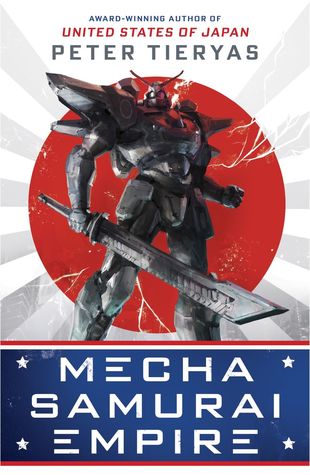 “Makoto Fujimoto grew up in California, but with a difference–his California is part of the United States of Japan. After Germany and Japan won WWII, the United States fell under their control. Growing up in this world, Mac plays portical games, haphazardly studies for the Imperial Exam, and dreams of becoming a mecha pilot. Only problem: Mac’s grades are terrible. His only hope is to pass the military exam and get into the prestigious mecha pilot training program at Berkeley Military Academy.
When his friend Hideki’s plan to game the test goes horribly wrong, Mac washes out of the military exam too. Perhaps he can achieve his dream by becoming a civilian pilot. But with tensions rising between Imperial Japan and Nazi Germany and rumors of collaborators and traitors abounding, Mac will have to stay alive long enough first…”
#FearlessWomen: Celebrating Women’s Voices in Speculative Fiction
Posted on May 1, 2018 17 Comments
The BiblioSanctum is pleased to announce that starting this month, we’ll be joining many others in the blogosphere as participants in Tor’s #FearlessWomen program to celebrate women’s voices in speculative fiction, so we’re here to spread the word far and wide! Here’s a brief description from the publisher’s website:
Women are shining in every genre of speculative fiction, and it is no longer enough to say “Women are here.” Instead, #FearlessWomen everywhere are taking a stand to say “Women will thrive here.”
Beginning this summer, meet a new generation of #FearlessWomen who are shaping new blockbuster worlds—and re-shaping our own. Highlighting major titles from bestselling authors V. E. Schwab, Sherrilyn Kenyon, Jacqueline Carey as well as titles from acclaimed and debut authors such as Mary Robinette Kowal, Tessa Gratton, Sam Hawke, and Robyn Bennis, #FearlessWomen will be a celebration encouraging fans to start a dialogue about women in publishing, their worlds, their voices, and their unique stories.
So, beginning next week through to the end of summer, keep your eyes peeled for the #FearlessWomen banner and tag as we highlight tons of fun and exciting new books coming your way, along with cool stuff like reviews and exclusive excerpts. The year is just starting to heat up, so be on the look out for these upcoming titles and mark down their release dates!
Death Doesn’t Bargain by Sherrilyn Kenyon – May 8, 2018
By Fire Above by Robyn Bennis – May 15, 2018
Vicious by V.E. Schwab – May 29, 2018
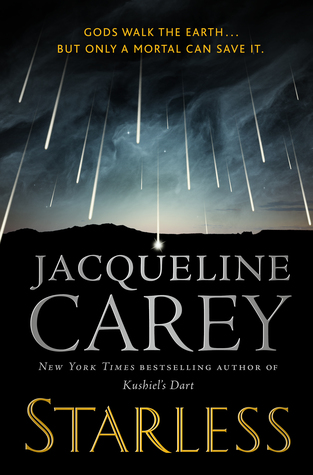
Starless by Jacqueline Carey – June 12, 2018
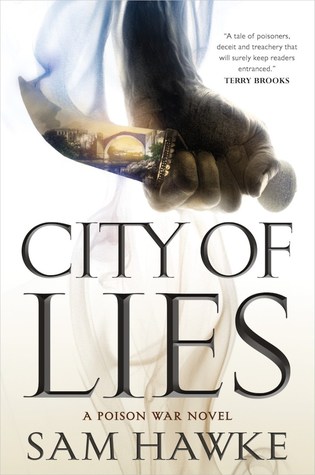
City of Lies by Sam Hawke – July 3, 2018
The Calculating Stars by Mary Robinette Kowal – July 3, 2018
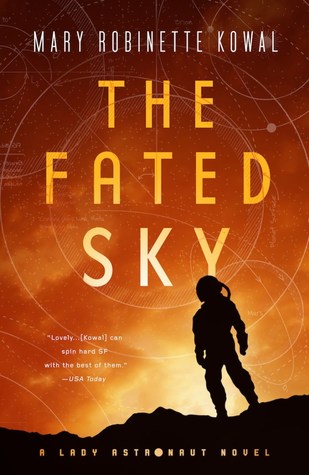
The Fated Sky by Mary Robinette Kowal – August 21, 2018



And that’s not all! Be sure put these additional #FearlessWomen titles on your radar, which we’ll be seeing in Fall 2018:
The Phoenix Empress by K. Arsenault Rivera
City of Broken Magic by Mirah Bolender


Book Review: Only Human by Sylvain Neuvel
Posted on April 30, 2018 24 Comments
I received a review copy from the publisher. This does not affect the contents of my review and all opinions are my own.
Mogsy’s Rating: 3.5 of 5 stars
Genre: Science Fiction
Series: Book 3 of Themis Files
Publisher: Del Rey (May 1, 2018)
Length: 336 pages
Author Information: Website | Twitter
What a crazy ride it’s been. Only Human is the third book of the Themis Files trilogy, bringing an end to a saga that first began in Sleeping Giants, where as a child, protagonist Rose Franklin quite literally stumbled upon a discovery of a lifetime. While exploring the woods near her home in Deadwood, South Dakota, she accidentally fell into a square hole in the ground containing what was later identified as the hand of a giant metal robot. Fast forward many years, and the world has now become a very different place, with humanity hovering on the brink of war against an unstoppable alien threat. A lot has clearly happened, and if you’re not caught up on the series yet, be aware that this review will contain plot details from the first two books.
First of all, it has been nine years since the end of the second volume, Waking Gods, which left us with one hell of cliffhanger as the giant robot Themis (carrying Rose Franklin, Vincent Couture, his 10-year-old daughter Eva, and General Eugene Govender inside at the time) was suddenly and inexplicably transported to another world. In Only Human, we find out exactly where they went, as well as what exactly happened in the intervening years.
Once again, the story is presented as a collection of mostly journal entries, transcribed interviews or recordings, letters and other forms of personal communication, etc. so by now the format feels very familiar. The greatest challenge the author had to overcome in this book, however, was the establishing of two timelines—one taking in the present, the other filling in the events of the last nine years—and there’s even the problem of a language barrier to consider this time. The book begins with the return of Rose, Vincent, Eva, and a fourth mysterious passenger, as Themis suddenly shows up again on Earth following its almost decade-long disappearance. Many of us had guesses as to where Themis ended up, I think, and sure enough, we soon get confirmation that the characters had been transported the giant robot’s homeworld, Esat Ekt.
As you would imagine though, spending nine years anywhere, let alone on an alien planet, would be enough to change anyone. Upon their return, both Rose and Vincent are shocked at what life has become on Earth, and Eva, now nineteen years old and who had spent most of her formative years living among the Ekt, is having a particularly hard time adjusting. They’re also being detained by the Russian government (because Themis reappeared in Russian territory), who are pressuring them to give up all the deets: Are the aliens coming back? Do they still want war with Earth? How do we fight them?
Except, of course, the aliens aren’t at all what we’ve been led to believe. They’re actually kind of a mess. In some ways, they’re even more clueless than humans, despite being lightyears ahead of us in technology. It made this somewhat of a dreary read because I spent most of it feeling pissed off at everyone, Ekt and human alike. The universe is apparently full of jerks. And if an advanced alien race capable of creating gargantuan robots that can disintegrate mountains in an eyeblink can’t even get it together, then what chance do we have? I also found myself annoyed with the characters, many of whom came across as sanctimonious, selfish, and careless. In a world where conditions have devolved so far, pitting countryman against countryman, friend against friend, daughter against father…at one point I asked myself if I would even care how this ended. It was just too depressing.
Thankfully, the plot took a turn for the better in the second half. It made me see how things were meant to fit together. I now understand that much of the conflict was meant to set up the events of the last hundred pages or so, in order to have the ending feel that much more satisfying and emotionally impactful.
That said, there were still a few things I wished this final novel did differently. For one, I wanted a lot more about the aliens. The limited information we received about the Ekt was sorely disappointing, considering our protagonists were on their planet and stayed among them for nine whopping years. Also, there were a couple downsides to the epistolary format that I confess still sort of bug me even after three books. It’s just hard to buy into the whole oral dictation angle when so many scenes in the story that are not conducive to carrying a recorder around, conveniently capturing all our characters’ conversations about their thoughts and reporting exactly what they are doing. There are still plenty of these awkward moments, with the trade-off being realism and immersion.
I don’t want to sound too negative, however. I did have a lot of fun with this book—with all three books, in fact. Given the complex nature of this series, Sylvain Neuvel had his work cut out for him, and that’s on top of dealing with obstacles that challenge all new authors. A few minor hiccups notwithstanding, I have to say he managed to pull off his debut trilogy marvelously, sparking imaginations and offering action-packed entertainment along the way. The Themis Files is a masterful storytelling experience, one I will not soon forget.


More on The BiblioSanctum:
Review of Sleeping Giants (Book 1)
Review of Waking Gods (Book 2)
“Can’t Wait” Books of Mid-2018
Posted on April 29, 2018 37 Comments

Lists. I love them! It’s fun to organize my reading and they also have the added benefit of focusing my attention to the “must-read” releases that I’m very excited to check out. After the list I made for “Early 2018”, I’ve decided to do it again for Mid-2018. So, without further ado, time now once more to geek out over these Science Fiction and Fantasy titles that are set to come out over the next few months, as we keep marching on ahead towards perfect beach-reading weather. Not sure how I’ll find the time to get to all of these, but uh, um, I’ll figure out a way…somehow. What’s on your mid-2018 TBR?
May
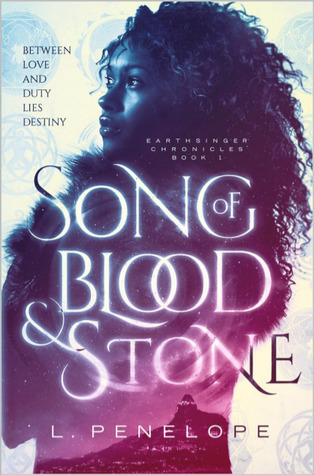


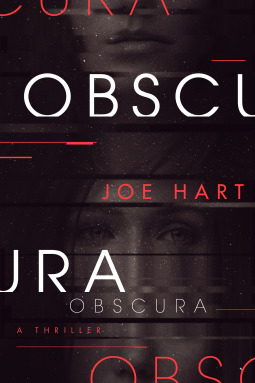
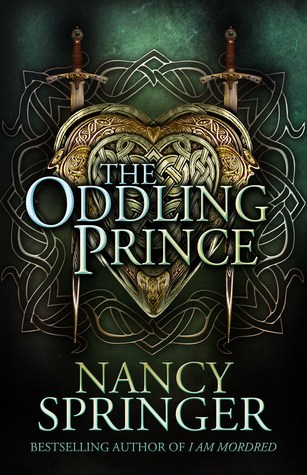


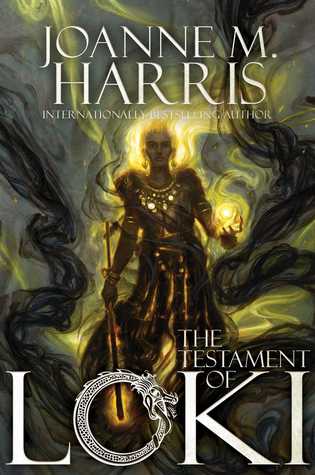
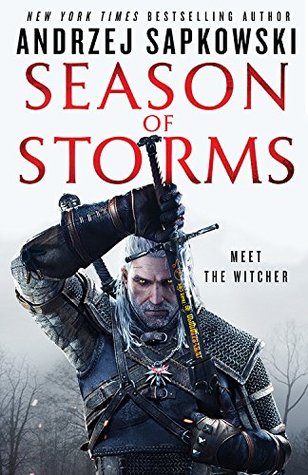


May 1 to May 7 – Song of Blood & Stone by L. Penelope, The Poppy War by R.F. Kuang, Only Human by Sylvain Neuvel, The Smoke Thieves by Sally Green
May 8 to May 14 – Blood Orbit by K.R. Richardson, Artificial Condition by Martha Wells, King of Ashes by Raymond E. Feist, Obscura by Joe Hart
May 29 to May 31 – LIFEL1K3 by Jay Kristoff
June


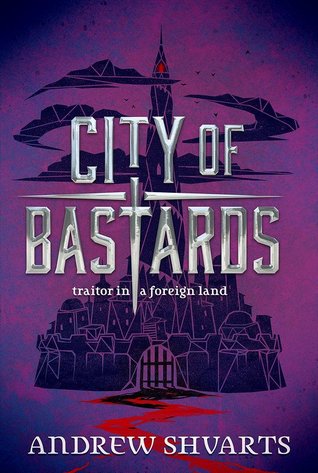






June 1 to June 11 – Bring Me Their Hearts by Sara Wolf, The Memory of Fire by Callie Bates, City of Bastards by Andrew Shvarts, Brief Cases by Jim Butcher
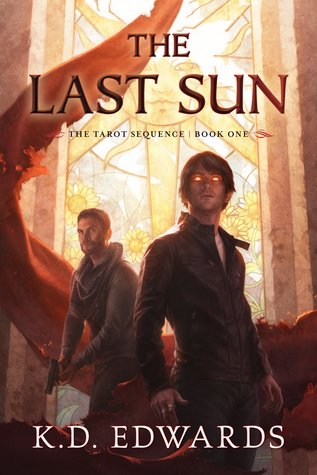
June 12 to June 18 – World of Warcraft: Before the Storm by Christie Golden, The Last Sun by K.D. Edwards, Starless by Jacqueline Carey
June 19 to June 25 – The Mermaid by Christina Henry
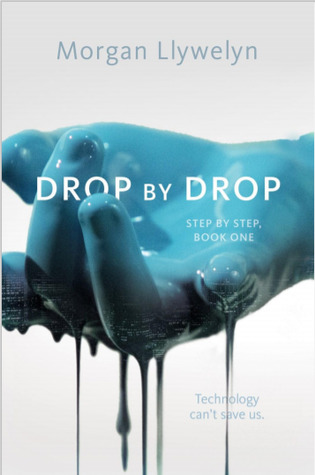
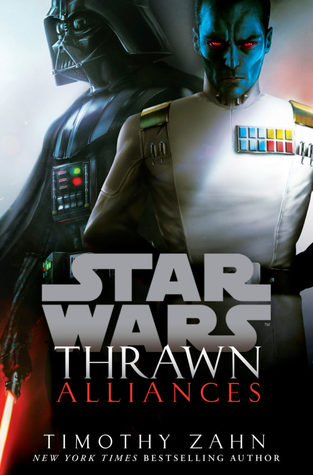
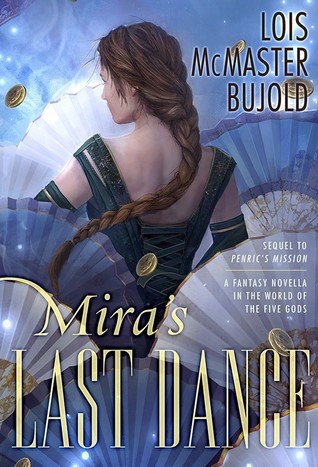
June 26 to June 30 – Trail of Lightning by Rebecca Roanhorse, Drop by Drop by Morgan Llywelyn, Devil Sharks by Chris Jameson, The Cabin at the End of the World by Paul Tremblay, Star Wars: Thrawn: Alliances by Timothy Zahn, Mira’s Last Dance by Lois McMaster Bujold
July

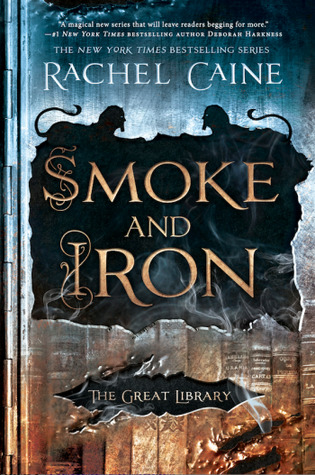



July 1 to July 9 – Age of War by Michael J. Sullivan, Smoke and Iron by Rachel Caine, City of Lies by Sam Hawke
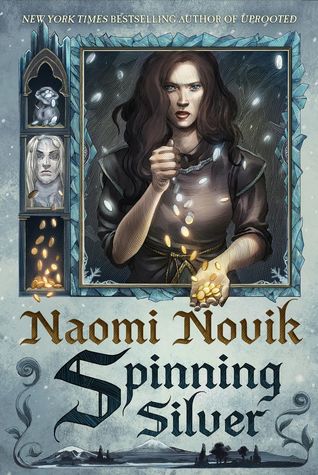
July 10 to July 16 – European Travel for the Monstrous Gentlewoman by Theodora Goss, Spinning Silver by Naomi Novik
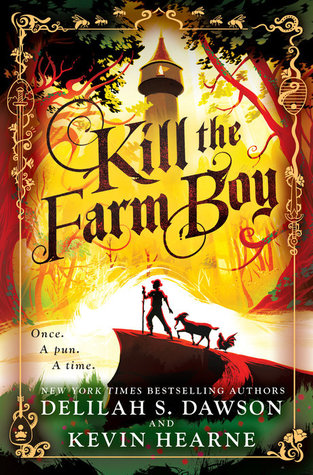
July 17 to July 23 – Kill the Farm Boy by Delilah S. Dawson and Kevin Hearne, Competence by Gail Carriger, Mystic Dragon by Jason Denzel
July 24 to July 30 – Record of a Spaceborn Few by Becky Chambers
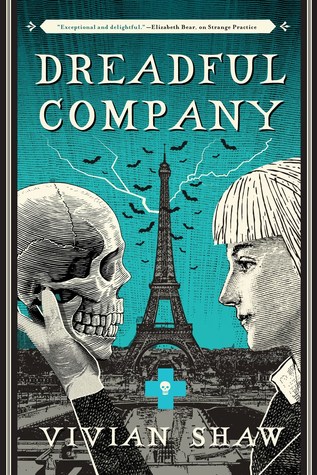
July 30 – Dreadful Company by Vivian Shaw
August
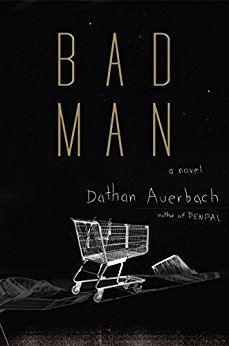
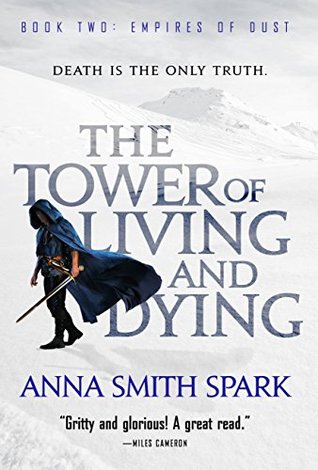
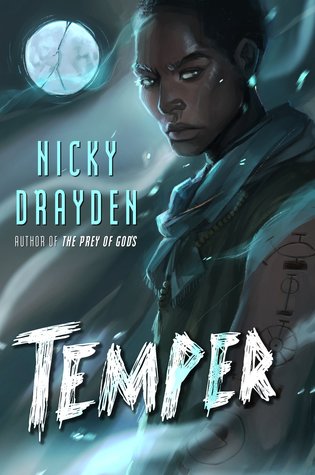


August 1 to August 13 – Bad Man by Dathan Auerbach, The Tower of Living and Dying by Anna Smith Spark, Temper by Nicky Drayden
August 14 to August 20 – The Winter of the Witch by Katherine Arden
August 21 to August 27 – Foundryside by Robert Jackson Bennett
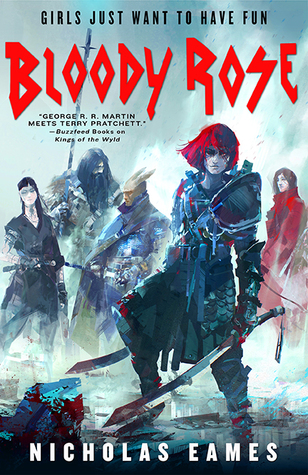
August 28 to August 31 – Bloody Rose by Nicholas Eames
Audiobook Review: The Shape of Water by Guillermo del Toro and Daniel Kraus
Posted on April 28, 2018 21 Comments
I received a review copy from the publisher. This does not affect the contents of my review and all opinions are my own.
 The Shape of Water by Guillermo del Toro and Daniel Kraus
Mogsy’s Rating (Overall): 4 of 5 stars
Genre: Fantasy, Romance
Series: Stand Alone
Publisher: Macmillan Audio (March 6, 2018)
Length: 13 hrs and 27 mins
Author Information: Website | Twitter
Narrator: Jenna Lamia
Described as one half of a “bold two-tiered release”, The Shape of Water is the companion novel to the Guillermo del Toro film of the same name. But what exactly does this mean? Curiosity piqued, I decided to do some digging around, and found out that the idea for a story about a mute woman falling in love with an imprisoned river monster actually came to author Daniel Kraus when he was a teenager. In the years that followed, he continued to incubate the concept, until a meeting with del Toro became the spark that motivated Kraus to finally write the novel. The director also expressed interest in turning the idea into a movie, and so, both projects went forward at the same time while the two creators kept in touch. Eventually though, Kraus decided he wanted to finish his book without knowing any more about the film, so at that point both author and director agreed to each proceed with their own individual interpretation of the story.
As a result, while there are many similarities between the movie and novel, there are quite a few differences as well. The key elements, however, are the same: the setting is 1962 Baltimore, at the height of the Cold War; the protagonist is Elisa Esposito, a woman who has been mute her whole life; and the conflict begins when Elisa, working as a night janitor at the Occam Aerospace Research Center, meets and falls in love with the laboratory’s top secret asset—an amphibious man captured from the Amazon.
From the moment Elisa first laid eyes on him, she was enraptured by his terrifying beauty. He was worshipped as a god where he came from, but now he is a prisoner and an experiment to be studied for Cold War advancements. Day after day, he is tormented by Richard Strickland, the soldier who spent nearly two years hunting rumors of a “fish man” through the South American rainforest before he finally caught up with his prey. At the research center, Elisa is the only person who shows the creature any kind of compassion, secretly teaching him sign language so the two of them can communicate. Later, when Strickland’s plans to dissect the amphibious man come to light, Elisa and her friends risk everything to save her beloved with the help of an impassioned scientist who is also an undercover Russian spy.
I opted to watch the movie before tackling this book—a decision I’m glad I made, because I think it helped me understand and appreciate the story more fully once I experienced both mediums in this order. There are differences between them, but not really so much that calling this one a novelization would be wholly inaccurate, since after all, both film and book follow the same basic plotline and events. And yet, what I got here also turned out to be much more than what I watched on screen. One major difference comes to light right off the bat, with the book opening on Strickland’s POV as he makes his trek through the Amazon jungle trying to capture the river creature. The novel definitely gives us a more well-rounded picture of the story’s villain—not enough to get us to truly sympathize with him perhaps, but these early chapters do go a long way in explaining why he might be so messed up. The second major difference in the book version is the subplot involving Strickland’s wife Lanie, whose character was almost a non-entity in the film. In contrast, she is a powerful presence in the novel, her sections adding a great deal of depth to the story by expanding the narrative beyond the events taking place at Occam.
Other than that, the characters and their roles are generally very similar between both versions. Readers do get to enjoy a few extra perks in prose form, however, namely being able to get into the heads of the characters, thus gaining more insight into their thoughts and emotions. Supporting personalities like Zelda, Giles, and Mr. Hoffstetler were all better developed, and once or twice, we even get brief glimpses into the mind of the amphibian man himself. Since neither he nor Elisa could speak in the film, audiences were limited with regards to the interpretion of what the characters were thinking or feeling, but this was obviously not an issue in the book where readers were actually able to experience the story from their perspectives.
The writing was also beautiful, and there were definitely a few scenes in this tale where only the written format could do them justice. Unfortunately, those were not the love scenes, which, as some other reviewers have already pointed out, were dismally bad. To be fair though, I was never too keen on the romance to begin with; Elisa’s character always struck me as too guileless and practically childlike, while the narrative kept driving home the point that the creature was at his core an animal. With these images in mind, thinking about the two of them together simply became a little too disturbing and off-putting.
Still, narratively speaking, overall The Shape of Water was a fascinating and worthwhile journey. Although I was unable to enjoy the romance on an emotional level, I nonetheless felt a connection with many of the characters, and the premise itself appealed to my sense of wonder and imagination. I would highly recommend this book if you enjoy character-driven stories with a touch of the uncanny and fantastical, or if you are interested in the subgenre many have come to describe as fairy tales for the modern age.
Audiobook Comments: I was quite impressed with the narration by Jenna Lamia, whose lilting voice made for a good fit with this novel. She brought the tale to life with her pitch-perfect tones, accents, and inflections, adding another layer of personality to the characters. It made for a very rich and enjoyable listening experience.

Friday Face-Off: Medieval
Posted on April 27, 2018 30 Comments
Welcome to The Friday Face-Off, a weekly meme created by Books by Proxy! Each Friday, we will pit cover against cover while also taking the opportunity to showcase gorgeous artwork and feature some of our favorite book covers. If you want to join the fun, simply choose a book each Friday that fits that week’s predetermined theme, post and compare two or more different covers available for that book, then name your favorite. A list of future weeks’ themes are available at Lynn’s Book Blog.
This week’s theme is:
“Those darling byegone times… with their delicious fortresses, and their dear old dungeons, and their delightful places of torture”
~ a cover that is MEDIEVAL
Mogsy’s Pick:
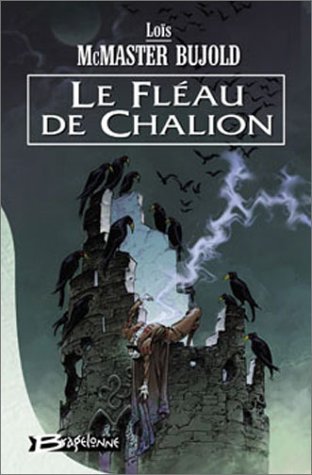
The Curse of Chalion by Lois McMaster Bujold
I can’t help it; when I think of the Medieval period, I also always think castles. Hence, this week I decided to feature The Curse of Chalion (one of my favorite books ever), whose covers seem to be chock-full of these symbols of the Middle Ages.
Not surprisingly, since it’s also considered one of Bujold’s most celebrated fantasy novels, there are a LOT of editions. While I’ve already weeded out some of the more unappealing covers, we’re still left with a bunch this week. Here they are:
From left to right, top to bottom:
Eos (2001) – Eos (2006) – Voyager (2003)
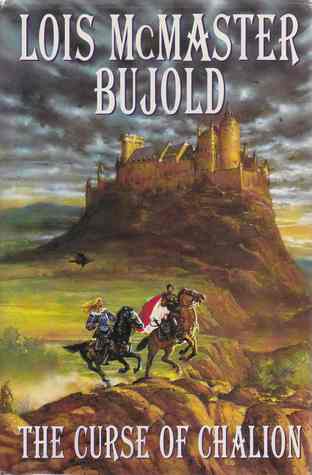

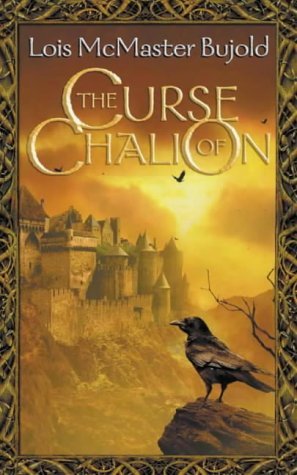
HarperTorch (2002) – Blackstone Audio (2004) –Italian Edition (2003)
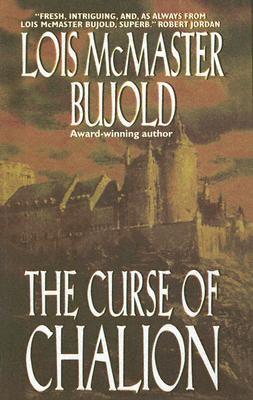
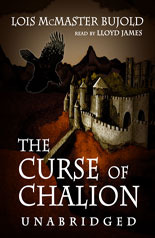

Bulgarian Edition (2003) – French Edition (2003) – French Edition (2016)

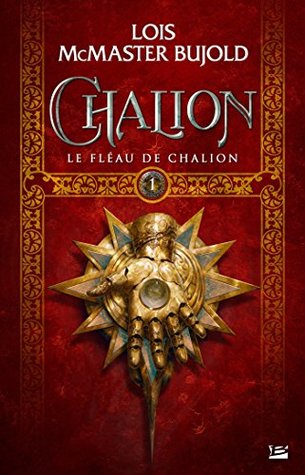
Spanish Edition (2003) – Spanish Edition (2005) – German Edition (2005)

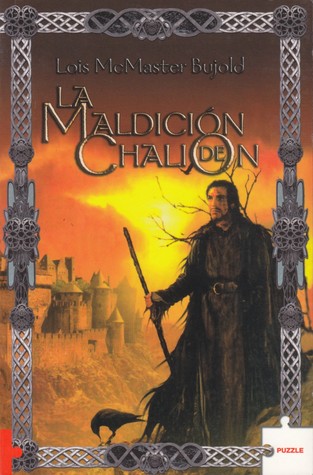
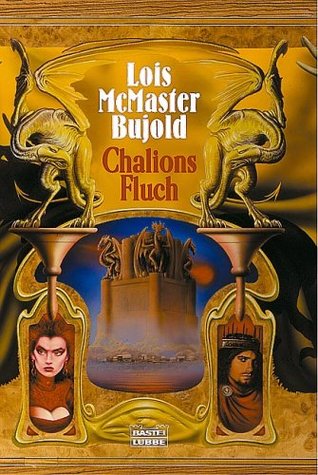
Czech Edition (2005) – Chinese Edition (2007) – Croatian Edition (2013)

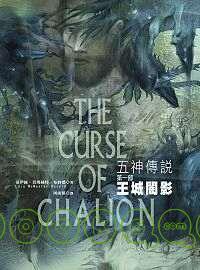

Winner:
There are quite a few covers here I hadn’t seen before, and there are several of them I like a lot. But then I wondered, how much of this is because of the novelty? Sure, I may enjoy the art style of the French (2003) edition, or the surrealism of the Croatian (2013) cover. But at the end of the day? While it may be seen as the “safe” choice, there’s no denying that timelessness and classic styles reign supreme.
But what do you think? Which one is your favorite?
Audiobook Review: Star Wars: Last Shot by Daniel José Older
Posted on April 26, 2018 20 Comments
I received a review copy from the publisher. This does not affect the contents of my review and all opinions are my own.
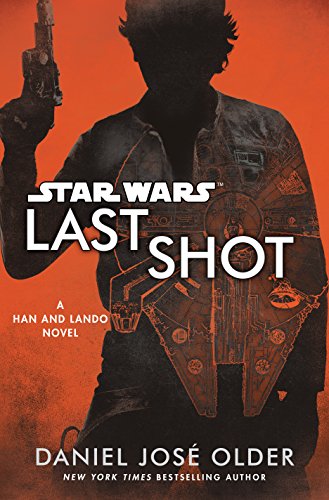 Star Wars: Last Shot by Daniel José Older
Mogsy’s Rating (Overall): 3.5 of 5 stars
Genre: Science Fiction, Media Tie-In
Series: Star Wars Canon
Publisher: Random House Audio (April 17, 2018)
Length: 11 hrs and 11 mins
Author Information: Website | Twitter
Narrator: Marc Thompson, January LaVoy, Daniel José Older
As the time draws nearer for the release of Solo: A Star Wars Story to hit theaters, in true Star Wars merchandising fashion, there’s a media tie-in novel available just in time to prime you for the movie experience. Star Wars: Last Shot is something of a “then and now” story, with the focus on our two favorite scoundrels in the galaxy, Han Solo and Lando Calrissian.
Using the movies as a timeline, this book takes place approximately three years after Return of the Jedi, which means for Han, he’s now married to Leia and the couple has just welcomed little Ben to the family. Despite having lived a life of danger and excitement, however, nothing could have prepared him for the rigors of fatherhood. He’s struggling and not adjusting well at all, and he’s paralyzed with fear by the idea he’s doing everything wrong. Meanwhile, Lando is on Cloud City having his own little “growing up” moment when he finds himself contemplating the idea of settling down with a longtime friend for whom he has been developing deeper feelings. But before this thought can be explored further, the relative peace is shattered by an assassination attempt on his life—by his own trusted protocol droid, no less.
The incident brings Lando fuming to the Solos’ doorstep, demanding explanations for events that happened ten years ago when Han last ran afoul of Fyzen Gor, a mad scientist-like villain who invented a droid-controlling device called a Phylanx Redux Transmitter. Desperately seeking something to take his mind off his situation at home, Han doesn’t need much convincing to pack his things and run off on another adventure with his old friend. The mission: to find the transmitter before Fyzen can use the technology to bend the galaxy to his will. Told with frequent flashbacks to the past, Last Shot chronicles three different eras in our characters’ lives, taking us to a time before the events of Solo (with Lando), as well as the period that occurs between the movie and A New Hope (with Han), before bringing all the threads together in the present storyline.
Even if you’re not a big fan of Star Wars, the words “a Han and Lando story” should make you perk up, and for good reason. Just the mention of these two promises a fun and adventurous experience, which this book delivers. The sections that take place in the past are especially entertaining; here we see our characters as younger and more cocksure men, so full of swagger and confidence. The dialogue is snappy and upbeat, even a little silly in some places, highlighting the “good old days” feel of these flashbacks.
But then there are also the heavier moments scattered throughout the novel. The differences between the present Han and Lando and their younger selves are quite stark, for one, when you consider how the intervening years have affected them both. Han’s struggle with fatherhood is especially heartbreaking, in light of how things turned out with him and Leia and their son, and I can’t help but think what we’re seeing here is a brief glimpse of that rift starting to form as Han’s first instinct is to run away in response to his fear of failure. This version of Han—who loves his family but is nonetheless overwhelmed by the crushing responsibility of being a husband and father—is parsecs away from the young starry-eyed Han with his idealistic notions of romance, as seen in his flirtatious pursuit of Sana. The effect is similar with Lando, whose transition from smooth-talking charmer to someone who thinks he may have finally found “the one” to settle down with is truly quite surprising, even speaking as a reader who has seen the character go through many evolutions going back to the old expanded universe days.
Personally, this aspect of juxtaposing the past and present versions of Han and Lando—showing the different people they’ve become while still staying true to the core of their characters—was my favorite aspect of the novel. I also liked how the story’s conflict raises a lot of interesting issues, many of which have philosophical value or ethical implications, such as the role of droids in the Star Wars universe. By any reasonable definition, droids are people—they have distinct personalities, can form memories, and possess a sense of self-awareness and volition—but they’re not always treated as such, or at least the portrayal of the relationship between droid and organic has not always been consistent. Perhaps, the themes and events in Last Shot will finally set the record straight, as a part of the story focuses on the plight of L3-37, a navigator droid who dreams of rights and freedom for her kind.
But then, there are the things I didn’t like so much about the book. First off, I’m not the biggest fan of flashbacks, and the way this story was structured reminded me exactly why. The constant jumping around can get confusing, not to mention it played havoc with the pacing. As much as I enjoy Daniel José Older’s writing, I also confess I was a bit skeptical when I found out he was working on this book. I’m a fan of the author’s urban fantasy because his style is very well suited to the genre, but I worried that it would not be a good fit for a Star Wars novel. Indeed, in some places, I felt that the prose was far too modern and “real world”, which seriously messed with the immersion. Coming across certain contemporary sayings or slang in the dialogue was extremely cringe-y, and occasionally, the downright goofiness of the writing style would also kill the mood and remove a lot of the gravity from the book’s serious themes.
As such, I would probably put Last Shot in the middle of the scale: nowhere close to the level of my favorite Star Wars reads, but it’s also far from poor. Without a doubt, it’s one of the more entertaining books to come out of the new canon lately, compared to examples like Catalyst (the super dry Rogue One prequel) or Phasma (which didn’t really live up to my expectations). But let’s face it—with Han and Lando at the helm, it’s impossible to have a boring book. The thrilling action and adventure make this one an approachable read for everyone, whether you’re into the Star Wars universe or not, but I for one am now pumped for Solo.
Audiobook Comments: I enjoyed the audiobook of Last Shot, which is narrated by Marc Thompson, January Lavoy, and Daniel José Older. With respect to the author though, he probably should have sat this one out. Not only was it somewhat distracting to have multiple narrators, Marc Thompson is a god when it comes to Star Wars audiobook narration, and to be honest, Older reading the sections featuring young Han just could not compare. His voice felt wrong for the character, and he also made everyone sound the same. At least the case could be made for January LaVoy (another veteran Star Wars audiobook narrator) reading the parts featuring young Lando since those sections heavily feature the POV of L3-37, but the decision to bring on a third person for the Han flashback chapters just didn’t really make sense to me. Other than that though, this was a decent listen.
Waiting on Wednesday 04/25/18
Posted on April 25, 2018 22 Comments
“Waiting On Wednesday” is a weekly meme that first originated at Breaking the Spine but has since linked up with “Can’t Wait Wednesday” at Wishful Endings now that the original creator is unable to host it anymore. Either way, this fun feature is a chance to showcase the upcoming releases that we can’t wait to get our hands on!
Mogsy’s Pick
Dragonshadow: A Heartstone Novel by Elle Katharine White (November 20, 2018 by Harper Voyager)
Heartstone came out last year to pretty high praise, but I think many readers (including myself) were keen to know more about the novel’s magical world beyond the Jane Austen elements. I don’t think anyone truly expected a sequel, which is why I was excited to learn about Dragonshadow, which I’m hoping will develop the characters and story a little beyond Pride & Prejudice. I’m also looking forward to more of the author’s incredible world-building and more dragons!
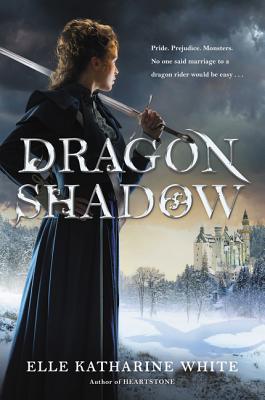 “The author of Heartstone once again infuses elements of Jane Austen’s beloved novel with her own brand of magic in this addictive fantasy that brings back sparring lovers Aliza and Alastair: fierce warriors who match wits, charm, and swords as they fight an epic war to save their world.
The Battle of North Fields is over—or so Aliza Bentaine, now a Daired, fervently wants to believe. But rumors are spreading of an unseen monster ravaging the isolated Castle Selwyn on the northern border of the kingdom. When she and Alastair are summoned from their honeymoon by the mysterious Lord Selwyn, they must travel with their dragon Akarra through the Tekari-infested Old Wilds of Arle to answer his call.
And they are not alone on this treacherous journey. Shadowing the dragonriders is an ancient evil, a harbinger of a dark danger of which the Worm was only a foretaste. And soon Aliza realizes the terrible truth: the real war is only beginning.”
Top Ten Tuesday: Favorite Fantasy Books With “Blood” in the Title
Posted on April 24, 2018 31 Comments

Top Ten Tuesday was created by The Broke and the Bookish, a weekly meme that now resides at That Artsy Reader Girl. The meme first came about because of a love of lists. Who doesn’t love lists? The original creators also wanted their lists to be shared with fellow book lovers and to ask that we in turn share ours with them and connect with other book bloggers. To learn more about participating, stop by their page dedicated to it and dive in!
This week’s topic: Frequently Used Words In [Insert Genre/Age Group] Titles
Mogsy’s Picks
I always try to use these lists to feature great reads if I can, which is why for this week’s topic, I’ve adapted the theme to showcase some of my favorite books in Fantasy. And just because I’m feeling a bit macabre, the frequently used word I’ve chosen is “Blood”.
 Blood for Blood by Ryan Graudin
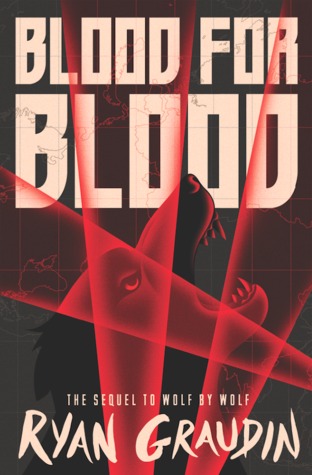
Blood for Blood is the second book of a fantastic duology, picking right up from where the first one ended. The series takes place in 1956, in an alternate history where the Third Reich and Imperial Japan rule the world. The story follows Yael, a teenager who had escaped from a Nazi death camp where she was subjected to horrific human experimentation, and the side effects of those experiments left her with an uncanny ability to skinshift. With just one thought, she can take on the appearance of anyone else. This has made her central to the Resistance’s plans. Yael’s mission: to win the Axis Tour, the annual intercontinental motorcycle race, by impersonating Adele Wolfe, the only female to have ever entered. As last year’s winner, Adele was granted an audience with the highly reclusive Adolf Hitler at the Victor’s Ball. But this year when she wins and dances with Hitler again, Yael plans to be the one behind Adele’s face instead, ready with a blade to sink between his ribs. If you haven’t started the first book, I don’t want to spoil anything for prospective readers, so just trust me when I say you don’t want to miss this series. (Read the full review…)
 The Queen of Blood by Sarah Beth Durst

The Queen of Blood introduces readers to the world of Aratay, a place where humans and nature spirits coexist in a state of precarious equilibrium. Spirits see humans as invaders in their domain, and given the opportunity they would gladly see us all dead. But while the spirits are destructive forces, they are also one with the natural world, and without them there would be no life. So humans have learned to adapt. A Queen holds control over all the spirits in the area and protects her people from harm. To choose a Queen, girls with an affinity to sense and manipulate the spirits are identified and invited to an academy to learn how to use their powers. The most promising students are chosen by champions to be further trained to become potential heirs, so that in the event that the Queen dies there will always be a successor to take her place and keep the spirits in line. Sometimes though, there are accidents. The book begins with a spirit attack on a village, which leaves many dead. Our protagonist, a young girl named Daleina, was only able to save herself and her family when her powers manifested during the massacre, and since that day has vowed to do all she can to prevent something like this from ever happening again. (Read the full review…)
 Blood of Assassins by RJ Barker

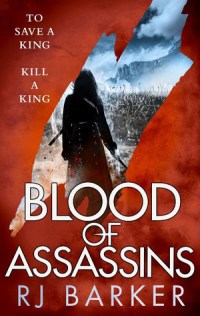
Generally, I find that most second books of a trilogy rarely live up to the first one, but this was so not the case here. RJ Barker has topped his first book with a spectacular sequel containing even more intrigue, more action, and more heart. A handful of years have passed since the end of the previous volume, and our protagonist, the assassin-in-training Girton Clubfoot, as well as his master Merela have been traveling with a band of mercenaries, trying to keep a low profile amidst the conflict in order to escape the bounty hunters on their trail. But despite their best efforts, disaster finds them in the end, and with Merela incapacitated by a deadly poison, Girton has no choice but to return to Castle Maniyadoc at the behest of an old foe. Still, coming back to Maniyadoc has its upsides. Girton is reunited with his friend Rufra, who has not forgotten our protagonist’s role in helping him become king. The problem now is keeping things that way, as rumors abound that Rufra has a spy among his inner circle, and Girton has been tasked to root the traitor out. (Read the full review…)
 Mage’s Blood by David Hair
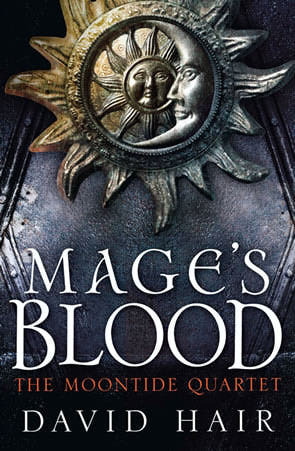
One of the most under-rated and under-read books I can think of, Mage’s Blood is a sprawling epic that has it all: nations at war, clashing religions, political intrigue, mages and sorcery, and the list goes on and on. Every Moontide, an event that occurs ever twelve years, the seas part to reveal the magnificent mage-crafted Leviathan Bridge, allowing trade and communication between the world’s two great continents. Unfortunately, the passage is also a source of much bitterness and conflict. Now another Moontide is at hand, and as the time draws nearer, the people on both sides prepare for war. Antonin Meiros, a mage of great renown now seeks a new wife, traveling to Lahk to wed Ramita. Ramita, however, is already betrothed to the hotheaded Kazim. In another part of the world, Elena Anborn has pledged her life to protect the royal family of Javon, fighting off assassination attempts masterminded by her former lover Gurvon Gyle, who works for powerful political entities. Meanwhile, Elena’s nephew Alaron prepares for his mage finals, but during the presentation of his thesis, he unwittingly proposes a dangerous topic that could mean the end to his hopes and dreams. (Read the full review…)
 Saint’s Blood by Sebastien de Castell
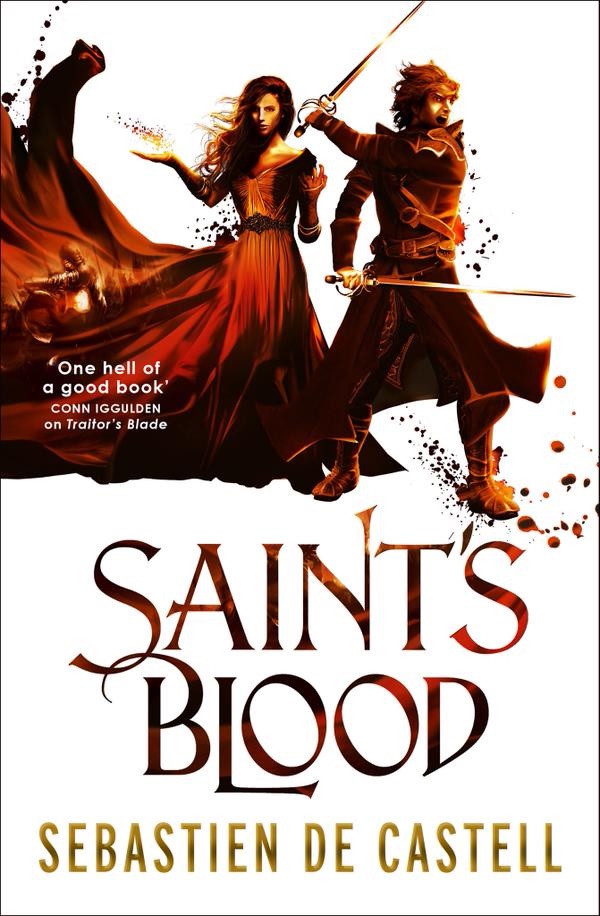
Just when you think things can’t get any worse for our series protagonists Falcio, Kest, and Brasti, Saint’s Blood pulls out all the stops in this third installment of the Greatcoats sequence, bringing everyone back for another round of epic excitement and adventure. The kingdom of Tristia was already on the verge of tearing itself apart, with its people close to revolt and the dukes still looking for ways to depose their young queen, and nothing the Greatcoats have been doing for the last six months seems to have made any difference. Now a new threat has emerged, and whoever this shadowy enemy is, they’re targeting the Saints of Tristia. On top of that, rumors are also spreading through the countryside that the Gods themselves are displeased with the way things are going in Tristia, further undermining Queen Aline’s claim to the throne. Churches and religious sanctuaries are being desecrated everywhere and thousands of pilgrims are pouring into the capital campaigning for their faith, leading to the return of the Inquisitors, who unfortunately don’t see eye-to-eye with the Greatcoats on a lot of matters. Whoever is orchestrating all these events seems bent on undoing everything the late King Paelis had worked so hard to accomplish, and well, you can bet Falcio’s not about to let that happen. (Read the full review…)
 Promise of Blood by Brian McClellan
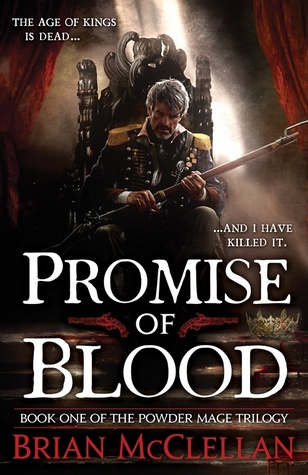
Promise of Blood is aptly named, because it begins with blood, and lots of it. The kingdom of Adro has been badly run for years, and the king has decided to settle its debts by practically selling his people’s freedom to the neighboring nation of Kez. Furious with the decision, Field Marshal Tamas leads a coup to take the throne, rounding up the king and all the influential nobles of the land for the guillotine. The mass executions that follow last for days, but no revolution happens without serious repercussions. During his takeover, Tamas also wipes out the king’s entire royal cabal of Privileged, a group of sorcerers who are loyal to the monarchy. To a one, the words on the dying lips of every Privileged was the same, invoking the name of the one god: “You can’t break Kresmir’s Promise.” Though not a superstitious or overly religious man, Tamas nonetheless hires the services of retired police inspector Adamat to investigate these mysterious words. Tamas’ estranged son Taniel, a powerful powder mage in his own right, is also disturbed when he discovers Kez’s army at their door, preparing for war. The question is, are they simply taking advantage of the political turmoil in Adro to invade, or is this a sign of something bigger and more sinister? (Read the full review…)
 Blood of Elves by Andrzej Sapkowski
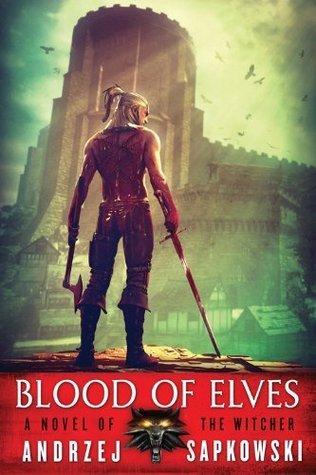
Blood of Elves is part of The Witcher sequence, a series of short stories and novels following the heroic exploits of the legendary Geralt of Rivia. As a Witcher, Geralt is part of a society of enhanced fighters and monster-slayers. Taken as children, they are subjected to intensive training and a ruthless regimen of alchemical and mutagenic compounds intended to alter their physiology and prepare them to hunt their prey. Although Witchers are meant to remain neutral in matters of politics, Geralt has taken an orphan princess named Ciri into his protection, hiding her from spies and assassins sent to find her. He believes that she is the prophesied child meant to bring great change to the world, not only because of her royal heritage but also because of the magic that flows in her veins – the blood of elves. The young princess, taught sword fighting and other martial arts by Geralt, learns about supernatural monsters and how to kill them. But as Ciri’s magical potential becomes more powerful, Geralt realizes he will need the aid of some friends and unexpected allies in order to continue protecting her. (Read the full review…)
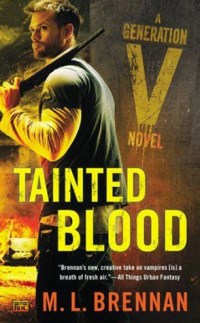 Tainted Blood by M.L. Brennan
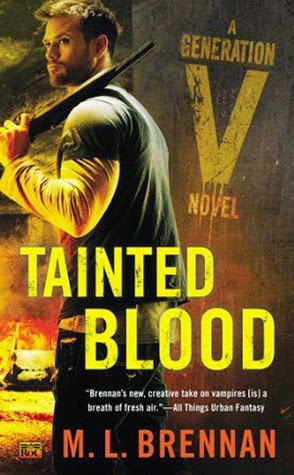
Tainted Blood is the third book of amazing urban fantasy series Generation V, starring protagonist Fortitude Scott on his first solo mission for his vampire family. Unlike the first two books which both started off with a healthy dose of humor, a dark shroud of sadness hangs over book three’s introduction, because it begins with a death that has shaken up the Scott’s business operations. The loss means more work for Fort, keeping checks on all the supernatural denizens living in his mother’s territory, but he manages with some help from his kitsune friend Suzume. Then everything goes to hell when the leader of a faction of bear shapeshifters turns up brutally murdered. It’s our protagonist’s first time handling an investigation, and of course his family is no help. Still, Fort is determined to bring the true killer to justice. He just hopes he’s not in way over his head on this one. (Read the full review…)
 Blood Song by Anthony Ryan
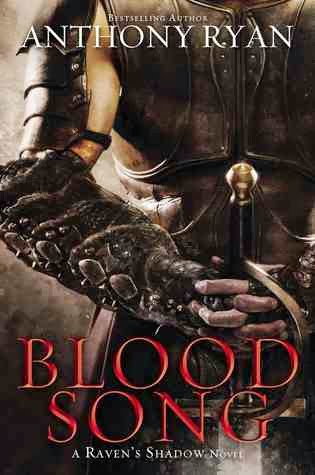
The story of Blood Song is about a young boy who trains and grows up to become a leader and one of the greatest warriors in the kingdom. Opening on an encounter between a scribe and a prisoner who is being transported across the sea to answer for his crimes, this first volume of the Raven’s Shadow trilogy introduces readers to Vaelin al Sorna, also known as “Hope Killer”. Vaelin’s history is recounted by the scribe, who recorded how, as a child, our protagonist was sent to the Sixth Order to train in the martial ways of the Faith. It’s a harsh life fraught with peril, as Vaelin and his peers are driven relentlessly by their instructors to learn everything from doctrine and history, to survival methods or ways to wield a sword. Later, he and some of the lifelong friends he has made will go off to face even greater challenges and become embroiled in political plots and magic that would decide the fate of the kingdom. (Read the full review…)
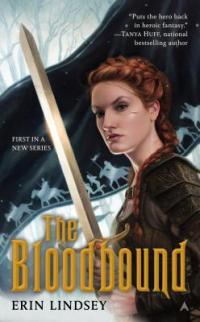 The Bloodbound by Erin Lindsey
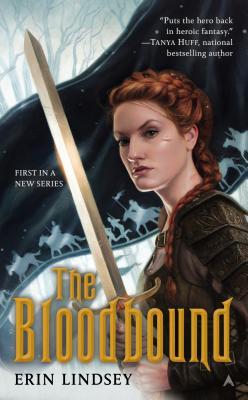
The Bloodbound is the first book of a fantasy romance trilogy following Alix Black, a soldier and scout in the royal army. She is also a noblewoman of a sort, being a daughter of one of the Greater Houses, but the power and influence of the Blacks have waned over the years, leaving only Alix and her older brother Rig. Alix has left the life of luxury behind, trading in her gowns and lavish balls for leathers and her blood blade, swearing her service to King Erik. But what she didn’t expect was actually becoming Erik’s bodyguard. When the king is betrayed on the battlefield by his own brother Prince Tomald, Alix rescues Erik and is named his protector. However, as the two of them grow closer over time, she also becomes his most trusted confidante. Complicating matters is Alix’s relationship with her former fellow scout and more-than-just-a-friend Liam, but what is a loyal soldier to do when her sovereign ruler requires her protection and the fate of their entire kingdom rests on the outcome of a brutal war? (Read the full review…)
Book Review: Head On by John Scalzi
Posted on April 23, 2018 24 Comments
I received a review copy from the publisher. This does not affect the contents of my review and all opinions are my own.

Mogsy’s Rating: 4.5 of 5 stars
Genre: Science Fiction
Series: Book 2 of Lock In
Publisher: Tor (April 17, 2018)
Length: 336 pages
Author Information: Website | Twitter
I’m a huge fan of John Scalzi, having read almost all his novels, and when Lock In came out a few years ago it quickly became one of my favorite books by the author. It was therefore with great excitement that I picked up Head On, which is described as its standalone sequel. And indeed, you may choose to read this without having read the first book, but personally I feel you will be missing out on the subtler nuances of the series if you skipped right to this one. The world of Lock In and Head On is a very complex place and, as I will explain later in my review, reading both books will give you a fuller view of the picture.
Once more, readers follow Chris Shane, the series’ rookie FBI agent protagonist. Chris is also a Haden, the name given to those individuals whose minds are “locked in” as the result of a devastating flu that swept across the globe several decades ago. This disease killed many in the first stage of the infection, but a percentage went on to survive only to suffer acute meningitis, which affected the victim’s brain and caused them to become trapped in a state of being fully awake and aware but having no control over their voluntary nervous systems. A cure for this condition (dubbed Haden’s Syndrome after the then president’s wife who was the most famous person to be affected at the time) was given the highest priority, though none was ever found. Instead, scientists created humanoid personal transports called “Threeps” into which locked in individuals were able to link their minds remotely, allowing them to interact with their world even as their physical bodies remained immobile.
By the time this series takes place, personal transport technology has become much more developed and advanced. It has even permeated into the world of professional sports, in which Hadens pilot specialized Threeps in a fast and furious game known as Hilketa. Though the sport itself is extremely violent, involving the lopping off of heads with swords and war hammers, no one technically gets hurt because the only “bodies” getting battered and broken on the field are the robot-like Threeps. However, during a high-profile special exhibition game, an up-and-coming player named Duane Chapman suddenly dies in the middle of a match meant to attract new investors to the North American Hilketa League, his vitals disappearing off the boards for all to see. NAHL officials are quick to cover up the incident, leading Chris, who was present in the skybox during the fatal match, to suspect there’s more to Chapman’s death than meets the eye.
Like its predecessor, Head On reads like a sci-fi mystery thriller, following FBI agents Chris Shane and Leslie Vann as they sniff out clues and hunt down the perpetrators in Haden-related crimes. But unlike the previous installment, it dispenses with much of the social commentary and focus on topical themes, putting the emphasis on investigative procedures the actual crime solving. Happily, the culprit also wasn’t as obvious this time compared to Lock In. As a result, I felt that this sequel was more exciting in terms of pacing and levels of suspense, especially since the trail to find Duane Chapman’s murderer subsequently leads Chris to all kinds of strange personalities and bizarre happenings related to the dark underbelly of the Hilketa industry. Uncovering everything from backroom deals to sordid affairs, our protagonist winds up being caught up in series of harrowing events that include arson, assassination, and a whole pile of destroyed Threeps. Needless to say, this novel ended up being a very quick read, since all that intensity and action made it hard to put down.
That said, the book also lost much of its cerebral and philosophical bite due to the diminished exploration into social themes like disability, ethics in medicine, and other discussion-worthy subjects related to a world in which a significant percentage of the population suffer from an expensive and life-altering condition. While Head On lightly touches upon some of these issues, such as government funding for individuals with Haden Syndrome or the social perceptions of them in public, in this particular arena, Lock In still holds the edge. This isn’t really a dig at Head On, however; after all, you can only expound upon these themes beyond the first book to a certain extent before it starts becoming repetitive. As such, this is why I think it would be a good idea to read the two books in order; you’ll get the insightful commentary in the first one and the action and suspense in the second—the best of both worlds.
Head On, though, is still in every sense a Scalzi novel. It has his signature style all over it: in the clever premise, the slick sense of humor, the quippy lines of dialogue. It’s also interesting to note, while the author is careful not to reveal the gender of the series protagonist, in my mind I still picture Chris Shane as male because Scalzi can’t ever seem to write a convincing enough female POV (see examples Zoe’s Tale or The Sagan Diary). However, that’s just my personal opinion and ultimately a non-issue, since it didn’t distract or take away from my overall enjoyment of this particular novel, whose pages I devoured while loving every moment of the story.
In the end, I think I enjoyed this book just as much as Lock In, even though its tone may have shifted slightly more to a traditional mystery thriller narrative—which can be a good thing, depending on the type of reader you are. For me, Scalzi’s stories are always a delight because of how clever, witty, and approachable they are, and this one was no exception. I had a smashing good time with Head On, and whether you are new to the author or a long-time fan, I think you will too.



 The BiblioSanctum