Friday Face-Off: Mystery
Posted on October 12, 2018 29 Comments
Welcome to The Friday Face-Off, a weekly meme created by Books by Proxy! Each Friday, we will pit cover against cover while also taking the opportunity to showcase gorgeous artwork and feature some of our favorite book covers. If you want to join the fun, simply choose a book each Friday that fits that week’s predetermined theme, post and compare two or more different covers available for that book, then name your favorite. A list of future weeks’ themes are available at Lynn’s Book Blog.
This week’s theme is:
“The impossible could not have happened, therefore the impossible must be possible in spite of appearances”
~ a cover for a MYSTERY novel
Mogsy’s Pick:
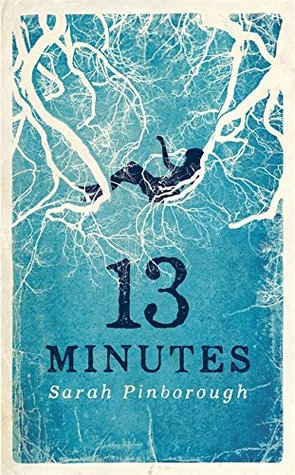
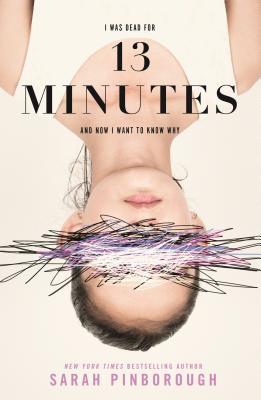
13 Minutes by Sarah Pinborough
This week’s theme is pretty open-ended, allowing for more options and flexibility. I opted to go with one of my favorite Sarah Pinborough books, a mystery surrounding the near-drowning of a prep school student named Natasha Howland. Smart, rich, and beautiful, Tasha was the most popular girl in school. Then one day, in the dark and early hours of a winter morning, her unresponsive body was pulled from the frigid waters of the River Ribble. Paramedics were able to revive her, but doctors say she was technically dead for thirteen minutes.
Upon waking up from her coma, Tasha can remember nothing about the incident except the horrible sensation of drowning. She does, however, have a sick feeling that her best friends Jenny and Hayley might have been involved with why she was in the woods by the river that night, after noticing the strange way the two of them have been acting around her since she regained consciousness at the hospital. Not knowing who to trust, Tasha turns to Becca, her plain and self-deprecating childhood friend with whom she fell out when the girls reached high school. Told through the eyes of these two teenagers, 13 Minutes is the story of how they unravel the events of the night Tasha went into the river.
Let’s take a look at the covers:
From left to right:
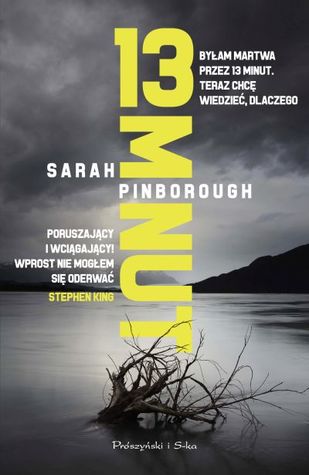
Gollancz (2016) – Flatiron Books Hardover (2017) – Flatiron Books Paperback (2018)

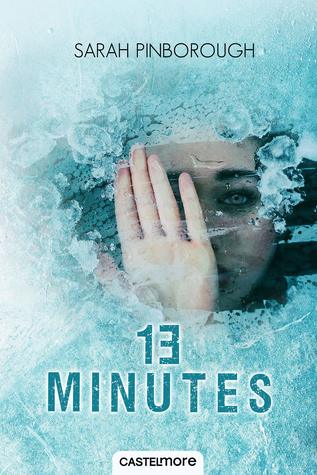
French Edition (2018) – Turkish Edition
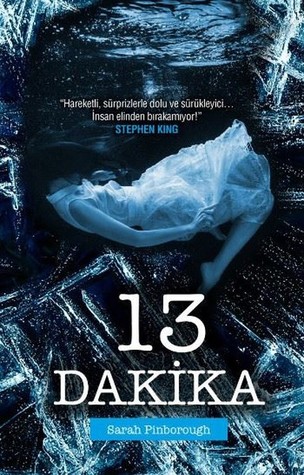
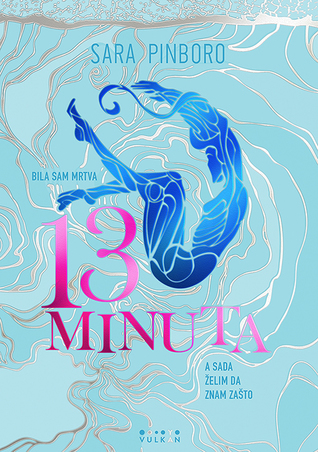
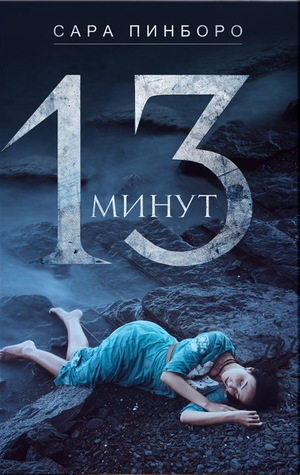
Polish Edition (2018) – Serbian Edition (2018) – Russian Edition (2017)
Winner:
The French edition wins again this week! Just looking at that cover gives me chills.
But what do you think? Which one is your favorite?
Review: Beyond the Sixth Extinction by Shawn Sheehy and Jordi Solano
Posted on October 11, 2018 19 Comments
I received a review copy from the publisher. This does not affect the contents of my review and all opinions are my own.
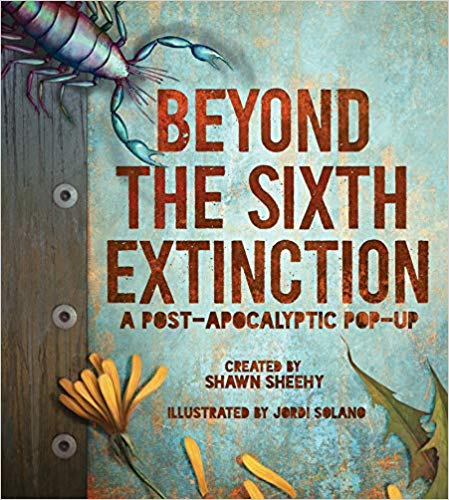
Beyond the Sixth Extinction: A Post-Apocalyptic Pop-Up
created by Shawn Sheehy and illustrated by Jordi Solano
Genre: Science Fiction, Post-Apocalyptic
Publisher: Candlewick Press (October 9, 2018)
Length: 40 pages

Pop-up books: a thing of your childhood? Think again. Pop-up books are coming back and they’re doing it in a big way. We often see them as a simple way to entertain the little ones, but very often they can be magnificent works of art that even grown-ups can enjoy, and recently we’ve been seeing more and more of these playful books marketed for adults.
In 2014, Elizabeth Kolbert wrote about the five mass extinction events in Earth’s history and posited the idea that humans are currently causing the sixth in The Sixth Extinction: An Unnatural History. Each of these events have been followed by the emergence of new and diverse lifeforms, repopulating the planet with extraordinary adaptations. Enter Beyond the Sixth Extinction, a post-apocalyptic themed pop-up featuring the elaborate handiwork of paper engineer Shawn Sheehy and illustrations by Jordi Solano. In this book, the creators use stunning pop-ups to portray the types of hypothetical creatures that would have evolved to survive the apocalyptic fallout in the year 4847, on a planet affected by conditions such as elevated global temperatures and high levels of radiation.
Beyond the Sixth Extinction Book Trailer
The eight creatures featured here are the Rex Roach, Clam Fungus, Mudmop, Peteybug, Brownfield Pigeon, Bloomworm, Cagoan Dragon, and Rotrap. Their ancestors managed to survive the extinction event, and with each subsequent generation, weird and creepy adaptations have allowed their species to not only be successful but also dominate the post-apocalyptic wastelands.
Each animal is brought to life in an intricate and well-crafted pop-up, followed by fully-illustrated pages detailing their characteristics. For example, the information page for the Rex Roach declares it to be “the largest known insect ever to have lived” and that the 3-D pop-up model we get to see is only slightly smaller than life-size (now that’s a big bug!) The page also details data such as its scientific name, habitat, anatomy, as well as specialized adaptations which have enabled the creature to flourish and thrive, theorized in an all-too-believable way.
As you can imagine, overall the visual presentation is a feast for the eyes. The book, measuring approximately 10.6 x 2.1 x 11.9 inches, is colorfully packed with pop-ups, sketches, charts, and much, much more. From the field guides and timelines to diagrams and even a habitat map of the District of Cago (the ruins of what used to be Chicago), there’s something for everyone to appreciate.
Bar none, Beyond the Sixth Extinction is one of the coolest books I’ve ever had the pleasure of receiving in my 6+ years of book blogging. It is an absolute beauty that I could admire for hours. Brilliantly crafted and well-conceived, the creatures in here are strange and wonderful, balanced on that fine line between the familiar and alien, with the imagination and talent displayed here simply beyond words. Hence, for the rest of this review, I’ll just let the pictures do the talking. Whether you’re an art book fan or an enthusiast of all things post-apocalyptic, you’re guaranteed to be captivated and mesmerized by this delightful masterpiece which celebrates sci-fi in the most riveting and creative way.

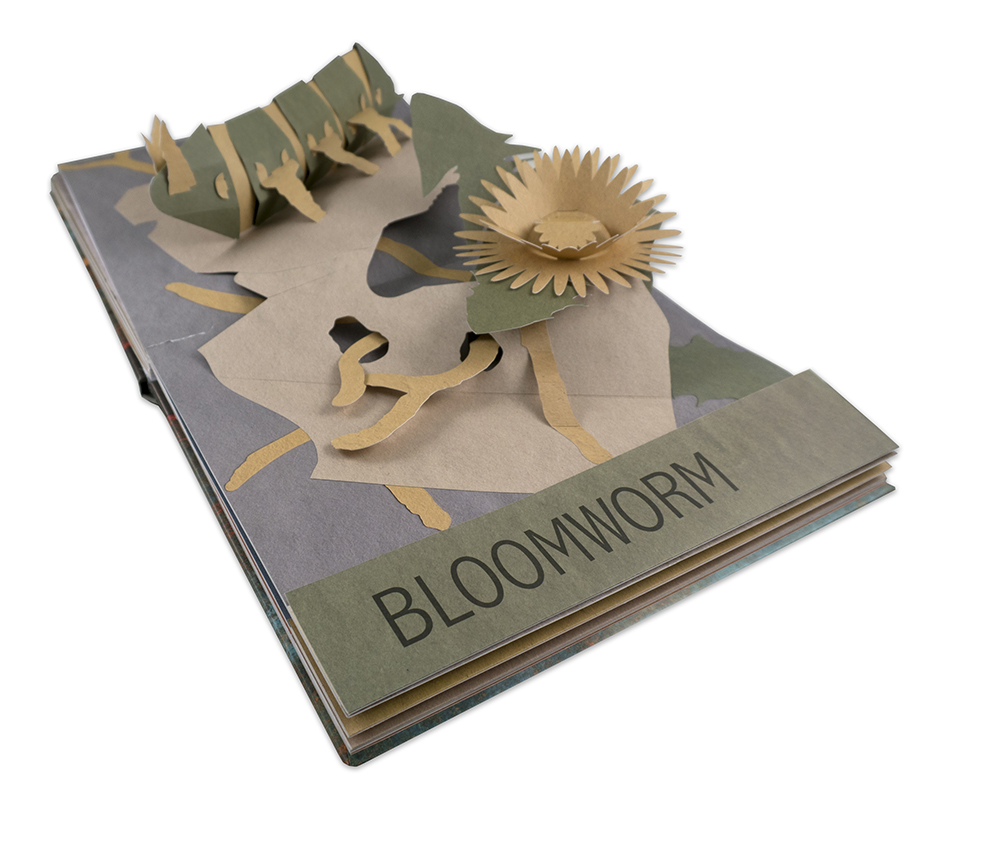
BEYOND THE SIXTH EXTINCTION. Text copyright © 2018 by Shawn Sheehy. Illustrations copyright © 2018 by Jordi Solano. Reproduced by permission of the publisher, Candlewick Press, Somerville, MA.
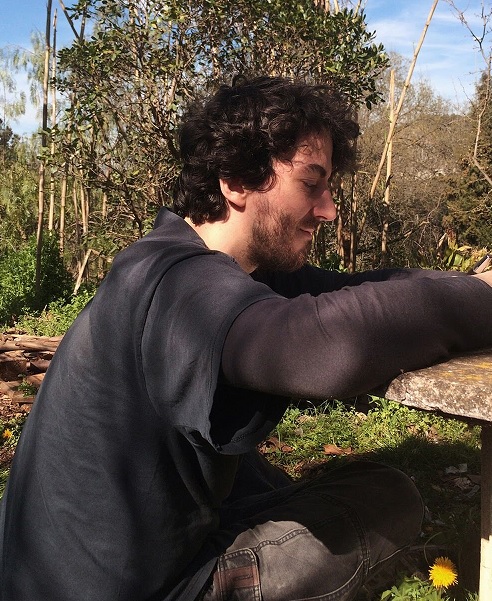
ABOUT THE CREATORS
 SHAWN SHEEHY (Liber creātōris)
HABITAT: The streets of Chicago
BIOREMEDIATION: Award winning author of Welcome to the Neighborwood
MUTAGENESIS: He loves working with the pop-up book format and presents workshops on pop-up engineering across the country.
 JORDI SOLANO (Liber artis)
HABITAT: Spain
BIOREMEDIATION: Illustrator of Swimming with Sharks by Heather Lang
MUTAGENESIS: Jordi is always drawing and plotting to leave the city and go somewhere green and boring, near a waterfall.
Waiting on Wednesday 10/10/18
Posted on October 10, 2018 17 Comments

Waiting On Wednesday” is a weekly meme that first originated at Breaking the Spine but has since linked up with “Can’t Wait Wednesday” at Wishful Endings now that the original creator is unable to host it anymore. Either way, this fun feature is a chance to showcase the upcoming releases that we can’t wait to get our hands on!
Mogsy’s Pick
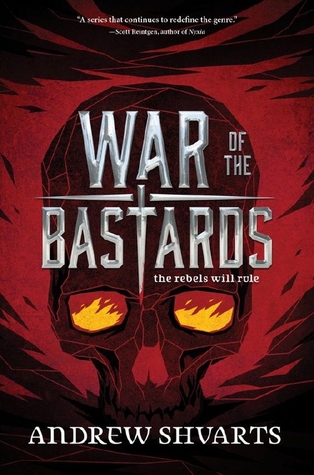
War of the Bastards by Andrew Shvarts (June 4, 2019 by Disney-Hyperion)
So many reasons to be excited for this one, not least of which is the fact that we finished the second book on such a shocking ending. I’m enjoying this series so damn much, and assuming it will be a trilogy, I’m looking forward to see how things will end.
 “A year has passed since the fall of Lightspire. The Inquisitor Miles Hampstedt has usurped the throne and rules Noveris with a blood-soaked iron fist. Tilla and her friends have become hardened rebels in the Unbroken, a band of guerilla fighters hiding out in the fringes of the Kingdom. Tilla is plagued with doubt and regret; Lyriana struggles with the burdens of being a fugitive Queen; Zell atones for his guilt by killing for the cause. And even as they all fight, they know their cause is doomed, that with very passing day Miles’ power grows, his army of Bloodmages spreading to cover the continent.
Then a raid on an outpost produces two unexpected prisoners: Lord Elric Kent himself, now a prisoner obsessed with revenge, and Syan See, a strange girl from the Red Wastes. Tilla struggles with the emotional weight of confronting her father, but it’s Syan that offers the true revelation. She demonstrates a new incredible kind of magic, and speaks of a secret civilization hidden in isolation in the mysterious Wastes. With Miles’ forces closing in, Tilla and her friends (alongside a hostage Lord Kent) set out to make contact with Syan’s people, to make an pact that could turn the war. The journey will test their character, forge unlikely alliances, reveal the horrifying true nature of magic, and set in motion a battle that will determine the fate of Noveris itself.”
Book Review: No Sleep Till Doomsday by Laurence MacNaughton
Posted on October 9, 2018 25 Comments
I received a review copy from the publisher. This does not affect the contents of my review and all opinions are my own.
 No Sleep Till Doomsday by Laurence MacNaughton
Mogsy’s Rating: 4 of 5 stars
Genre: Urban Fantasy
Series: Book 3 of Dru Jasper
Publisher: Pyr (October 9, 2018)
Length: 288 pages
Author Information: Website | Twitter
The apocalypse has finally arrived in this third Dru Jasper novel starring the crystal sorceress and her ragtag group of friends as they continue in their fight against the Harbingers. No Sleep Till Doomsday opens with a brazen attack on The Crystal Connection, perpetrated by a mysterious red-headed enchantress who breaks into the store’s vault to steal an object of unimaginable power. This artifact, called the Amulet of Decimus the Accursed, can be used to activate the sixth seal of the apocalypse scroll, bringing about the end of the world. To stop that from happening, Dru and her friends will either have to track down the sorceress, or locate the apocalypse scroll itself.
But doing so won’t be easy. Dru’s boyfriend Greyson is still under a curse binding him to his demon-possessed muscle car Hellbringer, and the old Dodge Charger senses something else going on that his human handlers do not. Meanwhile, Dru’s friend Rane gets mixed up with a gang of protean sorcerers who use magic to shapeshift into animals, and her on-again-off-again boyfriend Salem also has his amulet of power stolen by a bat-man, which can’t possibly be a coincidence. A carefully planned and coordinated war is being waged upon the world by demonic forces, but to turn the tides, our characters must first learn to sort out their differences and gain each other’s trust. One in their circle is wary of Greyson and his influence on Dru, a rift that might not be mended in time before doomsday comes.
If you enjoyed the first two books, you’ll be sure to find plenty to love in No Sleep Till Doomsday as well. In this fast-paced and action-packed installment, Dru and her colorful band of allies are thrust into another situation where they have save the world. It helps that our protagonist has come a long way in her journey, embracing her status as a full-fledged sorcerer, no longer trying to hide her power behind a mask of normalcy. So what if her boyfriend is one of the Four Horsemen of the Apocalypse? Own it, Dru! I was so proud of her character for sticking by her guy, despite some of the doubts expressed by her friends. That said though, Dru still wants to help Greyson, and she hasn’t yet given up on trying to find a way to break the curse.
I also liked how this book, to a greater degree than the previous volumes, expanded the scope to include more of the supporting cast. It makes sense—ever since A Kiss Before Doomsday, Greyson, Rane, Opal, and Salem have become a more integral part of this series. They each have been given their own mini plot arcs in this one, and the narrative alternates between each group, giving the the book a well-balanced perspective. Even Hellbringer gets an opportunity to chime in once in a while, delighting fans with a glimpse into the “mind” of a demonic muscle car.
Because there was so much going on, admittedly the plot structure of this book did feel a little bit crowded and messy, at times even repetitive. For example, Rane and Salem would have their tussle with the shapeshifting protean sorcerers, only to have their foes escape to do it all over again with Dru and Opal, and then this process would repeat itself for the final showdown. Notwithstanding the fate of the whole world on the line, the actual conflicts of the book also lacked weight. One reason is that the possibility of doomsday has already been hanging over the characters’ heads for so long, readers have become desensitized to the threat. Another reason is simply the nature of these books, intended to be a quirky urban fantasy series, delivered in a fun and lighthearted manner.
By the way, nothing wrong with that at all—the first two Dru Jasper books were great popcorn reads, and I was happy that No Sleep Till Doomsday followed in their footsteps. Written with plenty of wit and humor, this one featured even more wild shenanigans and funny banter with our cast of eccentric characters. The multiple storylines following their antics were also entertaining, and I was compelled to see how everything would fit together. Curious to find out more, the energy behind plot kept me turning the pages.
All in all, No Sleep Till Doomsday was another fine installment to the Dru Jasper series. If you’re looking for a different kind of urban fantasy that doesn’t feature the usual paranormal and magical tropes, especially if you enjoy quirky humor and action-packed fun, then this one’s for you. (P.S. This book had the feel of a conclusion, but after I wrote this review I found out that apparently there will be one more book out to wrap up the series next year, so it’s good to know the fun ain’t over…)


More on The BiblioSanctum:
Review of It Happened One Doomsday (Book 1)
Review of A Kiss Before Doomsday (Book 2)
Guest Post: “Creating Crystal Magic” by Laurence MacNaughton
Book Review: Legion: The Many Lives of Stephen Leeds by Brandon Sanderson
Posted on October 8, 2018 28 Comments
I received a review copy from the publisher. This does not affect the contents of my review and all opinions are my own.
 Legion: The Many Lives of Stephen Leeds by Brandon Sanderson
Mogsy’s Rating: 4 of 5 stars
Genre: Fantasy, Science Fiction
Series: Books 1-3 of Legion
Publisher: Tor (September 18, 2018)
Length: 352 pages
Author Information: Website | Twitter
If you haven’t checked it out yet, Legion: The Many Lives of Stephen Leeds is the perfect opportunity to read Brandon Sanderon’s beloved series featuring everyone’s favorite schizophrenic genius detective. Featuring the trilogy of novellas, including the never-published-before Lies of the Beholder, this omnibus collects all the adventures starring our eponymous hero in one handy volume. Speaking as someone who has only listened to the first book in audio back when it was originally released (but somehow never managed to get around to the sequel for years after that), I was happy to finally experience the completed evolution of this extraordinary character and see how his remarkable story arc came to be resolved.
Our journey begins with Legion, the first novella introducing Stephen Leeds. To the outside world, our protagonist appears to live by himself in his sprawling mansion, but that is a very different picture from the reality he perceives. Affected with a mental condition that allows his mind to generate a variety of hallucinated people—who are all unique in their individual personalities, skills, and knowledge—Stephen is never truly alone. His hallucinations, or aspects, share his space with him, taking turns advising him whenever he needs more information on certain topics. This has earned him the label of “genius” as well as celebrity status among psych experts who long to pick his brain, resulting in a never-ending line of people showing up at his door with requests for his help on some highly unusual cases.
Legion features our first mystery, involving the search for a stolen camera that can apparently capture images from the past. I read this one again for my review and found that I loved it as much as I did six years ago when I first listened to the audiobook, for everything about it is pure Sanderson. Despite it being a departure from the types of stories he is known for, the concept of Legion and Stephen Leeds’ aspects is as well thought out and unique as any of the author’s magic systems, and I believe even readers who are skeptical of the author’s non-epic fantasy will be able to come around to this novella’s modern, urban setting and science fiction vibes.
The second novella, Skin Deep, features Stephen and his aspects (even though they number in the dozens, there are only about three or four who are always tagging along with our protagonist) on a case to recover the stolen body of a biotech mogul who was known for using himself as a guinea pig in a lot of his experiments. Needless to say, everyone believes his corpse holds the key to all kinds of ground-breaking technological advancements and dangerous secrets related to his work. Not surprisingly, this sequel had the distinct quality of being a fast-paced thriller; to prevent the devastating spread of an unstable piece of biotechnology that can cause cancer, Stephen must race against the clock to find the one responsible for the theft, once more tapping into the expertise of his hallucinations for the knowledge he needs to solve this bizarre crime.
Finally, we come to the third and final novella, which this omnibus makes available in published form to readers for the very first time. Lies of the Beholder attempts to address several key questions that have popped up over the course of the series, including the nature of Stephen’s relationship with the mysterious Sandra, who has been brought up multiple times in the first two books. This one also seeks to bring the main character’s story arc to a close as we continue to explore the way his mind works, probing into his heavy dependence on the aspects’ knowledge and companionship. Is Stephen’s condition a blessing or a curse? What would happen to him if his hallucinations were no longer around?
The three stories featured here are light mysteries, to be sure. But like a lot of Sanderson’s work, one can find deeper themes and meaning these novellas if you care to look. Religion, ethics in research and science, mental health, and many other subjects are touched upon and discussed in the context of these mini-adventures that offer a lot more than just light-hearted entertainment. Beneath the clever and often funny banter between Stephen and his aspects, we also have messages about the value of relationships. While no one else can see his hallucinations, to Stephen they are as real as the world around him, but the question is whether it will be enough. This forces him to confront some difficult truths, some of which he may have tried to bury for far too long.
I’ll be honest, I had initial concerns about how Sanderson would stick the ending. He’s a brilliant guy and I’m a huge fan, but he tends to write endings that, for lack of a more appropriate term, piss me off (see Mistborn, The Reckoners, and even his middle grade series Alcatraz). I grew even more worried when I saw Stephen’s rapid descent into confusion and instability as soon as Lies of the Beholder started, believing this final volume would be a rush job which would fail to provide a satisfying conclusion. To my surprise though, I was actually quite happy with the way things ended. Perhaps it was because I’d braced myself for potential disappointment, but whatever the case, I felt this final novella was in fact a worthy sendoff for our characters. I won’t deny it had its gut-punch moments, not to mention that as a series, this isn’t exactly Sanderson’s most polished or mind-blowing, with more than a few loose ends and plot holes. Still, I found the Legion novellas magnificent and inspiring in their own way.
So would I recommend this omnibus? Without a doubt, yes. Legion: The Many Lives of Stephen Leeds is another masterful piece of speculative fiction from the talented mind of Brandon Sanderson. It is a little different from a lot of his other work, but with his trademark brand of creativity and style still on full display here, fans are guaranteed not to be disappointed.
Audiobook Challenge 2018: 3rd Quarter Update
Posted on October 7, 2018 19 Comments

It’s been another busy three months since my last update. Here’s what I’ve been listening to!
Challenge Details
- Runs January 1, 2018 – December 31, 2018. You can join at anytime.
- The goal is to find a new love for audios or to outdo yourself by listening to more audios in 2018 than you did in 2017.
- Books must be in audio format (CD, MP3, etc.)
- ANY genres count.
- Re-reads and crossovers from other reading challenges are allowed.
- You do not have to be a book blogger to participate; you can track your progress on Goodreads, Facebook, LibraryThing, etc.
- If you’re a blogger grab the button and do a quick post about the challenge to help spread the word. If you’re not a blogger you can help by posting on Facebook or Tweeting about the challenge.
Levels
- Newbie (I’ll give it a try) 1-5
- Weekend Warrior (I’m getting the hang of this) 5-10
- Stenographer (can listen while multi-tasking) 10-15
- Socially Awkward (Don’t talk to me) 15-20
- Binge Listener (Why read when someone can do it for you) 20-30
- My Precious (I had my earbuds surgically implanted) 30+
- Marathoner (Look Ma No Hands) 50+
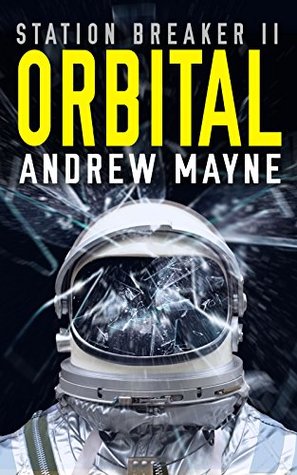
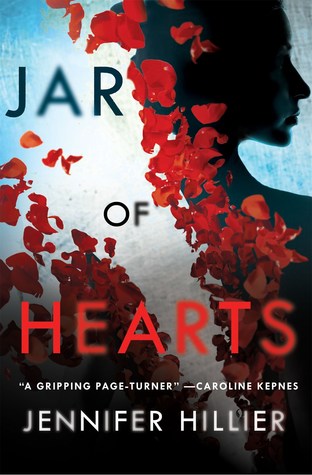

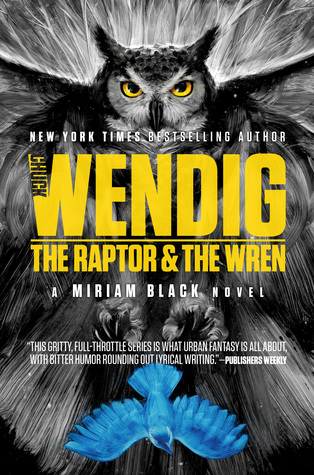
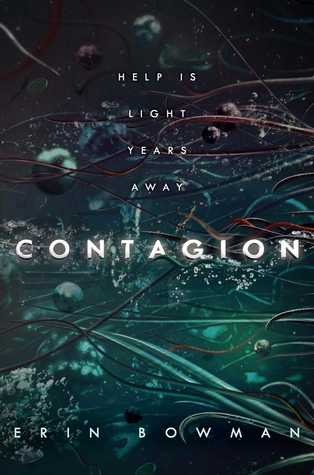
This quarter I reviewed 9 audiobooks (counting only those I listened to from start to finish, i.e. not titles where I tag-teamed both formats) for a total of 37 for the year so far. My Precious level has been reached, which was originally my goal. If I want to go for gold with Marathoner though, looks like I’ll have to up my game in the next few months. I hope everyone is doing well on their reading challenges!
Book Review: Ravencry by Ed McDonald
Posted on October 6, 2018 23 Comments
I received a review copy from the publisher. This does not affect the contents of my review and all opinions are my own.

Mogsy’s Rating: 3 of 5 stars
Genre: Fantasy
Series: Book 2 of Raven’s Mark
Publisher: Ace Books (August 21, 2018)
Length: 384 pages
Author Information: Website | Twitter
Don’t know why, but lately it feels like I’ve been striking out a lot with hyped books. My latest disappointment: Ravencry by Ed McDonald. The praise I’ve been seeing for it has been damn near universal. Most reviews I saw also lauded it for being even better than the first book.
However, this is probably the area where my opinion differs. While Ravencry was a good read, I don’t really believe it lived up to the standards set by its predecessor. In fact, the strength of the first book—and to some degree, my feelings that I owed it to my enjoyment of Blackwing to see this one through—was one of the few things that kept me reading even when the drive to continue was low.
As a sequel, I think Ravencry sought to do all the right things, including an attempt to build upon everything that made the previous novel so great. A few years have passed since we last saw Captain Ryhalt Galharrow at the end of Blackwing, but peace continues to elude our unhappy protagonist. The events that took place in the conclusion of the first book have left him damaged and grieving, though he makes a valiant effort to push on through the dark times and get over his loss.
But in the heart of the city, a cult known as The Order of the Bright Lady has emerged and taken root. Their goddess is supposedly a savior come to offer salvation to those who survived the horrible carnage. More and more, she is appearing in what her acolytes are calling divine visions, growing the order’s influence. The situation worsens as Galharrow is unexpectedly called upon by his patron, Crowfoot, to investigate a powerful artifact stolen from the Nameless’ vault. Now the captain and his fellow mercenary Blackwings must get to the bottom of this theft, a mission that will require them to venture deep into the Misery, the expansive wasteland of corrupted magic where all your worst memories and nightmares come to life.
I hate to say it, because to its credit, Ravencry features many of the same elements and follows many of the same patterns as Blackwing. The problem was that it was much too slow. That said, I did enjoy the introduction. We had a fantastic opening, which refamiliarized us with Galharrow, who hasn’t really changed much since we last saw him, though now carries the extra burden of mourning for someone close he lost. I thoroughly enjoyed the book through the scene at the opera, the awkward moment where our protagonist witnesses a weak and sickly bird burst through the tattoo on his arm to bring him a dire message while trying to hide in a public restroom (which I actually found darkly funny), and then the subsequent rush to inspect the breached vault.
But then we run smack into a brick wall in terms of pacing. One problem was that there was so much exposition and dialogue, a lot of centered on established character and world-building points I already knew. Pages would go by where I felt little to no progress would be made on the overarching plot. Fresh elements were on the whole few and far between, while old ideas were retreaded. I just didn’t feel as galvanized or enthusiastic about the premise this time around.
In some ways, I think McDonald tried to catch lightning in a bottle twice by sticking close to the playbook and with what has worked before, but I can’t help but think it might have backfired. The good news though, is that if you enjoyed Blackwing, there is little reason why you shouldn’t enjoy Ravencry as well, since the two books are so similar in vein. I also don’t want to sound too negative, because this was certainly not a bad book, and I do wish to stress that. However, as someone who reads a huge volume of books each year, with sequels making up a large bulk of that, I know what works and what doesn’t for me. I prefer sequels that not only retain the strengths of the original, but perhaps strive to go above and beyond them as well, and here is where I think a lot of second-books-in-a-series struggle.
All in all, I’m going with a middling rating for this one. There were moments of brilliance in Ravencry, most notably in the beginning and at the end, but broadly speaking, it was slow-going. I will continue watching this series, but I’ll probably be more on guard with the next novel.

More on The BiblioSanctum:
Review of Blackwing (Book 1)
Friday Face-Off: Noir
Posted on October 5, 2018 29 Comments
Welcome to The Friday Face-Off, a weekly meme created by Books by Proxy! Each Friday, we will pit cover against cover while also taking the opportunity to showcase gorgeous artwork and feature some of our favorite book covers. If you want to join the fun, simply choose a book each Friday that fits that week’s predetermined theme, post and compare two or more different covers available for that book, then name your favorite. A list of future weeks’ themes are available at Lynn’s Book Blog.
This week’s theme is:
“He sounded like a man who had slept well and didn’t owe too much money.”
~ a cover that is NOIR
Mogsy’s Pick:
Hard Magic by Larry Correia
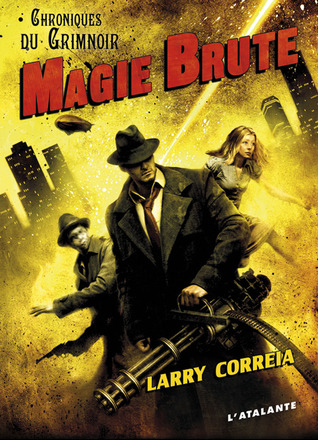
For this week’s theme, I chose the first book of The Grimnoir Chronicles, a series set in what is probably one of the most awesome and unique fantasy worlds I’ve ever had the pleasure to come across in SFF. It’s got a little dash of everything–hard-boiled/noir, alternate history, steampunk, sci-fiction, urban fantasy, magic, gangsters, superpowers, and even zeppelins and sky pirates. Throw all that into a novel and you have Hard Magic, one hell of a fun read. The covers are pretty great too, so let’s take a look at them now:
From left to right:
Baen (2011) – Czech Edition (2015) – French Edition (2015)

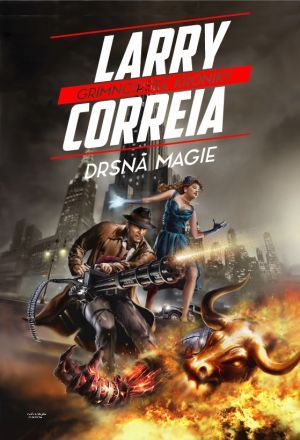
Winner:
Tough competition this week, but I’m going with the French edition. The yellow just makes that cover POP!
But what do you think? Which one is your favorite?
Book Review: Rosewater by Tade Thompson
Posted on October 4, 2018 27 Comments
I received a review copy from the publisher. This does not affect the contents of my review and all opinions are my own.
Mogsy’s Rating: 4 of 5 stars
Genre: Science Fiction
Series: Book 1 of The Wormwood Trilogy
Publisher: Orbit (September 18, 2018)
Length: 432 pages
Author Information: Website | Twitter
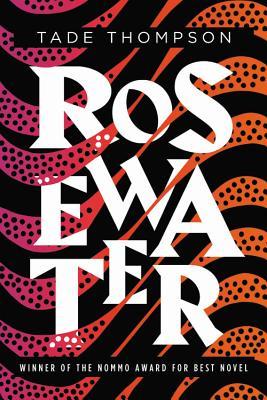
Rosewater was weird, but in the best way possible. And that’s not something I can say about a lot of books, given my low weirdness tolerance. However, this was an instance where I was glad I kept an open mind, because while the story and I may have started out on shaky ground, it eventually expanded and developed into something strangely wonderful and compelling.
The book opens with our protagonist, Kaaro, arriving to work at the secret government facility known only as Section 45. The year is 2066, and the world has seen dramatic changes since the arrival of an alien lifeform which has settled itself near right outside of Lagos, Nigeria, where most of this story takes place. There, the alien presence has taken the form of a biodome, giving rise to Rosewater, the name of the community that has sprung up around its edges. Every so often, the dome would also split apart, releasing a mysterious substance rumored to have strong healing powers. As a result, Rosewater has become a destination for some of the world’s most hungry, sick, and desperate.
Kaaro himself has been changed by the biodome. He is among a group of individuals “infected” by the alien presence when it first arrived, which has granted them these uncanny telepathic abilities. Called sensitives, they share a special connection with the living dome, allowing them to pick up on thoughts and other signals to glean information and knowledge. When Kaaro first discovered he was a sensitive, he used his newfound powers to steal, but now he has joined many others like him, coerced by Section 45 to work for them as an interrogator to extract information from prisoners. But something odd has been happening lately. Visions of a woman with butterfly wings inside the biodome keep appearing to Kaaro, and soon many of his fellow sensitives are getting sick and dying. Is this a targeted attack on those like him, or something else? And will he be next?
I won’t deny this was a story that took a long time to take shape and gain traction. There’s a lot of world-building to establish, not to mention a lot jumping around in the timeline—something I admittedly struggle with when I encounter non-linear storytelling. And I would say Rosewater did take a while to generate interest, but once it dug its hooks into me, I was sold. Around the time Kaaro was informed of the many other sensitives like him dying under mysterious circumstances, the mystery plot came into the forefront and became the most important element of the book. At this point I finally felt like I was in my element, that there were tangible conflicts to which I could latch onto and focus my attentions.
That said, I also don’t want to give the wrong impression of this book. Yes, it is strange, and there are many moving parts, with the story taking a long rambling route to where it wants to be. Despite this though, Rosewater is very readable and accessible, even if it did require a fair bit of investment on my part. It is almost overwhelming in places, due to the sheer amount of information one must take in, from reanimates to secret portals and angel-like extraterrestrials. Suffice to say, we would be here all day if I were to detail all of the crazy inventive stuff I found in this novel, because pretty much everything was just so damn cool.
And to be honest, Rosewater only started to grow on me once all these ideas had their chance to settle. It wasn’t until much later that it occurred to me, this novel that I held in my hands was much more than a sci-fi mystery. It is also a tale of alien first contact, but unlike any I’ve ever read before. Revolution simmers beneath the surface, in this future version of Africa where many of the rights and freedoms have still yet to reach the people. Nigeria has become a gathering place for much of the world’s disenfranchised, who have come to the biodome with hopes of salvation.
Now might also be a good time to point out this is not a very cheerful tale; it is set to the backdrop of a lot of unpleasantness and misery, and Kaaro is a character with whom readers might have a hard time connecting. He fits the profile of a film noir protagonist in a lot of ways, namely being a socially estranged loner with a lot of existential angst—much of it not unwarranted, I might add. He has a complicated past, a result of coming into his powers at a young age. The rapport he has with coworkers and fellow sensitives also belies the fact he despises working for Section 45, though the details of his history with them isn’t revealed until much later. His experience with the alien lifeform, Rosewater, and his own powers are dominated by emotions of uncertainty, and it is this vulnerability that makes him feel so genuine to me. Such a complex portrayal of a multilayered, often contradictory protagonist is never easy, but I was really impressed by the work Tade Thompson has done.
So, if you are feeling brave, please think about giving Rosewater a chance. Personally, I am glad I did, despite my initial worries that it would be too weird or confusing for my tastes. Frankly, it is an rare and beautiful thing for a book to start off by filling me with doubt, only to turn around and sweep me off my feet, leaving me with a strong and lasting impression by the end. It’s a real treat, one I hope many others will be able to experience with this incredibly unique and thought-provoking novel.
Waiting on Wednesday 10/03/18
Posted on October 3, 2018 17 Comments
Waiting On Wednesday” is a weekly meme that first originated at Breaking the Spine but has since linked up with “Can’t Wait Wednesday” at Wishful Endings now that the original creator is unable to host it anymore. Either way, this fun feature is a chance to showcase the upcoming releases that we can’t wait to get our hands on!
Mogsy’s Pick
The Deepest Blue by Sarah Beth Durst (March 19, 2019 by Harper Voyager)
Just when I had resigned myself to saying good bye to the Queens of Renthia series, we got news that there will be a new book! Of course, it won’t be a sequel – more like a companion novel set in the same world – but I’m no less excited about it.
 “The natural magic of the classic The Island of the Blue Dolphins meets the danger and courage of The Hunger Games in this dazzling, intricate stand-alone fantasy novel set in award-winning author Sarah Beth Durst’s beloved world of Renthia.
Life is precious and precarious on the islands of Belene. Besieged by a capricious ocean full of malicious spirits, the people of the islands seek joy where they can. Mayara, one of the island’s fearless oyster divers, has found happiness in love. But on the day of her wedding to the artist Kelo, a spirit-driven storm hits the island with deadly force.
To save her loved ones, Mayara reveals a dangerous secret: she has the power to control the spirits. When the storm ends, she is taken into custody by the queen’s soldiers and imprisoned with other women like her.
They vary in age and social status, but to many they are heroes who will aide the country or witches that will sacrifice themselves trying. No matter who they are, the women are sent to a terrifying place—an island filled with bloodthirsty nature spirits, and left without food, water, shelter, or any tools except their own instincts and magic. Whoever survives the Island of Testing will be declared heirs to the queen. But no matter if she wins or loses, Mayara knows that the life she dreamed of is gone.”


 The BiblioSanctum