Audiobook Review: Star Wars: Alphabet Squadron by Alexander Freed
Posted on December 26, 2019 15 Comments
I received a review copy from the publisher. This does not affect the contents of my review and all opinions are my own.
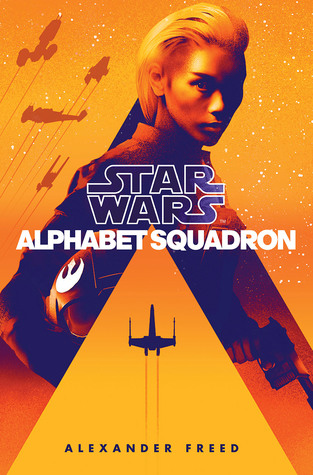 Star Wars: Alphabet Squadron by Alexander Freed
Mogsy’s Rating (Overall): 3 of 5 stars
Genre: Science Fiction, Media Tie-In
Series: Book 1 of Star Wars: Alphabet Squardon, Star Wars (Canon)
Publisher: Random House Audio (June 11, 2019)
Length: 13 hrs and 50 mins
Author Information: Website | Twitter
Narrator: Saskia Maarleveld
One of benefits and one of the things I appreciate most about reading the Star Wars tie-in novels is the way they bring attention to other happenings in the galaxy, away from the main story of the movies. There’s also been the recent trend of books exploring the conflict from all sides, because whether you are rebel or imperial, war is something everyone must confront. This is a prominent theme in Star Wars: Alphabet Squadron, which focuses on the journey of a recently defected TIE fighter pilot who finds herself leading a New Republic squadron to hunt down her former compatriots.
The Emperor is dead. The Empire is in shambles. But no surprise, following the chaos at the Battle of Endor, the nascent New Republic is in pretty rough shape too, with most of its efforts centered on regrouping and rebuilding, though in some cases, revenge. Too many good Rebel lives had been lost, many of them to Shadow Wing, a particularly nasty TIE fighter squadron that is still out there, in hiding. This has led Hera Syndulla of Star Wars Rebels fame, now a general, to put together a ragtag team of pilots to take care of the problem.
Called Alphabet Squadron, this group is led by Yrica Quell, a former Imperial with intimate knowledge of Shadow Wing—because she used to be one of them. She has a lot to learn when it comes to commanding Republic pilots, so different than the strictly regimented and highly organized troops of the Empire. It doesn’t help that her teammates don’t trust her, or that no one expects them to succeed.
From the get-go, it’s clear that in some ways this book was meant to fill the void left by Rogue Squadron, now made Legends and non-canonical. Star Wars needs another starfighter series, and today’s audience also demands something darker and edgier, so in that sense the premise behind Alphabet Squadron is perfect. Fans love grey characters, tragedy, long odds and underdogs, all of which this novel has in spades. I really don’t think anyone can fault its overall concept, which was a stroke of brilliance, and the idea of a disparate crew of misfits and rejects coming together to defeat evil is something I think that most of us can get behind.
Unfortunately, where the book falters is the writing style and pacing. I get how important it is, especially for a story like this, to throw readers straight into the action. That said, it shouldn’t be done without establishing your core characters first. I never felt much of a connection to any of the five pilots of Alphabet Squadron, and I think it’s because we were missing this crucial first step. This throws off the overall balance of the story, which then takes too long trying to recover. I wanted to care about the characters and their relationships, but it’s difficult to form that emotional link when you’re starting from behind, so to speak.
A part of the problem is also Quell herself, who is a rather flat protagonist. A stiff and strait-laced ex-Imperial, she had nothing that resembled charisma, and so it made reading about her very dry, even though the writing itself was fantastic. I’ve enjoyed Alexander Freed’s Star Wars books in the past, but I just think he has a lot less to work with in Quell, and the ideas and themes the story was supposed to convey were perhaps too ambitious.
In sum, I had expected a lot more fun out of Alphabet Squadron, based on the book’s description and my hopes that it would be a more suspenseful, adventurous game of cat-and-mouse. Instead, it was bogged down by too much drama and not enough meaningful character development. To the book’s credit, it has some incredible scenes of dogfighting and epic space battles, which is a relief since I imagine those are the main selling points, so at least we’re covered on that front. As the first volume of a planned trilogy, I think this one shows a lot of promise, but I’m hoping that the next book won’t take as long to get revved up. Since we’ve already established the origins and characters of Alphabet Squadron here though, I’m feeling quite optimistic about it and will be looking forward to read more.
Audiobook Comments: Saskia Maarleveld did a fantastic job narrating the book, and honestly, I would imagine bringing a character like Quell to life was no easy feat. They always get the best voice actors and actresses for Star Wars audiobooks though, so this was still a great listen despite some of my issues with the story and writing, and usual, the music and sound effects made the experience even more immersive.


Waiting on Wednesday 12/25/19
Posted on December 25, 2019 15 Comments

“Waiting On Wednesday” is a weekly meme that first originated at Breaking the Spine but has since linked up with “Can’t Wait Wednesday” at Wishful Endings now that the original creator is unable to host it anymore. Either way, this fun feature is a chance to showcase the upcoming releases that we can’t wait to get our hands on!
Mogsy’s Pick
Shielded by KayLynn Flanders (July 21st, 2020 by Delacorte Press)
Merry Christmas and happy holidays! Whatever you celebrate, I hope you are all having a wonderful day full of warmth and joy and love! Here’s a book that caught my eye earlier this week, and since I had such awesome luck with YA debuts this year, I hope that trend will continue. And of course, the cover is gorgeous!
 “For fans of Sorcery of Thorns and Furyborn comes a thrilling new fantasy about a kingdom ravaged by war, and the princess who might be the key to saving not only those closest to her, but the kingdom itself, if she reveals the very secret that could destroy her.
The kingdom of Hálendi is in trouble. It’s losing the war at its borders, and rumors of a new, deadlier threat on the horizon have surfaced. Princess Jennesara knows her skills on the battlefield would make her an asset and wants to help, but her father has other plans.
As the second-born heir to the throne, Jenna lacks the firstborn’s–her brother’s–magical abilities, so the king promises her hand in marriage to the prince of neighboring Turia in exchange for resources Hálendi needs. Jenna must leave behind everything she has ever known if she is to give her people a chance at peace.
Only, on the journey to reach her betrothed and new home, the royal caravan is ambushed, and Jenna realizes the rumors were wrong–the new threat is worse than anyone imagined. Now Jenna must decide if revealing a dangerous secret is worth the cost before it’s too late–for her and for her entire kingdom.”
Book Review: Ship of Smoke and Steel by Django Wexler
Posted on December 24, 2019 10 Comments
I received a review copy from the publisher. This does not affect the contents of my review and all opinions are my own.
 Ship of Smoke and Steel by Django Wexler
Mogsy’s Rating: 4 of 5 stars
Genre: Fantasy, Young Adult
Series: Book 1 of The Wells of Sorcery
Publisher: Tor Teen (January 22, 2019)
Length: 352 pages
Author Information: Website | Twitter
I’m a huge fan of Django Wexler, but even I must concede that those saying Ship of Smoke and Steel isn’t as strong as his other work might have a point. That said, I think it’s also important to keep in mind this was published under the Tor Teen label, and despite some of its more mature themes and bloodier, more brutal moments, there’s absolutely no denying it is both written and intended for YA audiences. In some ways, this did make the story a little more predictable, not to mention it was filled with tropes to the extreme, but as long as you know what to expect, it’s still an enjoyable read.
The book follows Isoka, eighteen years old and already has made a name for herself as a minor boss of the Kahnzoka underworld, where she runs a small gang. However, what no one knows is that she uses all her money to raise her little sister, for whom she had set up a safe and sheltered life away from the ugliness of violence and poverty. But that is not the only secret Isoka is hiding, for she is also mageborn, an individual endowed with a special ability to access the Wells of Sorcery, the font of magical power.
Unfortunately, none of these are things Isoka could keep under wraps for long. When her magic is discovered, our protagonist is taken into custody where she is visited by the emperor’s right hand and offered an impossible task that she must accept because somehow, they know all about her sister. Left with no choice, Isoka is press-ganged into the service of the Soliton, a legendary ghost ship said to be haunted with monsters and crewed by hardened criminals and exiles. Surrounded by her fellow cutthroat magic-users and cruel taskmasters, Isoka has to figure out a way to seize control and complete her mission, which is to steal the Soliton and bring it and its power back to the empire to harness within a year, or else her sister’s life would be forfeit.
As you can see, even in this short description, the YA tropes are plentiful. Isoka belongs to a character type I’m sure we’ve all seen before: the strong, resourceful, rough and tough female protagonist, who is one hundred percent badass. Bonus, she’s also got a special power, that no one knows about, of course, of course. On top of being an able fighter who kills with no remorse, there’s also not much that fazes her. However, she does have a soft side, and no surprise at all, it comes in the form of a younger sibling. And predictably, it doesn’t take long for the little sister to be assigned the role of bargaining chip, as well as a means to drum up sympathy for the main character.
As the story moves forward, things also settle into a “survivor” type plotline, and there’s heavy emphasis on romance. Not saying these things are a negative, but for a book by Wexler, whose expansive world-building and character development I enjoyed immensely in both his adult series The Shadow Campaigns and his middle grade series The Forbidden Library…well, this one felt like he was playing it a bit “safe” in comparison. That said, Ship of Smoke and Steel has an edge—in more than one sense of the word. It doesn’t shy from the harsh realities of a world where only the strongest and those who aren’t afraid to take what they want can have a real chance at survival. The competition is harsh and won’t hesitate to do you harm in order to succeed, and in the face of this, it is also important for Isoka not to hold back either. It’s completely brutal and no-holds-barred, which I think YA readers thirsting for a darker flair may be able to appreciate.
Also, I enjoyed the candid exploration of the characters’ relationships and portrayal of sexuality. While I felt too much focus was placed on the romance, a point that distracted from the main plot, I liked that Meroe, the love interest who is a princess and a powerful female character in her own right, was a nice complement to Isoka and tended to bring out the softer, more sentimental side to her.
Overall, I think readers coming from Django Wexler’s previous work will find Ship of Smoke and Steel to be quite enjoyable, as I did, even though many of its elements might feel familiar or predictable. But so long as you’re prepared for some of what I call the usual YA shenanigans, it’s a pretty fun and thrilling ride. I love that the content level is also geared more towards the older end of the teen spectrum and above, so those looking for a little more grit and visceral action in their YA will revel in the fact this pulls no punches. I’m glad I got to fit this in before the end of the year to be right in time for the sequel, which I’m looking forward to reading!


Best of 2019 and the Year in Review
Posted on December 23, 2019 45 Comments
It’s once again that time of the year where I look back at the last twelve months and round up my favorite reads! As always, my methods are going to be rather haphazard, but as you know I read a TON of books and having to narrow it down to just “Top 10” or even “Top 20” is a difficult (if not impossible) task. That’s why I’ve opted not to do a traditional list, and instead I’m going to be breaking this post down into different genres/categories to highlight all the books that 1) were my favorites of the year, 2) I thought were most memorable, or 3) I think should be getting more love and attention. The one thing they have in common is that I loved them all.
You can see my reviews and more information about the books by clicking on the images and following the links.
Fantasy



Fantasy is usually the biggest genre category each year in my lists, so what happened? Well, reading too many good fantasy books in 2019 was precisely my predicament here; if I listed all the ones I loved we’d be here forever, so I’m only listing the cream of the crop, the best of the best, and these were the books that made my very demanding threshold: The Wolf in the Whale by Jordanna Max Brodsky, The Witch’s Kind by Louisa Morgan, The Philosopher’s War by Tom Miller, A Little Hatred by Joe Abercrombie, Holy Sister by Mark Lawrence, The Ten Thousand Doors of January by Alix E. Harrow
Science Fiction


2019 was also solid year for science fiction, with Recursion by Blake Crouch, Three Laws Lethal by David Walton, Do You Dream of Terra-Two by Temi Oh, Aftershocks by Marko Kloos, Walking to Aldebaran by Adrian Tchaikovsky, and Tiamat’s Wrath by James S.A. Corey topping the list.
But wait, there’s more! This year The BiblioSanctum once again participated in the month-long Sci-Fi November event, so if you’re interested in seeing a more detailed list of all my favorite sci-fi reads this year, be sure to check out the Top Ten post I put together for the wrap up!
Horror


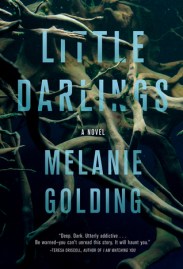
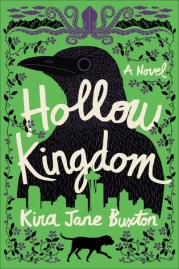

I had thought 2019 was a lighter year for horror, but in reality it appears I had enjoyed some very strong reads. It just wasn’t as obvious because most of these are genre mash-ups, and a couple of these aren’t even what we’d typically consider as horror but this is probably the most appropriate category for them anyway: The Poison Thread by Laura Purcell, The Twisted Ones by T. Kingfisher, The Devil Aspect by Craig Russell, Little Darlings by Melanie Golding, Hollow Kingdom by Kira Jane Buxton, The Saturday Night Ghost Club by Craig Davidson
Urban Fantasy/Paranormal

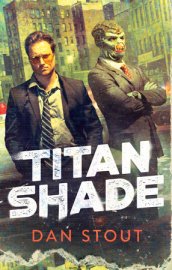
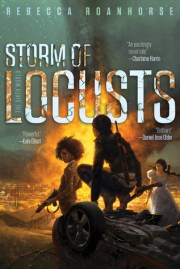
Looks like I really need to up my Urban Fantasy game! I just didn’t read as much of the genre this year, though most of what I did read was amazing, including Wild Country by Anne Bishop, Titanshade by Dan Stout, and Storm of Locusts by Rebecca Roanhorse
Young Adult
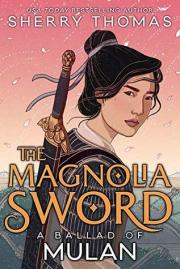


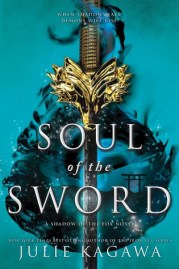
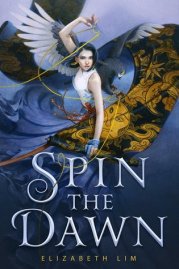
A real good showing for YA fantasy, science fiction, and horror this year! Here’s some of what I really enjoyed: The Magnolia Sword: A Ballad of Mulan by Sherry Thomas, Starsight by Brandon Sanderson, Queen of Nothing by Holly Black, Crownbreaker by Sebastien de Castell, Soul of the Sword by Julie Kagawa, Spin the Dawn by Elizabeth Lim
Mystery/Suspense/Thriller

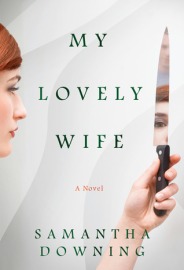
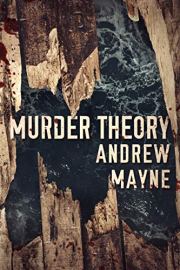
What a fun year it was for thrillers! 2019 gave me a few new all-time favorites, including Wherever She Goes by Kelley Armstrong, My Lovely Wife by Samantha Downing, and Murder Theory by Andrew Mayne
Overview: Books Read in 2019
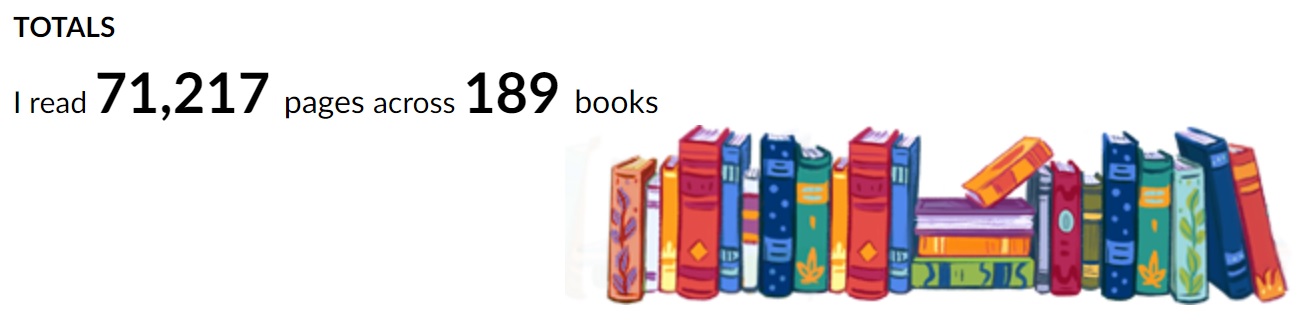
We still have a few more days left in the year so these numbers aren’t going to be final, but the below charts and statistics taken from Goodreads should provide a good general overview of my 2019 in books. I doubt I’ll break 200 books like in previous years, since I started a new gig earlier this spring which ate into my reading time. Still, I think I managed some good numbers overall. Thank you, audiobooks!
Goodreads Ratings:

On My Shelves…
By a Male Author: 40.5%
By a Female Author: 58.5%
Unknown/Male & Female Co-Authored: 1.0%
Audiobooks: 31.0%
For Review: 95.2%
Genres (some crossover):
Fantasy: 37.9%
Science Fiction: 27.9%
Thriller/Suspense: 18.4%
Horror: 15.8%
Urban Fantasy and Paranormal: 10.5%
Children’s and Young Adult: 23.2%
More on The BiblioSanctum:
Mogsy: Best of 2014 and The Year in Review
Mogsy: Best of 2015 and The Year in Review
Mogsy: Best of 2016 and The Year in Review
Mogsy: Best of 2017 and The Year in Review
Mogsy: Best of 2018 and The Year in Review
Audiobook Review: You Are Not Alone by Greer Hendricks and Sarah Pekkanen
Posted on December 22, 2019 14 Comments
I received a review copy from the publisher. This does not affect the contents of my review and all opinions are my own.
 You Are Not Alone by Greer Hendricks and Sarah Pekkanen
Mogsy’s Rating (Overall): 4 of 5 stars
Genre: Thriller, Mystery
Series: Stand Alone
Publisher: Macmillan Audio (March 3, 2020)
Length: 11 hrs and 2 mins
Author Information: Greer Hendricks | Sarah Pekkanen
Narrators: Barrie Kreinik, Dylan Moore
I loved You Are Not Alone, though it is also quite a bit different from the typical thrillers I enjoy. Unfortunately, it would be tough to explain without giving away too much of the story, but I’ll try my best while keeping this review completely spoiler-free. After all, I would hate to reveal too many details, especially since there’s a definite reason why the blurb is so vague…
Our story begins with an introduction to Shay Miller, a young woman in her early-30s living and working in New York City. Like most urban millennials, she relies heavily on the transit system to get around, but one morning she witnesses the grisly suicide at the subway station. The event traumatizes her, making her fear travel on the subway, and not least because she tried to save the jumper but failed. From the police, Shay finds out that the woman who killed herself was named Amanda, and thus an obsession was born. Looking up everything she can about the other woman’s life, Shay cannot get over the similarities between them. She finds out the address of Amanda’s old apartment to leave flowers, then shows up at the memorial service. By all outward appearances, Amanda was happy, had a good job, and was surrounded by friends. What could have possibly driven her to suicide?
Unbeknownst to Shay, however, her activities have not gone unnoticed. A group of women made up of Amanda’s friends, led by an influential pair of sisters named Cassandra and Jane Moore, are for some reason extremely worked up about Shay’s sudden interest in Amanda’s case. Utilizing their vast network of powerful contacts in the city, Cassandra and Jane gradually insert more of themselves into Shay’s life, trying to tease out what she knows.
Because of the way it is structured, You Are Not Alone can be quite a bit of a mess at times, but I can’t deny it was entertaining and engaging. Told via alternating viewpoints between Shay and the Moore sisters, with flashback chapters and the POVs of the other women thrown in here and there for good measure, the novel makes the reader work hard for their understanding of the situation. At first, it’s not even clear how this could be a true mystery, as our main character, Shay, stays completely oblivious as to what’s going on for most of the book. It got to be a little confusing, not to mention frustrating at times, because we were made privy to all the string-pulling and manipulations behind the scenes but were kept in the dark as to the overall purpose of it all.
Rest assured though, it does come together eventually. And when it does, that’s when you can finally appreciate the groundwork that was laid by the authors. If you’ve been gathering clues up to that point, your diligence will also be rewarded as the Moore sisters’ intentions for Shay become clear. Looking back when I finished the book, I could understand how story’s initial disjointedness could be justified and realized too how many red herrings had been planted.
But perhaps the best thing about the book was Shay herself. Characters in psychological thrillers are often written in a style that is exaggerated or over-the-top, but this is not the case here. There’s no question that Shay is a flawed protagonist, but she is also earnest and oh so real. She knows what she wants but isn’t quite sure how to go about getting it, and it’s important for her to feel she belongs somewhere. I felt an immediate connection to her because of her inherent goodness, and found it ironic and a little funny how the Moore sisters often read too much into Shay’s genuine willingness to please. But while Shay may be pliable, she is not stupid. In fact, she has some obsessive tendencies and is a walking library of fascinating statistics, which she records in a notebook that goes everywhere with her. And when the moment of truth arrives, she also knows how to fight back and protect herself.
Overall, You Are Not Alone was quite a ride, and while not exactly the type of thriller I expected, I nonetheless got what I was looking for: an intriguing concept, a delicious mystery and edge-of-your-seat suspense. It was my first book by the writing duo Greer Hendricks and Sarah Pekkanen, but I’ll probably be going back and checking out The Wife Between Us and An Anonymous Girl after this.
Audiobook Comments: I love a good thriller in audio, because it’s a surefire way to energize my reading and break me out of a slump. You Are Not Alone did its job, and it was masterfully narrated by Barrie Kreinik and Dylan Moore, who kept the multiple POVs clear and easy to follow even though there were so many characters.
Bookshelf Roundup 12/21/19: Stacking the Shelves & Recent Reads
Posted on December 21, 2019 15 Comments
Bookshelf Roundup is a feature I do every weekend which fills the role of several blog memes, like Stacking the Shelves where I talk about the new books I’ve added to my library or received for review, as well as It’s Monday! What Are You Reading? where I summarize what I’ve finished reading in the last week and what I’m planning to read soon. Mostly it also serves as a recap post, so sometimes I’ll throw in stuff like reading challenge progress reports, book lists, and other random bookish thoughts or announcements.

Received for Review
My thanks to the publishers and authors for the following review copies received, and be sure to click the links to their Goodreads pages for more details and full descriptions!

With thanks to Simon Pulse for an ARC of Girls With Razor Hearts by Suzanne Young, which is the sequel to Girls With Sharp Sticks, which I loved! Also thanks to Pyr Books and the kind folks at Kaye Publicity for sending along a finished copy of The Hanged Man by K.D. Edwards. Unfortunately I probably won’t be able to squeeze it into my reading schedule this month, but you can be sure this sequel to The Last Sun will be high priority for January 2020. Up next is an ARC of The Ranger of Marzanna by Jon Skovron, with thanks to the amazing team at Orbit. I read and enjoyed the author’s Hope and Red so I’m excited to check out more of his work.
Thank you also to Tor.com, because they’ve been spoiling me silly lately! Last week they sent me the following ARCs: The Order of the Pure Moon Reflected in Water by Zen Cho, The Empress of Salt and Fortune by Nghi Vo, and Hearts of Oak by Eddie Robson. Looking forward to reading them all because they all look so good!

I would also like to thank William Morrow publicity for reaching out about Hunter Killer by Brad Taylor. I’ve always been curious about his thrillers! This one’s the latest in the Pike Logan series but I was told it can be read as a standalone, so I’m going to give it a try. Thanks also to HarperTeen and the awesome Wunderkind PR team for sending along this beautiful hardcover of The Sky Weaver by Kristen Ciccarelli. I was also sent the second book earlier this year to help me catch up, so that’ll likely be next up on my reading list.
With thanks to Tor Books, I was also thrilled to receive the following ARCs of titles that are on my highly anticipated list for early 2020! Otaku by Chris Kluwe is a book I featured on a Waiting on Wednesday post not too long ago because I’m intrigued by its gaming angle, and The Unspoken Name by A.K. Larkwood is the first book of a high fantasy series called The Serpent Gates which looks to have a lot of potential.

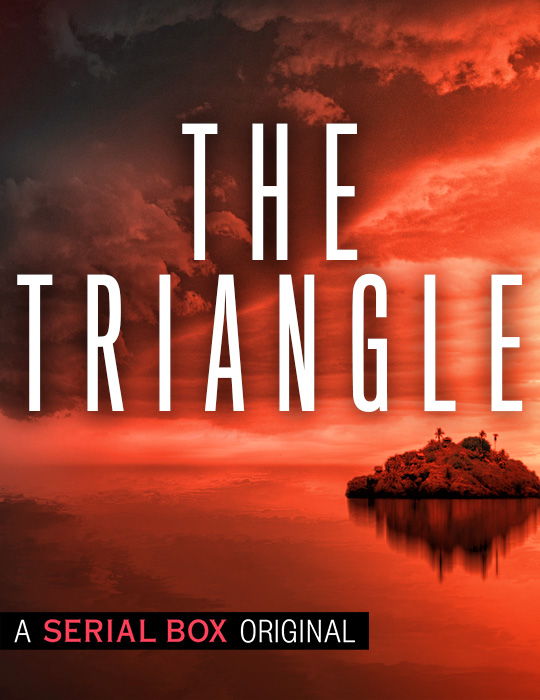
I’ve been hitting my audiobook TBR hard these last few weeks, so I’m trying not to request too many books to add to it. But when Serial Box contacted me, I couldn’t help but check out a couple of their newer series. Machina by Fran Wilde, Malka Older, Curtis C. Chen, and Martha Wells has just started, so I may wait until it is closer to completion to binge read this sci-fi serial about two companies competing to send their AI robots to colonize Mars. Then there’s The Triangle by Dan Koboldt, Sylvia Spruck Wrigley, and Mindy McGinnis, which caught my attention because it gave me serious LOST vibes. believe the first season is finished, so I’ll likely be diving into the audio episodes soon.
Reviews
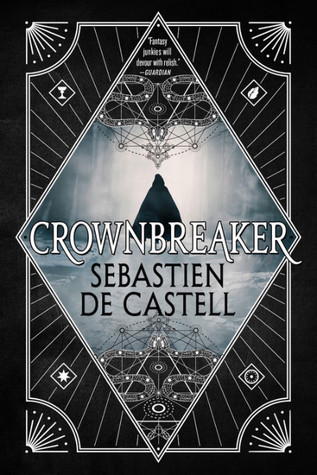
Crownbreaker by Sebastien de Castell (4.5 of 5 stars)
Anyone by Charles Soule (4 of 5 stars)
Salvaged by Madeleine Roux (3 of 5 stars)
Roundup Highlights:
This Week’s Reads
Have you heard of or read any of the books featured this week? What caught your eye? Any new discoveries? I hope you found something interesting for a future read! Let me know what you plan on checking out. Until next time, see you next Roundup!
Friday Face-Off: Dark and Forboding
Posted on December 20, 2019 24 Comments
Welcome to The Friday Face-Off, a weekly meme created by Books by Proxy! Each Friday, we will pit cover against cover while also taking the opportunity to showcase gorgeous artwork and feature some of our favorite book covers. If you want to join the fun, simply choose a book each Friday that fits that week’s predetermined theme, post and compare two or more different covers available for that book, then name your favorite. A list of future weeks’ themes are available at Lynn’s Book Blog.
This week’s theme is:
Longest Night
~ a cover that is DARK AND FORBODING
Mogsy’s Pick:
The Only Child by Andrew Pyper
As soon as I saw today’s topic, my mind went immediately to The Only Child, a mystery-horror novel that manages to incorporate three of the greatest Gothic horror novels of the 1800s into one strange tale. I own the US edition, whose cover has always struck me as the epitome of dark and foreboding, and I was glad to see that the book had several other editions as well, so let’s take a look at some of their covers now:
From left to right:
Simon & Schuster (2017) – Sterling Mystery Series (2017)
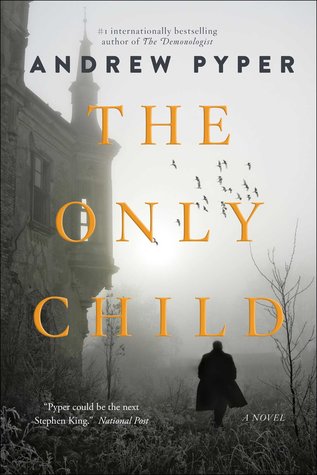
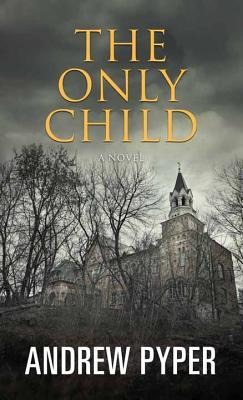
Portuguese Edition (2020) – Serbian Edition (2017)


Winner:
Ooh, tough choice this week. I love the Simon & Schuster cover, as well the equally ominous and bleak Sterling Mystery Series cover. But when it comes to causing pure uneasiness and dread, I’m going to have to go with the Serbian edition.
But what do you think? Which one is your favorite?
Book Review: Crownbreaker by Sebastien de Castell
Posted on December 19, 2019 15 Comments
I received a review copy from the publisher. This does not affect the contents of my review and all opinions are my own.
Crownbreaker by Sebastien de Castell
Mogsy’s Rating: 4.5 of 5 stars
Genre: Fantasy, Young Adult
Series: Book 6 of Spellslinger
Publisher: Orbit (December 10, 2019)
Length: 544 pages
Author Information: Website | Twitter
Crownbreaker is the ending to the Spellslinger series that fans have been waiting for. For six books now, we’ve been journeying along with Kellen Argos, a failed mage who has become so much more. But while it’s incredible to see how far he has come, how in many ways he is different from the boy he used to be, it’s also heartwarming to know in all the important ways he has not changed at all, that he is still the Kellen we know and love. Likewise, the stories in these books have evolved, growing bigger in scope and conflict, but a lot of the themes have remained the same, an anchoring point for longtime fans of the series.
For one thing, Kellen is still on the run, and even in exile he’ll never be safe, because so long as he has a price on his head, he’ll always be hunted. Still, what if there is an opportunity to put an end to all that? For now, Kellen has made a comfortable enough home for himself in Darome, serving as a tutor and protector to the nation’s young queen. But his family are aware of where he is and what he has been doing, and an offer to come home with no questions asked is now on the table. That said, there is the matter of his strained relationship with his parents, and the even more complicated one with his sister. With the possibility of a war looming, however, he’ll have to consider all options, as loathsome as some of them might be. In order to protect his queen, Kellen has been tasked to do something drastic, something he finds reprehensible, and yet, the consequences of not carrying it out can mean an end to the empire.
So yeah, endings make me nervous. No matter much I love a series, if the final volume is disappointing, it can really leave a bad taste in your mouth and sour the whole experience. And on top of that, endings usually mean saying goodbye to characters who have lived in our hearts and our heads for so long, it’s almost feels like you are losing a friend, making it all the more important for an author to provide a good sendoff.
But boy, does Sebastien de Castell know how to do just that! First of all, Crownbreaker is like the ultimate reunion of sorts, gathering ‘round all the important figures who have made an impact on our protagonist’s life. I nearly jumped up and danced with joy to have our original trio of Kellen, Reichis, and Ferius Parfax back together again—damn, I missed that spunky Argosi. But of course, her reappearance also spells some dire news for Kellen, stirring up painful emotions and putting him in a tight spot. A certain Argosi named after a Rose also makes a return, as does a familiar young woman and her hyena, so you know the author isn’t messing around. I loved how so many things came full circle, the way I love my endings. There have been a couple books mid-series where I felt things had stalled, but looking back now, I see that the plan has been in place all along for all the pieces to come together.
More than this, I really can’t say because of all the revelations and various plotlines that come to fruition which are best left for the reader to discover for themselves. Suffice to say we’ve reached a point where all the tension, all the mystery and intrigue has built to a point which demands a resolution worthy of its conflict, and De Castell delivers. Granted, there were parts in the book where pacing flagged, but I saw this as the inevitable result of all the explanations required to bring answers and closure to many of Kellen’s problems like the Shadowblack, his family drama, the uncertain relationship he has with his own abilities as well as his past. After all these years, he thought he had made his peace with the injustices inflicted upon him, but a part of him still wants the life he was supposed to have, and I think these feelings play a major part in Crownbreaker which made this a very emotional book for me.
And speaking of emotional, it still amazes me how much Kellen has grown—and not only that, how much the series has matured along with him. Spellslinger, the first book, was distinctively YA, but by the time we get to Crownbreaker, the tone of the series has become more ambiguous, with elements that would appeal to both YA and adult readers. It’s brilliant, because it makes us feel like we grow with the character, watching Kellen develop from an awkward boy of fifteen, naively trying to game his way through his trials, to a worldly young adult who is the sum of all his experiences and the lessons he’s learned while being on the road. The brilliance also extends to the final postscript, which was surprising, different, and completely awesome.
So kudos to you, Mr. De Castell, for you’ve done it again! Thank you for the gift of the Spellslinger series, which you can be sure is now joining The Greatcoats quartet on my all-time favorites shelf. To fantasy fans, if you haven’t had the pleasure of reading this author, then you’re in for a treat, because if you’re into humor and action, genuine characters and richly imagined worlds, his stories have it all.

More on The BiblioSanctum:
Review of Spellslinger (Book 1)
Review of Shadowblack (Book 2)
Review of Charmcaster (Book 3)
Review of Soulbinder (Book 4)
Review of Queenslayer (Book 5)
Waiting on Wednesday 12/18/19
Posted on December 18, 2019 21 Comments
“Waiting On Wednesday” is a weekly meme that first originated at Breaking the Spine but has since linked up with “Can’t Wait Wednesday” at Wishful Endings now that the original creator is unable to host it anymore. Either way, this fun feature is a chance to showcase the upcoming releases that we can’t wait to get our hands on!
Mogsy’s Pick
Night Train by David Quantick (June 9th, 2020 by Titan Books)
2019 was a rather light year for me when it comes to horror, so I’m looking to 2020 for some good chilling reads. While browsing through the lists of upcoming releases, Night Train caught my eye and I think it sounds very promising!
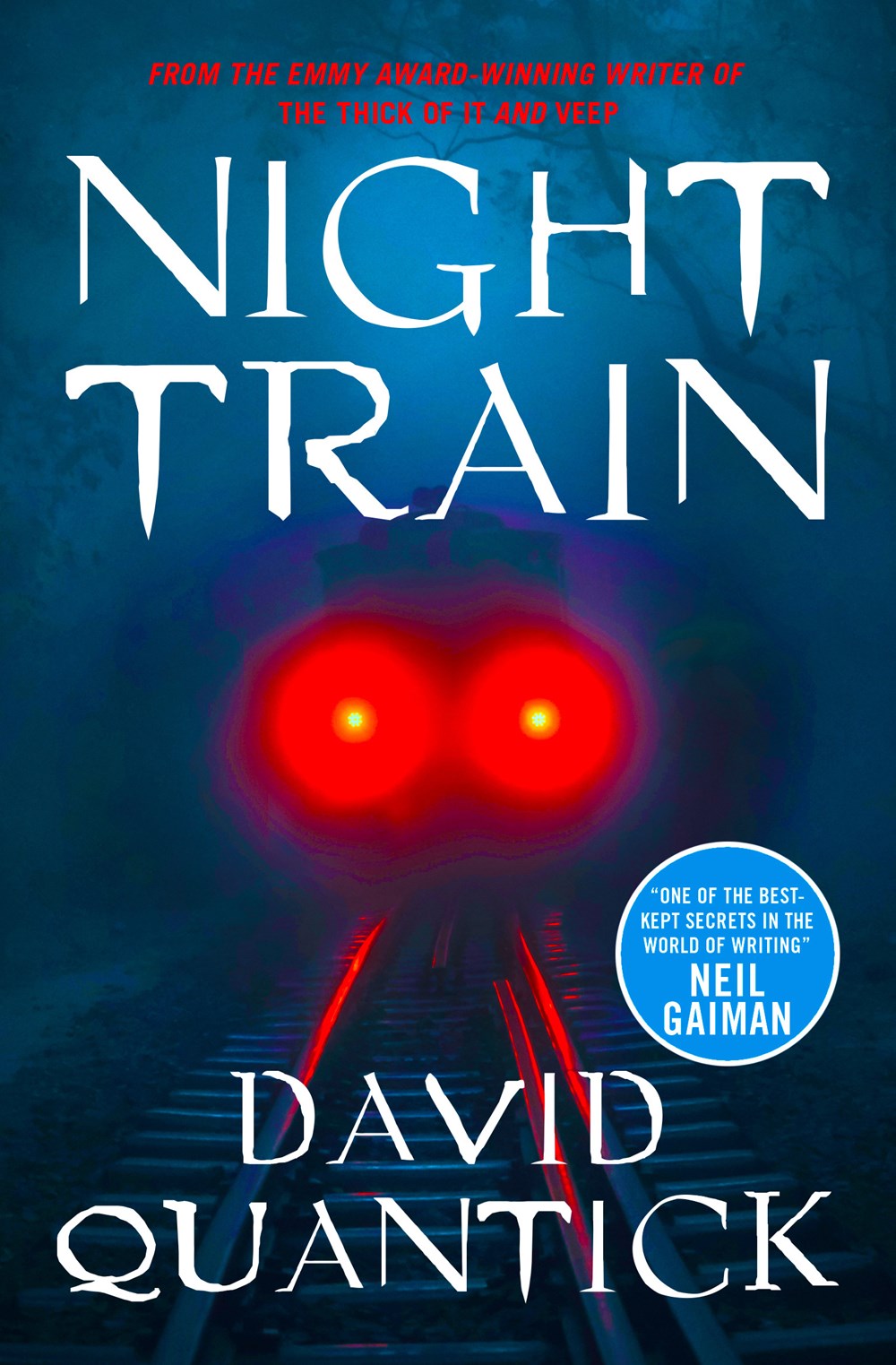 “From Emmy-award winning author David Quantick, Night Train is a science-fiction horror story like no other.
A woman wakes up, frightened and alone – with no idea where she is. She’s in a room but it’s shaking and jumping like it’s alive. Stumbling through a door, she realizes she is in a train carriage. A carriage full of the dead.
This is the Night Train. A bizarre ride on a terrifying locomotive, heading somewhere into the endless night. How did the woman get here? Who is she? And who are the dead? As she struggles to reach the front of the train, through strange and horrifying creatures with stranger stories, each step takes her closer to finding out the train’s hideous secret. Next stop: unknown.”
Books I Meant to Read In 2019 but Didn’t Get To
Posted on December 17, 2019 49 Comments
In news that should surprise no one, I did not manage to read all the books on my “Must Read” lists of 2019 (Jan to March, April to June, July to September, October to December), but considering that’s about 140 books all together, I think I did pretty damn well! I got to finish all but approximately 30 books, and here are some that I most regret not getting to. But who knows, there are still a couple weeks left in the year, and I may still knock a few more off the big old TBR yet, especially for December releases,
 The Kingdom of Copper by S.A. Chakraborty
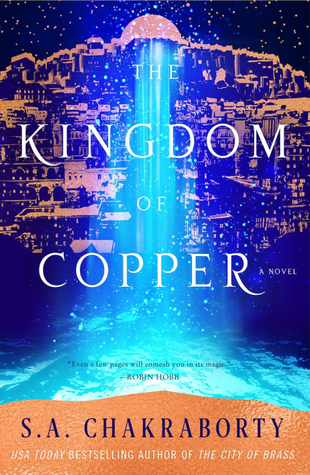
Nahri’s life changed forever the moment she accidentally summoned Dara, a formidable, mysterious djinn, during one of her schemes. Whisked from her home in Cairo, she was thrust into the dazzling royal court of Daevabad—and quickly discovered she would need all her grifter instincts to survive there.
Now, with Daevabad entrenched in the dark aftermath of a devastating battle, Nahri must forge a new path for herself. But even as she embraces her heritage and the power it holds, she knows she’s been trapped in a gilded cage, watched by a king who rules from the throne that once belonged to her family—and one misstep will doom her tribe..
Meanwhile, Ali has been exiled for daring to defy his father. Hunted by assassins, adrift on the unforgiving copper sands of his ancestral land, he is forced to rely on the frightening abilities the marid—the unpredictable water spirits—have gifted him. But in doing so, he threatens to unearth a terrible secret his family has long kept buried.
And as a new century approaches and the djinn gather within Daevabad’s towering brass walls for celebrations, a threat brews unseen in the desolate north. It’s a force that would bring a storm of fire straight to the city’s gates . . . and one that seeks the aid of a warrior trapped between worlds, torn between a violent duty he can never escape and a peace he fears he will never deserve.
 Ship of Smoke and Steel by Django Wexler
In the lower wards of Kahnzoka, the great port city of the Blessed Empire, eighteen-year-old ward boss Isoka enforces the will of her criminal masters with the power of Melos, the Well of Combat. The money she collects goes to keep her little sister living in comfort, far from the bloody streets they grew up on.
When Isoka’s magic is discovered by the government, she’s arrested and brought to the Emperor’s spymaster, who sends her on an impossible mission: steal Soliton, a legendary ghost ship–a ship from which no one has ever returned. If she fails, her sister’s life is forfeit.
On board Soliton, nothing is as simple as it seems. Isoka tries to get close to the ship’s mysterious captain, but to do it she must become part of the brutal crew and join their endless battles against twisted creatures. She doesn’t expect to have to contend with feelings for a charismatic fighter who shares her combat magic, or for a fearless princess who wields an even darker power.
 The Ruin of Kings by Jenn Lyons
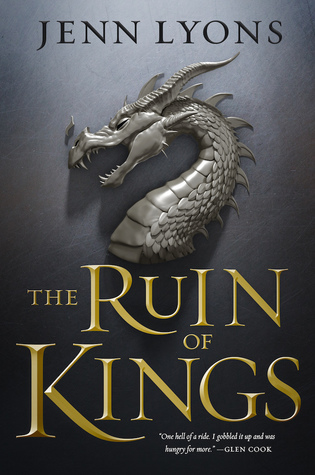
There are the old stories. And then there’s what actually happens.
Kihrin is a bastard orphan who grew up on storybook tales of long-lost princes and grand quests. When he is claimed against his will as the long-lost son of a treasonous prince, Kihrin finds that being a long-lost prince isn’t what the storybooks promised.
Far from living the dream, Kihrin finds himself practically a prisoner, at the mercy of his new family’s power plays and ambitions. He also discovers that the storybooks have lied about a lot of other things things, too: dragons, demons, gods, prophecies, true love, and how the hero always wins.
Then again, maybe he’s not the hero, for Kihrin isn’t destined to save the empire.
He’s destined to destroy it…
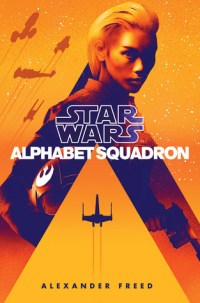 Star Wars: Alphabet Squadron by Alexander Freed
The Emperor is dead. His final weapon has been destroyed. The imperial army is in disarray. In the aftermath, Yrica Quell is just one of thousands of defectors from her former cause living in a deserters’ shantytown—until she is selected to join Alphabet Squadron.
Cobbled together from an eclectic assortment of pilots and starfighters, the five members of Alphabet are tasked by New Republic General Hera Syndulla herself. Like Yrica, each is a talented pilot struggling to find their place in a changing galaxy. Their mission: to track down and destroy the mysterious Shadow Wing, a lethal force of TIE fighters exacting bloody, reckless vengeance in the twilight of their reign.
The newly formed unit embodies the heart and soul of the Rebellion: ragtag, resourceful, scrappy, and emboldened by their most audacious victory in decades. But going from underdog rebels to celebrated heroes isn’t as easy as it seems, and their inner demons threaten them as much as their enemies among the stars. The wayward warriors of Alphabet Squad will have to learn to fly together if they want to protect the new era of peace they’ve fought so hard to achieve.
 The Fall by Tracy Townsend
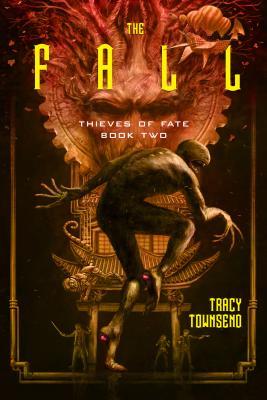
Eight months ago, Rowena Downshire was a half-starved black market courier darting through the shadows of Corma’s underside. Today, she’s a (mostly) respectable clerk in the Alchemist’s infamous apothecary shop, the Stone Scales, and certainly the last girl one would think qualified to carry the weight of the world on her shoulders a second time. Looks can be deceiving.
When Anselm Meteron and the Alchemist receive an invitation to an old acquaintance’s ball–the Greatduke who financed their final, disastrous mercenary mission fourteen years earlier–they’re expecting blackmail, graft, or veiled threats related to the plot to steal the secrets of the Creator’s Grand Experiment. They aren’t expecting a job offer they can’t refuse or a trip halfway across the world to rendezvous with the scholar whose research threw their lives into tumult: the Reverend Doctor Phillip Chalmers.
Escorting Chalmers to the Grand Library of Nippon with her mismatched mercenary family is just a grand adventure to Rowena until she discovers a powerful algebraic engine called the Aggregator. The Aggregator leads Rowena to questions about the Grand Experiment she was never meant to ask and answers she cannot be allowed to possess. With her reunited friends, Rowena must find a way to use the truths hidden in the Grand Library to disarm those who would hunt down the nine subjects of the Creator’s Grand Experiment, threatening to close the book on this world.
 Crowfall by Ed McDonald
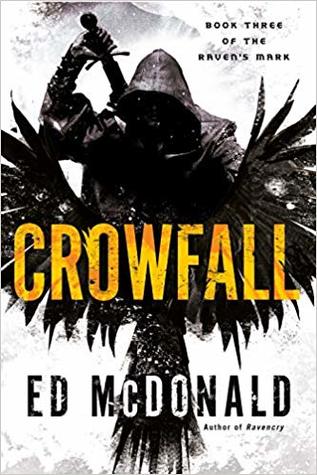
A sorcerous cataclysm has hit the Range, the final defensive line between the republic and the immortal Deep Kings.
Tormenting red rains sweep the land, new monstrosities feed on fear in the darkness, and the power of the Nameless, the gods who protect the republic, lies broken. The Blackwing captains who serve them are being picked off one by one, and even immortals have learned what it means to die. Meanwhile, the Deep Kings have only grown stronger, and they are poised to deliver a blow that will finally end the war.
Ryhalt Galharrow stands apart from it all.
He has been deeper into the wasteland known as the Misery than ever before. It has grown within him–changed him–and now the ghosts of his past, formerly confined to the Misery, walk with him everywhere.
They will even follow him–and the few surviving Blackwing captains–on one final mission into the darkness.
 The Rage of Dragons by Evan Winter
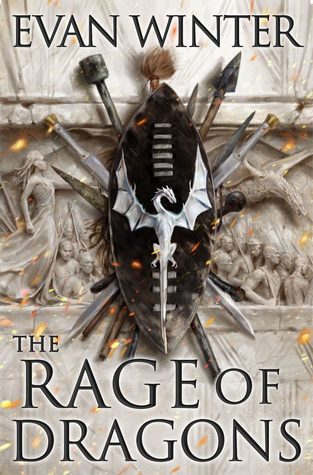
The Omehi people have been fighting an unwinnable fight for almost two hundred years. Their society has been built around war and only war. The lucky ones are born gifted. One in every two thousand women has the power to call down dragons. One in every hundred men is able to magically transform himself into a bigger, stronger, faster killing machine.
Everyone else is fodder, destined to fight and die in the endless war. Young, gift-less Tau knows all this, but he has a plan of escape. He’s going to get himself injured, get out early, and settle down to marriage, children, and land. Only, he doesn’t get the chance. Those closest to him are brutally murdered, and his grief swiftly turns to anger. Fixated on revenge, Tau dedicates himself to an unthinkable path. He’ll become the greatest swordsman to ever live, a man willing to die a hundred thousand times for the chance to kill the three who betrayed him.
 Howling Dark by Christopher Ruocchio

The second novel of the galaxy-spanning Sun Eater series merges the best of space opera and epic fantasy, as Hadrian Marlowe continues down a path that can only end in fire.
Hadrian Marlowe is lost.
For half a century, he has searched the farther suns for the lost planet of Vorgossos, hoping to find a way to contact the elusive alien Cielcin. He has not succeeded, and for years has wandered among the barbarian Normans as captain of a band of mercenaries.
Determined to make peace and bring an end to nearly four hundred years of war, Hadrian must venture beyond the security of the Sollan Empire and among the Extrasolarians who dwell between the stars. There, he will face not only the aliens he has come to offer peace, but contend with creatures that once were human, with traitors in his midst, and with a meeting that will bring him face to face with no less than the oldest enemy of mankind.
If he succeeds, he will usher in a peace unlike any in recorded history. If he fails…the galaxy will burn.
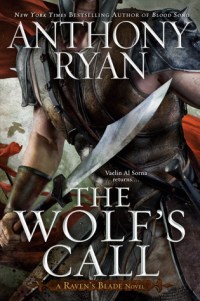 The Wolf’s Call by Anthony Ryan

Peace never lasts.
Vaelin Al Sorna is a living legend, his name known across the Realm. It was his leadership that overthrew empires, his blade that won hard-fought battles – and his sacrifice that defeated an evil more terrifying than anything the world had ever seen. He won titles aplenty, only to cast aside his earned glory for a quiet life in the Realm’s northern reaches.
Yet whispers have come from across the sea – rumours of an army called the Steel Horde, led by a man who believes himself a god. Vaelin has no wish to fight another war, but when he learns that Sherin, the woman he lost long ago, has fallen into the Horde’s grasp, he resolves to confront this powerful new threat.
To this end, Vaelin travels to the realms of the Merchant Kings, a land ruled by honor and intrigue. There, as the drums of war thunder across kingdoms riven by conflict, Vaelin learns a terrible truth: that there are some battles that even he may not be strong enough to win.
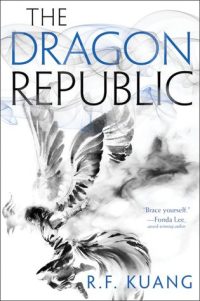 The Dragon Republic by R.F. Kuang

In the aftermath of the Third Poppy War, shaman and warrior Rin is on the run: haunted by the atrocity she committed to end the war, addicted to opium, and hiding from the murderous commands of her vengeful god, the fiery Phoenix. Her only reason for living is to get revenge on the traitorous Empress who sold out Nikan to their enemies.
With no other options, Rin joins forces with the powerful Dragon Warlord, who has a plan to conquer Nikan, unseat the Empress, and create a new Republic. Rin throws herself into his war. After all, making war is all she knows how to do.
But the Empress is a more powerful foe than she appears, and the Dragon Warlord’s motivations are not as democratic as they seem. The more Rin learns, the more she fears her love for Nikan will drive her away from every ally and lead her to rely more and more on the Phoenix’s deadly power. Because there is nothing she won’t sacrifice for her country and her vengeance.
 Dispel Illusion by Mark Lawrence
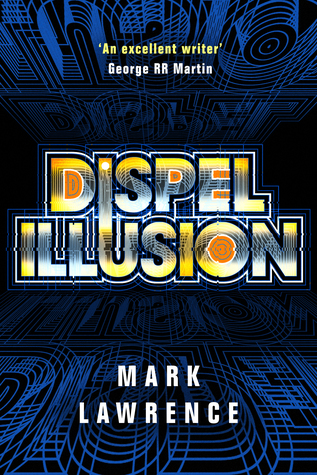
Nick Hayes’s genius is in wringing out the universe’s secrets. It’s a talent that’s allowed him to carve paths through time. But the worst part is that he knows how his story will end. He’s seen it with his own eyes. And every year that passes, every breakthrough he makes, brings him a step closer. Mia’s accident is waiting for them both in 2011. If it happens then he’s out of choices.
Then a chance 1992 discovery reveals that this seeker of truth has been lying to himself. But why? It’s a question that haunts him for years. A straw he clings to as his long-awaited fate draws near.
Time travel turns out not to be the biggest problem Nick has to work on. He needs to find out how he can stay on his path but change the destination. Failure has never been an option, and neither has survival. But Nick’s hoping to roll the dice one more time. And this new truth begins with a lie.
December Titles:
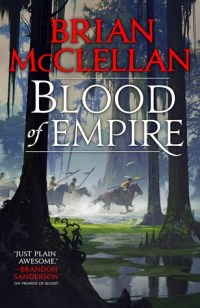 Blood of Empire by Brian McClellan

The Dynize have unlocked the Landfall Godstone, and Michel Bravis is tasked with returning to Greenfire Depths to do whatever he can to prevent them from using its power; from sewing dissension among the enemy ranks to rallying the Palo population.
Ben Styke’s invasion of Dynize is curtailed when a storm scatters his fleet. Coming ashore with just twenty lancers, he is forced to rely on brains rather than brawn – gaining new allies in a strange land on the cusp of its own internal violence.
Bereft of her sorcery and physically and emotionally broken, Lady Vlora Flint now marches on Landfall at the head of an Adran army seeking vengeance against those who have conspired against her. While allied politicians seek to undo her from within, she faces insurmountable odds and Dynize’s greatest general.
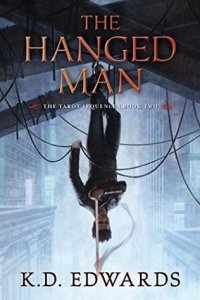 The Hanged Man by K.D. Edwards

The Tarot Sequence imagines a modern-day Atlantis off the coast of Massachusetts, governed by powerful Courts based on the traditional Tarot deck.
Rune Saint John, last child of the fallen Sun Throne, is backed into a fight of high court magic and political appetites in a desperate bid to protect his ward, Max, from a forced marital alliance with the Hanged Man.
Rune’s resistance will take him to the island’s dankest corners, including a red light district made of moored ghost ships; the residence of Lady Death; and the floor of the ruling Convocation, where a gathering of Arcana will change Rune’s life forever.


 The BiblioSanctum