The DNF Round-Up
Posted on January 26, 2025 13 Comments
As all readers know, sometimes a book just doesn’t click. Maybe it’s just not what you expected—or worse, maybe it’s just not working for you at all. Granted, it doesn’t happen to me too often, but when it does, that’s when DNF reviews come in. I’ve found that it greatly helps me process my reading experience to articulate why a book didn’t work for me, not to mention they also serve as a way to share my honest opinions with other readers who might feel the same—or who might actually enjoy the book for the very reasons I didn’t.
Here are the latest books that didn’t quite hit the mark for me and that I ultimately decided to put aside (a couple of these were actually from the tail end of last year).
I received review copies from the publisher(s). This does not affect the contents of my reviews and all opinions are my own.
 All the Hearts You Eat by Hailey Piper
Mogsy’s Rating: DNF
Genre: Horror
Series: Stand Alone
Publisher: Titan Books (October 15, 2024)
Length: 447 pages
From the start, this one felt off to me. The prose was overly flowery and purple, making the writing feel bloated with unnecessary words. It’s tough to explain, but the intro felt simultaneously drawn out and all over the place. It was also hard to care about the characters, and by the time I set the book down about a quarter of the way into the book, they still didn’t feel fully realized. Any message on solidarity and friendship was completely overshadowed by the book’s aimless structure. Simply put: too many POVs, too much chaos, and too much pointless rage made this one impossible to continue.
 American Rapture by C.J. Leede
Mogsy’s Rating: DNF
Genre: Horror
Series: Stand Alone
Publisher: Nightfire (October 15, 2024)
Length: 384 pages
American Rapture had such an intriguing premise: as a new virus spreading across the country making the infected feral with lust, our protagonist braves the unknown to reunite with her family. Problem is, the author is not known for sublety. Really, she is not. Being over the top and shocking is part and parcel of the style and experience. But when you are dealing with such weighty topics like spiritual wounds, conflicted identities, and societal collapse, this treatment just feels so gratuitous and flippantly distasteful. This book didn’t feel like a story; the character felt more like Leede’s mouthpiece to deliver a one-sided and heavy-handed screed, and I abandoned ship early when I realized where things were headed.
 Water Moon by Samantha Sotto Yambao
Mogsy’s Rating: DNF
Genre: Fantasy, Romance
Series: Stand Alone
Publisher: Del Rey (January 14, 2025)
Length: 384 pages
I really really wanted to like this book. That I didn’t DNF it until well after the 50% mark should tell you just how badly I tried, but ultimately it wasn’t to be. With all the comparisons to Studio Ghibli, I was originally all on board, but as any fan knows, their films are diverses in tone and not all of them resonate with everyone. Sadly, while Water Moon had the whimsy and mythological charm down pat, it fell short in the areas that matter most to me: character development and cohesive storytelling. Troubles began with the clunky and overwrought writing style, and further issues came to light when the plot made it more important to focus on the romance. It’s a shame because I wanted to be swept away by the magic but instead I was left disappointed, though Water Moon will undoubtedly be a favorite for many.
Book Review: At the Bottom of the Garden by Camilla Bruce
Posted on January 22, 2025 9 Comments
I received a review copy from the publisher. This does not affect the contents of my review and all opinions are my own.
 At the Bottom of the Garden by Camilla Bruce
Mogsy’s Rating: 3.5 of 5 stars
Genre: Horror
Series: Stand Alone
Publisher: Del Rey (January 28, 2024)
Length: 384 pages
Author Information: Website | Twitter
I’ve been a fan of Camilla Bruce ever since I read You Let Me In, which won over with its dark, complex characters and unsettling themes. Her stories so often blur the lines between the real and the supernatural, and her newest novel At the Bottom of the Garden seemed like it would too—a blend of eeriness and whimsy and atmosphere. However, certain aspects also fell short of my admittedly high expectations.
The book introduces Clara Woods, a conniving woman who seizes on an opportunity to reshape her future when a tragic climbing accident claims the lives of her brother and his wife, leaving her as the sole guardian of their two orphaned daughters. Ambitious and cunning, Clara dreams of becoming the head of her own diamond business but lacks the funds to make it happen. With her late brother’s estate now in the hands of his children, Clara begins to plot her way into gaining access to their inheritance.
Still grieving the loss of their parents, 14-year-old Lily and 9-year-old Violet suddenly find themselves transported from their lavish townhome into a decaying manor in the countryside, living with their aunt whom they hardly know. Clara seems kind enough, and says all the right things, but the girls know better. Each secretly harbors a unique gift—Lily can “see” the emotions of others as different colors, while Violet has an inexplicable connection to the realm of the unliving. As their aunt’s manipulative behavior grows worse, the sisters begin to suspect her motives, especially when the house begins to feel increasingly suffocating and oppressive. One day, Violet’s mysterious ability unleashes a long-buried secret, and before long, Clara is surrounded by the ghosts of her past. A tense battle of wills ensues as Clara isn’t about to back down, while the girls grow increasingly defiant and emboldened by their powers.
The story primarily unfolds through chapters alternating between the perspectives of the three characters. Clara is a real piece of work—a greedy, social-climbing widow who is secretly delighted when her half-brother dies and only sees taking care of his daughters as a means to an end. Lily is more mature than her age would suggest, quietly observant and deeply protective of her younger sister. Violet is pure innocence, wanting only to please. Each POV adds a layer to this precarious dynamic, as the girls’ resistance causes Clara to push to take her scheming to the next level.
The writing style is interesting in this one, though it also strongly reminded me of In the Garden of Spite and All the Blood We Share, both books in which Camilla Bruce takes readers into the twisted minds of morally complex, often villainous characters. The main difference is, At the Bottom of the Garden takes on a more whimsical, cartoonish tone— turning Clara into something like a wicked witch from a children’s fairy tale. However, the charm doesn’t last. Eventually, the lack of depth shows through. You start wondering why the girls aren’t taking the obvious, logical steps to get out of their situation. Clara’s ideas become more and more far-fetched. Over time, these unrealistic elements just keep piling up, making the story feel increasingly oversimplified and shallow.
And though I ultimately liked that this was a ghost story, I couldn’t help but feel its potential was wasted. Things started out strong, with a sense of foreboding that was practically palpable. Yet as events unfolded, the plot began to lose its focus, meandering into subplots that distracted from the central conflict involving the haunting, the girls’ abilities, and Clara’s role as a murderess. All that started to feel like a backdrop rather than the key driving force, and by the time we got to the ending, the resolution was rushed and somewhat unsatisfying. The ending simply lacked the emotional impact I was hoping for, a letdown after the tensions built throughout the story.
Overall, in my opinion, At the Bottom of the Garden was not Camilla Bruce’s best, but the strange gothic dark fairy tale vibe does make it more unique and stand out among her other books. And despite my criticisms, I did enjoy it for its atmosphere and slow-burn supernatural plot. Recommended if you are a fan of the author, or for readers who can appreciate a lighter take on horror.


Audiobook Review: Wake Up and Open Your Eyes by Clay McLeod Chapman
Posted on January 17, 2025 13 Comments
I received a review copy from the publisher. This does not affect the contents of my review and all opinions are my own.
 Wake Up and Open Your Eyes by Clay McLeod Chapman
Mogsy’s Rating: 1 of 5 stars
Genre: Horror
Series: Stand Alone
Publisher: Blackstone Publishing (January 7, 2025)
Length: 11 hrs and 11 mins
Author Information: Website | Twitter
Narrators: Kelli Tager, Joe Hempel, Cary Hite, Neil Hellegers, Marni Penning, P. J. Ochlan, Noah Levine, Soneela Nankani, Charlotte Moore-Lambert, Megan Tusing
Social horror. Psychological horror. Body horror. Zombie plague horror. Wake Up and Open Your Eyes by Clay McLeod Chapman, a novel which follows the Fairchild family as they navigate the apocalypse triggered by an epidemic of a mind virus that spreads through media consumption, can probably be slotted into any of these categories. As the story opens, we meet Noah, a self-proclaimed “libtard” who grows increasingly alarmed as his “formerly polite Southern” parents fall under the influence of a “Great Reawakening” conspiracy propagated by a far-right commentator on the cable news network, Fax News (seriously…as in “Just the Fax!”) After not being able to reach them for a while, a concerned Noah makes the drive from Brooklyn to his childhood home in Richmond, Virginia to check up on his mom and dad, only to find the place in shambles. His parents are in even worse shape—dehydrated, malnourished, and unkempt—yet they remain strangely indifferent to their condition. That’s because their minds are fully consumed by the television, on which a voice loudly and gleefully declares that the long-awaited Great Reawakening is finally at hand.
When Noah tries to snap his parents out of it, he is met with vicious and indecent attacks, forcing him to do the unthinkable. With no other help coming, he comes to the sickening realization that this was not an isolated incident. All over the country, roughly half the population has been transformed into aggressive, salacious, zombie-like beings, forming huge mobs to engage in reckless self-harm while inflicting violence on others without restraint. Some of Noah’s other family members are among those who have succumbed to the far-right programming, including his brother Ash and his social media addicted sister-in-law Devon. Determined to reunite with his wife and child, Noah embarks on a treacherous journey back to Brooklyn while desperately trying to make sense of it all.
So, if you’ve already seen my rating, then you might have guessed: I have regrets. Let’s just start with how nothing good ever comes from talking about politics. For that reason alone (though there were plenty of others…oh so many), I probably should have DNF’ed Wake Up and Open Your Eyes because there’s enough political bullshit in real life—I certainly don’t need more of it in my leisure reading. Still, I decided to give the book a fair shake and pressed forward until 20%, at which point the narrative shifted toward the apocalyptic elements. For a moment, I thought the story might redeem itself, but this hope fizzled again by the time I was about three quarters of the way through, when things took another nosedive. Of course, by then I was too far in to abandon ship and resolved to finish the book, if for no other reason than it means I get to write this review out of sheer spite.
First, let’s talk about the themes. The most obvious one here is the political messaging, which by itself is not a dealbreaker for me usually. Whether it’s heavy-handed satire or thinly veiled preachiness, if it’s done well and serves its purpose, I can enjoy it. That said, this wasn’t the case here. This book makes you wonder whether the author has ever actually stepped outside his bubble to interact with real Americans from both sides of the aisle. I’ve always considered myself an independent, and even then, I thought that the stereotypes in this story—regardless of their political slant, even as satire—came across as downright ignorant and cartoonish. LAZY! I’m also wondering now if he wishes the book had come out before the last election, as the final polls reveal just how off base and out of touch some of the stereotypes are in this story, especially the assumptions regarding demographics. From the heavy-handedness to the complete lack of self-awareness, all of it was just so cringey.
But the main issue I had with this book was the over-the-top horror, particularly its reliance on unsettling imagery that seemed to exist solely for the sake of being offensive and shocking rather than having any real meaning or reason to be there. It’s like the author went down a checklist of the most inappropriate topics imaginable and decided to throw it all against a wall and see what sticks. Allusions to incest? Check. Brutalizing cute little animals like the family dog and a fluffy bunny? Check. Violence against children and disturbing school shooting references? Also check. Rather than horrifying, it just felt exploitative and tasteless. Again, LAZY!
And as if that wasn’t enough, the book’s structure was an absolute mess. A part of me can look beyond this disaster and appreciate the creative desire to make bold, stylistic choices, but another part of me can’t help but assume that, at this point, you’re just trolling your readers and trying to annoy them on purpose. The story starts off being told in third person, then switches to second person (you can’t make this up!), then randomly inserts transcripts from cam footage and social media videos because, why not? For shits and giggles, we can also just repeat the same words over and over for pages at a time! Let’s throw in some footnotes too while we’re at it, that’s totally edgy and different, right? Heck, if you told me this novel was meant to be experimental art, I’d believe it—but I’d also tell you straight up that it feels less like art and more like pretentious chaos.
In conclusion, Wake Up and Open Your Eyes was a disappointment on multiple levels and should have been a DNF had I followed my initial gut instinct. If there’s any silver lining at all, it’s the catharsis and satisfaction of venting all my frustrations into this review. Safe to say, this one wasn’t for me. Since it’s my first book by Clay McLeod Chapman, I have no idea if maybe this was just a fluke when it comes to its particular themes and writing style. While I wouldn’t rule it out completely, I’d still need to think long and hard and probably do some research before considering another book by the author.

Book Review: Lightfall by Ed Crocker
Posted on January 14, 2025 11 Comments
I received a review copy from the publisher. This does not affect the contents of my review and all opinions are my own.

Mogsy’s Rating: 4 of 5 stars
Genre: Fantasy
Series: Stand Alone
Publisher: St. Martin’s Press (January 14, 2025)
Length: 384 pages
Author Information: Website | Twitter
Books featuring vampires and werewolves have always piqued my interest, especially when they strike the perfect balance between honoring traditional lore and offering something new and unique. Lightfall by Ed Crocker managed to hit that sweet spot for me. While the novel doesn’t stray too far from the established mythology of these classic monsters, it also introduces a richly detailed setting with an immersive history that feels well thought out and significant.
In the world of Lightfall, humanity no longer exists, leaving immortal creatures like vampires and werewolves in charge. The story is primarily told through three main character perspectives, each with their own role to play in the unfolding mystery that drives the plot forward. First, we have Sam, a vampire who works as a palace maid in the city of First Light. Stuck on the bottom rung of the ladder in a society where one’s worth is determined by the quality of blood they drink, she can’t help but dream of a better life for herself and her fellow “Worms.” When the youngest son of the First Lord is found murdered, Sam is tasked to clean his room and comes across a list that may offer a clue to his death. Sensing an opportunity, she decides to reach out to the “Leeches”, a secretive network among the palace staff known for their expertise in handling powerful information.
Next, we meet Sage, a sorcerer whose organization is dedicated to the study of ancient artifacts left behind by the now-extinct human race. Traveling with Jacob, the Watson to Sage’s Holmes, they arrive at Light Fall to investigate the killing of the First Lord’s son. Meanwhile, Raven is a werewolf and former assassin who now dedicates herself to hunting down criminals of her own kind, exacting swift justice upon those who break their laws. Her latest quarry has also brought her to the city, leading her to cross paths with Sam, Sage, Jacob, and the mysterious noble lady who will help guide them into dangerous territory. Together, they will uncover conspiracies far larger than they could have imagined, even as they delve deeper into the mystery of the murdered prince.
Through these POVs, Crocker weaves a tale rich in conflict and intrigue, but at its core are the layered relationships. Each character’s voice was distinct enough that the shifts between them were relatively seamless, allowing the story to flow naturally from one perspective to the next. The contrasting personalities also added a lot of depth and interest to the plot, their interactions enhancing the emotional core of the novel. Even secondary characters felt like they had important roles to play, adding meaningful context to the overarching themes.
Admittedly, though, the book was a bit slow in hooking my interest. Initial chapters took their sweet time building up the foundation to the world of Lightfall—which, to be fair, featured a substantial cast of characters and a complicated premise. Information overload happened rather quickly in this case, making it feel like I had to wade through a ton of exposition just to get to the meat of the story. But once this happened, the pacing picked up substantially. With all the pieces in place, it was like the plot was suddenly given room to breathe because things moved at a fast clip with a steady stream of action and suspense following this point. Crocker pulls off a nice balancing act by countering chapters filled with chaos and violence with more introspective moments, using this ebb and flow to ensure his storytelling remains dynamic and multifaceted.
As a lover of mysteries, especially in the context of fantasy fiction, I was also quite tickled with the overall structure of Lightfall and the involvement of Sage and Jacob—by far my favorite characters. While on the face of it, the mystery of the Lord’s murdered son was kind of simplistic, what made it compelling was the way everything was solidly incorporated into the world-building including its politics and history. Were certain elements rushed or a little predictable? Yes, to both. Still, despite these minor hiccups and other rough edges, the payoff was worth the wait.
In conclusion, Lightfall offers a unique and captivating take on vampires and werewolves and magic in the fantasy genre, offering inventive ideas. It is not without its flaws, particularly with initial pacing, but I am happy to overlook them because the novel has strengths in so many other areas. I’m excited for what lies ahead in this series and to see what Ed Crocker will do to build upon what’s already established.

Audiobook Review: Beautiful Ugly by Alice Feeney
Posted on January 12, 2025 12 Comments
I received a review copy from the publisher. This does not affect the contents of my review and all opinions are my own.
 Beautiful Ugly by Alice Feeney
Mogsy’s Rating (Overall): 3.5 of 5 stars
Genre: Thriller, Mystery
Series: Stand Alone
Publisher: Macmillan Audio (January 14, 2025)
Length: 9 hrs and 19 mins
Author Information: Website
Narrators: Richard Armitage, Tuppence Middleton
In Alice Feeney’s Beautiful Ugly, a couple’s life is abruptly turned upside down when a celebrated author’s wife mysteriously vanishes. The book opens as Grady Green anxiously paces his home, waiting for good news from his publisher. He phones his wife, Abby, wondering where she is. It’s an important night, he tells her, and he wants her there with him when the call comes. Abby is happy and excited for him, assuring him that she’s on her way back to the house. But that’s the last he hears from her. Their call is abruptly cut off, and later, Abby’s car is found abandoned at the side of the road. Of Grady’s wife herself, there is no sign.
A year later, still distraught over Abby’s sudden disappearance and unanswered questions, Grady is suffering from writer’s block. Desperate to meet a deadline, he listens to the advice of Kitty, his agent who was also Abby’s godmother, and travels to the isle of Amberley for a new change of pace and scenery. Situated off the coast of Scotland, the lonely island is far from the distractions of civilization and offers the solitude required for a writer’s retreat. Grady settles into a recently vacated cabin, which used to belong to another famous author, and hopes that its creative energies will inspire him too.
However, Amberley is full of its own secrets. Years of living in seclusion have also made the island’s residents an eccentric bunch, and not all are happy about the new arrival. Grady starts receiving anonymous messages whose contents are ambiguous and not entirely welcoming. His life suddenly takes another unexpected turn when, following a near-miss incident on a road, he meets a woman who looks exactly like Abby. In fact, it could be Abby, were it not for her different colored eyes and the fact that Grady is a complete stranger to her. But if she is not his wife, then who could she be?
With six books by Alice Feeney under my belt, I’ve come to notice a pattern: her novels tend to feature premises that sound more exciting than they actually are. Case in point, her stories often open with fascinating setups that immediately grab your interest, but the execution doesn’t always live up to the initial pitch. After a while, the narrative starts giving way to familiar tropes or gradually loses the spark that made the beginning so alluring, and truth be told, I think Beautiful Ugly followed a similar trajectory. At some point, it occurred to me that the mystery of Abby’s disappearance might have even been overshadowed by the story’s meandering.
And yet, Feeney does have a way of keeping me entertained. Her sharp prose and skills as a storyteller keep me coming back, because while Beautiful Ugly does demand a fair bit of patience, it is still undeniably intriguing. No matter how insignificant the details may seem, in the end they contribute to a larger puzzle. This is how the author’s stories capture the imagination of her audience. From the get-go, you know something is terribly wrong, and even as the plot trundles its way through doling out even more questions than answers, you can’t help but be drawn into the book’s psychological games.
Grady, for instance, is the perfect unreliable narrator. As his confusion and emotions grow heavier, it makes perfect sense to question everything he sees and hears. A place like Amberley also adds ambiguity to the mix, with its brooding atmosphere and tight-knit insular community of just a few dozen people. Every interaction is a potential clue, but further muddying the waters are the locals’ secrets and motives, not to mention Grady’s own paranoia.
The ending eventually steered things back to the main mystery at hand, but admittedly, the reveals were a bit farfetched, and the conclusion carried an anticlimactic tone that left me feeling like the payoff didn’t match the promise of the initial hook. However, Feeney takes a bold risk with the final twist, and for readers who enjoy these kinds of over-the-top bombshells, they might find it enhances the experience by providing a counterbalance to the novel’s more emotional and grounded themes.
Audiobook Comments: I always love listening to Alice Feeney’s books in audio since they are often narrated by the wonderful Richard Armitage. Beautiful Ugly featured his exceptional voice work, alongside a few chapters read by Tuppence Middleton. Together, their voices brought the story to life and were remarkably on point at capturing the required emotional depth and heartbreak.

Book Review: Witchcraft for Wayward Girls by Grady Hendrix
Posted on January 6, 2025 8 Comments
I received a review copy from the publisher. This does not affect the contents of my review and all opinions are my own.
 Witchcraft for Wayward Girls by Grady Hendrix
Mogsy’s Rating: 3.5 of 5 stars
Genre: Horror
Series: Stand Alone
Publisher: Berkley (January 14, 2025)
Length: 496 pages
Author Information: Website | Twitter
Grady Hendrix is known for his horror novels with unique takes, sometimes with a social spin, and there’s no doubt he’s tackling some heavier and more complex themes in Witchcraft for Wayward Girls, even if some of them might be over his head. Whether or not Hendrix fully succeeds will depend on the reader—but he’s definitely taking some risks, and that’s always worth noting.
As the story opens, we’re transported to 1970 as 15-year-old Neva Craven becomes “Fern” at the Wellwood Home, a sanctuary for teen girls facing unplanned pregnancies. None of the girls here use their real names or talk about their pasts. They were here to do one thing only—carry out the rest of their pregnancies in secrecy, provided with the necessary medical care and support until they give birth, then give their babies up for adoption. Then they go back to their old lives, never to speak of this time again.
At the home, Fern and her newfound friends—with names like Rose, Zinnia, Holly—while away their days waiting for their due dates, chafing under the strict supervision of the owner, Miss Wellwood. Every two weeks, an eccentric librarian named Miss Parcae will stop by in her book mobile and provide some reading material for the girls. One day, Miss Parcae hands Fern a book on the occult that changes everything: How to be A Groovy Witch, a slim volume of spells that are guaranteed to get you what you want in life, if only you are strong enough to take what’s yours. This includes pledging your loyalty to your coven, even if it means having to take bold, sometimes messy actions. However, as Fern delves further deeper into the book’s secrets, things soon spiral into darker, deadlier territory—especially as the girls grow increasingly desperate to change their circumstances.
As events progress, witchcraft becomes our characters’ only path to regaining the autonomy and dignity they’ve lost. This thread underlies much of the story, becoming a powerful metaphor that resonates. Hendrix does an admirable job portraying the emotional turmoil of the young women at Wellwood Home. Each of them arrived there for unique reasons—some more terrible than others—yet they all share a common thread: their families, unable to bear the societal shame of their daughters’ pregnancies, have sent them away to erase the scandal, with the expectation that once their babies are born and adopted out, they can quietly return home and pretend none of it ever happened. While some of the girls are resigned to this arrangement, others are far less willing to give up their rights as mothers but are forced to do it anyway. Often, they are written off as too young and incapable of making their own decisions or deemed unfit because of their “wayward” reputation.
The author deserves credit for approaching these emotional struggles with clear intent and empathy, making the women’s rebellion—their choice of turning to a book of witchcraft—feel both bittersweet and empowering in its own strange way. That said, I couldn’t help but feel the execution was uneven at times. For one, the pacing felt inconsistent. After a strong start, the middle sections meandered and touched upon so many separate threads at once that it diluted some of the tension and urgency. Elements of the occult also felt slightly underdeveloped, as if the story was torn between taking a full-on plunge into the supernatural realm or staying firmly rooted in reality.
Using pregnancy and childbirth as a device in horror novels can also be tricky, though one good example of doing it right is Danielle Valentine’s Delicate Condition. There’s the undeniable feminine experience in the subject, which can be deeply personal, and raises the question of whether complex issues like emotional vulnerability and physical sacrifice can be authentically portrayed, especially when interpreted through a male lens. This isn’t to say that male authors shouldn’t write about these topics or that Hendrix’s take isn’t valid, but I will confess that, in at least one instance, his portrayal of childbirth came across as borderline exploitative and sensationalized for shock value. It made me feel kind of icky, and not for the right reasons.
Still, it may hit differently depending on the reader. Despite its flaws, Witchcraft for Wayward Girls was a worthy read, delivering a thought-provoking tale especially when considering the subject matter and taking the historical setting in context. The story is undoubtedly at its best when leaning into the raw emotions of its characters like anger and helplessness giving way to hope, determination, and defiance. Fans of Grady Hendrix’s previous works will want to pick this one up, as will readers who are curious about the premise and are also interested stories with a witchy punch.
Book Review: A Sea of Unspoken Things by Adrienne Young
Posted on January 4, 2025 8 Comments
I received a review copy from the publisher. This does not affect the contents of my review and all opinions are my own.
 A Sea of Unspoken Things by Adrienne Young
Mogsy’s Rating: 4 of 5 stars
Genre: Mystery, Fantasy
Series: Stand Alone
Publisher: Delacorte Press (January 7, 2025)
Length: 288 pages
Author Information: Website
It’s hard to believe that A Sea of Unspoken Things marks my fifth book by Adrienne Young, but over the last few years, I’ve come to realize that I prefer her adult novels with touches of magical realism over her YA. If this is the direction she’s decided to pursue, I’m certainly not complaining—the mature and introspective themes found within tend to be a lot more interesting, and it’s clear the author’s writing has gotten even better and more refined with time.
In A Sea of Unspoken Things, the story combines mystery and familial bonds with a touch of the supernatural. While not without its flaws, the book did stand out to me as an unflinching look at grief and the terrible effect that secrets can have on a small rural town. James Golden is our protagonist who returns to her hometown of Hawthorne, California after the sudden and suspicious death of her twin brother, Johnny. Growing up, the bond between the two siblings had been so strong, at times it even felt supernatural for James. That was how she knew something was seriously wrong the day Johnny died. She knew, because she could have sworn that she felt the pain of the bullet that tore through his body and ended his life, even though at the time, the two of them had been hundreds of miles apart.
Back in Hawthorne, James is finding it hard to face the lingering shadows of her past. Tasked with getting her late twin’s affairs in order, she must also come to terms with the people she left behind and the way she walked out on them. That’s because very few manage to break free of Hawthorne, though James did, thanks to her artistic talents opening the door to art school and a successful career in the city. However, it came at the cost of leaving behind Johnny and their best friend Micah—a decision that still weighs heavily on her to this day. James wonders if her brother would still be alive had she stayed to look out for him. But as she sorts through his things, she begins finding details about Johnny’s life which suggest his demise might not have been an accident. He had been in the forest when it happened, killed by what was thought to be a stray bullet from an oblivious hunter. The police didn’t catch who did it, and might never will, which leaves James determined to uncover the truth herself.
While there’s a lot here to hold one’s attention, Young’s ability to weave in the characters’ complex relationships is what gave me the motivation to keep reading. James’ connection with her twin is beautifully rendered, though her voice often overshadowed my attempts to form my own ideas and opinions about her brother. You can tell James was ultra protective, and I wasn’t always a fan of how her infantilizing of Johnny sold him short. That said, her grief was palpable, and much of the story’s emotional weight came from this. Add in the fraught romantic history between James and Micah, which brought another layer of heartache—especially with the secret he shared with the twins when they were all teenagers, tied to a traumatic incident.
And that brings me to the aspects that didn’t quite land for me. While the mystery surrounding Johnny’s death serves as the book’s main driving force, with clues and revelations that gradually unravel to create an air of suspense, the story often felt weighed down by unnecessary distractions. For instance, the aforementioned incident involving teenage James, Johnny, and Micah did not have much impact on the overall narrative when everything was revealed, nor was it all that significant or surprising to serve well as a twist. And then there was the tease of a supernatural element, leading readers to believe there might have been a psychic connection between James and Johnny. In the end though, that also felt half-formed and ultimately unnecessary, adding little to the plot and feeling kind of pointless.
But once these dramatics were out of the way, allowing the focus to return to the mystery of Johnny’s death, the pacing became much more my speed. The build-up to the truth is indeed compelling, even if most of the action and suspense takes place in the second half of the book. At these moments, the author excels at capturing the mood and setting of Hawthorne, a small town whose residents hold plenty of secrets and bad blood, making every interaction and unresolved conflict a potential clue waiting to blow up.
In the end, A Sea of Unspoken Things is a beautifully written and evocative story about grief which also pulls double duty as a mystery suspense novel. Some threads, particularly tied to the otherworldly aspects of James and Johnny’s close sibling bond, could have been explored more thoroughly, yet the main character’s determination to do right by her dead brother by finding his killer is a big part of the books emotional core and makes up for any shortcomings. Mystery readers and fans of Adrienne Young who appreciate her more nuanced work will be sure to love this one.
Best of 2024 and The Year in Review
Posted on December 30, 2024 16 Comments
With only a couple days left in 2024, I figured I’d need to get this post up before it’s too late! But before we get to all the lists and fun stuff, a quick update on the state of The BiblioSanctum. What can I say? It’s been a busy year, not just the last few weeks. My December catch-up plans were shot to hell when I realized I wasn’t going to have time to cram a few more books into my reading schedule let alone get off my feet and write some actual reviews. So instead, I’ve decided to pour all my attention into getting ahead in 2025 and reading early new year releases. Current plans are for a number of reviews to go up in the first couple weeks of January, in order to get the ball rolling.
(A preview of some of the books I’ve been reading…)
Overall, 2024 was a good year, but it was also a rough one in some ways. Between balancing work, family and children, homeschooling (yes, I started teaching my oldest because she needed a more rigorous and advanced curriculum than public education could offer), I had to trim down many aspects of my life because I literally came close to losing my mind.
One thing you might have noticed is that this blog saw some changes, mainly in the posting schedule and a shift to focusing exclusively on reviews. Hopefully, next year I will be back in a good enough place to do challenges, book tags, weekly memes, and other fun features again. But making the effort to take a chill attitude towards book blogging has also led me to what I think are more positive habits in 2024. Finally allowing myself to DNF books has been very liberating, for one. And being able to relax and indulge in “just for fun” reads has also led me to books that are not on my review pile, checking out backlist titles and other genres.
(Historical Fiction and True Crime are a couple of “outside my comfort zone” genres I’ve been able to explore. And I finally got around to reading the Mr. Mercedes trilogy!)


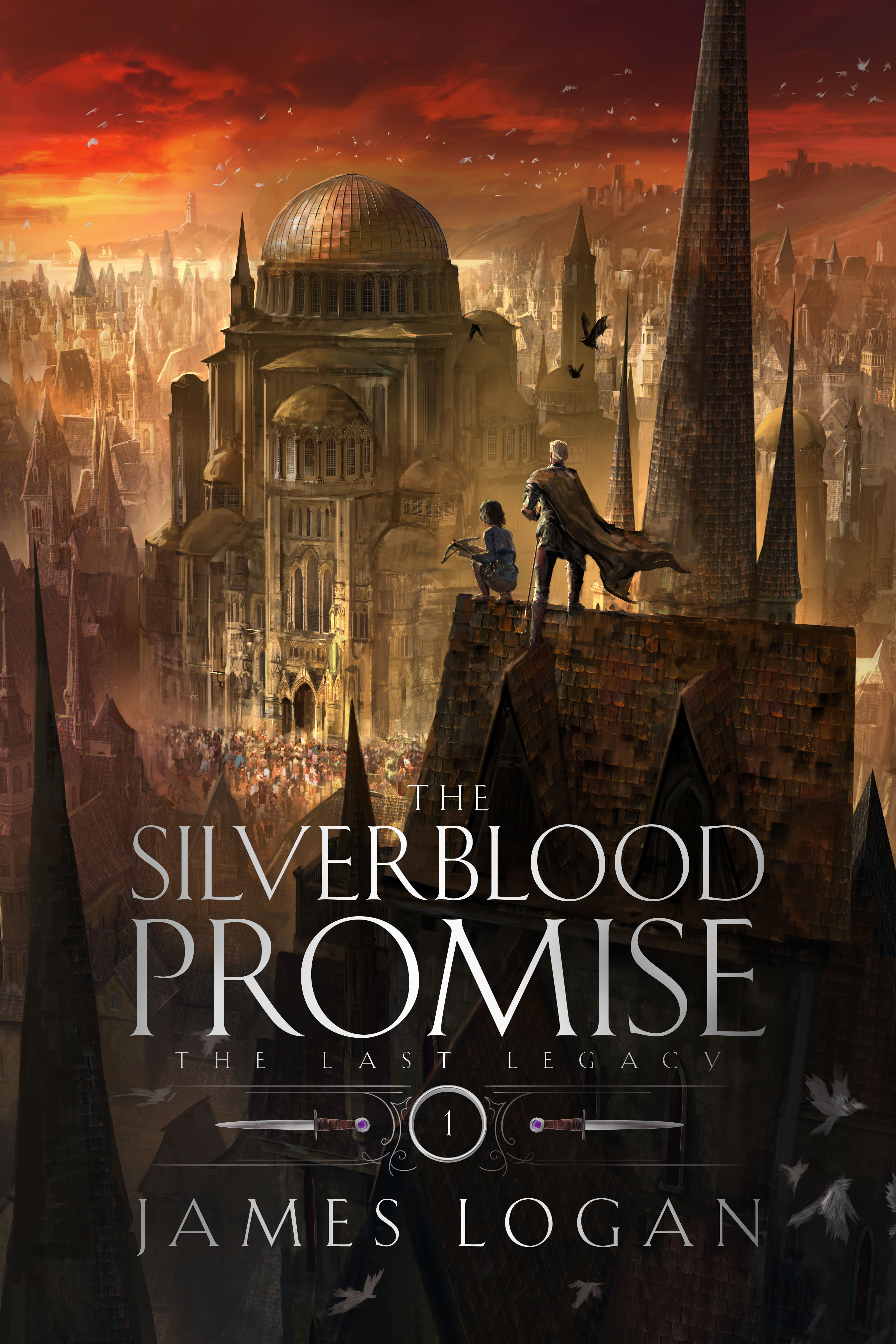
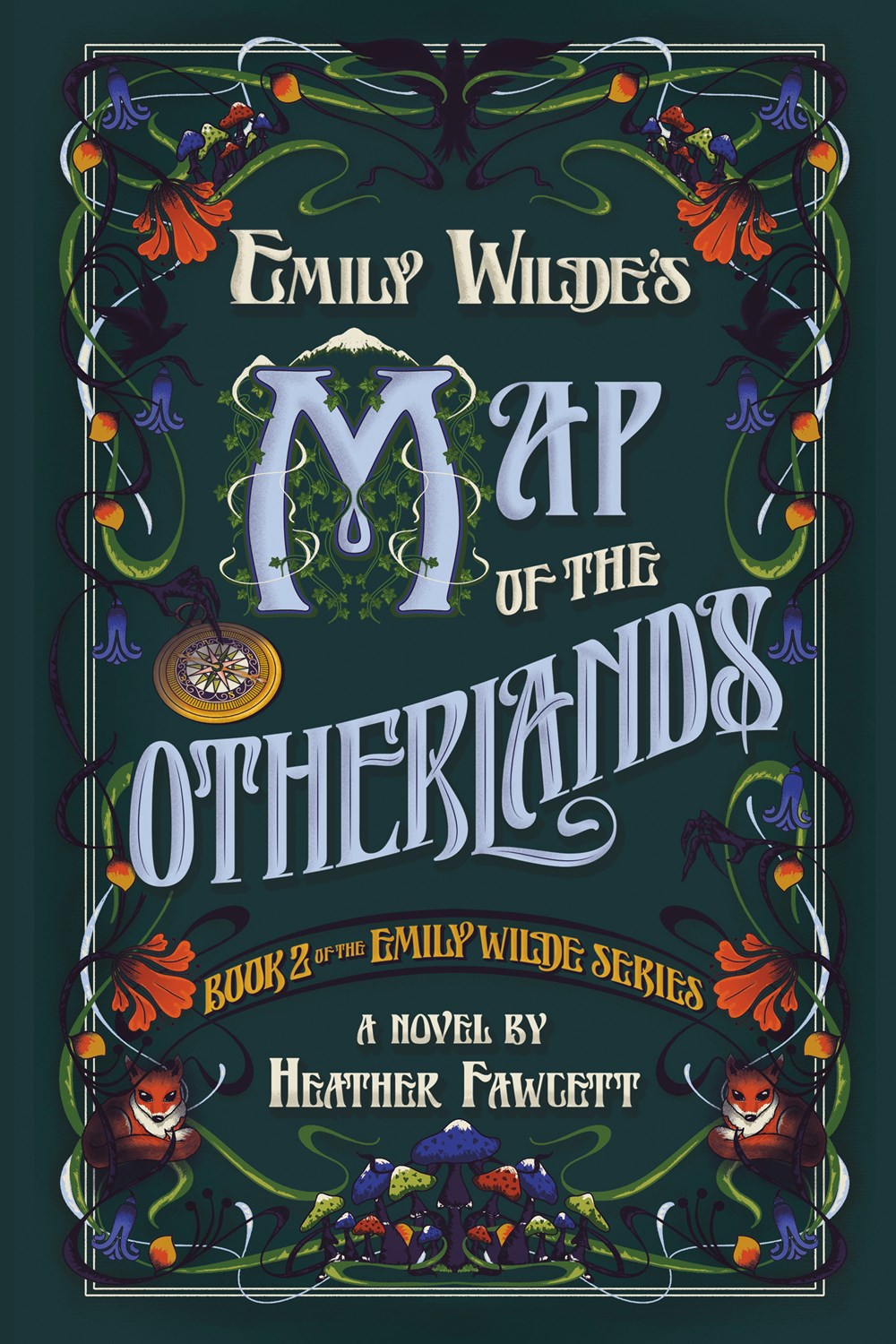
And now it’s once again that time of the year where I look back at the last twelve months and do a round up my favorite reads. As I’m sure many fellow avid readers can relate, it’s hard to narrow a whole year’s worth of reading t0 a single list when the number of books you read are pushing triple digits, so what I do is highlight each genre category and all the books in it that are 4.5 stars and above…and then some!
Fantasy



Paranormal


Horror


Mystery & Thriller


Science Fiction


Fantasy dominated the charts again in 2024 while sci-fi as a genre has disappointed for the second year in a row, and I’m afraid that’s a trend which will continue for as long as messaging is prioritized ahead of good storytelling. All I will say is, thank goodness for the Dungeon Crawler Carl series.
No challenge updates to report because I stopped tracking midyear, but challenges are another thing I hope to resume in 2025. However, Goodreads has helpfully informed me that I have actually achieved my reading goal of 100 books this year–just barely!

And now, last but not least, my favorite part of end-of-year roundup posts: Goodreads stats and the pretty Year in Books collage!

More on The BiblioSanctum:
Best of 2014 and The Year in Review
Best of 2015 and The Year in Review
Best of 2016 and The Year in Review
Best of 2017 and The Year in Review
Best of 2018 and The Year in Review
Best of 2019 and The Year in Review
Best of 2020 and The Year in Review
Best of 2021 and The Year in Review
Best of 2022 and The Year in Review
Best of 2023 and The Year in Review
Book Review: A Pirate’s Life for Tea by Rebecca Thorne
Posted on December 24, 2024 5 Comments
I received a review copy from the publisher. This does not affect the contents of my review and all opinions are my own.
 A Pirate’s Life for Tea by Rebecca Thorne
Mogsy’s Rating: 3 of 5 stars
Genre: Fantasy, Romance
Series: Book 2 of Tomes & Tea
Publisher: Bramble (October 1, 2024)
Length: 444 pages
Author Information: Website
Why are cozy romantasies a mood read for me? There’s just something about their heartwarming stories with their low stakes. They’re a nice break from the genres with darker and heavier themes that I generally prefer, and they are the perfect escape when the moment is right. Happily, I had the second book of Rebecca Thorne’s Tomes and Tea series on hand. I dove back into the world with A Pirate’s Life for Tea, looking forward to catching up with Reyna, Kianthe, and the gang.
The story picks up as our newly engaged couple find themselves drawn into a swashbuckling adventure while helping their constable friend Bobbie on the case of some stolen dragon eggs. Their quest takes an unexpected turn, however, when their investigation leads them to encounter Serina, a former farm girl turned river pirate. Lately she has been giving the law enforcers of Arlon a lot of trouble, carrying out raids up and down the banks, stealing food to give to the poor.
But then, plot twist! Turns out Bobbie and Serina have a history. They were childhood friends, and maybe something more. But now one has been tasked with apprehending the other and putting her behind bars. As the hunt intensifies, things for Serina go from bad to worse as her escapades earn her the ire of a corrupt lord who is using his influence to pressure our protagonists into helping him capture her—and he’s not likely to give Serina the benefit of the doubt if he gets to her first.
If you enjoyed the first book, there’s a good chance you’ll like this sequel. A Pirate’s Life for Tea continues capturing the quirky charm of the characters as well as the cozy laid-back atmosphere of the series, packing the plot with the usual hijinks and shenanigans that ensue, but this time with a bit of that high seas flair. Sweet romance is in the air too, and not just between our lovely duo Reyna and Kianthe. Amidst the ever-present danger of Arlon’s forces and the mystery of the missing dragon eggs, they somehow also manage to find time to play matchmakers for Bobbie and Serina.
As you can probably tell, the actual conflicts in this book are thin and the story lacks the weight of a truly gripping adventure. Much of the entire plot feels like an excuse for a girls’ day out, having our characters playact at being adventurers when they are, in fact, very bad at their jobs. Bobbie’s investigation skills are a joke, for instance, and Serina is a truly terrible pirate. Reyna and Kianthe seem to delight more in their gossip and meddling in the romantic lives of their friends rather than, ya know, getting an actual mystery solved.
You just get a sense that these are not serious people, but perhaps that’s the point. It’s just a group of friends enjoying life, enjoying love. Like I said, the series leans heavily into the light-hearted and chill low-stakes vibes. Another member of their ragtag crew may get her chance at romance, and even with all that’s going on, there’s always time for a tea break.
Ironically, in the end, where the book fell short for me was in delivering what I had expected the most—more Kianthe and Reyna. While they’re still as sweet and supportive as ever, there’s very little development in their relationship dynamic here. Instead, the spotlight shifts to other characters, which might be satisfying to some readers but left me feeling underwhelmed. Given how central their love story was in the first book and all they went through to be together, it would have been nice to get a more substantial sequel to remind us why we’re pulling for them.
All told, A Pirate’s Life for Tea is a solid continuation of the series for fans who loved Can’t Spell Treason Without Tea, even if it didn’t quite recapture the full magic of its predecessor for me. That said, it does a good job keeping the same warm, feel-good vibes, and the camaraderie among the characters. Still, it hit the spot and that’s what matters.

Moe on The BiblioSanctum:
Review of Can’t Spell Treason Without Tea (Book 1)
Audiobook Review: The Business Trip by Jessie Garcia
Posted on December 20, 2024 13 Comments
I received a review copy from the publisher. This does not affect the contents of my review and all opinions are my own.
 The Business Trip by Jessie Garcia
Mogsy’s Rating (Overall): 2 of 5 stars
Genre: Mystery, Suspense
Series: Stand Alone
Publisher: Macmillan Audio (January 14, 2025)
Length: 9 hrs and 7 mins
Author Information: Website
Two strangers. One flight. A tangled web of lies and deception which begins to unravel when both women, with no prior connections, wind up seated next to each other on a plane departing Madison, Wisconsin for Denver, Colorado. Jasmine, fed up with her dead-end job as a bar waitress and desperate to escape the clutches of her abusive boyfriend Glen, has finally stashed away enough of her tips to afford her ticket to a new life. Leaving no trace of her plans, she sneaks out of Glen’s trailer under the cover of darkness and secretly makes her way to the airport. Meanwhile, in a much different part of the city, Stephanie is a polished executive preparing for an important business trip to the west coast, where a high-profile industry conference with her fellow news directors awaits. Soon after making arrangements with her neighbor to check her mail and feed her cat, Stephanie leaves to catch her plane, excited to leave behind the stress of her newsroom, even if it’s just for a little while.
The day after that fateful flight, Jasmine’s friends and co-workers begin getting angry calls and texts from Glen. Where is Jasmine? No one has a clue. Many, however, believe she may have finally found the courage to leave her possessive boyfriend. This theory seemed to be confirmed when one of Jasmine’s childhood friends receives a text from her, gushing about meeting a really great guy, one who actually makes her feel loved and special. In Stephanie’s case, however, there are a lot more people asking questions. Initially, her absence following her trip raises few alarms, with those closest to Stephanie getting texts from her basically saying the same thing—something urgent had suddenly come up in Atlanta, requiring her immediate attention. To her neighbor, Stephanie divulges even more, claiming she had met someone at the conference and is taking some time off to explore the romance. In reality, unbeknownst to anyone who knows Jasmine and Stephanie, their shared, seemingly routine flight had thrust both women into a chain of events that ultimately led both to vanish into thin air, leaving behind only cryptic clues about a mysterious man—the same man in both their stories. Who is he, and what role does he play in their disappearance?
At first, everything about The Business Trip started off strong. The opening chapters were interesting and attention grabbing. Focusing on Jasmine and Stephanie, this intro section delved into each woman’s circumstances, ranging from personal struggles to professional ambitions, explaining how they each ended up on board the same flight as seatmates. The writing in this part was sharp and engaging, immersing me in the characters’ contrasting lives—Jasmine and her determination to get away from Glen, a real piece of shit who steals her money, smacks her around, and doesn’t even allow her to have her own car; and Stephanie, a recently divorced workaholic who seems to spend more time doting on her cat than talking with her adult son, seemingly in high spirits ahead of attending her industry conference.
The second part shifts the narrative to the next day, focusing on the people left behind, each wondering what happened to Jasmine and Stephanie. Text messages fly back and forth between friends, colleagues, and loved ones, creating intriguing layers of suspense. For a while, things seem normal. It is assumed that Jasmine is laying low, in case Glen tries to track her down. And Stephanie, of course, is at her conference. But beneath the surface, there’s a subtle sense that something is off. In this way, the plot continues to tempt the reader with the illusion that everything is fine when we all know that a bombshell is looming—and when it finally drops, it hits hard. We learn the truth, that neither Jasmine nor Stephanie is okay.
As the mystery unfolds, the frantic search for answers is paired with the introduction of another major character—a key figure central to everything in the story. But here’s where things started to fall apart for me. While the early plot development was on point, it starts faltering once we move into the second half of the novel. In the mystery-suspense genre, suspending disbelief is often a requirement, and I’m no stranger to going with the flow when it comes to a wild premise. In this case, though, the leaps in logic become increasingly implausible and, eventually, just plain dumb.
A lot of things just didn’t make sense. Characters seem to randomly lose their ability to reason or to think. For example, just how does one work in the business of news reporting, especially with a focus on crime, and not think to contact a lawyer when things go sideways? And without spoiling anything, there’s also a character who is suddenly revealed as a mastermind, yet their knowledge and competence seem oddly selective, as they manage to completely fail in other areas of life. And then there’s a character who appears to solely exist for the purpose of swooping in at the most convenient moments to solve problems that would otherwise derail the plot.
The author also seems to take liberties with how police investigations and forensic processes are carried out, choosing to bend or ignore rules when it suits the story’s needs. There is really such a thing as too much creative license. Even then, I can usually forgive a lot. Yet, it was the final twist that completely lost me. It was so clumsily executed and so far-fetched that it dropped my rating by an entire star. Don’t get me wrong, a good twist doesn’t have to be realistic, but it should feel earned, or at least convincing enough within the world of the story. This one didn’t feel that way at all—in fact, it was the kind that made me roll my eyes and say, “Really?”
In sum, The Business Trip started strong and kept me entertained for much of its runtime, but it went downhill in the second half. Despite its flaws, I have to say it was still a fun, fast-paced read, and fans of twisty thrillers might find enough here to enjoy. For me, though, certain inconsistencies and over-the-top plot points really tried my patience, and the final implausible twist was ultimately just too much.


 The BiblioSanctum