Mogsy: Best Of 2014 and the Year in Review
Posted on December 29, 2014 43 Comments
This has been an amazing year for reading! At the time of this writing, in 2014 I have read a total of 191 books. Here’s the Goodreads spread for what that looks like:
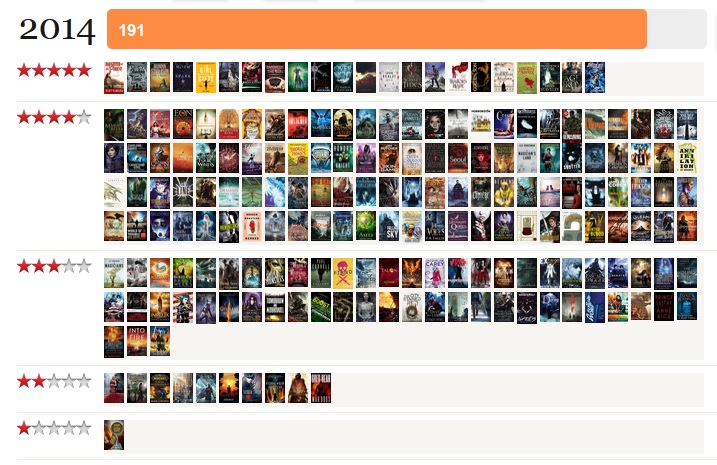 So you see, choosing just 5 or 10 or even 20 books to highlight as the best of this year is going to be tough. So I apologize in advance for how haphazard this is going to be, but without further ado, here is my list of the best or most memorable books I read in 2014, and whatever I think should be getting more attention!
You can view my reviews and more information about the books by clicking on their cover images.
Fantasy
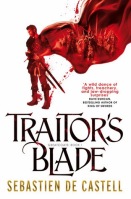

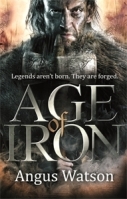
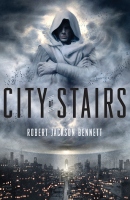
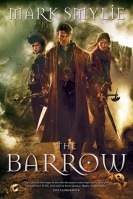


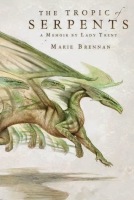

Starting off with Fantasy, the biggest category, this year I discovered quite a few new authors – some that were totally new to me like Angus Watson and Sebastien de Castell, and a couple who have been on my to-read list forever and now I wonder why it took me so long to read their books, like Robert Jackson Bennett and Juliet Marillier. I want to highlight Dreamer’s Pool as an absolute favorite.
Then it’s a parade of sequels! So many “book twos” have lived up to or surpassed their predecessors this year, always a great thing to see. In particular, Jeff Salyards and Brian Staveley went above and beyond with their sequels and truly blew me away (you will see my review for The Providence of Fire early in the next year).
Science Fiction


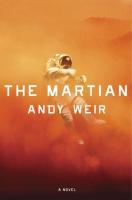
It has been a great year for Science Fiction as well. This year The BiblioSanctum participated in the month-long Sci-Fi November event, and to see a more detailed list of my top sci-fi reads this year, be sure to check out the Top Ten post I put together for the wrap up.
Horror


Women dominate the horror scene for me this year, with Sarah Lotz’s The Three being a standout, and I also finally got to read my fist Lauren Beukes book.
Urban Fantasy/Paranormal

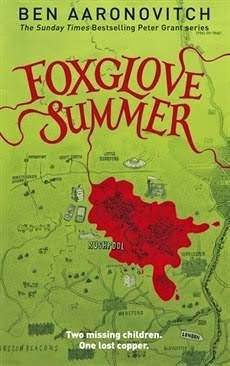
M.L. Brennan’s Generation V novels and Ben Aaronovitch’s Peter Grant books constantly vie for the top spot when it comes to my favorite urban fantasy series. Both released very strong follow ups this year (in fact, Brennan published two! Check out Iron Night as well, it’s amazing). Foxglove Summer is now out in the UK, with North America getting it on January 6, 2015. My review will be up later this week.
Young Adult/New Adult
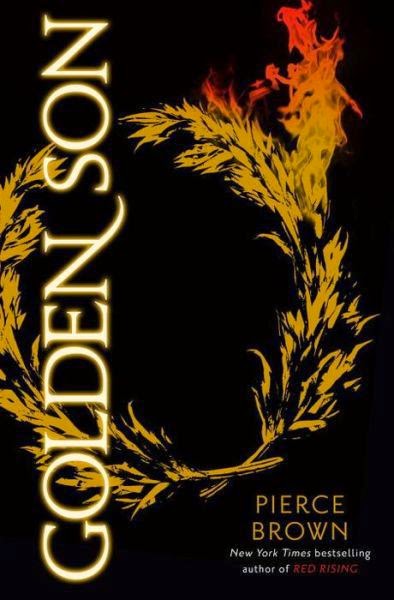


This was a strange year for me when it comes to YA. A few of my favorite trilogies ended in 2014, not in quite the way I wanted, but it was nice that Throne of Glass lifted my spirits again with Heir of Fire. I also tried a lot of new series that, while decent, just didn’t make the cut. I did, however, discover Earth Girl. And the two standouts this year are from Joe Abercrombie and Chuck Wendig whose adult books I’ve enjoyed, and their YA releases proved quite different and refreshing. Golden Son was incredible, and I still have the book in this category though the series has noticeably matured and gotten a lot darker since Red Rising. My review of it will be up in the new year.
Romance


Heck yes, I love romance in my speculative fiction. And the frustrating this is, it’s so hard to find a book these days with a balance between the fantasy and romantic elements. So help me, I am thus driven to include this category to highlight these books for hitting that mark PERFECTLY, and if you are leaning towards something with more heart, more passion and fire, do check these books.
And if you’re still with me at this point, here are some interesting stats that I was able to pull from my shelves on Goodreads:
Books Read in 2014…
Number of pages read: 73436
Longest book: 1087 pages
By a male author: 51%
By a female author: 49%
That are for review: 67%
That are audiobooks: 27%
On My Shelves (some crossover):
Fantasy: 49%
Science Fiction: 30%
Young Adult: 23%
Urban Fantasy: 20%
Horror: 8%
Posted on December 28, 2014 6 Comments
“A poet is a musician who can’t sing. Words have to find a man’s mind before they can touch his heart, and some men’s minds are woeful small targets. Music touches their hearts directly, no matter how small or stubborn the mind of the man who listens.”
YA Weekend: The Young Elites by Marie Lu
Posted on December 27, 2014 17 Comments


Genre: Young Adult, Fantasy
Series: Book 1 of The Young Elites
Publisher: Putnam Books for Young Readers (October 7, 2014)
Author Information: Website | Twitter
Mogsy’s Rating: 3.5 of 5 stars
This is the rating I usually give to Young Adult novels that are pretty much your run-of-the-mill fare, but for all their conventionality and clichés, I still had a decent to good time reading. A lot of YA seems to be falling into this category for me lately. Being typical of its kind isn’t always a bad thing, though. At the very least, I know what I’m expecting. And while it’s true that The Young Elites probably didn’t exceed those expectations, it did meet them, and for that it gets my kudos.
The book is filled with familiar tropes, though to Marie Lu’s credit, she attempts to put a unique spin on some of them. A decade ago, an illness swept through the kingdom of Kennetra, killing many it infected. A lot of those children who survived were marked forever by distinctive scars and other features. Protagonist Adelina Amouteru, for example, had her once black hair turn silver, and physicians also had to remove her left eye in order to save her life. These youngsters who also came away with magical powers were labeled the “Malfetto”, and today they are persecuted and looked upon with contempt by much of the main population.
As one of the marked, Adelina’s status makes her undesirable for marriage, leading her cruel and unfeeling father to try and sell her off to become some nobleman’s mistress. After finding out about the plot, Adelina attempts to run away, only to wind up manifesting her powers and accidentally killing her father in a horrific accident. And so, we begin the book with our protagonist locked up in prison, awaiting her execution. Before she makes it up to the block, however, Adelina is snatched out of the Inquisitors’ grasp by a group of vigilantes known as the Young Elites, so called because their members are all like her – marked Malfettos who are empowered with special magical abilities.
It feels like we’ve seen this story many times before. A young woman is a part of an oppressed group because the rest of the world does not understand and are frightened of their powers. She gets taken in by others like her and is forced to prove herself to them. The main leader – a guy, naturally – is ultimately impressed by her force of will and decides to mentor her, becoming a love interest along the way too, of course. In this case, it is the mysterious and broody Enzo Valenciano, whose stone-cold heart starts thawing the moment Adelina comes along. Then throw in the beautiful Raffaele to drum up some of those tense emotional moments, though it is interesting to note that his relationship with Adelina never truly ventures into the romantic sphere.
Still, while much of the premise is well-traveled territory, there are actually a few major surprises. I for one was a bit caught off guard by the darkness of this story, but in the best way possible. It’s quite something to encounter a heroine who is not your average goody-two-shoes, and in fact, Adelina has a mean streak to her which makes her more frightening than anyone in this novel, even the villain. It came out occasionally and I was delighted whenever it happened, because these parts were always written so well.
Lu perfectly balances Adelina’s struggle to do the right thing with the cruel, dark and ugly blackness that lurks within her character, and also manages to convey the resulting guilt and doubt. There was always this suspense hanging over me, of wondering just when Adelina will snap because her roiling emotions are like a tightly drawn bowstring and there’s only so much abuse and pushing around a personality like hers can take. I love how we have a heroine that’s so complex, and likewise the story presents a lot of grey areas for readers to consider.
The ending is perhaps the strongest part of the book. It puts all the focus on Adelina, and she’s the only one who matters now, which is the way things should be. The moment of truth is at hand, and it’s anyone’s guess what she will do next. It’s tempting to wish for the obvious path, which is that she will do the noble thing, but I also confess that I’d be thrilled if she just up and decided to go completely dark side on everyone – and I wouldn’t even blame her for it. The fact that it could realistically go either way is a testament to Lu’s writing talents and her ability to develop her main character. The epilogue is also intriguing, and sets up a likely scenario for book two. Even though I can predict where the story might be going, I’m looking forward to it.
This was my first book by Marie Lu, and while I might not have been swept off my feet, it was still a very good experience. At the time I wasn’t really looking for a YA novel to blow me away, just something quick and fun to read in between some heavier adult fantasy novels, and The Young Elites delivered, and managed to throw in a couple surprises too. I’ll most likely pick up the sequel.

Audiobook Review: Endsinger by Jay Kristoff
Posted on December 26, 2014 17 Comments

Genre: Fantasy
Series: Book 3 of The Lotus War
Publisher: Audible Studios (November 25, 2014)
Author Information: Website | Twitter
Mogsy’s Rating: 3.5 of 5 stars
It is worth noting that I listened to the audiobook version of this, whereas I read the print or ebook copy of the previous two books in the trilogy. I mention this because it probably affected my rating. For some books the reading versus listening experience can vary greatly, and this is one of those cases. But more on that later.
First, I want to start off by saying that Endsinger is a great conclusion to the series. After all that buildup in Kinslayer, I was skeptical that author Jay Kristoff could wrap it all up in one more book because there’s so much ground to cover, but he pulls it off magnificently. There’s a lot going on here. Without revealing any spoilers, this is just a taste of what we’re dealing with – 1) the Shima Imperium is in chaos, practically tearing itself apart in a civil war, 2) in the last book it was revealed that the Lotus Guild is poised to take over the empire with a secret weapon at their disposal, namely a colossal steampunk giant machine called Earthcrusher, 3) the Kage rebellion is now in shambles and it’s up to Yukiko and her storm tiger Buruu to rally and unite them, 4) somewhere out there, we know there are more of these storm tigers but getting their help would be difficult as they all seem to hate Buruu due to something awful he did in the past, so there’s that mystery to consider, 5) there’s the whole ongoing “gaijin war” happening outside of Shima, and the captured prisoners who are enslaved and subjected to the most horrific fates, 6) and finally, the biggie – Yukiko will have to deal with a major bombshell that was dropped on us in book two. Not going to say anything more than that, except what she learned about herself is a life changing event which would stay with her both emotionally and physically forever.
Then of course there are all the little side plots involving the secondary characters, like Kin and Hana and Yoshi. Everyone is focused on working towards the goal of toppling Shima’s tyrannical reign as well as the evil, blood-soaked lotus industry that drives it. I won’t lie; there’s so much to wrap up here that I was half expecting the news along the way that this series would end up being a quadrilogy. And yet somehow, impressively, Kristoff manages to tie all of this together without leaving loose threads. That in itself is pretty amazing.
There’s a lot to like in this volume. For one, we have the return of some fantastic characters, and as always the relationship dynamics make this one a great read. The story itself is enhanced by the drama of friendships and animosities between characters, the most obvious example being Yukiko’s bond with Buruu, which is one of the highlights of this series. Seriously, it’s a partnership to rival all the classic tales of interspecies friendships through the ages. And obviously, no epic saga is complete without secrets and devastating betrayals – as well as redemption. Plus, there’s also love. We mustn’t forget romance and passion, even in war. This book has all that and more.
The story, however, has a few hitches. I was poised to write about the awesome twists and turns in this novel, until I stopped to really think about that. Sure, there were several hugely significant events that happened in this novel, but could I honestly say I didn’t expect any of them? Not so much. Unlike the last book, a lot of the “surprises” in this one were actually quite predictable, even when it came to some of the major character sacrifices or deaths. I also found the pacing of the storytelling frustratingly uneven. The beginning held me rapt, to the point not even a looming bedtime could have stopped me from listening, and indeed there were several nights where I stayed up late just to get an hour or two farther in the audiobook to find out what happened. Around the middle of the book though, I lost that enthusiasm. The story here started dragging its feet, and it’s a real shame, because unfortunately I never got the momentum back after that.
Now is probably a good time to talk about why I think listening to this in audiobook format affected my experience. I believe it had nothing to do with the narration (which was brilliant) and everything to do with the writing itself. While I think that in general Jay Kristoff is a good writer and an engaging story teller, he does have a tendency to sometimes go overboard with very flowery and ornate descriptions. This has been my experience with the last two books in this series, and in some ways that has prepared me well for going into Endsinger, knowing to expect some of these rough patches and passages. In spite of this, what I didn’t anticipate was how jarring and distracting it is when this kind of purple prose was read to me through an audiobook. As beautiful and detailed as some of Kristoff’s descriptions are, sometimes they go on for far too long, breaking the flow of the story.
I don’t think the effects were so noticeable when reading the actual print books, because my eye may have naturally skimmed over these big paragraphs and walls of text without me even being aware it was happening. This is not possible to do with an audiobook; instead, the audience has no choice but to be swept up into the entire text.
A talented voice actor or actress can make a book come to life (and narrator Jennifer Ikeda certainly delivered an incredible performance in this case), but hearing the writing read aloud can also sometimes clue a reader in to parts where the author is rambling, focused too much on the irrelevant, or losing his or her grasp on the scene. It happened more times than I would have liked here. It was doubly frustrating to have to constantly skip back a minute or two every time I realized my mind had wandered while listening to a particularly long section devoted to overly embellished descriptions.
Still, this trilogy is excellent as a whole, and I have no qualms recommending it to young adults and adults alike (though make that older young adults, as even though the first book started off as more YA, I felt the series grew progressively darker and more mature with each installment). Was the conclusion absolutely epic and completely worth it, though? Yes and absolutely yes!
Story:
Narration:

Overall:

Tough Traveling – Kings
Posted on December 25, 2014 8 Comments

The Thursday feature “Tough Traveling” is the brainchild of Nathan of Review Barn, who has come up with the excellent idea of making a new list each week based on the most common tropes in fantasy, as seen in The Tough Guide to Fantasyland by Diana Wynn Jones. Nathan has invited anyone who is interested to come play along, so be sure to check out the first link for more information.
This week’s tour topic is: Kings
KINGS come in four kinds: Puppet Kings, Bad Kings, Good Kings (rare), and Long Lost Kings.
Wendy’s Picks
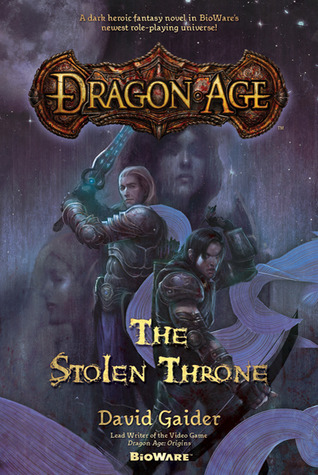 Dragon Age: The Stolen Throne by David Gaider
An Oresian usurper sits on the Ferelden throne, and the rightful queen has been murdered by traitors. The prince must gather an army to win back what is his by blood.
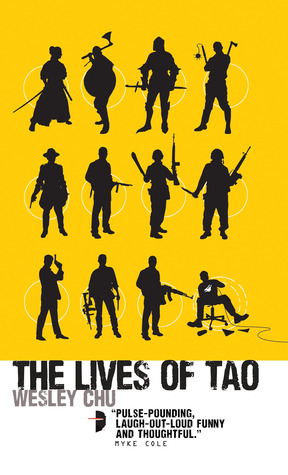 The Lives of Tao by Wesley Chu
The Prophus and the Genjix have been here on earth since the time of the dinosaurs, shaping civilizations through the human hosts they claim. Before taking over the likes of overweight IT technician Roan, Tao and his compatriots have guided many a ruler.
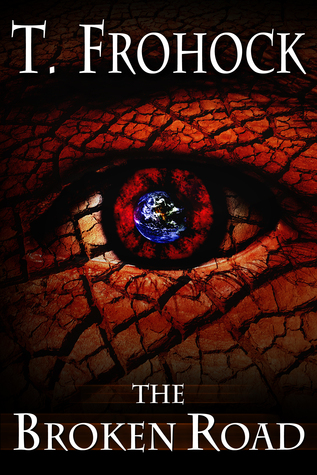 The Broken Road by Teresa Frohock
Travys is a prince of the Chanteuse and the queen’s chosen heir. Though he is mute, he has learned how to command the magic of voice and song and would be a benevolent rule. But his twin brother is none too happy with the queen’s decision…
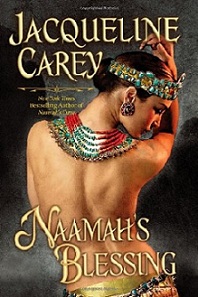 Naamah’s Blessing by Jacqueline Carey
King Daniel de la Courcel is a man of kindness and compassion, but he lacks the emotional strength of his predecessors, leading his kingdom to ruin, if Moirin, the Bear Witch, is unable to rescue the missing prince.
 Throne of Glass by Sarah J. Maas
Aderlan’s Assassin serves at the mercy of the ruthless king whose life she would take, were she not his slave. If she becomes his champion instead, will she finally have her chance?
 Theft of Swords by Michael J. Sullivan
Royce Melbourn and Hadrian Blackwater are framed for the murder of a king, and then charged with the safe return of his heir. Will this spoiled brat learn to be a good king in time to save his people from the conspiracy that has taken them?
 King of Thorns by Mark Lawrence
Well there’s “king” in the title right? Jorg Ancrath is by no means a good king. But he is a determined one, even if his reasons for waging war and seeking the crown are spite and vengeance.
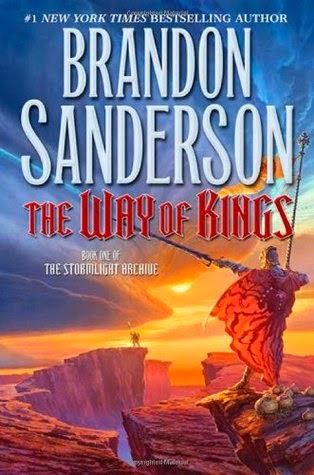 The Way of Kings by Brandon Sanderson
There’s that word in the title again! And another king whose life is stolen early on in the story, to be replaced by an heir who may not be fit for the crown.
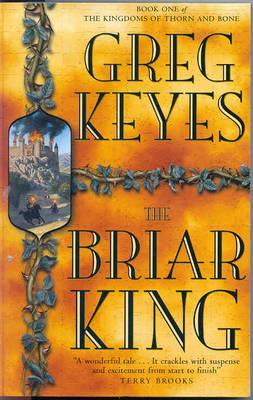 The Briar King by Greg Keyes
There is a king in this book, and conspiracies against said king. But the titular king is neither man, nor beast, and when he comes, death and destruction comes with him.

Man no longer believes in gods, but does that mean they no longer exist? Of course not. And Shadow discovers that he is, in fact, the son of Odin, the king of the gods.
 Warbreaker by Brandon Sanderson
Two young princesses, one destined to be the wife of Susebron, the god king. But with every kingdom comes those who would conspire against its king, or use him to their own ends.
Waiting on Wednesday 12/24/14
Posted on December 24, 2014 14 Comments

“Waiting On Wednesday” is a weekly meme hosted by Breaking the Spine that lets us feature upcoming releases that we can’t wait to get our hands on!
Mogsy’s Pick:
A Crown for Cold Silver by Alex Marshall: April 14, 2015 (Orbit)
No doubt you’ll see me talking about this book a lot more before its release date in April of next year. While I always try not to hype something up for myself to keep expectations realistic, I can’t help but be excited about this one, not the least because the handful of people I know whose opinions I value and who have read it already all loved it. It has been described to me as similar to Joe Abercrombie, and that if I like gritty stories and dark humor then I should be very pleased. It features a female warrior as its protagonist to boot!
It’s proving difficult to resist digging into the ARC right away, but the publisher has requested reviews to be held until at least a month before release so I’ll be reading this at a later date. Til then, I shall bide my time and patiently wait.
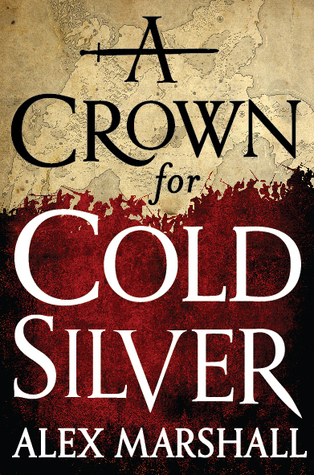 “An outstanding, game-changing epic fantasy debut featuring an unforgettable female warrior.
FIVE VILLAINS. ONE LEGENDARY GENERAL. A FINAL QUEST FOR VENGEANCE.
Twenty years ago, feared general Cobalt Zosia led her five villainous captains and mercenary army into battle, wrestling monsters and toppling an empire. When there were no more titles to win and no more worlds to conquer, she retired and gave up her legend to history.
Now the peace she carved for herself has been shattered by the unprovoked slaughter of her village. Seeking bloody vengeance, Zosia heads for battle once more, but to find justice she must confront grudge-bearing enemies, once-loyal allies, and an unknown army that marches under a familiar banner.
A CROWN FOR COLD SILVER is an outstanding epic fantasy debut featuring an unforgettable warrior.”
Graphic Novel Review: Injustice: Gods Among Us, Vol. 1 by Tom Taylor
Posted on December 23, 2014 6 Comments

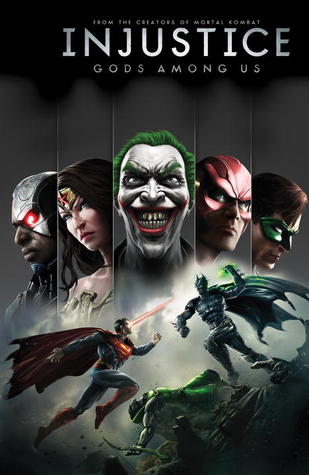 Injustice: Gods Among Us, Vol. 1 by Tom Taylor
Genre: Superheroes, Gaming
Publisher: DC Comics (November 2013)
My rating: 5 of 5 stars
“There are some things even you can’t corrupt, Joker.”
“Ha! Oh Batsy. You’re so cute.”
Injustice: Gods Among Us is one of the many unplayed video games on my Steam Wall of Shame. Following a friend’s suggestion that I watch the collected cinematics, I realized this wasn’t just any old fighting game where you get to prove that Wonder Woman really is better than everyone else. There is a significant amount of storytelling involved. Another friend recommended this comic series to me, because it also features the kind of Superman story that I can appreciate it.
Clark Kent wakes up one morning to the most incredible sound he has ever heard. It is the sound of two heartbeats within the body of the woman he loves. But by the end of the day, the Joker steals that from him in the most cruel way possible. As his best friend, Batman believes that even a tragedy of this level will not change the incorruptible man that he knows Clark to be. But with encouragement from Wonder Woman, Superman’s goodness turns into something far more frightening: a benevolent leader with zero tolerance for wrong doers, including all those who would stand against him — even if he once called them friend.
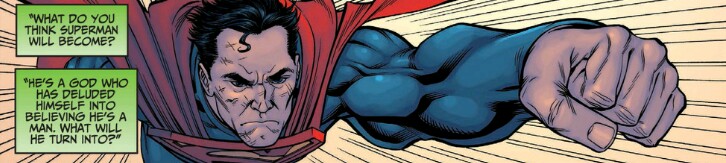 Just as the game turned out to be far more than just a fighting game, the comic is not merely about pitting various popular characters against each other.
I am a big Harley Quinn fan, and I was particularly pleased with her involvement. In passing, she seems like a ditsy kind of character who is hopelessly in love with an abuser, but, while the latter is true, some people forget that she is a skilled psychologist. There is quite the cunning and determined mind beneath those pigtails. She is not to be underestimated, no matter which side she chooses to be on, but the writer also gives her the depth of character she deserves.
 In fact, all the characters are extremely well written, and their struggles as they come to terms with their place within the society that Superman is slowly building are all well thought out. Each character is defined well beyond their abilities as super heroes, but by their ideals and their experiences, allowing or forcing them to choose sides accordingly. Everyone has a reason to be where they are, and a reason to change sides, as they question the moral and ethical choices of Superman.
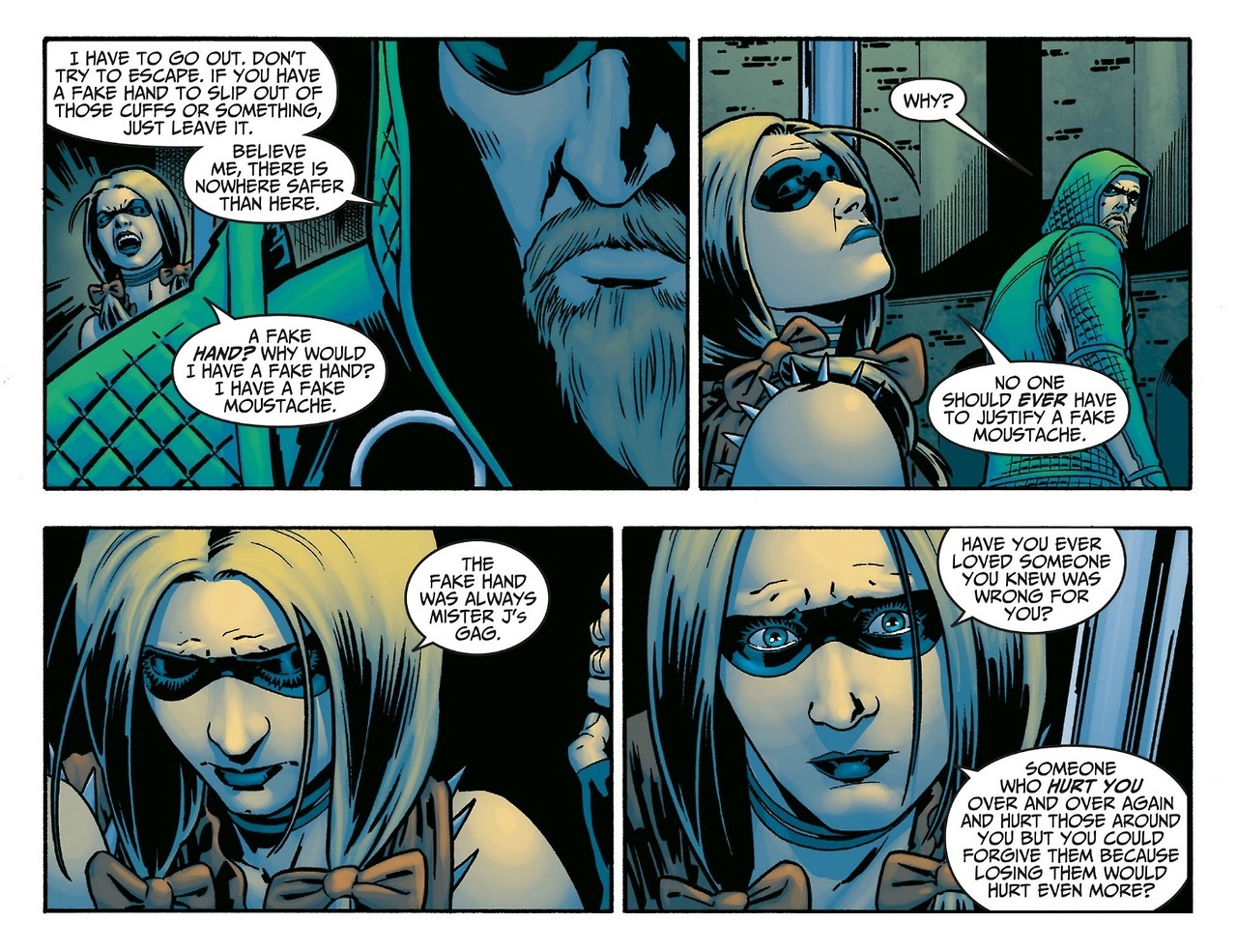
This is the story that Marvel’s Avengers vs. X-Men dreamed of, but utterly failed to become.

Anthology Review: Stories of the Raksura by Martha Wells
Posted on December 22, 2014 27 Comments
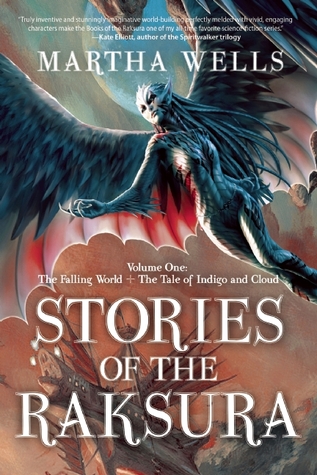 Stories of the Raksura by Martha Wells
Genre: Fantasy, Anthology
Series: Books of the Raksura
Publisher: Night Shade (September 2, 2014)
Author Information: Website | Twitter
Mogsy’s Rating: 4 of 5 stars
Stories of the Raksura is a delightful romp into Martha Wells’ world of the Raksura – even if you have not read the main series. I have been meaning to get to her Books of the Raksura for a long time now but still haven’t found the opportunity yet, so I was very happy to get my hands on this collection.
Of course, I had the usual concerns: How much do I need to know before jumping in? Am I going to be able to follow along with the short stories in here without getting lost? I shouldn’t have worried. As it turns out, this collection actually serves pretty well as an introduction to Wells’ wildly imaginative universe and the fantastical beings that live in it.
The Falling World
“The Falling World” is the first novella found in this anthology. For those like me who were unfamiliar with the race of fantasy creatures called the Raksura, you get a quick and intense crash course in this tale. Raksura are shapeshifters that look a bit to me like a form of bird-people, though their societies more closely resemble those of hive insects. A ruling queen is at the top, followed by lesser queens. Queens mate with fertile males called Consorts to produce royal clutches composed of Queens, Consorts and Warriors (infertile males and females that defend the colony). Together, these three types make up the Aeriat. They are winged and capable of flight.
Then there are the Arbora, who have no wings but are capable climbers. They are made up of Teachers that oversee the nurseries and train the young, Hunters who provide food for the colony, Soldiers who guard the colony, and Mentors who are seers with magical abilities enabling them to perform tasks such as foreseeing the future or healing the sick and wounded.
It can be a bit daunting at first, but all this information is adequately provided and easy to pick up as the story progresses. In “The Falling World”, a sister Queen called Jade travels with her entourage to another colony to negotiate trade, leaving her consort Moon behind at court. But then the diplomatic convoy fails to reach their destination, and an expedition is launched by Moon along with a party of warriors and hunters to try to discover what happened to them. However, what the rescuers find in the end might prove too dangerous and difficult for them to handle.
The story is simple and straightforward: one group sets out to find another. What amazed me though, was the amount of lore and world building Wells managed to inject into this novella. I was blown away by the information here about Raksuran culture, physiology, and social hierarchy. And the great thing is, none of it was really forced. I never once felt like I was taken aside and given and info dump; instead, all the information flowed naturally just from the normal course of storytelling. I’m sure as a new reader there’s lots I’m missing still, but the amount of knowledge I gleaned here of the Raksura and their world was just superb.
Perhaps it is also a good thing that the story itself is not overly complicated. On top of the information about Raksuran culture, there are a lot of characters to meet, many names to learn. The naming convention might take some getting used to, and you probably won’t remember who’s who all the time, but this particular story for me was mostly about getting to know this fantasy world and the Raksura, and I had a good time with it.
The Tale of Indigo and Cloud
“The Tale of Indigo and Cloud” is the second novella found in this collection. It is more of a historical narrative, exploring the legend behind the origins of Indigo Cloud court. A long time ago, a sister Queen called Indigo stole a consort named Cloud away from another Raksuran court, angering the hot-tempered queen who was Cloud’s mate, leading to a conflict that could mean all-out war between the two colonies.
This was an interesting story, which read a bit like a mythological scenario. That’s not too surprising, given its unique nature. It is a tale about the Indigo Cloud court’s queens of old, long before the key character Moon joined the colony’s ranks. It reveals more information about the way Raksuran society works, or rather how easily it could also fall apart. There’s a bit of politics and a bit of romance, the kind of perfect mix you’d want to find in an ancient legend.
There’s not much else I can think to say about this novella, but it’s probably my favorite of the two in this book. I really enjoyed the story and the lesson it imparted, as well as the overall vibe.
The Forest Boy
Next comes this short story, which tells of Moon as an injured fledgling taken in by a kind-hearted family in a nearby village, who are all unaware of his Raksuran background and shapeshifting abilities.
“The Forest Boy” is a nice bonus, giving the reader more insight into this central character.
Adaptation
The final short story tells of Chime, one of the warriors who accompanied Jade on her diplomatic mission back in the first novella in this collection, “The Falling World”. Chime’s situation is interesting in that he didn’t actually start off as a warrior. He was born a mentor, who then changed forms. That’s huge.
A switch from mentor to warrior, as you recall, also means a switch from Arbora to Aeriat. Wingless to winged. Fertile to infertile. Quite the life-changing event. “Adaptation” is exactly what it sounds like: Chime’s struggle to come to terms with this drastic transformation.
Despite being so short, this is probably my second favorite piece in this collection. It’s a powerful tale in its own right, not only because of the emotional and physical obstacles that Chime has to overcome, but also because of what his transformation might ultimately mean for the colony. It’s a great read, and in the end I am left to wonder what fate might hold in store for the entire Indigo Cloud court. It’s a bit ominous and unsettling.
Concluding thoughts:
The Raksura are one of the most original fantasy races I’ve ever encountered in fantasy fiction. I was genuinely compelled by everything about them. Despite them being so different biologically and culturally, the depth of their personalities and motivations make them feel very human. The novellas and short stories in this collection show that they have to deal with the same complex emotions we do, such as love, hate, guilt, etc. Their issues and conflicts like politics, gender and societal roles are also realistic and relatable.
All told, this is a great collection filled with all kinds of goodness like magic, rich worlds, and fascinating characters. I can’t believe how invested I am, as someone who hasn’t even read the Books of the Raksura main series. After reading this, I’m going to have to try hitting them sooner rather than later. Hopefully there will also be more of these short tales collected in future anthologies, because I would definitely be interested in reading them.
A review copy of this book was provided to me by the publisher in exchange for an honest review. My thanks to Night Shade Books!
Sunday Musings: It’s Beginning to Look A Lot Like Christmas
Posted on December 21, 2014 8 Comments
I still have presents to wrap, but at least I am finished all of my Christmas shopping. Oh wait….
There. Now I’m done. Hurray for online shopping!
CURRENTLY READING
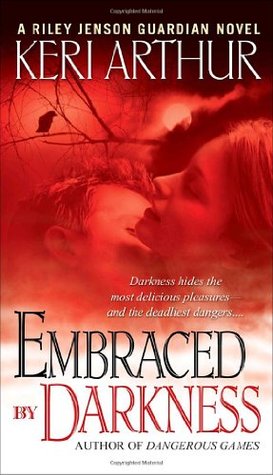 Every year, my daughters’ school invites families to send in gently used items to be sold in the 25 Cent Sale. It’s such a delight to watch the kids proudly making their purchases, and the older students diligently wrapping the wares. My six year old insisted that I open her present the moment she got home. She bought me a book. Not just any book. A supernatural smut book. It brought tears to my eyes to know that my daughter put so much thought and effort into choosing the perfect gift for me. She then insisted that I go to my room and read the first chapter.
THE GIFT OF READING
 Kindness and charity ought to be a 365 day a year project, but the spirit of giving tends to pick up at this time of year. A charity that is near and dear to my heart is Sick Kids Hospital. I regularly donate throughout the year, and I participate in the Extra Life campaign. At Christmas, I let my daughters select gifts to provide to children in need on behalf of our family and friends. There are all sorts of options, with some specific to the Christmas season. But my favourite gift (go figure), is providing books for Story-Time in the hospital’s family library.
What bookish things are you doing for the holidays?
Lootz: Mogsy’s Book Haul
Posted on December 20, 2014 32 Comments
Sneaking in my last book haul post of the year, and here is a look at the review books that came in the last couple of weeks. There are some goodies in here that I’m very excited about! It’s like Christmas in Decembe–oh wait.

Superposition – I’ve never read any David Walton, but he had a book called Quintessence come out last year that kinda caught my eye. So it’s no wonder the author sounded familiar to me when this book showed up in the mail. It looks like it’ll be the start of an intriguing new series coming out next year, published by Pyr. My thanks to the publisher for sending me the ARC.
The Mechanical – I was floored when a mystery package arrived from Orbit and when I opened it, this ARC was in it. OMG I’m a big fan of Ian Tregillis, and The Mechanical has been on my wishlist ever since I found out about it. My thanks to Orbit, I love it when you guys surprise me like this!
The Voyage of the Basilisk – And speaking of being excited, my heart probably skipped a beat when I saw Tor had sent me an advanced reading copy of this. If you haven’t read the Memoir by Lady Trent books, know that they are awesome and I highly recommend them. I can’t wait to dig into this one.
Half-Resurrection Blues – This new urban fantasy by Daniel José Older looks AWESOME. From other bloggers I learned that he has a new Young Adult novel coming out next year too, but it is Half-Resurrection Blues that caught my attention as soon as I saw the description. In early January I’ll be hosting a US giveaway for this book, so definitely keep an eye out for that. My thanks to the publisher for providing a review copy.
The Witches of Echo Park – Another review book courtesy of Penguin, I’m reading this one right now and it’s quite interesting. It was a bit slow to start, but the story is shaping up. Looking forward to seeing where things will go.
Sleepy Hollow: Children of the Revolution – A book from LibraryThing’s Early Reviewers program which I won back in August but it only arrived this month. I’ve actually never watched the show, and truthfully I don’t watch that much TV at all, but I do see previews for it all the time when I catch up with my DVR’ed episodes of Gotham! I’ve heard great things, maybe I’ll check it out one day if I read this and enjoy it.
The digital pile:
A Crown for Cold Silver – Orbit is going to have an amazing 2015. I’ve heard only great things about this book from folks who got an early look. It’s been compared to Abercrombie and other grimdark authors, so if you like gritty stories and dark humor it might be a good idea to take note of this one. Can’t wait to read it!
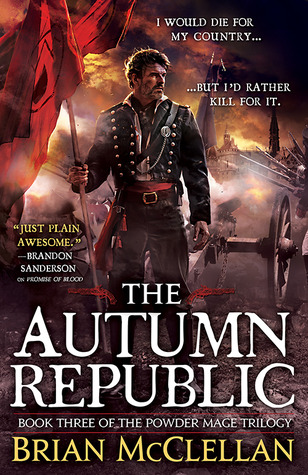
The Autumn Republic – The third and final book of the Powder Mage trilogy. I need to know how things end! Like I said, Orbit is going to have a great year.
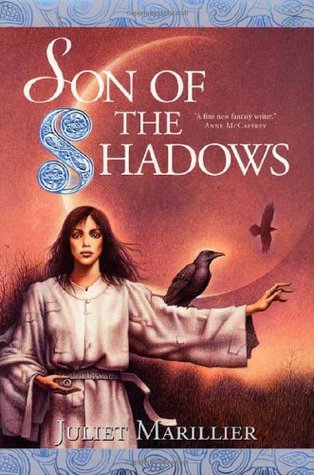
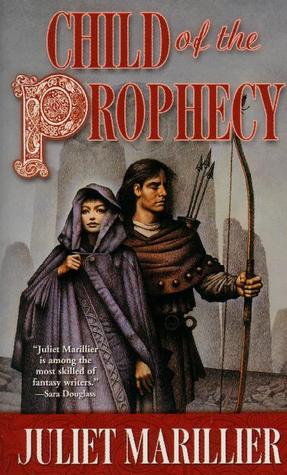
Son of the Shadows and Child of the Prophecy – Ever since reading Dreamer’s Pool by Juliet Marillier I’ve been asking myself why I took so long to read a book by her. I vowed I was going to go back and read her older stuff and I’m actually following through on that. I’ve had Daughter of the Forest on my TBR forever, after all, and so now I’m finally listening to the audiobook. Anyway, not even a third of the way into it and I’m already in love. You can see how much I’m enjoying myself, since I didn’t even hesitate to pick up the audiobooks of these books as well, books 2 and 3 of the Sevenwaters series so I won’t have to wait at all if I want to continue.


 The BiblioSanctum