Tough Traveling: Musicians & Bards
Posted on March 19, 2015 18 Comments


The Thursday feature “Tough Traveling” is the brainchild of Nathan of Review Barn, who has come up with the excellent idea of making a new list each week based on the most common tropes in fantasy, as seen in The Tough Guide to Fantasyland by Diana Wynn Jones. Nathan has invited anyone who is interested to come play along, so be sure to check out the first link for more information.
This week’s tour topic is: Musicians/Bards
BARDS often join questing parties and provide entertainment around the campfire. Sometimes their music even holds a little bit of magic. Or a clue to an ancient mystery.
Mogsy’s Picks:
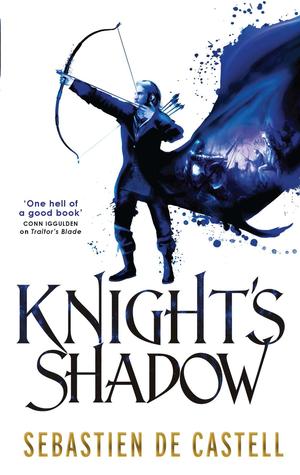 Knight’s Shadow by Sebastien de Castell
Falcio and his companions come across a duo of traveling Bardatti (means “Broken Voice”) minstrels on their latest journey. Of the pair, the lutist is talented but the troubadour is downright awful; he’s off tune and even worse, he gets Falcio’s name wrong when sings the praises the Greatcoats’ deeds in Rijou, calling him Falsio Dal Vond.
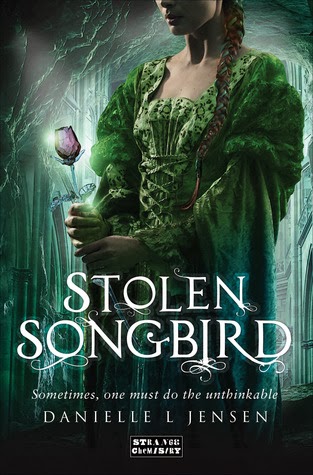 Stolen Songbird by Danielle L. Jensen
Cécile isn’t a bard or traveling musician in the classic fantasy/questing party sense, but she is gifted with a beautiful voice and was about to follow in her mother’s footsteps to become a professional singer in the city when she was kidnapped by a bunch of trolls and taken underneath their mountain.
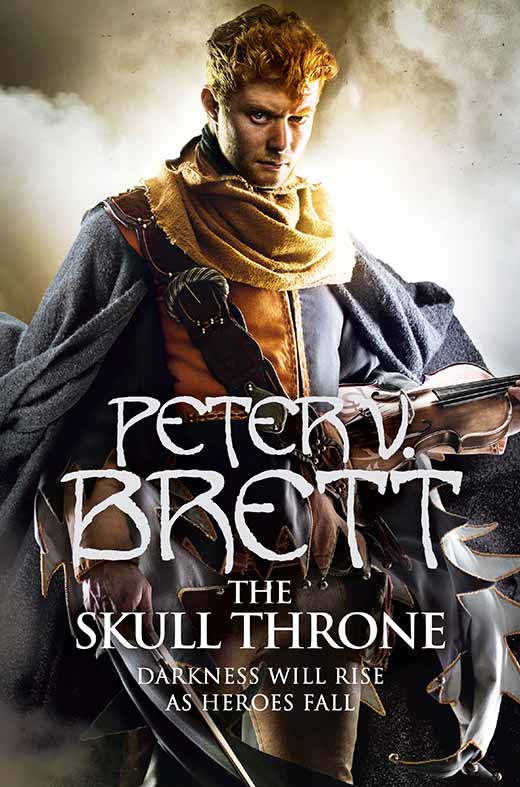 The Demon Cycle by Peter V. Brett
Rojer Inn or Rojer the Halfgrip is one of the main POV characters in The Demon Cycle series. He was raised as a jongleur after his innkeeper parents were killed in a coreling attack, and the Duke’s Herald named Arrick took him in. He is a gifted fiddler and during his time with Arlen, Leesha and the Hollowers, he develops a way to ward off demons with his music and singing.
 Talus and the Frozen King by Graham Edwards
Meet Talus, the world’s first detective. This book has the feel of a Sherlock Holmes type mystery set in an icy Iron Age inspired fantasy world, but what really clinches this one that our “detective” is a bard!

After Brandin’s son was killed in the invasion of Tigana, the powerful sorcerer destroyed the country in his grief but didn’t stop there. He went as far as to wipe the memory of Tigana from the history books as well as people’s minds. Now the main protagonist Prince Alessan is going to try to win back the memory of his land by coming up with a plan, all the while hiding as a member of a group of traveling musicians for protection.
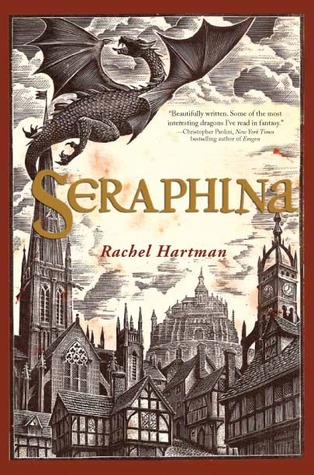
Seraphina is a dragon-human hybrid and a talented musician. Her love of music led her to audition for a position in the Goredd court, as assistant to the royal composer Viridius. After winning the role, she goes to live at the palace and becomes the harpsichord tutor for the young princess Glisselda. She was also put in charge of the music for Prince Rufus’s funeral after Viridius becomes indisposed.
Wendy’s Picks
I confess: I’ve been stumped these past two weeks for Tough Travelling, but Mogsy has come through with glittery flying colours. This week, I am no different, but Mogsy took pity on me and tossed me a couple of easy ones.
 The Last Wish by Andrzej Sapkowski
Geralt’s job as a Witcher has him chasing monsters and leaves him with the reputation of being a cold blooded killer. Perhaps it’s the villainous yellow eyes. Or perhaps it’s because he himself is a monster. You’d think such a man would be quite the loner, and yet, we find that he’s quite personable and has quite a few people he calls friend, including the bard, Dandelion (aka Dandy), who has joined him on his travels, from time to time.
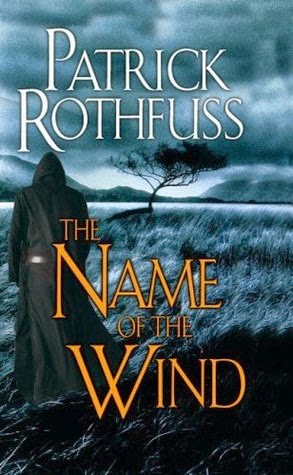 The Name of the Wind by Patrick Rothfuss
Kvothe is many things, including a Kingkiller, if the legends are to be believed, but the thing that is most precious to him is music, and when he takes up his lute, he whisks his listeners away, spinning them tales of times long gone.
 Dragon Age: Asunder by David Gaider
In Dragon Age, bards are not merely known for their beautiful voices, they are also known for their skills with sharp instruments — like daggers. Bards are integral players in The Grand Game that occupies the nobles of Orlais. Gathering secrets, spinning lies, and assassinating the unwitting are all part of the job.
Comic Stack 03/18/15
Posted on March 18, 2015 2 Comments

 C.O.W.L. #1 by Kyle Higgins
Publisher: Image Comics
Genre: Superhero, Crime
Chicago 1962. The Chicago Organized Workers League, or C.O.W.L., is a labor union for superheroes both powered and non-powered led by Geoffrey Warner, alias The Grey Raven, and they’ve just eliminated the last remaining villain of the Chicago Six. Now, their relevancy is questioned. If they’ve gotten rid of all the top villains, is there even a need for superheroes anymore?
I’m all about superhero comics that focus on the “less heroic” aspects of heroes or give them more of a realness that puts all their humanity out there, whether you have the all out depravity of The Boys, which pits a superhero watchdog group against a largely immoral superhero community, or Irredeemable, which follows a Superman-esque hero who isn’t allowed to be a human so he decides to become a god instead. I love when superhero tropes are challenged in deeper ways than what Marvel or DC can give me. This book falls into that category.

Not only are the heroes in this book faced with a cynical public, but it’s very clear that, while not on The Boys level of depravity, some of these heroes do things that aren’t very heroic and some of them really care about their “job” (because that’s essentially what it is since they’re unionized). They’re just as cynical as the public, and in the case of some, that cynicism boils over into their personal lives. While this is certainly gritty in its on right, it made me think of a less refined Watchmen for whatever reason. I didn’t exactly fall in love with this book from just this one issue, but it tackles a subject that I enjoy very much and I’ll read the first volume to see if it delivers.
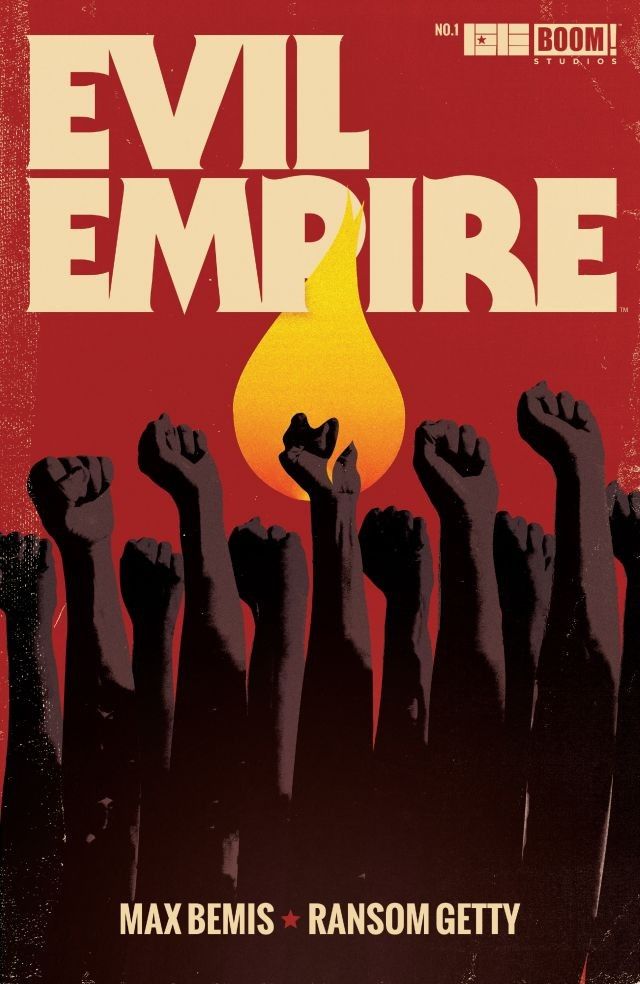 Evil Empire #1 by Max Bemis
Publisher: Boom! Studios
Genre: Political, Leading Ladies
This book wasn’t even a book that I was going to read for the week. I’d actually planned to read Minimum Wage, but I realized that book was a whole graphic novel and pushed it to the side for later reading and review. I shuffled through my pile briefly and chose this one because I enjoyed Polarity, which is also written by Bemis. I’m glad that I did give this one a chance, but this book certainly isn’t for everyone.
I had no idea what this book was even about, but when I started reading, I was intrigued with this story that was already showing some very nuanced and overt political tones. The story begins at a point that hints that society has degraded, but there’s some totalitarianism hinted at as well. Reese’s (the protagonist) rap serve as a lyrical narrative for the story as it shifts from the future to 25 years earlier, which Bemis labels with phrases like “Exactly Right Now Plus Twenty-Five Years” and “Exactly Right Now Plus Three Days.”
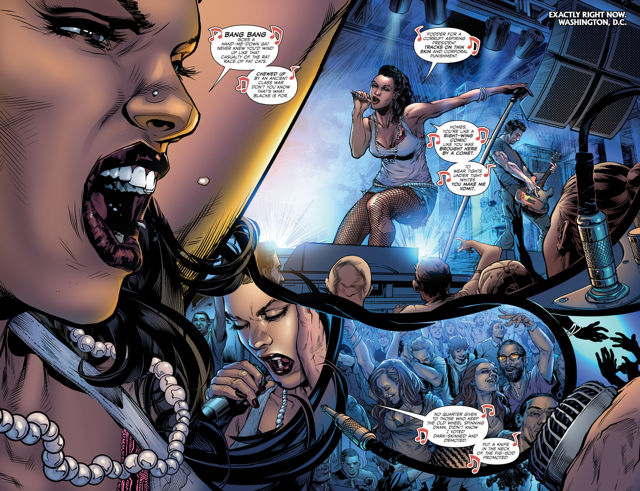
Comics can relay many things in its pages through the words and art. I’ve read books previously that had some allusions to politics or politics factor into a complex story with many other elements, but there are so few that I would say are purely political comics. This book is strongly political, but more from a disillusioned standpoint where both sides of the coin are treated with suspicion by the main character.
I thought it was interesting that Bemis chose to tell this story from a black female rapper’s point-of-view, as well. What I think many people forget in the whole “rap” condemnation is that many performers do have a lot to say about politics and their view of life in their lyrics. Reese makes me think of modern rappers like Kendrick Lamar who pens angry lyrics venting frustrations of black Americans, or J. Cole who writes sorrowful laments about how life can harden people, or Lupe Fiasco who tries to raise awareness to the plight of the inner city. There are stories to be told in a profound way, and that’s why I really get ticked off with people who are ready to jump on the “Rap is crap!” bandwagon without listening to the stories many of them (outside of your money, cash, hos rapper types) are trying to convey.
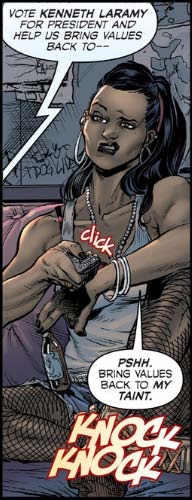 Reese scoffs at the idea of supporting platforms, but her lyrics are politically charged while being scarily prophetic in nature. I was impressed with Bemis’ ability to pull off this character, considering there was ample opportunity for him to ruin this character and make her feel like a caricature. There were some bits of it that felt a little too out there, especially in terms of the ending. And there’s one angle that I’m kind of skeptical of altogether, but I won’t write it off just for those two issues alone. I’m very curious to see how this one is going to go and Reese’s role in this political craziness. I have the remaining issues of this comic, and I’m hoping that Bemis was able to keep this comic together to its conclusion.
Waiting on Wednesday 3/18/15
Posted on March 18, 2015 10 Comments

“Waiting On Wednesday” is a weekly meme hosted by Breaking the Spine that lets us feature upcoming releases that we can’t wait to get our hands on!
Mogsy’s Pick:
The Waterborne Blade by Susan Murray: May 5, 2015 (Angry Robot)
This is another book that should have been on my list of Most Anticipated Books Written by Women in 2015 but wasn’t featured because it didn’t have either a cover or a description at the time. Well, it does now. The Waterborne Blade is one of the new books I’m looking forward to most in Angry Robot’s spring line up. A queen who is on a quest to save her kingdom and her husband, I like the sound of that!
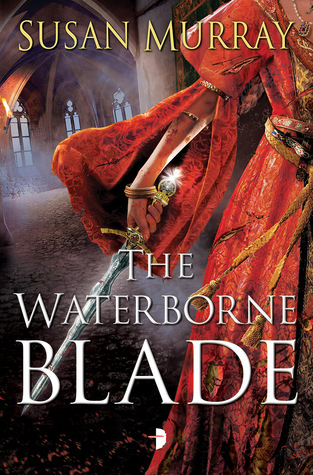 “The citadel has long been the stronghold of Highkell. All that is about to change because the traitor, Vasic, is marching on the capital. Against her better judgement, Queen Alwenna allows herself to be spirited away by one of the Crown’s most trusted servants, safe from the clutches of the throne’s would-be usurper.
Fleeing across country, she quickly comes to learn that her pampered existence has ill-equipped her for survival away from the comforts of the court. Alwenna must toughen up, and fast, if she is even to make it to a place of safety. But she has an even loftier aim – for after dreaming of her husband’s impending death, Alwenna knows she must turn around and head back to Highkell to save the land she loves, and the husband who adores her, or die in the attempt.
But Vasic the traitor is waiting. And this was all just as he planned.”
Book Review: Prudence by Gail Carriger
Posted on March 17, 2015 22 Comments
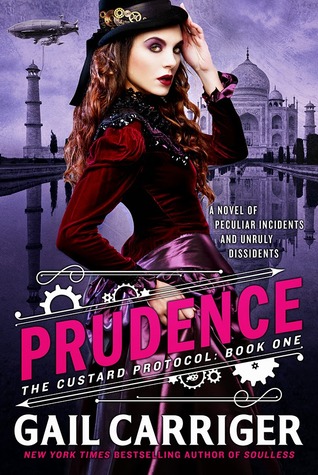
Genre: Fantasy, Steampunk
Series: Book 1 of The Custard Protocol
Publisher: Orbit (March 17, 2015)
Author Information: Website | Twitter
Mogsy’s Rating: 4.5 of 5 stars
I didn’t expect to like this one so much. First of all, I haven’t read any of Gail Carriger’s other books save for Soulless which I found quite enjoyable, but ultimately the emphasis on Alexia and Maccon’s romance kept me from diving headfirst into the Parasol Protectorate. Then along came Prudence. Described as a new series featuring the adventures of Alexia’s daughter, this book sounded like a lot of fun. More importantly, it also looked different enough from the original series that I figured I might just give it a shot.
I’m so glad I did. Prudence Alessandra Maccon Akeldama AKA “Rue” is definitely a force to be reckoned with! Like I said, I never got beyond the first book of the Parasol Protectorate series so this was my first introduction to this spirited young lady. I didn’t feel disadvantaged at all for not having read the original series; Carriger does a great job making sure that all her readers can hop aboard at this point and enjoy this book on an equal footing.
Witty, vivacious, and oh so much less prim and proper than her mother, I just couldn’t help but fall in love with Rue. She possesses an ability not unlike Alexia’s, being able to negate the effects of supernatural beings simply by making skin-to-skin contact with them, except she does this by temporarily stealing their powers. So for example, by touching a werewolf, she in turn becomes a werewolf, leaving her hapless victim mortal for the rest of the night or at least until Rue gets far enough away to snap the magical tether. Needless to say, high society has gotten quite used to the sight of Rue running around the city in wolf form wearing nothing but her bloomers, much to Alexia’s chagrin…which just goes to show how different Rue is from her mother.
Also, for much of Rue’s life she was raised away from her birth parents by her foster “second father”, the vampire Lord Akeldama. When trouble threatens to strike Dama’s tea interests in India, he tasks Rue with the mission to investigate, because as everyone knows, tea is SERIOUS BUSINESS. To help her complete her quest, Dama also gifts Rue with her very own dirigible, which our protagonist promptly dubs The Spotted Custard.
Oh God. Never have I wished this hard for illustrations in an adult novel. What I wouldn’t give to see a picture of Rue’s red-with-black-spotted dirigible, because Rue being Rue, of course the first thing she does is commission it to be painted like a gigantic ladybug. Oh, and due to some kink in its engineering, the ship also farts loudly upon liftoff.
Yeah, I just about fell out of my chair from laughing so hard.
Such preposterous, over-the-top situations are everywhere in this book, making this a very humorous read – another point Prudence has over Soulless, in my opinion. This fact makes the novel a regular comedy of errors, made even funnier by Rue’s traveling companions who are all delightful but just as hilariously incompetent at pulling off a mission of espionage. You have straight-laced Primrose who forces the entire expedition to depart early due to an unexpected fashion faux pas, the scholarly navigator Percy who fills up his stateroom with more books than the necessities for basic living, and the rakish Quesnel who is constantly distracting Rue with his good looks and casual flirtations. Can India survive the crew of The Spotted Custard? That’s the million dollar question indeed.
Another thing I really enjoyed is just the light smattering of romance, which in no way detracts from the main storyline. Something’s definitely brewing between Rue and Quesnel, but their relationship is secondary to the central plot which focuses on adventure. There’s no doubt that the exciting journey to India was what made this book such a joy to read, bolstered by Rue’s eccentric brand of diplomacy and the antics of her friends and crew.
I’m also happy that while many of the major characters of Parasol Protectorate are featured in this book, the author keeps their appearances limited. This is strictly Rue’s story, and I couldn’t be more pleased with that. Of course, if you’ve read the series featuring her parents you’ll have a better grasp on the lore and characters’ backgrounds, but I didn’t and I still had a blast. I actually liked Prudence a lot more than Soulless; after all, I didn’t get a jump on the rest of the books in Alexia’s series, but I’m very impatient now for the next book of Rue’s! I’m so glad that Carriger decided to focus on this character, and I can’t wait to follow Rue and her friends on their future adventures with The Spotted Custard.

A review copy of this book was provided to me by the publisher in exchange for an honest review. My thanks to Orbit Books!
Book Review: The Skull Throne by Peter V. Brett
Posted on March 16, 2015 18 Comments
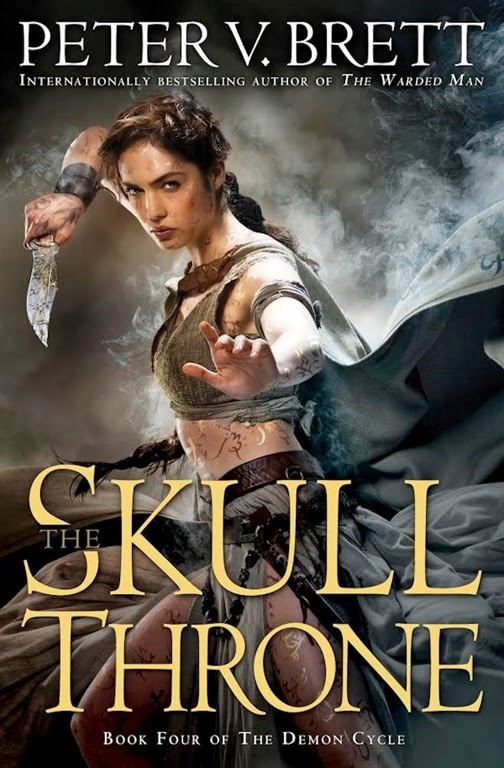 The Skull Throne by Peter V. Brett
Genre: Epic Fantasy
Series: Book 4 of The Demon Cycle
Publisher: Del Rey (March 31, 2015)
Author Information: Website | Twitter
Mogsy’s Rating: 3.5 of 5 stars
I’m going to be keeping this a spoiler-free review and I won’t be revealing anything that’s not in the book description…because I get it. Even after the crazy cliffhanger Peter V. Brett left us with at the end of The Daylight War, I refused to read the first chapter of The Skull Throne that he’s had on his website for the longest time. Despite my burning curiosity, I was sure I didn’t want to know how anything resolved until I had the full book in my hands.
So have things been resolved? My feelings are mixed on this. As the novel’s synopsis states, the duel between Arlen Bales and Ahmann Jardir ended after the two so famously threw themselves off a cliff. The world went from having two Deliverers to none at all and now all the characters in the book are wondering what’s become of the two men. Well, they’re not the only ones. To be honest, I’m wondering the same thing myself! Arlen and Jardir get almost no page-time at all in this latest installment, but I’ll talk more about that later.
What we have instead are large parts of the book devoted to the Krasians and the people of Cutter’s Hollow. I saw The Skull Throne as being comprised of three parts. The entire first third is focused on what’s happening in Everam’s Bounty, and once again we have the occasional flashback. Inevera still holds immense power, and yet even her hora dice are unable to tell her the fate of her husband. Now that Jardir is out of the picture, his firstborn son Jayan attempts to seek glory for himself by pillaging his way across the greenlands, and is built up to be the book’s main villain. Abban the khaffit also gets more attention in this sequel by being assigned as his advisor – playing the Tyrion to the sadistic Jayan’s Joffrey, so to speak. Indeed, at least where the Krasian storyline is concerned, I saw a lot of parallels to A Song of Ice and Fire.
Then in the second third, we have what’s happening in the Hollow. So while the Krasian storyline might have reminded me of Game of Thrones, the events unfolding with Leesha, Rojer and Co. could only be likened to season of a daytime soap opera. Not that I didn’t fancy myself some Days of Our Lives in the Hollow; daytime serials are massively profitable for a reason, following the melodramatically eventful lives of even the most minor of characters. I’ll be the first to admit that all the scandals and baby daddy drama surrounding Leesha is surprisingly addictive, and ate up this part of this novel with more enthusiasm than I expected.
Still, demon battles can only provide so much action and entertainment, and without them, it’s clear that the Cutter’s Hollow crew can only rely on emotional relationship plot lines that border on sensationalism to keep things interesting. This part of the book was enjoyable, but it did feel like very little of import actually happened in two hundred or so pages, other than to have the folk of Cutter’s Hollow bide their time and for side characters keep up their presence. On the other hand, the Krasians’ storyline sees a lot more action. Unfortunately, all of them get on my nerves. I can always seem to predict what they’ll say or how they’ll act, because even after four books the characters are still little more than stereotypes.
This does underscore how very badly this series needs Arlen in it. I did find the lack of the series main character a bit disappointing (I suppose if there’s a bright side to this, it’s that we didn’t get to see much of Renna Bales either – I can’t say I’m her biggest fan). This isn’t the first book in which I feel the Warded Man could have gotten more attention, but nothing could have prepared me for almost not seeing him at all in The Skull Throne. I used to love Arlen’s character, but instead of absence making the heart grow fonder, I’m afraid he’s just lost much of his appeal for me.
Anyway, I mentioned earlier that The Skull Throne felt like it had three distinct parts, and it’s the last of these that raised my opinion of the entire book. Arguably, the war with the demons takes a backseat in this installment, with the big battle between the Thesans and the Krasians led by Jardir occupying the center stage. This doesn’t make things any less exciting, however. The big developments came rolling in in the chapters leading up to the conclusion, and the ending had a couple of shocking twists and holy-crap-did-that-really-happen moments that I’m still having trouble coming to grips with.
There’s one more book planned for this series so we’re no doubt being set up for something big, but I’m happy to report this one doesn’t end with another rage-inducing cliffhanger. Still, there are many questions left unanswered, not to mention a lot of plot threads as yet unresolved, especially when it comes to Arlen and Jardir. The Skull Throne didn’t quite sweep me off my feet, but I did like it – and nothing’s going to make me miss the next book and the grand finale.

A review copy of this book was provided to me by the publisher via NetGalley in exchange for an honest review. My thanks to Del Rey Books.
Novella Review: We Are All Completely Fine by Daryl Gregory
Posted on March 15, 2015 23 Comments
 We Are All Completely Fine by Daryl Gregory
Genre: Horror, Paranormal
Series: Stand Alone
Publisher: Tachyon (August 12, 2014)
Author Information: Website | Twitter
Mogsy’s Rating: 4 of 5 stars
If you recall in my review of Harrison Squared, I described that book as a fun, adventurous mystery which strikes the perfect balance for teen and adult crossover appeal. Well, nothing could be further from my experience with We Are All Completely Fine. Rather, try descriptions like “traumatic”, “disturbing” and “mature audiences only”.
Don’t get me wrong, though; I’ve developed a taste for horror fiction in recent years, and I loved this book. But what surprised me was just how completely different this it from Harrison Squared, which is actually its prequel. In fact, that was what prompted me to pick up We Are All Completely Fine, after finding out how the two books were related, and because I wanted to read more from Daryl Gregory.
The teenaged Harrison whom I first met in Harrison Squared is presently a man in his mid-thirties. Not that he was a jolly personality even at aged sixteen, but as an adult he has become even more gloomy, jaded and world-weary. He’s a famous author now, known for his “Monster Detective” childrens’ stories starring the boy hero from Dunnsmouth named Jameson Jameson, AKA Jameson Squared (things are getting kind of meta here). He’s also seeing a psychiatrist, which is how he eventually landed in a support group with four other members – Stan, Barbara, Martin, and Greta – led by the psychotherapist Dr. Jan Sayer.
Some reviewers have remarked on the strange quirk in the narrative style, specifically how at the beginning of each chapter in this book an unknown narrator appears to be speaking in the first person, though the usage of the pronoun “we” suggests he or she would be part of the support group. However, after a few paragraphs the narration will invariably shift back to the third person. As strange as it sounds, this style immediately brought to my mind the movie The Breakfast Club. Director John Hughes used a slightly different but similar “breaking the fourth wall” technique with voiceover narration at the beginning of the film, explaining to the audience what’s going to happen and why all the characters were there. This creates a kind of “reflection to the past” effect which helps us gain a slightly better understanding. In the case of this book, it tells you that despite the horror that is coming, you know that at least some members of this group managed to survive and come through intact. Well…mostly.
And perhaps comparing this book to The Breakfast Club isn’t so absurd, if you think about it. Instead of five teenagers who have little in common with each other, all trying to fit in amidst the crushing pressures of high school life, you have five likely-insane adults who have little in common with each other, all trying to get by in their normal day lives without the crushing fear of appearing completely unhinged. The characters in The Breakfast Club find themselves in detention, where none of them want to be. The characters of We Are All Completely Fine find themselves in group therapy, where none of them want to be. Despite their differences, the teens in TBC realize they are more than their individual stereotypes, and band together against a common enemy, Principal Vernon. Despite their differences, the strangers in WAACF realize they are more than their individual fucked up pasts, and band together against a common enemy, an ancient all-devouring evil from another world entirely.
All fanciful comparisons to classic 80s movies aside though, this was a fantastic book. It’s the characters that make We Are All Completely Fine – mainly because they are all so completely not. Everyone in Dr. Sayer’s support group is there because they have experienced something terrifying and traumatic…but also unexplainable. No one would believe them if they told their stories of what really happened to them. Unraveling each group member’s mystery is therefore the first step of this hair-raising journey, and my favorite part of the novella. How does Stan handle his minor celebrity status, after being abducted by a family of cannibals a la The Texas Chainsaw Massacre, and emerging as the sole survivor? What message did the Scrimshander leave on Barbara’s bones twenty years ago, when he bound her, drugged her, and carved up her flesh with his knives? Why doesn’t Martin ever want to take off his sunglasses? And Greta, what awful inconceivable secrets must she be hiding behind her silence?
However, the biggest mystery of all – at least to me – was what on earth happened to the Harrison Harrison that I thought I knew from Harrison Squared?
It does make me wonder now, how I would have felt if I hadn’t read that book first before this one. We Are All Completely Fine reveals no major spoilers but does refer to many of the significant events from Harrison Squared, especially those relating to the nightmarish creature called The Scrimshander. It’s made me rethink everything I read in the prequel novel. How much of it was glossed over, played down for “a story for kids?” Mind you, I want to make it clear that reading this in no way diminished my experience with HS, but I am now looking at it in a whole different light. It’s that meta thing again. In a weird trippy way, the two books actually complement each other very well.
Well, now I realize I’ve gone about this review in a very roundabout way. Partly, it’s because I don’t want to spoil too much of the story. We Are All Completely Fine is an average-sized novella, a very quick read, and yet it is just so densely packed with goodness. It just begs to be experienced firsthand. True, it might not be an easy read at times, with its disturbing themes and bone-chilling violence, but I did also find it tremendously addicting. Needless to say, I highly recommend this book and author. It’s a good place to jump on board if you love the horror genre, or if you’re curious about checking out Daryl Gregory’s work. I for one am looking forward to more from his pen.

A review copy of this book was provided to me by the publisher in exchange for an honest review. My thanks to Tachyon Publications!
YA Weekend: Fangirl by Rainbow Rowell
Posted on March 15, 2015 10 Comments
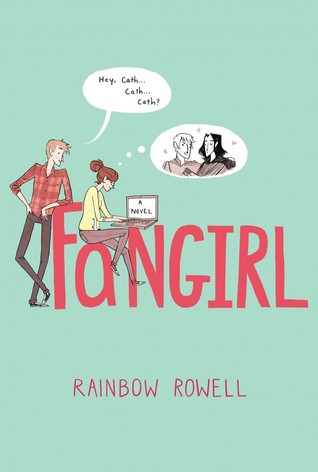
Genre: Young Adult, Romance
Publisher: St. Martin’s Press (September 2013)
Author Info: rainbowrowell.com
Wendy’s Rating: 5 of 5 stars
I initially thought this book was about, well, fangirls–those super geeky people who get utterly lost in fictional worlds and write fanfic and cry over the relationships of the fictional characters of those worlds. People like me. And it totally is about that, but it’s also so much more. It’s also about loneliness and family and mental health and first days of college and sisters and twins and relationships and integrity and perseverance and friendship and writing and empathy and anxiety. It’s the perfect book for anyone who understands any or all of those things or lives with any or all of those things, while still being easily relatable to someone on the outside looking in. In fact, for the latter, this book serves almost as a quirky little guide book on how to deal with all of this, without ever shedding a disdainful light on these issues.
The story is told through Cath, half of a pair of 18-year-old twins who are attending college, and are away from their single father for the first time. Issues with their mother who abandoned them at a young age have made them a close knit little family, but this separation and all the pressures of college threaten to tear them apart. Cath is an introvert and suffers from anxiety. She has that whole ’90s movie shy, geeky girl with ponytail and glasses vibe going on, but Rowell gives her so much more agency. While she does find support in her gruff roommate Reagan and Reagan’s cheerful bestfriend Levi, Cath maintains control on her life, and can and will say “no” when she needs to. More importantly, her friends might not understand her, but they don’t pressure her or put her down.
Cath also writes fanfiction, which is a major element of this story. She is working on the conclusion of an epic story called Carry On, Simon, which is based on the fictional World of Mages–which in itself is a bit of fanfiction, as the similarities between it and the Harry Potter series are evident. Yet, the World of Mages is fully unique, and fleshed out. Excerpts from it and Cath’s fanfiction begin each chapter, and, as her relationship with Levi develops, Cath also reads much of Carry On, Simon to him. Initially, I thought the excerpts a bit of a distraction, but by the end of the book, I was clamouring for Rowell’s recently announced Carry On to be a thing immediately.
I walked into this book expecting one thing, and discovered it to be so much more. I found a new favourite author and something new to fangirl over.

Mogsy’s Bookshelf Roundup: Book Haul, Backlist, What I’ve Read
Posted on March 14, 2015 22 Comments
Time for another Bookshelf Roundup! Here’s what’s been going on in the last two weeks:
Received for Review
Lots of new books this week, mostly unsolicited and some requested. First, this pretty gem arrived late last week:
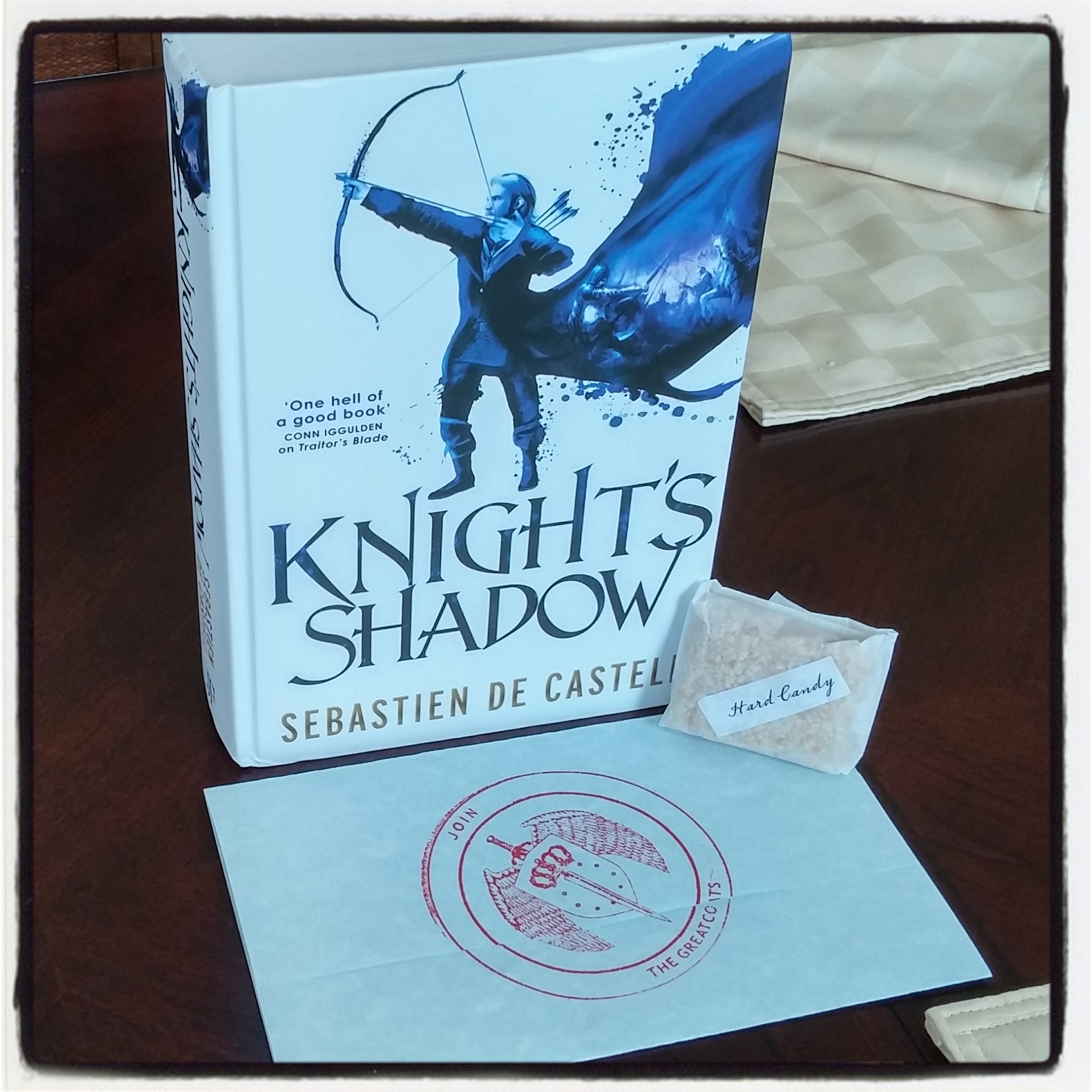
Knight’s Shadow by Sebastien de Castell – This one was on my most-anticipated list for 2015, and I was practically bouncing up and down with excitement when it arrived. The book came with an “invitation” to join the Greatcoats and — get this — a piece of Greatcoat Hard Candy. I haven’t eaten it yet, so no telling whether it’ll give me that extra energy boost and turn me into a swashbuckling superhero. It just looks like some kind of sesame snack, but hey, YOU NEVER KNOW. Thank you so much, Jo Fletcher Books, both for the review copy and the lovely and clever presentation.
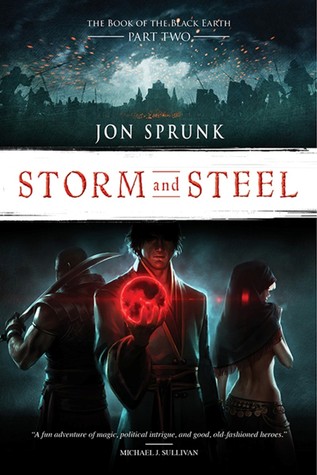

Storm and Steel by Jon Sprunk – Physical ARC, courtesy of Pyr. I read book one Blood and Iron last year, so I’m really grateful to the publisher for thinking of me when they sent these out. I hope I can find the time to fit this one in.
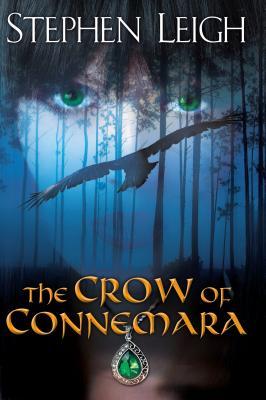
The Crow of Connemara by Stephen Leigh – Hardcover, courtesy of Penguin. This one was completely new to me, but it looks interesting enough that I’m putting it on the “definitely considering” pile.
Vision in Silver by Anne Bishop – Hardcover, courtesy of Penguin. Also unsolicited, but now its arrival has given me the perfect motivation to catch up with the series!
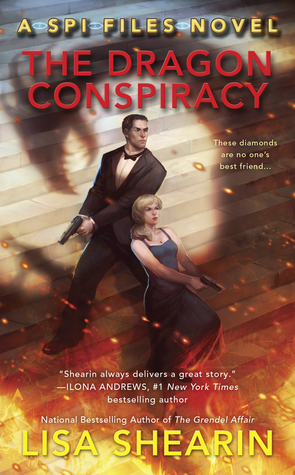
The Dragon Conspiracy by Lisa Shearin – Paperback, courtesy of Penguin. Sequel to The Grendel Affair which I really enjoyed. Currently reading this one now because I’m in a UF kinda mood and this is perfect.
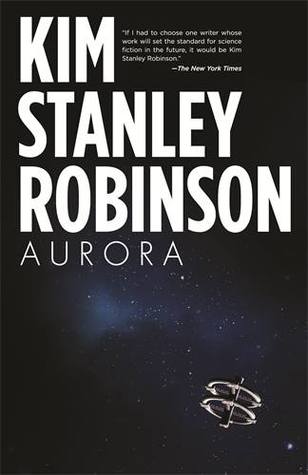
Aurora by Kim Stanley Robinson – Physical ARC, courtesy of Orbit. This was a surprise arrival, and I wasn’t sure what to make of it at first. It doesn’t seem like my kind of book, but I’m willing to try anything. In the meantime, my husband will probably want to steal this ARC from me, he’s quite a fan of Kim Stanley Robinson.
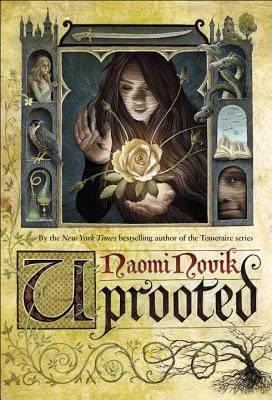
Uprooted by Naomi Novik – From NetGalley. I said I was going to wait until I polished off a few more titles from my NG pile before I requested this one, didn’t I? Nope, couldn’t resist.
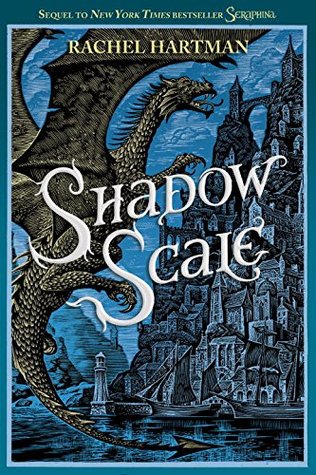
Shadow Scale by Rachel Hartman – From NetGalley. I almost forgot that I had requested this one because it sat in my pending queue for so long (I would never had forgotten if I had the old dashboard, grumble), but I was nonetheless quite happy when I got approval. Really looking forward to this.
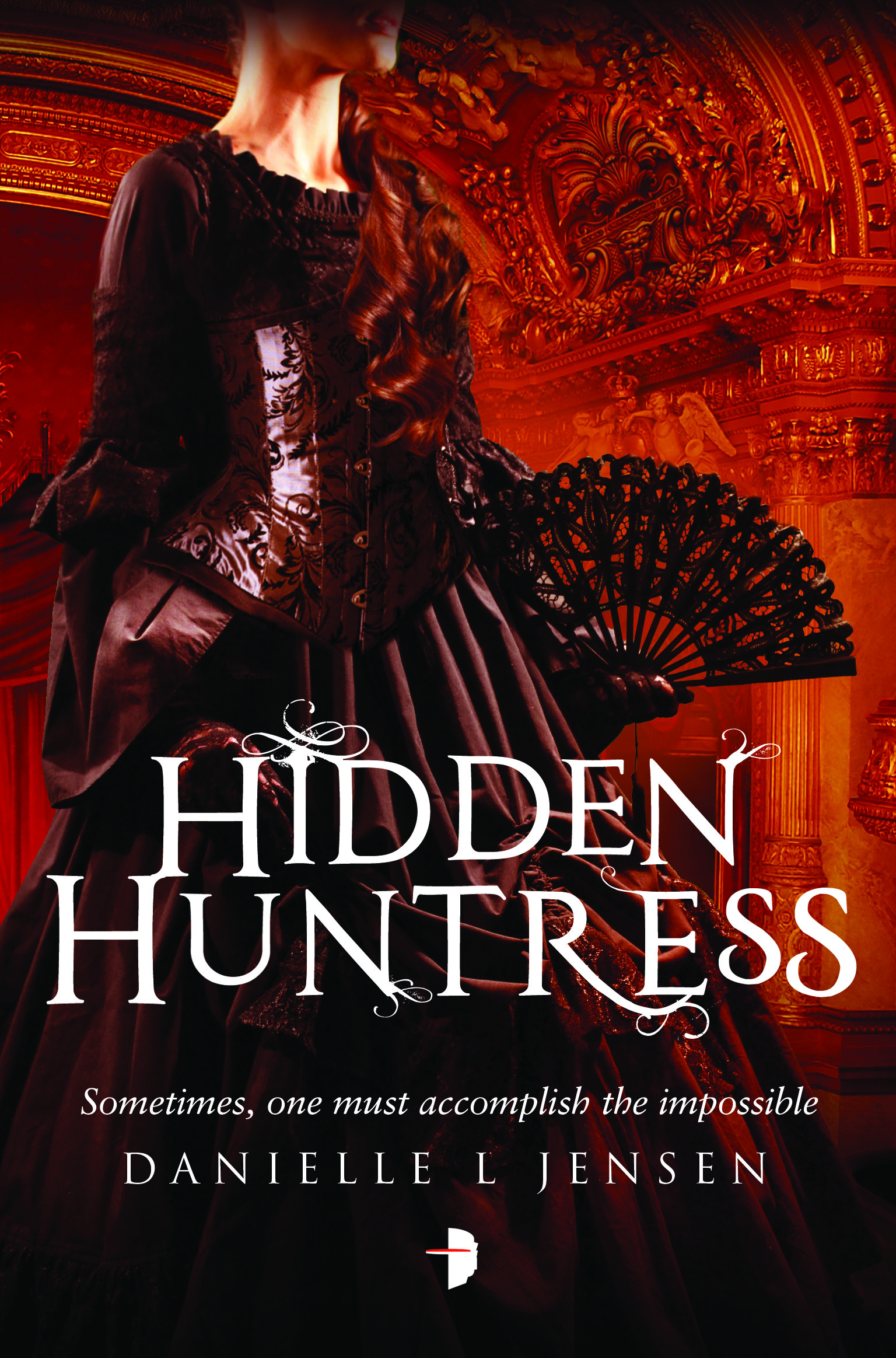
Hidden Huntress by Danielle L. Jensen – Digital ARC, courtesy of Angry Robot. The publisher was so kind as to send an early copy to the folks who helped out in the cover reveal.
Purchased
“Books from abroad” seems to be the theme for my Purchased Shelf this week:
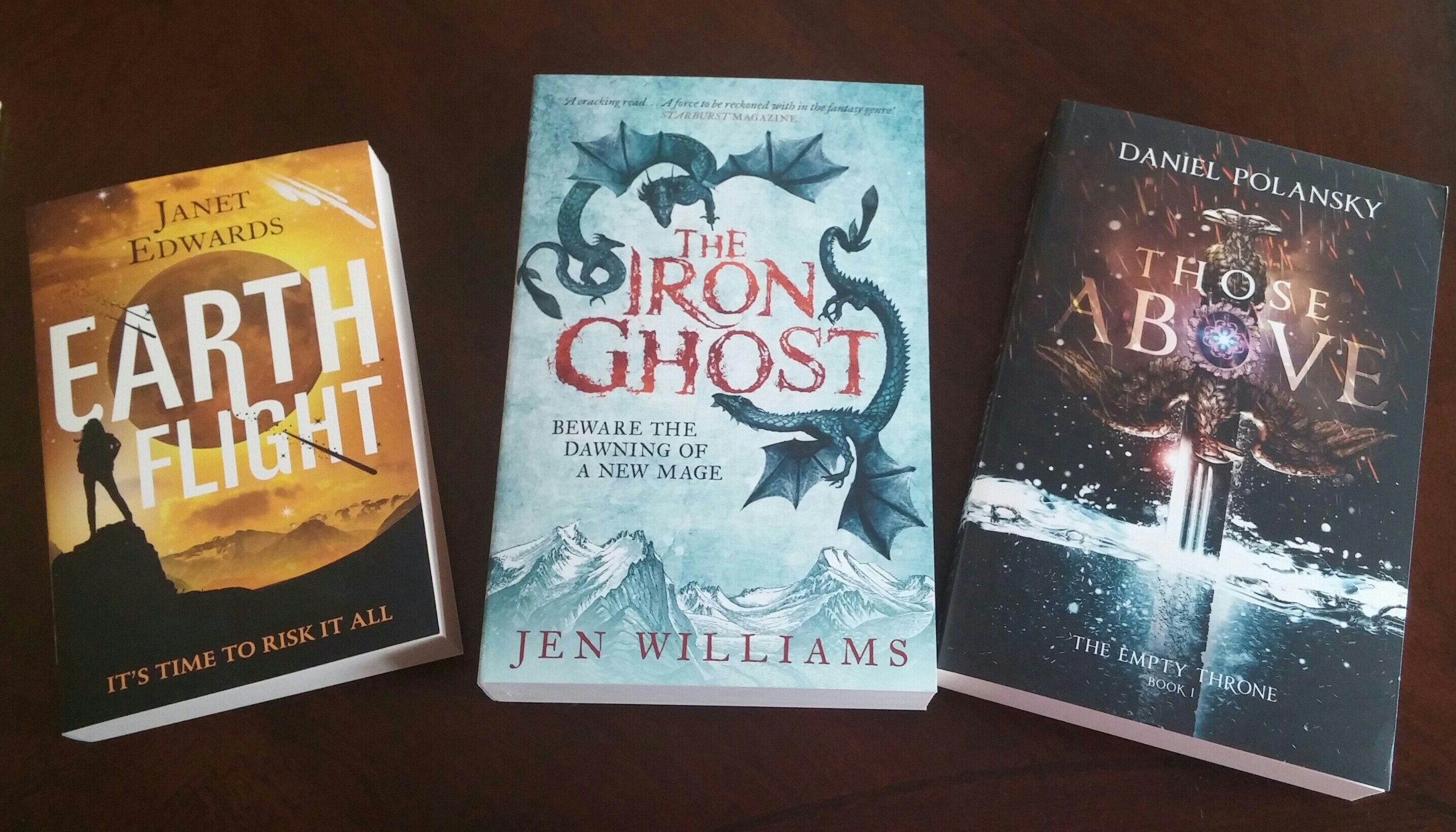
Earth Flight by Janet Edwards – My wonderful brother visited from Toronto at the end of February, and he brought a gift for me! I guess this book doesn’t have a US release date yet, but it is currently out in the UK and Canada. Talk about worthy tribute!
The Iron Ghost by Jen Williams and Those Above by Daniel Polansky – Ah, the Book Depository haul. Two books I really want to read that should have had US release dates yesterday. Very excited when both of them came!
Back to the Backlist
Here’s what’s on tap from the backlist bar this week.
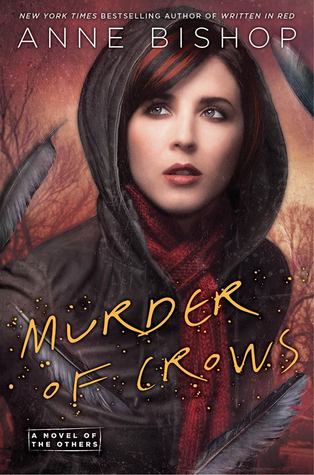
Murder of Crows by Anne Bishop – Audiobook. Like I said, I need to catch up with this series, and it’s time to put my money where my mouth is and get it done! And for those wondering, Goodreads says Murder of Crows has been on my TBR since April 10, 2014. That’s hitting the backlist, all right.
What I’ve Read Since the Last Update:
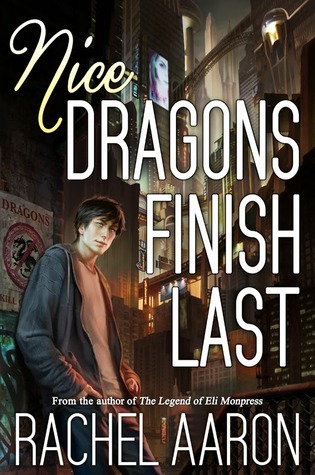
A couple rather large books I’m reading have slowed me down some, so I didn’t get quite that many finished this time. But keep an eye out for my reviews of these books in the coming weeks. The one for Nice Dragons Finish Last is already up!
Book Review: Station Eleven by Emily St. John Mandel
Posted on March 13, 2015 12 Comments
 Station Eleven by Emily St. John Mandel
Genre: Dystopia, Post-Apocalypse
Publisher: Knopf Doubleday (September 9, 2014)
Author’s Information: Website | Twitter
Tiara’s Rating: 4.5 of 5 stars
An actor’s death while performing the eponymous role in King Lear heralds the end of an age, ushering in a new one with a roar. No one expected the Georgia Flu–romantic in name, but deadly in scope–to sweep the globe as quickly and as brutally as it did.
Twenty years later, society has collapsed completely and now, there are only pockets of communities, families, and survivors inhabiting the world. Amenities such as the internet are considered thrilling tales for children twenty and under who now live during a time when old cars are stripped and turned into horse-led caravans. As one passage that details an incomplete list of things that are “no more” states:
No more Internet. No more social media, no more scrolling through litanies of dreams and nervous hopes and photographs of lunches, cries for help and expressions of contentment and relationship-status updates with heart icons whole or broken, plans to meet up later, pleas, complaints, desires, pictures of babies dressed as bears or peppers for Halloween. No more reading and commenting on the lives of others, and in so doing, feeling slightly less alone in the room. No more avatars.
However, this isn’t just a story about life post-civilization. This story follows a cast of players all connected by the actor, Arthur Leander, people whose lives he touched in profound ways. Jeevan Chaudhary, a former paparazzo turned EMS, who encountered Arthur during many critical moments in his life as a paparazzi photographer and again as an EMS. Kirsten Raymonde, a child actress who witnessed Arthur’s death and develops a fascination for him in the post-flu world as she roams with a traveling symphony intent on keeping performing art in the world. Clark, his college friend who worked in organizational psychology “fixing” people by making them into the idea employee their companies want them to be but finds a different calling after the Georgia Flu. Finally, there is Miranda, his first wife, an artist who worked in shipping by day, but slowly, secretly penned her magnum opus for many years–a science fiction graphic novel called Station Eleven, which is gifted to Kirsten as a child by Arthur, a book Kirsten still has in her possession twenty years later.
This story travels back and forth in time, revealing the tenuous strings that tie them together, documenting the world for what it once was and what it has now become since 99% of the population has been decimated thanks to the flu. The world is a starker place than before the collapse. There are no countries or states, and the post-flu generation doesn’t even really have a working knowledge of such concepts. Kirsten comments that they’re just now entering “softer” years than when the illness first ravished the world. She remembers people being distrustful and territorial to the point of immediate violence when she first started traveling with the symphony but now, people are starting to slowly trust one another again, or at least give people the opportunity to explain themselves when showing up unannounced.
While one doesn’t tend to think of stories about a world ravaged by illness as lyrical, Mandel’s writing gave this world a strikingly tragic, dreamy feel that juxtaposes beauty and ugliness, sometimes having both characteristics present in the same sequence:
What was lost in the collaspe: almost everything, almost everyone, but there is still such beauty. Twilight in the altered world, a performance of A Midsummer Night’s Dream in a parking lot in the mysteriously named town of St. Deborah by the Water, Lake Michigan shining a half mile away. Kirsten as Titania, a crown of flowers on her close-cropped hair, the jagged scar on her cheekbone half-erased by candlelight. The audience is silent. Sayid, circling her in a tuxedo that Kirsten found in a dead man’s closet near the town of East Jordan: “Tarry, rash wanton. Am I not thy lord?”
Miranda’s graphic novel played an essential part in this aside from giving the novel its name. It served as a haunting allegory for feelings, situations, and dreams throughout the story, giving us such moments as these where her story underscores her pent up feelings about being the eccentric wife who never truly belonged in Hollywood (but has dual meaning when put up for comparison to the post-flu world):
The sentiment seems right, but somehow not for this image. A new image to go before this one, a close-up of a note left on Captain Lonagan’s body by an Undersea assassin: “We were not meant for this world. Let us go home.”
In the next image, Dr. Eleven holds the note in his hand as he stands on the outcropping of rock, the little dog by his boots. His thoughts:
The first sentence of the assassin’s note rang true: we were not meant for this world. I returned to my city, to my shattered life and damaged home, to my loneliness, and tried to forget the sweetness of life on Earth.
Too long, also melodramatic. She erases it, and writes in soft pencil: I stood looking over my damaged home and tried to forget the sweetness of life on Earth.
There was one issue that I felt could’ve been improved upon, mostly because it only kept popping up at convenient times when it felt Mandel needed things to move, but she couldn’t quite figure out how to get them to move. I felt the idea needed to either have been explored more or taken out altogether. It was one of those instances where it kept popping up at points, and I’d forgotten that was even part of the story because it only felt important in that moment. I won’t spoil it since it is important to the plot, but it was just one small complaint. And it’s an issue that other readers have pointed out as well.
Another thing that I don’t know if I think is brilliant or not is the Prophet. You know there is always at least one person who turns into the religious zealot in a post-apocalyptic setting. On one hand, I did like what she eventually did with that angle, even though at first I was thinking, “Please, not this.” On the other hand, I couldn’t fully appreciate it as much as I wanted because the entirety of it seemed to be all crammed in toward the end rather than being slowly revealed like most of the story. You have a good idea where it’s going to go with that angle, but it just seemed a bit more shoehorned in when compared to the rest of the story.
It would be easy to categorize this book as just a dystopian/post-apocalyptic novel, but it’s so much more than that. It’s one of those books that defies genre, and I’m sure it’s probably been the source of more than one great genre debate by now. Despite any ambiguity it lends, this novel is poetic, elegiac, and moving. Station Eleven has the quality of a book that could be considered a classic years from now, something that my kids will likely dig up when they decide to go on a classics binge (much like I’m doing right now with various genres). It’s a terrific blend of prose, character, and dialogue.

Book Review: Harrison Squared by Daryl Gregory
Posted on March 13, 2015 13 Comments
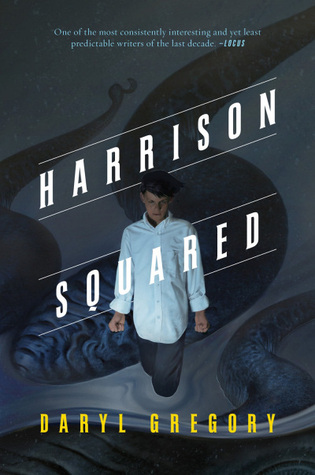 Harrison Squared by Daryl Gregory
Genre: Fantasy, Horror
Series: Book 1
Publisher: Tor (March 24, 2015)
Author Information: Website | Twitter
Mogsy’s Rating: 4 of 5 stars
I’m always on the lookout for good Lovecraft-inspired horror, and so when I stumbled upon the description of Daryl Gregory’s new novel Harrison Squared I just knew I had to check it out.
When Harrison Harrison (nicknamed Harrison Squared by his scientist mother, because geek humor is the best kind of humor) was a toddler, his family’s boat was capsized by a giant tentacled sea monster. Officially, the authorities said that it was a sharp piece of metal that claimed Harrison’s leg, and that the storm was what drowned his father, but Harrison knew he did not imagine or hallucinate what he saw that terrible day.
Now sixteen years old, he travels cross-country with his mother to Dunnsmouth, Massachusetts, a quiet seaside town where everything seems creepy as hell. His school is like a labyrinth out of myth, the teachers don’t seem to care whether he shows up to his classes or not, and the other students are like the Children of the Corn. The first night in town, his favorite comic book gets stolen by some weird fish-boy. Then tragedy hits when Harrison’s marine biologist mom goes missing at sea. Refusing to believe she’s dead, Harrison goes investigating. Pretty soon he’s gathered about him a group of unlikely allies to battle the nightmarish Scrimshander, an ancient Dunnsmouth legend come to life.
Why do I love the Lovecraftian subgenre so? For the atmosphere, of course. As a setting, Dunnsmouth perfectly embodies the rural, insular feel of Lovecraft country, belying the terrible secrets kept under wraps by its townsfolk. The horror featured in these stories tend to involve cosmicism and the occult, which is psychologically so much more effective. Daryl Gregory delivers all these aspects, combining both fantasy and horror elements in a neat little package. There’s no small amount of weirdness in the plot, which is usually something I can’t tolerate, but Gregory somehow renders it into a conceivable, real-world everyday kind of weird that his protagonist Harrison takes in stride…so I did as well.
The book will also do well with both adults and teens, striking the perfect balance for crossover appeal. On the surface, Harrison seems to be like a lot of other kids his age, struggling with a volatile temper and his desire to fit in at a new school. But gradually, the reader will learn that he’s also not your typical teenager. Harrison is very well written and convincing; his quiet resourcefulness both charmed and intrigued me, and I sympathized with his fear of the ocean and felt for him when his mom was reported lost at sea. So much of his life has been shaped by the boating accident when he was three years old, and unraveling the mysteries behind his character ended up being as much fun as keeping up with the story itself.
Gregory also rounds out the cast with several fantastic secondary characters, including Lydia, a fellow classmate from school; Lub, the half-human-half-fish boy; and last but not least, the most memorable of all for me was Harrison’s Aunt Selena who arrives in Dunnsmouth from New York City to take care of Harrison after his mom goes missing. Breezing into town in a flurry of silks and designer clothes, Sel was not at all what I expected, but it sure made me wish I had more relatives like her.
I had a great time with this book. It’s not a heart-pounding tale of horror, but rather a well-paced delectable mystery that’s also a fun adventure filled with lots of unexpected twists and turns, while exuding an eerie vibe. I enjoyed uncovering the secrets of Dunnsmouth with Harrison and his strange but really cool group of friends, and hopefully there will be some sort of follow-up to this book and that we won’t have long to wait for it.
A review copy of this book was provided to me by the publisher via NetGalley in exchange for an honest review. My thanks to Tor Books!


 The BiblioSanctum