More Audiobook Narrators We Love
Posted on June 23, 2015 14 Comments
Since it’s Audiobook Month, we decided that now would be a good time to update our favorite narrators list from 2013 (yikes!). Despite the long gap since we talked about favorite narrators, that has given us plenty of time to grow as audiobook listeners and discover new and amazing voices. We still love our initial picks and Simon Vance still holds a special place in our hearts, but we’ve found no shame in collecting more voices for our favorites list.
 KATE READING
Mogsy says: Jennifer Mendenhall is best known to the audiobook world as Kate Reading. Her voice radiates strength and class, making her perfect for the character of Isabella in Marie Brennan’s Memoirs by Lady Trent, one of my favorite fantasy series. I first heard her though, from the audiobooks of Brandon Sanderson’s Stormlight Archive, narrating alongside her husband Michael Kramer. Every performance I’ve heard from her has been a stellar experience, including the books in the Young Adult series The Goddess War by Kendare Blake.
 KHRISTINE HVAM
Tiara says: I’ve recently started listening to the Jane Yellowrock books, and I really love Khristine’s slight twang that she gives Jane. However, I’ve heard Hvam before in an audiobook that collected the short stories of Eudora Welty. I’ve also listen to her narration for Cast in Shadow, Snow White and the Huntsman (yes, based on the movie), Pretty Little Dead Girls, and as one of the narrators in Vampires: The Recent Undead. She has a great range and does so well with the voices of the characters. She’s an absolute joy to listen to. Favorite Book Narrated: Pretty Little Dead Girls: A Novel of Murder and Whimsy by Mercedes M. Yardley
 DICK HILL
Wendy says: I’ve got a thing for deep, rich voices and Dick Hill definitely fits that description when it comes to narration. Yet, he also narrates female characters, including Lessa, the dragondrider of Anne Macaffrey’s Pern series, and the sisters in David Anthony Durham’s Acacia series. Though I’ve only listened to two books narrated by him, I’m certain that his Audie and Earphone awards are well-earned, especially when it comes to presenting stories on as grand a scale as Acacia, which features varied locations, cultures, and many people, each of whom Hill uniquely brings to life.
 R.C. BRAY
Mogsy says: I believe I’ve only listened to one audiobook narrated by R.C. Bray ever, but already his name has shot its way up to the top of my favorite narrators. The book I listened to is, of course, The Martian by Andy Weir. If you haven’t read this book yet, WHAT ARE YOU WAITING FOR?! Read it. Or better yet, listen to it. I highly recommend the audiobook version, in which Bray delivers one of the best performances I’ve ever heard. It’s been nominated for multiple audiobook awards, and for good reason; Bray gave Mark Watney the perfect voice, and from from what I could hear in his performance, I’m guessing he had a great time narrating the book too.
 BERNADETTE DUNNE
Tiara says: Bernadette Dunne is one of those narrators who surprises you with what she narrates and how good she is at those narrations. She narrates everything from young adult to nonfiction bringing her own style to everything she narrates. She’s narrated such notable books as Memoirs of a Geisha, We Have Always Lived in the Castle, the Under the Never Sky series and The Year of the Flood. My personal favorites of hers are the horror stories she narrates, though. As a long time horror fan, nothing scares me anymore, but even I have to give in to the eerie vibe that Dunne brings to a story. Favorite Book Narrated: The Haunting of Hill House by Shirley Jackson
 JUSTINE EYRE
Wendy says: Reading for an ensemble cast can’t be easy, yet narrators like Justine Eyre certainly make it sound so. She narrates a recent favourite, Patrick Weekes’ The Palace Job, which features several main characters. The kicker? Eyre also gives them very distinct accents to go along with their unique personalities, and wraps her tongue smoothly around nouns and phrases that are far outside any language we might know in the real world. You try yelling “Kun-kabynalti osu fuir’is!” five times fast, and instill within those few words, all the different meanings a warhammer imbued with the soul of an ancient king can express.
 MACLEOD ANDREWS
Mogsy says: When I was looking through my library of audiobooks, I realized I’ve actually listened to a lot narrated by MacLeod Andrews. No surprise there; Andrews is an accomplished stage actor and award winning audiobook narrator, with over two hundred titles under his belt according to my Audible search. He lends his voice to a lot of Young Adult audiobooks too, so it’s not a surprise either that my favorite performances of his are the from titles like Talon by Julie Kagawa, The Dragons of Dorcastle by Jack Campbell, and Firefight by Brandon Sanderson. It’s this last one that made me sit up and pay attention, because he did an amazing job delivering a full range of voices for the characters of The Reckoners and even made protagonist David Charleston’s strange sense of humor and bad metaphors work for me. No small feat.
 JESSE BERNSTEIN
Tiara says: The discovery of Jesse Bernstein came quite accidentally. I used to drive my children to school, and I got really into audiobooks during that time. I never listened to anything too graphic, but I never knew my son was paying attention because he’d always have his toys in the car or his own books. I was listening to Butcher’s Fool Moon one morning, and as I dropped him off, he said: “Don’t listen to the rest without me. I want to know what happens!” That’s when I knew it was time to find some kid appropriate listening for our drives. We chose the Percy Jackson series, and we haven’t looked back since. Bernstein is an excellent narrator of this series combining the perfect amount of wit, humor, and fun in his narration. Favorite Book Narrated: The Lightning Thief by Rick Riordan
 ROBIN MILES
Wendy says: It’s one thing to read a book where the author uses phrasing that reflects the dialects and culture of my birth or of my culture. It’s another thing entirely to be immersed in it as I listen to a narrator. I am black so when I hear accents that reflect the various cultures that are part of that instead of the usual North American and European variations, it’s a special treat for me. In Tananarive Due’s The Good House, Robin Miles captures everything from my homeland of Jamaica, as well as the the southern drawl of the United States, with special attention for the very beautiful dialects found in New Orleans.
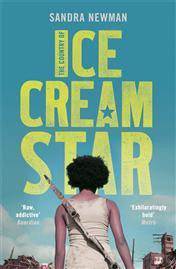
Audiobook Review: The Country of Ice Cream Star by Sandra Newman
Posted on June 23, 2015 12 Comments
 Genre: Dystopia, Science Fiction, Science-Fantasy
Publisher: Ecco Press (February 10, 2015)
Author Information: Website | Twitter
Tiara’s Rating: 4 of 5 stars
Goodreads | Amazon | Barnes & Noble
Narrator: Lisa Reneé Pitts | Length: 26 hrs and 38 mins | Audiobook Publisher: Blackstone Audio (June 16, 2015) | Whispersync Ready: No
Full Disclosure: A review copy of this audiobook was provided to me by Blackstone Audio. I would like to thank the author and the publisher for providing me this opportunity. All opinions expressed from here forward are my own.
I couldn’t decide between 3.5 stars or 4 stars, so I just settled on 4 stars. I’m going to be 110% honest with you here. This book is not for everyone. The frustration doesn’t arise so much from the story itself rather than the language it’s written in. Newman has taken AAVE (African American Vernacular English) and tweaked it even more with various dialects like Louisiana French, Haitian Creole, even scatterings of Spanish, to give these characters a very nuanced patois. It’ll either click with you or it won’t. If English isn’t your native language (and even if it is your first language but you have a tough time catching patois from any locale whether it’s Southern or from regions up North or if you’re just a person who’s easily bothered/distracted by patois in fiction), I definitely recommend reading the book over listening to it because the language can be quite difficult to grasp by listening to it.
I was able to settle into a comfortable understanding of the language. As a Southerner, I hear similar dialect on a daily basis, especially since I live in this strange nook of the Southern US where I hear Spanish, Louisiana Regional French, and of course AAVE often. You’d be amazed at how those languages can come together and create this interesting “new” language as in Newman’s book. I interact with people on a daily basis who speak these mashup of dialects. I can also point out what I think are some other dialects she’s borrowed from, but with less certainty than the ones mentioned. I also had the print book on hand as well to reference if something seemed a little confusing, but I rarely had to use it other than to make sure how certain things were spelled and there’s another non-English dialect spoken (I’d tell you which, but that would be a spoiler supreme). I think there’d be an interesting case for HOW and WHY language evolved in this particular way for these characters.
In this story, adults over the age of about nineteen have all died, leaving behind children to try to structure a society among themselves for about two generations. Some type of disease has racked the United States (now called the Nighted States in this new patois). It managed to kill most of the white people no matter the age, leaving the world largely inhabited by children of color. However, that’s not to say that all white people are dead. The children have taken to calling a group of white people that roam the “Roos” (like Kangaroos). These are feared groups of people who are said to kidnap and kill any tribes they come across. Also, these children are not completely immune to whatever has killed most of the population. Most children don’t live beyond their nineteenth birthday and usually develop what they call “posie” by the time they’re eighteen. Some die younger from it, but mostly, it takes years for them to die from the mysterious disease. Since there is no cure for the disease, they die a very painful death.
The heroine of this story is Ice Cream Fifteen Star who lives with a nomadic band of children called the Sengles. Her tribe is headed by her brother Driver Eighteen Star. The numbers between their name seem to signify their ages. Ice knows that Driver is sick and will no longer be able to head their group soon. She knows his position will end up going to a seemingly cruel boy named Crow. During one of their scavenger hunts in a town, they encounter and capture a single Roo. Ice learns that this Roo may be thirty-years old. She learns about things happening outside her small world that she’s never dreamed of from him, including a cure for the posie, and it’s with this knowledge in mind that she decides she’s going to find this cure for her brother. She doesn’t care what it means for her life. She only know she needs to find this cure or die trying for the sake of her tribe. Read More
Novella Review: In Midnight’s Silence by T. Frohock
Posted on June 22, 2015 7 Comments
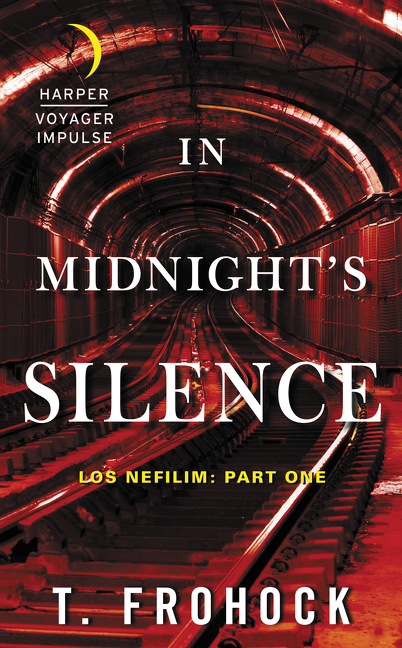 In Midnight’s Silence by T. Frohock
Genre: Urban Fantasy, Horror
Series: Los Nefilim #1
Publisher: Harper Voyager Impulse (June 23, 2015)
Author Info: tfrohock.com
Wendy’s Rating: 4 of 5 stars
With thanks to the publisher for providing me with an advanced copy of this novella in exchange for an honest review.
The magic of music, angels, and daimons. There is so much sinister elegance in these things that Frohock combines so beautifully in the first book of her Los Nefilim series.
Diago Alvarez is born of angel and daimon, and, despite the mundane life he seems to lead (teaching piano lessons to bratty kids, avoiding said bratty kid’s mom’s advances), there is obviously something more to him. A darkness that one might think leans more to his daimon side than the angels. But this too is a wonderful deception that Frohock weaves into her story. Angels are not the beautiful and beatific we most often see them as in literature. Frohock manages to make them as deliciously horrifying as the daimons and their minions that Diago must face.
But all of this is not really the heart and soul of this short story. That comes in the form of Miquel, Diago’s lover, and in Rafael, the young boy whom Diago discovers he has unknowingly fathered. The relationship between Diago and Miquel is harsh and realistic, and Diago’s desire to raise this boy as his father did not raise him is heartbreaking. Especially since, in order to save Miquel, Diago must sacrifice the child to a daimon in hopes of stopping a war that will decimate humanity.
This book takes place in 1930’s Spain, which initially seems a bit distant and unrelatable, but quickly becomes quite the opposite as it draws the reader into the world that lies beneath the veil of every day society. It also incorporates music as the source of magic, which, indeed it is. But, as I said in my review of Frohock’s Hisses and Wings, I wanted the music and magic connection to go deeper. I wanted it to really dig into the emotions it is meant to evoke and paint a picture, much like what occurs in Patrick Rothfuss’ Name of the Wind, which is pretty much the only thing I truly enjoyed about the latter.
Still, this was another fascinating entry in Frohock’s library. I especially love the way her fantasy and urban fantasy steps so far away from what we typically see in this genre in terms of characters and settings.

Be sure to check out T. Frohock’s guest post at BiblioSanctum, “It’s Not About Sex, It’s About Love!”
Guest Post: “It’s Not About Sex, It’s About Love” by T. Frohock
Posted on June 22, 2015 9 Comments
Sex and sexuality are subjects that we often see touched on in genre fiction, but rarely are they truly explored because it seems like both authors and readers are afraid of them. Oh we’ll get romance thrown in there more often than we need to to ensure that readers are “shipping” accordingly. But sex? Oh dear. *blush* Yet these two things, romance and sex, are very different and should not be so easily confused.
I asked T. Frohock, whose newest series, Los Nefilim, debuts tomorrow with In Midnight’s Silence, to chat with us about her views on writing about sex, sexuality, and love.
It’s not about sex, it’s about love. I think I said something similar to this somewhere else a long time ago, but it’s also something I don’t think you can say enough. Sex and love are not interchangeable.
Sex is simply the physical act of copulation. And sex can be fun. A lot of fun. A WHOLE lot of fun. And don’t get me wrong, I love reading the smexy goodness in a lot of novels. So sex and the smexy is okay-fine.
Problems arise, however, when we confuse sex with love. Sometimes sex can communicate love, but sex can also communicate hate, or domination, or lust, which is not the same as love. However, to say that we express our sexuality only through sex is to shortchange ourselves, and as an author, I’ll say it makes for shallow characterization, which is why I always like to dig a little deeper and look at a character’s sexuality.
Sexuality, you see, is about how we feel about ourselves: our gender, our sexual orientation, our bodies, our desires, our emotional lives. Sexuality is the sum of all of those parts while sex is merely one component of an individual’s sexuality.
Diago Alvarez is my protagonist in my new Los Nefilim series. When I first wrote Diago’s character, I knew he was gay. It was never a question for me. Not knowing what it was like to be a gay man in any context, I talked to people. Part of that research involved a discussion group where several people mentioned they wanted to see LGBT characters who were more multi-dimensional. It was pointed out to me by several individuals that most LGBT characters were portrayed as being always on the hunt for sex with very little about actual relationships.
Their discussion made me think more deeply about how I wanted to depict both Diago and his partner, Miquel. This is the author’s job: to think more deeply about our characters and how we portray them so that the reader may, or may not for that matter, think a little more deeply about the world around them.
So when I wrote Diago’s character, I wanted to focus on his sexuality instead of sex. Here are a few things about Diago (and Miquel), which might not be readily apparent in In Midnight’s Silence, but will surface as the series progresses.
Diago is a musician, who often expresses himself through his instruments. They’re like an extension of himself and his various moods. Music is his god, and he uses it to communicate love and grief and longing, but rarely hate or fury. He is a man who spent his early years furious enough to burn the world until Miquel showed him how to love again. Fiercely protective of Miquel, he doesn’t forget favors, nor does he forgive slights. He is a killer that has never hesitated to take down an enemy.
Depression and dark moods hound him, but Miquel brings levity or most often, simply a sympathetic ear to Diago’s rescue every time. The two men are emotionally compatible because their personalities complement one another. When Miquel’s mouth gets him in trouble, Diago’s shrewd manipulation rescues him. They’ve learned to rely on one another’s strengths and mitigate each other’s weaknesses. Like any relationship, theirs requires patience and understanding with one another, which they can sometimes communicate with a touch, a look, or smile.
And yes, they have sex, but don’t confuse sex with sexuality. Sex is easy. I can write an erotic sex scene in an hour. Love, of self or others, takes more effort, but in the end, the characterization is more complete and real, and that is what I am shooting for as an author. I want you to care about my characters, and you won’t do that if they’re simply caricatures.
T. Frohock has turned a love of dark fantasy and horror into tales of deliciously creepy fiction. Her other publications include everything from novelettes to short stories. She is also the author of the novel, Miserere: An Autumn Tale. Her newest series, Los Nefilim, is coming from Harper Voyager Impulse and debuts in June 2015 with the novella, In Midnight’s Silence, to be reviewed here at BiblioSanctum soon!
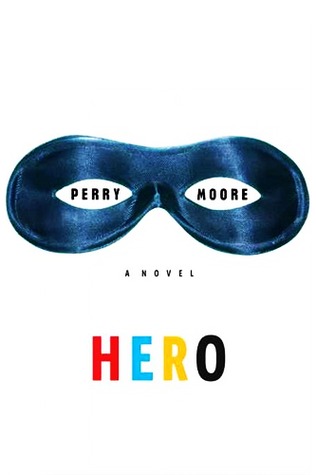
YA Audiobook Review Weekend: Hero by Perry Moore
Posted on June 21, 2015 7 Comments

 Genre: Superheroes, Science Fiction, LGBTQ, Young Adult
Publisher: Disney Hyperion (September 7, 2007)
Author Information: Website
Tiara’s Rating: 3.5 of 5 Stars
Goodreads | Amazon | Barnes & Noble
Narrator: Michael Urie | Length: 11 hrs and 17 mins | Audiobook Publisher: Audible Studios (October 12, 2010) | Whispersync Ready: No
Thom Creed is hiding secrets from his father. First, he’s gay, and he knows well enough how his father feels about gay people, and secondly, he has superpowers and his father hates powers (his father is powerless)–well, superheroes, actually. Thom lives a simple life with his dad since his mother abandoned them years before. His father works hard to provide a decent life for them, though it’s been hard due to trouble in his past as a former hero of a group called The League, which causes both scorn and admiration in the people who know him. I should note that superhero identities are not secret in this book. They wear costumes, but everyone knows who’s behind the mask except in the case of a vigilante hero known as Dark Hero. Thom finds his life taking an unexpected turn when he’s asked to tryout for The League due to his healing powers, which he has to hide from his father.
I enjoyed this book for many reasons. First, it’s no secret that I love comics and superheroes. Most of Moore’s characters are thinly veiled versions of Marvel and DC characters, such as Warrior Woman (Wonder Woman), Dark Hero (Batman), American Agent (Captain America) and Justice (Superman). This book even gives most of the characters a similar origin as their counterparts with very little deviation. I think some readers may find that annoying and lacking imagination, but I thought that was a great in the same way that Garth Ennis’ The Boys was great for doing that. It’s meant to be a satirical comment on heroes, even the names are comical.
More importantly, the All-Father Stan Lee gave the foreword, not that I believe for one second he actually read this book because I’m cynical like that.
Mogsy’s Bookshelf Roundup: New Books, Reading Challenges Update, Books I’ve Read
Posted on June 20, 2015 25 Comments
Bookshelf Roundup is a feature I do every two weeks where I talk about the new books I’ve added to my library or received for review, what I plan to read soon, and what I’ve finished reading in the last fortnight. Sometimes I throw in progress reports like reading challenge updates.
Received for Review
It’s been an amazing couple of weeks with the arrivals of some of my most anticipated reads this summer:
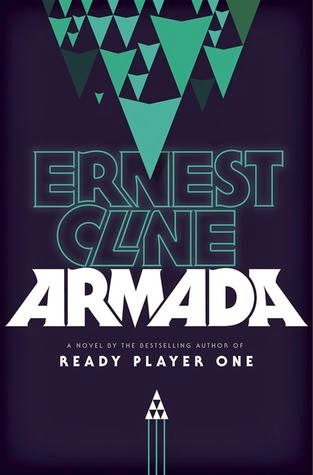
Armada by Ernest Cline – Print ARC, with thanks to Wunderkind and Random House. I confess, I devoured this one already. I just could not in good conscience let it sit on my shelf for one second longer without being read. I think sci-fi fans and gamers will really enjoy this one. It’s cheesy. It’s gimmicky. But I loved it.
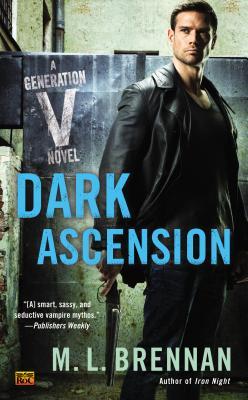
Dark Ascension by M.L. Brennan – Print ARC, with thanks to Roc. This fourth book of Generation V was a surprise arrival, and I’m glad I was alone the day the package came because I’m sure there was some major squeeing and embarrassing flailing on my part. If I could make out with this book without rendering it unreadable, I would.
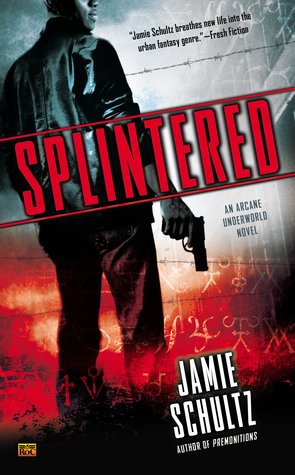
Splintered by Jamie Schultz – Paperback, with thanks to Jamie and Roc. When the author contacted me about reviewing this book, I very enthusiastically accepted. This is the sequel to the dark and highly entertaining heist novel Premonitions I read last year.
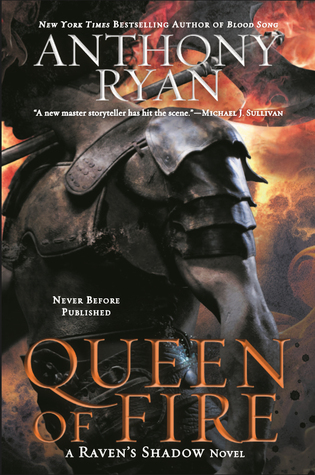

Queen of Fire by Anthony Ryan – Hardcover, with thanks to Ace Books. This one came in a surprise package, but I had a good guess from the shape and heft of this huge tome that it might be the final volume of the Raven’s Shadow trilogy. I’m excited to see how it ends.
Dark Orbit by Carolyn Ives Gilman – Print ARC, with thanks to Tor. Sweetness, this sounds good. Any book with a character who is an “exoethnologist” gets my full attention. I have a tour review for this scheduled on its release date, so keep an eye out for it next month.
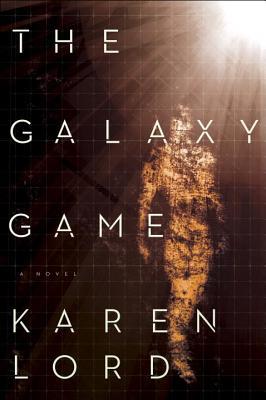
The Galaxy Game by Karen Lord – Audiobook, with thanks to Audible Studios. I’ve wanted to read Karen Lord for a long time. There was a few months wait after the initial book’s release, but I was pleased to see The Galaxy Game finally available in audio format.


Updraft by Fran Wilde – Digital ARC via NetGalley with thanks to Tor. The concept behind this book’s world just sounds so damn cool! When I saw it up on NG, I knew had to check it out.
The Dinosaur Lords by Victor Milán – Digital ARC with thanks to Tor. This one has been on my radar for a while, but I waffled for a bit before caving in to the temptation of dino-riding knights and eventually wrote to the publisher to request a digital galley. 2015 is undoubtedly the year of the dinosaur!
Giveaway Win
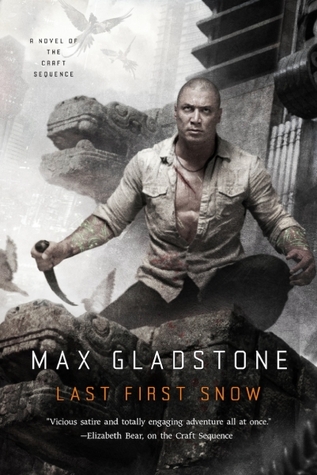
Last First Snow by Max Gladstone – I was very excited to win an ARC of this from Tor. I haven’t caught up with Full Fathom Five yet, but I’m hoping all the books in the Craft Sequence follow the stand alone pattern. I’m loath to read books out of order, but it’s nice knowing I can jump right in.
Reading Challenges Progress
Seeing others update their progress on their reading challenges have reminded me we’re about halfway through the year (Already? I know!) and that now’s the time to take stock of where I’m at:
You can see my progress in the update that my co-bloggers and I posted yesterday!
Goodreads 2015 Reading Challenge:

100 books is my usual Goodreads Challenge “default” I set every year, and while there’s little doubt that I’ll hit it, I might end up updating my goals or I might not. I’ll just see how many books I end up with at the end of the year. I had initially decided not to be too ambitious with my goal, not knowing how much I’ll have time to read in 2015 with the birth of my second child, because I knew that if this baby was going to be anything like my oldest, she would want to be attached to me 24/7.
As it turned out, I was able to get A LOT of reading done. What I hadn’t consider was that reading is actually one of the few hobbies I could do one-handed (with an e-reader) whereas my time for everything else (gaming, crocheting, drawing, painting, etc.) petty much went out the window. So whenever I had free time and during 1am, 3am and 5am feedings, I read. And read. And read. I also underestimated the power of audiobooks. Being such a convenient way to “read”, they’ve really bumped up my number of books completed as well.
WWEnd’s 2015 Women of Genre Fiction Reading Challenge:

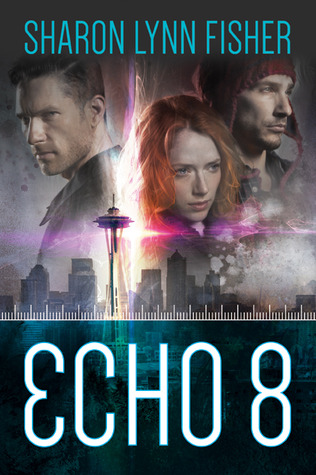
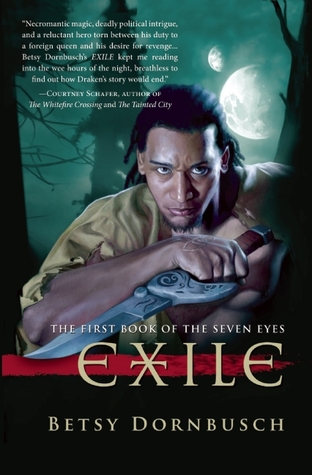
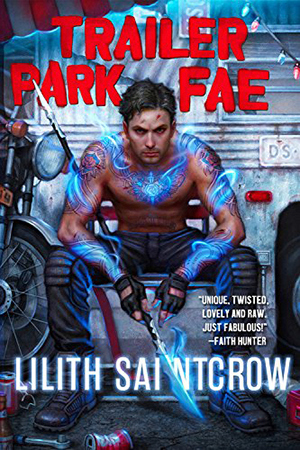
Every year I do multiple Worlds Without End challenges, but the most important one to me is Women of Genre Fiction Reading Challenge. Ever since its inception, it’s been my goal to do this challenge annually with the most stringent adherence to the rules. That means only books by a female author I’m reading for the first time in 2015 count towards the goal, and I’m also not counting Young Adult titles because those go towards another challenge. This year I’m going for broke by taking on the Master tier, reading 24 books towards this challenge instead of 12. Books so far:


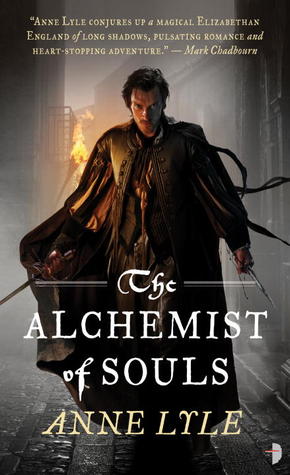
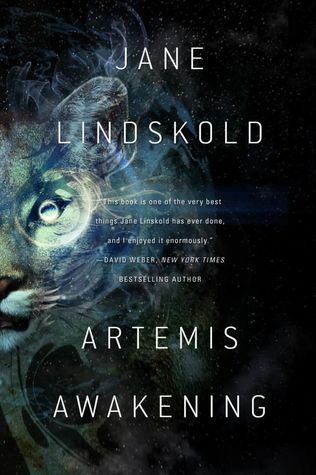
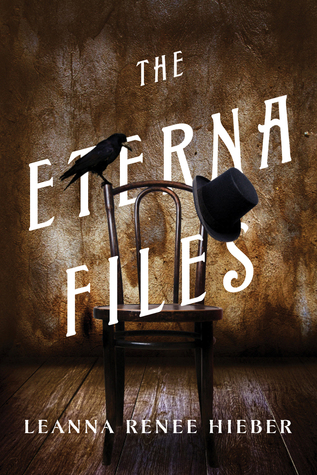
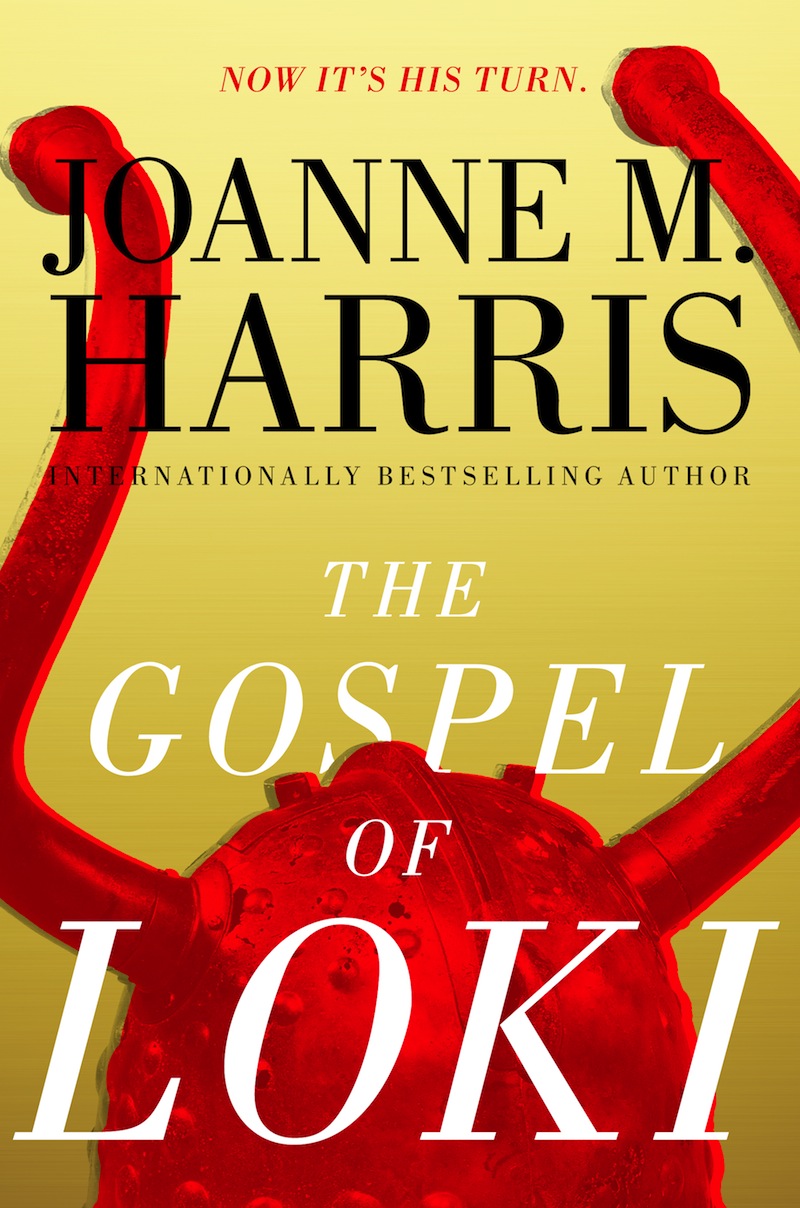
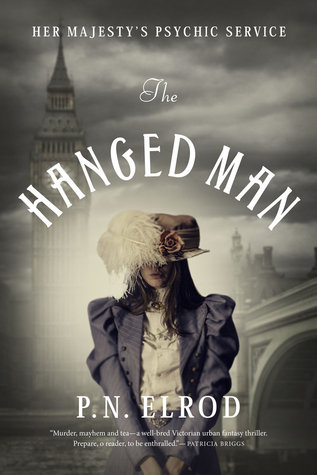


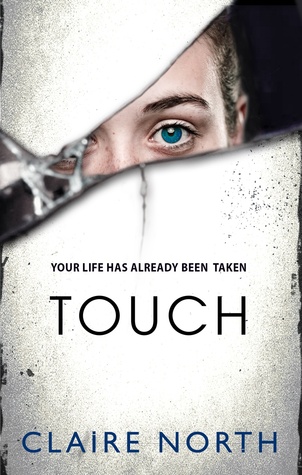
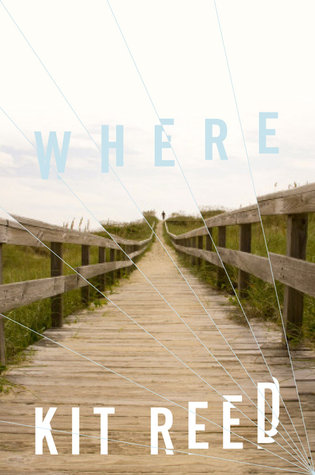
What I’ve Read Since the Last Update
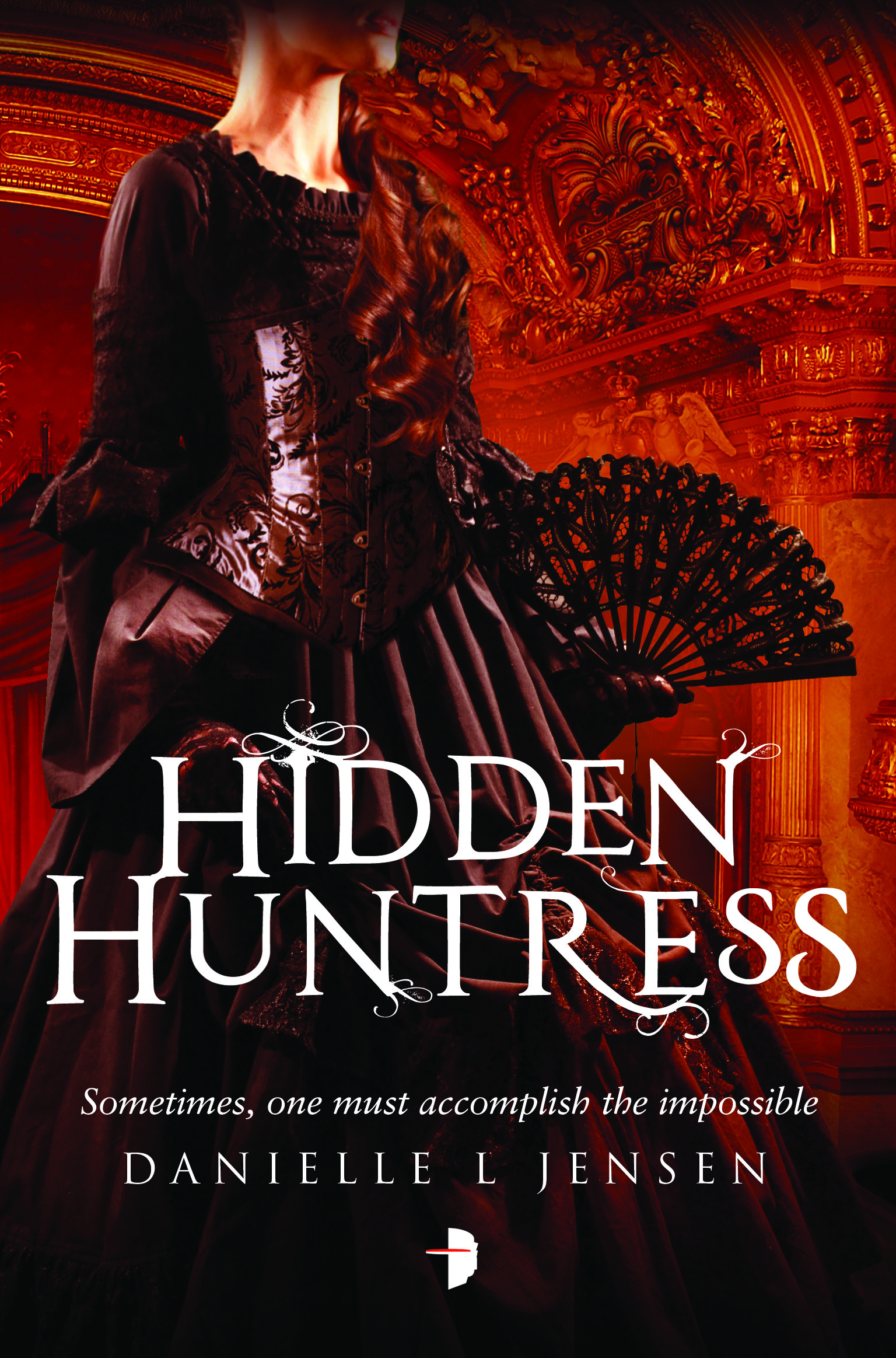
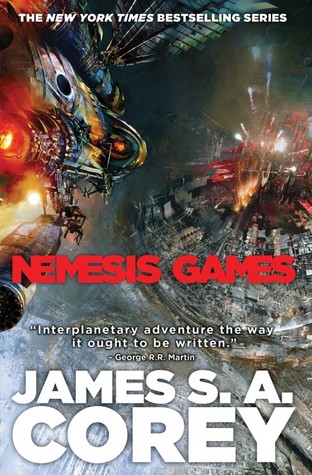
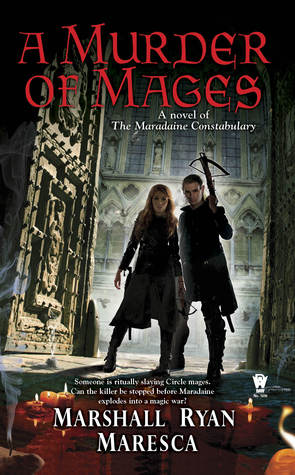
Keep an eye out for my reviews of these books in the coming weeks, and you can see my reviews for these books which are up already: Hidden Huntress, A Murder of Mages (with a US giveaway running until 6/28), and Nemesis Games.
Have you heard of or read any of the books featured in this week? What looks interesting to you?
2015 2nd Quarter Audiobook Challenge Update
Posted on June 19, 2015 11 Comments
It’s that time again. This 2nd quarter of the challenge comes to an end as spring comes to a close and we prepare to head into the summer months. The sunshine beckons for us to come out and play, but not without our audiobooks of course. This challenge is brought to you by The Book Nympho and Hot Listens.
Don’t forget to check out our progress from our 1st quarter!
Levels:
- Newbie (I’ll give it a try) 1-5
- Weekend Warrior (I’m getting the hang of this) 5-10
- Stenographer (can listen while multi-tasking) 10-15
- Socially Awkward (Don’t talk to me) 15-20
- Binge Listener (Why read when someone can do it for you) 20-30
- My Precious (I had my earbuds surgically implanted) 30-50
- Marathoner (Look Ma no hands) 50+
Tiara’s Progress
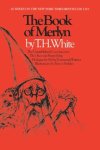
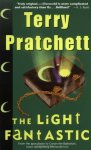
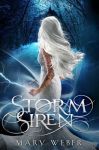
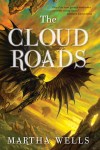
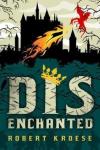
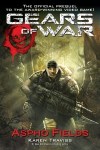
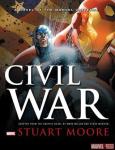
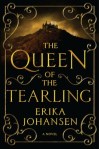
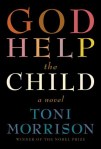
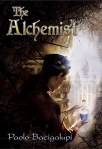
Since our last update, I’ve blown both my short-term goal of Stenographer and my long-term goal of Socially Awkward to smithereens. My current full-length novel count rests at 32 books, and my short story count is 8. I predicted in my last post I’d probably end somewhere between Binge Listener and My Precious, but it looks like I might end up actually hitting between My Precious and Marathoner. I might even make Marathoner! I listed both The Alchemist and the Executioness. They’re a double story, but I wanted to put their separate covers up. I’m only counting them as one book, though. I’ll be that woman on the beach this summer sunning with my Kindle in hand and headphones drowning out the world. Just don’t talk to me okay. 😉
Completed Listens:
Full-length Novels









Short Stories:




Upcoming Listens:


Mogsy’s Progress
Still trying to go for Marathoner, though I’ve fallen a little behind this quarter. More often than not, in the last few months, print books have dominated my time. If I buck up for the rest of the year and stay on track though, I still might just make my goals. Right now, I’m sitting at a comfortable 22 books for the year so far.
Completed Listens:

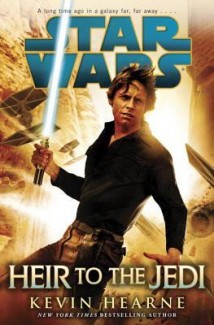

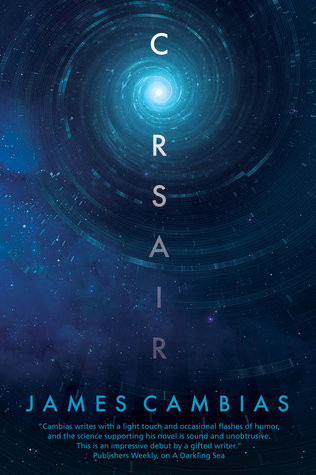
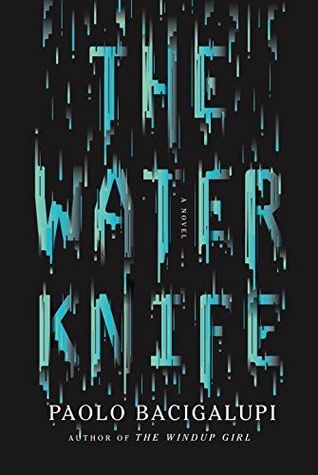
Upcoming Listens:
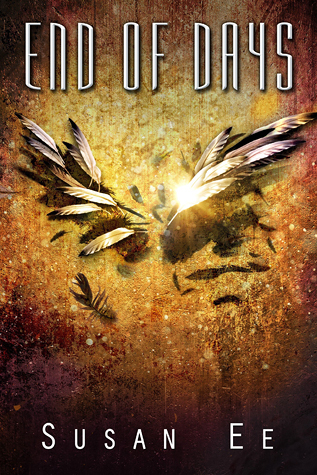
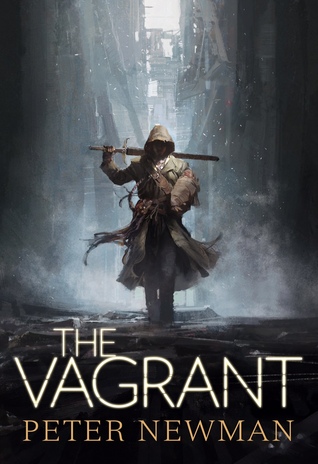
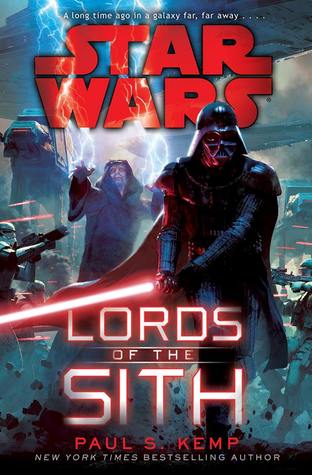

Wendy’s Progress
I am aiming for My Precious, but life has been pretty busy lately and I’ve fallen behind on my reading overall. Still, I have had a lot of long drives, which is when I enjoy audiobooks the most.
Completed Listens:





Upcoming Listens:


Book Review: Nemesis Games by James S.A. Corey
Posted on June 19, 2015 24 Comments
A review copy was provided to me by the publisher in exchange for an honest review. All opinions are my own.
Nemesis Games by James S.A. Corey
Genre: Science Fiction
Series: Book 5 of The Expanse
Publisher: Orbit (June 2, 2015)
Author Information: Website | Twitter
Mogsy’s Rating: 5 of 5 stars
The Expanse is my favorite space opera series right now – the only space opera series that I’m still following, to be honest, when I’ve given up on so many others. Not only are things still going strong at book five, they also just keep getting better and better. I thought Cibola Burn was going to be the best installment we’ll see for a while, but then along comes Nemesis Games, teaching me what a mistake it was to underestimate Daniel Abraham and Ty Franck, the writing team behind the pseudonym James S.A. Corey. Bottom line, this book was simply stellar.
The reason why I think this series is so successful? Every book gives the reader something new. The universe of The Expanse is constantly evolving, with major consequences following in the wake of each installment. No longer are the stories simply focused around the mysterious proto-molecule introduced in Leviathan Wakes. Ever since it was released into the solar system in the third book Abaddon’s Gate, opening a literal doorway to a thousand new worlds, the potential for more interesting stories has exploded.
I see Abaddon’s Gate as a turning point for this reason. And now I think Nemesis Games may be another one. The events of the last novel have not stopped the frantic land rush through the massive ring-like gates, as settlers fight tooth-and-nail to be the first to colonize new planets. This has created a drastic change in the power structure of the old solar system, where three main factions exist: Earth, Mars, and the Outer Planets Alliance. OPA was mainly formed to bring together the population born in the Asteroid Belt. Called “Belters”, they are an oppressed group, marginalized and frequently discriminated for their distinct culture and language, as well as for looking physically different from the humans from Earth and Mars. But recently, Belters have started to resist the powers of the inner planets, and one extremist group has gone as far as to target Earth in catastrophic attack, killing millions upon millions.
In the middle of this mess, the crew of the Rocinante are separated. The decision to go on shore leave right after surviving the events of Cibola Burn meant that Holden, Naomi, Amos and Alex were all in different places when the attack on Earth occurred, so for the first time in this series the four of them aren’t together for the majority of the novel. Before you get too disappointed though, this turn of events also means that for the first time ever, we get perspective chapters for every member of the crew.
I can’t tell you how excited this made me. I’ve been waiting a long, long time to see the points-of-view for the others besides Holden – especially for Naomi, the only female and the only Belter of the Rocinante crew. It’s hard to believe that it took so long, but after four books, we’re finally getting the chance to get up close and personal to characters we’ve been following since the beginning. But that’s not all, either. The authors continue to sweeten the deal, bringing back some perspective characters we’ve seen in previous books, familiar names that include Bobbie Draper, Clarissa Mao, and – wait for it – Chrisjen Avasarala! (Best. Character. Ever.) While none of them return as POV characters, all three women have significant roles to play in Nemesis Games.
I’ve also said before that the books of The Expanse tell very human stories. This one is no exception. Separated in the wake of the Earth attack and in the midst of all the death and suffering, the four members of the crew realize how much they mean to each other. It’s very touching as each character struggles to find their way back together, realizing that the spaceship Rocinante has become a home for their little family. During their individual fights for survival, we gain a lot of insight into each person’s past. Naomi’s backstory is perhaps the most surprising of all, and also the most heartbreaking. Every book in this series so far has had four character perspectives each, and one always seems to stand out for me above the rest. No question about it, in Nemesis Games it was definitely Naomi’s. As much as I enjoyed Amos and Alex’s POVs as well, I just couldn’t get enough of Naomi’s chapters, which really brought her courage and resourcefulness to the forefront.
The book ends with a promise of much more to come, including possible new additions to the Rocinante family, which would be very interesting to see. It doesn’t quite leave us with a cliffhanger, though we do get the sense of unfinished business, so you can bet I’m on board for book number six.
All told, The Expanse shows no sign of slowing down, a great sign for a series that is planned to include a total of nine books, and I’m grateful that thus far we’ve been seeing a very reliable release schedule of one installment per year. With the TV adaptation coming to Syfy, now there’s yet another reason to get excited. Nemesis Games is the last novel to come out before the series airs, so what are you waiting for? Get on it!

More of The Expanse on The BiblioSanctum:
Review of Abbadon’s Gate (Book 3) | Review of Cibola Burn (Book 4)
Book Review + GIVEAWAY: A Murder of Mages by Marshall Ryan Maresca
Posted on June 18, 2015 16 Comments
***The giveaway is now over, thank you to everyone who entered!***
A review copy was provided to me by the publisher in exchange for an honest review. All opinions are my own.
A Murder of Mages by Marshall Ryan Maresca
Genre: Fantasy
Series: Book 1 of the Maradaine Constabulary
Publisher: DAW (July 7, 2015)
Author Information: Website | Twitter
Mogsy’s Rating: 4 of 5 stars
A Murder of Mages is the first book of a series dedicated to the Maradaine Constabulary, set in the same wonderful world as Marshall Ryan Maresca’s debut novel The Thorn of Dentonhill. No need to read one before the other, though; that’s the beauty of it. Despite their shared setting, the series are companions to one another, each featuring separate stories and starring completely different characters.
And having read both books now, I can say they are both equally great. However, A Murder of Mages might have just the slightest itty-bitty edge here, since I admit a penchant for detective stories, not to mention a super soft spot for lady cops.
One of the main protagonists is Satrine Rainey – a wife, a mother of two, and a former street rat and ex-spy. After her constable husband suffers a grave injury in the line of duty, it is up to Satrine to figure out a way to support and care for the family. Using her skills, she is able to fake her way into the Maradaine Constabulary to land herself a job as an Inspector third class, where she is promptly paired up with another inspector who no one wanted to partner with – Minox Welling, an Uncircled mage nicknamed Jinx because his past partners have all met with unfortunate accidents.
Her first day on the job, Satrine is sent out with Minox to the streets where she grew up to investigate the body of a mage found in an alley, staked to the ground with his heart cut out. When more victims of these ritual murders are discovered, a deadly game of cat and mouse ensues as the inspectors race against time to track down the elusive killer.
Once again, the author is able to create something altogether unique and fresh by adding his own twist to a familiar idea like the male and female crime-solving duo. I enjoyed the dynamics in the relationship between Satrine and Minox, especially since we know right off the bat that it will be a platonic one. The narrative makes it clear that Satrine has a disabled husband at home who she is deeply devoted to, which in and of itself is an intriguing albeit heartbreaking element to throw into the mix.
Satrine is genuinely one of the most fascinating characters I’ve ever met. Without overwhelming us with details, Maresca gives us a glimpse into her rough childhood as a street urchin. After she was recruited by the Druth Intelligence and did her stint as a spy, Satrine met and married Loren Rainey and they had two daughters. In light of the devastating accident that leaves Satrine as the sole provider and caregiver for her husband and their girls, I really couldn’t blame her for deceiving the Constabulary to get her job under false pretenses. A mother wants the best for her children, and in Satrine’s case she wanted to give Rian and Caribet a good life and a good education, the sort of opportunities Satrine could only dream about when she was their age. It’s hard to fault her for those sentiments.
I didn’t get as deep of a feel for Minox Welling, but he’s a great character as well. Mages are a complex class in these Maradaine novels, as evidenced by the protagonist of Maresca’s first novel The Thorn of Dentonhill. Through Minox the reader was able to get a better feel for how mages fit in this society. Uncircled mages like him appear to be treated with disdain (you’re either a failure, in hiding, or a late-bloomer – none of which are good to be) and even Circled mages seem feared and distrusted by the local populace. Having a child who is a mage is even a source of shame for some families.
Having two series in tandem is certainly a remarkable way to build a world, but it is also very effective. Despite not being a sequel or even a follow up to The Thorn of Dentonhill, A Murder of Mages added a lot to what we know of Maradaine, providing a look at the everyday hustle and bustle of its citizenry from all walks of life. Marshall Ryan Maresca has a true knack for creating rich settings as well as characters that feel very real and well-rounded. There’s always something special to the people he writes about, whether they are mage students or constable inspectors. A Murder of Mages was another hit for me, a fantastic read from a new talent whose star continues to be on the rise.

* * *
A MURDER OF MAGES GIVEAWAY
Interested in the book? Now here’s your chance to win it. The publisher has very generously offered The BiblioSanctum an opportunity to host a giveaway for one print copy of A Murder of Mages. With apologies to international readers, this giveaway is US only. To enter, all you have to do is send an email to bibliosanctum@gmail.com with your Name and valid Mailing Address using the subject line “A MURDER OF MAGES” by 11:59pm Eastern time on Sunday, June 28, 2015.
Only one entry per household, please. The winner will be randomly selected when the giveaway ends and then be notified by email. All information will only be used for the purposes of contacting the winner and sending them their prize. Once the giveaway ends all entry emails will be deleted.
So what are you waiting for? Enter to win! Good luck!
Tough Traveling: People on Boats
Posted on June 18, 2015 19 Comments

The Thursday feature “Tough Traveling” is the brainchild of Nathan of Review Barn, who has come up with the excellent idea of making a new list each week based on the most common tropes in fantasy, as seen in (and inspired by) The Tough Guide to Fantasyland by Diana Wynn Jones. Nathan has invited anyone who is interested to come play along, so be sure to check out the first link for more information.
This week’s tour topic is: People on Boats
Grab a map of Fantasyland and you are sure to see there is water. Of course not everything important is going to happen on land, right? Sometimes people actually have to get on a boat and hit the water. Where, being fantasyland, anything can happen.
Mogsy’s Picks:
 The Red Wolf Conspiracy by Robert V.S. Redick
Yes! I can finally pull out this book again for Tough Traveling. A maritime fantasy through and through, this book kicks off the Chathrand Voyage series about a great ship that vanishes at sea along with the 800 souls she was carrying. The Chartrand was originally tasked on a diplomatic mission, but she carried more than just ambassadors. Spies, sorcerers, assassins, gremlins, and more also made their home on board.
The Gracekeepers by Kirsty Logan
I didn’t think I was going to be pulling out this book again so soon, but it definitely fits the theme. The Gracekeepers takes place in a world where the ocean has flooded most of the earth, so its people have learned to adapt. Those who have taken to the sea and made their permanent homes aboard ships and other vessels are referred to as damplings.
 The Rain Wild Chronicles by Robin Hobb
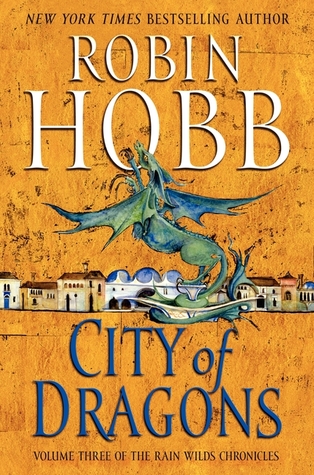
This is the only one of Robin Hobb’s series which I’ve actually read to completion (I was doing things a little backwards there). It chronicles the journey of a group of dragons and their keepers who are traveling along the river to the legendary Elderling city of Kelsingra. Tagging along to keep them company is a wizardwood liveship and her crew, led by the great captain Leftrin.
 Red Seas Under Red Skies by Scott Lynch
After an iffy heist that doesn’t go exactly as planned, Locke and Jean take to the seas in this installment of The Gentleman Bastard series! We get to learn a lot of nautical terms and meet some dastardly pirates.
 Mother of Eden by Chris Beckett
Starlight Brooking and her tribe are known as the Kneetree Folk, who live on a tiny island far away from the hustle and bustle of the rest of Eden. They learn to swim before they learn to walk, and their whole industry revolves around boat-making and fishing. The book starts off with a scene featuring Starlight and her family and friends, paddling out to gather resources to build new vessels, and later on they travel to the trading hub in the hopes of selling their boats.
 Half a King by Joe Abercrombie
When his father and older brother are unexpectedly killed in an enemy ambush, Prince Yarvi has no choice but to inherit the throne, but he barely has the chance to warm the seat before he is betrayed and left for dead. His fight for survival sees him sold into slavery and taken on the high seas. In the ship’s hold, he and the other slaves find themselves rowing rowing rowing for days on end, traveling around the Shattered Sea.
 Voyage of the Basilisk by Marie Brennan
Once again, we find Isabella making preparations for an expedition to continue studying her dragons. There are several major differences about this particular book, though. Isabella will be leading it, for one; no longer accompanied by her old associate and benefactor Lord Hilford. Isabella has also decided to bring along her son Jake, who is now old enough to travel. And finally, this upcoming expedition will be her longest and most ambitious one yet: two years aboard the Basilisk, a royal survey ship hired to sail her and her party around the world in order to study all manner of dragonkin.
Tiara’s Picks:
I took liberty with once choice on this list, and I’ll explain why when we get to it!
 The Cloud Roads by Martha Wells
When the Raksura decide that it’s time to pick up and leave their homeland, they face a problem with some of their nonflying citizens, and no one gets left behind. They eventually negotiate a deal with another race who have flying ships they use for trade and travel. Not spaceships, but traditional boats that sail the skies with use of wind and magic. I’m sure it looked just like this, okay. I know that’s Peter Pan. Work with me.

 Acacia: The War with the Mein by David Anthony Durham
After the crumble of their father’s empire, the Akaran children are scattered to the winds to meet their destiny. The youngest, Dariel, goes from royalty to being one of the most feared pirates to travel the seas despite being only in his late teens by the start of the second phase of the book. He’s not the biggest pirate and maybe not the baddest, but…

 Quicksilver by Neal Stephenson
In this historical novel, Daniel Waterhouse (who has awesome family members with name like Wait Still Waterhouse and Praise-God Waterhouse–they’re Puritans) is a natural scientist late in his years who’s been asked by the queen to basically make Sir Isaac Newton and Gottfried Leibniz stop pulling each other’s hair. His voyage includes a lengthy trip from America back to England where he encounters pirates and other craziness while reminiscing on his past life with some of the world’s greatest scientists. This book is one big nerdy ode to science (among other things). I LOVE IT. This is an accurate summary of the science in this book, especially where Newton is concerned:


“Aboard a vast seafaring vessel, a band of prisoners and slaves, their bodies remade into grotesque biological oddities, is being transported to the fledgling colony of New Crobuzon. But the journey is not theirs alone. They are joined by a handful of travelers, each with a reason for fleeing the city. Among them is Bellis Coldwine, a renowned linguist whose services as an interpreter grant her passage—and escape from horrific punishment. For she is linked to Isaac Dan der Grimnebulin, the brilliant renegade scientist who has unwittingly unleashed a nightmare upon New Crobuzon.” I stole that from Goodreads because it made it sound better than I could.

After eating Devil’s Fruit and being able to do rubbery things with his body because of it, they told Luffy he could be anything he wanted to be. He chose to be a pirate. Good answer. Luffy travels the world looking for something called “one piece” which will allow him to rule over all the pirates. He’ll be Pirate Sorcerer Supreme.

 The Voyage of the Dawn Treader by C.S. Lewis
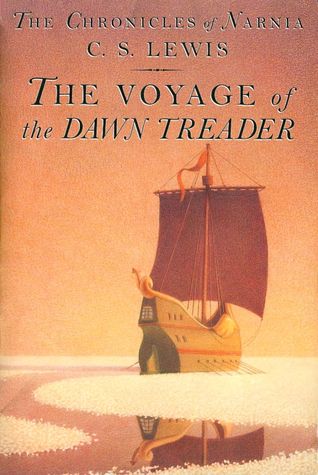
In this book, two of the Pevensie children are transported back to Narnia to take part in a sea journey on Dawn Treader with Prince (now King) Caspian to rescue the seven lords and save Narnia… again…



Isabela the pirate queen is often written off by many for being such a carefree female character who’s comfortable in her own skin, but what many fail to realize is that Isabela is the survivor of an abusive marriage who took her husband’s ship Siren’s Call after doing away with him. After that, she decides to live life on her own terms as a pirate, a duelist, a thief, and I’ll fight anyone who begrudges her for that. Isabela says, “I like big boats, and I cannot lie.” Me too, baby. Me too.
 Batman by DC Comics – People usually think of the Batmobile and the Batplane, but forget a very important part of Bruce’s mobile arsenal. The Batboat. ‘Cuz the party don’t start til Bruce walks in wherever the bad guys are. Unfortunately, he can’t always make an entrance with the Batmobile, and the firm hand of justice is impeded by no natural element as water. HE IS THE NIGHT! And the night doesn’t fear water.

I chose this picture because of Robin’s face, okay.
Wendy’s Picks:
Tiara took all the awesome gifs and images. Please scroll back up to enjoy their glory one more time.
 His Majesty’s Dragon by Naomi Novik
Lawrence is a dragonrider now, but before he earned his rank within his Majesty’s dragon airforce, Lawrence was captain of a ship–one that captured a smuggled dragon egg that would forever change Lawrence’s life with the birth of Temeraire. Who looks just like Toothless. Totally does. Fight me.

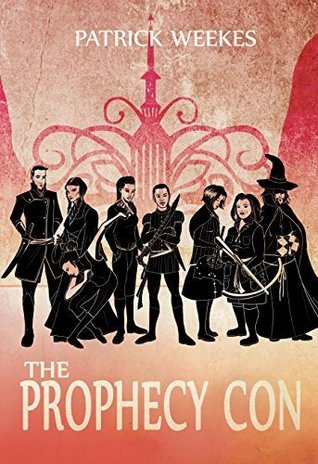 The Prophecy Con by Patrick Weekes
Not all ships need to be waterbound. In The Prophecy Con, the ships, including the gorgeous elven tree ships with really cool unpronouncable names that mean really elaborate and poetic things… that I can’t remember right now. I’ll get back to you.
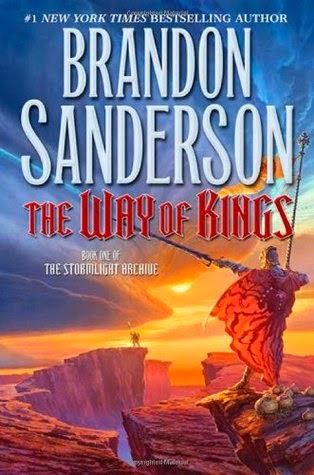 The Stormlight Archives by Brandon Sanderson
Shallan Davar spends a good chunk of her time on boats in Brandon Sanderson’s series, beginning with her boat ride on the Wind’s Pleasure on her way to see Jasnah Kholin, the heretic scholar. Later, her boat trip with her new mentor doesn’t go quite so well…
 Kushiel Trilogy by Jacqueline Carey
Jacqueline Carey’s lead characters do a lot of travelling and as such, much of their time is spent in boats. It’s helpful that Phedre is friends with, well, everyone, including Quintilius Rousse, Admiral of the Fleet, oh and the Master of the Straits, the supernatural being who wields control over the waters themselves.


 The BiblioSanctum