Comic Stack 10/07/15 – 5 Horror Graphic Novel Recommendations
Posted on October 7, 2015 11 Comments


I took September off from reviewing comics due to a busy schedule, but I’m going to try to get back on schedule. October is one of my favorite months of the year because of Halloween. I revel in the spooky fun the season brings about. For that reason, I thought I’d recommend five horror graphic novels that will get you in the spooky mood! Next week, I’ll recommend five horror based manga books as well. If you decide to read any of these, I hope that you’ll enjoy them. Before we begin, I would like to give an honorable mention to October Faction, as well.


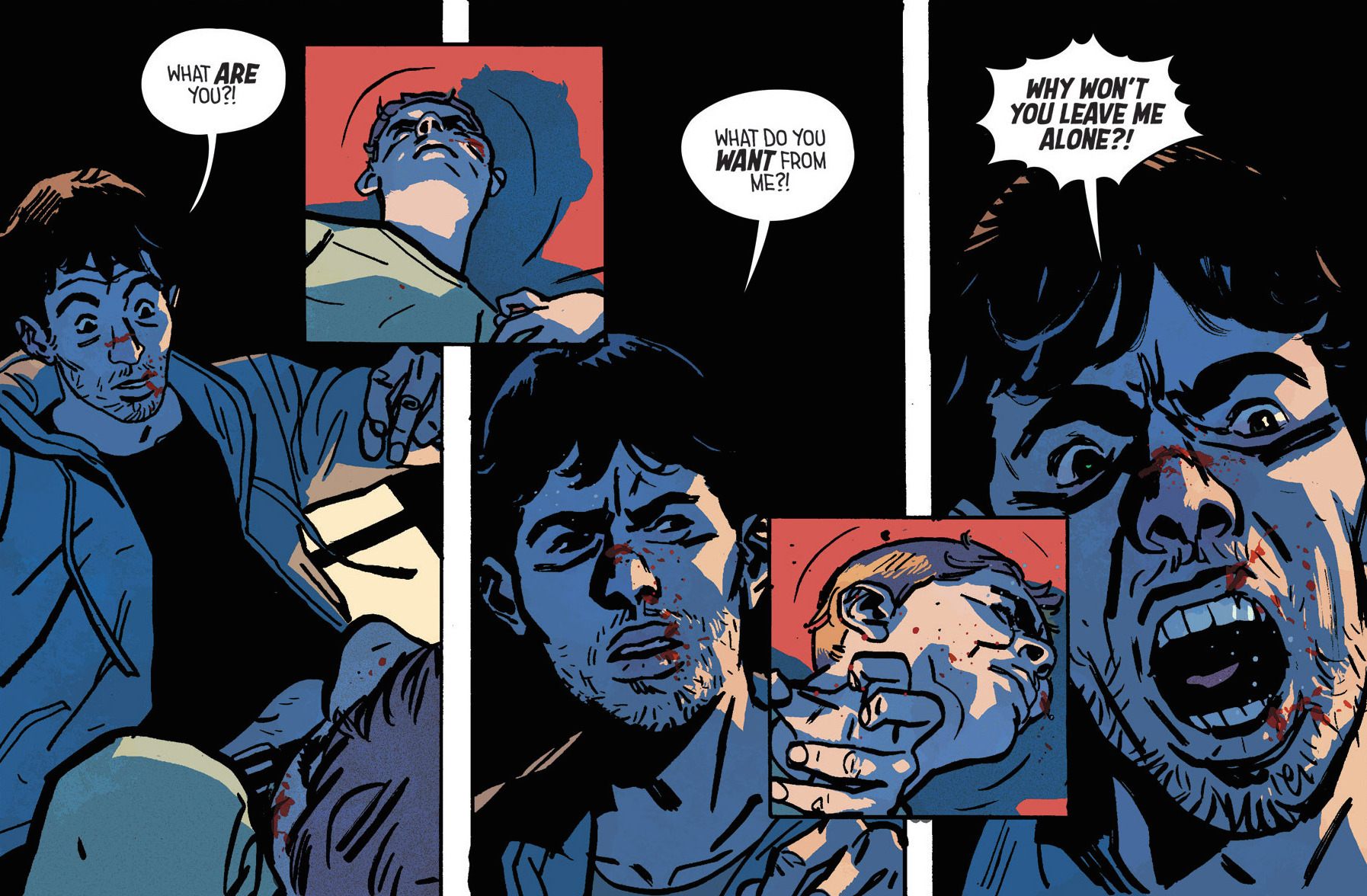
Outcast by Robert Kirkman, Paul Azaceta, Elizabeth Breitweiser (Illustrator)
From the creator of The Walking Dead. Kyle Barnes has been plagued by demonic possession all his life and now he needs answers. Unfortunately, what he uncovers along the way could bring about the end of life on Earth as we know it.
Click to enlarge.
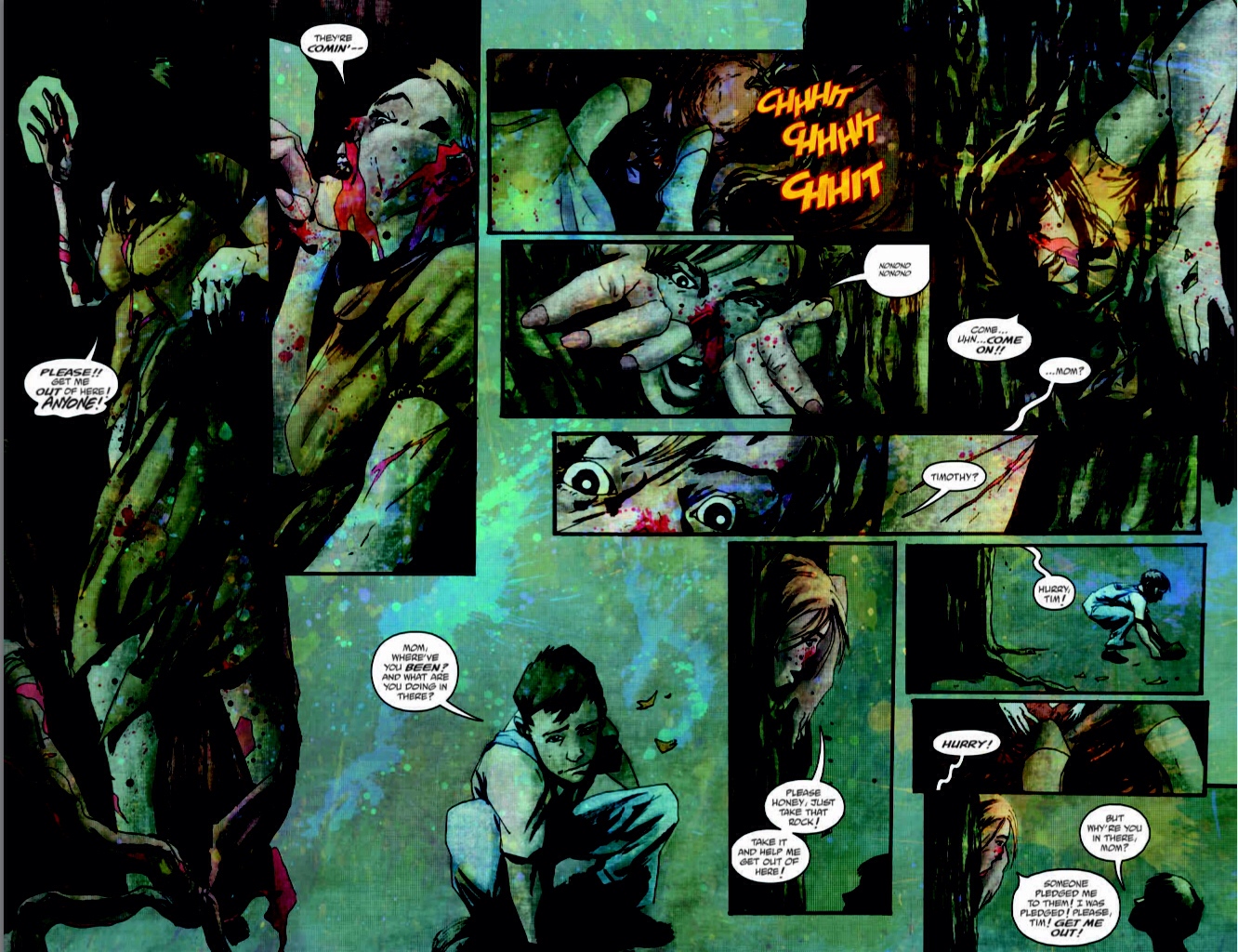
Wytches by Scott Snyder, Jock (Illustrator)
Everything you thought you knew about witches is wrong. They are much darker, and they are much more horrifying. Wytches takes the mythology of witches to a far creepier, bone-chilling place than readers have dared venture before. When the Rooks family moves to the remote town of Litchfield, NH to escape a haunting trauma, they’re hopeful about starting over. But something evil is waiting for them in the woods just beyond town. Watching from the trees. Ancient…and hungry.
Click to enlarge
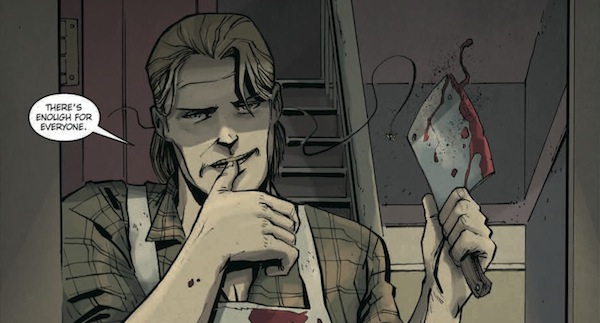
Nailbiter by by Joshua Williamson, Mike Henderson (Illustrations), Adam Guzowski (Illustrations)
“Where do serial killers come from?” and why has Buckaroo, Oregon given birth to sixteen of the most vile serial killers in the world? NSA Agent Nicholas Finch needs to solve that mystery in order to save his friend, and he’ll have to team up with the infamous Edward “Nailbiter” Warren to do it. Joshua Williamson and Mike Henderson deliver a mystery that mixes Twin Peaks with the horror of Se7en.
Click to enlarge.
From Hell by Alan Moore, Eddie Campbell (illustrator), Pete Mullins (illustrator)
“I shall tell you where we are. We’re in the most extreme and utter region of the human mind. A dim, subconscious underworld. A radiant abyss where men meet themselves. Hell, Netley. We’re in Hell.” Having proved himself peerless in the arena of reinterpreting superheroes, Alan Moore turned his ever-incisive eye to the squalid, enigmatic world of Jack the Ripper and the Whitechapel murders of 1888.

Click to enlarge.
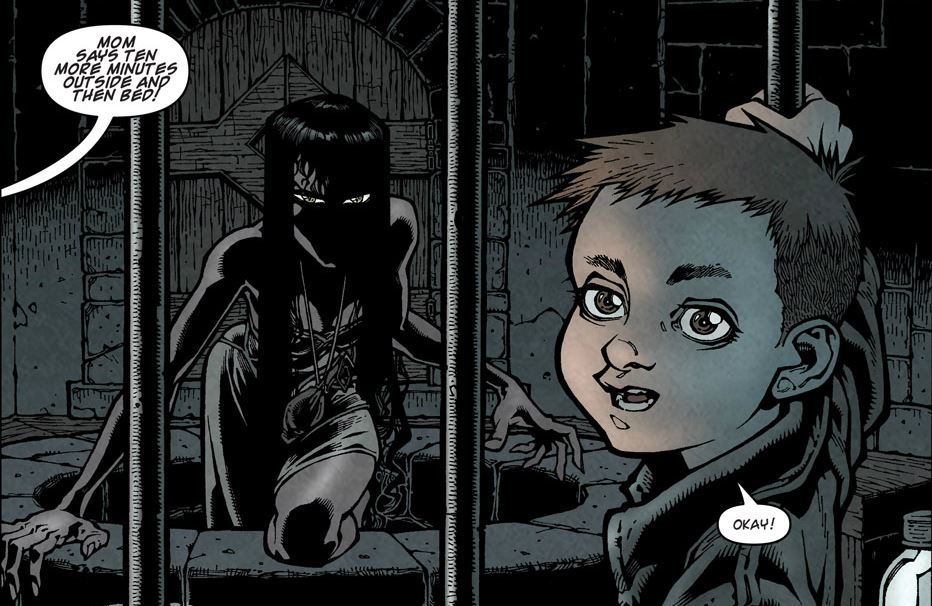
Locke & Key by Joe Hill, Gabriel Rodríguez (Artist)
Locke & Key tells of Keyhouse, an unlikely New England mansion, with fantastic doors that transform all who dare to walk through them. Home to a hate-filled and relentless creature that will not rest until it forces open the most terrible door of them all…
This series is FREE as audiobook right now on Audible! I recommend snatching it up. It was released on October 5th. It features known names like
Click to enlarge.
We’ll end this post with a little Marilyn Manson for mood music (warning: that is not a bright and happy video), but I also recommend Genghis Tron, Atreyu… and… let’s not even get me started on my first passion… MUSIC!
Waiting on Wednesday 10/07/15
Posted on October 7, 2015 12 Comments

“Waiting On Wednesday” is a weekly meme hosted by Breaking the Spine that lets us feature upcoming releases that we can’t wait to get our hands on!
Mogsy’s Pick:
A Criminal Magic by Lee Kelly: February 2, 2016 (Saga Press)
I had to pinch myself, this book sounded too good to be true. Magical realism? Gangs and mobsters? Set in a “Roaring Twenties” alternate historical era? I really hope A Criminal Magic is as good as it looks, because I’m really liking what I hear so far.
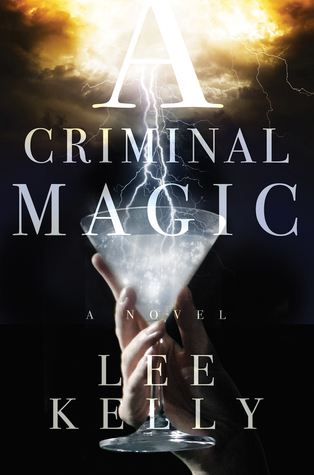 “THE NIGHT CIRCUS meets THE PEAKY BLINDERS in Lee Kelly’s new magical realism, crossover novel.
Magic is powerful, dangerous and addictive – and after passage of the 18th Amendment, it is finally illegal.
It’s 1926 in Washington, DC, and while Anti-Sorcery activists have achieved the Prohibition of sorcery, the city’s magic underworld is booming. Sorcerers cast illusions to aid mobsters’ crime sprees. Smugglers funnel magic contraband in from overseas. Gangs have established secret performance venues where patrons can lose themselves in magic, and take a mind-bending, intoxicating elixir known as the sorcerer’s shine.
Joan Kendrick, a young sorcerer from Norfolk County, Virginia accepts an offer to work for DC’s most notorious crime syndicate, the Shaw Gang, when her family’s home is repossessed. Alex Danfrey, a first-year Federal Prohibition Unit trainee with a complicated past and talents of his own, becomes tapped to go undercover and infiltrate the Shaws.
Through different paths, Joan and Alex tread deep into the violent, dangerous world of criminal magic – and when their paths cross at the Shaws’ performance venue, despite their orders, and despite themselves, Joan and Alex become enchanted with one another. But when gang alliances begin to shift, the two sorcerers are forced to question their ultimate allegiances and motivations. And soon, Joan and Alex find themselves pitted against each other in a treacherous, heady game of cat-and-mouse.
A CRIMINAL MAGIC casts a spell of magic, high stakes and intrigue against the backdrop of a very different Roaring Twenties.”
Book Review: Shadows of Self by Brandon Sanderson
Posted on October 6, 2015 14 Comments
A review copy was provided by the publisher in exchange for an honest review. All opinions are my own.
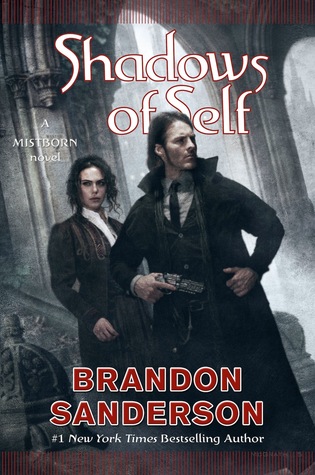 Shadows of Self by Brandon Sanderson
Genre: Fantasy
Series: Book 5 of Mistborn
Publisher: Tor (10/6/15)
Author Information: Website | Twitter
Mogsy’s Rating: 4 of 5 stars
A lot of the books that I’m excited for in 2015 are actually releasing quite late this year, so as we sauntered into fall and said good bye to summer, I was getting ready to say hello to a couple of my most anticipated titles. Shadows of Self was most definitely near the top of that list. I’m a big fan of Brandon Sanderson, and I absolutely loved The Alloy of Law – probably more than all three books of the original Mistborn trilogy put together, so small wonder that I was really looking forward to this follow-up.
If there’s one thing I can never resist, it’s a good Fantasy meets Western setting. Three centuries after the events at the end of The Hero of Ages, the world of Mistborn has transformed into something altogether different. We’re on the cusp of an era similar to the industrial revolution, and all around are new inventions giving rise to mild hints of steampunk. On the outskirts of the built-up city of Elendel is a dusty, lawless territory known as the Roughs, where our protagonist Lord Waxillium Ladrian made his name as a lawman-for-hire.
Magic, however, is alive and well. Allomancy and Feruchemy are still around, though applied here in a different way which preserves the marvel of the original system while adding a whole new dimension to it at the same time. Characters from the original trilogy like Vin, Elend, Kelsier and Sazed are also now long gone but not lost, their names immortalized forever in history and religion. It’s therefore possible to read this subseries without having to start with the first three books, though the experience might be richer if you do because then you’ll understand all the references to these past people and events. And for those who enjoyed the original trilogy, The Alloy of Law and Shadows of Self will introduce you to a fresh start featuring great new characters in a dynamic world that evolves with time. You’ll still be getting all the good stuff, but these books are far from being just the same-old, same-old; they’re shorter, more lighthearted and fun in tone and style, and I found that the mix of old and new worked very well for me.
Shadows of Self continues the adventure by bringing back Waxillium and his good friend Wayne in a new mystery involving a hunt for an assassin. Nearly two decades have passed since Wax first started his youthful escapades into the Roughs, and he has recently returned to the city in order to take up the mantle of his lordship, which comes with a whole new set of responsibilities – including getting married. Wax and Wayne now use their allomantic powers to assist the constabulary of Elendel, working alongside the constable-general’s chief aide Marasi Harms, who is also the half-sister of Wax’s fiancée. Their latest case involves a massacre at an auction organized by the governor’s corrupt brother, whose body was found among the victims which included nobles as well the city’s most notorious crime lords.
It soon becomes clear that the governor himself is a target. And to make matters worse, Wax learns that the assassin they hunt may not be human at all, but a Faceless Immortal who calls herself Bleeder, a kandra that ingests the bones of other beings to take on their physical appearance and personality. What do you do when your quarry could be anyone?
Given how much I enjoyed The Alloy of Law, I was not surprised that I had a great time with this book too. Shadows of Self features a more complex plot, drawing heavily upon the world of Mistborn and its religious lore. The gods play a much bigger role in this one, with the stormy politics of the deities mirroring the political state of the mortal world. Just as the people of Elendel are sick and tired of the corruption in the government and in the nobility, not all kandra are content with Harmony’s rule. When both situations come to a boiling point, the results aren’t pretty. For readers though, it’s a tense race against time with Wax, Wayne and Marasi as they try to prevent the city from tearing itself apart, and the only way to stop the destruction is to catch Bleeder. For a supposedly insane killer, she proves to be much craftier than anyone could imagine.
Wax and Wayne are also as fantastic a duo as the synergy of their names imply (though in truth, any scene with Wayne in it is automatically awesome, even when he’s solo) and having Marasi back is great as well. It’s interesting to see the dynamics play out between them when they work together, and as always I love the humor and the snappy dialogue which is way more prominent here than in the original trilogy, and probably where the lighter “fluffier” feel of these books comes from. Each character also has his or her own strengths and foibles, and I thought this installment explored those traits and covered them remarkably well without taking away from the main story.
The most exciting moments came at the end for me, and I won’t lie, I was a bit of an emotional wreck after last few chapters. Strangely, I wouldn’t say the events leading up to the climax were entirely unpredictable, though the twists were a mix of “Okay, I saw that coming” along with “Wait, that wasn’t what I expected.” Either way, Sanderson knows how to deliver a conclusion, and it’s a jaw-dropping one that left me reeling from the impact. I’ve become deeply invested in Wax’s story over the course of these two novels, and the ending did not disappoint.
All told, this book sees Brandon Sanderson doing more of what he does best – telling captivating stories that delight and enchant. Shadows of Self is another great addition to the Mistborn sequence, and another fantastic book from an author well known for his creative world-building and ingenious magic systems.

*** Originally reviewed at The Speculative Herald ***
An Interview with Stephen Aryan, Author of Battlemage
Posted on October 5, 2015 4 Comments
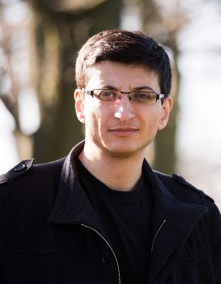 Today it is my pleasure to welcome author Stephen Aryan to the The BiblioSanctum to chat about his new fantasy novel Battlemage, on sale now from Orbit Books. Stephen is a lifelong reader of sci-fi and fantasy fiction as well as a big fan of comics, having co-hosted a comics and geek culture podcast since 2007 and speaking on panels at comic conventions about the topic. He was kind enough to stop by to answer questions about all that and more, so I hope you enjoy the interview! And if you haven’t yet, be sure to check out my review of Battlemage, a novel full of action, magic, and adventurous fun.
* * *
Hello Stephen, and welcome to the BiblioSanctum! First of all, congratulations on your new fantasy novel, Battlemage. How would you describe the book to your new and prospective readers?
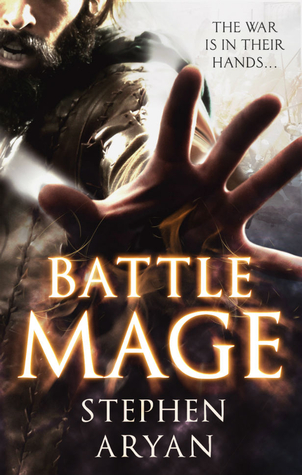 Hello, thank you for having me. I’d describe it as epic fantasy with lots of swords and sorcery. I wanted to write a book that featured a lot of the fantasy elements that I enjoyed in books when I was growing up. These elements are still used, but I think they were more common in fantasy novels years ago written by the likes of David Eddings, Terry Brooks, Ursula Le Guin, Margaret Weis and Tracy Hickman, and David Gemmell. So something that felt like a classic mixed with modern elements. I also wanted to see fantastical non-human races, overt magic and big, bold characters.
The story is centered around a major conflict, what is in essence a world war, and it follows the action from several very different perspectives, front line warriors, the battlemages and those in charge, the generals and spymasters.
Fascinating! So what led you to write this story? Did it grow out of any specific idea or scene in your mind, and did the finished book turn out the way you expected?
Many years ago, I think it was shortly after the death of David Gemmell, who is probably my biggest fantasy influence, I wrote a short story about a wizard at the end of his career. He went on one final quest with his oldest friend and it was a sort of a homage to Druss from Legend. I then began to wonder, so what happened to this wizard, Balfruss, when he was a young man? What led him to that final quest? That short story was the seed of Battlemage. As I started to develop the world, races and the countries, bits and pieces of the larger plot started to drift in and I gradually pulled the story together, but Balfruss was definitely the catalyst.
The story changed over time from when I wrote the first draft to how it turned out in the end, but it only improved with all of the edits. It pretty much turned out the way I had expected.
Your characters are all very different people – sometimes, even different species – who come from richly varied backgrounds. Who gave you the greatest pleasure to write, or the biggest challenge? Do you have a favorite? Mine was definitely Talandra!
It’s like being asked to name your favourite child. I love all of them! The biggest challenge for me was making sure the non-human races felt unique. I didn’t want to make them like some of the races you saw in Star Trek TNG and DS9. As much as I love all of the Star Trek incarnations, some of the races were just humans with a bit of plastic stuck to their nose, or their forehead. So even though it’s not on the page, I know all about Vorga culture, their society and how it is structured, and the same goes for the Morrin and so on.
To my delight, there were plenty of action-filled fight scenes in Battlemage, owing to the war at the center of the book’s plot. Of course, the battles fought with magic and the mind are also very different from those fought with sword and brawn. What’s your approach to writing interesting fight scenes?
I try to make them realistic, particularly the magic battles. That might sound strange, given that magic is involved, but it has to have its limits. Otherwise any time there is any obstacle in the story someone can just wave their hands and instantly solve everything. So there has to be an internal logic and magic has to have a cost for the person wielding it. To make the scenes exciting is more challenging, but given that magic is being used on a large scale on a battlefield, I tried to make it big and dangerous and exciting, which is hopefully interesting to read.
As we see from your story, battlemages have a ton of spells and talents at their disposal, and there are even more than are lost to the ages. In your opinion, what would be the coolest battlemage ability to have?
For me personally, I’d love to be able to fly. Being able to summon fire whenever you wanted would be a handy ability, as you’d never be cold. On the other hand having your own ice powers would be amazing, especially on hot days when you need a nice cold drink!
Haha, yes! Or the opposite, when you need to warm water up quick, like that scene with Balfruss and the insta-hot bath.
Anyway, now that I’ve picked your brain about your book, I’d love to know more about you, the author! Tell us a fun fact about yourself, or something that might surprise readers?
Hmm, I’ve studied several martial arts and I used to be into fencing (with swords not wooden planks and nails) and last year I took up archery. I’m still not very good, but it’s a lot of fun and I’m sure I will get better over time. So I stand a good chance of surviving when the zombie apocalypse happens.
Just make sure to stock up on arrows! I also hear you’re into comics. Who are your favorite superheroes, what are your favorite titles, and what would you recommend for this Marvel fangirl who’s also trying to branch out into more indies and creator-owned stuff?
Absolutely, I’ve been reading comics for more than twenty years now. I grew up reading both DC and Marvel comics, but tended to favour DC when I was younger. So for that reason I know the history of the DC universe a lot better than Marvel. These days I read all sorts of comics from many publishers, but my favourite superhero of all time is Batman. He’s just awesome. Other favourites are Daredevil, The Flash, Green Lantern, Wolverine, Jessica Jones, The Spectre, Captain America, I have hundreds.
Ok, my go to titles for people who want to try new stuff will definitely depend on what kind of story you like and the genres you prefer. But, here are five very different titles that are self-contained stories. As much as I love the ongoing monthly superhero books, I do love to read comics with a definitive start, middle and end.
Sweet Tooth – It’s a Vertigo book by Jeff Lemire. Beautiful, heart-wrenching, post apocalyptic story about a boy trying to survive in a weird world.
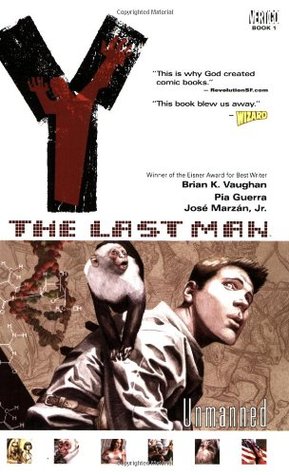
Y: The Last Man – Yorrick is the last human man on earth. Every other man died for some mysterious reason. It’s an amazing story with some brilliant characters like Agent 355. She is excellent.
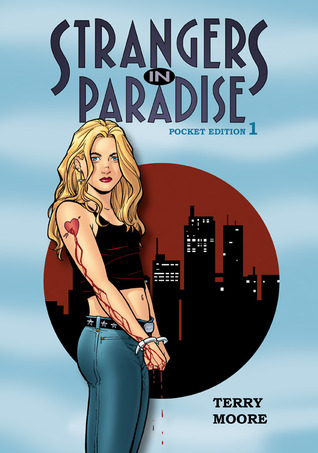
Strangers in Paradise – I recommend this book a lot, and with good reason. It’s one of my favourite comic books of all time and the writer/artist Terry Moore is incredible. It’s a story about three people and their lives together. It’s a love story, but there’s also crime, betrayal, intrigue and mystery.
Pride of Baghdad – it’s a graphic novel about a pride of lions that escapes from Baghdad zoo during the war, told from their perspective, with their dialogue, and it’s an amazing tale that is based on a true story.
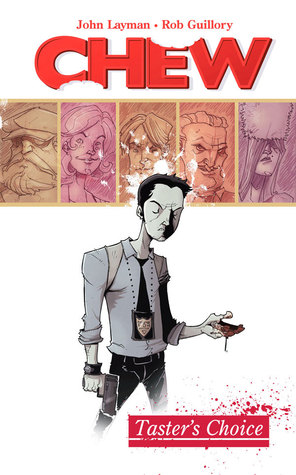
Chew – this just wrapped up, and I’m going to be very honest, it’s a pretty twisted and slightly sick comic. It’s real marmite book, and you will either hate it or love it, there’s nothing in between. It’s a very funny and dark story about a cop who gets psychic impressions of the history of whatever he eats. It just appeals to my dark sense of humour.
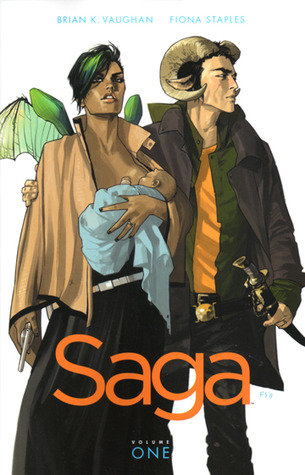
Other amazing ongoing books I’m reading from publishers outside the big 2 are Lazarus, Southern Bastards, Mind Management, Letter 44, Copperhead, Saga and The Fuse.
Oh sweet, definitely some great titles there I want to check out, and others that I’ve read and loved. Vertigo always puts out great stuff, and I’m also a huge Brian K. Vaughan fan so I absolutely second your recommendations of Y: The Last Man, Pride of Baghdad and Saga! I also really ought to pick up Chew, that kind of weirdness actually sounds right up my alley.
So besides comics, what are some of your other hobbies, or favorite pastimes for when you want to have fun or take a break from writing?
I live in the countryside and like to go walking and sometimes visiting the local pub for some lovely food and a pint of real ale or two. I read a lot, books and comics, watch a lot of geek TV and I’m gradually working on completing my Marvel and DC Lego minifigure collection. I used to spend a lot of time with online gaming, but not very much these days so it’s very sporadic and I’m purely a PC gamer. I just don’t have the time I used to spend playing MMORPGs, but I still dabble a little. The next one I’ve signed up for is the beta of Albion Online.
I understand, MMORPGs still take up a lot of my free time as well, or what little I have to devote to games when I’m not using it to read. Speaking of reading, I’m already looking forward to the sequel to Battlemage. Is there anything you can reveal about it at this point or what it might have in store for us?
The Age of Darkness is not a typical trilogy. By that I mean the main characters in the first book are not the main characters in the second. That isn’t to say there aren’t any familiar faces in the next book. Obviously the stories are connected and set in the same world, but while the first book was a war book, the second is more of a crime story. But there’s still magic, mayhem, and hopefully a few surprises.
Crime story? Different, but definitely sounds awesome! Are there any other projects you’re working on currently or in the near future that you’d like to share, either writing or non-writing related?
I’ve just wrapped up the first draft of book 3, which will be coming out next year. After that I’ll move into developing the next book, but it’s too early to give you any details about it. I’m also co-writing a couple of comic book projects and I hope to have some news about one of them early next year.
That’s fantastic, sounds like 2016 will be a big year for you, and I wish you the best of luck!
Once again, I’d like to thank you for dropping by. Readers, if you want to know more about Stephen and his work, please be sure to visit his website at http://stephen-aryan.com or follow him on Twitter @stevearyan!
Novella Review: Sunset Mantle by Alter S. Reiss
Posted on October 4, 2015 16 Comments
A review copy was provided by the publisher in exchange for an honest review. All opinions are my own.
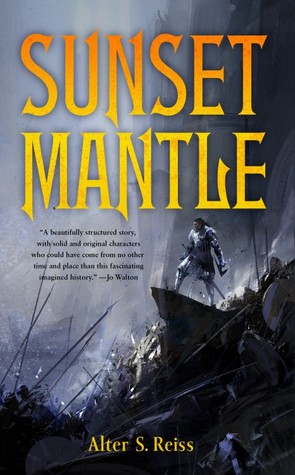 Sunset Mantle by Alter S. Reiss
Genre: Fantasy
Series: Stand Alone
Publisher: Tor.com (9/15/15)
Author Information: Website | Twitter
Mogsy’s Rating: 3.5 of 5 stars
Sunset Mantle is my first venture into Tor.com’s impressive line-up of novellas from their brand spanking new publishing arm. It wasn’t originally on my to-read list, but after hearing it described as a pocket-sized epic fantasy, I decided I had to take a look after all. The idea of a story like that, packed into just over 190 print copy pages really intrigued me.
The book’s protagonist is Cete, a former hero now in exile. Dismissed from his command both in honor and disgrace, he wanders the Reaches in search for a new place to call home. His travels lead him to Reach Antach, a settlement doomed to fall in the coming storm of infighting among several factions. But before Cete can turn on his heels and leave, a chance meeting with a blind woman in her shop changes everything.
Hanging there on display is the sunset mantle, beauty and light embroidered in cloth. The fine craftsmanship touches Cete in a way he cannot understand; all he knows is that he must have it, and if he can’t, he would want to commission a garment for himself from the shopkeeper and weaver, Marelle. To afford the commission and to stay in Reach Antach, Cete would have to find employment, and to find employment, Cete was going to have to go back to doing what he knows best. Once a fighting man, always a fighting man. However, being in the army also means being embroiled in the politics and schemes of the various clans trying to destroy Reach Antach, and even as his relationship with Marelle deepens, Cete’s fight eventually becomes more than just the mantle and even more than love.
This story left with mixed feelings. On the one hand, I am beyond impressed with author Alter S. Reiss’s marvelous success at laying out Cete’s journey from outcast to legendary warrior, all within this very slim volume. Sunset Mantle is not a “true” epic fantasy per se, with no magical element, and nor does it span a gazillion kingdoms or have enough points-of-view to populate a small village. There is, however, enough political intrigue to fill two fantasy worlds. This degree of complexity is not something I would have expected from a novella, and it also makes the scope of the story feel much, much bigger than the thin slice of what we get to see. Reiss gets a lot more accomplished in under two hundred pages than it takes some other authors to do the same thing in novels three to four times as thick. It does have a way of making you stop and wonder just how much gratuitous or unnecessary flourish goes into some of these doorstoppers.
I also really liked Cete as a protagonist as well as the nature of his relationship with Marelle, which goes much deeper than a romantic union. The trust and honesty between them is a rare thing to find indeed, even between two lovers. Cete sees Marelle as his equal, taking her guidance and respecting her need to do what she believes is right, even if it means letting her put herself in harm’s way. Cete also treats his own soldiers with that same practical respect. He is a man of honor and duty, as evidenced by the loyalty he shows Reach Antach, even though he came to them as a stranger and outcast. Other highlights include the battle scenes, which are quick but powerful, making the most out of the restrictive page count.
That said, the book wastes no words in establishing the situation surrounding Reach Antach and the city clans. Blink, and you could potentially miss something important. Ironically, it made Sunset Mantle a slower read, and it doesn’t give you much time to chew on the plot or characters. In fact, most of my questions came later, after I had finished the book and had some time to mull over what I just read. It made me realize a lack of background information made the story a little harder to understand, and sometimes that uncertainty or need to re-read a passage or two distracted from my enjoyment and prevented me from being fully engaged. Simply put, the overall style of the narrative begs to be savored, but the format is not that well suited for it.
Still, there’s something to be said about something as special as Sunset Mantle. It’s true I would have preferred a bit more breathing room, but that is not an uncommon complaint from me when it comes to novellas and short fiction. I’m usually very picky about this format, which is probably why I don’t read as much of it as I should. All things considered, I was actually quite pleased with this novella, which for me is saying a lot.

YA Weekend: Illuminae by Amie Kaufman and Jay Kristoff
Posted on October 3, 2015 15 Comments

A review copy was provided by the publisher in exchange for an honest review. All opinions are my own.
 Illuminae by Amie Kaufman and Jay Kristoff
Genre: Young Adult, Science Fiction
Series: Book 1 of The Illuminae Files
Publisher: Knopf Books for Young Readers (10/20/15)
Author Information: Amie Kaufman | Jay Kristoff
Mogsy’s Rating: 4.5 of 5 stars
I went into this with no small amount of skepticism, as I do with most books that get this much hype before release. In spite of myself though, I found myself hooked. Basically I chewed through this book like its pages were made of sweet, sweet candy.
And in a way, Illuminae IS like candy – visual candy, that is, a feast for the eyes. I originally started out with a digital galley of this book, and then later, through the generosity of a couple bloggers, I was lucky enough to get my hands on a physical copy of the hardcover ARC. And seriously, it’s gorgeous. All the pictures I’ve seen of this bad boy from conventions and on social media don’t do it an ounce of justice. Quite simply, Illuminae is as much a book as it is a work of art. That’s what I really want to say about its presentation. You don’t so much as read it as experience it.
That said, you should know this is not a convention novel. It is presented in an epistolary format (which is looking like a growing trend in Young Adult fiction these days) written as a series of documents. Think works like Dracula or World War Z. However, when it comes to the variety of document types, I don’t know if I’ve ever read a book that takes it as far as Illuminae, which makes use of everything from emails, interviews, journal entries, instant messaging logs and video transcripts to more unconventional media like starship schematics, medical reports, and even “Unipedia” webpages and more besides. It’s a futuristic sci-fi novel, which lets the authors go to town and draw from so many different ideas. In many ways, it’s this variety which made this book such an addictive read, because there’s always something different on the next page and the story never lets you fall into a rut.
Still, interesting format and fantastic art direction aside, right now you might be wondering: Yeah, but is the story worth it? Here’s the rundown: Illuminae follows a pair of high school students, Kady and Ezra, who break up the morning their planet was invaded. Talk about poor timing. It is the year 2575 and whole galactic empires are ruled by megacorps, and the two teenagers just happen to reside on Kerenza, a small ice planet on the edge of the universe involved in a secret and illegal mining operation by one of these corporations. Rival corp BeiTech descends upon them, destroying the Kerenza settlement, leaving thousands dead and on the run. Kady and Ezra are among the lucky (unlucky?) survivors who end up on the Alexander fleet, made up of the three ships that came to Kerenza’s rescue.
Damaged and crippled, the fleet limps away towards the closest jump gate more than half a year away, while an enemy dreadnaught follows in hot pursuit, determined to leave no witnesses. But when it comes to the refugees’ problems, that’s only the tip of the iceberg. Exposed to some of the biological weapons BeiTech used in their attack, many of the survivors come down with a highly contagious plague which turns its victims into mindless, savage husks. To make things worse, several systems on the Alexander were also damaged beyond repair, resulting in a crazed AI running the ship. Through it all, Kady and Ezra are starting to realize just how tiny and insignificant their problems were back in their simple, sheltered lives on Kerenza. After all this death and destruction, all they have left is each other.
No doubt if you’re a regular reader of sci-fi, a lot of plot elements will feel familiar to you. In a way, the format of the book carried a lot of the story for me, the clever layout and the visuals keeping me going especially at the beginning when the premise was still being established. A lot of the conflicts, from the pursuing enemy ship to the deadly plague, are pretty standard for the genre, and in fact I had myself an eye-rolling “REALLY?” moment when the Phobos virus and its zombie horde-like symptoms were introduced.
Once again though, what blew me away me was not so much the ideas themselves but the way they were presented. I’m also incredibly impressed at the sense of urgency the story conveyed, quite an achievement considering the intimacy and personal touch you lose with the characters when you utilize the epistolary format, because so often you are not actually “in their heads”. Many times while I was reading this, I was brought to mind the scenes from the re-imagined Battlestar Galactica series where surviving Colonial citizens and military members in the fleet were counted down on a stark whiteboard as the episodes progressed, lending a certain gravitas and desperation to the Alexander fleet’s dire situation.
Oh, and that climax. Even barring spoilers, there’s really nothing I can say about it that will even come close to its expressing its sheer awesomeness. Really, it’s something you just have to read for yourself. Oh wait, I mean…experience for yourself.
That said, there were some minor complaints. First of all, in all my years of consuming sci-fi stories featuring an Artificial Intelligence, I have never come across one that spoke in such gratingly purple, flowery prose. I guess it was supposed to make the AI creepy, but for me it just felt like nails on a chalkboard. The story also has more holes than a sponge (and a lot of times feels as fluffy as one), the space combat dialogue felt like it was lifted straight out of Independence Day or Star Wars, and the ending was also infuriatingly abrupt. However, this last point was before I realized Illuminae was the first of a trilogy, so knowing that there is more to come makes me feel a little better.
Small quibbles really, considering how much fun I had with this book. I was able to overlook many problems that would otherwise ruin a story for me. How much of that was due to the writing and how much of that was due to the format and pretty visuals, I can’t say for sure, but I would guess they contributed to my enjoyment in equal parts. If more traditional styles of storytelling is what you prefer, I probably would not recommend this. On the other hand, if this sounds good to you, I recommend forsaking digital or audio versions of this book and go all-out for the hardcopy, the way it’s meant to be read. I had a great time with the full experience.

Audiobook Review: Touch of Power by Maria V. Snyder
Posted on October 2, 2015 7 Comments
 Genre: Fantasy, Young Adult
Series: Healer Series
Publisher: Mira (December 20, 2011)
Author Information: Website
Tiara’s Rating: 3 of 5 stars
Goodreads | Amazon | Barnes & Noble
Narrator: Gabra Zackman | Length: 11 hrs and 45 mins | Audiobook Publisher: Harlequin Books (January 5, 2012) | Whispersync Ready: No
Touch of Power follows Avry, a healer on the run. After a large portion of the population is decimated by a plague, healers are blamed for the outbreak mainly due to a poorly worded missive released during the early stages of the outbreak that directed healers not to heal anyone with the plague because it was fatal to healers. Healers draw pain, wounds, and sickness from the bodies of others onto themselves, allowing their natural healing abilities to help them recover quicker than the normal person. Despite the fact that no one is no longer being infected by the plague years after the outbreak, healers are still hunted by impoverished communities for gold offered by the rulers. Avry finds herself in the middle of a political struggle after a group of men rescue her from certain death to help an ailing prince that she blames for many things that happened to her people but who may be the realm’s only hope of salvation in this new ravished world.
The people who recommended this book to me weren’t kidding when they said that the “zombies” in this story were very background. (Refer to this post.) In fact, I almost forgot there were supposed to be zombies in this book until the end when they were a peripheral threat. Overall, the story was a bit shallow, which means I found that I didn’t invest much emotion into the characters or their world. I was disappointed that there was not much more to Avry other than to be the long-suffering healer who takes everything in stride without complaint. You’d think someone who took people’s pain, illnesses, and injuries would express some discontent from time to time, especially when you consider she’s the one who ends up bearing their scars. I did enjoy learning more about the healers and their powers, though, and the connection it forged between a healer and those she helped.
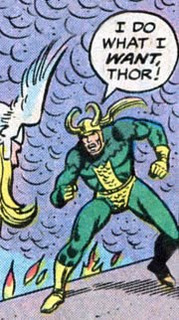 The other characters were essentially basic molds and forgettable, but you still kind of develop a soft spot for them. The love interest is one that’s typical of the genre. You know, the asshole that the girl just can’t help liking who turns into total mush near the end. The one, though, takes the cake. It’s one thing to be an asshole. It’s another to initially be an abusive asshole, and I refuse to try to explain away his actions earlier in the story. His logic is, “Yeah, I might’ve shackled you to a tree, starved you, and attempted to coerce you to do what I wanted by walking you to exhaustion while you’re half-starved and freezing, but I saved you from jail and mercenaries. So, there’s that. I’m not a bad guy, really. I love you. Love me.” With that being said, the romance part of this book didn’t overwhelm the story that Snyder was trying to tell. And I could’ve liked Kerrick in the end if he hadn’t pulled that dick move in the beginning. Honestly, most of the men in this book seemed to have a “I do what I want, Thor!” mentality. And that’s pretty meant you’re going to do what they want whether through charm, force, or magic. Sometimes, this book was like reading about a bunch of 10-year-old boys.
The writing had a tendency to feel like it was skewed for a much younger audience despite Avry being on the older side of the young adult spectrum. At the same time, the story was allowed more adult moments since the characters are all in their twenties, which did lead for some non-graphic, sensual moments. Gabra Zackman was a solid narrator. The only thing that really irked me about it was the voices she used for the male characters. She sounded a bit stilted and awkward while trying to voice them. However, this was an okay story. I dare say it’s good even if it sounds like I hated. The writing is tight, and I thought the last half of the book was much more engaging than the beginning which is largely why this got at least three stars. If I’d just based my rating on the last half of the book, I could’ve given it 4 stars. I did actually start to care more toward the end and was sad that the feeling I had during the last half of the book hadn’t translated to the whole book and then, it was over. I tend to be overly critical of anything that categorizes itself as speculative YA, so my opinion is to be taken with a grain of salt. I think that most people who typically enjoy YA of this variety will be mostly pleased with this because there’s much here to enjoy especially during the second half. Despite being underwhelmed, I do still want to try Snyder’s Poison Study. I’m still trying to decide if I want to continue with this series or not.

Book Review: Swords and Scoundrels by Julia Knight
Posted on October 2, 2015 16 Comments
A review copy was provided by the publisher in exchange for an honest review. All opinions are my own.
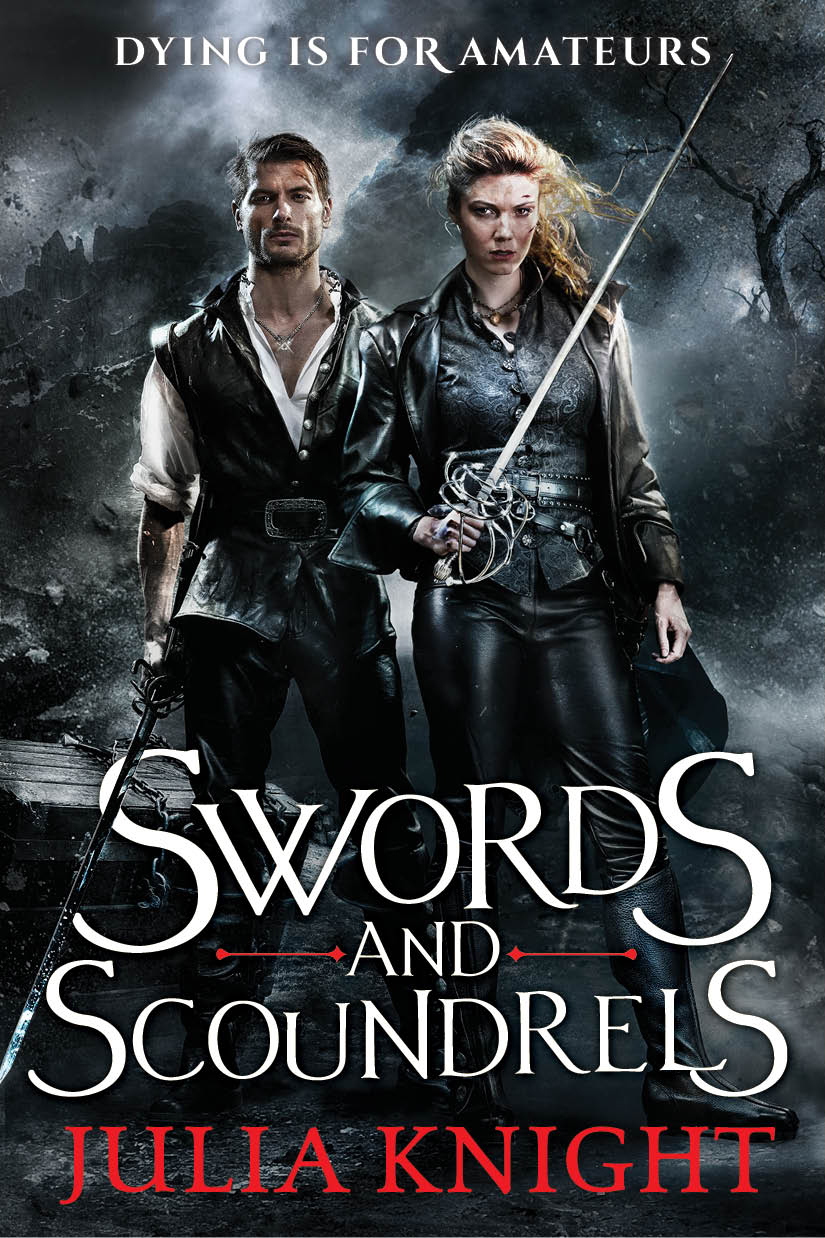 Swords and Scoundrels by Julia Knight
Genre: Fantasy
Series: Book 1 of The Duelist’s Trilogy
Publisher: Orbit (10/6/15)
Author Information: Website | Twitter
Mogsy’s Rating: 3.5 of 5 stars
Julia Knight is also Francis Knight, an author whose name has been on my radar since her Rojan Dizon trilogy, though this is the first time I’ve read her work. As soon as I found out about Swords and Scoundrels I knew it was going to be just right for me. As it happens, I’m a super mega fan of anything to do with swashbuckling duelists, and I could always use more scoundrels in my life. That and the cover is stunning too, not to mention the tagline made me chuckle.
Plus, a brother-sister team? Count me in. Older sister Kacha has devoted a lifetime to the training and mastery of sword fighting while growing up in the Duelist’s Guild, but she’s not content with being just good – she wants to be the best. Problem is, so does Vocho, whose whole life spent in his big sister’s shadow grates on him something fierce. Neither skill nor reputation would come to much use though, when both of them get thrown out of the guild for an infraction, and the siblings are forced to turn to banditry in order to make a living.
One day, a routine stick-up of a carriage goes wrong when their target turns out to be protected by a group of heavily armed men, including a powerful magician as well as Petri Egimont, Kacha’s former lover. The siblings manage to escape the scene with their lives and a mysterious locked chest. What it ends up containing though, is something much more valuable and dangerous than mere treasure, and Kacha and Vocho are about to discover just how far their enemies will go to get it back.
For readers who are looking for a fast and fun read, Swords and Scoundrels is perfect. There are a lot of things I liked about it: the smooth flow of the writing, the quick pacing, the witty dialogue, and plenty of adventurous action. But by far the novel’s greatest strength is its characters, and the complex sibling relationship between Kacha and Vocho, which Knight deftly conveys.
The focus on the brother and sister team was what immediately stood out for me when I read the description for this book, so it was no surprise when I also felt that was one of the most developed aspects of the story. As anyone with a sibling can attest, sometimes getting along with your brother or sister can be hard. Growing up, I probably spent as much time fighting with my own little brother as we did doing fun stuff together. Not to toot my own horn or anything, but I was also definitely the overachiever and the more responsible one, so for many reasons Kacha and Vocho’s rivalry struck me on a personal level. After all, siblings can drive you crazy sometimes, but they’re still family. Despite their differences, Kacha and Vocho stick together. They look out for one another. Arsehole or not, no one better lay a finger on Vocho, because if anyone’s going to kick his ass, it’s going to be Kacha herself. No one kills my brother but ME, damn it. Yep, I can sympathize with that sentiment.
We also find out more about the characters through a series of interlude chapters woven through the narrative. These begin in the past, chronicling the siblings’ admission into the Duelist’s Guild and their subsequent rise in their ranks, before gradually moving forward to present day where we find out why the two of them were kicked out. Sure, there were a few times where the placing of these interludes confused me and also disrupted the flow of the story, but generally these flashbacks helped by adding depth to character development and plot.
Like many first books of a series though, Swords and Scoundrels also had its weaknesses, mainly when it comes to the world-building and secondary characters. For the first half of the book, whenever the focus wasn’t on the protagonists, my attention would flag. I understood why Petri Egimont’s perspective needed to be there in order to show the other side of the situation, but understandably his sections simply lacked the draw and energy compared to Kacha’s or Vocho’s. Fortunately, towards the end of the book Egimont’s role became bigger so this became less of an issue, and I can see this improving in the sequel as well. The next book will probably also expand on the world-building, hopefully filling some holes left by this one. There’s magic in this world, but most of what we know about it is that magic and those who use it are bad and dangerous. Plus there’s also an insanely cool society and religion revolving around clockwork that I would really like to know more about.
Ultimately, the most important thing is that Swords and Scoundrels is great entertainment, and there’s more where that came from, too. All three books in this trilogy will be released in relatively quick succession, with book one releasing on October 6, 2015, book two Legends and Liars due on November 10, 2015, and book three Warlords and Wastrels on December 15, 2015. That’s great news for me, because I’m definitely on board for another duelist adventure.

Book Review: Bat Out of Hell by Alan Gold
Posted on October 1, 2015 18 Comments
A review copy was provided by the publisher in exchange for an honest review. All opinions are my own.
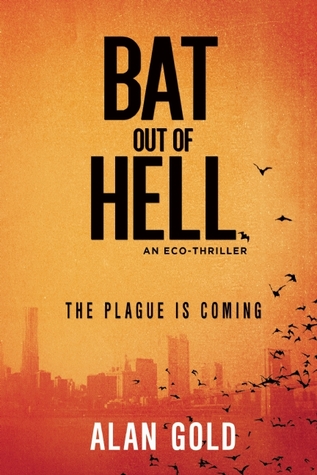 Bat Out of Hell: An Eco-Thriller by Alan Gold
Genre: Thriller
Series: Stand Alone
Publisher: Yucca (9/1/15)
Author Information: Website
Bat out of Hell was pretty scary, though not in the way I expected. Going in, I don’t know what exactly I was hoping for. An apocalyptic-type thriller novel, perhaps? Or a science fiction with a horror spin?
The story ended up being neither of those. I attribute my first impressions to the somewhat misleading book description, which I think overplays the urgency of the premise. I expected a nightmare scenario in which humanity was dying by the millions to a new Black Death. In truth, the book isn’t so much about the plague than the social and political games that surround it. It’s also not really a sci-fi or techno-thriller in the vein of Michael Crichton or Douglas Preston. Even though the tagline says “Eco-Thriller”, I wouldn’t say suspense and excitement are the book’s main elements.
Oh but there are plenty of cool things about it, all right. Like I said, the premise is pretty frightening. All around the world, outbreaks of infectious diseases are happening all at once, and not just in third world countries or rural areas either. London gets hit. Then a built up neighborhood in New Jersey. The UN quickly puts together a first-response team and dispatches them all around the world to find out what’s going on. The diseases have to be spreading through a vector, and scientists narrow it down to bats. (Or birds. A stunning amount of time is actually spent by characters in the book hotly debating whether or not it’s one or the other.) The point is though, infectious diseases are scary as hell, and they make great topics for Horror/Thriller novels. That’s the reason I was originally drawn to Bat Out of Hell and why I wanted to read it.
Of course, there were also parts of the story that just didn’t work for me. But that doesn’t mean they won’t work for you. Truth be told, I find books like this very hard to review, because its style and structure (and genre, arguably) don’t mesh too well with my own reading preferences. That’s not the book’s fault, obviously. For this reason, I’m going to leave my rating off for the blog.
Essentially, I enjoyed the overall premise of the story. It’s smart, it’s entertaining, and the subject matter is fascinating. However, there are several things I felt could have been changed in order to make it a better and more exciting read. First of all, I wish there had been a lot more focus on the diseases themselves. The story didn’t cover too many outbreaks to begin with, and every time we saw one, only a few pages were devoted to the entire cycle of infection, immediate deaths (inevitably the scenarios all involved children), and eventual fallout. And then without skipping a beat, we are right back to the politicians and the special interest groups shamelessly spinning the situation.
Hence, my second observation: from politicians to leading scientists, animal rights activists to celebrities – everyone seems to get their chance to weigh in on the worldwide health crisis. Everyone except the ones who are the most affected. Where are the victims’ voices? The family and friends of the dead? Seems like a gross oversight to exclude their perspectives and influence on the global discourse.
Thirdly, I thought the narrative greatly oversimplified certain elements of the story. For example, birds are lovely and cute. So the idea of killing them en masse to prevent them from transmitting deadly diseases to humans would be met with outrage and resistance, to the joyful glee of the activists behind Citizens for Humane Animal Treatment. Bats, on the other hand, are icky. So if it turns out they’re the culprits, no one cares. There’s also the disturbing implication that most people will blindly follow the random claims of pop stars and Hollywood actors over the word of scientific experts who actually know what they’re talking about. Maybe a some people, but I think most folks tend to trust the epidemiologist with the PHD over some aging metalhead, no matter how famous they are — especially when it comes to matters of health. Speaking of which, where’s the internet and social media? Something like this should have had millions talking about it, but once again we’re only getting the perspectives of the elite, the world leaders and the CEOs and the celebrities who treat the population like lemmings — point in the direction you want them to go and they will follow – but reality just isn’t like that.
In the end, I think what I wanted was a more intense and more personal story. Still, I thought the book was interesting and devoured it quickly because I really wanted to find out what happens. Something tells me Bat Out of Hell might be somewhat of an esoteric novel, and certainly if you have an interest in stories about outbreaks and infectious diseases, it’d definitley be worth giving this book a shot.
Tough Traveling: Well-Traveled Road
Posted on October 1, 2015 13 Comments


The Thursday feature “Tough Traveling” is the brainchild of Nathan of Review Barn, who has come up with the excellent idea of making a new list each week based on the most common tropes in fantasy, as seen in (and inspired by) The Tough Guide to Fantasyland by Diana Wynn Jones. Nathan has invited anyone who is interested to come play along, so be sure to check out the first link for more information.
This week’s tour topic is: Well-Traveled Road
Rare is the fantasy adventure that stays close to come. Most require a long adventure down some well traveled roads…
 Wendy: I drew a blank and couldn’t get further than the Kingsroad and the Yellow Brick road, and Mogsy tapped out. Fortunately, Tiara was on the ball and gave us “Knockturn Alley, Diagon Alley, the nine million roads in the LOTR series, Elm Street, Bourbon Street (since every New Orleans based novel ever has to include something happening on Bourbon), The Road to Ehvenor, etc…”


 The BiblioSanctum