Thriller Thursday Audio: Something She’s Not Telling Us by Darcey Bell
Posted on May 14, 2020 21 Comments
I received a review copy from the publisher. This does not affect the contents of my review and all opinions are my own.
 Something She’s Not Telling Us by Darcey Bell
Mogsy’s Rating (Overall): 3 of 5 stars
Genre: Mystery, Thriller
Series: Stand Alone
Publisher: Harper Audio (April 7, 2020)
Length: 9 hrs and 28 mins
Author Information: Website | Twitter
Narrators: Vivienne Leheny, Carly Robins, Pete Simonelli, Nancy Peterson
Rarely have I come across a thriller I didn’t enjoy. After all, books in this genre are meant to be gripping or to keep you engaged by their very nature. Still, some are definitely better than others. Case in point, while overall I enjoyed the premise and plot of Something She’s Not Telling Us, the story wasn’t as suspenseful as it could have been and the payoff was a bit lacking.
At the center of this tale is Charlotte, owner of a successful flower shop in trendy Manhattan’s East Village. She and her husband Eli have a five-year-old daughter named Daisy who is doted upon by her parents, even if they can be a little overprotective. Charlotte’s own relationship with her family is complicated, however. Her mother is temperamental and unstable, a dangerous combination when Charlotte and her younger brother Rocco were growing up. Rocco himself has had pretty bad luck in life, never having been able to hold down a steady job. In fact, the only thing worse than his career prospects is his taste in women. In Charlotte’s opinion, all the girlfriends he’s ever brought home to meet his family have been losers, crazies, or worse.
And so, when Rocco tells her that he’s met someone very special and is bringing her over for dinner, Charlotte has reason to be wary. And yet, to her surprise, his new girlfriend Ruth actually turned out to be pretty normal. Sure, she may be overly chipper and likes to talk a lot, but she seems like a genuinely good person and is also nice to Daisy.
As a matter of fact, Ruth might be a little too nice in that regard. She appears strangely fixated with the little girl, something Charlotte has noticed and does not like at all. Still, might it possible that she’s just being a paranoid parent, and maybe even feeling a bit jealous at the way her daughter has taken to Ruth? But then one day, Charlotte’s worst fears are realized when she learns that someone had kidnapped Daisy from school, and there is only one person she suspects.
To cut to the chase, this was not a bad book, but as a thriller it left much to be desired. Mainly, what I missed was the mystery and suspense. Without spoiling too many plot details, all I’ll say is that there’s not much fun in it when all the answers are given in the first half of the book. The structure of the story was also very messy, bouncing back and forth between past and present without revealing anything significant that readers haven’t already guessed from the first handful of chapters. As such, there was no real twist because you already knew everything there was to know about the culprit, which was that they had serious mental issues, a non-motive that is neither surprising or new for this genre.
I also did not care for any of the characters, and not because they weren’t likable, as that was most certainly by design, but rather because I simply felt they weren’t very well written. Charlotte’s personality was all over the place, and Daisy was a little brat because her parents both spoiled her and also tried to raise her in a protective bubble. Ruth at least had a reason for the fact she was unreliable character, but that got to be too much to the point I just started dismissing everything she did or said.
Suffice to say, there was not much subtlety to this novel; everything from its plot to the writing was exaggerated and over-the-top. Sometimes that can work for a thriller, but with this one, the execution just wasn’t there. As well, it probably didn’t help that I had just finished a couple of excellent thrillers involving kidnappers and missing children, so it was hard not to compare and see how this book fell short.
In sum, Something She’s Not Telling Us wasn’t terrible, but while it may satisfy all the conditions of a thriller-suspense novel, it’s clear many of its genre elements could have been handled better. It gets an average rating from me for that reason, for being highly readable but not too satisfying.
Audiobook Comments: I always love it when an audiobook gets multiple narrators, especially when each POV gets their own reader. This was the case with the audio edition of Something She’s Not Telling Us, and the positive effect was clearly evident, especially since they got such great voice actors. The narrators who performed Charlotte’s and Ruth’s chapters were particularly great, which made for a immersive listening experience.


Waiting on Wednesday 05/13/20
Posted on May 13, 2020 17 Comments

Waiting On Wednesday” is a weekly meme that first originated at Breaking the Spine but has since linked up with “Can’t Wait Wednesday” at Wishful Endings now that the original creator is unable to host it anymore. Either way, this fun feature is a chance to showcase the upcoming releases that we can’t wait to get our hands on!
Mogsy’s Pick
A Dance With Fate by Juliet Marillier (September 1, 2020 by Ace Books)
To celebrate Wyrd and Wonder, I’ll be featuring fantasy/paranormal-related picks for my Waiting on Wednesday posts for the whole month of May! This week, I’m looking forward to the second book of Juliet Marillier’s Warrior Bards series!
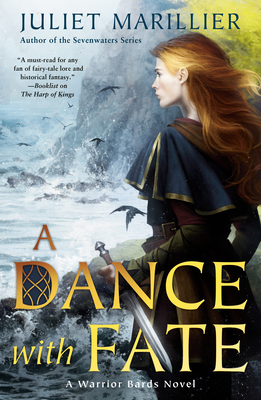 “A young woman who is both a bard–and a warrior–seeks to repay her debts and settle scores in this thrilling historical fantasy series.
The young warrior and bard Liobhan has lost her brother to the Otherworld. Even more determined to gain a place as an elite fighter, she returns to Swan Island to continue her training. But Liobhan is devastated when her comrade Dau is injured and loses his sight in their final display bout. Blamed by Dau’s family for the accident, she agrees to go to Dau’s home as a bond servant for the span of one year.
There, she soon learns that Oakhill is a place of dark secrets. The vicious Crow Folk still threaten both worlds. And Dau, battling the demon of despair, is not an easy man to help.
When Liobhan and Dau start to expose the rot at the center of Oakhill, they place themselves in deadly danger. For their enemy wields great power and will stop at nothing to get his way. It will take all the skills of a Swan Island warrior and a touch of the uncanny to give them a hope of survival….”
Book Review: The Kingdom of Liars by Nick Martell
Posted on May 12, 2020 33 Comments

I received a review copy from the publisher. This does not affect the contents of my review and all opinions are my own.
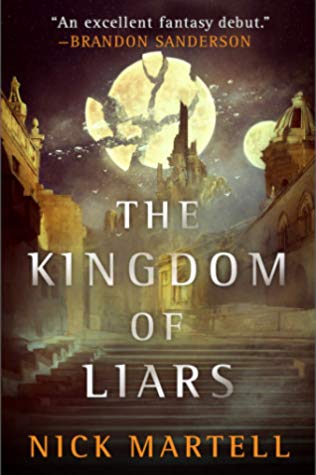 The Kingdom of Liars by Nick Martell
Mogsy’s Rating: 4 of 5 stars
Genre: Fantasy
Series: Book 1 of The Legacy of the Mercenary Kings
Publisher: Saga Press (June 23, 2020)
Length: 608 pages
Author Information: Website | Twitter
It’s probably no surprise that The Kingdom of Liars was one of my most highly anticipated releases of 2020, with a premise that promises magic, intrigue, and adventure. Although the novel does falter slightly at times, as debuts often do, I’m pleased to report that it exceeded my expectations and I found it to be an excellent and compelling read.
The protagonist of the story is Michael Kingman, son of the most notorious traitor the Hollows has ever seen. But while David Kingman was put to death for murdering the child prince nearly a decade ago, his wife and children are still suffering for his sins, scorned and mistrusted by their noble peers. Still, how far does the apple really fall from the tree? As the novel begins, Michael is being held prisoner, awaiting his trial and execution. His purported crime? For killing the king.
The story then flashes back to recent events as Michael begins to recount the harrowing journey which led to his arrest and current situation. It all started on the eve of the Endless Waltz, a long-standing tradition among Hollow nobility to present themselves and prove their worth. But for Michael, the event becomes an opportunity to rejoin high society and restore his family name. After all, the last ten years have been difficult the Kingmans. Michael himself barely survives off the money he makes as a petty con artist, while his sister Gwen works at the asylum, caring for their mind-addled mother. So when Michael is offered a well-paying job to be a chaperone for a heavy drinking, free-wheeling high noble named Charles Domet, he is forced to accept.
The older nobleman, however, is nothing like Michael expected. A talented Fabricator and adept at using magic, Domet agrees to teach Michael to develop his own fledgling skills while also sharing a secret piece of information our protagonist had long hoped for but never dared to believe—that his father, David Kingman, had been innocent and framed for his crime.
Over the years, I’ve read a great number of books involving unreliable narrators, but this one might be one of the most intriguing ways of handling the concept that I’ve ever seen. For one thing, have you ever thought about why this novel is called The Kingdom of Liars? Well, let’s put things this way—can you really trust someone to speak the truth, if they don’t remember it? Because that’s the crux behind the whole system of magic in the world of the Hollow. To use it costs memories, which means all experienced Fabricators have a way to help them remember the important details of their lives. However, our main character Michael Kingman’s abilities are just emerging, and with no telling when or how often he’s used his abilities, all we know is there are big gaps in his memories where he can’t recall certain details or remember someone who insists they’ve met before.
Not gonna lie, at times this made Michael and incredible frustrating protagonist. He bungles his way through his life, doing certain things while knowing full well he lacks the pertinent information to make good decisions. He’s also impulsive and easily manipulated, which made it difficult to sympathize with him when he inevitable does or says something stupid to get himself in trouble. That said, there’s a significant portion of this that is clearly done by design, and once we moved into the later parts of the story, that was when I gained a better understanding and appreciation for what author Nick Martell was trying to achieve with his character development.
The technical aspects of the novel were also impressive, if a bit raw. In many ways, The Kingdom of Liars reminded me very much of the early works by Brandon Sanderson, such as Elantris or Mistborn—just a tad unpolished and slightly rough around the edges, but the story and the concepts themselves are solid. Take the world-building, for example. Several major details shine through, most notably the idea of a crumbling moon whose pieces sometimes fall to earth and wreak havoc on the Hollow, but the larger picture still needs fleshing out, such as of how the society works or more clarification on the Fabrication system. There are also minor issues with the writing such as an overreliance on epic fantasy tropes, with the obvious one being the protagonist sharing his life story in flashback. And while Martell is cognizant enough of showing not telling, he often falls back on familiar clichés to do so, like the old hand-on-the-back-of-the-head/neck action to convey embarrassment or discomfort (a very anime thing to do, which is why I took notice of the several times this cropped up in the text).
But did any of these issues seriously affect my enjoyment or overall experience? Heck no. Most of the ones I pointed out aren’t so much complaints but rather observations or minor hiccups that need to be ironed out, and I have no doubt that they will with some time and experience. Nick Martell is poised to become a promising and inspiring powerhouse in the fantasy genre, and I look forward to reading more of his work for years to come.

Book Review: You Let Me In by Camilla Bruce
Posted on May 11, 2020 32 Comments
I received a review copy from the publisher. This does not affect the contents of my review and all opinions are my own.
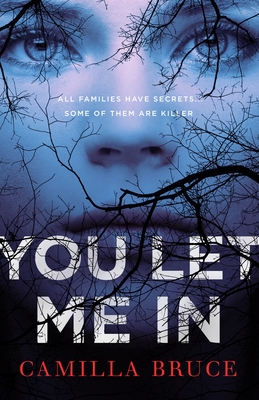 You Let Me In by Camilla Bruce
Mogsy’s Rating: 4.5 of 5 stars
Genre: Horror, Fantasy
Series: Stand Alone
Publisher: Tor Books (April 21, 2020)
Length: 256 pages
Author Information: Website | Twitter
Wow, what did I just read!? Talk about being bowled over, considering I’d been on the fence on this book for a while due to the strangeness of its description. Admittedly, I only picked up You Let Me In because it had been languishing in my review pile and I needed a quick fantasy read for Wyrd & Wonder, but I ended up loving it to bits. Guess it just goes to show, you never know until you try.
But first, if you’re considering this book, my advice is not to put too much stock in its synopsis, which severely undersells what it’s actually about. This is no mere crime drama or murder mystery, for its true nature defies genre labels and encompasses so much more. At the heart of this tale is Cassandra Tripp, a 74-year-old romance author known for her steamy novels and the fact she was the main suspect at the murder trial of her husband almost forty years ago. Although she was acquitted, many questions related to the case were never solved, and now Cassandra is missing, leading police to believe that her disappearance may be linked to her dubious past. As more than a year has passed since she vanished without a trace, however, the authorities have reason to believe she is dead, thus putting in motion the procedures stipulated in her will regarding her sizeable estate.
In life, Cassandra was an eccentric prone to flights of fancy, so it was no surprise to anyone, least of all to her niece Penelope and nephew Janus, that her last wishes were filled with bizarre conditions. As her sole beneficiaries, they were each given the same instructions: to go to their aunt’s house in the woods, find a manuscript in her study and discover within a password that they can use to claim their inheritance—that is, should they decide they still want it after reading the manuscript, which turns out to be a wildly uncanny and oftentimes chilling account of Cassandra’s life growing up among a group of faeries only she could see, as well as the truth of what really happened to her husband.
As you’ve probably guessed, You Let Me In is this manuscript, a tell-all style memoir told from Cassandra’s point of view, revealing a troubled childhood and a long history with mental illness—or at least, that’s what her parents and the doctors said were the causes of her odd behaviors and anti-social tendencies. But to Cassandra, her faeries were very real, and it all began with the Pepper-Man, who is nothing like a child’s typical imaginary friend. A monstrous creature, he started visiting Cassandra when she was just a girl, and as you’ll soon see from this dark tale, he’s had a hand in almost everything bad that has happened to her since, even if no one believes her.
Although the niece and nephew are just peripheral pieces in this novel, I think it helps that the author really puts you in their shoes from the start, so that as the reader you feel fully invested in knowing the outcome of the story. After all, a lot of money is on the line, and the opportunity to finally learn everything there is to know about your crazy aunt is just too tempting to resist. But after a while, Cassandra’s voice emerges as a powerful force on its own, and then of course, the tragedies, shock, and horror take over in providing a strong hook. Let’s just say calling this one a twisted fairy tale is an understatement, for I guarantee it will mess with your mind in more ways than it’s ever been messed with before.
One reason for this is the unique way this narrative unfolds, and here I really have to hand it to Camilla Bruce for taking on this challenging mode of storytelling and pulling it off with flying colors. It relies on the unreliable narrator device to some extent, resulting in multiple versions of events, leaving it up to you to decide what to believe. The intrigue and mystery behind this aspect of the novel was what appealed to me the most and kept me glued the pages. That said, I can see how the unconventional style might turn some readers off, and I suspect the fact that we’re stuck in Cassandra’s head the whole time will also make some folks uncomfortable. It isn’t always a happy or nice place to be, and whether it’s due to some past trauma or just the way her brain is wired, sometimes her reactions or attitudes will come across frustratingly dispassionate or just plain off. Finally, this book also deals with some sensitive topics and difficult subject matters some readers might struggle with, so I advise discretion.
If this book sounds like something you would enjoy though, go ahead and check it out. I for one am glad I gave it a try, and I’ll be keeping an eye out for more by Camilla Bruce, because if this is what she has for us for her debut, she clearly has a promising writing career in front of her.

YA Weekend Audio: Deeplight by Frances Hardinge
Posted on May 10, 2020 27 Comments

I received a review copy from the publisher. This does not affect the contents of my review and all opinions are my own.
Mogsy’s Rating: 4.5 of 5 stars
Genre: Fantasy, Young Adult
Series: Stand Alone
Publisher: Blackstone Publishing (April 14, 2020)
Length: 12 hrs and 31 mins
Author Information: Website | Twitter
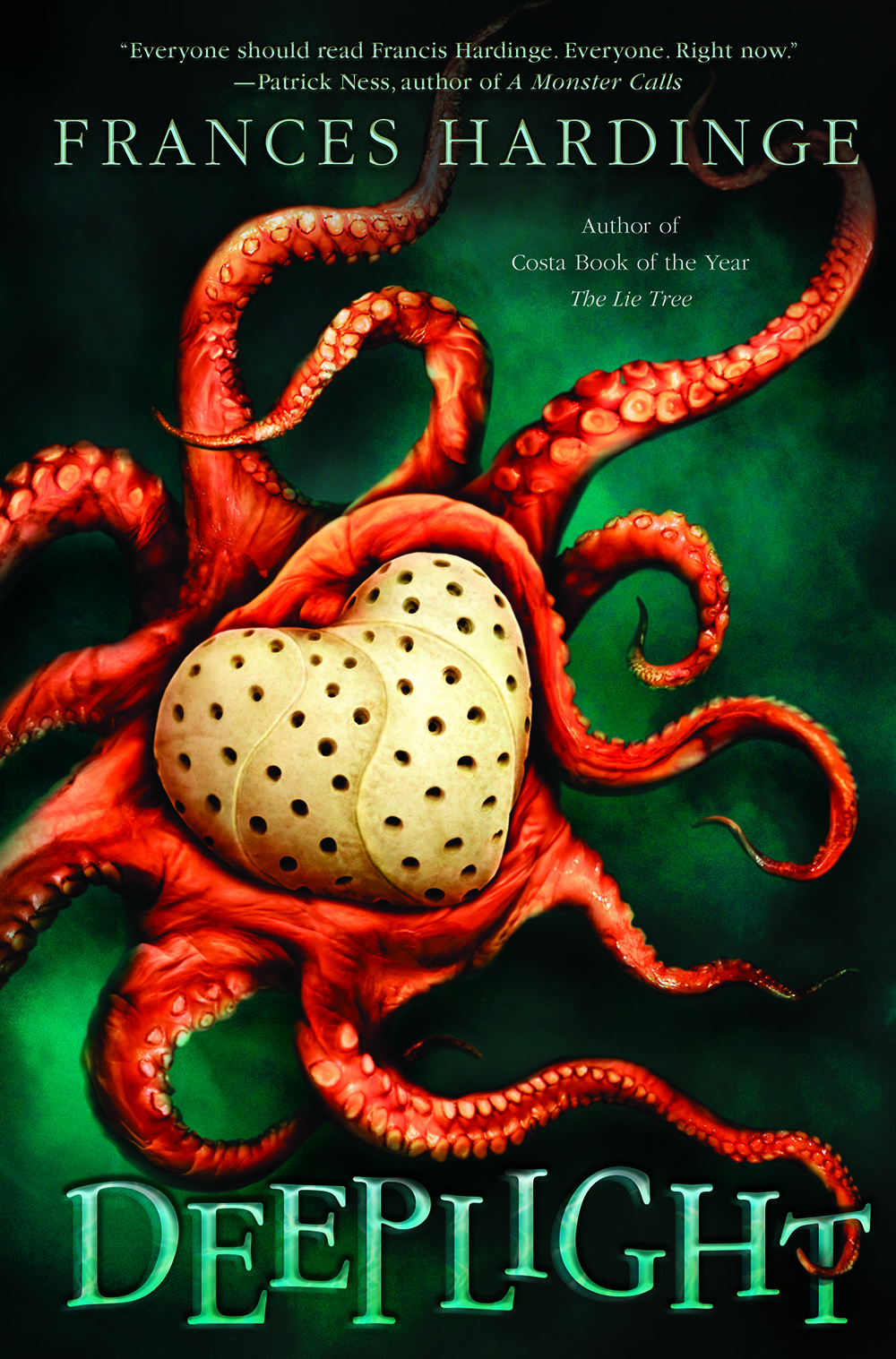
I’ve always said Francis Hardinge’s imagination is unrivaled, and Deeplight was another dark delight. This time, we are transported to the Myriad archipelago, home to a people who worshiped a pantheon of terrifying, monster-like gods that would rise every so often from the Undersea and wreak havoc on the islands. But just three decades before, something strange happened. The gods turned on each other, and no one knows why.
Now, all the gods are dead…but are they truly gone? Hark, our adolescent protagonist isn’t exactly concerned about such matters. An orphan, he’s too busy trying to survive on the streets, swindling the endless supply of gullible suckers who come to these islands looking for godware, the fragments of the destroyed gods left behind after their mutual slaughter. Even a small chunk of the real deal can fetch a fortune, if it still retains some of its magical properties. The way Hark sees it though, there’s no harm in making up a tall tale here and there, selling some not-so-genuine pieces if it helps him get by and also gives his mark a good story to tell. Nobody is hurt and everyone goes home happy.
But pretty soon, Hark’s luck runs out, and he ends up on the prisoner’s auction block after a heist gone wrong. A godware researcher named Dr. Vyne buys his contract and immediately puts him to work, though she is also good to him, promising a better life and an education if he follows her rules. One, he must never lie to her, and two, he must cut all ties with everything and everyone from his shady past. Before long, though, Hark finds himself breaking both rules as his best friend Jelt manages to track him down, demanding help on yet another one of his hare-brained jobs. Unable to resist Jelt’s manipulative ways, Hark agrees, and the two of them embark on a treacherous dive into the unexplored deep. What they find there though, will change both their lives forever.
Frances Hardinge’s novels are known for their endless wonders and curiosities, and the world of Deeplight is even stranger and darker than her previous works I’ve read before. As a protagonist, Hark is sharp-witted and crafty, but also devastatingly flawed. His biggest weakness is undoubtedly his relationship with Jelt. Even though the two of them are like brothers, with Hark owing much of his upbringing to the older boy, Jelt is a bully—no kinder way to put it. There’s clearly a deliberate lesson here for readers who see the way Jelt treats Hark and the way the latter just caves to the verbal abuse and emotional blackmail. Still, Hark’s massive blind spot for this complicated friendship might be the only point that irked me about this book, and given the huge role it plays in the overall plotline as well as the development of the protagonist’s character arc, I’m not sure it even counts as a criticism.
On the whole, I really enjoyed Deeplight. The relationships are deep and well-drawn, as I alluded to before, with these extending beyond just Hark and Jelt. Dr. Vyne also brought an interesting dynamic to this tale, along with other memorable players such as the old priest named Quest and a young pirate girl named Selphin. The world-building was magnificent, which was no less than I expected from the author, who must have put a lot of thought and research into her detailed portrayal of the culture and history of Myriad and its islanders. An example of how everything is connected can be seen in the deep-diving traditions of the people and the way that maritime living has shaped their way of life. With near drownings being an unfortunate yet common occurrence among deep sea scavengers, they even have a name for the condition of hearing loss suffered by many survivors, along with a system of sign language used widely among certain groups as a result.
Then there are the gods and their mildly Lovecraftian depictions, whose underlying tones of supernatural horror and uncanniness I simply adored. Indeed, there’s an awful lot of background lore in Deeplight—and if there’s one little quibble I had with the writing, it’s that the pacing of the story was a bit uneven, namely with the intro sections being weighed down with layers of world-building detail, causing a slower start. That said, none of it feels like an info-dump, with every bit of it filling me with fascination. With a little patience, this book will pay you back in spades once the story really takes off.
Honestly, I haven’t been disappointed by a Frances Hardinge book yet. Deeplight was another winner for me, a deftly written fantastical adventure filled with imagination and heart. I was also lucky enough to score the audio edition for review, and I can’t recommend it highly enough. Impressively narrated by Joshua Akehurst who brought the story to life, this audiobook drew me in and held me captivated in its beguiling, mysterious world from start to finish.
Bookshelf Roundup 05/09/20: Stacking the Shelves & Recent Reads
Posted on May 9, 2020 27 Comments
Bookshelf Roundup is a feature I do every weekend which fills the role of several blog memes, like Stacking the Shelves where I talk about the new books I’ve added to my library or received for review, as well as It’s Monday! What Are You Reading? where I summarize what I’ve finished reading in the last week and what I’m planning to read soon. Mostly it also serves as a recap post, so sometimes I’ll throw in stuff like reading challenge progress reports, book lists, and other random bookish thoughts or announcements.

Received for Review
My thanks to the publishers and authors for the following review copies received, and be sure to click the links to their Goodreads pages for more details and full descriptions!

I was surprised to see a couple more book packages trickle in late last week and this week, but I have a feeling these will be the last ones for a while. First a big thanks to St. Martin’s Press for this ARC of The Night Swim by Megan Goldin. The author’s name sounded so familiar to me, and a quick check on Goodreads showed that I’d actually read one of her books last year, The Escape Room! I did enjoy it, so I’ll most likely be giving this one a look as well.
Next up, I also received a couple finished copies with thanks to Tor Books. With the shutdown, I really had not expected to get a print copy of The Cerulean Queen by Sarah Kozloff, so I had already requested and listened to the audiobook. Imagine my shock when it turned up! Still, I couldn’t be happier, because now I have the full set! I was also pretty excited to receive Critical Point by S.L. Huang, which is the third book in the Cas Russell series. Silly me though, I’d thought I was all caught up, but it appears I’ve not actually read the second book, so I’m definitely going to rectify that posthaste.
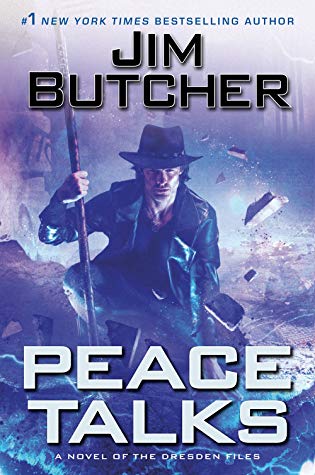
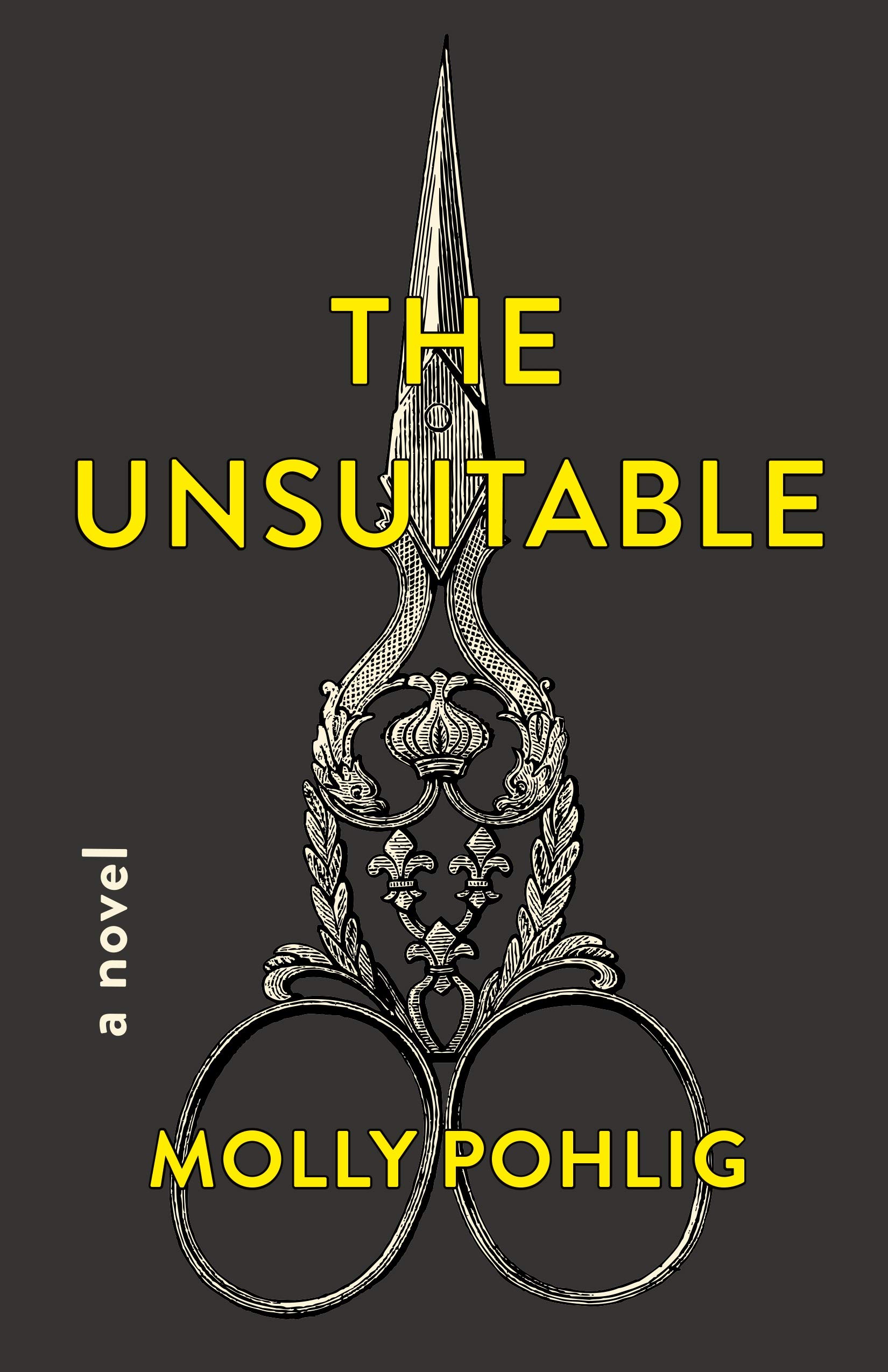

I’ve been trying to take this opportunity to cut back on requests. That being said, with no telling when shipping capacities will return to normal, I grabbed the eARC of Peace Talks by Jim Butcher so I can get started early, with thanks to Ace Books. Courtesy of Henry Holt and Co., I was also sent a widget for The Unsuitable by Molly Pohlig, which was just too damn hard to resist! I’ve been seeing some great things about it around the blogosphere and the rave reviews have me intrigued. Finally, like a fool, I wandered into my NetGalley auto-approvals section and came away with one new book in spite of myself. Hey, I could have gone nuts, but I didn’t. What I grabbed was The Echo Wife by Sarah Gailey, with thanks to Tor Books. The author has written stuff that’s hit or miss with me, but this one does sound completely up my alley.
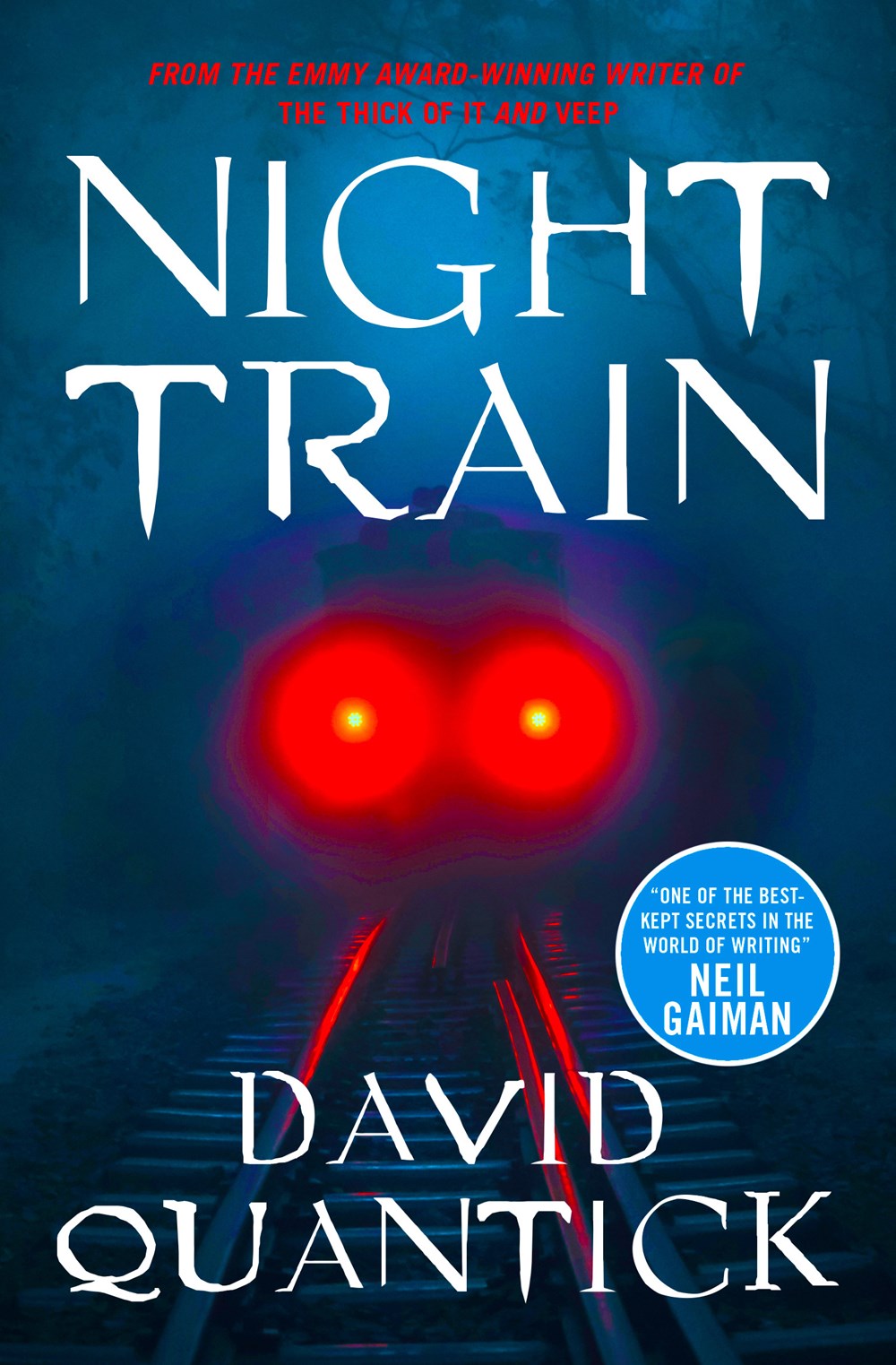
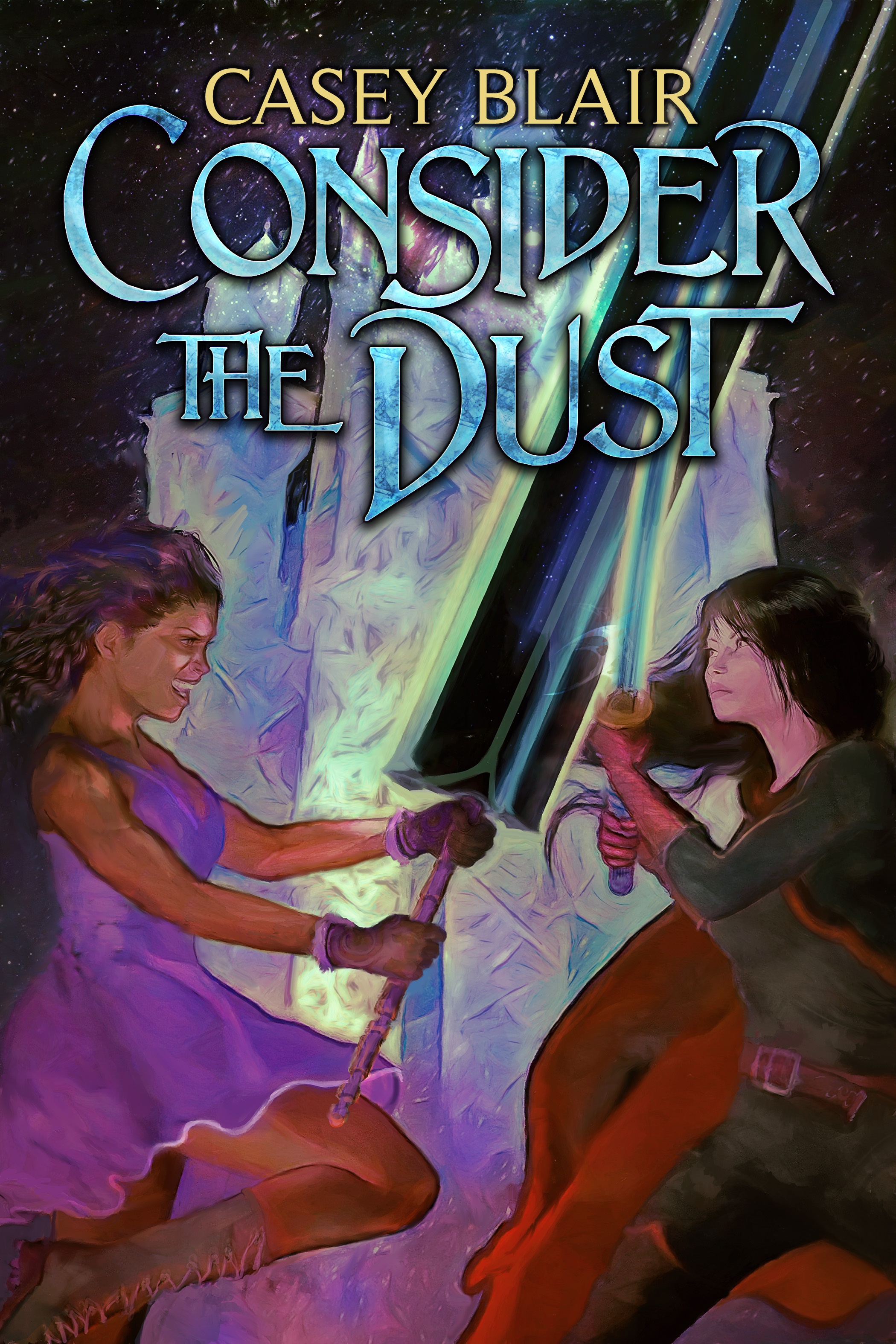
From Edelweiss with thanks to Titan Books, I was also approved for Night Train by David Quantick, a horror novel I’ve been eyeing for a while now. And earlier this week I also received a pitch for a novella called Consider the Dust by Casey Blair, with thanks to the author for supplying an eARC!
Reviews
Race the Sands by Sarah Beth Durst (5 of 5 stars)
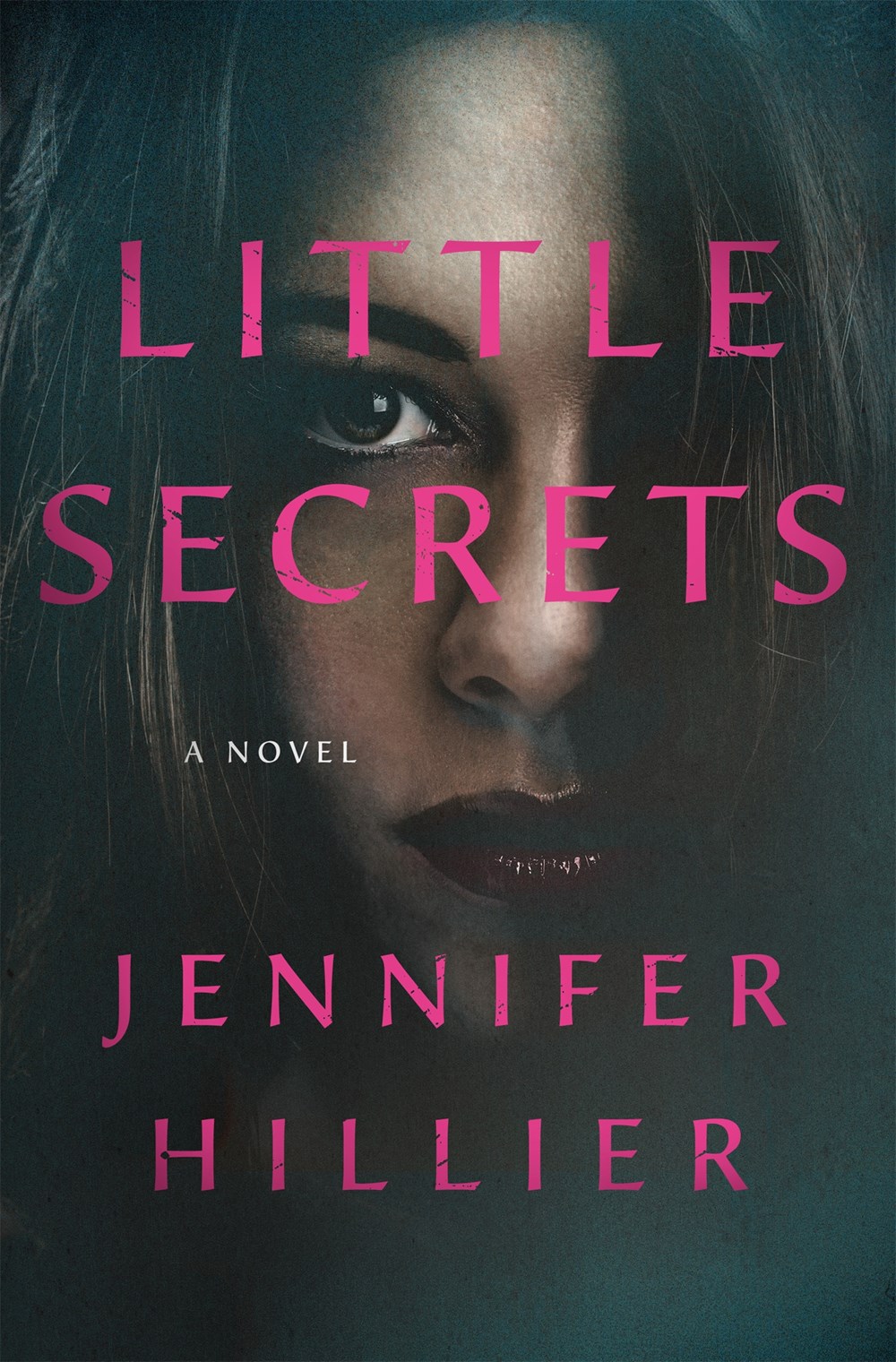
Little Secrets by Jennifer Hillier (4.5 of 5 stars)
The Cerulean Queen by Sarah Kozloff (3.5 of 5 stars)
Legacy of Ash by Matthew Ward (3 of 5 stars)
Roundup Highlights:

This Week’s Reads
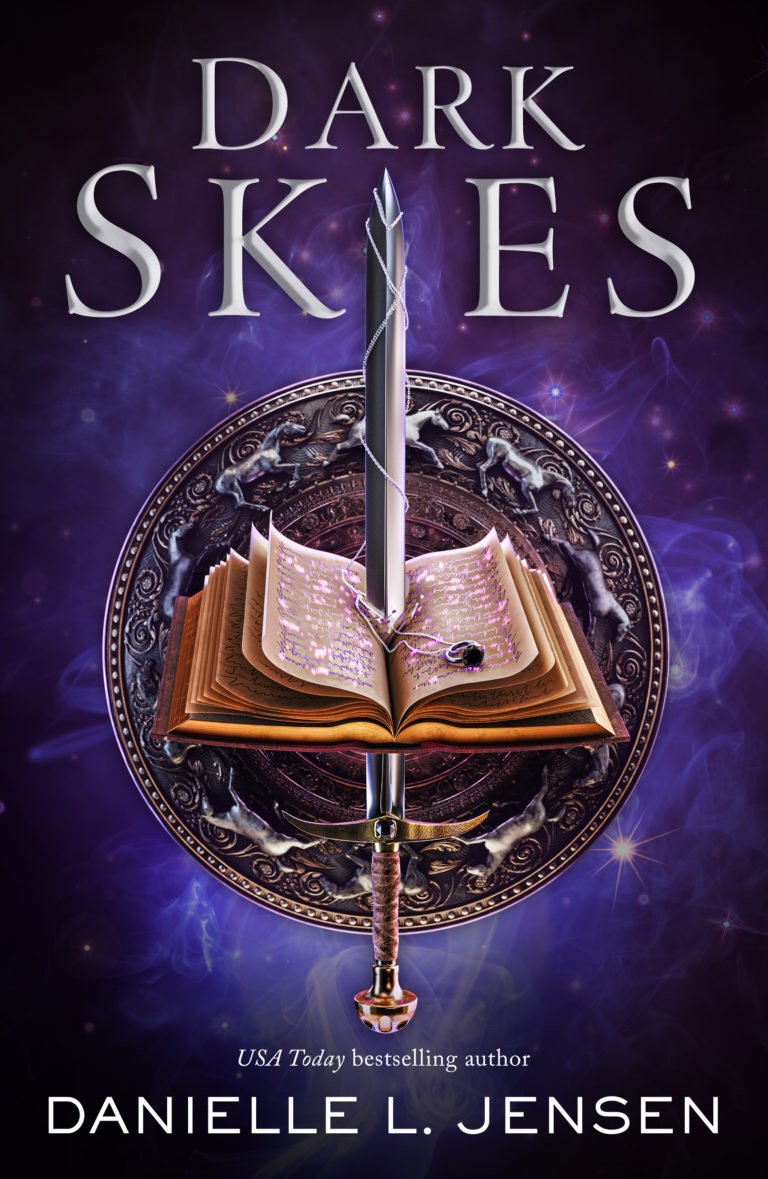
Have you heard of or read any of the books featured this week? What caught your eye? Any new discoveries? I hope you found something interesting for a future read! Let me know what you plan on checking out. Until next time, see you next Roundup!
Friday Face-Off: Graphic Novel
Posted on May 8, 2020 19 Comments

Welcome to The Friday Face-Off, a weekly meme created by Books by Proxy! Each Friday, we will pit cover against cover while also taking the opportunity to showcase gorgeous artwork and feature some of our favorite book covers. If you want to join the fun, simply choose a book each Friday that fits that week’s predetermined theme, post and compare two or more different covers available for that book, then name your favorite. A list of future weeks’ themes are available at Lynn’s Book Blog.
This week’s theme is:
“Love belongs to Desire, and Desire is always cruel”
~ a GRAPHIC NOVEL cover
Mogsy’s Pick:
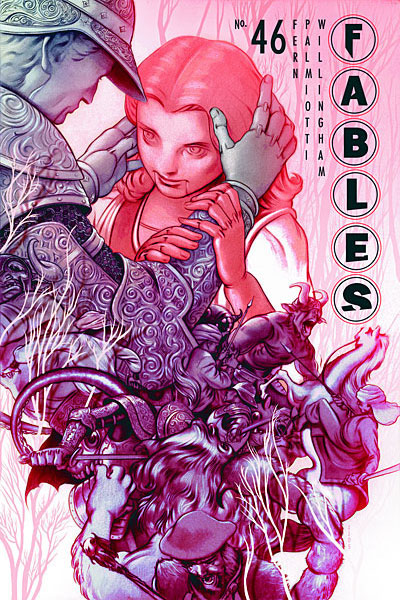
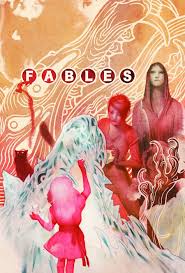
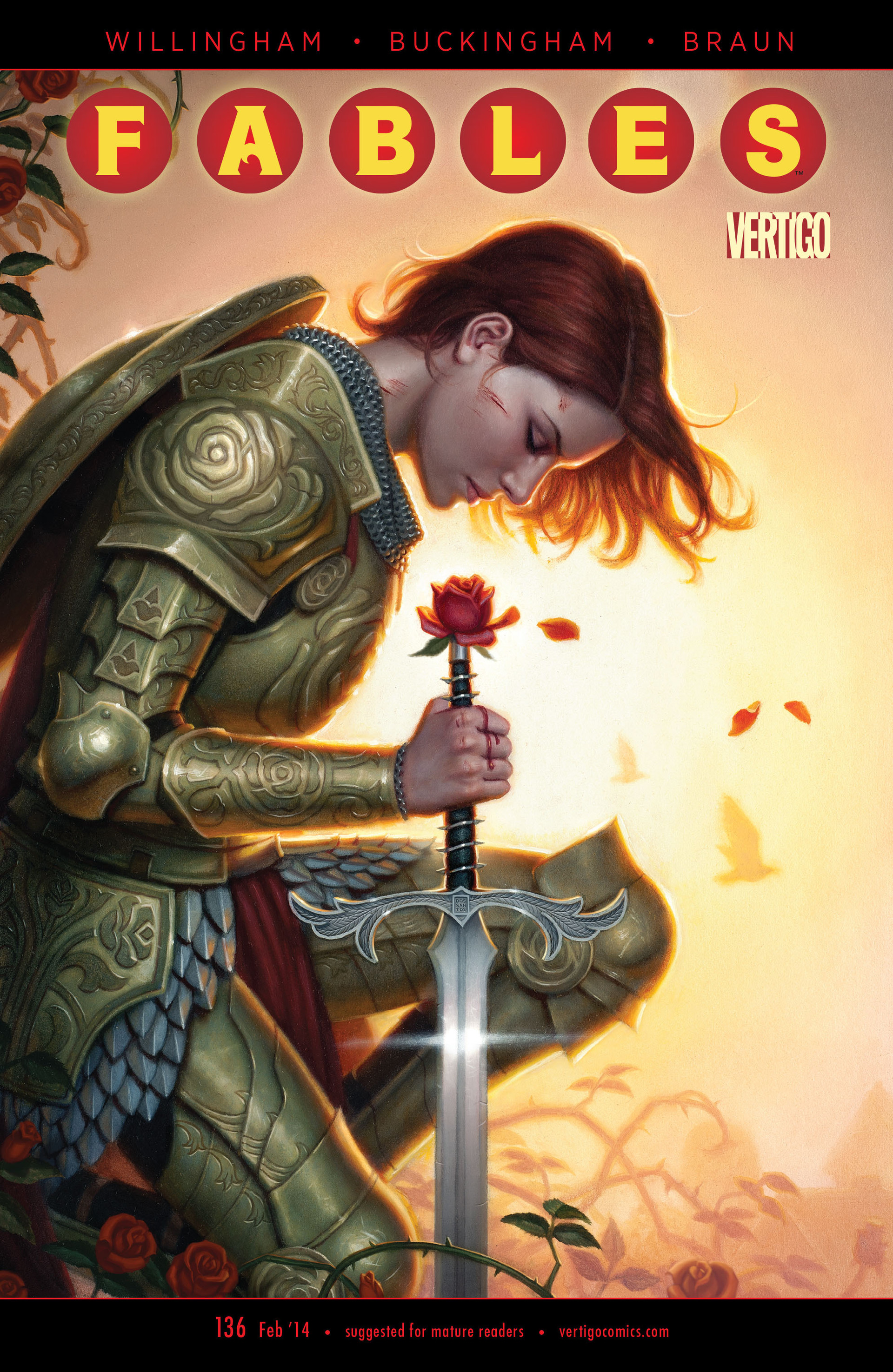
Fables by Bill Willingham
I used to read a lot more comics than I do now, especially in the early 2000s. Back then, I read my fair share of Marvel and DC superhero titles, but I also had a soft spot for anything by Vertigo – Hellblazer, Preacher,100 Bullets, Transmetropolitan, Y the Last Man…you name it. And of course, Fables, one of their most successful title based on the various characters and stories from fairy tales and folklore deserves a mention. As we celebrate Wyrd and Wonder for the month of May, I figured this would be the perfect series to showcase for today. During its 150-issue run, the comic also saw plenty of gorgeous covers, and here are some of my favorites.






Thriller Thursday: Little Secrets by Jennifer Hillier
Posted on May 7, 2020 26 Comments
I received a review copy from the publisher. This does not affect the contents of my review and all opinions are my own.
Little Secrets by Jennifer Hillier
Mogsy’s Rating: 4.5 of 5 stars
Genre: Mystery, Thriller
Series: Stand Alone
Publisher: Minotaur Books (April 21, 2020)
Length: 352 pages
Author Information: Website | Twitter
When it comes to writing dark and twisted thrillers, Jennifer Hillier is scarily good at what she does. I learned that first with Jar of Hearts, and Little Secrets has only reinforced that belief. If you’re looking for a compulsive read to get lost in, the kind of book that makes you resurface after a full day of reading, wondering, “Damn, where has the time gone?” then this one’s for you—just mind that it can get a little distressing and emotionally intense…especially if you are a parent.
The worst day of Marin’s life came just before Christmas. She and her young son Sebastien were shopping at Seattle’s Pike Place Market when she let her attention slip just for one moment, and the next thing she knew, her 4-year-old was gone. Hours later, detectives showed Marin and her husband Derek the footage from a security camera which captured their son being led away by a man dressed in a Santa suit, the only promising lead they had. For months afterward, the investigation went nowhere, forcing the police to give up on the search.
But more than a year after Sebastien’s disappearance, Marin has not given up her own search. Her once perfect life may now be in shambles following a suicide attempt, hours of therapy and support group sessions, as well as a growing distance between herself and her husband, but Marin just needs to know someone is out there still looking for her boy. So she hires a private investigator, who gets back to her almost right away with new information—except it is not about Sebastien, but Derek. It appears that for the last six months, Marin’s husband has been having an affair. Thanks to social media, it doesn’t take long to find out everything about his mistress, a 24-year-old art student named Kenzie Li.
Angry and humiliated, Marin finds a new target for all the suffering she has endured for the last year and a half, channeling it all into her hatred for the woman who is destroying her marriage. For support, Marin turns to Sal, her best friend and former flame with a checkered past. What she seeks isn’t advice or words of comfort, however, but rather Sal’s connections to his old prison friends who can fix certain…problems.
You just never know what you’re going to get with this author’s books. Are we going to have a happy ending, or is this going to turn out badly for everyone? You won’t find out unless you keep reading, and that’s why Little Secrets was so hard to put down. With a flip of switch, we go from a story about a missing child and a mother’s pain to one about a lurid affair and the fury and vengeance of a wife betrayed. And yet, both these threads worked well in tandem, especially once Hillier dropped a surprise on us in the form of Kenzie Li’s POV, allowing readers a look through the eyes of “the other woman.”
Eventually, everything comes together in this shocker of a twist ending, which I confess I failed to connect the dots and predict until close to the end. More on this I will not say because that will just spoil the fun, but do be prepared to go through a rollercoaster of emotions as we shift back and forth between Marin and Kenzie’s perspectives. There will be rage, sympathy, disgust, pity, horror and a whole lot more as past relationships and secrets are revealed about each woman.
Needless to say, at times Marin’s chapters were unbearably difficult and heartrending to read, due to the fact she is living a parent’s worst nightmare, with the descriptions of her guilt and grief over losing Sebastien hitting me over and over like a flurry of gut punches. It made even some of her more questionable decisions and reactions believable, if not always agreeable. Reading through Kenzie’s chapters, on the other hand, is an even more tumultuous ride as the mystery of her character begins the moment she appears. Who is Kenzie Li? Is she just a young and naïve college student, duped by the charms of a rich older man? Or were Marin’s initial instincts about her correct, that there has got to be something more to the young woman’s designs on Derek?
Bottom line, this is one psychological thriller you won’t want to miss. Packed with suspenseful moments and heart-stopping twists, Little Secrets is an addictive novel of diabolical motives and mind games that will keep you guessing. Jennifer Hillier has become one of my must-read authors.
Waiting on Wednesday 05/06/20
Posted on May 6, 2020 18 Comments
Waiting On Wednesday” is a weekly meme that first originated at Breaking the Spine but has since linked up with “Can’t Wait Wednesday” at Wishful Endings now that the original creator is unable to host it anymore. Either way, this fun feature is a chance to showcase the upcoming releases that we can’t wait to get our hands on!
Mogsy’s Pick
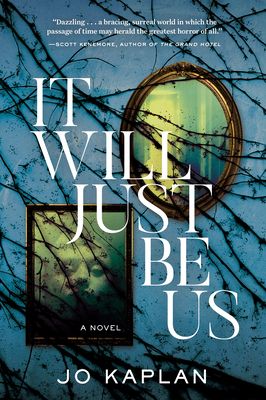
It Will Just Be Us by Jo Kaplan (August 11, 2020 by Crooked Lane Books)
To celebrate Wyrd and Wonder, I’ll be featuring fantasy/paranormal-related picks for my Waiting on Wednesday posts for the whole month of May! Gothic horror, you say? With a bit of ghosts and the supernatural? I love this combination, and I’m glad that these types of stories seem to be making a comeback in recent years. I’ve also been quite impressed with the offerings from Crooked Lane Books as of late, so I’m very curious about this one!
 “A terrifying new gothic horror novel about two sisters and a haunted house that never sleeps, perfect for fans of Shirley Jackson’s We Have Always Lived in the Castle.
They say there’s a door in Wakefield that never opens…
Sam Wakefield’s ancestral home, a decaying mansion built on the edge of a swamp, isn’t a place for children. Its labyrinthine halls, built by her mad ancestors, are filled with echoes of the past: ghosts and memories knotted together as one. In the presence of phantoms, it’s all Sam can do to disentangle past from present in her daily life.
But when her pregnant sister Elizabeth moves in after a fight with her husband, something in the house shifts. Already navigating her tumultuous relationship with Elizabeth, Sam is even more unsettled by the appearance of a new ghost: a faceless boy who commits disturbing acts–threatening animals, terrorizing other children, and following Sam into the depths of the house wielding a knife. When it becomes clear the boy is connected to a locked, forgotten room, one which is never entered, Sam realizes this ghost is not like the others. This boy brings doom…
As Elizabeth’s due date approaches, Sam must unravel the mysteries of Wakefield before her sister brings new life into a house marked by death. But as the faceless boy grows stronger, Sam will learn that some doors should stay closed–and some secrets are safer locked away forever.”
Book Review: The Cerulean Queen by Sarah Kozloff
Posted on May 5, 2020 18 Comments
I received a review copy from the publisher. This does not affect the contents of my review and all opinions are my own.
 The Cerulean Queen by Sarah Kozloff
Mogsy’s Rating: 3.5 of 5 stars
Genre: Fantasy
Series: Book 4 of The Nine Realms
Publisher: Tor Books (April 21, 2020)
Length: 512 pages
Author Information: Website | Twitter
Narrator: Imogen Church
Following a whirlwind release schedule, the four-part Nine Realms series has finally come to a close, and quite honestly, I’m a bit torn as to how I feel about this concluding volume. While it was both invigorating and satisfying enough for an ending, the path the overall story took wasn’t like anything I expected and it’s possible that may have biased me from the start.
The Cerulean Queen by Sarah Kozloff picks up right after the end of the previous book, and Princess Cérulia is broken no more. In fact, she wastes no time taking back her throne and cleaning house. Ever since her mother’s death, the ruling class of Weirandale has become even more corrupted, leaving Cérulia in a bind because she has no idea who she can trust.
On top of that, many of her loyal subjects had been castigated, imprisoned, or outright killed, resulting in the realm in chaos and families torn apart. The war with the Oros is also ongoing, with their army on Cérulia’s doorstep. She now finds herself in over the head, trying to be a good ruler while relearning all the intricacies of palace etiquette. She hasn’t forgotten either that, as queen, she is expected to marry quickly and produce a daughter to carry on the royal line, especially with her so precarious.
Fortunately though, Cérulia need not carry the burdens of her duties all alone. There are still a few advisors at the palace loyal to her, and she has also regained full control over her gift of communicating with animals, recruiting the palace dogs to literally sniff out any remaining traitors. Her adoptive family has given her their support as well, and Cérulia is overjoyed to be reunited with her loved ones. Sometimes she can almost forget that Weirandale is still a mess, and that as queen, everyone is counting on her to keep them safe. Her time in exile has taught her many things, but sooner or later, a time will come where her resolve will be tested.
I will say this right off the bat—the best parts of the book were in the first hundred pages and the last hundred pages, which leaves a good chunk of this 500-page novel that I thought was just okay. First off, I had not expected Cérulia to take back her throne so quickly; I had thought we would get a nice steady build up to the big battle, but all this pretty much took place in the intro. What came next was a lot of what I called “administrative drama” or the subtleties of running a kingdom. From the weeding out of Cérulia’s enemies to the tracking down the secret prisons where many of her supporters were held, I understood why these developments were important—but the truth was they also dragged down the whole book. I also didn’t think these sections needed to be so detailed. After the umpteenth courtroom scene or conversation about Cérulia’s wardrobe, my patience wore thin and I simply wanted the story to get moving.
To the author’s credit, I did like how the themes of The Cerulean Queen unified the series. Cérulia’s experiences in the last three books have given her the wisdom and skills to be a good queen, as well as taught her how to handle all kinds of challenges in her fledgling reign. Kozloff also continues to expand upon the world-building, detailing the spiritual realm of the gods and the nature of the protagonist’s gift. Several of the characters Cérulia encountered on her journey are back to support her, which speaking of, one of the major side arcs includes her reunion with Thalen and the development of their romantic spark. All these threads converge as the last section of the novel sees pacing pick up again, building up to the final showdown—and thank goodness for that, because that climax may have single-handedly won me over to the ending, making up for the sluggish parts in the middle sections.
All in all, I was happy with the way The Cerulean Queen concluded the Nine Realms series. If the epilogue was a bit cheesy and wrapped things up a little too neatly, at least it put a smile on my face. This final volume has also cemented Sarah Kozloff’s status as an able storyteller and a talented builder of fantasy worlds and systems on a grand scale. I’m impressed by the saga she has crafted here, and I’ll be sure to be there for her next project.
Audibook Comments: After reading the first three books in print, I came to this fourth one in audio and I won’t lie, it was a bit jarring to switch formats this late in the game, but I enjoyed the narrator Imogen Church’s performance. Some of her voices were a bit on the goofy side, but for a series with so many characters, I understood the need to differentiate between them, and she was able to cover an impressive range of accents and tones.

More on The BiblioSanctum:
Review of A Queen in Hiding (Book 1)
Review of The Queen of Raiders (Book 2)
Review of A Broken Queen (Book 3)


 The BiblioSanctum