Book Review: The Strange Case of Eliza Doolittle by Timothy Miller
Posted on February 28, 2021 22 Comments
I received a review copy from the publisher. This does not affect the contents of my review and all opinions are my own.
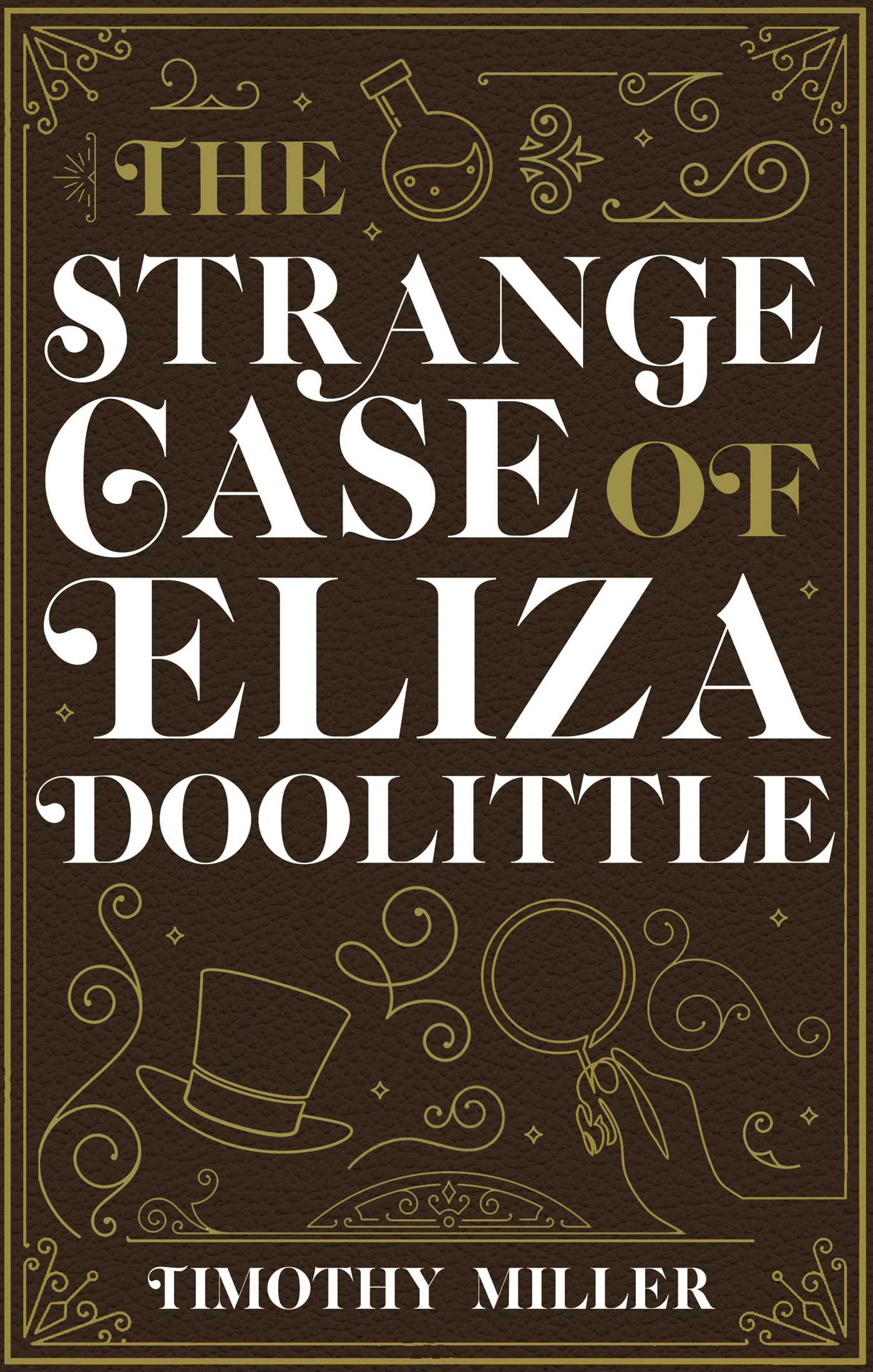 The Strange Case of Eliza Doolittle by Timothy Miller
Mogsy’s Rating: 4 of 5 stars
Genre: Mystery
Series: Stand Alone
Publisher: Seventh Street Books (January 19, 2021)
Length: 256 pages
Author Information: Website | Twitter
What, me say no to a Sherlock Holmes retelling? Never! Even better when they come in the form of a mashup, pulling in characters from a few other classics, such as George Bernard Shaw’s play Pygmalion (which is also popularly known by its musical film adaptation, My Fair Lady) as well as a certain Robert Louis Stevenson novella about a respected physician and his evil alter ego.
The Strange Case of Eliza Doolittle begins some years after both Holmes and Watson have announced their retirement from detective work—officially, anyway. Watson, however, can hardly wait to be on the investigative trail again after he is contacted by Colonel Hugh Pickering, his old friend from his British Army days, with a bizarre story about a former cockney guttersnipe flower girl who has seemingly transformed into a right proper duchess overnight. While it may be true that Henry Higgins, the man claiming responsibility for such a miraculous transformation, may have been spurred on by a wager with Pickering, surely such an extreme change couldn’t have been the result of just a few elocution lessons?
Suspecting foul play, Pickering even goes as far as to suggest that the girl, Eliza Doolittle, may have been substituted with a doppelganger. In any case, Watson decides the circumstances are curious enough to bring in his old partner Sherlock Holmes, who agrees there are enough oddities about Pickering’s story to warrant a closer look. And as ever, the brilliant detective’s instincts prove correct: something strange is definitely afoot.
Literary mashups seem to be all the rage these days, but what clearly sets The Strange Case of Eliza Doolittle apart is Timothy Miller’s intimate knowledge of the source material. Granted, this novel took me longer than expected to read, mostly due to the writing style, i.e., dense and full of Victorian literature affectations. And yet, I think it says a lot about the author’s talent and attention to detail that he was able to capture so well the original tone of the source that inspired him, and eventually, the ride did smooth out as I gradually grew accustomed to the prose. Miller perfectly emulates Watson’s voice from the original Sir Arthur Conan Doyle tales, complete with all the stylistic traditions which were popular at the time.
Still, while the prose might be somewhat clunky at times with Victorian vocabulary and long descriptive phrases, it was also surprisingly easy to get used to. As well, the sardonic humor was a welcome element. More than once, I found myself laughing out loud at the mix of cleverness and comedy. Then there’s the incredibly ambitious yet creative idea of throwing all these literary characters together. After all, many of us are at least passing familiar with these classic stories, and I had wondered how Miller was going to present his novel in a way that was both unique and interesting while remaining faithful to the original works.
To my delight, the results were extremely entertaining. While I won’t be going into too much detail in case of spoilers, I’ll share some of the more outrageous scenarios, which range from Sherlock Holmes posing as an American gangster, an appearance by actor William Gillette who became quite famous for his portrayal of Sherlock Holmes on stage in the early 1900s, and of course, what investigation involving the possibility of a doppelganger would be complete without Dr. Jekyll and Mr. Hyde? The story became even stranger, funnier, and twistier as time went on, but throughout it all, not only did the characters stay amazingly true to themselves, the narrative also delivered a proper mystery with clues to follow as well as a satisfying conclusion.
If you’re curious to see the world of Sherlock Holmes transformed in a way you’ve never seen before, you’ve got to check out The Strange Case of Eliza Doolittle. Well-written and well-conceived, this book has definitely earned the distinction of being one of the most intriguing and quirky literary mashups I’ve ever read! Not to be missed by fans of fun, creative reimaginings of classic characters and stories.


Bookshelf Roundup: 02/27/21: Stacking the Shelves & Recent Reads
Posted on February 27, 2021 20 Comments
Bookshelf Roundup is a feature I do every weekend which fills the role of several blog memes, like Stacking the Shelves where I talk about the new books I’ve added to my library or received for review, as well as It’s Monday! What Are You Reading? where I summarize what I’ve finished reading in the last week and what I’m planning to read soon. Mostly it also serves as a recap post, so sometimes I’ll throw in stuff like reading challenge progress reports, book lists, and other random bookish thoughts or announcements.

Received for Review
My thanks to the publishers and authors for the following review copies received, and be sure to click the links to their Goodreads pages for more details and full descriptions!

This week courtesy of Subterranean Press, I received an ARC of The Return of the Sorceress by Silvia Moreno-Garcia. The author has certainly been busy churning out books lately, as I had not even heard of this one before it arrived! I love her work and will read anything she writes though, so this “magical journey of revenge and redemption” is going straight on the list.
Up next, with thanks to Margaret K. McElderry Books for an ARC of A Dark and Hollow Star by Ashley Shuttleworth. I’m being very circumspect when it comes to YA this year, but I couldn’t say no to this urban fantasy faerie tale and it seems to be getting pretty good reviews all around, so I’m looking forward to starting it next. Plus, it takes place in my hometown of Toronto, and a good chunk of it even features my university, UofT!
I’m also grateful to Del Rey for a review copy of Minecraft: The Mountain by Max Brooks. I’ve been reading the books from the official Minecraft series on and off, but this is one I’ll definitely check out because it’s sort of the direct follow-up from the first one, Minecraft: The Island also by the author. Gonna be interesting to find out where our stranded hero ends up!
And a huge thank you to Tor.com for an ARC of Hard Reboot by Django Wexler! In case it’s not totally obvious from the cover, the blurb states this features “giant mech arena battles and intergalactic diplomacy.” Just take my damn money already.
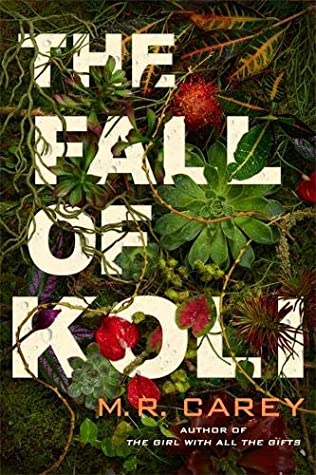
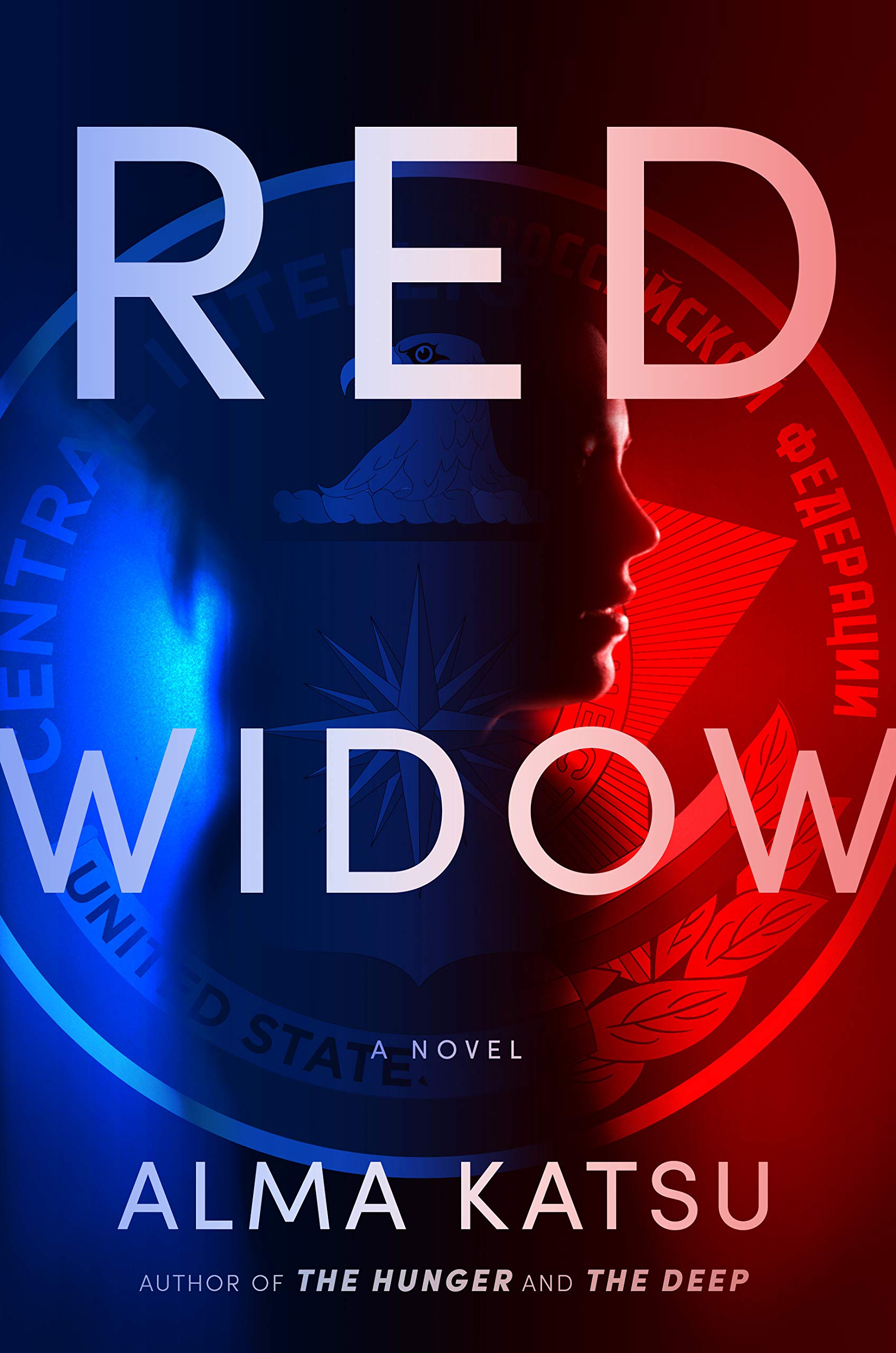
In the digital haul, I picked up a couple audiobooks. With thanks to Hachette Audio for The Fall of Koli by M.R. Carey, third in the Rampart trilogy. I still need to catch up with the second book, but I have that in audio too so it will be a quick listen. Also thanks to Penguin Audio for a listening copy of Red Widow by Alma Katsu, which will actually be the first thriller I’ll read by the author, so I’m looking forward to that.
Reviews
The Bone Maker by Sarah Beth Durst (4.5 of 5 stars)
The Future Is Yours by Dan Frey (4.5 of 5 stars)
Roundup Highlights:

Guest Posts
“Building Imaginary Architecture” by Michael Johnston

This Week’s Reads
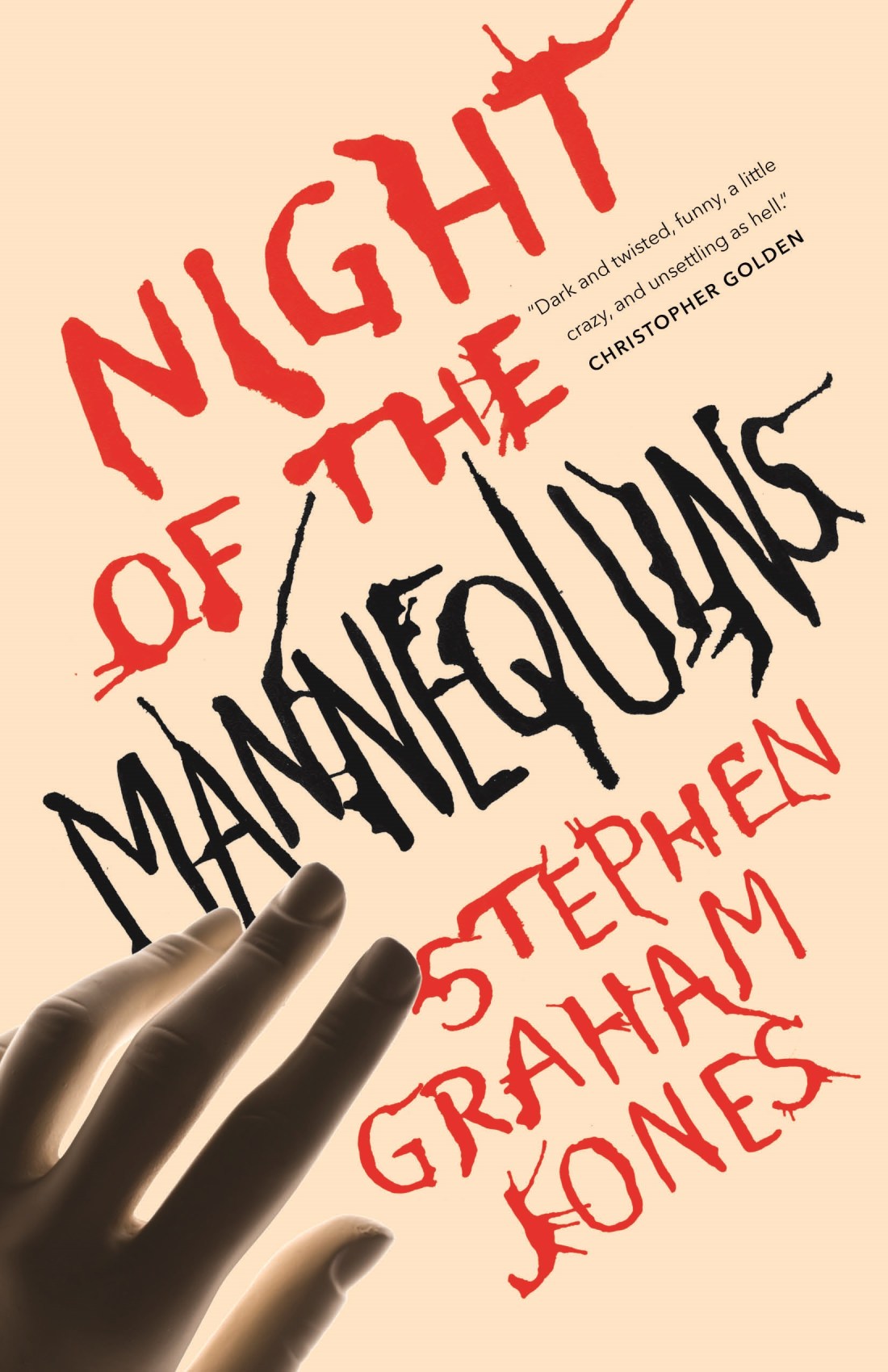
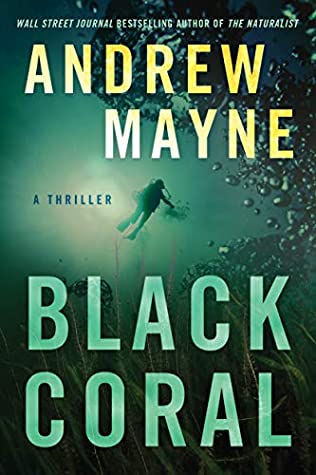


Have you heard of or read any of the books featured this week? What caught your eye? Any new discoveries? I hope you found something interesting for a future read! Let me know what you plan on checking out. Until next time, see you next Roundup!
Friday Face-Off: Magic in the Title
Posted on February 26, 2021 22 Comments
Welcome to The Friday Face-Off, a weekly meme created by Books by Proxy! Each Friday, we will pit cover against cover while also taking the opportunity to showcase gorgeous artwork and feature some of our favorite book covers. If you want to join the fun, simply choose a book each Friday that fits that week’s predetermined theme, post and compare two or more different covers available for that book, then name your favorite. A list of future weeks’ themes are available at Lynn’s Book Blog.
This week’s theme is:
~ a cover with MAGIC IN THE TITLE
Mogsy’s Pick:
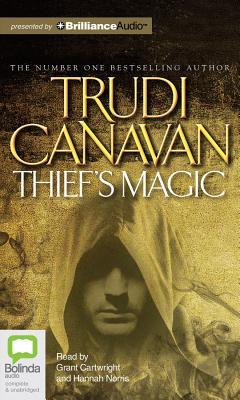
Thief’s Magic by Trudi Canavan
Magic and magicians seem to feature strongly in Trudi Canavan’s books, and this one’s no exception. In Thief’s Magic, we meet Tyen, a young archaeology student (though calling what he and his professor and fellow students do “Archaelogy” might be a bit of stretch…they’re more like tomb robbers) who discovers a sentient book while excavating an ancient tomb. The book can read the minds of anyone with whom it makes physical contact, communicating through text appearing on the pages. Calling herself Vella, the book claims to have once been a sorcerer-woman, until she was transformed into her current form by one of the greatest sorcerers of history. She has been gathering and storing information through the ages ever since. Sensing bad things to come if Vella were to ever fall into the wrong hands, Tyen decides to keep her to himself for now, but as we all know, a secret this big is always bound to come out sooner or later.
Let’s take a look at the covers:
From left to right:
Orbit (2014) – German Edition (2014)
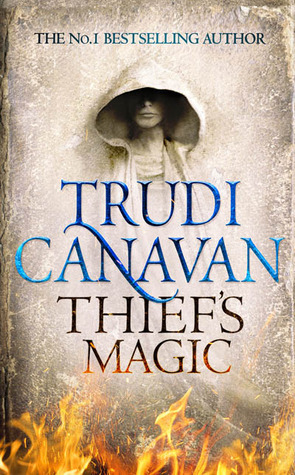

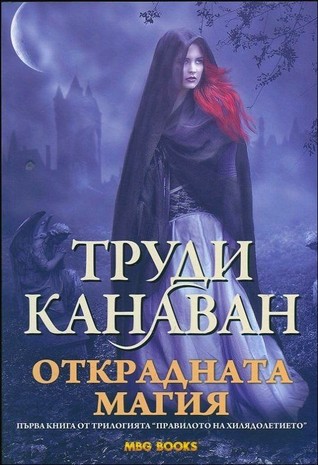
Bulgarian Edition (2014) – Bolinda Audio (2014)
Winner:
Not a single interesting or good looking one in the bunch, if I’m to be honest. I think the fantasy genre as a whole has decided to move on past the “generic hooded figure” design which used to plague so many of its covers, so a lot these already have a dated look despite not being that old. I guess if I had to choose, it would be the Bulgarian edition, because you can at least see more of the person’s face.
But what do you think? Which one is your favorite?
Excerpt: The Swimmers by Marian Womack
Posted on February 25, 2021 9 Comments
Last year, The BiblioSanctum had the pleasure of featuring The Golden Key by Marian Womack, and today we’re thrilled to spotlight her sophomore novel which published on February 23 from Titan Books and is available now wherever books are sold. Set on the rich and colorful coasts of Andalusia, Spain, The Swimmers is a heady, poetic climate dystopian novel that has been described as a beautiful fever dream–much like that gorgeous cover! Below, we’re sharing an excerpt from the book, which we hope you’ll check out and enjoy!

The Swimmers by Marian Womack
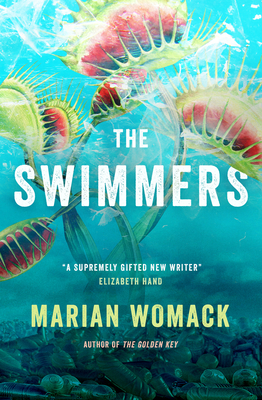 A claustrophobic, literary dystopia set in the hot, luscious landscape of Andalusia from the author of The Golden Key.
After the ravages of global warming, this is place of deep jungles, strange animals, and new taxonomies. Social inequality has ravaged society, now divided into surface dwellers and people who live in the Upper Settlement, a ring perched at the edge of the planet’s atmosphere. Within the surface dwellers, further divisions occur: the techies are old families, connected to the engineer tradition, builders of the Barrier, a huge wall that keeps the plastic-polluted Ocean away. They possess a much higher status than the beanies, their servants.
The novel opens after the Delivery Act has decreed all surface humans are ‘equal’. Narrated by Pearl, a young techie with a thread of shuvani blood, she navigates the complex social hierarchies and monstrous, ever-changing landscape. But a radical attack close to home forces her to question what she knew about herself and the world around her.
Excerpt from The Swimmers by Marian Womack, published by Titan Books. Copyright © 2021 by Marian Womack
Gobarí was my home, with its crumbling walls and its mouldy porch, and those flowers and bushes and trees, all closing above like a roof. The Venus flytraps as big as a small child, the vines and the tendrils that moved like the living things they were. And those strange days when the sky was green, blue, electric. We did not know it then, what it meant, when the blue surge of light blotted up the sky; most people still don’t know. The day would have been atypical, even in a place like the forest. You could sense it: the animals refusing to make an appearance, the odd silent birds. And the greenery twisting and twirling around you, as if it were on edge. Then, at dusk, the sky an ominous purple, followed by the blue light dancing over us, caressing the stars and the constellations when night fell. At the time, I thought the sky was going to collapse upon us, finally devouring all the monstrosities that lived with us in the forest. Now that I know what the light means I can only feel sadness at my past ignorance.
After one of these events, the forest would grow a little, but never engulfing Gobarí. At the beginning of the property, the green stopped abruptly. At night, I closed my eyes and thought of trees and the vines and the branches, advancing towards the house, and I could hear the shrieks of so many creatures, unnamed long-agomutated things that now came back to feed on us. But I couldn’t have slept anywhere else; the smells and the odd noises and that feeling of oppression, of not being able to breathe… To me, that was home. The forest gave us everything we needed: wood, for fuel and building things, and the cork that furnished the insides of the vessels; plants and flowers and vines and shrubs, and we ate them, we cooked them, or we transformed them into remedies and potions; and wild animals, surreal creatures that changed so quickly that they could never be trapped by any taxonomy, and were wilder than the forest itself, the only meat we consumed. It was fair that they in their turn consumed us, that the forest gobbled up a beanie child now and again, advancing towards a settlement and making it disappear from our world.
At the pond I was surrounded by flowers and plants of many different colours. I could see rabbit’s bread and the sierra poppy Eli liked to collect in thick bunches. Pale flowers grew on the bank, and close to it some silver sage. Savina would know all their properties. Love-in-a-mist, mournful widow, oleander. It was poisonous. The prettiest flowers usually are: she had taught me that when I was very little. Never, ever, succumb to hunger if you don’t know what you are eating. Her first rule of many.
Gobarí wasn’t like the wall, not by a long way. It was a late twenty-first-century construction, the vestige of a lost civilisation, brick and sand and mortar. No one understood why it still stood, situated as it was in the middle of the overgrowth. It had survived the green winter that devoured everything in its wake; it had survived floods and extreme cold and extreme heat. It had survived all the darkness that came after. The storms that hit against its walls every rainy season, but which did not seem to erode its crumbling buttresses, as if some kind of unspoken contract mediated between the house and the elements. Gobarí had always belonged to Mother’s family: an old family, one with certain rights and a ruin in the middle of nowhere. They had been allowed to keep it.
I spent most of my time in the little meadow by the pond, among the eucalyptus plants. It was rich in wild orchids. I had heard somewhere that they could be literal aliens, fallen from some distant planet. They were odd and beautiful, and their names were odd and beautiful: the bug, the bee, the lizard. Frightening, unreal. Orchids were my favourite plants. Eli hated them. She would look at them, terrified. And then she would say: ‘Those horrid things!’ Little by little, the story emerged: the orchids in Gobarí were like miniature versions of the flowers that had killed her grandparents.
‘How do you know that’s true?’
‘There were witnesses. They were at the bank of a river, the Guadin. The tendrils surrounded them. They spent ages dying, minutes and hours.’
She explained this with a serious face on, as if she had learnt to live with the horrid knowledge. But I could sense some intense feeling underneath, as if she were trying very hard to remain composed, when in truth she was as horrified as anyone. I knew it then, that there was a hardness inside her.
Me, I could live with the greenery, I could navigate the forest. I could anticipate a sudden change in the landscape, a passing moment of danger. I could sense new noises, interpret the metamorphosing terrain, an intimate knowledge of the space, developed somehow from early childhood. Allowed to roam freely, I had to look after myself from very early on. Animals scared me more than plants. Some of them made me think of demons, crawled
scratchily up to the surface of the Earth to torment us. I knew this knowledge was one of the few things that remained from when Father was with us. He would insist on passing this on, books and diagrams and conversations that would always end in this one lesson.
‘Never venture somewhere if you hear a call you don’t recognise. Never make friends with a small animal: its mother may come after and eat you. Never go into the forest when the birds are not singing; never go when their shrieks are so loud that they are all you can hear.’
And so on. I would be sitting next to him, my childish senses picking up a hidden current, something underneath. I have a clear recollection of my mother asking me to be quiet because my father was around, and I now know that the moods of the house depended on his moods, that he expected us to be cheerful and happy if he was, and to be subdued and out of sight when he was morose. I now wonder if I internalised this fear of animals because he was the one teaching it to me, and I was scared of upsetting him or something worse. Was I scared of animals, or was I scared of him?
Many years later, when my father was already dead and in the ground, one morning I was waiting for Eli at the pond, by the water, and something happened. A hare came out of nowhere. She was so beautiful, orange with streaks of yellow all over her body. But she was also as big as me, and obviously much stronger. The hare got up on her hind legs and heaved her body up, looking at me with curiosity. Her head tilted softly, as if she were asking a question. She stretched her body up even further. I realised she could kill me with a bludgeoning of her powerful front arms. I took a step back, and of course a branch cracked under my feet. The hare did not like the noise.
She opened her mouth, showing me her pointy teeth, and hissed loudly. I knew she was marking her territory. I thought of Father. If I didn’t make any sudden moves, I would be safe. Hares can be impressive creatures, but you are usually okay if you treat them with the same caution you would take with the larger centipedes.
Something moved through the eucalyptus trees; a rustling sound of branches and leaves being pulled aside. Someone was approaching the pond.
The hare turned in the direction of the disturbance with another sudden hiss. Her eyes as open and big as her mouth as she prepared to attack the intruder.
I grabbed a branch lying on the floor; it was thick and heavy. I moved swiftly, bludgeoning the hare just before she could attack Eli. Next thing I knew, I was staring at a beautiful pattern of colours I couldn’t for a second make sense of. And then it hit me: I was looking at the hare’s brain pouring out of her head, mixed together with a dark red liquid.
I stayed where I was, spattered with the warm blood. I was trying to think of anatomy lessons, the circulation of the blood. How to put it all back, all that patchy learning, first aid, basic cures, herbals. Those things all surface children needed to learn, in case we were one day sent up to the sky. How to put it all back? The thought, like a flash: you cannot put it back. The brain would stay there, on the ground. I looked at Eli, her head round, and in place.
The hare jerked horribly. I kneeled down close to her, and beat her until she stopped moving. Perhaps a couple of times, three, four.
I was panting, covered in blood and sweat. I looked up to the hot sky, white dots still clouding my vision.
Eli was staring at me, at the hare, at the branch that I dropped.
‘Thank you,’ was all she could muster.
But I had an odd flavour in my mouth, as if I were remembering something from long ago. It was the metallic taste of the hare’s blood, splattered over my mouth, horribly. I saw my father in my mind, coming towards me. Towards us: me and a little beanie girl. She used to be my friend. She was dead now.
We were playing, my father advancing towards us, a malignant look on his face. Was it my father, or was it a mullo with his face, coming up from Hell to take us back there with him?
About the Author
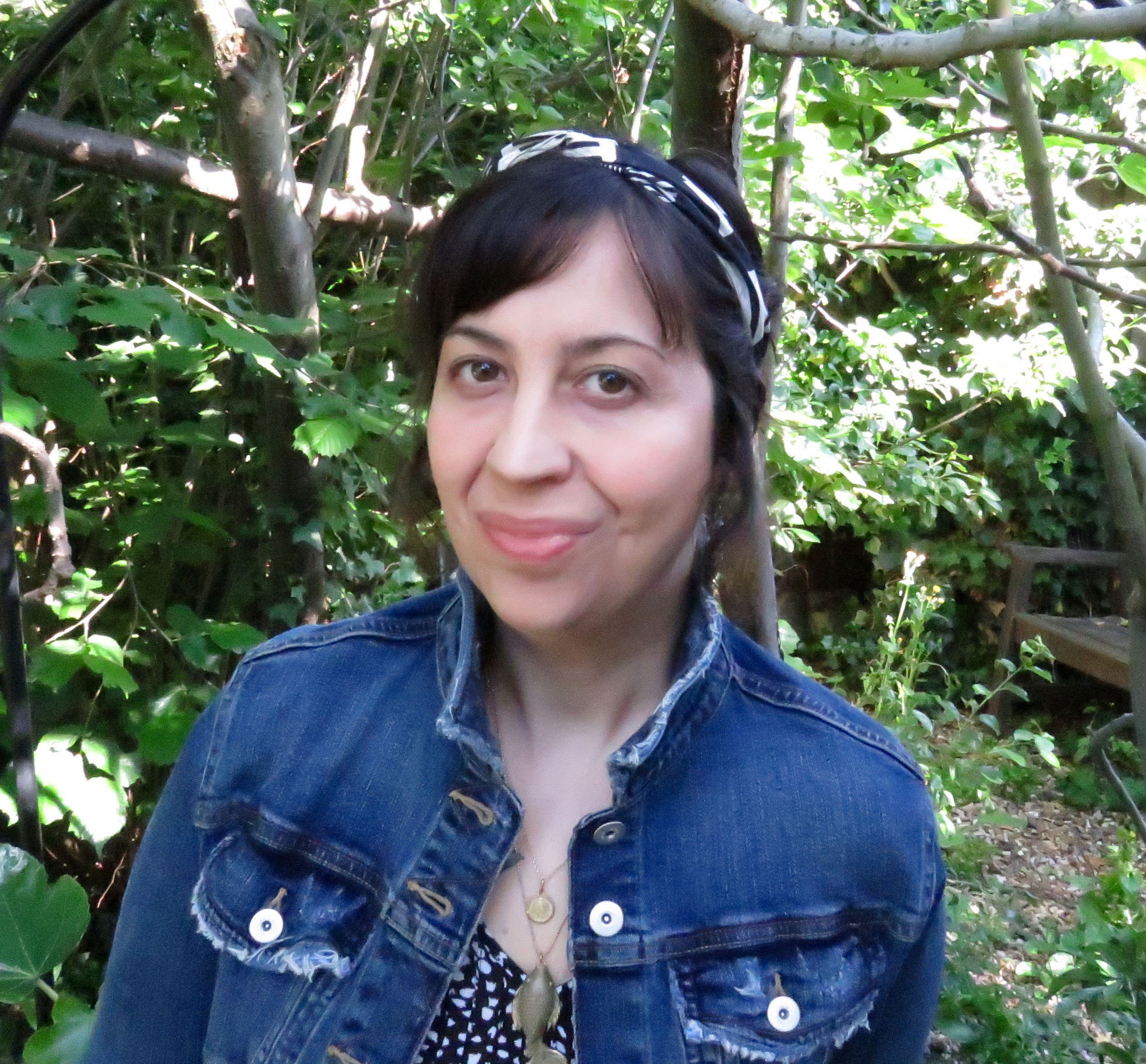
Marian Womack is a bilingual writer, born in Andalusia and raised in the UK. She is a graduate of the Clarion Writers Workshop and the Creative Writing Masters at Cambridge University. She works for Cambridge University libraries, and her professional background is in academic libraries, having worked at Glasgow University Library and the Bodleian. Whilst living in Spain, Marian worked as a translator, desk editor, fiction publisher, and bookseller. She now lives in Cambridge, UK. She tweets @beekeepermadrid.
Waiting on Wednesday 02/24/21
Posted on February 24, 2021 12 Comments

Waiting On Wednesday” is a weekly meme that first originated at Breaking the Spine but has since linked up with “Can’t Wait Wednesday” at Wishful Endings now that the original creator is unable to host it anymore. Either way, this fun feature is a chance to showcase the upcoming releases that we can’t wait to get our hands on!
Mogsy’s Pick
Adrift by W. Michael Gear (June 1, 2021 by DAW)
It’s always exciting when Amazon alerts you that an author you follow will have a new book out, but even more so when you see it’s from one of your favorite series. I’m already so jazzed about returning to Donovan, and for the first time, it looks like we’ll be heading out to explore the seas!
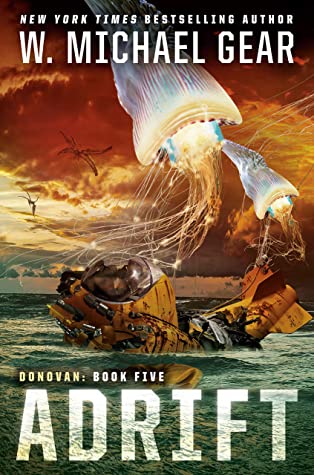 “The fifth book in the thrilling Donovan sci-fi series returns to a treacherous alien planet where corporate threats and dangerous creatures imperil the lives of the colonists.
The Maritime Unit had landed in paradise. After a terrifying ten-year transit from Solar System aboard the Ashanti, the small band of oceanographers and marine scientists were finally settled. Perched on a reef five hundred kilometers out from shore, they were about to embark on the first exploration of Donovan’s seas. For the twenty-two adults and nine children, everything is new, exciting, and filled with wonder as they discover dazzling sea creatures, stunning plant life, and fascinating organisms.
But Donovan is never what it seems; the changes in the children were innocuous–oddities of behavior normal to kids who’d found themselves in a new world. Even then it was too late. An alien intelligence, with its own agenda, now possesses the children, and it will use them in a most insidious way: as the perfect weapons.
How can you fight back when the enemy is smarter than you are, and wears the face of your own child?
Welcome to Donovan.”
Audiobook Review: The Bone Maker by Sarah Beth Durst
Posted on February 23, 2021 27 Comments
I received a review copy from the publisher. This does not affect the contents of my review and all opinions are my own.
The Bone Maker by Sarah Beth Durst
Mogsy’s Rating: 4.5 of 5 stars
Genre: Fantasy
Series: Stand Alone
Publisher: HarperAudio (March 9, 2021)
Length: 16 hrs and 35 mins
Author Information: Website | Twitter
Narrator: Soneela Nankani
The Bone Maker is the sort of book you don’t see too often, in that it features an “aftermath” story. That is, the battle of epic proportions has already happened. The good guys prevailed, while the evil villain was vanquished forever. Everyone rejoiced and went home happy.
Or did they? Twenty-five years ago, a renegade bone maker named Eklor used his corrupted magic to raise an army of monsters against the realm. Five heroes, led by their leader Kreya, managed to defeat him but at a great cost. Only four of them came out alive, and the fallen was none other than Kreya’s beloved husband Jentt. As the rest of the world celebrated the survivors, celebrated their victory, Kreya retreated into solitude with her grief.
But what no one knew was that Kreya had a plan, one that could destroy her if she was discovered. For Jentt’s body had not been burned according to tradition, which was designed to prevent human bones from being collected and worked by magic. Any bone maker caught doing so would be committing the highest crime of their order, but that was exactly what Kreya had in mind. Before his death, Eklor had developed a method using human bone to resurrect the dead, and unbeknownst to all, Kreya had stolen away his grimoire and perfected the spell. All this time, she had kept Jentt’s body with the goal of one day bringing him back to life.
Still, human bones being so difficult to come by, she had never been truly successful, bringing him back for only days at a time. For the spell to last, she will need a large store of bones, and there is only one like that in existence—the very battlefield where Eklor was defeated all those years before. Problem was, getting there will be dangerous, not to mention an unforgivable violation of the law. For her to have any chance to succeed, Kreya will need help. But after so long, will any of her old comrades still heed her call, especially once they find out what she’s been up to?
Not too many authors can pull off a story like this, but I was confident that if anyone could, it would be Sarah Beth Durst. I’ve been a huge fan since The Queen of Blood, and once again she has shown me why I adore her work. One of the reasons why The Bone Maker works so well is its concept. Sure, the beginning of the book may have a “postscript” feel of sorts, but once readers are introduced to Kreya and her current dilemma, we are quickly made to care about her new purpose. For even though the great battle against Eklor happened a quarter of a century ago, the tale unfolding now is a more personal one. After all, we don’t often get stories about what the heroes get up to after the final showdown, but Durst explores a possible outcome that is not so glorious, where the winners don’t all get to live happily ever after.
Another reason why I think this story has legs is the way it flowed, almost like a great season of a TV show, in an episodic fashion. Once a conflict was resolved, another one would swiftly arise and continue the momentum of the plot. Past and present ultimately came together, filling in the gaps of the last twenty-five years and beyond, including world-building details and specifics related to the fascinating bone-based magic system. Gradually, it was revealed that maybe things hadn’t ended the way our heroes thought at all.
Of course, I would also be remiss if I didn’t mention the characters. A middle-aged widow, Kreya isn’t your exactly your typical epic fantasy heroine, though writing unconventional albeit ferociously strong and well-developed female protagonists happens to be Durst’s forte. Case in point, I didn’t always agree with Kreya’s motivations and actions, but I could understand where they came from, thanks to the incredible layers of nuance woven into her character. Along the way, we also got to meet her old team, in a process that was very reminiscent of Kings of the Wyld. While each member had moved on, achieving various levels of success and stability (or lack thereof), all of them were affected by the war in some way. As far as “old gang getting back together” stories go, this one wasn’t anything too different, but the unique backgrounds and personalities of all those involved kept things fresh and interesting.
I know that I say this about pretty much all of the author’s books, but you really must read The Bone Maker to experience the wonder and surprises for yourself. Sarah Beth Durst has managed to pull off a challenging narrative by putting her characters first, building a riveting story around their lives while imbuing past and the present with the weight of history and complex magic. Truly, I never wanted this journey to end.
Audiobook Comments: My hat’s off to Soneela Nankani, who gave a fantastic performance. I believe this might be my first audiobook with her narration, but I’ll certainly remember her the next time. An excellent listen, and highly recommended.

Guest Post: “Building Imaginary Architecture” by Michael Johnston
Posted on February 22, 2021 13 Comments
The BiblioSanctum is thrilled to welcome author Michael Johnston, whose King Lear inspired series The Amber Throne continues in The Silence of the Soleri. Out now from Tor Books, this sequel to his first book Soleri presents a detailed historical fantasy vast in scope and steeped in primal magic, and to celebrate its release, Michael has kindly shared with us a fascinating aspect of his research for his books. I hope you’ll enjoy checking it out!
BUILDING IMAGINARY ARCHITECTURE
by Michael Johnston
Let’s talk about imaginary architecture. When I think about it, that’s where I got my start as a fantasy author. Once upon a time, I wanted to be a paper architect, which is what we call the practitioners of imaginary architecture. So what exactly is a paper architect? Well, it’s a term for architects who spend their days drawing things they don’t intend to build. These works are more or less considered flights of fancy or philosophical propositions. Sometimes a bit of both. For the most part, the term paper architect is meant as a slight. Real buildings are made out of bricks and mortar. But I’m fine the notion of working on paper, it gives you a lot more freedom, and you don’t need to hire an engineer to make certain your buildings don’t fall down. Freed of the practical constraints of the profession, you can dream and create within whatever limits you set. That’s what interested me, and it’s also what led me out of architecture and into fiction.
I discovered that paper architects might have a few more things in common with science fiction and fantasy writers than they do with their fellow architects who work in the mainstream profession. And eventually, I thought fiction might be a better home for someone like me who prefers imaginary buildings in place of the real ones.
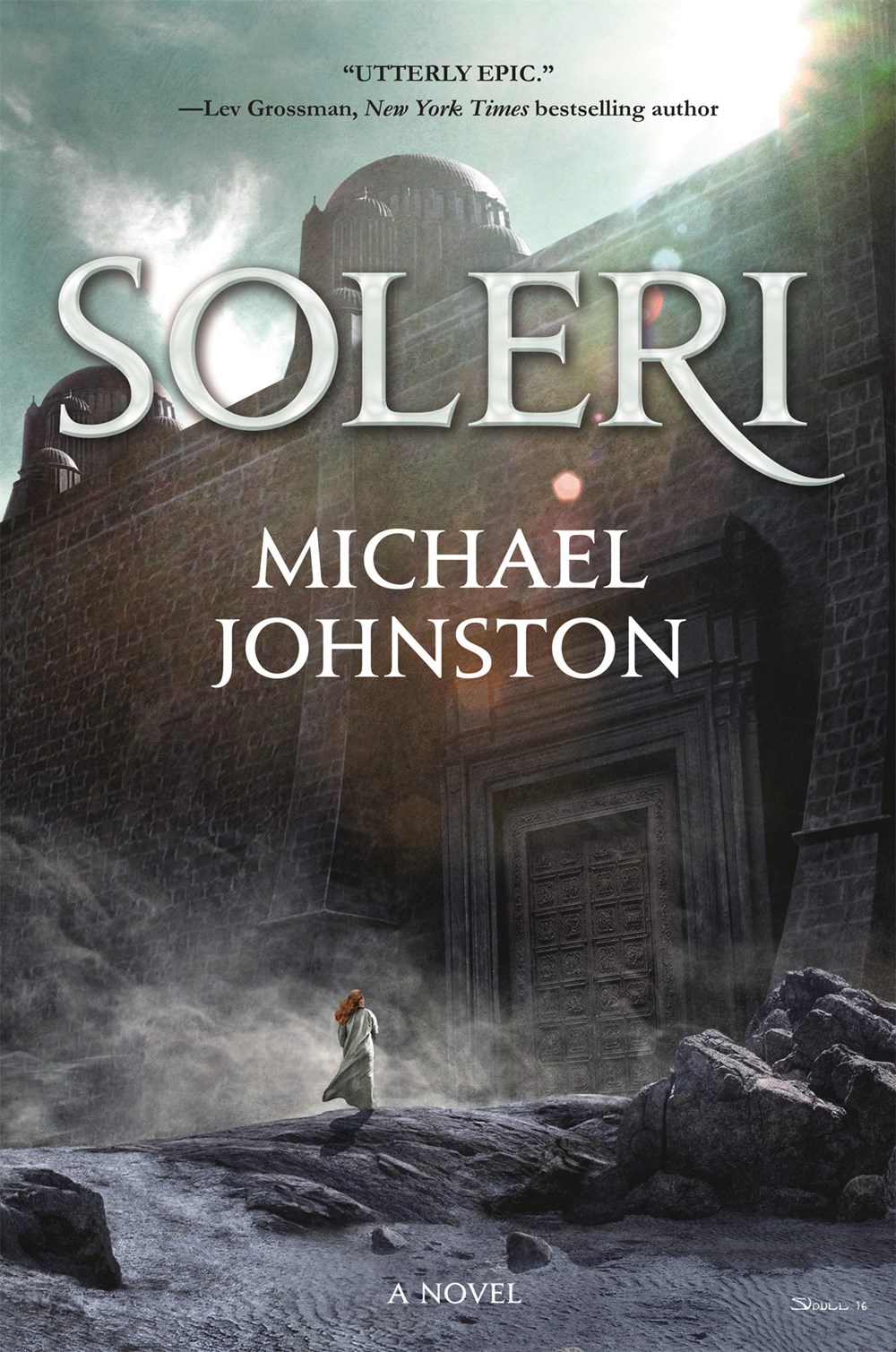
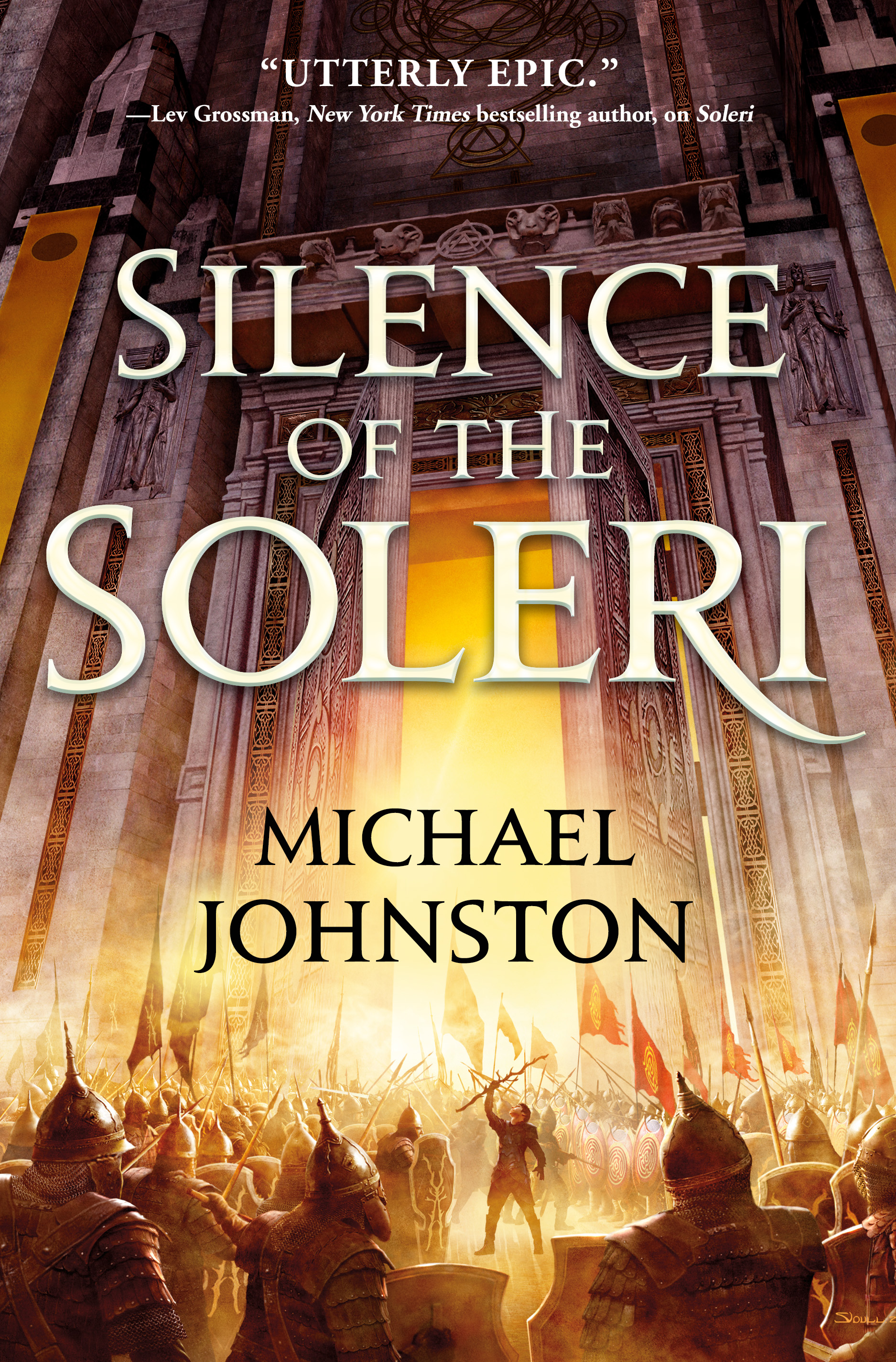
That’s was my thought processed as I moved from architect to author, and I can’t say I’ve heard of anyone else doing that, so perhaps that process is worth examining. When I first started writing I hoped that my architectural ideas might help inform my literary ones, that I could create a kind of architecturally inspired fiction. To understand what I was thinking when I first started working on Soleri, I’ll walk you through a brief and incomplete history of imaginary architecture, so you see what I’m talking about and understand this unlikely bridge I found between architecture and fantasy.
One of the earliest and most well-known of the “paper” architects was a guy who lived in the 18th century named Giovanni Battista Piranesi. Susanna Clarke recently made reference to him in her excellent novel of the same name, Piranesi. You should read it. Anyway, he created a series of etchings he called the Carceri d’invenzione (or, if you speak English, the ‘Imaginary Prisons’). Google it. If you want to know where M.C. Escher got the idea for his staircase drawings, look at Piranesi. These drawings don’t tell a literal story; rather, they suggest an idea for a place in an incredibly compelling way. For hundreds of years, they’ve inspired artists, architects, and writers to imagine dark and labyrinthine spaces, ones that are impossible to build. That last part inspired me the most; it’s something authors can do.
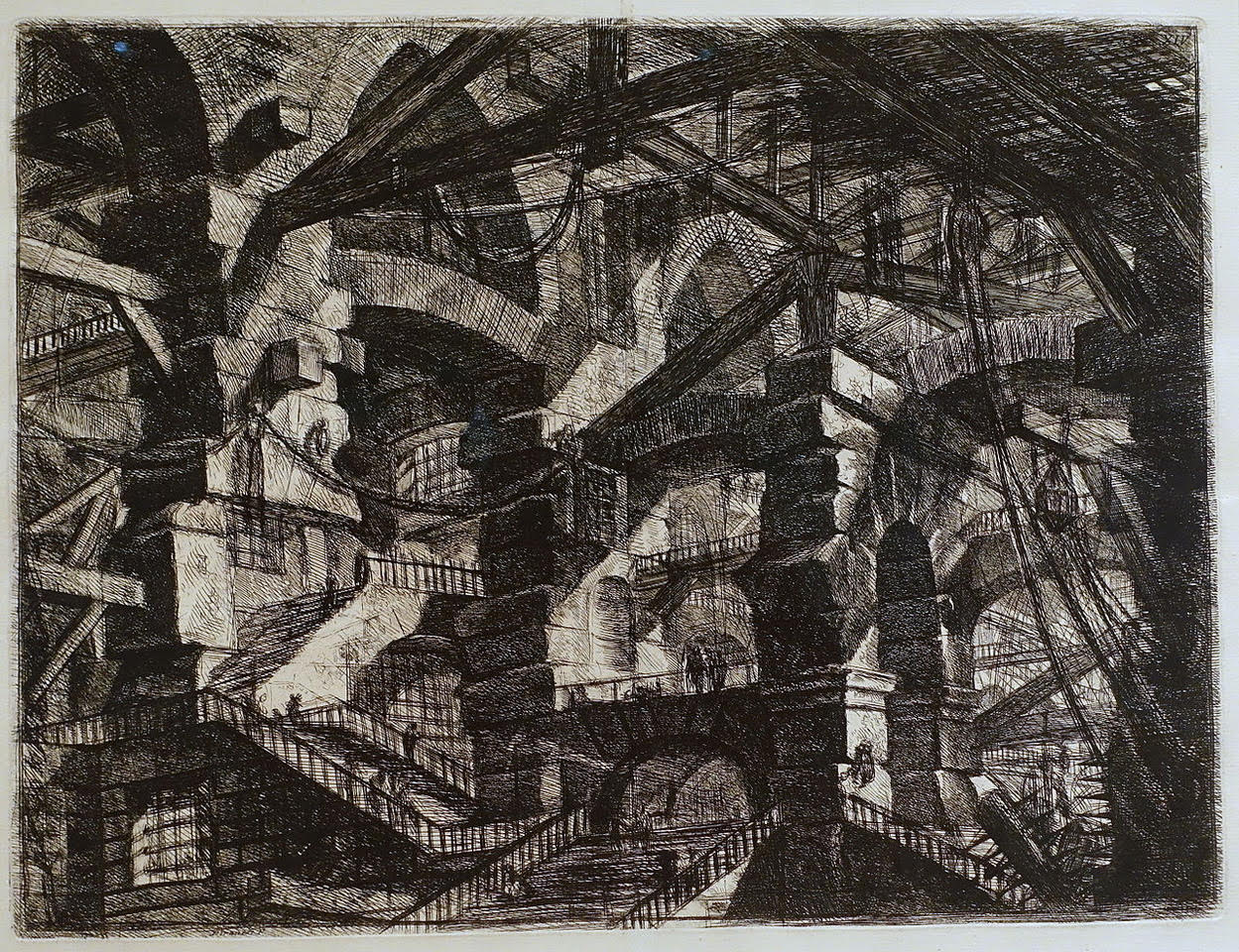
Piranesi: Carceri d’invenzione
Writers can suggest the impossible. That’s why novel writing is exciting for me: architects can’t really do this. In fact, it’s just about the opposite of what most of them do in daily practice. That’s probably why I found the practice of architecture a little boring. I preferred the “paper” architect approach.
Let’s talk about one more example: Étienne-Louis Boullée. He practiced something called architecture parlante or “talking architecture.” He and his contemporaries thought buildings could actually say things with their forms and compositions. His most famous building is probably his Cenotaph for Isaac Newton. Through several ingenious inventions, the large, hollow interior of the building replicates both a daytime and a nighttime sky. It’s worth a moment on Wikipedia—check it out. He thought buildings could communicate ideas, that they could speak. To me, that sounds like storytelling. The cenotaph tells the story of a day. Again, I found this idea to be a lot more compelling than my daily practice, which mainly involved things like making certain there was enough legroom in front of the toilet (trust me, this is drawn incorrectly all the time).
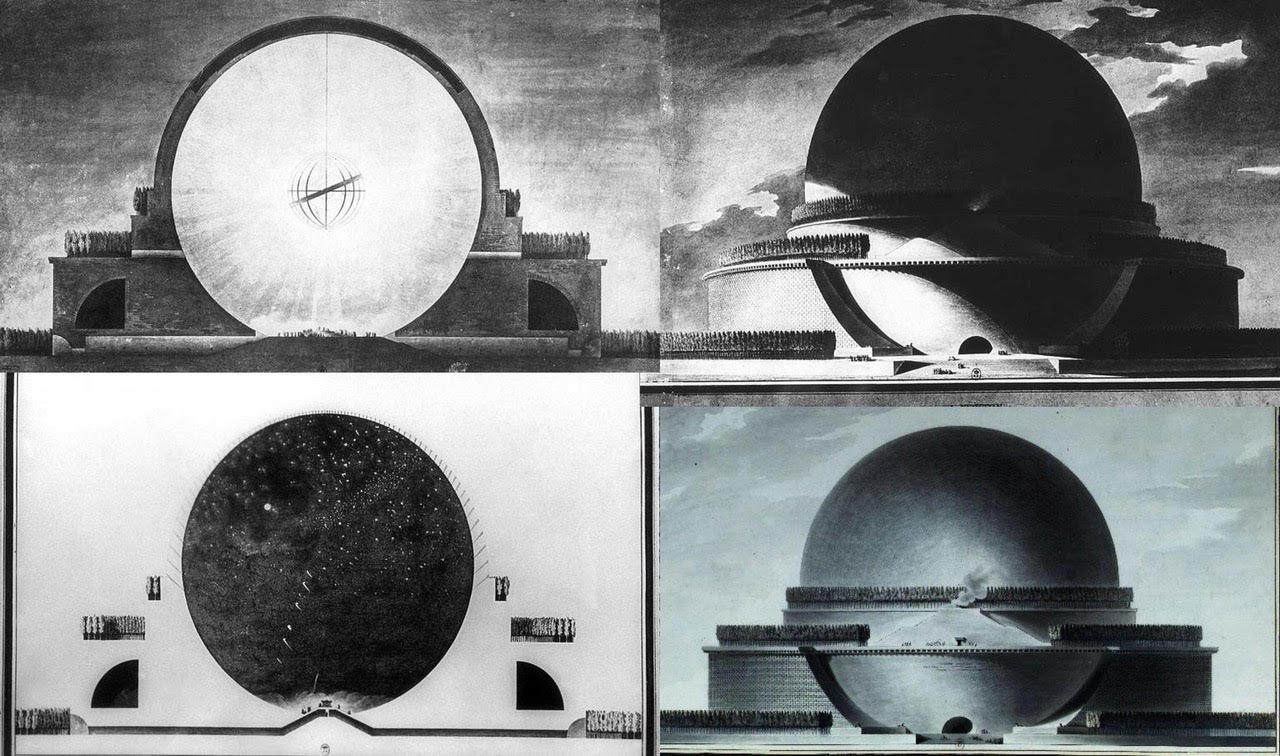
Étienne-Louis Boullée: Cenotaph for Sir Isaac Newton
You can probably see where I’m headed. I liked the narrative component of paper architecture. I’m a visual person, but I wanted to communicate ideas and tell stories that involved provocative and deeply compelling places, which is actually quite common in fantasy. It’s almost a cliché. You’ve probably heard a hundred different fantasy authors claim that their world was in fact a character, that the very place where the story was set was integral to the novel. This was the bridge I found between my old practice and my new one. I thought buildings could be the basis for a kind of mythology in the same way that traditional myths and stories inspire some fantasy authors. And if you read the Amber Throne novels, I think you’ll see some of these attempts I’ve made to do this as well as some of the actual buildings I’ve mentioned in this essay. They make a guest appearance or two, so check it out.
ABOUT THE AUTHOR
MICHAEL JOHNSTON has always been an avid reader of science fiction and fantasy. He studied architecture and ancient history at Lehigh University and earned a master’s degree in architecture from Columbia University. Michael worked as an architect in New York City before switching to writing full time. He lives in Los Angeles with his wife and daughter.
Book Review: The Future Is Yours by Dan Frey
Posted on February 21, 2021 25 Comments
I received a review copy from the publisher. This does not affect the contents of my review and all opinions are my own.
The Future Is Yours by Dan Frey
Mogsy’s Rating: 4.5 of 5 stars
Genre: Science Fiction
Series: Stand Alone
Publisher: Del Rey (February 9, 2021)
Length: 352 pages
Author Information: Website | Twitter
Two friends. One big idea. This is the story of Ben Boyce and Adhi Chaudry, a couple of geeky fanboys who met in college and bonded over a love of technology and science fiction. On the surface, they couldn’t be any more different in background and personality. Ben was a poor black kid who nonetheless grew up to have a big heart and an insatiable love for life and adventure, befriending people easily with his sociable and charming disposition. Adhi, on the other hand, came from an Indian immigrant family who instilled in him a strict work ethic, though being an introvert and socially awkward, he would have preferred studying and research to parties and going out anyway.
Both young men are brilliant on their own, but together as a team, they have what it takes to change the world. It all begins with Adhi’s graduate dissertation which none of his supervisors would take seriously, dismissing his vision of a new application for quantum computing as nothing more than a flight of fancy. Dejected, he confides in his best friend Ben, who ends up taking a very different view on his project. Despite having had two start-ups blow up on him already, Ben is confident he can find the connections and funding to help Adhi realize his revolutionary idea. Everyone will want a piece of the technology, Ben insists, and with it, they can also help the world in so many ways.
This is how, after much experimentation and trial-and-error, the two men end up launching a groundbreaking new service which would allow users to peer into the future with a special computer that can connect to the internet one year from now. From stock market prices and sports scores to natural disasters and political elections, the device predicts everything perfectly. In fact, Ben and Adhi already know their company will be a huge success because they have already tested their technology and seen the headlines—until, of course, their system encounters a glitch. If it turns out their computers cannot offer perfect prediction as they claimed, the impact on their company would be devastating. Just how far will they go to keep it a secret? And will it even matter in the end? After all, Adhi has a disturbing theory as to why their machines can only see one year into the future and no further, and if he’s correct, the world will have much bigger problems to worry about.
For me, this novel couldn’t have come along at a better time. I was in the mood for a fast and fun read, and The Future Is Yours is all that and more. Now, you probably wouldn’t think that a story involving quantum computing and such a convoluted system of time travel would be all that light, but in this case, I believe the science and technology was actually designed to be quite minimal and not really intended to stand up to much scrutiny, so it worked out well for me to simply take it all in with a grain of salt and go along for the ride.
As well, I was really more into this book for the story and its characters. One thing to know before going in is that The Future Is Yours is told in epistolary style, presented as a collection of documents including transcripts, emails, newspaper articles, blog posts, etc. I’ve always been a big fan of this method of storytelling even though few stories are actually ideal for it, which was why I was pleasantly surprised to find how well-suited this one was for the format. There were no awkward moments of immersion breaking or sneaky ways to work in some extra exposition. Everything simply flowed the way they were supposed to, another factor which helped make this one such an easy breezy read.
Plus, I knew going in that the focus of this novel was going to be about Ben and Adhi’s friendship, and Dan Frey did a phenomenal job developing both characters through the ups-and-downs of their journey from a dorm room at Stanford to the high-powered boardrooms of Silicon Valley. And while the story might be light on the science behind the ability to see through time, this is certainly not the case when it comes to the consequences of holding such power in your hands. Greed, ambition, and jealousy all play role in the relationship between our two protagonists, and it was amazing how the author tied in business, big tech, and even politics as a bulk of the story unfolds via a congressional hearing at which Ben and Adhi were called upon to explain the dangers behind their technology.
What can I say, but I just loved The Future Is Yours and found it to be an addictive read that kept me transfixed throughout. This might have been a case of the right book at the right time, but I also think it’s more than that. At its heart, this is a tale exploring the strength of friendship, with just the right amount of science fiction to establish its fascinating premise. I wish every book I picked up was so entertaining.
Bookshelf Roundup: 02/20/21: Stacking the Shelves & Recent Reads
Posted on February 20, 2021 21 Comments
Bookshelf Roundup is a feature I do every weekend which fills the role of several blog memes, like Stacking the Shelves where I talk about the new books I’ve added to my library or received for review, as well as It’s Monday! What Are You Reading? where I summarize what I’ve finished reading in the last week and what I’m planning to read soon. Mostly it also serves as a recap post, so sometimes I’ll throw in stuff like reading challenge progress reports, book lists, and other random bookish thoughts or announcements.
Received for Review
My thanks to the publishers and authors for the following review copies received, and be sure to click the links to their Goodreads pages for more details and full descriptions!

More surprise book mail this week! With thanks to Saga Press for a finished copy of Machinehood by S.B. Divya, which I’ve seen described as a pretty heavy-concept sci-fi thriller about artificial intelligence in a future where the population is ever increasing its dependence on technology. I haven’t decided if I want to read this yet, but I’ll definitely keep it in mind if I’m ever in the mood for a more cerebral read.
Also thanks to Tachyon Publications for an ARC of this super fun looking Middle Grade book called Jillian vs. Parasite Planet by Nicole Kornher-Stace. This one is probably going to go to my daughter, who might be up for doing another guest review. I do love that the publisher also included a bag of gummi crawlers in the package though, haha! That, I’ll be keeping for myself. 😉
And many thanks also to Ballantine Books for sending along Forget Me Not by Alexandra Oliva, which I’m really excited to read! I had a great time with the author’s debut The Last One, so I’m curious to see how this one will stack up. Really hoping I’ll enjoy it just as much.

Just one audiobook in the digital haul this week, but it’s one I’m very much looking forward to listening to. Black Coral by Andrew Mayne is the sequel to The Girl Beneath the Sea in the author’s new mystery-thriller series about underwater crimes related investigation. I love his work and will read anything writes! Thank you, Brilliance Audio!
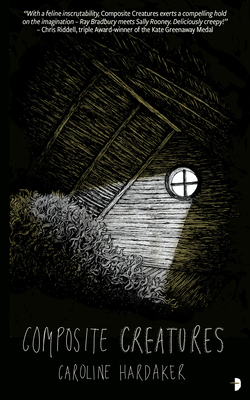
A couple of NetGalley widgets also hit my inbox this week. With thanks to Angry Robot for Composite Creatures by Caroline Hardaker, an atmospheric tale set in a near-future dystopia, and Ballantine Books for Project Hail Mary by Andy Weir, a scientific mystery of adventure and survival. I can’t wait to read this one!
Reviews
The Power Couple by Alex Berenson (4 of 5 stars)
The Minders by John Marrs (3.5 of 5 stars)
A History of What Comes Next by Sylvain Neuvel (3.5 of 5 stars)
Star Wars: Into the Dark by Claudia Gray (3.5 of 5 stars)
This Week’s Reads

Have you heard of or read any of the books featured this week? What caught your eye? Any new discoveries? I hope you found something interesting for a future read! Let me know what you plan on checking out. Until next time, see you next Roundup!
Friday Face-Off: Serpentine
Posted on February 19, 2021 19 Comments
Welcome to The Friday Face-Off, a weekly meme created by Books by Proxy! Each Friday, we will pit cover against cover while also taking the opportunity to showcase gorgeous artwork and feature some of our favorite book covers. If you want to join the fun, simply choose a book each Friday that fits that week’s predetermined theme, post and compare two or more different covers available for that book, then name your favorite. A list of future weeks’ themes are available at Lynn’s Book Blog.
This week’s theme is:
~ a SERPENTINE cover
Mogsy’s Pick:
Ninth House by Leigh Bardugo
Ninth House was marketed as Leigh Bardugo’s adult debut, and in this book, she makes no bones about tasting this new freedom and spreading her wings, going bolder and darker than she’s ever gone before. Centered around a college setting, many of the novel’s themes deal with new adult issues—starting a new life, striking out on one’s own, dealing with many of the difficult transitions that come with becoming self-reliant and independent. But in Bardugo’s world of secret societies and dark magic, there are also monsters of both the fantastical and early variety.
Let’s take a look at the covers:
From left to right:
Flatiron Books (2019) – Gollancz (2019) – German Edition (2020)
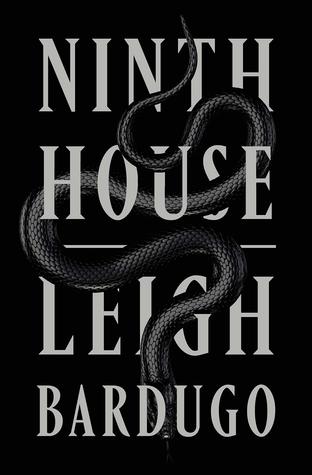
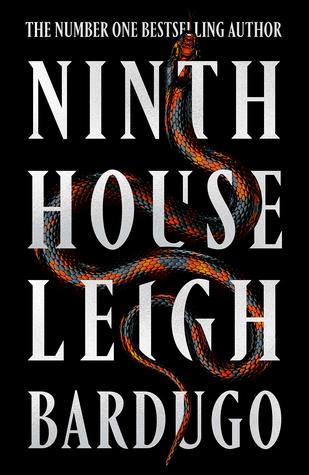

Dutch Edition (2020) – Polish Edition (2020) – Romanian Edition (2020)



Winner:
Snakes, snakes, and more snakes! In fact, it seems most of these covers went with the entwined text theme with the only variation being the kind and color of snake you got. For this reason, I picked the Polish edition as my favorite, since it alone kept the slithery snake motif but presented it in a more interesting and artistic way.
But what do you think? Which one is your favorite?


 The BiblioSanctum