Bookshelf Roundup: 03/20/21: Stacking the Shelves & Recent Reads
Posted on March 20, 2021 18 Comments
Bookshelf Roundup is a feature I do every weekend which fills the role of several blog memes, like Stacking the Shelves where I talk about the new books I’ve added to my library or received for review, as well as It’s Monday! What Are You Reading? where I summarize what I’ve finished reading in the last week and what I’m planning to read soon. Mostly it also serves as a recap post, so sometimes I’ll throw in stuff like reading challenge progress reports, book lists, and other random bookish thoughts or announcements.

Received for Review
My thanks to the publishers and authors for the following review copies received, and be sure to click the links to their Goodreads pages for more details and full descriptions!

With the mail services picking up in my area again, Engines of Oblivion by Karen Osborne was an early February release that I was happy to see turn up! This is the sequel to Architects of Memory which I read last year, and it’d be cool to continue the story. With thanks to Tor Books for the review copy, as well as the following ARCs: The Library of The Dead by T.L. Huchu and The Blacktongue Thief by Christopher Buehlman. Both are on my most-antipated releases for this year and I can’t wait to read them!
Thank you also to kind folks at Minotaur Books for a review copy of The Lost Village by Camilla Sten. This one certainly looks spooky and I look forward to seeing if this “disturbing thriller” will deliver. Also thanks to Redhook for a surprise ARC of The World Gives Way by Marissa Levien, a dystopian novel that has recently landed on my radar, so its arrival was rather serendipitous. And rounding out this week’s arrivals, I also want to thank Titan Books for a review copy of Black Panther: Tales of Wakanda edited by Jesse J. Holland, a collection of stories featuring the Marvel superhero by a lineup of award-winning authors. You know me, I’m all about the comic book tie-ins!
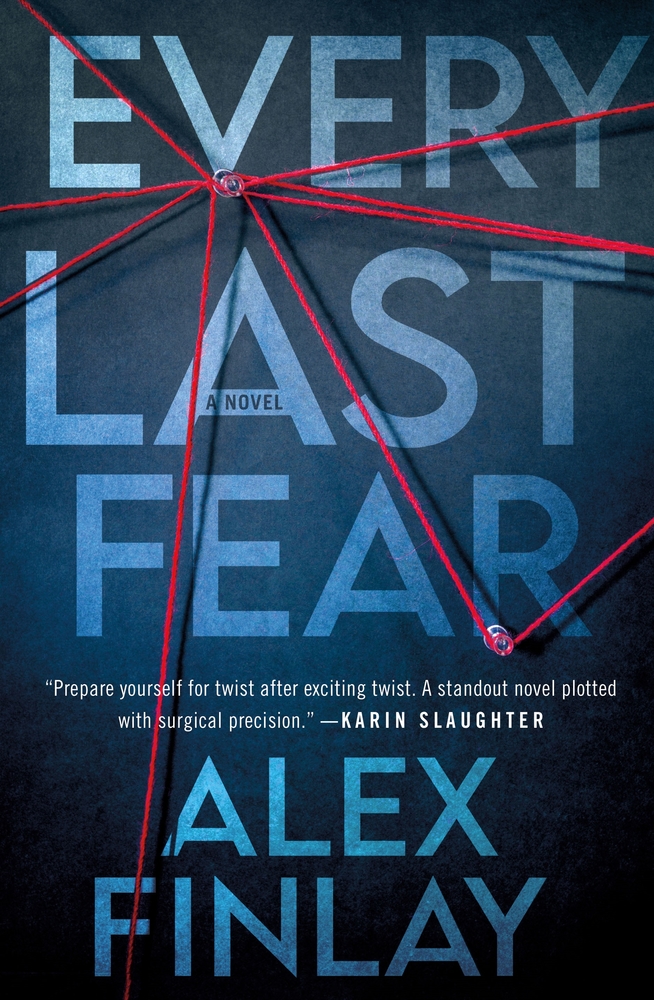

Just a couple of new titles in the digital haul this week, as I already have quite an audio review pile. Still, I jumped at the chance to check out Every Last Fear by Alex Finlay, and also Near the Bone by Christina Henry. Thank you to Macmillan Audio and Penguin Audio for the listening copies.
Reviews
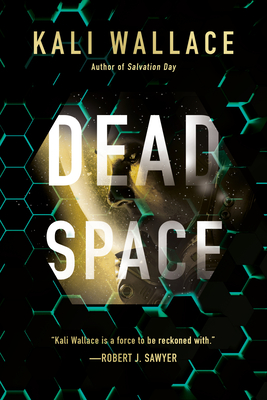
Dead Space by Kali Wallace (4.5 of 5 stars)
The Ladies of the Secret Circus by Constance Sayers (4 of 5 stars)
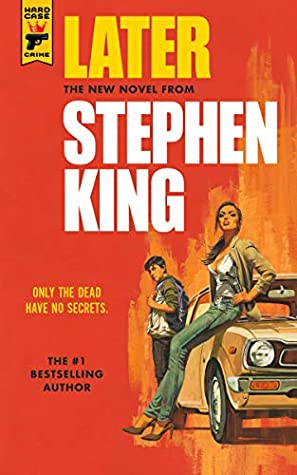
Later by Stephen King (4 of 5 stars)
The Sanatorium by Sarah Pearse (2.5 of 5 stars)
Roundup Highlights:
What I’ve Been Watching
So now that the kids are back in school for hybrid (yay!) and having some semblance of a routine again, I have been packing them off to bed early, leaving my husband and I more time in the evenings to explore a couple new series I’ve been curious about.
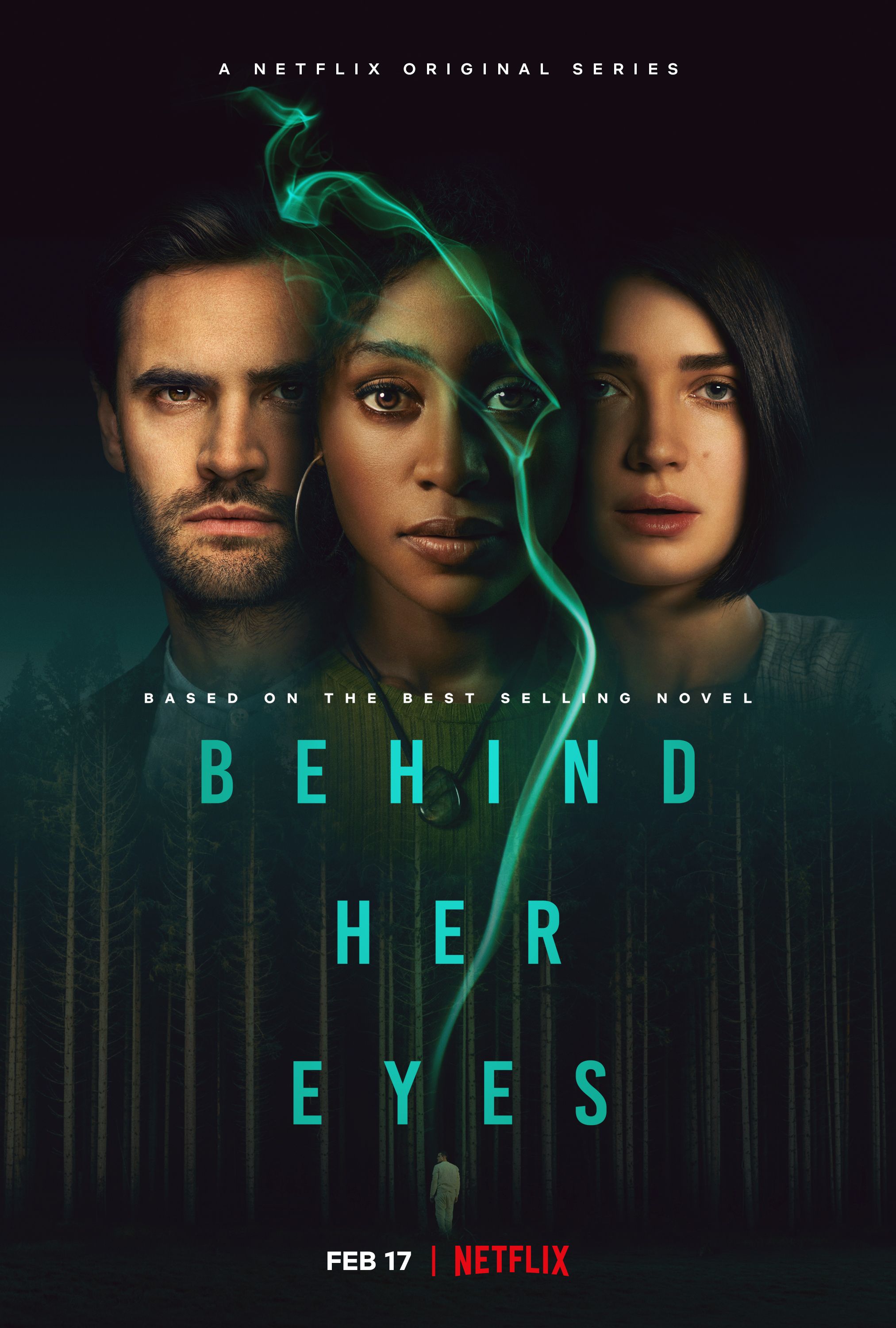
Earlier this month we finished Behind Her Eyes, a Netflix limited series based off of one of my favorite books by Sarah Pinborough. It’s been a several years since I read it though, and can you believe I had actually forgotten the twist ending?! Of course, it all came back to me about halfway through the series, which coincidentally was when things in the show started picking up. It seemed like they really dragged things out in the first three episodes, but then the rest was more in keeping with the energy of a fast-paced thriller. When all was said and done and I remembered everything again, I actually thought it was quite a well done, faithful adaptation.
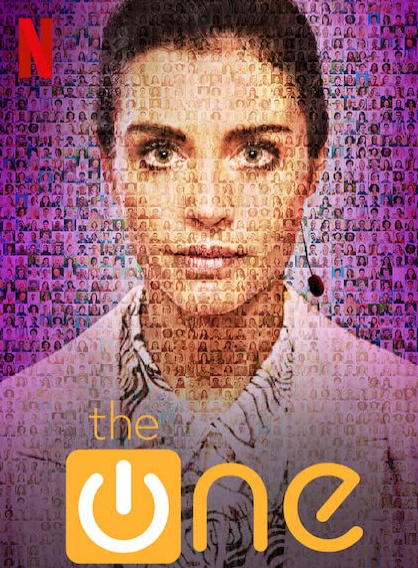
This week, we also watched The One, based on the novel of the same name by John Marrs. Though I haven’t read the book, I did read The Passengers and more recently The Minders which are stories set in the same world, so a lot of the premise to The One did leak through, giving me just enough of a clue to be curious about the new 8-episode series. It’s based around an idea that I found completely ridiculous on the page, but something about it made me think it would work a lot better on the screen. It ended up being pretty entertaining, in a guilty-pleasure sort of way, as expected.
Have you watched any of these, or do you plan to? If so, what did you think?
What I’ve Been Reading


Have you heard of or read any of the books featured this week? What caught your eye? Any new discoveries? I hope you found something interesting for a future read! Let me know what you plan on checking out. Until next time, see you next Roundup!
Friday Face-Off: Ruins
Posted on March 19, 2021 17 Comments
Welcome to The Friday Face-Off, a weekly meme created by Books by Proxy! Each Friday, we will pit cover against cover while also taking the opportunity to showcase gorgeous artwork and feature some of our favorite book covers. If you want to join the fun, simply choose a book each Friday that fits that week’s predetermined theme, post and compare two or more different covers available for that book, then name your favorite. A list of future weeks’ themes are available at Lynn’s Book Blog.
This week’s theme is:
~ a cover featuring RUINS
Mogsy’s Pick:
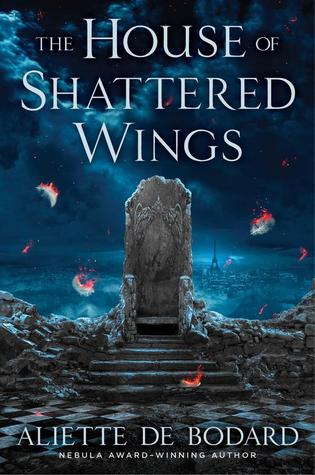
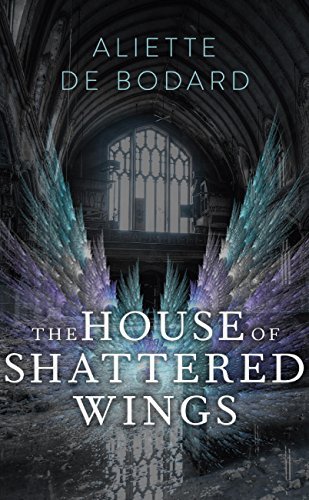
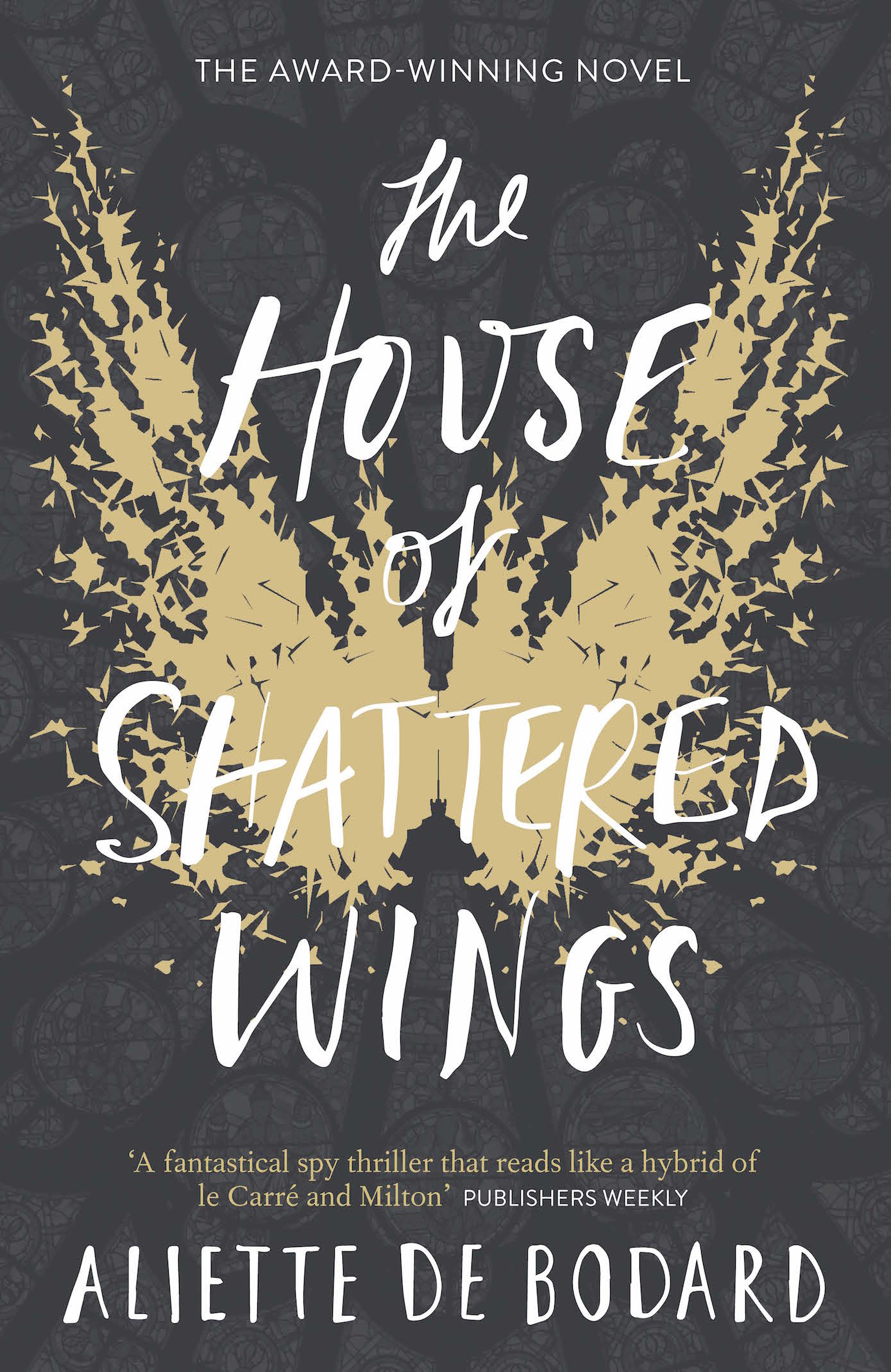
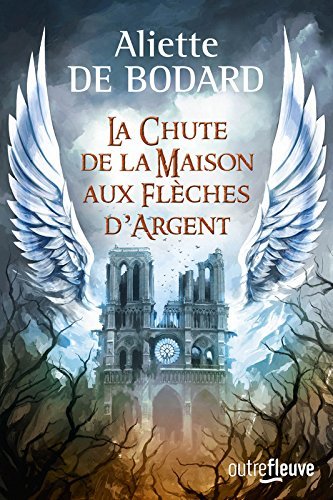
The House of Shattered Wings by Aliette de Bodard
It all begins with a fallen angel. The War in Heaven has come to Paris – or what’s left of it. The proud city is a ruin now, the once beautiful Seine clogged with the ashes of the dead and destroyed. House Silverspires, which used to be one of the most powerful Fallen factions, has followed Paris’ downfall into decay and disarray. It is thought that the House’s founder Morningstar has abandoned them, or he may be dead; either way, the fate of Silverspires now rests in his protégé Selene’s hands. And Selene, while she’s no Morningstar, is trying to do her best to keep her people safe as a sudden string of uncanny deaths strikes those with ties to her House.
Let’s take a look at the covers!
From left to right:
Roc (2015) – Gollancz HC (2015) – Gollancz PB (2016)
German Edition (2017) – French Edition (2017) – Blackstone Audio (2015)

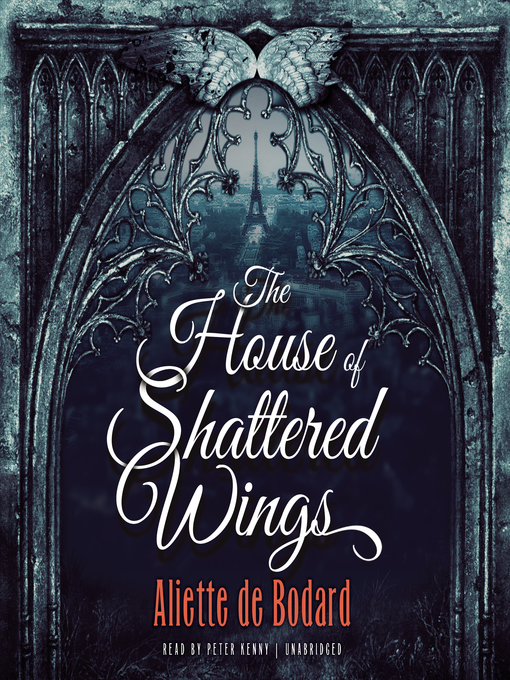
Winner:
Wow, what a dark set of covers! Here I think a little brightness might actually help highlight the ruined city, which I enjoy as a visual theme as much as I do the angel wings. The French edition it is!
But what do you think? Which one is your favorite?
Book Review: The Ladies of the Secret Circus by Constance Sayers
Posted on March 18, 2021 22 Comments
I received a review copy from the publisher. This does not affect the contents of my review and all opinions are my own.
 The Ladies of the Secret Circus by Constance Sayers
Mogsy’s Rating: 4 of 5 stars
Genre: Fantasy, Historical Fiction
Series: Stand Alone
Publisher: Redhook (March 23, 2021)
Length: 448 pages
Author Information: Website | Twitter
I discovered a lot of new authors last year, and so far I have not been disappointed by the subsequent works they’ve put out, with Constance Sayers being the latest on this list. I loved her debut A Witch in Time and I am pleased to say she delivers a shining sophomore novel in The Ladies of the Secret Circus.
Told in distinct sections separated by time and place, our story first begins in Virginia in the year 2005 where protagonist Lara Barnes is excitedly preparing for her wedding to Todd Sutton, the love of her life. But on the big day, Todd is a no-show. While initially everyone believed this to be a case of the groom getting cold feet, a humiliated Lara has never accepted this to be the truth. Sure enough, when Todd’s abandoned vehicle is found on a lonely patch of road known as Wickelow Bend, uneasy questions are brought to the surface by old-timers and residents familiar with their town’s history who know it is not the first time this has happened. Thirty years ago, another man disappeared under similar circumstances, their empty car also left on this exact spot.
As Lara begins her own investigations, her findings lead her to uncover more about her family’s magical history and involvement with an enchanted circus with roots that date back to 1920s Paris. An old journal belonging to her great-grandmother Cecile gives Lara glimpses into the past with its lush descriptions of a mysterious traveling troupe whose existence is only known to those lucky enough to receive a magic ticket. This was the world of Le Cirque Secret, whose performers beguiled audiences nightly with wondrous illusions and seemingly impossible feats. From beast tamers to trapeze artists, they all worked under the direction of their enigmatic ringmaster, Cecile’s father. As such, life within this hidden circus was all that she knew, until she fell in love with a charming young artist, sending the two of them down a twisted path of danger and dark magic.
Those who enjoyed A Witch in Time will find similar appealing elements here, I think. For one, there is a significant historical aspect, which is great because I believe this is an area in which Sayers excels. It is no exaggeration to say her prose has a way of sweeping you up and away into another sumptuous and beautiful world, especially when dealing with the sections set in early twentieth century Paris. The story also traces the lives of multiple related protagonists, and in this case, they are the intriguing women of Lara’s family line—mother Audrey, grandmother Margot, great-grandmother Cecile and her twin Esme. And finally, this ensemble would certainly not be complete without the captivating forces of mystery and romance, which The Ladies of the Secret Circus delivers in spades.
Transporting us back and forth between the two timelines, the author manages to weave together a narrative of love and loss that is at once fantastically epic but also surprisingly relatable. This is evidenced right from the first chapter, as Lara stands in front of the mirror altering her wedding dress with nothing but the power of her mind before Audrey arrives, the two sharing a moving mother-daughter bonding moment. The book is simply packed with everyday scenes like this that are touched by magic, but it’s the people and their emotional relationships that bring everything back down to earth and fill me with warm and fuzzy feels. I had a marvelous time following these characters in both modern times and in the past, and this novel is a rare instance where I really cannot say which storyline or POV I preferred because I sincerely enjoyed them all.
Perhaps you might also be wondering how such different people living in such disparate times and places might have anything to do with each other, and well, that’s the crux of it, isn’t it? I won’t go into too much detail, but what I will say is that, like everything else in this book, the answers involve a combination of the real and the paranormal. We have everything from the influence of demonic entities, magical bloodlines, and powerfully wrought illusions to a murder mystery, good old-fashioned detective work, and a thriller-style ending. It’s a wild blend of genres and themes guaranteed to both energize and satisfy. I can honestly say I did not see a couple of the twists coming.
Bottom line, I think experiences with The Ladies of the Secret Circus will depend highly on how you feel about the story’s structure and its mix of romance, mystery, and drama, not to mention the mashing up of the contemporary and historical, the mundane and the magical. If you enjoyed A Witch in Time though, there’s a good chance you’ll like this too! I’m definitely keeping Constance Sayers on my must-read authors list.


Waiting on Wednesday 3/17/21
Posted on March 17, 2021 15 Comments

Waiting On Wednesday” is a weekly meme that first originated at Breaking the Spine but has since linked up with “Can’t Wait Wednesday” at Wishful Endings now that the original creator is unable to host it anymore. Either way, this fun feature is a chance to showcase the upcoming releases that we can’t wait to get our hands on!
Mogsy’s Pick
The Seventh Queen by Greta Kelly (November 2, 2021 by Harper Voyager)
It’s still early in the year, but I have a feeling The Frozen Crown will remain in my list of favorite books of 2021, and certainly it’s still the most surprising gem and underrated book I’ve read this year. I’m so excited for the sequel so I we can get a resolution to that killer cliffhanger ending from the first book, and also for the series ending since this is a duology.
 “After the gasp-inducing cliffhanger ending of The Frozen Crown, the exciting conclusion to the epic story of Askia—a warrior, witch, and queen-to-be—as she confronts the monster that stole her throne…and is holding her prisoner to steal her magic.
The Empire of Vishir has lost its ruler, and the fight to save Seravesh from the Roven Empire is looking bleak. Moreover, Askia has been captured by power-hungry Emperor Radovan, who plans on making her his wife simply so he can take her magic as his own, killing her in the process. Aware of his ex-wives’ fates, Askia must find a means of avoiding this doom, not only for the sake of Seravesh, but now for Vishir as well. She must put both nations first and remember Ozura’s advice: you must play the game in order to survive. Askia was born a soldier, but now it’s time to become a spy.
But it’s hard to play a game where the only person who knows the rules wants to kill her.
And time is a factor. The jewel Radovan has put around her neck will pull her power from her in thirty days. Worse, Vishir might not even have that long, as the two heirs to the throne are on the verge of civil war. Without any hope for help from the south, without any access to her magic, alone in a hostile land, Askia is no closer to freeing her people than she was when she fled to Vishir. In the clutches of a madman, the only thing she’s close to is death.
Yet she’d trade her life for a chance to save Seravesh. The problem: she may not have that choice.”
Audiobook Review: Later by Stephen King
Posted on March 16, 2021 22 Comments
I received a review copy from the publisher. This does not affect the contents of my review and all opinions are my own.
Mogsy’s Rating (Overall): 4 of 5 stars
Genre: Horror
Series: Stand Alone
Publisher: Simon & Schuster Audio (March 2, 2021)
Length: 6 hrs and 32 mins
Author Information: Website | Twitter
Narrator: Seth Numrich
Oh, how great it is to feel excited about a Stephen King book again! Because I’ll tell you, the last ten years or so, it has been hit or miss. But Later feels different. It’s a lighter read, for one, in terms of page length if not in subject. And if that cool looking vintage style cover wasn’t clue enough, the story also has a bit of that old-school vibe.
Meet Jamie Conklin, a boy who sees dead people. This is his story of his childhood growing up raised by single mom Tia, owner of a struggling literary agency in New York City. The two of them have kept his special abilities a secret ever since their neighbor’s wife died, when Jamie discovered that not only can he see the lingering spirits of the recently deceased, but he can speak to them as well. And as it turns out, when asked a question, the dead can’t lie. This was when Tia realized that her son’s unusual gift can be used for good or ill, and that if anyone ever found out, it could put his life in danger. Hence, they swore to tell no one.
The day Jamie found out that his mother had broken her promise though, a panicked Tia had picked him up from school, and her girlfriend, NYPD Detective Liz Dutton, had driven them all out to the remote cottage belonging to bestselling author Regis Thomas. The famous writer and his books had been the only reason Tia’s company had been able to keep its head above water, and just barely at that. But now, he was dead, and right before he was supposed to write the final volume to his epic masterpiece, the Roanoke Saga series, the one where readers were supposed to get all the answers. No one, however, except Tia knew that Regis had only begun work on his latest novel. Having copy edited his work for many years, she was convinced she could finish the book herself, if only she knew what it was going to be about. That was where Jamie came in. And of course, having facilitated the ensuing meeting between him and ghost-Regis, Liz Dutton had to be let in on the truth of the boy’s powers—a mistake that would haunt our protagonist for the rest of his life. Quite literally.
Personally, I found Later to be one of King’s more readable works, and so much of this due to the voice of Jamie, recounting this tale as an adult. As someone who grew up around writers and books, he was a precocious, well-read child who understood early on what it meant being able to see dead people. Perceptive and also smart enough to keep circumspect lest he gets carted off and locked away forever, young Jamie was good at managing his emotions, far better than I would have been at this age, if I’d been subjected to some of the gruesome sights he’s seen (the dead appear to him as they are the moment they died, wearing the same clothes and, in some cases, bearing the same injuries from the accidents or acts of violence that might have killed them). Keep in mind too, that he’s bearing the burden of his secret alone—no siblings or close friends to confide in, and he keeps most of his troubles from his mother, as not to stress her out. Yet in spite of the whirlwind of his life, the tone of his narration was personable and authentic, and that went a long way in helping me fly right through this book.
Furthermore, as Jamie himself tells us repeatedly, this is a horror story, and you know how much I enjoy those. That being said, I didn’t find this one too scary. Creepy in some places, maybe, but for the most part, the frights ran towards being more of the thrilling, adrenaline-fueled sort. And that was just fine with me. I loved it when the story moved into the exciting, unputdownable territory. Plus, King being King, he knew how to spread the action around, injecting some of the quieter, introspective moments in between, the kind that give his books a certain something—that special spark of brilliance that brings the reader closer to his characters and therefore drawing you deeper into the story.
If I had one complaint, it would be the ending. We’re left with a bombshell of a revelation, dropped on us right in the denouement. Only an author of Stephen King’s caliber could have gotten away with a move so bold, but I can’t even go into detail about it because it’s a massive spoiler. Still, it was information that would have affected Jamie in a big way, yet it was almost casual the way it was discussed and then brushed aside like an afterthought before—BOOM—the last page. In fact, the end came so abruptly that when the credits rolled (so to speak) on the audio edition I was listening to, I had to double check my player to make sure it didn’t skip any chapters or that I had downloaded all the parts. All I can hope is that we haven’t seen the last of Jamie Conklin. I would love to get another story with our boy who sees ghosts, and the good news is, considering the way this one still leaves a few loose ends hanging, I think chances are high that the ending was not a “Good bye” but merely a “See you…later.”
As for my thoughts on the audiobook, holy crap, it was awesome. I was not familiar with Seth Numrich as a narrator before this, but he was certainly the perfect choice for this novel as he perfectly captured the astute and witty voice of our protagonist recounting all the emotion and drama of his childhood. Then there are his voices and accents, from his portrayal of Liz Dutton to the various ghosts, demons, and bad sorts who make an appearance. While the story itself was great, it was superb voice acting that made this audiobook an intensely addictive listen.
Audiobook Review: Dead Space by Kali Wallace
Posted on March 15, 2021 23 Comments
I received a review copy from the publisher. This does not affect the contents of my review and all opinions are my own.
Mogsy’s Rating: 4.5 of 5 stars
Genre: Science Fiction, Mystery
Series: Stand Alone
Publisher: Penguin Audio (March 2, 2021)
Length: 9 hrs and 1 min
Author Information: Website | Twitter
Narrator: Abby Craden
An excellent combination of the crime mystery and science fiction genres, Dead Space was absolutely brilliant, and I believe readers who enjoy a thriller element to their stories will find this one especially rewarding.
As well, we have an interesting protagonist with a complex history at the helm. As the novel opens, we are introduced to Hester Marley, a scientist whose life’s dreams were ripped away by a catastrophic incident that leaves her severely injured and bankrupt from medical procedures used to heal and reconstruct her. Now she works as a security officer for a powerful mining corporation with an operation in the asteroid belt, simply trying to remain inconspicuous and make ends meet.
But pretty soon, her plans are shot to hell once more as a former colleague is found violently murdered. In truth though, David Prussenko was more than just a co-worker. To Hester, he was also a close friend as well as a fellow victim of the attack that left her life in ruins. Even more devastating, she and David had just reconnected mere hours before his body was discovered, because he had wanted to share with her a shocking discovery related to their past work and history. Even without the intense pressure from her superiors to catch the killer, Hester is now doubly motivated to solve the mystery, driven by her desperate need to know the truth. What had David wanted to tell her, and could it have been related to his murder?
Dead Space was my second novel by Kali Wallace, and I loved Salvation Day, so I had high hopes for this claustrophobic and dangerous locked room murder mystery which, amazingly enough, unfolds over the course of about a day on pretty much this one asteroid mine. Everything about its fantastic premise was screaming at me to read it, read it, read it, and I’m happy to report that the book met my expectations and more.
A lot of this had to do with Hester, whose character depth and development were nothing short of extraordinary. Our protagonist is a burned out and jaded version of the hopeful scientist she used to be, which we were able to glimpse in occasional flashbacks showing a happier and more vibrant young woman. But the disaster that maimed her and killed most of the other ship passengers had left Hester with the burden of survivor’s guilt and effectively a lifetime of indentured servitude to pay off her medical bills. Worse, the implants and prosthetics with which they replaced her missing limbs had the result of making her feel even more untethered to the person she once was.
Many in her position would have given up, allowing the darkness to swallow them whole, but our Hester is definitely not a quitter. In fact, we are treated to frequent moments of optimism, usually related to her positive memories of David or her past work in the field of AI research. She is also determined worker, and damned good at her job. Under that sullen exterior is someone who truly cares about justice, even if she hadn’t had a personal connection to the murder investigation.
The plot is also propelled by insistent pacing, with practically no downtime at all. Yet never once did I feel rushed or that the narrative was lacking in explanation. On the contrary, Wallace is not an author to skimp on the details. Balancing world-building and storytelling, she establishes a solid foundation for darkly appealing mystery with not only the procedural aspects but sci-fi ingredients as well, like artificial intelligence and survival in space. The momentum continuously builds until before you know it, we’re speeding along with the speed and force of a runaway train. All of it culminates in a tremendous finale, one full of deadly surprises and stunning reveals.
Needless to say, I loved Dead Space and it is my hope that Kali Wallace, who has written books in many genres and age categories, will continue in adult sci-fi thrillers for a little while longer. I want more—more of her superb characters, her astonishing stories set in space, and those terrifying and atmospheric settings she so vividly brings to life.
Audiobook Comments: The narrator was new to me, but the audiobook producers could not have found a better voice for Hester Marley in Abby Craden, who has earned herself a fan. I’ll be looking out for more of her performances in the future. Highly recommended listen.

Audiobook Review: The Sanatorium by Sarah Pearse
Posted on March 14, 2021 16 Comments
I received a review copy from the publisher. This does not affect the contents of my review and all opinions are my own.
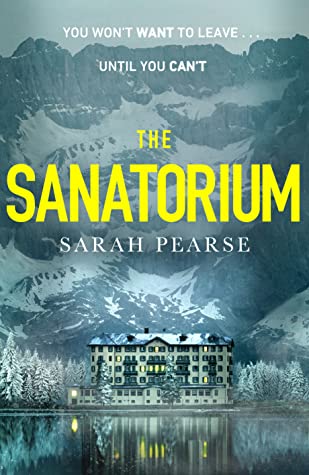
The Sanatorium by Sarah Pearse
Mogsy’s Rating (Overall): 2.5 of 5 stars
Genre: Mystery, Thriller
Series: Stand Alone
Publisher: Penguin Audio (February 2, 2021)
Length: 11 hrs and 58 mins
Author Information: Website | Twitter
Narrator: Elizabeth Knowelden
In general, I don’t think I demand a lot from thrillers. All I want is a storyline that can keep my attention—preferably the whole way through. However, this was unfortunately not what I got from The Sanatorium. The book had its high points, but sad to say, on the whole it did not live up to my expectations.
The story follows former detective Elin Warner, who has just arrived at an isolated hotel situated in the Swiss Alps with her boyfriend Will. Still recovering from a traumatic incident during the last case she worked, the last thing Elin wanted to do was to travel so far, but her brother Isaac had just gotten engaged and she and Will were supposed to meet him and his fiancée to celebrate.
Of course, it doesn’t help that Elin and Isaac are not on the best of terms. Many years ago, their younger brother Sam drowned in what everyone said was a tragic accident, but the family never recovered from the loss. Worse, Elin suspects that Isaac may have had something to do with Sam’s death. This getaway was supposed to be her and Will’s chance to grow closer and decide the next step of their relationship, but instead, Elin is determined to finally force the truth out of Isaac about what really happened to Sam.
Before Elin can get far in her quest though, something terrible happens. Isaac’s fiancée Laure goes missing, sending Elin into detective mode. As a storm rolls in, cutting the hotel off from any help, the claustrophobia grows, and panic begins to set in among the staff. Elin’s first instinct is to suspect her brother, whom she still does not trust, but he appears to be just as distraught as everyone else. And then the first body is found…
Ah, the mystery thriller set in a snowbound setting, one of my favorite genre tropes! I had such high hopes for The Sanatorium, so to say I’m disappointed is an understatement. I mean, this wasn’t a bad book, but it wasn’t great either. Even from the start, the story struggled to sink its hooks into me. Elin was annoyingly two-dimensional and single-minded to point of recklessness, yet she seemed to be the only person with any agency among this cast of do-nothings, and this I found more exasperating than comforting.
Also, I hate to say it, but the plot suffered because two separate story threads were constantly fighting to dominate the reader’s attention, and in the end they both felt contrived. Elin’s suspicion of Isaac and the possible role he played in Sam’s death all those years ago was an interesting idea, but seriously, just how much was I supposed to care while people were literally being murdered left and right? You’d think the protagonist would come to her senses and realize there’s a better time and place to obsess about confronting her brother and resolving all these age-old hang-ups—you know, preferably when there’s not a crazed psychopath on the loose—but hey, that’s Elin for ya.
There was also a fair bit of repetition. I wouldn’t have minded the slow build-up so much if we didn’t always have to go through this cycle of Elin doubting herself, slowly gaining more confidence, then having something bad happen which would send her straight back to square one. It’s a shame because there are good ideas her, not to mention all the ingredients to an awesome locked room mystery, but between being jerked around by the plot and getting the urge to scream at the protagonist every time she did something frustrating, I just couldn’t fully appreciate it. Of course, I could also go into how underwhelmed I was by the ending, but given everything else I found underwhelming, that’s probably a moot point by now.
Still, to the author’s credit, she nailed the atmosphere perfectly. Since it was the former-sanatorium-turned-luxury-resort-spa setting that drew me to this novel in the first place, I don’t completely regret picking it up. It’s definitely worth a look if you enjoy wintry thrillers, especially the sort with murderers and stranded guests trapped in creepy, snowed-in hotels. That said, other books have done it better, and if you’re an avid reader of the genre, this one has areas you may find lacking.

Bookshelf Roundup: 03/13/21: Stacking the Shelves & Recent Reads
Posted on March 13, 2021 22 Comments
Bookshelf Roundup is a feature I do every weekend which fills the role of several blog memes, like Stacking the Shelves where I talk about the new books I’ve added to my library or received for review, as well as It’s Monday! What Are You Reading? where I summarize what I’ve finished reading in the last week and what I’m planning to read soon. Mostly it also serves as a recap post, so sometimes I’ll throw in stuff like reading challenge progress reports, book lists, and other random bookish thoughts or announcements.
Received for Review
My thanks to the publishers and authors for the following review copies received, and be sure to click the links to their Goodreads pages for more details and full descriptions!

With thanks to 47North and the team at Wunderkind PR, I received a finished copy of Wings of Fury by Emily R. King, which I really hope I’ll get a chance to read this month! I’ve been seeing more reviews and they’re making this Greek mythology inspired fantasy sound so good!
And a huge thanks to Ballantine Books for sending me an ARC of Project Hail Mary by Andy Weir! I practically started jumping up and down on right there on my doorstep when I opened the package because this is one of my most anticipated releases this year. I can’t wait to read it and I hope I’ll love it, especially since I hear it is more like The Martian than Artemis.
Also, looks like postal services in my area are picking up again, as the copy of The Second Bell by Gabriela Houston that I was expecting finally arrived! In case you missed Gabriela’s guest post about her novel and the monsters of Slavic lore, check it out here! My thanks to Angry Robot for the review copy.
Earlier in the week, I also received a surprise copy of The Stolen Kingdom by Jillian Boehme with thanks to the kind folks at Tor Teen. This hadn’t even been on my radar, but I just realized I had read a book by the author before, Stormrise. Hopefully I’ll have time to check this out, as it sounds really interesting.
I was also pretty psyched to receive an ARC of The Physicians of Vilnoc by Lois McMaster Bujold, courtesy of the amazing Subterranean Press team. This one’s part of the Penric and Desdemona sequence, which I still need to catch up with, even though these novellas can be read as standalones for the most part. I’m just glad there are more of them for me to read!
And finally, with thanks to Saga Press I received The Two-Faced Queen by Nick Martell, sequel to The Kingdom of Liars, which I enjoyed a lot. This is definitely a new author to watch and I’m excited to continue the series!




In the digital haul this week, I received a few new audiobooks, first with thanks to Hachette Audio for a listening copy of The Quiet Boy by Ben H. Winters. I’m always in checking out the author’s new works! From Simon & Schuster Audio I also received The Girls Are All So Nice Here by Laurie Elizabeth Flynn, which caught my attention when I read the totally spine-tingling synopsis, and you know me, I just can’t resist a good mystery-thriller.
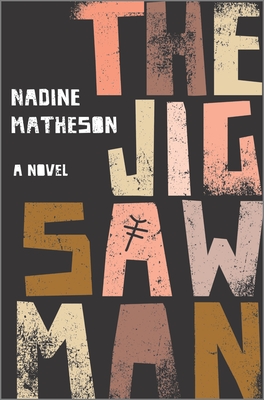
Speaking of which, with thanks to HarperAudio I also picked up Her Dark Lies by J.T. Ellison (because who doesn’t a killer wedding?) as well as The Jigsaw Man by Nadine Matheson which was pitched as a debut following a detective on the trail of a copycat serial killer. But even I need to catch a break from the thrillers sometimes, and Meet Me In Another Life by Catriona Silvey is a romance with sci-fi and time travel elements which has been compared to The Time Traveler’s Wife. The description sounded wonderful and reviews are encouraging, so I figured I would give it a try.
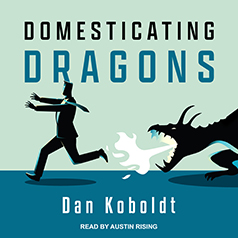
And from Tantor Audio, I saw that Swordheart by T. Kingfisher was getting an audio edition, so of course I just had to request it! I’ve been loving the author’s work, and this book that came out a few years ago seems well-adored by her fans, so I’m really looking forward to it. Also thanks to the publisher for a listening copy of Domesticating Dragons by Dan Koboldt, of which I had an eARC, but I have a feeling listening to the audiobook will be loads of fun. I mean, just look at that cover!
Reviews
Forget Me Not by Alexandra Oliva (4 of 5 stars)
Black Coral by Andrew Mayne (4 of 5 stars)
A Dark and Hollow Star by Ashley Shuttleworth (3 of 5 stars)
We Shall Sing a Song into the Deep by Andrew Kelly Stewart (2 of 5 stars)
This Week’s Reads
Have you heard of or read any of the books featured this week? What caught your eye? Any new discoveries? I hope you found something interesting for a future read! Let me know what you plan on checking out. Until next time, see you next Roundup!
Friday Face-Off: Middle Grade
Posted on March 12, 2021 11 Comments
Welcome to The Friday Face-Off, a weekly meme created by Books by Proxy! Each Friday, we will pit cover against cover while also taking the opportunity to showcase gorgeous artwork and feature some of our favorite book covers. If you want to join the fun, simply choose a book each Friday that fits that week’s predetermined theme, post and compare two or more different covers available for that book, then name your favorite. A list of future weeks’ themes are available at Lynn’s Book Blog.
This week’s theme is:
~ a cover of a MIDDLE GRADE book
Mogsy’s Pick:
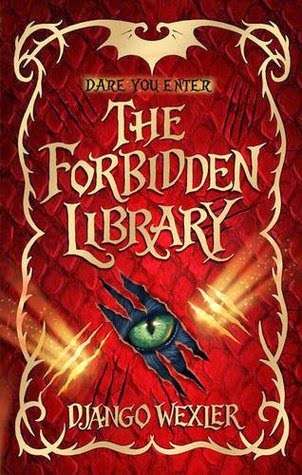
The Forbidden Library by Django Wexler
As an avid bibliophile, it’s hard for me to resist anything to do with libraries or reading about the wonderful books that take us to faraway places. In this case, the metaphor of books as portals to new worlds is actually quite literal. The Forbidden Library follows Alice, a young girl who discovers she has a very special power. Called “Readers”, people like Alice possess the ability to enter the worlds of certain books, which might seem great at first, until you realize these books serve as prisons to nasty creatures and the only way out again is if the Reader can defeat them.
However, if a Reader is successful in defeating and binding a creature, he or she will escape and also have access to its abilities, and by defeating more creatures in “prison books,” they can gain more powers.
Let’s take a look at the covers:
From left to right:
Kathy Dawson Books (2014) – RHCP Digital (2014)
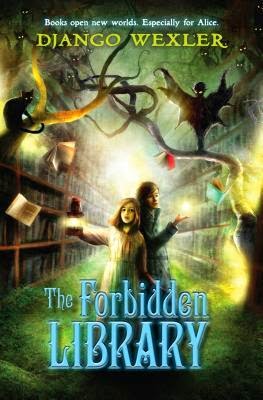
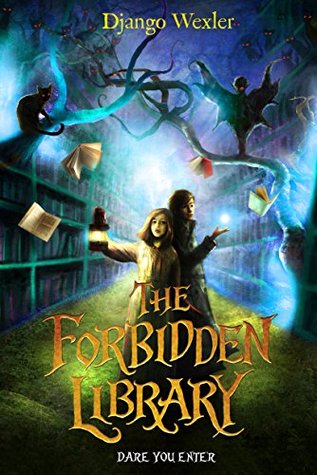
Doubleday Childrens (2014) – Chinese Edition (2016)

Winner:
As you can see, the digital version is a variation of the original Kathy Dawson Books US cover, but I much prefer the changes! The blue color seems to be a better fit, not to mention the figures of the children seem more centered and focused, and the title is in a much nicer font.
But what do you think? Which one is your favorite?
Review: We Shall Sing a Song into the Deep by Andrew Kelly Stewart
Posted on March 11, 2021 21 Comments
I received a review copy from the publisher. This does not affect the contents of my review and all opinions are my own.
 We Shall Sing a Song into the Deep by Andrew Kelly Stewart
Mogsy’s Rating: 2 of 5 stars
Genre: Science Fiction, Fantasy
Series: Stand Alone
Publisher: Tor.com (March 9, 2021)
Length: 160 pages
Author Information: Website | Twitter
Deep beneath the sea, the last surviving nuclear submarine Leviathan carries a crew made up of a fundamentalist order of monks who believe they hold the power to bringing about the Second Coming, to be unleashed when the time is right. Set in a post-apocalyptic dystopian future, We Shall Sing a Song into the Deep follows Remy, our protagonist who was rescued from the surface and raised to be a Cantor, singing the Hours in a choir of young boys.
But Remy has a secret. He is in fact a she, the only girl on board—a truth known only to the “Caplain” of the Leviathan. Because of this, he bestows upon Remy the missile launch key before he dies, trusting her judgment to keep it safe and make the right call when the time comes. As a new Caplain comes into power with his own ideas and unbending view of how to run the ship, Remy finds it increasingly difficult to keep all she knows concealed, especially when a close friend of hers returns from a surface raid describing the disturbing things he witnessed. Moreover, a prisoner from above is also brought on board, revealing to Remy even more truths about the outside world and further altering her frame of mind.
You know how some books, no matter how hard you try, might just not be for you? This was my experience with We Shall Sing a Song into the Deep. I even restarted it multiple times, as each time I had stalled not long after I began. At first, I blamed the various distractions in my life from pulling me away from it, but eventually, I had to face the truth. I was just not gelling with this book. Everything about this story from its concept to the atmosphere should have pulled me in, and that’s how I’d wanted it to be, but it didn’t happen. My attention would consistently wander while trying to read, and I was always struggling to immerse myself.
Part of the problem is the writing style. It’s not the easiest to get into, and this being a novella, its short length meant I never really got a chance to get used to it. That said, I want to make it clear the technical aspects of the writing were mostly great, even too crisp and rigid in some places. Some might describe the prose as lyrical, but for me it felt clunky and lacking in personality, resulting in certain action sequences and emotionally charged scenes feeling too sterile.
There’s also not much of a plot, yet somehow it still felt like there wasn’t enough story to fill the relatively small number of pages. World-building was on the sparser side as well, and most of the time I felt disconnected to Remy and had a hard time getting into her headspace to understand what made her click. The singing was an intriguing element, I’ll admit, but like so many other aspects of the world, it felt untethered from the rest of Remy’s reality. Even if it had been the author’s intent, I still think this idea should have been better conveyed, not to mention the ending left things off feeling slightly unfinished.
Credit where credit’s due though, one area I thought the book excelled was its atmosphere. It’s claustrophobic and oppressive, and given how most of the story takes place in the ocean’s depths within the guts of a nuclear submarine with a fanatical doomsday cult onboard, I wouldn’t have had it any other way.
But at the end of the day, it’s a shame to come to a book and not feel adequately prepared or in the right mood to enjoy it, and although I tried my best, ultimately this might just be a case of not the right book for me. Still, there are clearly good qualities, and judging from the loads of positive reviews from other readers who loved the book, it’s probably worth checking out if the premise speaks to you.



 The BiblioSanctum