Full Fathom Five Read-A-Long Week No.1
Posted on July 20, 2015 5 Comments
Banner designed by Anya of On Starships and Dragon Wings
Here’s something new for us at The BiblioSanctum — a Read-A-Long! Over the next few weeks, we’ll be joining many other fellow bloggers in a read through of Max Gladstone’s Full Fathom Five.

Full Fathom Five is the the third book in the Craft Sequence, however, each book stands alone. Want to know a little bit about the other books? Check out our reviews here:
 Three Parts Dead (Wendy)
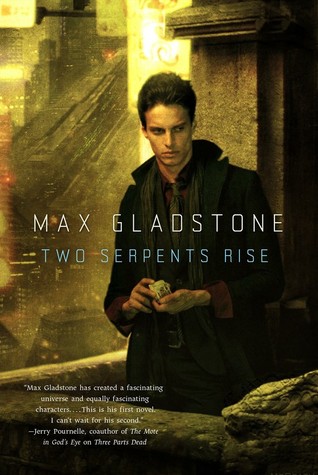
Two Serpents Rise (Wendy)
We are coming to this party rather late, so we haven’t all had a chance to read the necessary chapters this week. Tiara and Mogsy hope to join Wendy next week! If you’re interested in joining the read-a-long, there’s still time! Visit the SF/F Read-A-Long group for more information or to join in the conversation.
Week 1: July 20 Ch 1-13 – hosted by Allie from Tethyan Books
Week 2: July 27 Ch 14-32 – hosted by Lynn from Little Lion Lynnet’s
Week 3: August 3 Ch 33-50 – hosted by Heather from The Bastard Title
Week 4: August 10 Ch 50-62 – hosted by Lisa from Over the Effing Rainbow
1) Kai kicks off the story by risking her life in an attempt to save the idol Alpha Seven. Why do you think she chose to try? Do you think idols truly non-sentient?
Wendy: You later learn that Kai goes above and beyond with her work. I love the way this series relates it all to work, making it clear that that is what religion is in this realm. Kai is someone who is constantly putting in overtime and going above and beyond. We’d call that person a workaholic, but here there is the added level of her faith. She initially seems like someone who is aloof and unconnected to the potential personal connections, but when she dives into the pool, it changes everything I thought about her. I believe that she felt sentience in Alpha Seven long before the idol’s strings were cut and could not allow her to drown. I definitely don’t believe the idols lack sentience of some kind. The level of fear Alpha Seven displayed was very real.
2) I think this is the first time we’ve seen idols, and they have their similarities and differences to gods and craftsmen. Do you think they serve a useful purpose? If you were in this world, would you prefer faith, Craft, or idols?
Wendy: Everything has a pretty hefty price in this world and soulstuff is not easy for everyone to come by. I like the idea of the idols being there for people who can’t quite afford the demands of the Dead Kings and the Gods. Idols are kind of an easier way to keep the faith with less of the hassle. It’s a bit of a cop out, but considering not everyone can afford everything else, I like that this option exists for some. Knowing what I do now about the different options, I think I would prefer faith in the Gods. Though they don’t communicate much, they seem the most genuine. Unfortunately, those in charge of them tend to corrupt things…
3) I found it interesting that priests/priestesses are able to change or reform their bodies in the pool, during their initiation. If it were possible, would you want to make use of this power or not?
Wendy: I like the idea of them being able to fix any issues they have and that Kai’s change is most significant because she was born into a male body and has now been able to transition through this process–something that is far more difficult to do in reality, unless you have Caitlin Jenner’s money and status. This process of fixing one’s physical issues doesn’t seem to be a common thing available to just anyone. The priests seem to be the only ones with access, which implies that a high level of devotion and/or dedication is involved. Other people exhibit small fixes, while Kai’s is much more significant. Is the level of her change based on her level of commitment? Or her level of desire for that change? I think it’s a combination of both.
Personally speaking, I lack both Kai’s level of dedication and my changes are pretty cosmetic anyway. I want 20/20 vision, long, tangle-free hair, and pre-baby boobs. I think I have just enough faith to make this happen if I were to accept a job as a priest and go diving into the silver pool.
4) A few familiar faces show up from Three Parts Dead, Cat and Ms. Kevarian! Is this how you would have expected them to be living, after the events of that novel? [Three Parts Dead spoiler warning for answers to this question]
Wendy: I recognized the names, but my memory on Three Parts Dead is a little fuzzy. I can’t recall where we left Cat … wasn’t she supposed to be having hot vampire pirate sex? At least, that’s totally what was happening in my mind. Ms. Kevarian, I wasn’t surprised to see. I liked the connection — and I like that the connection is not (thus far) fully reliant on you reading the other books in the sequence, which makes this series so great.
5) Izza is in a difficult situation; she wants to take care of the other street children, but she also wants to protect herself. What do you think of how she is attempting to meet both goals? Do you think she was right to stop leading the stories and rituals for the other children?
Wendy: Izza seems to be the kind of person who wants to help everyone but recognizes how easily that can drag her down, especially with the prospect of becoming a Penitent looming over her. Her need to survive should be her priority and leaving the younger kids actually isn’t as selfish as it might seem, again, because the Penitents would be looking for her. All of the kids seem fully capable of taking care of themselves, but Izza obviously isn’t about to leave them high and dry–though it’s interesting that her choice to provide them with a stash came after she spent time with Cat, who has promised to take her away. The prospect of leaving was only a pipedream until that point and Izza might have been persuaded to stay by Nick had it not been for Cat’s offer.
6) There is a lot that is hinted near the end of this section, with the line “Howl, Bound World” and the poet Edmond Margot. What do you think it is that ties together Seven Alpha, Kai, Izza, and Margot?
Wendy: I’d venture that it has something very much to do with Alpha Seven’s sentience and perhaps the souls that have been invested in her. And most certainly the contract that the idol signed before her death.
Book Review: The Fifth Season by N.K. Jemisin
Posted on July 20, 2015 25 Comments
A review copy was provided by the publisher in exchange for an honest review. All opinions are my own.
 The Fifth Season by N.K. Jemisin
Genre: Fantasy
Series: Book 1 of The Broken Earth
Publisher: Orbit (August 4, 2015)
Author Information: Website | Twitter
Mogsy’s Rating: 4.5 of 5 stars
This book had the distinction of being on both my most anticipated SFF lists for 2014 and 2015, due to the publisher’s decision to push its release date back a year in order to give N.K. Jemisin more time to work on the sequels. So it was with no small amount of excitement when an advance copy finally made it into my hands. Proof that it was really happening.
And oh boy, was it TOTALLY worth the wait.
Initially though, my feelings were mixed after the first few chapters. There was that cryptic prologue, with its smattering of information about the world (then right away saying that none of these places or people I just read about actually matter – wait, what?) as well as the curious narrative style, including one character whose chapters were written entirely in the second person. That choice eventually makes sense, by the way, but at first I really wasn’t sure what to make of the book.
But then gradually, everything started to come together. I watched as connections were made, questions were answered, and blank spaces were filled in. The final result was this unique and wholly imaginative novel that delighting me to no end. The world-building elements which so confounded me at the beginning of the book eventually became clear, and I came to recognize the sheer ingenuity behind it.
The Fifth Season takes place on a continent known as The Stillness, ironically named given the instability of its geology and tectonics. The world would have fallen to pieces many times over if not for the Orogenes, a group of people with the powers to manipulate earth energies and shape the land. In reality though, The Stillness has actually gone through multiple apocalyptic events called “Seasons”, each one characterized by its specific end-of-the-world effects. It’s the norm for this world, but Orogenes do what they can to make it better, preventing many earthquakes or volcanic eruptions by catching anomalies in time before they can cause widespread destruction.
Yet for all that they do for humanity, Orogenes are feared, shunned and subjected to hostility and violent treatment. Their powers can be as unstable and catastrophic as the disasters they try to prevent, especially if the individual cannot learn control. Orogeny is also unpredictable. There’s a genetic predisposition for it, though theoretically anyone can be born an Orogene, so children discovered with the trait are immediately taken away for harsh and rigid training. However, there are also the unfortunate ones that don’t even make it that far before they’re murdered by their scared or panicky neighbors – or even by their own parents.
Essun experienced this in the worst way possible, coming home one day to find the lifeless body of her young son, beaten to death by her husband. An Orogene in hiding, Essun realizes with grief and horror what must have caused the father to kill the boy. Now Essun fears for the life of her daughter whom her husband has kidnapped, and she is determined to go after them. This is her story, a heartbreaking and beautifully written narrative of a woman’s journey taken upon for love and revenge. Jemisin may have created a world here full of mind-blowingly fantastical elements, but she hasn’t left us wanting in the character department either, giving us an emotionally raw, very human tale.
I have to say the characters are truly wonderful. The Fifth Season follows three perspectives: Essun, a rogue Orogene whose only quest now is to get her daughter back; little Damaya, taken away by an Orogene handler called a Guardian to Yumenes where she will be trained to control her powers; and Syenite, a young woman paired with a more experienced mentor in order to learn from him and breed with him, ensuring that the next generation will have talented Orogenes to keep The Stillness safe. All three threads are so engaging and poignantly detailed, each one giving the reader a distinct reason to care about these strong yet conflicted characters. It was also wonderful to see the bigger picture they formed in the end.
Finally, I have a confession to make. While this is my first Jemisin novel, years ago I actually started to read A Hundred Thousand Kingdoms around the time it came out, but for whatever reason I put it down and didn’t get a chance to pick it up again. I have every intention of going back to the book one of these days, but for obvious reasons I didn’t count it as being “read”. I did, however, feel like I got enough to get a feel for her writing, and now reading The Fifth Season in 2015, I can see how far her skill has come since her debut. With such rich world-building, relatable characters and compelling storytelling, I just knew I had to see all that through to the end, and the conclusion was a real surprise, both marvelous and disquieting.
I’m so glad I read this. The Fifth Season is the first novel of The Broken Earth trilogy, and it’s a strong introduction to a brand new world featuring some very fascinating, very special characters. Highly recommended. It’s definitely not going to be an easy wait for the next book.

Audiobook Review: Death with Interruptions by José Saramago
Posted on July 19, 2015 6 Comments
 Genre: Magical Realism, Fantasy, Science-Fantasy
Publisher: Houghton Mifflin Harcourt (October 6, 2008)
Author Information: Website
Tiara’s Rating: 4 of 5 stars
Goodreads | Amazon | Barnes & Noble
Narrator: Paul Baymer | Length: 7 hrs and 43 mins | Audiobook Publisher: Audible Studios (December 20, 2011) | Whispersync Ready: Yes

By Laurie Lipton
“…or if, on the contrary, he should bite back his tears and continue on his way to where his work awaits him and fill up what days remain to him, then feel able to ask, Death where is thy victory, knowing, however, that he will receive no reply, because death never replies, not because she doesn’t want to, but because she doesn’t know what to say in the face of the greatest of human sorrows.” – pg. 138
This is the second book by Saramago that I’ve read. The first being Blindness, which was turned into a movie starring Julianne Moore, Danny Glover, and Mark Ruffalo, just to name a few, and surprisingly, it wasn’t a bad take on the story. It explored the crumble of a city and its increasing moral decay due to its residents being afflicted with something called “white blindness.” I loved that book, so to say I had high hopes for this one would be an understatement.
This book starts with a strong proclamation:
The following day, no one died. This fact, being absolutely contrary to life’s rules, provoked enormous and, in the circumstances, perfectly justifiable anxiety in people’s minds, for we have only to consider that in the entire forty volumes of universal history there is no mention, not even one exemplary case, of such a phenomenon ever having occurred, for a whole day to go by, with its generous allowance of twenty-four hours, diurnal and nocturnal, matutinal and vespertine, without one death from an illness, a fatal fall, or a successful suicide, not one, not a single one.
With such a bold statement, you expect the author to deliver something huge to explain the phenomena. This cessation of death affects only one unnamed country, and it only affects the humans. Life and death continue to ebb and flow around the world. At first, this is seen as some fortuitous thing, but many of the dying are in a state of not being quite dead and not being quite alive and continuing to age and decay. Joy eventually gives way to the stark realities of the dead not dying and its consequences on life as they know it, causing many political, religious, medical, and philosophical debate as they try to figure out why death has abandoned them, leading some of its citizens to consider extreme measures to help their ailing loved ones or just simply to get rid of a burden by secretly crossing into countries where the near-dead can still die, which sets a moral precedent that sets off more debates. Read More
Mogsy’s Bookshelf Roundup: New Books, Top Reads, What I’ve Been Reading…
Posted on July 18, 2015 30 Comments
Bookshelf Roundup is a feature I do every two weeks where I talk about the new books I’ve added to my library or received for review, what I plan to read soon, and what I’ve finished reading since the last update. Sometimes I throw in stuff like reading challenge updates, book lists, and other random bookish things.
RECEIVED FOR REVIEW
Much love for this week’s review copies from authors and publishers:


Sorcerer to the Crown by Zen Cho: eARC, with thanks to Ace Books. I’ve been hearing so much about this one, really looking forward to it.
One Good Dragon Deserves Another by Rachel Aaron: eARC, with thanks to the author. I was so happy to receive an email from Rachel last week asking if I would be interested in a review copy of her upcoming sequel to Nice Dragons Finished Last (which I loved). So of course I said yes!
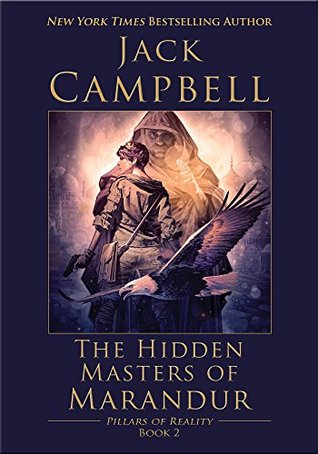
The Hidden Masters of Marandur by Jack Campbell: eARC, with thanks to JABberwocky Lit for sending me a NetGalley invite to read this one. They’re publishing the ebook versions of this previously-exclusive audiobook series and were kind enough to send me the first book earlier this year, so I’m curious about this second book.
When We Were Animals by Joshua Gaylord: Audiobook, with thanks to Hachette Audio. So many blogs I follow have raved about this book, so I’m thrilled to be given the chance to review the audio!
Crashing Heaven by Al Robertson: Audiobook, with thanks to Audible Studios. I’ve been very interested in this title ever since I learned about it, especially after hearing good things. But as of now I haven’t heard any news about a US publisher for the print book. The audio version however is available, and I’m excited to check it out.
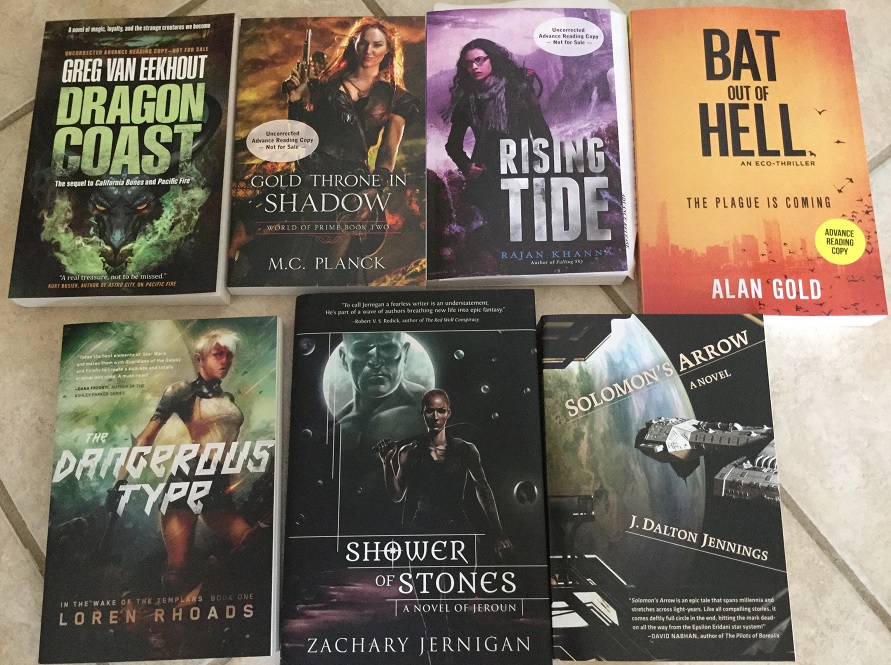
Dragon Coast by Greg Van Eekhout: Print ARC, with thanks to Tor Books. This one made me squee when it arrived! It’s book three of the Daniel Blackland series which I’ve been catching up on, so be ready to check out a review of this closer to release in September.
Gold Throne in Shadow by M.C. Planck and Rising Ride by Rajan Khanna: Print ARCs, with thanks to Pyr Books who surprised me last week with these two beauties in the mail, both of which are sequels to books I read last year (Sword of the Bright Lady and Falling Sky, respectively). The covers are just freakin’ gorgeous.
Bat out of Hell by Alan Gold: Print ARC, with thanks to Yucca Publishing. I had to research this one when it arrived, since it’s new to me. Billed as an “eco-thriller” about a plague spread by bats, it sounds absolutely frightening. In other words, right up my alley.
The Dangerous Type by Loren Rhoads, Shower of Stones by Zachary Jernigan and Solomon’s Arrow by J. Dalton Jennings: Finished copies, with thanks to Night Shade and Talos. A couple weeks ago I came home to see three packages in my mailbox (just haphazardly jammed in there, sometimes I hate our mail service) containing these books. The Dangerous Type is one I’ve wanted to check out for a while; I hear it’s pure pulp and fun. I was also excited to see Shower of Stones since book one No Return is on my to-read list (maybe for a future Backlist Burndown!) and finally Solomon’s Arrow sounds fascinating, despite being completely new to me. I’m always interested in stories about generation ships/interstellar arks. As always, Skyhorse Publishing spoils me silly! Thank you!
BOOKS WON
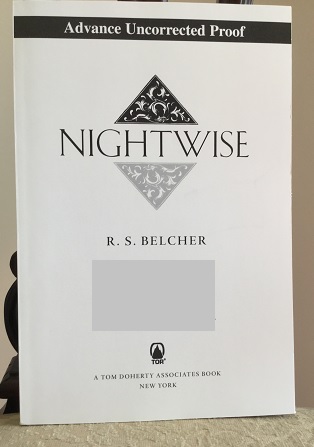
I don’t often get lucky with giveaways, but when fortune does smile upon me, she is kind. I won a print ARC of Nightwise by R.S. Belcher which is one of my most anticipated books in Tor’s summer line-up.
PURCHASED/BACK TO THE BACKLIST
More audiobooks added to my library this week. I picked up mostly backlist stuff, and took advantage of a couple Whispersync deals:
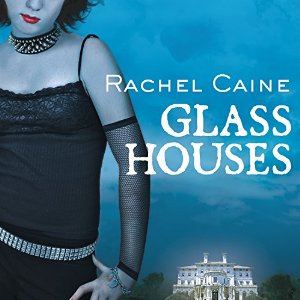
Glass Houses by Rachel Caine: Rachel Caine, what have you done to me? I loved Ink and Bone so much that I just had to check out her other books, and I’ve heard good things about her Morganville Vampires series, so…yeah. Get in my cart.
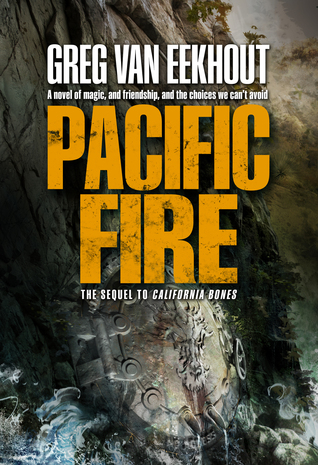
Pacific Fire by Greg Van Eekhout: I did say I was catching up with this series. The first two books are now in audio format. About time!
The Best of All Possible Worlds by Karen Lord: If you recall, I didn’t fare too well with The Galaxy Game earlier this month, but I also didn’t know when I started that it’s a sequel. The first book’s gotten a lot of praise so I wanted to give Lord another try with this one.
TOP 10(ish) BOOKS READ IN 2015 SO FAR…
Half the year is over now, and everyone’s been putting together their top reads of 2015 thus far. I wanted to take the opportunity to jump in with a quick list featuring my Top 10 picks (plus a bonus of 2 more that were published pre-2015) 🙂
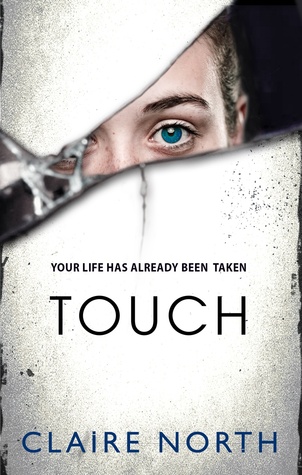




2015 Releases:
Touch by Claire North ( – REVIEW)
Day Four by Sarah Lotz ( – REVIEW)
Nemesis Games by James S.A. Corey ( – REVIEW)
Ink and Bone by Rachel Caine ( – REVIEW)
The Grace of Kings by Ken Liu ( – REVIEW)
The Mechanical by Ian Tregellis ( – REVIEW)
The Liar’s Key by Mark Lawrence ( – REVIEW)
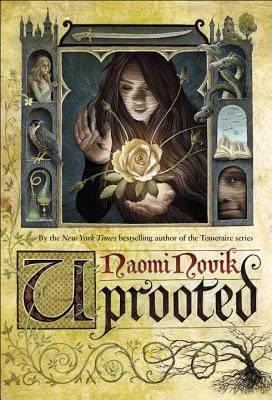
Uprooted by Naomi Novik ( – REVIEW)
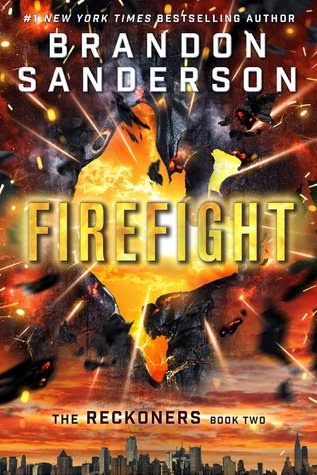
Firefight by Brandon Sanderson ( – REVIEW)
The Rebirths of Tao by Wesley Chu ( – REVIEW)
Pre-2015 Releases:
Dark Eden by Chris Beckett ( – REVIEW)
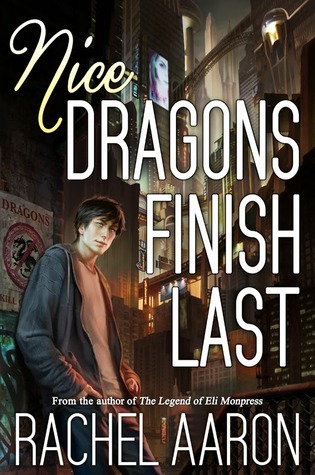
Nice Dragons Finish Last by Rachel Aaron ( – REVIEW)
WHAT I’VE READ SINCE THE LAST UPDATE
I’ve been very productive these last two weeks! Output is still not quite matching input, but it’s close. Keep an eye out for my reviews of these books in the coming weeks, and of course there are also a bunch that are up already, which you can read now:
Rebel Mechanics by Shanna Swendson (2.5 of 5 stars)
First Light by Linda Nagata (4 of 5 stars)
The Great Bazaar & Brayan’s Gold by Peter V. Brett (4 of 5 stars)
Dark Orbit by Carolyn Ives Gilman (4 of 5 stars)


Highlighted Reads:
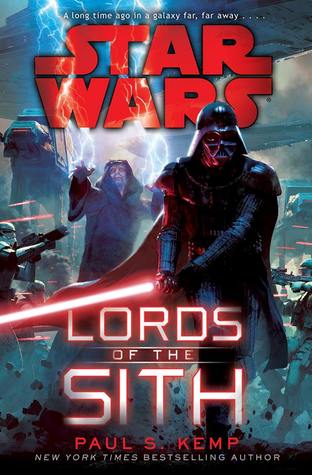
Dark Lords of the Sith by Paul S. Kemp: I listened to the audiobook, which I can’t recommend enough. If this book is on your to-read list, seriously consider picking it up in this format. It’s AWESOME.
The Fifth Season by N.K. Jemisin: Such a great book. My first N.K. Jemisin book and I am beyond impressed!
* * *
Have you heard of or read any of the books featured in this week? Let me know! I like helping people discover new books, so I hope you found something interesting to read. See you next Roundup! 🙂
Looking for Recs: Mmm… Brains…
Posted on July 17, 2015 31 Comments

“Hello, friend,” said the Crazy Devil Child.
I’m looking for zombie book recommendations, but wait, before we start. Let’s look at my history with zombie related anything.
I’m not a fan of zombies. It’s no secret. And it’s not just the “undead” variety. I don’t like things that are zombie-like either because of a virus or chemicals in the water or because a reaper invasion turned them into a husk but I can never hate Bioware or what-the-hell-ever. I can barely be bothered with them in any type of media. Games? No. Movies? No. Television? No. Books? Hell no. Especially not in my books.
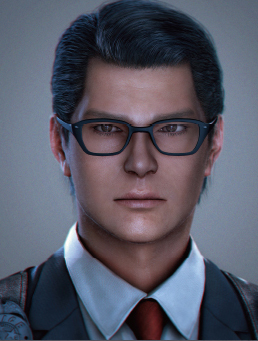
Joseph Oda. Credit The Evil Within Wiki
Now, I’d be lying if I said I didn’t watch and like some zombie media. I’m a fan of The Walking Dead television show (I don’t much care for the comics…). I don’t normally do zombie games. I do play Left 4 Dead 2 and Dead Island, but that’s only because the people I play with are hilarious. Fun co-op friends always make a game fun to play, especially when we’re laughing at how terribly wrong everything is going because we have one kamikaze in the group. I did recently play and beat The Evil Within, but it was such a joyless play through that I don’t even know why I bothered. I hated almost every second of the gameplay, but the story wasn’t too bad, even if I took grave offense to zombies I just killed getting back up if I didn’t burn them or shoot them in the head when I had like 1 match and 2 bullets left. Such bullshit and very fucking rude, but Joseph Oda’s face made it better. But I digress. We’re here to talk about books not my gamer rage problems!
When someone recommends a horror book, my first question is, “Does it have zombies?” When someone recommends something post-apocalyptic, my first question is, “Does it have zombies?” When someone says, “Hey, I read this really great book you might–” I quickly interrupt and ask, “Dammit, does it have zombies?” If the answer is “yes,” then this is my typical response:

Despite this, the zombie fiction that I have read has mostly agreed with me, but I’m certain this is only because I’m picky about the zombie fiction I read. Out of what I have read, which is still a very small amount, I’ve only hated one book, The Forest of Hands and Teeth. I hated that because of the main character. I thought the writing was excellent and the atmosphere terrific, but I also wanted the main character to swallow a chainsaw and we never reconciled. I’ve found that the stories I like are going to be the ones where the zombies are really just the backdrop adding tension or if there’s some interesting angle to the story that makes it unusual.
What got me started on this tangent? Well, I recently listened to a short story from Tim Waggoner’s series Nekropolis called Disarmed and Dangerous, which features a reanimated cop that now does supernatural detective work for a living. He’s self-aware, even though most zombies aren’t in that universe. He’ll even pretend to be a roaming, mindless zombie when he needs to. Living in his own body is an outer body experience. He doesn’t feel pain or pleasure. A body part is always getting lopped off and he can only regard it as a strange feeling to see one of his body parts just waiting there for him to retrieve it after a fight or whatever. I enjoyed this story, and that got me thinking, “There has to be other zombie books out there that I’d actually enjoy.” I guess you could say that I enjoy character and story over splatter, but I’m not against a good splatter story if it really has something to offer.
 Here’s my small list of zombie fiction I said I’d try mainly because I want to trust the people who recommended these books, but I’m not certain they really have my best interests at heart. I STILL LOVE YOU GUYS! 😀
1. My Life as a White Trash Zombie by Diana Rowland
2. Narrator Battle: Zombie Edition by Nicholas Ryan ft. narrators R.C. Bray and Sean Runnette
3. I, Zombie by Hugh Howey
I should mention I have read Warm Bodies and Pride and Prejudice and Zombies, and I do have the rest of The Walking Dead comics and The Rise of the Governor novels on my TBR pile. I’ve also added Waggoner’s series to my pile, as well. I am trying to expand my zombie horizons. Give me a few recommendations. I’m open. It can be a comic, a book, or hey, if you think there is a zombie movie or game that I need to check out because it’s your favorite, let me know… unless it’s The Last of Us. That game annoyed me way too much to finish it.

Book Review: Trailer Park Fae by Lilith Saintcrow
Posted on July 17, 2015 12 Comments
A review copy was provided to me by the publisher in exchange for an honest review. All opinions are my own.
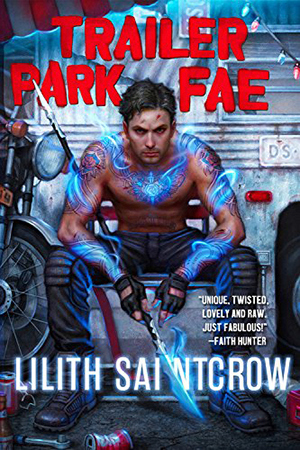 Trailer Park Fae by Lilith Saintcrow
Genre: Urban Fantasy
Series: Book 1 of Gallow and Ragged
Publisher: Orbit (June 23, 2015)
Author Information: Website | Twitter
Mogsy’s Rating: 2.5 of 5 stars
It’s tough admitting when a book doesn’t work for me, and in the case of Trailer Park Fae I find this even more difficult to do considering the high hopes I had for it. To complicate matters, I can’t even really fault the book itself, because the writing superb and the story has it dark charms. However, it just felt like I was sold one thing by the title, cover and description, but received something altogether different instead.
First, a bit of background about the book: one of the main characters is the half-human-half-Sidhe Jeremiah Gallow, former Armormaster and close confidante to Summer, Queen of the Seelie Court. He’s left that life behind him now though, making his living as just another construction worker in the mortal world. He also just recently lost his beloved wife Daisy, and every day he mourns her still. Enter our other main protagonist, Robin Ragged, another half-Sidhe looking for a place to lie low after narrowly escaping the agents of the Unseelie Court. When Jeremiah first lays eyes on Robin in the bar he frequents, he is shocked by how much she resembles his dead wife, prompting the protective instincts to kick in.
But aiding her also means being dragged back into the world of magic and danger, where Summer and Unwinter are in a constant war. A plague ravages the Seelie Court and the Unseelie are the main suspects for unleashing it. Robin has been tasked as the courier to deliver the cure, but she is no friend of Summer, feeling bitter towards the Seelie queen for stealing away and imprisoning Robin’s adopted child Sean. Then of course, there’s also the free Sidhe, represented by their clever yet mischievous leader, a Fae known as Puck…
Despite its eye-catching description and shades of A Midsummer Night’s Dream, Trailer Park Fae is one dark book. And unfortunately, what’s on the surface does not match what’s beneath. When I first picked it up, I admit the book’s bold electrifying cover and its quirky little title led me to expect another light urban fantasy with a good dose of humor and maybe a little snark, so I was disappointed to find little to none at all. Instead, the story is a lot more somber and grave, with a little heartbreak thrown in to boot. Normally, this isn’t something I would mind, and it’s certainly not the first time I’ve ever started a book only to discover it is completely different than I thought it would be. I’ve rolled with the punches before, but switching gears in this case was a lot harder for a couple reasons.
First of all, the writing isn’t exactly light on the eyes, with scattered sections that would slip into the formal style, reflecting the courtly speak of the Sidhe-folk. As you can probably guess, this didn’t really make for an easy read, even though I credit the prose for being very well-structured and beautifully written. Second, even if I had been in the mood for a book like this, I don’t know how well it would have worked for me. Very little happened for the first hundred pages, making it a real challenge to engage with the story and characters. There were some nice twists towards the middle and the end, but regretfully, I still didn’t feel invested enough at that point to experience their full impact.
I should point out though, that there are actually lots of fantastic and very unique ideas in here. Lilith Saintcrow’s portrayal of the Fae is wonderful and complex, painting them as creatures of mischief and malice, incorporating myths about changelings at the same time. Then there’s putting the Fae in the context of trailer parks, dive bars, and greasy diners – a creative concept that hooked me as soon as I saw it. Both Jeremiah and Robin have some nifty powers at their disposal as well, with the former possessing tattoos on his arms that can transform into a weapon, and the latter with the ability to create objects with strong, lasting enchantments.
I wish I had enjoyed this book more, and not least because I feel it’s partly my fault for being misled by the tone suggested by its cover and title. Yes, I’m a mood reader, and I thought this book would be the rollicking urban fantasy I needed at the time, yet it turned out to be just the opposite. As I noted though, I had issues with this book that went deeper, so I’m not sure how I would have liked it even if I had been prepared for its much weightier tone and style. If you’re not sure that this one would be for you, I recommend reading a sample before taking the plunge.

Book Review: Dark Orbit by Carolyn Ives Gilman
Posted on July 16, 2015 9 Comments
A review copy was provided by the publisher in exchange for an honest review. All opinions are my own.
Dark Orbit by Carolyn Ives Gilman
Genre: Science Fiction
Series: Stand Alone
Publisher: Tor (July 14, 2015)
Author Information: Bio
Mogsy’s Rating: 4 of 5 stars
Dark Orbit is a fascinating novel and I enjoyed it a lot, but the book description is misleading, making it sound like it is a murder mystery (it’s really not), as well as a first contact with an alien species is involved (well, only sort of). However, I was hooked by the idea of an interdisciplinary team of scientists going on a research expedition to study a strange new planet, and as an Anthropology nerd, I was especially intrigued that an “exoethnologist” would be one of the main protagonists.
Said exoethnologist is Saraswati Callicot, who is also known as a Waster – someone who spends her life traveling to study worlds that can be light-years away, using wayport technology. Even though leaping across those great distances feel almost instantaneous to her, decades could have passed by in the normal flow of time. Sara is no stranger to leaving family, friends, and homes behind, not knowing if they will still be there when she emerges on the other side.
Her latest mission takes her farther than she has ever been, 58 light-years away to a newly discovered planet surrounded by dark matter, believed to be uninhabited. Sara’s official role on the ship is to study the interactions of the science team, even though that is only a cover for her real assignment to keep an eye on a fellow crewmate, a mystic named Thora Lassiter. Once a member of the elite, Thora has since fallen from grace due to her involvement in an uprising on the planet Orem, and the experience has left her somewhat unstable. This has also made Thora a political target, which makes Sara’s protection all the more important. However, not long after their arrival at the new planet dubbed Iris, a dead body of a crew member is found brutally decapitated, and on the landing crew’s first venture onto the planet surface, Thora disappears. The scientists also discover that Iris is in fact home to a civilization of people who are unable to see but have instead developed extrasensory perceptions to help them adapt perfectly to their lightless environment.
Nothing is as it seems in this story about facing an uncanny new world and being presented with the bizarre and unexplained. Dark Orbit explores important questions about human reactions to never-before-seen experiences, like encountering unknown alien societies and cultures. Unlike a lot of other narratives in this vein, the scientists in this book actually take a benevolent and holistic approach to the task, combining knowledge from their respective areas of expertise to solve the mystery of Iris while trying (as best they can) to follow all the interplanetary rules of establishing first contact. I found all this rather unique. I also think Anthropology enthusiasts will get a kick out of ideas presented in this novel which combines a variety of concepts from the study of humankind, and at the center of everything are the issues of cultural relativism and cultural preservation.
Newly discovered cultures are treated as a valuable resource, a font of information to learn from. Even an experienced and well-traveled exoethnologist like Sara starts to see things differently when she comes in contact with the blind society of Iris. Of all our senses, sight is perhaps the one we most take for granted, and this book definitely puts it in a whole new light. Carolyn Ives Gilman shows how important context is when looking at the way traditions develop, presenting it as a process that involves biological and environmental factors. In a less direct manner, the story also provides fascinating commentary into the nature of disability and the idea that it is relative, both physically and culturally. For instance, Thora is as helpless as a baby in the caverns of Torobe where the darkness is absolute, and multiple attempts to “teach” a local girl Moth how to see are met with failure because it was never an adaptation she needed in the first place.
Though I found Dark Orbit utterly engrossing, it’s also probably safe to say I enjoyed the book’s ideas more than the actual story. The plot itself is somewhat disjointed and hard to make sense of, and I did not much care for Thora’s point-of-view being told through the format of a transcribed audio diary, or her character herself that matter. In sum, this reads more like a philosophical piece than a mystery or a traditional tale of first contact, very different from the kind of story indicated by the novel’s blurb.
However, I was won over by Gilman’s deft handling of subjects that I have a deep interest in, even though this normally wouldn’t be my type of book. If you enjoy thought-provoking science-fiction, this might just work well for you too.

Audiobook Review: Gardens of the Moon by Steven Erikson
Posted on July 16, 2015 15 Comments
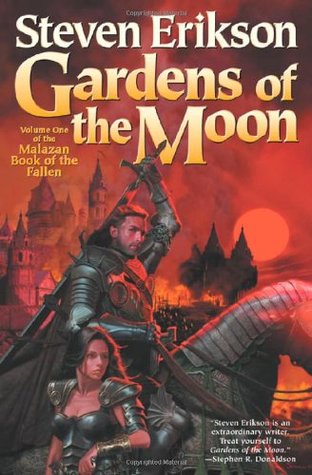 Gardens of the Moon by Steven Erikson
Genre: Dark Fantasy
Series: The Malazan Book of the Fallen #1
Publisher: Tor Books (April 1999), Brilliance Audio
Author Info: malazanempire.com
Narrator: Ralph Lister
Wendy’s rating: 5 of 5 stars
“I have no idea what the hell is going on in this story.”
I picked up this audiobook because it was on sale and it looked interesting. I’m always up for a good dark fantasy read, so why not, right? Little did I know what I was truly getting into. And the truth is, I still don’t know what I’ve gotten into, and yet, I am still here, tentatively wanting more. Normally, when I’m listening to audiobooks, I’m doing other stuff at the same time. Sure there are things that I might miss from time to time, but generally, I can pick up the gist of the story in those moments. Not so with Gardens of the Moon. Pressing play for this book felt a lot like this:

Unlike most epic fantasies, this series does not gently let the reader ease into the cold pool. It shoves you right into the middle of battles and kidnappings and assassinations and political scheming and mage hunts and prophecies and various other stuff, with a myriad of characters popping up in every chapter, each playing a key role in a story that …does… stuff…

After about nine hours, I decided that maybe this book wasn’t for me. I figured my brain was just not in the right place to handle everything that was going on. That’s not unusual, and while I dislike not finishing a book, I just don’t have enough time on my hands to justify pursuing something I’m not enjoying. And yet, that’s just it. I was enjoying it. Ralph Lister’s narration was amazing (well, except for his breathy and indistinguishable female characters) and certainly helped alleviate some of my confusion. And the writing really is superb. The battle scenes–especially ones featuring mage battles–are incredibly detailed, and yet so fluid and fast-paced. There are dragon and killer puppets and sword fights and then all these gods turn out to be involved…


And all these characters seem like they should be awesome and I’m sure they totally are but hol’ up.
 I still don’t know what’s going on.
 Like I said, I almost gave up after nine hours, but after a chat with Tiara and a look over the other reviews, I see that my concerns are not unique. Many of the reviews express concern over the way Erikson drops the reader into the middle of a vast world of rich lore that he does not spell out for us. I’m not a fan of info dumps and show don’t tell is great, but this is definitely a huge risk for an author to take in a first book.
The other reviews and fans of the series agree that the first book is troublesome for this. There is a suggested reading order, but ultimately, the recommendation is to read it as the author intended, which is the publication order. I decided to continue, taking it on faith that everything would fall into place. But every time I thought I was hitting an epiphany moment, I was denied.
 And yet, I am still going to give this book five stars because dude, I not only listened to all of it, in spite of my continued ignorance over what the hell is happening and who is doing what for whom and why, I have full intention of continuing the series because surely it will all make sense to me by the next book, right? Right?

Tough Traveling: Extreme Climates
Posted on July 16, 2015 31 Comments


The Thursday feature “Tough Traveling” is the brainchild of Nathan ofReview Barn, who has come up with the excellent idea of making a new list each week based on the most common tropes in fantasy, as seen in (and inspired by) The Tough Guide to Fantasyland by Diana Wynn Jones. Nathan has invited anyone who is interested to come play along, so be sure to check out the first link for more information.
This week’s tour topic is: Extreme Climates
Perhaps the hansom prince lives in a castle surrounded by green countryside and sunny days. The rest of the land is forced to deal with freezing cold, searing heat, and every other extreme climate mother nature can throw at you.
Tiara’s Picks:
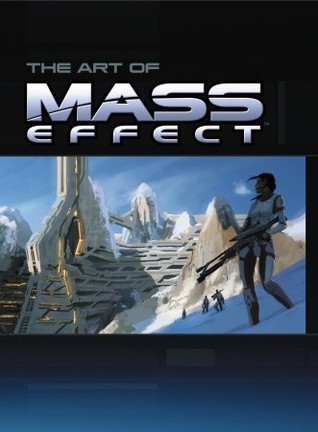 Various Planets (Mass Effect by BioWare)
Hey, I get to use Mass Effect twice in a row! Much of Mass Effect involves exploring new planets. Many of these planets are hazardous because they’re either too cold, too hot, or contain too many biological toxins (such as gasses or pollen that may cause extreme allergic reactions). Also, I am very much in favor of voting these things into being extreme climate conditions because fuck that shit, all of it:
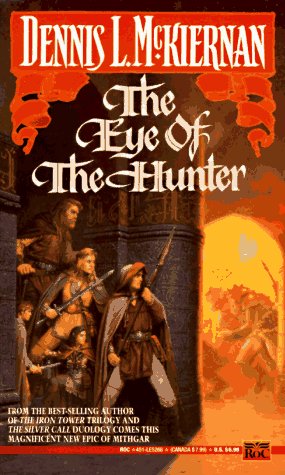 Mithgar (The Eye of the Hunter by Dennis L. McKiernan)
When I originally read this way back when, I didn’t realize it was part of a larger series, but I do remember some elf-hobbits chasing an evil dude across the country while the weather went completely crazy. One minute they were in a desert that should’ve made roast out of them and then the next they were basically in frozen hell. I don’t know man, but I remember thinking it sure was a crazy fun book.
 Chariot (The Element of Fire by Martha Wells)
Kade, the half-fay/half-human daughter of the Queen of Air and Darkness, contemplates leaving her home for another of her mother’s enchanted castles called called Chariot. The castle is protected by an enchanted mountain that steadily rises and becomes too rugged for humans to traverse. The land around Chariot itself has extremely long summers and springs, which is probably one of the better extreme climates to have to deal with.
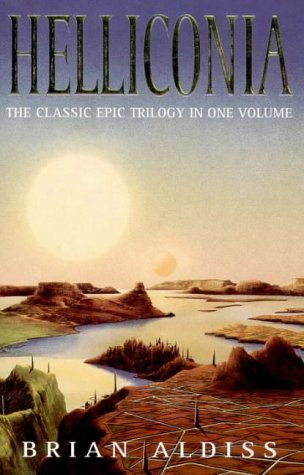 Helliconia (The Helliconia Trilogy by Brian W. Aldiss)
The books are called Helliconia Spring, Helliconia Summer, and Helliconia Winter. I’m still extremely early in this trilogy, so I think I’ll quote Wikipedia here: “The Helliconia Trilogy is a series of science fiction books by British writer Brian W. Aldiss, set on the Earth-like planet Helliconia. It is an epic chronicling the rise and fall of a civilisation over more than a thousand years as the planet progresses through its incredibly long seasons, which last for centuries.”
 The Burning Land by Victoria Strauss
One of the really cool things about college was that I had some very interesting teachers who often used unorthodox methods in teaching. This book was used in one of my sociology/ethics type classes because it paralleled the Tibet/China situation in many ways. I’ve included it on this list because the “burning land” parallels the theological themes as well as the environmental themes in this this book.
 Westeros (A Song of Ice and Fire by George R.R. Martin)
I know this is probably going to be on about a million lists, but I couldn’t help myself at all. GRRM’s series isn’t stranger to extremely long summers and winters that can be very brutal. At the beginning of this series, the characters are preparing for a long and brutal winter as the kingdom starts to fall apart.

Wendy’s Picks
 Moth Saga by Daniel Arenson
Not exactly a different climate, per se, but one half of this world lives in day, while the other lives in night, and each thinks the inhabitants of the other are freaky, deadly demons
 Starcraft II: Queen of Blades by Aaron Rosenberg
James Raynor knows Sarah Kerrigan is still alive out there somewhere because his dreams are telling him so. They are also inconveniently telling him that she is on a volcanic planet called Char, where the weather isn’t exactly great for a picnic. Unless you are the Zerg.
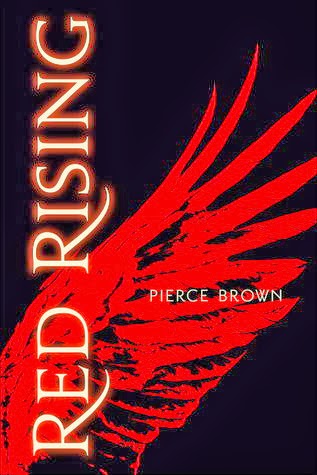
Darrow is known as a Helldiver. He mines the fiery depths of Mars, the planet along with his fellow Reds in preparation for the rest of humanity to migrate from Earth. But little do they know that the horrible environment below is nothing like what’s above.
Uncanny X-Men
While Jean and Beast were struggling through the freezing blizzards of Antarctica like this:

A the centre of Antarctica in the crater of a meteor, Storm and the rest of the X-Men be like:

Sure, there are also viscous dinosaurs and a half-man half-human dinosaur that feeds on energy in the Savageland, but if I had to choose, I know which one I want to hang out in.
Book Review: The Sword of Shannara by Terry Brooks (featuring Manu Bennett)
Posted on July 15, 2015 4 Comments
 The Sword of Shannara by Terry Brooks
Genre: Fantasy
Series: The Original Shannara Trilogy
Publisher: Orbit (1977)
Author Info: terrybrooks.net
Wendy’s Rating: 2 of 5 stars
Everyone keeps saying that this is just a rip off of Lord of the Rings. I strongly disagree with this assessment. First of all, in Lord of the Rings, the crew is taking a magical talisman *to* the bad guy’s evil lair. Here, they are picking up a magical sword *from* the realm of badness. Also, LOTR supposedly is our history, while Shannara is post-apocalypse. See? Totally different.
Now if you’ll excuse me, I will spend the rest of this review just posting images of Manu Bennett, who will be playing the role of hot notGandalf in the upcoming MTV series. Or, you may wish to check out Tiara’s review, which includes very important GIFs.





 The BiblioSanctum