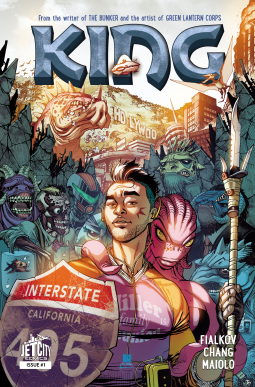
Comic Stack 08/19/15 – King #1 by Joshua Hale Fialkov (writer), Bernard Chang (Illustrator)
Posted on August 19, 2015 6 Comments


 Genre: Dystopia, Science Fiction
Publisher: Jet City Comics (August 19, 2015)
Author Information: Website
Tiara’s Rating: 3 of 5 stars
Full Disclosure: A review copy of this book was provided to me via Netgalley. I would like to thank the publisher for providing me this opportunity. All opinions expressed from here forward are my own.

King is the last human on earth. At least, we think he is during the course of this book. Humanity had been living on an apocalyptic earth for the last 300 or so years they’d existed until all humans eventually died with the exception of King. Now, King survives in a terrifying landscape along side various mutated creatures that now roam the earth. These creatures are both intelligent and barbaric, seeming almost human in their day to day endeavors, even if daily life is tinged with weirdness. Despite being the only human left, King has a job working for a reclamation agency which has him scouring the land in search of something called the “Seed of Life,” which will purportedly make life better for everyone on earth.
I try to take it easy on first issues that I read because it’s hard to say where a story might (or might not go) in the future. This is one of those books that could turn out amazing or it could fall off the cliff and tumble over into the deep end. I want to get this out of the way first. The art was amazing. I can’t say that I’ve ever read anything that Bernard Chang illustrated, but this book was an excellent mash-up of the beautiful and the ugly. It’s very vivid with most of the colors, but these colors are used to paint this decaying, exotic earth that King belongs to.
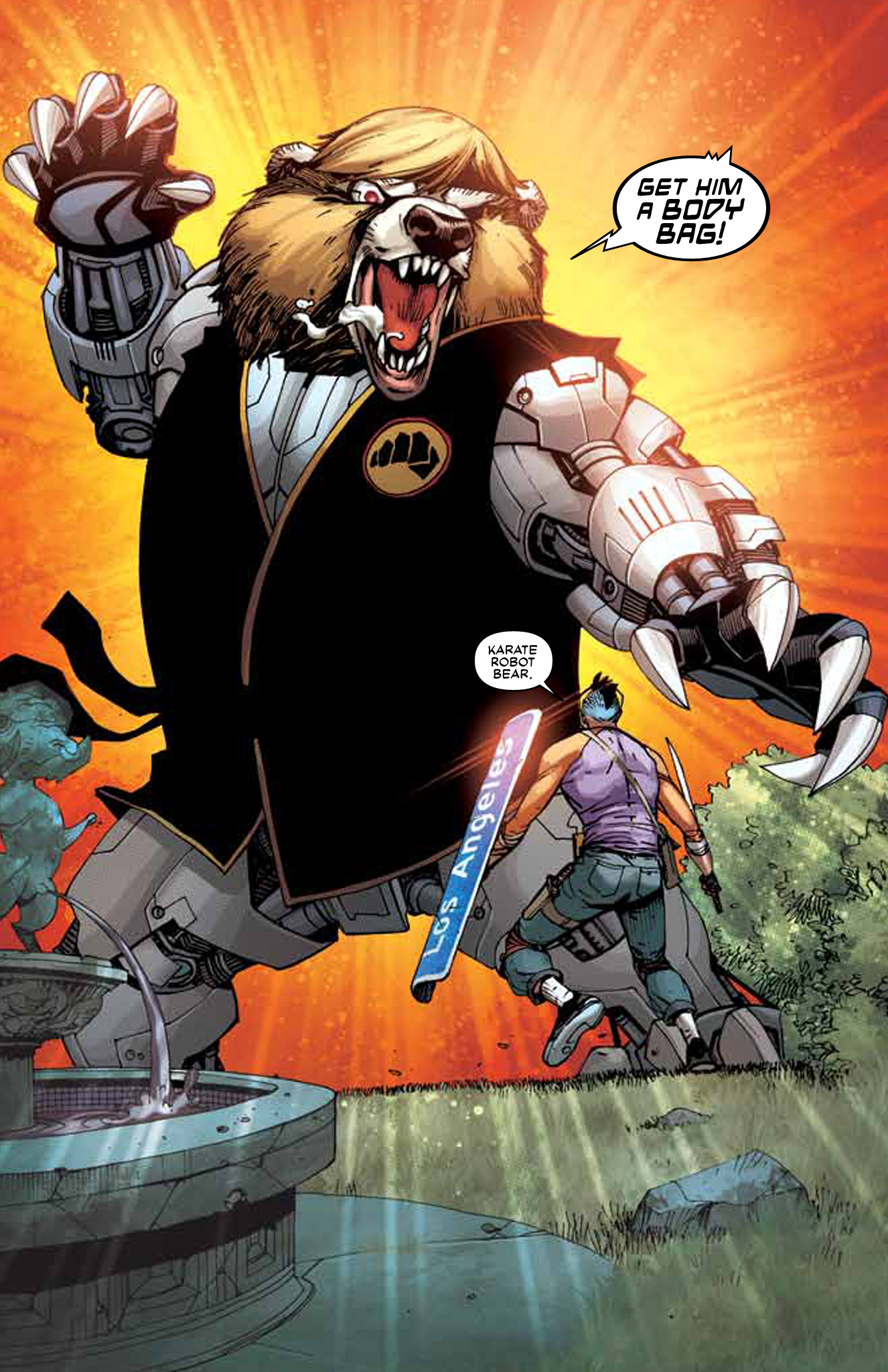 This was an interesting start to King’s story, if nothing else, and the ending of this issue piqued my interest with the introduction of a new character. This may be a little too weird for some people depending on tastes. We learn a little about what happened to humanity and meet the various oddities that King faces in his day to day life. Some part of this story is written with so much finesse and some parts of this story feel like Fialkov is trying a bit too hard, especially with some of the slang, which felt too much like “cool kid” talk. (However, I tried to be forgiving because King’s world is upside down.)
I did expect a little more diversity in character behavior being as there are no humans aside from King, and we’re treated to anecdotes about how intelligent these creatures are but they’re still very, very violent. Most of these creatures just felt human and a little on the trope-y side, such as the hybrid duck creature in a motorcycle gang who confronts King and makes derogatory remarks about him only being one species. However, this series has potential. I can see it in the book. I’m interested enough to keep cautiously going with this series, and honestly, it’s still better than 90% of the mainstream comics I’ve been reading lately. Fingers crossed that this turns into something special.
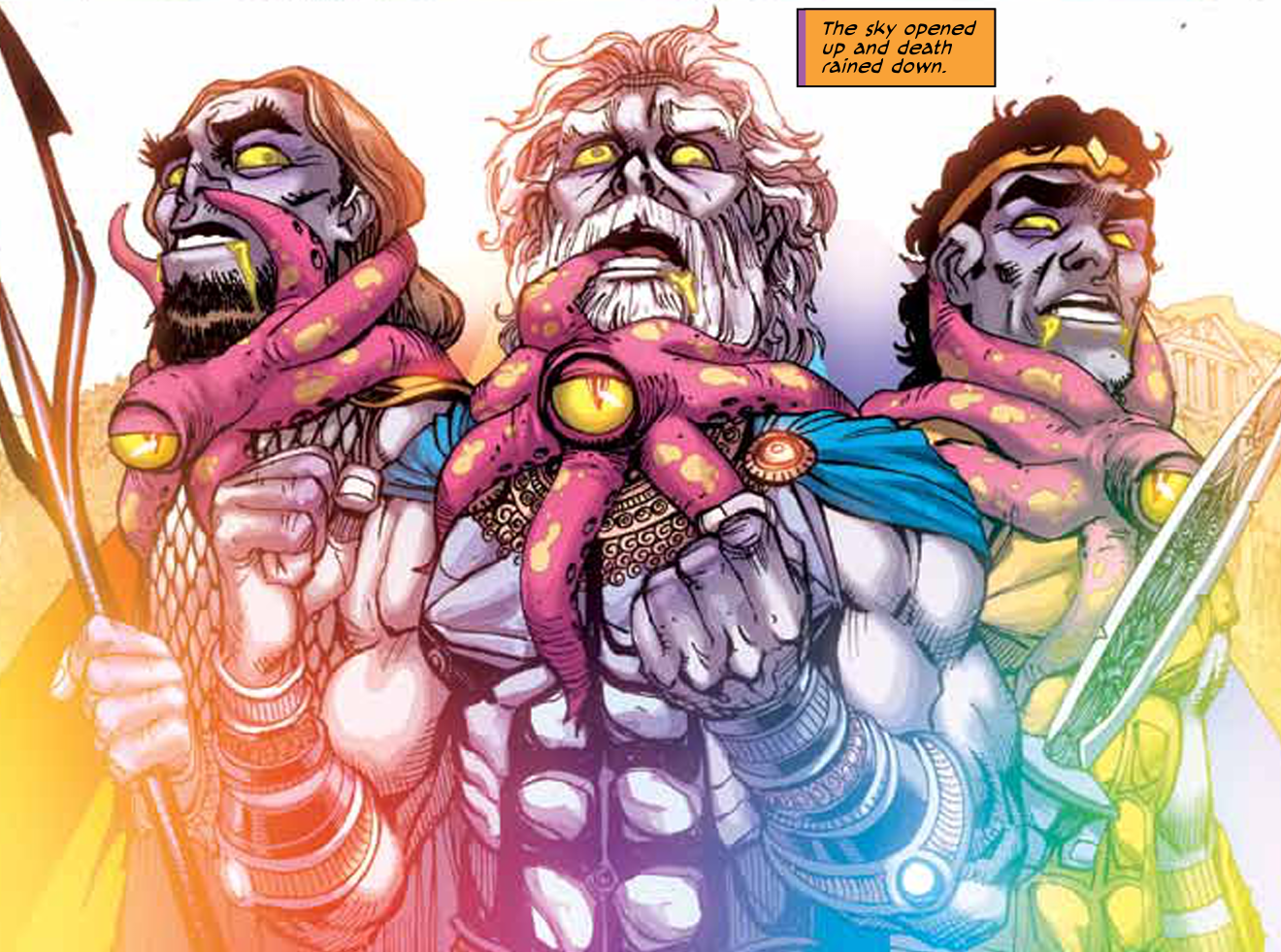
Despite what I’ve been told, there are no cheetah ladies trying to mate with King in this particular issue, but there are tentacles and that makes it all worthwhile. Tentacles always factor into my final rating.

Waiting on Wednesday 08/19/15
Posted on August 19, 2015 14 Comments

“Waiting On Wednesday” is a weekly meme hosted by Breaking the Spine that lets us feature upcoming releases that we can’t wait to get our hands on!
Mogsy’s Pick:
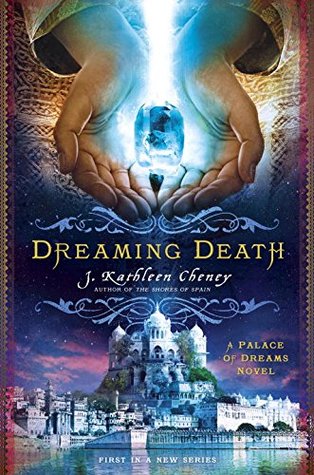
Dreaming Death by J. Kathleen Cheney: February 2, 2016 (Roc)
At the moment I’m working my way through the books of J. Kathleen Cheney’s Golden City series, so I am no stranger to her incredible talent for storytelling and crafting imaginative worlds by combining culture and history with magical and mythological elements. Her upcoming novel Dreaming Death is the beginning of a new series called Palace of Dreams, and it sounds just as tantalizing and beautiful.
 “In the Novels of the Golden City, J. Kathleen Cheney created a “mesmerizing” (Publishers Weekly) realm where magic, history, and intrigue combine. Now, she presents a new world ruled by psychic talents and fatal magic…
Shironne Anjir’s status as a sensitive is both a gift and a curse. Her augmented senses allow her to discover and feel things others can’t, but her talents come with a price: a constant assault of emotions and sensations has left her blind. Determined to use her abilities as best she can, Shironne works tirelessly as an investigator for the Larossan army.
A member of the royal family’s guard, Mikael Lee also possesses an overwhelming power—he dreams of the deaths of others, sometimes in vivid, shocking detail, and sometimes in cryptic fragments and half-remembered images.
But then a killer brings a reign of terror to the city, snuffing out his victims with an arcane and deadly blood magic. Only Shironne can sense and interpret Mikael’s dim, dark dreams of the murders. And what they find together will lead them into a nightmare…”
Audiobook Review: The Alchemist and the Executioness by Paolo Bacigalupi, Tobias S. Buckell
Posted on August 18, 2015 2 Comments
 Genre: Fantasy, Novella
Publisher: Audible Studios (July 7, 2010)
Narrators: Jonathan Davis (The Alchemist), Katherine Kellgren (The Executioness)
Length: 5 hrs and 36 mins
The Alchemist and the Executioness is actually two novellas told in a shared universe. This started as an audiobook, but now you can buy both stories in digital print format separately. In this world, magic is banned. Every time someone casts a spell, poisonous, thorny bramble vines appear in random places. These brambles continue to grow and sprout as magic is used, strangling and destroying whole nations. Despite this threat, brambles continue to appear. Magic continues to be used, and the punishment for using magic is death. However, for some, the threat of death is worth the use of magic. These stories explore both sides of the tale and both share a common theme of the things we’d do for the ones we love.
 The foreword starts with Tobias S. Buckell stating that while he’d been editing one of his stories he listened to a discussion by Maureen McHugh about women’s roles in genre fiction, mentioning all the young, nubile heroines we get when strength comes from women of all ages. Specifically she asked: “Where are the middle-aged heroines?” This along with an art exhibit he visited where one of the pieces featured an executioner inspired him to look into a genre he doesn’t normally write in (fantasy) and craft a story that tries to give us a heroine who fits this bill. (Check out our past Tough Traveling that explores this theme with many women listed.)
I’ve recently crossed some excellent heroines in fiction who aren’t younger than their mid-20s such as Lois McMaster Bujold’s Dowager Queen, Ista, from her Chalion series and M.C.A. Hogarth’s adventurous space captain, Reese Eddings, who is only 32 (not middle-aged, but still rare to see). And it would be a great disservice for me not to mention Commander Shepard from the gaming series Mass Effect for those of us who play(ed) Shepard as a woman. Shepard begins the series at 29-years-old and end the series in her 30s still kicking all kinds of ass. If I talked about movie/television heroines, I could go on and on. So, this story was certainly high on my interest scale.
While the title of “Executioness” grabbed my attention because how many female executioners–not assassins or rogues, but actual women who publicly execute people at the behest of their government–do you see in a fantasy setting of any age to act as their executioner, to set aside their feelings and punish those deemed guilty by their rulers, to be the feared face of their rulers’ wrath to the public? Finding out the heroine of this story is a middle-aged woman trying to feed her children, a woman who took up her father’s position, made it even more compelling.
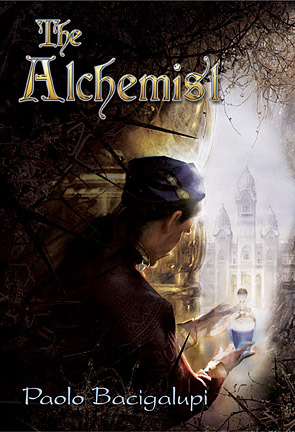 Paolo Baciaglupi’s foreword talks about how once they decided to take this adventure on together, which was a new frontier for them as they’re both science fiction writers, they started focusing on “fantasy to what purpose.” What kind of world would require they have an executioner? What sort of ruler beheads its criminals and for what offenses? And I guess for most readers that’s a fairly simple question because we know that those in power like their executions for just about any offense. However, I suppose the medium (short-story) meant they had to think a little harder about that. They have to give these questions more weight because they’re not writing sprawling stories that allow them time to play around with these ideas.
The Alchemist follows a father, an alchemist, who wants to eliminate the bramble through scientific means while keeping his daughter, who is suffering from a wasting cough, alive. The Alchemist is both idealistic and cynical in his pursuits. He thinks that his experiments for destroying the bramble will make him a hero to his family and the country. However, he underestimates the greed of the government that runs their city, which shows him that their interests are going to align with whatever course keeps them in power.
The epic fantasy short story format has always been a curious thing to me because in my mind it seems like it would be much harder to write short stories in a typical epic fantasy universe because you don’t get to have the level of storytelling and world-building those types of stories require. I can’t say that I’ve read too many short stories in that setting that didn’t already have a series it was attached to, such as having various books with short stories set in Westeros as companions to GRRM’s A Song of Ice and Fire series, short stories where the readers are already familiar with the world and are only meeting new faces or getting another side of a story.
Both narrators did an exceptional job with their respective stories. Jonathan Davis is one of my favorite narrators, so I knew I’d be pleased with his narration. He never fails to deliver for me, and this story is no exception. I’d first listened to Katherine Kellgren while listening to The Queen of the Tearling, and while I didn’t think she was a horrible narrator, her narration of that book came off a little strange. I’d commented in my review that I thought she’d probably be a fine narrator if she wasn’t doing that weird half-screaming thing she did while reading Tearling, and I was right.
Both of these stories would’ve best benefitted from a longer story. It would’ve been interesting to explore this world more, to find out if the alchemist eventually crossed paths with the executioness, what would become of the magic, etc. There were a few little inconsistencies that popped up between the two stories, but I figured most of this could’ve been explained away if these had been longer stories. I won’t dwell on them here.
The Alchemist worked better in this short format than The Executioness. Despite wanting to see more of the story, it felt more complete than The Executioness and achieved its narrative better. With The Executioness, you’re not getting exactly what you think you are… at first. You think you’re going into a story where a woman is an established executioner, where maybe her sex is commented upon but she’s carved out her role. That’s not really the case in the beginning. It wasn’t a bad story. I still enjoyed it more than I enjoyed The Alchemist, especially later parts of the story, but part of me wonders what kind of amazing story this would’ve been if there had been more meat. It captured the spirit of what can fuel the pain and need for vengeance in a person well. In any event, I applaud the effort of both writers to write outside their comfort zone.




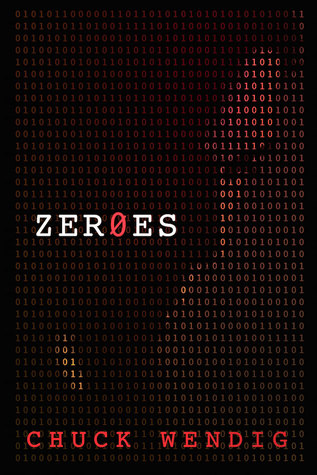
Book Review: Zer0es by Chuck Wendig
Posted on August 17, 2015 18 Comments
A review copy was provided by the publisher in exchange for an honest review. All opinions are my own.
Genre: Science Fiction
Series: Book 1 of Zer0es
Publisher: Harper Voyager (8/18/15)
Author Information: Website | Twitter
Mogsy’s Rating: 3.5 of 5 stars
Readers are taken on a wild ride through the dark side of the internet in what might be Chuck Wendig’s most ambitious novel to date. Exploring the world of hackers, cybercrime and artificial intelligence, Zer0es is a sci-fi thriller featuring the largest cast he’s ever written, as well as a scope that spans the entire nation. As a fan of the author, I knew I had to check this one out as soon as I learned about it, and by the by, I also found reading it to be an enlightening experience given how different it is from his past work I’ve enjoyed. It was easy to spot areas where Wendig played to his strengths and conversely those areas where he may have been out of his comfort zone. Any way you look at it though, this was an interesting one.
Zer0es basically makes for fabulous popcorn entertainment, like a summer Hollywood blockbuster in book form. In fact, as strange as it sounds, all I could think about was the movie Now You See Me as I was making my way through the first handful of chapters – not that the film bears any similarity to the book’s story at all, other than the fact both feature a group of extremely talented individuals (in NYSM, street magicians; in Zer0es, hackers…though to a computer programming and coding noob like me, hacking might as well be magic) who are brought together by a mysterious benefactor. No, what struck me was the similar tone of both movie and novel, exuding a vibe meant to provide both fun and entertainment to the consumer experience. You know those kind of stories.
Still, what I really want to talk about in this review are the characters. This group of five hackers calling themselves “the Zeroes” – Chance, Reagan, Aleena, DeAndre and Wade – held the key to my experience of this book, and were often at the center of what I loved and what I didn’t love about it. In a general sense, the type of Hollywood blockbuster energy that came off the story wasn’t so very different from what I got off of the characters either – to a one, they were intelligent, charismatic and witty, delivering line after line of cleverly constructed dialogue like they were all reading off a written script. Wendig is a master of dialogue writing after all, and he has a very distinct and droll sense of humor that’s unmistakable when you see it; it is this talent of his that made me fall in love with his protagonists Miriam Black or Mookie Pearl in their respective urban fantasy series.
In a book like Zer0es though, I think the biggest challenge was to make each of the five hacker main characters stand out, and the results came out mixed. Wendig crafts very compelling characters, and I can’t deny that all of them are memorable and unique in their own way. At the same time though, Zer0es is probably also the most “mainstream” book I feel the author has ever written, complete with an improbable yet wildly enjoyable premise that’s heavy on the edge-of-your-seat action and suspense. In keeping with this, the characters also have a very “Hollywood-movie-like” feel to them, despite efforts to give them convincing backgrounds and personalities. In many ways, they remain as archetypal as the hacker roles they are pigeonholed into – the bombastic no-filter-between-her-brain-and-her mouth Reagan is of course the professional online troll, for example, and the libertarian hippie gun-loving conspiracy theorist Wade is naturally the aging cipherpunk who still prefers to do things the “old-school way”.
Still, while the characters may be thinly-written, they were still a lot of fun to read about. The five of them have mass audience appeal, perhaps precisely because they play to reader expectations. Of course, the downside of clichés is that it also makes it harder to care about the characters. I readily admit to having trouble engaging with any of them at the start, which was absolutely not helped by the fact all of them came off as arrogant, snarky snobs who were too smart for their own good (but like I was saying, when you’re playing to the hacker stereotype, all that is most likely by design). Of all of them, Reagan was especially off-putting (again, by design) and I never grew to like her, though by the end of the book I did develop a soft spot for Wade, partly because he showed the most leadership but also mainly because he’s someone very different from a lot of Chuck Wendig’s other characters. This is the first time I’ve seen him juggle this many characters in a novel, and even though the balance wasn’t perfect, there was an undeniable thrill to reading all the different POVs.
Then there was the story. For a novel of this length, I blew through it relatively quickly. Like Wendig’s other books, the prose was smooth, easy to read, and the narrative was extremely addictive. As someone who knows completely zip about hackers and hacking, I was thoroughly captivated by the premise, though someone with greater knowledge in networks and cyber-security might find it overly simplistic. Regardless of who you are though, some suspension of disbelief is most definitely required especially once we move into the second half of the novel and the plot starts getting involved in some really insane and out-there theories. But hey, isn’t that what I signed up for? Hollywood blockbuster, remember.
All in all, while Zer0es probably isn’t my favorite book by Chuck Wendig (that distinction still belongs to The Cormorant, third book of his Miriam Black series) I still feel that it’s a bold move in the right direction. It’s always exciting to see one of my favorite authors do something different, and this was an unexpected delight indeed. Well played, Mr. Wendig. I hope to see more of the Zeroes in the future.

Graphic Novel Review Bites
Posted on August 16, 2015 10 Comments

 Pathfinder Volume 3: City of Secrets
With thanks to Netgalley for the opportunity to read an advanced copy of this book in exchange for an honest review.
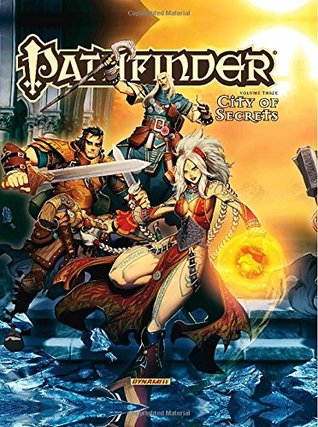
Pathfinder is an RPG some of my friends play but I have yet to try it out. In fact, I’ve only just dipped my toes into tabletop gaming, starting with DnD so that I can check this off my geek cred check list. But I have read Pathfinder comics before and loved the characters, which is why I jumped at the chance to read more about them here. Our intrepid heroes are, in many ways, the typical fantasy characters, but the comic does its best to break some of the races and classes out of the tropes they have been pinned to. This book once again pays particular attention to Merisiel, the elf rogue with the questionable past. Her loyalties always seem to be in question–though it’s usually Merisiel herself asking those questions. Meanwhile, Kyra has found herself in a city that hunts down clerics like her and murders them as heretics. She has no fear of them, but perhaps she should. And finally, the other notable plot line follows Ezren, the sorcerer who has only just come into adventuring in the later years of his life.
This was a fun read, even if it only gave a cursory eye to the plot lines mentioned above. It apparently is connected to another issue of the comic book series which delves more into the adventures of and relationship between Merisiel and Kyra and likely gives the (slightly predictable) twist ending in this book more of an impact.
I am quite fond of the art and colours in this book. It’s very focused on bright and lively primary colours, with sharp, well defined lines that really help the characters as well as their vibrant personalities stand out.
 Low, Vol. 1: The Delirium of Hope
With thanks to Netgalley for the opportunity to read an advanced copy of this graphic novel in exchange for an honest review.
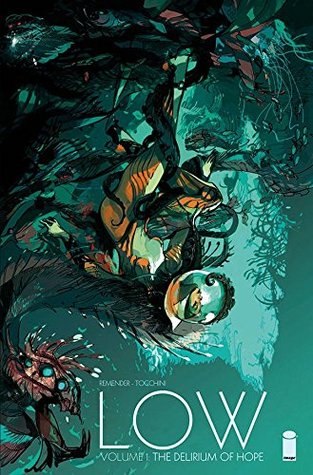
Remender opens the story by informing the reader of his struggles with negativity and that, with the help of therapy, he eventually learns to be more hopeful. Low is very much the result of this new outlook, and, during the first few pages, Stel positively gushes hope inspite of the reality of the situation. This takes places far into the post-apocalyptic future where a few remaining humans inhabit the depths of the ocean. There is little hope that the surface will be inhabitable again, and even less hope that they will live much longer since breathable air is running low. But Stel is all about the sun coming out tomorrow. Initially, this gets a bit tedious, though thankfully the light, humourous banter between Stel and her husband offsets the over abundance of ridiculous positivity. Thankfully and realistically, Stel’s outlook falters somewhat when a training session with her family results in the death of her husband and kidnapping of her daughters. The story then leaps a bit into the future with Stel hoping that her estranged son will help her get the girls back.
The premise is interesting. We don’t often get to see post-apocalyptic from beneath the ocean. That alone piques my curiosity, and, once Stel’s sunny disposition settles into something more palatably rationale (she’s not crazy… just annoying), I found myself wanting to know more about this world and the fate of mankind. If only to understand just who the bad guys are supposed to be in this scenario and find out why anyone would be resisting the concept of, you know, air.
Tocchini’s art work is very dramatic. There is a lot of monochromatic colouring over top of the gritty, sketchy lines that seem to be popular these days. It’s beautiful, especially on the cover, but sometimes, it gets a little too messy and muddles an already vague story.

When you’re a villain, what could be better than having an powerful sidekick ready and eager to do your dastardly bidding? Wellllll… if said sidekick is far more powerful than she seems to be and has an unstable personality to go with that power, plans may go awry.
Ballister Blackheart’s dreams of becoming a hero were shattered the day he bested his best friend at the academy and an subsequent “accident” cost him his arm as well as his status. Now, Sir Goldenloin, once friend, is Blackheart’s greatest foe, but, as we see in the panels of their first confrontation, there’s more to their relationship than it seems. In fact, friendship, loyalty, and trust are the major themes weaving their way through this funny but poignant story. Stevenson crafts a dark but quirky and amusing tale of betrayal and corporate shenigans, forcing the questioning of good versus evil and what it really means to be a hero. This is a story that can be appreciated by all ages. I enjoyed it very much and am looking forward to sharing it with my daughters.
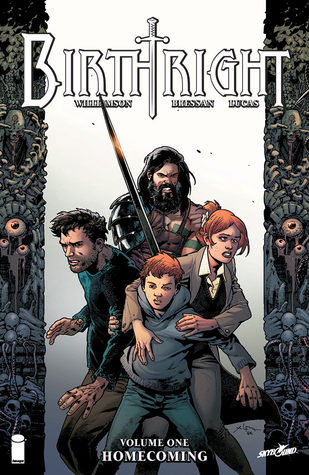
Nothing is worse for a parent than losing a child–except losing a child without the closure of knowing where that child is lost. This is what happens when Aaron’s son Mikey vanishes into the woods. Through altering perspectives, we learn that Mikey has slipped into another world a la Narnia, but the rest of the Rhodes family remains in ignorance and, over time, Mikey’s disappearance tears the family apart, especially when no one will believe that Aaron is innocent.
Meanwhile, Mikey’s new world is anything but Narnia, with great, viscious beasts ready to eat him for a snack and a group of freedom fighters who have pegged him as the prophecied saviour of their world.
When Mikey finally does return home, he is all Conan the Barbarian, but only a short time has passed for the family. Despite the improbability that this strange man is who he says he is, Aaron chooses to believe absolutely and joins Mikey on the quest to now save earth from the bad guy from the other realm. The catch? Turns out Mikey failed in his world saving on the other side and is now a minion of the dark lord. The latter sometimes plays a bit hokey, but Aaron’s desperate faith in Mikey and his quest is heart breaking. The twist that Mikey is under the thrall of the bad guy is an interesting one, even if the delivery is a bit corny. It’s enough to make me want to see how the writer manages to pull off this little upheaval of the typical hero story.
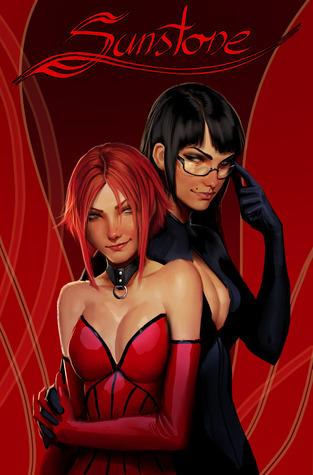
This review was originally posted at Women Write About Comics. I am resharing an excerpt here because I love this book so much and highly recommend it.
If I catch you reading Fifty Shades of Grey, I am going to politely remove it from your grasp and hand you a copy of Sunstone instead. And if you’re into great characters and wonderful, sweet, funny romance stories that explore sexuality, then I am also going to hand you a copy of Sunstone.
To be clear, this is a story that heavily features BDSM, but I want you to set aside any preconceived notions you have about that and read it anyway. First of all, it is an incredibly beautiful, informative, and healthy exploration of sexuality that forces us to acknowledge that sex is a completely normal part of our lives which we need to stop being so damn taboo about. Now, while BDSM might be a kink for some people, that does not make it any less important as a part of sexual exploration. But the key to BDSM is something that, unlike Fifty Shades, Sunstone makes very clear: BDSM is about consent and it is about trust.
Lisa and Ally meet online and begin a friendship based on their shared kink and their respective roles as sub and domme. Their first in-person meeting has all the awkward moments that anyone on a first date can imagine, and as their relationship blossoms beyond the boudoir, it’s hard not to fall for the characters as well. Yes, this book features BDSM and erotica, but just as importantly, it is about very human characters that many of us can relate to in many ways. They explore their roles as sub and domme, but, mainly through Lisa, the story also deals with friendship, relationships, and that butterfly feeling you get in your stomach (and elsewhere) when you fall in love. Read more at WWAC

YA Weekend: Alien Child by Pamela Sargent
Posted on August 15, 2015 Leave a Comment
 Genre: Science Fiction, Young Adult
Series: Standalone
Publisher: Open Road Integrated Media (May 19th, 2015; originally published January 1, 1988)
Author Information: Website
Tiara’s Rating: 3 of 5 stars
Goodreads | Amazon | Barnes & Noble
Full Disclosure: A review copy of this book was provided to me by Open Road Integrated Media. I would like to thank the publisher for providing me this opportunity. All opinions expressed from here forward are my own.
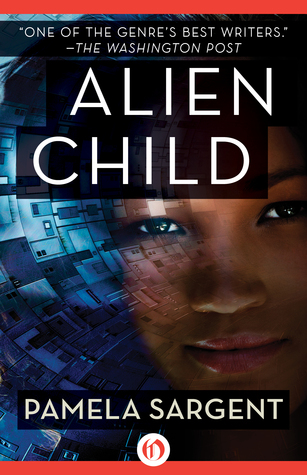
Originally published in 1988, Alien Child is a young adult book that follows a human girl named Nita who is being raised by a catlike creature, Llipel, in the remains of a medical institute. Llipel’s companion, Llare, stays holed away from them in another part of the institute that she’s not allowed to access. Nita begins to believe that she’s the last surviving human on Earth as she learns more about what happened to the rest of humanity and how she, a human girl, came to exist in a world where humans no longer roam. Then, she discovers that Llare is actually raising a human boy of the same age named Sven.
This book seems typical fare for young adult books published during the 80s and 90s. I think if I’d read this as a kid, I probably would’ve liked it more. Reading it as an adult, it was a conceptually interesting read, but not the most compelling read. It felt a bit too juvenile, even for my tastes. This skews toward the younger side of young adult. We meet Nita when she’s young and follow her to her fifteenth year, and this book focuses on the issues that she goes through as she ages from precocious child to puberty. These issues are handled in ways that a child would relate to them and not in a way that could be seen as gross or inappropriate, except for maybe one scene between Nita and Sven.
The science fiction aspect of the story is where things get a little atypical. This book explores themes such as “nature vs. nuture.” It questions how would a human child behave if raised by a being that didn’t have an innate curiosity about things, who believed that all answers come in due time. As a mom of two, I could definitely see a human child being overly curious as Nita was, despite having a guardian who was cautious and patient. Honestly, I didn’t think Sargent addressed this as well as she could have. Nita didn’t really seem that much different from a child who hasn’t been raised in isolation, and she took to many things much better than you’d expect.
Sargent did a better job trying to explain the horrors of humanity to the children and what led to their destruction, questioning whether humans were even a race worth saving once the children had full knowledge of their heritage. It might not explore this as deeply as my adult mind would like, but keeping the age group this is aimed toward in mind, this is a great way to start challenging their ideas, especially what they feel the fate of humanity should be after learning something pivotal later in the story.
Twelve-year-old me probably would’ve lapped this story up, and I think it probably would be great for kids as an introduction to science fiction and perhaps as a starting point for some of those uncomfortable conversations parents eventually have to have with their kids but are not quite sure how to get there. Adult me thought this was an okay story, but can still see why this is considered a classic and brings out nostalgia among old science fiction fans.
Mogsy’s Bookshelf Roundup: Stacking the Shelves and Recent Reads
Posted on August 15, 2015 27 Comments
Bookshelf Roundup is a feature I do every other weekend similar to Stacking the Shelves where I talk about the new books I’ve added to my library or received for review, as well as what I plan to read soon. I also summarize what I’ve finished reading and/or reviewed since the last update, and sometimes I even throw in fun stuff like reading challenge updates, book lists, and other random bookish thoughts.
* * *
RECEIVED FOR REVIEW
Inbox activity remains high as we move into late summer. I’ve started to see a lot of fall releases show up — including many highly anticipated titles — and more and more I’ve found myself relying on Bookshelf Roundup to track whether or not “outgoing” is keeping up with “incoming”, as well as help catalog the books that have been added to my shelf (requested, unsolicited, gifted, purchased, borrowed, etc.) in the last two weeks. Much love and gratitude to these publishers and authors for filling my days with such great reads:
Digital and Audio:
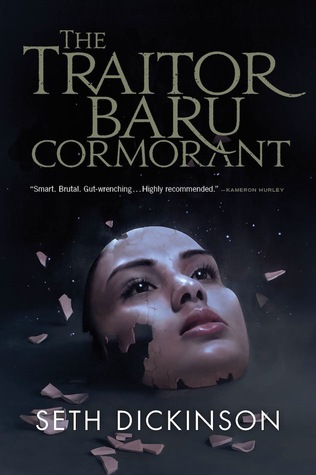

The Traitor Baru Cormorant by Seth Dickinson – e-galley with thanks to Tor. I can never resist a good epic fantasy. After seeing an excerpt of this I was so amazed that I wrote to request the full eARC.
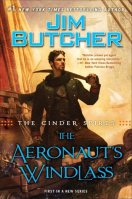
The Aeronaut’s Windlass by Jim Butcher – digital ARC with thanks to Roc Books via NetGalley. On the one hand, I love Jim Butcher’s UF Dresden Files. On the other, I threw in the towel after just two books of his epic fantasy series Codex Alera. When I saw this up on NG though, I made the decision to give it a shot. I don’t know what I’ll make of it yet, but I look forward to finding out.
An Apprentice to Elves by Sarah Monette and Elizabeth Bear – digital ARC with thanks to Tor via NetGalley. Monette and Bear together? How could I say no? Only after I requested did I realize this is the third book of a series, but I’ve also heard this works perfectly fine as a stand alone. Let’s hope so!
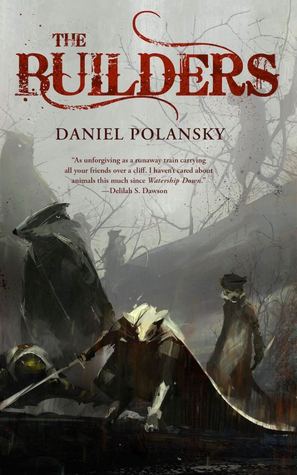
The Builders by Daniel Polansky – e-galley with thanks to Tor.com, a new imprint specializing in publishing great SFF novellas and novelettes. They actually sent me e-galleys of their entire lineup of upcoming titles for this fall (all ten of them!) but for simplicity’s sake I’ll list only The Builders for now because it’s the one I’m most interested in (though I’ll likely end up reading a bunch more others — for the full list of titles received as well as their covers and descriptions, go here). I can’t help it, I just love stories about animals.
Flex by Ferrett Steinmetz – Audiobook with thanks to Audible Studios. Just in time for the sequel! I’ve been meaning to get to this for a while, and I’ve heard great things about it from other bloggers.
Baptism of Fire by Andrzej Sapkowski – Audio CDs with thanks to Hachette Audio, who are awesome for continuing to feed my insatiable Witcher addiction with these audiobooks!
Bound ARCs & Finished Copies:
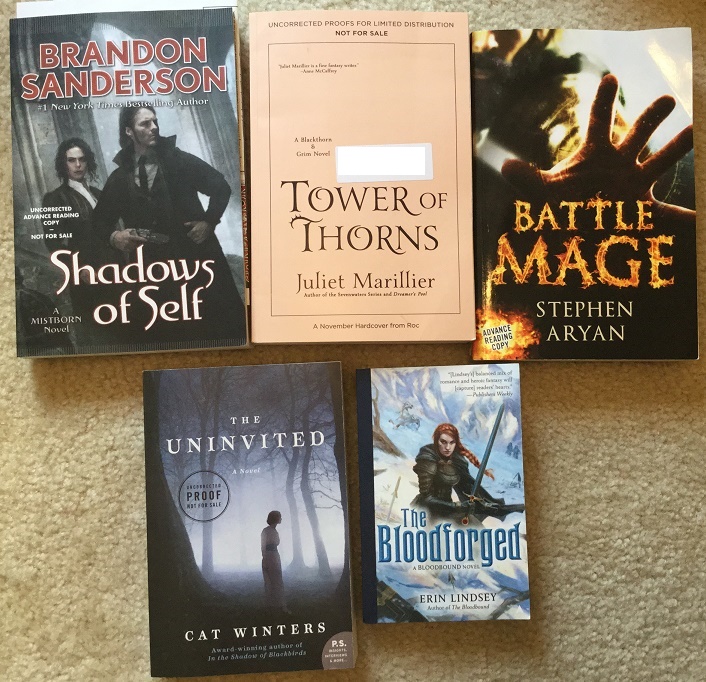
Shadows of Self by Brandon Sanderson – Print ARC with thanks to Tor. The day this arrived, I was actually expecting another book from Tor, so when this ARC fell out of the package instead my jaw just hit the ground. This is one of my most anticipated reads this year, but I didn’t put in a request figuring there’d be about a snowball’s chance in hell that it would get approved. For it to show up unsolicited was a surprise indeed – but a very happy one! I will be reading it for sure, so look for the review at the end of September.
Tower of Thorns by Juliet Marillier – Print ARC with thanks to Roc Books. When this book came, my husband was like, “Why are you acting so weird?” and I was like, “Because I just opened this package and this book called Tower of Thorns was in it and it’s only like THE most anticipated release of 2015 for me and now I can’t breathe I’m hyperventilating and why can’t I stop flailing and DON’T YOU JUST @#$%#^& UNDERSTAND?!?!??!?!!?“
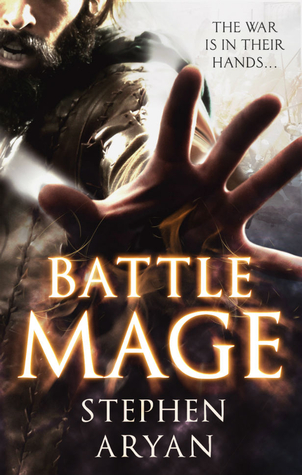
Battlemage by Stephen Aryan – Print ARC with thanks to Orbit, whose publicist very kindly procured a copy for me. I am frankly amazed that this book isn’t getting more attention. Um, hello, battlemages? BATTLE. MAGES. As soon as I saw the title and the description, I knew I had to read it. Because battlemages. I’m very excited about it, so watch for the review to be posted in September.
The Uninvited by Cat Winters – Print ARC with thanks to William Morrow via LibraryThing’s Early Reviewers Program. I almost forgot I won this book back from the June batch! By the time it finally arrived I’d already planned my reading list, but I’d still really like to fit this in.
The Bloodforged by Erin Lindsey – Print ARC with thanks to Ace Books. E. L. Tettensor/Erin Lindsey is a fabulous storyteller, whether she’s writing mysteries or romances. So of course I jumped at the chance to be a part of her tour for the new book The Bloodforged. Be sure to stop by The BiblioSanctum next month for the review.

Abomination by Gary Whitta – Hardcover with thanks to Inkshares and Wunderkind PR. This book came highly HIGHLY recommended to me and the enthusiasm with which it was pitched was immensely infectious. It didn’t take much to convince me. Fantasy? Historical Fiction? Horror? YES PLEASE.
Updraft by Fran Wilde – Hardcover with thanks to Tor. It looks like I’d been put on the list for a finished copy of this book, and I’m very grateful; there’s nothing like the feel of a bound book in your hands!
Nightwise by R.S. Belcher – Hardcover with thanks to Tor. Another finished copy from the awesome folks at Tor who seem to know exactly the kind of books I’m interested in!
The Best Horror of the Year Vol. Seven edited by Ellen Datlow – Paperback with thanks to Night Shade Books. These anthologies have been on my radar for a while, and Volume Seven just might be the one where I’ll finally take the plunge.
The Song of Synth by Seb Doubinsky – Paperback with thanks to Talos. The ever generous folks at Skyhorse Publishing continue to surprise me with great looking books. The cover of this one caught my attention right away, as you can imagine!
The Paradox by Charlie Fletcher – Paperback with thanks to Orbit. Last year I was blown away by the first book of this series The Oversight. Really looking forward to reading The Paradox, its sequel.
Forbidden by Cathy Clamp – Paperback with thanks to Tor. I’ve never read Cathy Clamp before, so I’m really excited about this. Forbidden is the first book of the reboot of her Sazi Universe, making this a great jumping on point for new readers. I’ll have a review and a giveaway for this book later in the week as part of the tour, so be sure to check back for that!
OTHER ARCS…
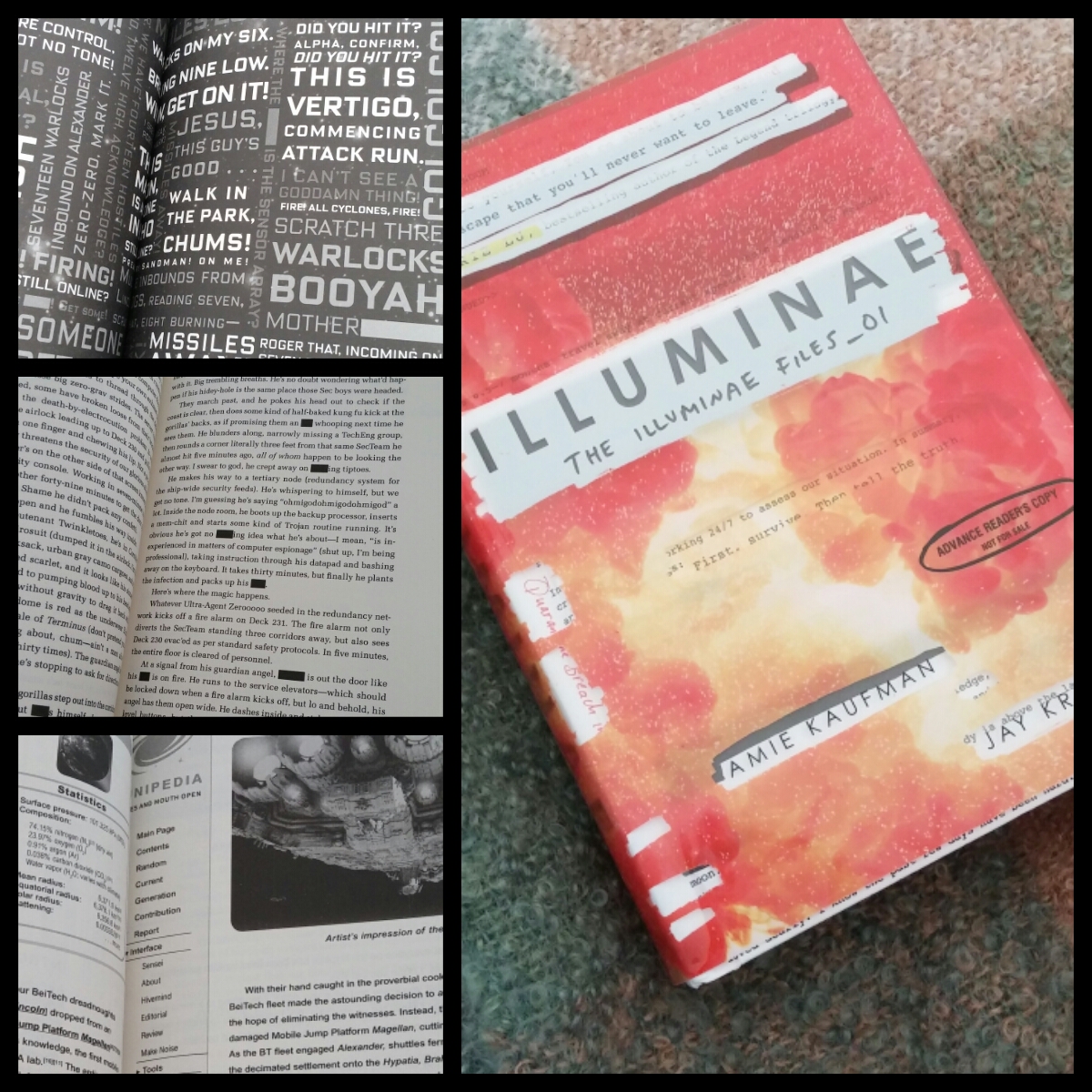
Illuminae by Amie Kaufman and Jay Kristoff – Thank you so much to Tammy at Books, Bones & Buffy for sending me her extra copy! I had an eARC of this book, but was forewarned that it might be difficult to read because of the heavy visual component. After this physical ARC arrived, the full meaning behind that statement finally hit home. You guys, the amount of graphics in this book is STAGGERING. It’s also very gorgeously and creatively put together. Check out the photos, though seriously, they don’t do the book justice at all. It’s like a work of art.
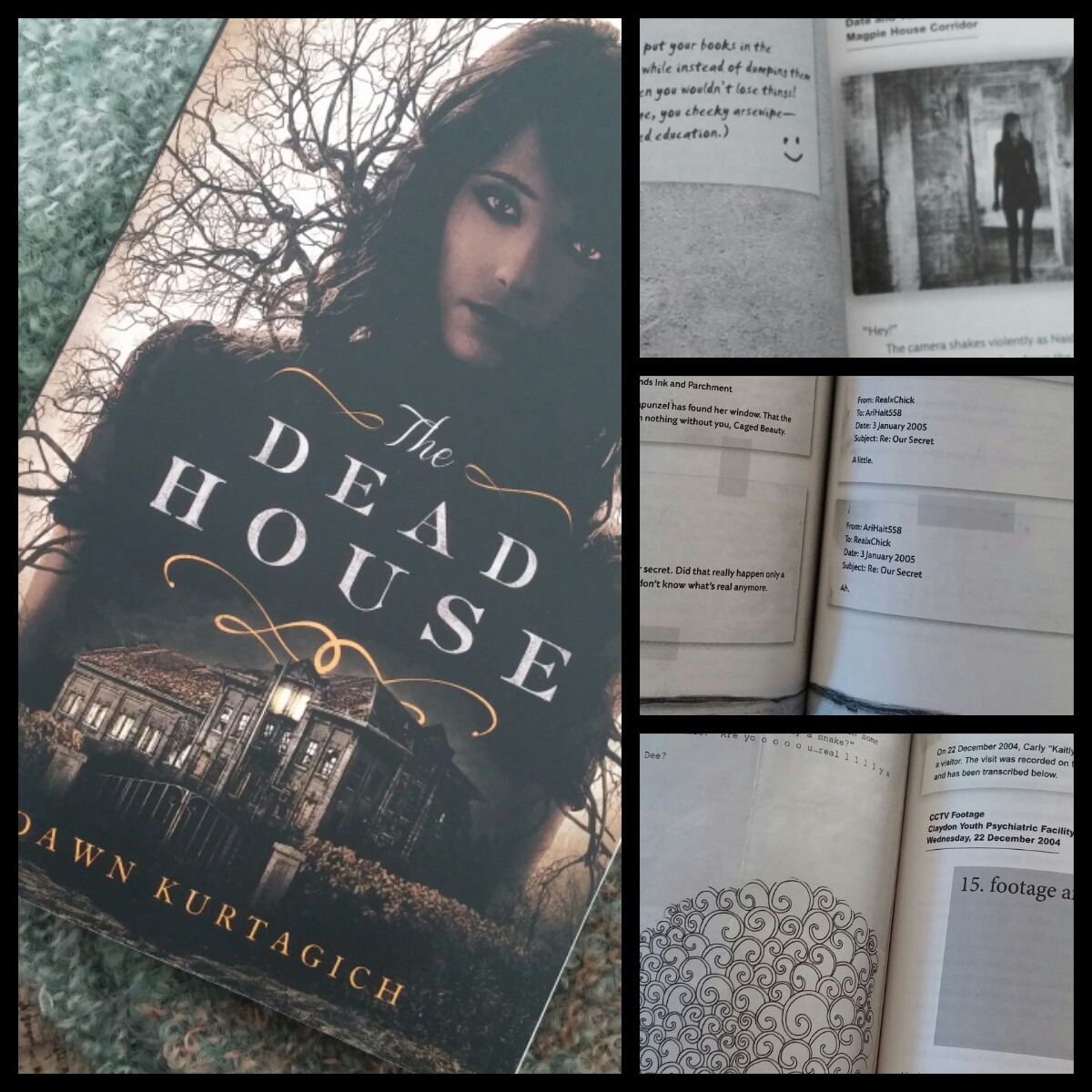
The Dead House by Dawn Kurtagich – This was an ARC I won from great folks at NOVL. I knew very little beyond the fact that it is a horror YA novel, so I was very surprised when I took a look through it to see the format. Like Illuminae, there is a huge visual component, and the story is told through a similar epistolary fashion via articles, interviews, notes, etc. with lots of little illustrations on the side. What do you think, is this maybe a burgeoning trend in YA?
* * *
WHAT I’VE READ SINCE THE LAST UPDATE
I’ve always been what you’d call a “fast reader”. But lately I feel like I’ve been reading even more than usual, and I attribute that to a recent change in my daily schedule. Daughter #2 is now six months old and is probably hitting a growth spurt, because she’s no longer sleeping through the night (not that she ever did, really) and the quiet hours during late night feedings/cradling and rocking/sitting next to her crib waiting until she calms down enough to fall back asleep have been prime reading/audiobook listening time for me. If there’s anything to be gained from this, I guess it’s that the more books you see me read, it means the less sleep I’ve been getting! 😉


Reviews:
Here are the reviews I’ve written and posted since the last update, gathered together and listed here for your convenience and viewing pleasure.
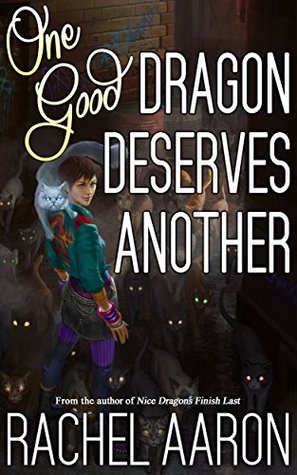
One Good Dragon Deserves Another by Rachel Aaron (5 of 5 stars)
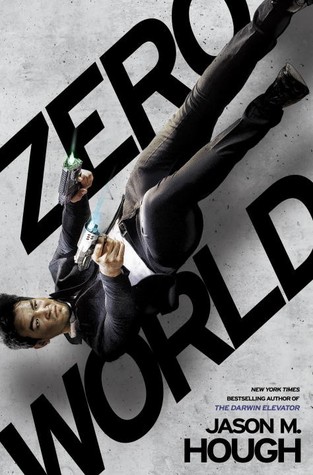
Zero World by Jason M. Hough (4.5 of 5 stars)
The Time of Contempt by Andrzej Sapkowski (4 of 5 stars)
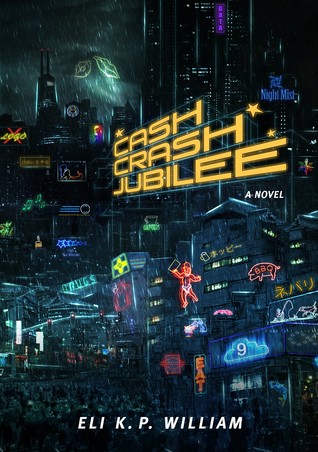
Cash Crash Jubilee by Eli K.P. William (4 of 5 stars)
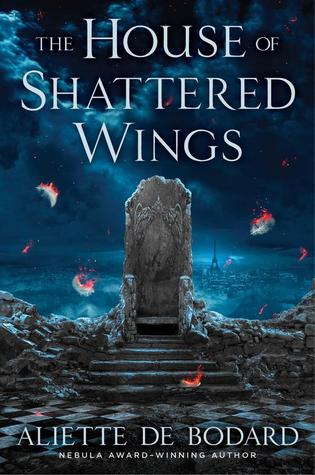
The House of Shattered Wings by Aliette de Bodard (3.5 of 5 stars)
Departure by A.G. Riddle (3.5 of 5 stars)
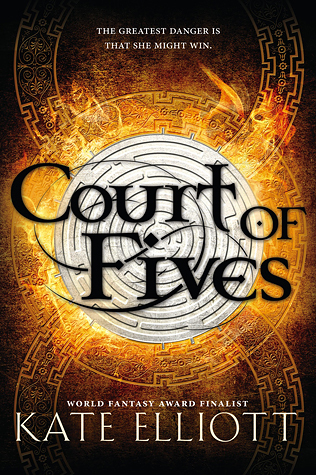
Court of Fives by Kate Elliott (2 of 5 stars)
* * *
Have you heard of or read any of the books featured in this week? What looked good or caught your eye? Any new discoveries? Let me know! Nothing makes me happier than sharing my love for books and I hope you found something interesting for a future read. Until next time; see you next Roundup! 🙂
~Mogsy/Steff~
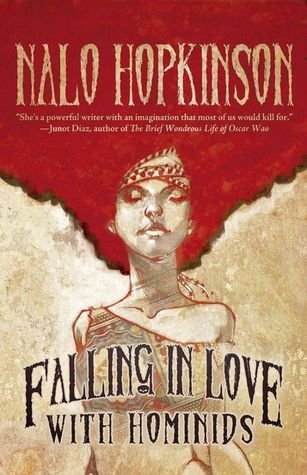
Book Review: Falling in Love with Hominids by Nalo Hopkinson
Posted on August 14, 2015 7 Comments
 Genre: Fantasy, Science-Fiction, Short Stories
Publisher: Tachyon Publications (August 11, 2014; first published July 20th, 2015)
Author Information: Website | Twitter
Tiara’s Rating: 3 of 5 stars
Full Disclosure: A review copy of this comic was provided to me by Tachyon Publications via Netgalley. I would like to thank the publisher for providing me this opportunity. All opinions expressed from here forward are my own.
This is my second trip with Nalo Hopkinson. Last year, I read her novel Brown Girl in the Ring. I thought it was a magical book, but it took me a while to warm up to the main character. I enjoyed the book enough to know that I’d eventually get around to reading more of her work. Falling in Love with Hominids seemed to be the perfect book for that since it features short stories written by her, and I knew that meant I’d get a range of what she’s capable of as a writer. It houses speculative stories from serious to comedic, featuring such things as dryads and fire-breathing chickens (because they’re part dragon, duh!).
This review is going to be short and to the point, which is highly unusual for me, because I don’t want to spoil too many of the stories for potential readers.
There were a few stories in this book that left me thinking about them long after I’d read them, such as The Easthound, which reminded me of The Country of Ice Cream Star, but with a more sinister twist on what’s happening to the adults. Many of the stories, though, built up an anticipation in me that left me feeling slightly deflated once I got to the end and they didn’t deliver the punch I was expecting. With some of these stories, I enjoyed the idea of them more than I did the execution of them. I can really only thing of one story that I disliked out of the whole bunch (Blushing). I think Hopkinson has some great ideas, and I enjoy how she plays around with culture, myths, humor, and legends in her stories. However, I just seem to have a hard time connecting completely to her writing.
Despite that, I would recommend this for someone who wants to get a taste of Hopkinson’s work. She has a little bit of everything here for fans of speculative fiction. She’s a terrific writer, and my lack of connection to her work doesn’t reflect on her as writer. There are some authors who you just can’t make yourself love no matter how much you try. I won’t let this stop me from reading her other books, though. I like her books. I’m right on the line with her where one book could make all the difference between love and like.

Book Review: The House of Shattered Wings by Aliette de Bodard
Posted on August 14, 2015 20 Comments
A review copy was provided by the publisher in exchange for an honest review. All opinions are my own.
The House of Shattered Wings by Aliette de Bodard
Genre: Fantasy
Series: Book 1
Publisher: Roc (8/18/15)
Author Information: Website | Twitter
Mogsy’s Rating: 3.5 of 5 stars
It all begins with a fallen angel. The War in Heaven has come to Paris – or what’s left of it. The proud city is a ruin now, the once beautiful Seine clogged with the ashes of the dead and destroyed. House Silverspires, which used to be one of the most powerful Fallen factions, has followed Paris’ downfall into decay and disarray. It is thought that the House’s founder Morningstar has abandoned them, or he may be dead; either way, the fate of Silverspires now rests in his protégé Selene’s hands. And Selene, while she’s no Morningstar, is trying to do her best to keep her House together and her people safe.
The situation grows more complicated when a new Fallen named Isabelle comes to Silverspires with a young man named Philippe. Isabelle, being one of their own, is embraced immediately, but Philippe – as an immortal but not a Fallen – remains an outsider until they can figure out what he is and where he came from. However, as Selene and her alchemist Madeleine struggle to unravel the enigma of Philippe and his strange mental link to Isabelle, a sudden string of uncanny deaths strikes those with ties to Silverspires, including a visiting dignitary of another Great House. To prevent another a war from tearing them all apart, friends and enemies must band together to uncover the secrets of their past and figure out how all of this is tied to the stranger in their midst.
The House of Shattered Wings is therefore a very different kind of murder mystery, one that involves the blending of a great number of elements. Using a broken and crumbling version of Paris as a backdrop lends the story a gothic vibe, in all its dark and portentous glory. Snippets of the story behind Lucifer’s fall can be glimpsed in the long history of House Silverspires and their infamous founder. Fallen themselves become the favorite prey of the urban gangs hiding amidst the hollowed out ruins, waiting patiently for their chance to harvest the magical flesh and bone to sell for lucrative sums on the black market. East also clashes with West when the mythologies of two very different cultures meet. Characters still dream longingly of a bygone era, clinging to ideals that they’ll never have again.
This book also has all the hallmarks of an “Aftermath” story. There’s a strong sense of being thrust into the middle of a situation, which I felt so keenly that at one point I actually stopped to wonder if I had unknowingly stepped into a spinoff or a continuation novel of an existing universe. These types of narratives are often tricky; after all, I have to be convinced that the “post-event” is in fact more interesting to read about than the event itself. For the most part, I think author Aliette de Bodard pulled it off. You won’t get a lot of background information here – at least, not laid out in a traditional or organized fashion. Instead, the world building and character details are integrated seamlessly into the plot, to be absorbed gradually as it progresses. It’s a very immersive way to experience a story.
On the other hand, throughout my reading of this novel there was a constant tugging, nagging sensation deep inside of me always demanding to know more. I wanted to know more about this bombed-out world, learn more about the author’s vision of this shattered version of Paris. I wanted to see the scope of the story expanded, because really, what we get to see here is merely a sliver. While the power struggle among the many Fallen Houses involves a great number of individuals, it’s still a relatively small piece of the puzzle. We know from the presence of Philippe that there’s a much bigger picture, and to her credit De Bodard does plenty to indicate this, though she left little room to explore further.
I also struggled to engage with the characters, the reason being most of them had pasts that sounded a lot more intriguing than their present circumstances. In many ways, Isabelle was a blank slate and Philippe’s own journey was part of the mystery, so I was all right with those two. With Selene and Madeleine, however, I felt like their histories overshadowed their current selves. Selene was apprentice to Morningstar himself, a relationship I would have really liked to know more about. And as for Madeleine, mentions of her past at House Hawthorne often made me feel out of my depth, like I was already supposed to know everything about her origins and her associations with the Fallen there. Ironically, she was probably the most interesting character, but I also felt disconnected to her most of all.
And yet, in spite of the areas which I thought could have been improved, I still thoroughly enjoyed this book. I’m not denying there were hurdles, but overall I thought it was very well put together story that presented an intriguing and sophisticated never-seen-before side to the “fallen angels” mythos. In a way, my desire to know more is a testament to how thoroughly this book drew me in. It might not have swept me off my feet, but it got me paying attention. I look forward to reading more of Aliette de Bodard’s work in the future.


 The BiblioSanctum