Book Review: World of Warcraft: Illidan by William King
Posted on May 3, 2016 9 Comments
A review copy was provided by the publisher in exchange for an honest review. All opinions are my own.
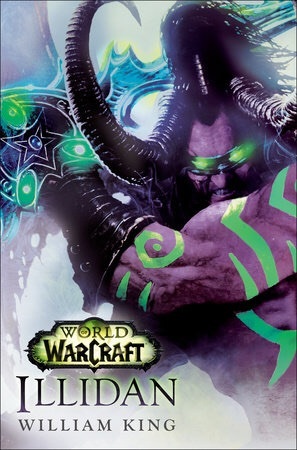 World of Warcraft: Illidan by William King
Mogsy’s Rating: 4 of 5 stars
Genre: Fantasy, Media Tie-in
Series: World of Warcraft
Publisher: Del Rey (April 12, 2016)
Length: 336 pages
Author Information: Website | Twitter
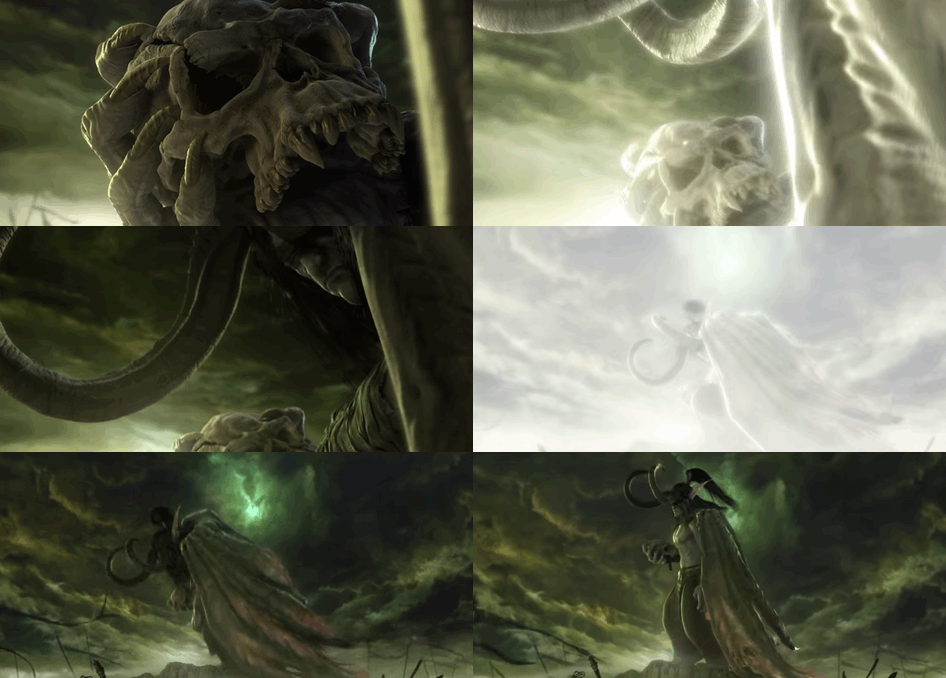
You have to hand it to Blizzard—when it comes to creating the coolest and most badass villains, they sure know their craft. Even those who are only peripherally aware of their wildly popular massively multiplayer online role-playing game World of Warcraft should be familiar with Illidan Stormrage, also known as “The Betrayer”, but just in case a reminder is needed, we’re talking about this cheerful gentle-elf right here:
In a nutshell, Illidan is the story of how our eponymous character earned his epithet and his resulting release after 10,000 years of imprisonment, after which he then went on a tour of Outland, vowing to drive back the Burning Legion. But of course, his methods leave a lot to be desired, especially to those disturbed by Illidan’s recruitment of fel orcs, naga, blood elves, and other twisted undesirables to his cause. The self-proclaimed Lord of Outland even goes as far as to train his own elite army of Demon Hunters, putting aspirants through a number of grueling and barbaric tasks to weed out the best of the best. Illidan may be the only one who can stand against the Legion, but there’s also nothing to hold him back once he sets his eyes on a goal.
Of those who have never trusted Illidan and believe that letting him out of his lightless prison was the worst mistake the Night Elf leaders could ever make, Maiev Shadowsong is perhaps his greatest and most bitter detractor. Formerly his jailer, Maiev is utterly convinced that Illidan is orchestrating another power grab, so she starts amassing her own army of Broken and other denizens of Outland in order to put the Betrayer down once and for all.
Fans of World of Warcraft will probably recognize this description as the sequence of events leading up to and surrounding the game’s first expansion, The Burning Crusade (which, in my opinion, was the best WoW xpac). For a scatterbrained individual like myself though, who is frequently fuzzy on the lore and is forever forgetting a bunch of details behind the characters, timeline, and major happenings in the game because its world is just so damn big, these kinds of books are actually amazing in terms of providing a full and expressive narrative. That said, if you are new to the Warcraft universe, this might not the best place to start picking up the books. If, on the other hand, you’re looking for a quick crash course on the history of Illidan and his army of Demon Hunters to get ready for the impending expansion Legion, then this is the perfect novel for you. Admittedly, the desire to know more about the story behind the upcoming new hero class was what spurred my own motivation to pick up this book. “You are not prepared”? Whatevs, I’m trying.
Illidan by William King pretty much does for the Betrayer what Arthas by Christie Golden did for the Lich King. Basically, we may already know the gist of the story, but the novelization gives us a deeper insight into the minds and deeds of WoW’s greatest big baddies. I got to know the character a lot more, and even when I didn’t agree with his warped ideals, at least I felt like I was given a reason to care and understand why he did the things he did. I also liked the portrayal of Maiev Shadowsong, whose hatred for Illidan is practically legendary. The fact is though, Maiev and Illidan may have more in common than she would like to admit. While it isn’t exactly a new idea, I thought this book did a really good job depicting their relationship by painting them as two sides of the same coin.
As far as I know, this is the author’s first novel in the Warcraft universe, and it was also my first experience with his writing. I was impressed, especially given that my expectations for media tie-in novels are higher these days. Even though I thought the prose was somewhat clunky at first, it smoothed out as the book progressed, and King also writes excellent fight scenes and gives those big battles the epicness they deserve. Illidan might actually be the best World of Warcraft book I’ve read in years, probably since The Shattering: Prelude to Cataclysm, and I certainly enjoyed it more than a lot of the recent “character-focused” novels like Vol’jin: Shadows of the Horde, Wolfheart, or even the book about Illidan’s own twin, Stormrage.
In the end though, I suspect what will interest readers most about Illidan is the wealth of background information into the forthcoming Demon Hunter class. In this novel is a character arc about a Night Elf recruit named Vandel who is made to go through a horrifying and very brutal process to become a Demon Hunter. Are they giving us a glimpse into some of the content and quest lines we’ll be seeing in Legion, perhaps? There’s no doubt I’ll be rolling one, so I guess we shall all soon see.



Book Review: Quantum Break: Zero State by Cam Rogers
Posted on May 2, 2016 17 Comments
A review copy was provided by the publisher in exchange for an honest review. All opinions are my own.
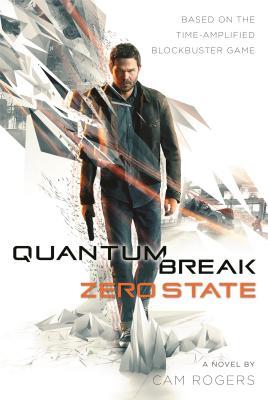 Quantum Break: Zero State by Cam Rogers
Mogsy’s Rating: 4 of 5 stars
Genre: Science Fiction
Series: Stand Alone
Publisher: Tor (April 5, 2016)
Length: 448 pages
Author Information: Website | Twitter
Quantum Break: Zero State is the tie-in novel to the action video game developed by Remedy Entertainment, the same folks who also brought us cinematic masterpieces such as Max Payne and Alan Wake. While it’s clearly marketed to fans of the game—and yes, I too did my stint in Quantum Break and consider myself one—I urge you not to write off this book just because you haven’t played it, or because you don’t think a “video game book” would be for you. Often these kinds of books get a bad rap (and goodness knows they deserve it sometimes) but I promise you this one is different.
From the very first page, I was floored by the stellar quality of this novel. I don’t want to sound like a book snob, especially since I consider myself a diehard tie-in junkie, but I’m still trying to wrap my head around the fact this is a book based on a video game. I mean, it’s almost too good to be one? Needless to say, Quantum Break: Zero State surprised the hell out of me. Tie-in novel or not, it can easily stand on its own against any of the more mainstream or popular sci-fi thrillers out there.
The story stars Jack Joyce, a maverick who follows where his feet take him—as long as it’s away from his hometown of Riverport, Massachusetts where six years ago he cut ties with his older brother, the brilliant scientist William Joyce. Will is a genius, but his mind is also very disturbed. Growing up with him as a legal guardian was difficult, after their parents died in an accident when Jack was just a child. Will was withdrawn and consumed by his research, so his younger brother actually ended up being the one to support them both. It got even worse once Jack discovered that Will had secretly taken all the money their parents left them to use on his work after his own funding and research grants ran out, not to mention the massive debts with the local gangs and loan sharks. After years of cleaning up his brother’s messes, Jack finally said enough is enough. He packed up and left Riverport, washing his hands clean of Will and his crazy theories and problems.
But now, an email from Jack’s childhood friend Paul Serene has brought him back. As it turns out, Will’s theories weren’t so crazy after all. As a pioneer and top scientist in the field of chronon technology, Will has been consulting on a top secret project spearheaded by mega-corporation Monarch Solutions at Riverport University. Paul is one of the research leads on the project, and for some reason he wants Jack to come meet him at the Physics building so he can show him something that will change the face of the planet. Curiosity piqued, Jack agrees to go see his friend and thoroughly gets his mind blown when he realizes what is in the lab where Paul brings him. It appears that with Will’s help, Monarch had created a time machine…
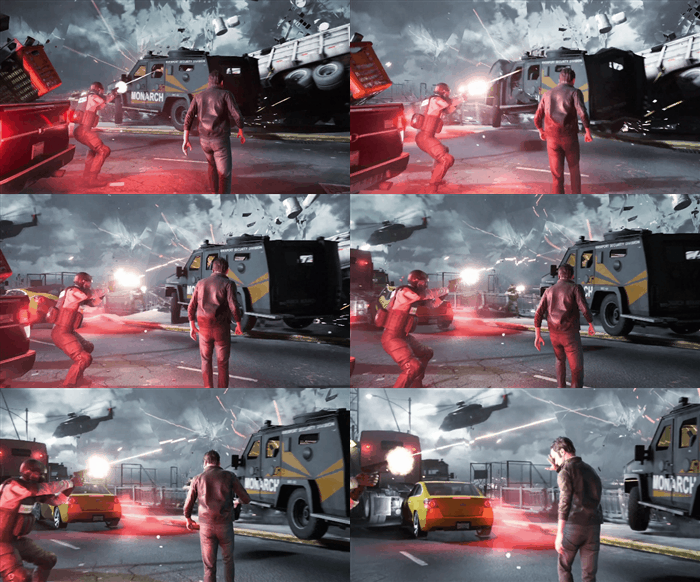
A stutter in time…saves you from a hail of bullets
You can definitely read this without knowing a single thing about the game, but some background information will probably give more context. In Quantum Break you play Jack, who gains time manipulation powers and uses them to fight the diabolical authorities behind Monarch. The flow of time breaks down and all hell breaks loose, creating all kinds of insane effects with the environment, including time stutters, time stops, time slowing down or speeding up, etc. As well, one of the game’s “hooks” include a live-action component. After each act in the game, an episode of a TV show will play out onscreen letting you see how your gameplay decisions have affected events and other characters in the story. As noted in the book’s foreword, there really is no “canon” version of Quantum Break, since you are going to be making a lot of in-game choices and in doing so create your own version of events. The game is about time travel and branching timelines, so your own playthrough will likely be completely different from another player’s.

Time is power
This is why the idea behind this book is so brilliant. When I first read its description, I was initially worried that it would be a straight-up novelization—and who would want that, when you have the choice to actually immerse yourself in the cinematic experience that is the game itself? But here’s the cool part: Quantum Break: Zero State isn’t a true novelization because it is actually a combination of what’s in the game along with a lot more stuff that never made it in—think early story concepts, discarded ideas, or other elements that either weren’t used or abandoned because the developers couldn’t make them work for what they had in mind for the final product. It’s like an alternate timeline novel. As a result, you can read this book on its own without having even heard of Quantum Break! And if you have played it, you can also read this without feeling like it’s just a rehash of everything you did in game.
Like I said, the writing is superb and Cam Rogers’ prose is smart, punchy, and electrifying. As Remedy’s game writer and narrative designer, Rogers knows exactly how to capture the suspenseful atmosphere of Quantum Break, following through on the promise of action and thrilling fight scenes. The big theme here is also the time traveling aspect of course, and it is extremely cool, as are the powers that Jack possesses in game which are outstandingly described and utilized here in text. The story was indeed very different from my gameplay experience, but I found the version in this novel to be no less intense and exciting. I even liked that it gave me the chance to know some of the other characters better, most notably Beth Wilder.
Just for a second, forget that this book is based on a game, even if you are a fan of Quantum Break. If you enjoy sci-fi thrillers in general, and the idea of time traveling and superpowers sounds like a good time to you, then you must pick up this book. And if you happened to enjoy the video game too, then that goes double. This was all kinds of awesome, easily one of the best game tie-ins I’ve ever read, and heck, just a great time travel thriller all-around.
Audiobook Review: The Paladin Caper by Patrick Weekes
Posted on May 2, 2016 10 Comments
“Archvoyent Cevirt was an Urujar as well. Judging a man by the color of his skin was the mark of a foolish and uneducated mind, and Westteich would certainly have no problem with an Urujar who worked his way into a position of power and then respected the heritage that had come before. That said, Westteich could not help but feel that Cervit had turned the color of his skin into a sort of agenda, and upsetting the delicate balance of the Republic because of what had or had not been done to someone’s ancestors was also the mark of a foolish and uneducated mind.”

 The Paladin Caper by Patrick Weekes
Genre: Fantasy, Satire
Series: Rogues of the Empire #3
Publisher: 47North (October 27, 2015)
Narrator: Justine Eyre (Brilliance Audio)
Wendy’s Rating: 4 of 5 stars
Reading the words above within the first few pages of this book made me raise an eyebrow. When I started this series, one of the first things I had to do was praise Weekes for his inclusivity:
First of all, let me lay down all the praise for Weekes’ ability to write people of colour like they are *GASP* people. Not foreign objects. Not magical creatures. Not a unique species that shouldn’t really exist in worlds filled with fae and dragons. Weekes isn’t afraid to deal with the racial and cultural differences of his various characters, but when race is a factor, it’s all within context.
Weekes also answers that troublesome question of “How do you write strong female characters[TM] if you’re a guy??” Well, kids, you write women the same way you write everyone else: like they are human beings (cuz we actually are).
In the first two books, this continues to be a thing–women and people of colour and varying sexuality, all getting to hang out with elves and dragons and demons like it ain’t no thang. As far as fantasy goes, this doesn’t happen often, so when it does, I’m gonna have to point it out–because representation matters. But in the third book, there’s a little more going on. Weekes is no longer pulling any punches. He has an agenda and he’s not afraid to bare his teeth and shove it down your throat–much to the annoyance of some readers. Interestingly, in my review of other reviews, the people who rated the book low all complained about the social justice aspect that takes over the plot in a rather heavy-handed manner. And it most certainly is heavy-handed. Where Weekes previously simply gave representation to marginalized characters, now his Rogues are taking on the MRAs and the 1% to save the world in satire that seeps right into reality, making his personal views quite clear.
But I don’t like reality with my fantasy! you say. I’ve been tricked into reading this satirical comedy only to find that it has a serious message! Oh you poor, sad puppy. You’re just going to have to get over it. If you don’t think our society still needs to be hit over the head with the fact that this world is not just the stomping ground of rich bigoted white dudes, let me just remind you that Donald Trump is a thing happening right now.
As for the story itself–well, as I said, this does take reality quite seriously this time around, but The Paladin Caper is no less amusing than its predecessors. Loch (whose death was greatly exaggerated) and her team are up to their usual hijinx, but this time, the fate of the world is at stake as they race to stop the ancients from returning to claim the world they once controlled. The struggle is real and they are thwarted at every turn, betrayed by friends and family and lovers alike. It almost seems like this is it for our not-quite-heroes! Pfft. Don’t be silly. They got this all under control. As with any good caper, the key isn’t so much what they achieve in the end, since we know the good-ish guys are going to win, but how they pull it off. Sometimes, it gets a little crazy, but that too is part of the fun, with the rest of the fun coming from the main characters we’ve come to know and love.
This book digs a little deeper into those characters, some of whom went through some significant changes in the previous book and are having trouble dealing with it. Ululenia in particular, is struggling with her new dark side:
“I am sex and death, desire and destruction. They will die in ecstasy knowing that I was their fulfillment. My pleasure, their end.”
Meanwhile the death/love priestess, Desidora, is coming to terms with her dichotomy, as well as the loss of her former friend and weapon. Oh and then there’s Kail, whose “your mother” jokes take on a whole new meaning this time around.
Finally, I cannot finish this series without bestowing much praise upon the narrator, Justine Eyre. There are some narrators who make it impossible for me to read a series myself because of how damn good they are. Eyre’s voice work is stunning, uniquely bringing everyone to life and never missing a comedic beat.
The Paladin Caper wraps up this series perfectly, complete with a proverbial walk into the sunset. Thanks, Mr. Weekes. It’s been a really, really fun ride.
Story

Performance


“Can’t Wait” Books of Mid-2016
Posted on May 1, 2016 28 Comments

Lists. I love them! It’s fun to organize my reading and they also have the added benefit of focusing my attention to the “must-read” releases that I’m very excited to check out. After the list I made for “Early 2016”, I’ve decided to do it again for Mid-2016. So, without further ado, time now once more to geek out over these Science Fiction and Fantasy titles that are set to come out over the next few months, as we keep marching on ahead towards perfect beach-reading weather. Not sure how I’ll find the time to get to all of these, but uh, um, I’ll figure out a way…somehow. What’s on your mid-2016 TBR?
May
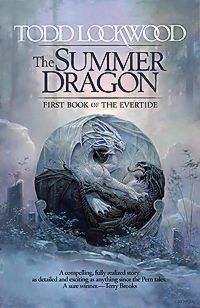


The Summer Dragon by Todd Lockwood (May 3) – Artist Todd Lockwood famed for his paintings of dragons enters the fantasy fiction scene with his debut novel about…you guessed it–dragons!
Bloodline by Claudia Gray (May 3) – I’d love to see Claudia Gray score another hit with her next Star Wars novel, after the incredible YA journey that was Star Wars: Lost Stars.
Children of Earth and Sky by Guy Gavriel Kay (May 10) – Any time Guy Gavriel Kay releases a new book is a good reason to celebrate.
Voodoo Killings by Kristi Charish (May 10) – The start of a new series from the author of the rollicking Adventures of Owl books!
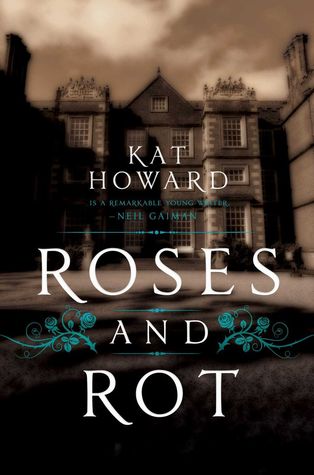
Roses and Rot by Kat Howard (May 17) – I’ve been hearing some amazing things about this one already; diving into it soon and I can’t wait!
June
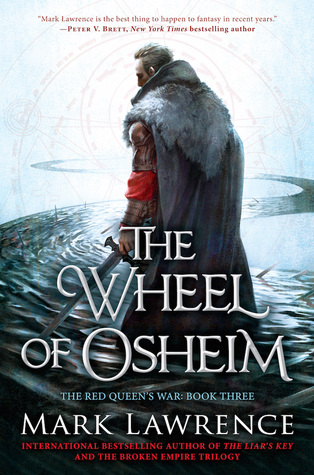


The Wheel of Osheim by Mark Lawrence (June 7) – June is a huge month! The first week will see the finale of the Red Queen’s War trilogy.
Spear of Light by Brenda Cooper (June 7) – Follow-up to the brilliant Edge of Dark.
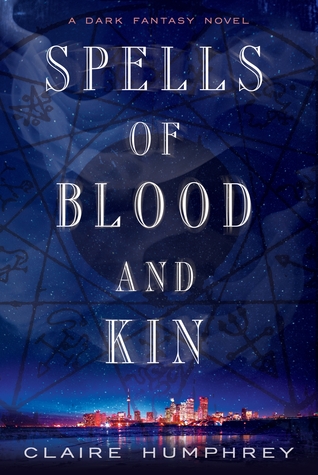
Spells of Blood and Kin by Claire Humphrey (June 14) – A paranormal story about witches set in my hometown of Toronto.
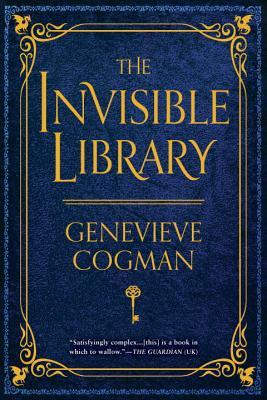
The Invisible Library by Genevieve Cogman (June 14) – I’ve always loved “books about books”, or also in this case, libraries!
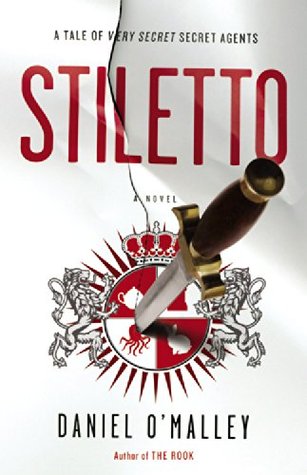
Stiletto by Daniel O’Malley (June 14) – A recent addition to my “must-read” list, but I couldn’t bring myself not to include it, after I recently read The Rook and loved the hell out of it.
Ninefox Gambit by Yoon Ha Lee (June 14) – A fascinating looking sci-fi novel about a siege in space; my interest in this one has only grown since I first heard about it.
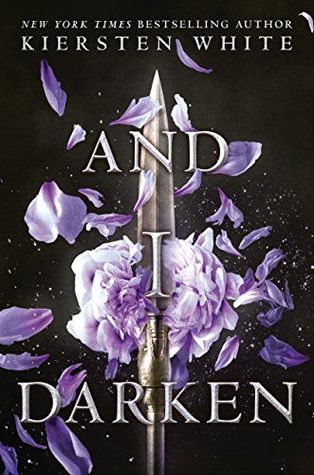
And I Darken by Kiersten White (June 28) – What if Vlad the Impaler had been Lada the Impaler? No one expects a princess to be brutal…
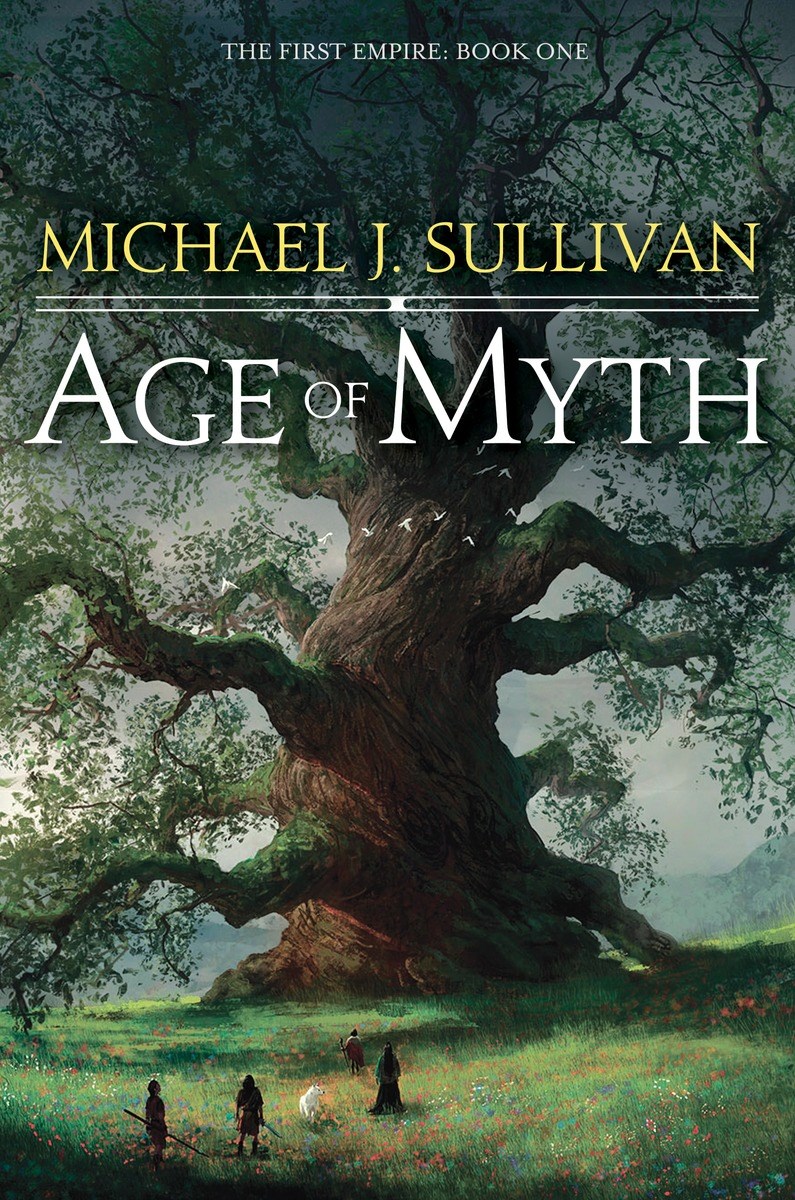
Age of Myth by Michael J. Sullivan (June 28) – It’s always a pleasure to visit the world of Riyria, even if it this book will be taking place thousands of years before Hadrian and Royce.
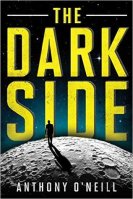
The Dark Side by Anthony O’Neill (June 28) – A sci-fi mystery noir, I first discovered of this one when I read an article about it being made into a movie. As with any adaptation, of course I went looking for the original source.
July
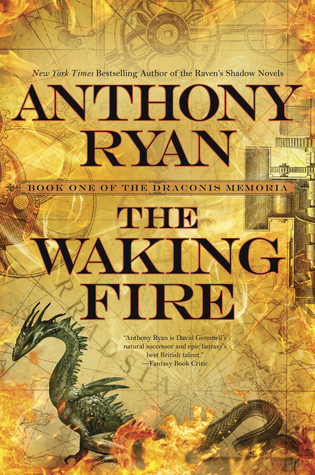
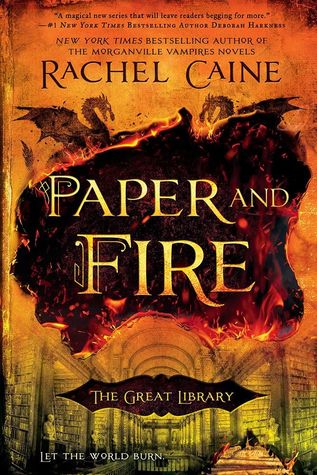
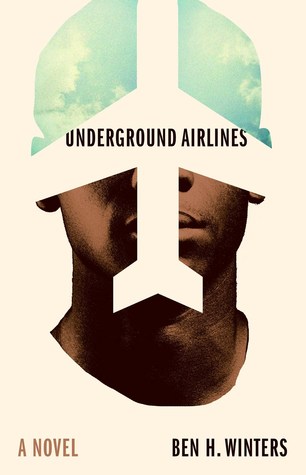
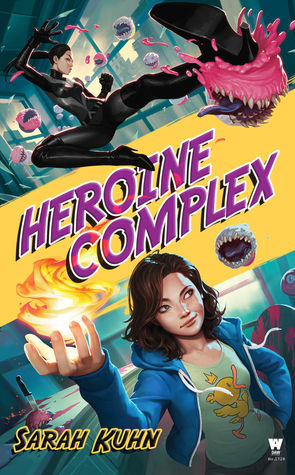

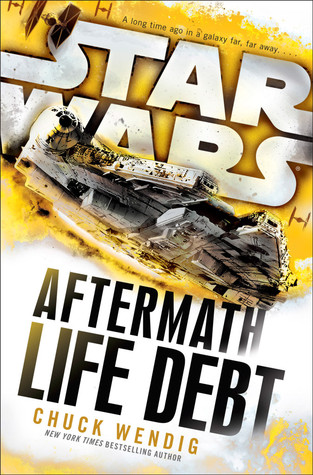

The Waking Fire by Anthony Ryan (July 5) – I take it back…July is a huge month. Things kick off with a new series starter from Anthony Ryan.
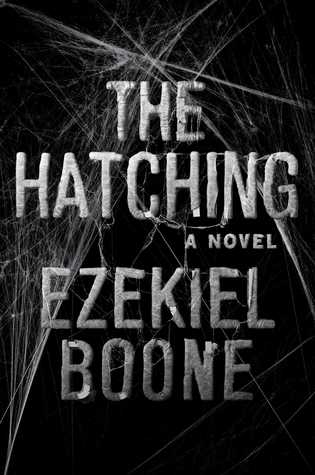
The Hatching by Ezekiel Boone (July 5) – Giant spiders and utter mayhem!
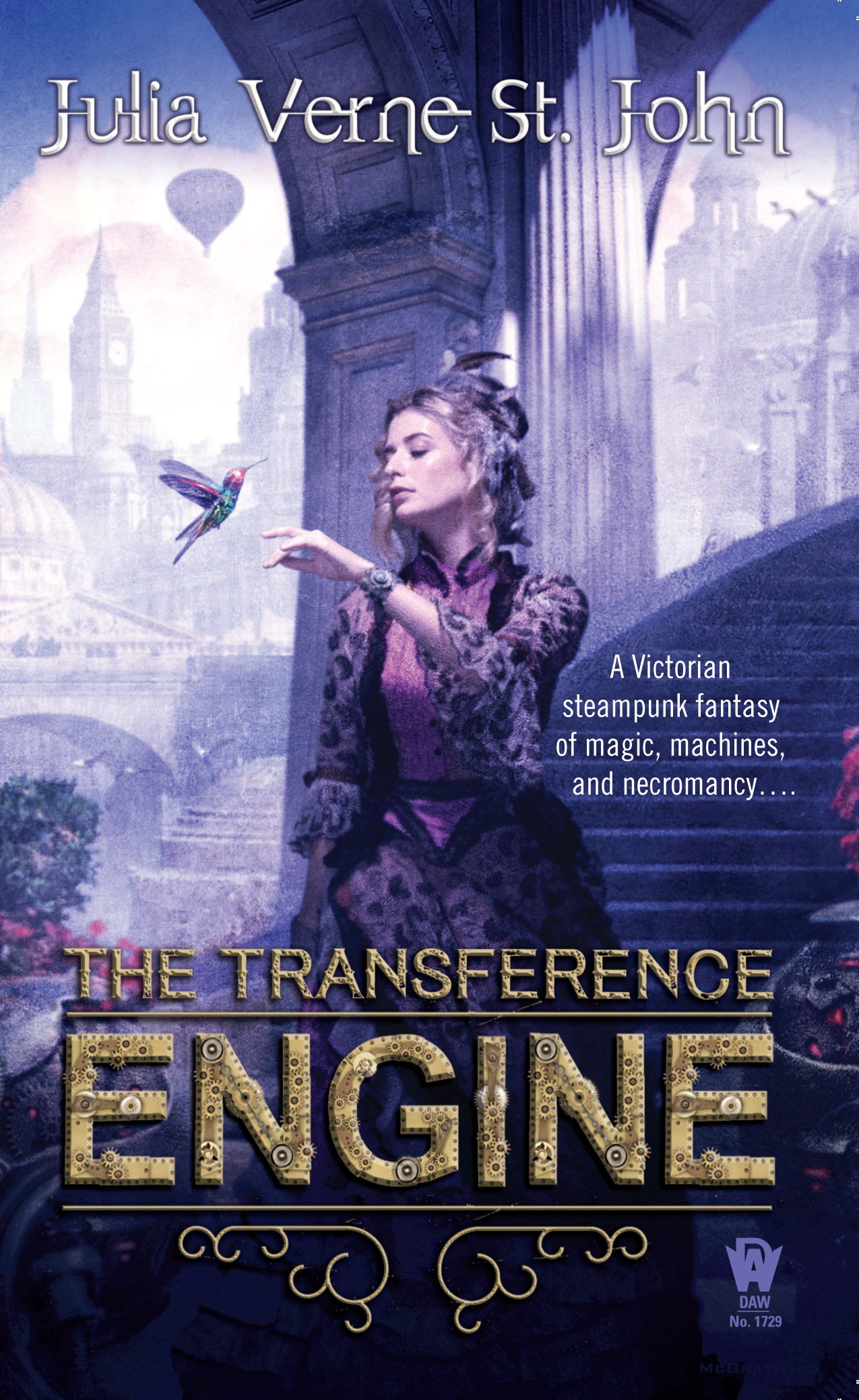
The Transference Engine by Julia Verne St. John (July 5) – Steampunk, magic, and alternate history–what more could I ask for?
Paper and Fire by Rachel Caine (July 5) – The highly anticipated sequel to Ink and Bone. Words are not enough to express my excitement.
Underground Airlines by Ben H. Winters (July 5) – Winters’ The Last Policeman trilogy is one of the coolest series I’ve ever read. Looking forward to his next work.
Heroine Complex by Sarah Kuhn (July 5) – Superhero urban fantasy world starring Asian-American superheroines!
The Shattered Lens by Brandon Sanderon (July 19) – The fourth installment of Alcatraz, Sanderson’s hiiiiilarious Middle Grade series.
Star Wars: Aftermath: Life Debt by Chuck Wendig (July 19) – Sequel to Star Wars: Aftermath. And it’s Star Wars. Enough said.
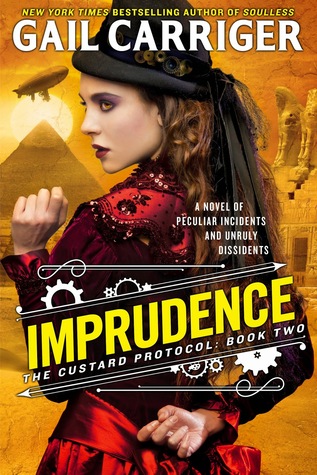
Imprudence by Gail Carriger (July 19) – Sequel to the quirky and adventurous Prudence, featuring the daughter of Alexia Tarabotti from The Parasol Protectorate series.
The Dragon Round by Stephen S. Power (July 19) – A swashbuckling adventure on the high seas involving mutiny, a deserted island, and of course, dragons.
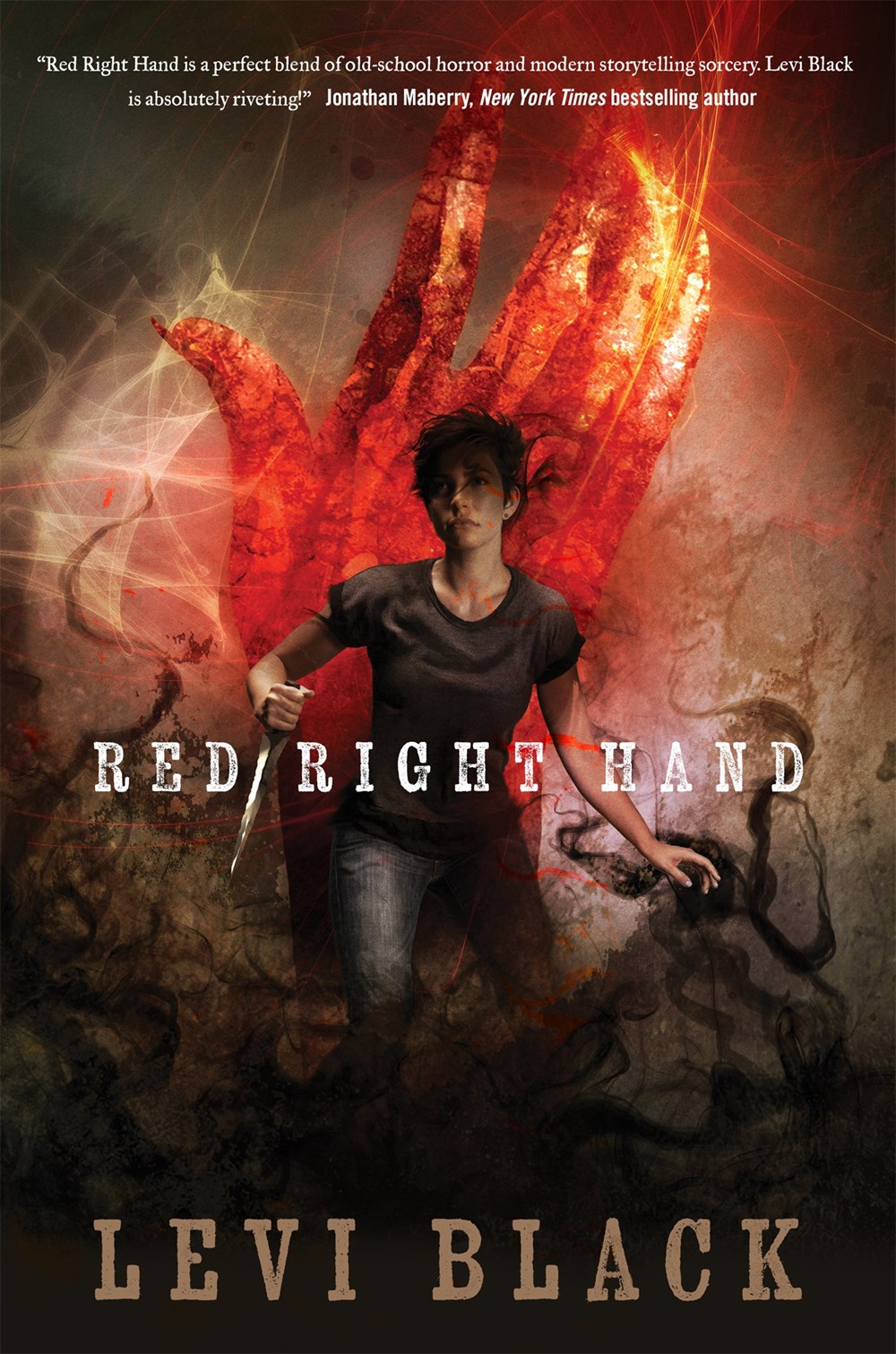
Red Right Hand by Levi Black (July 26) – Lovecraft-inspired dark urban fantasy, starring a clever and gutsy female protagonist.
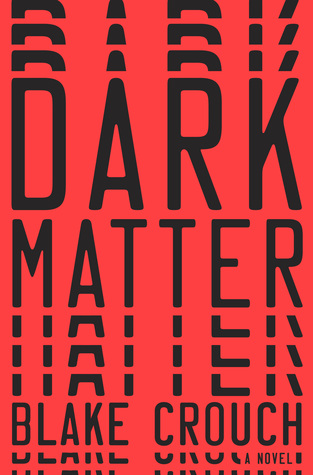
Dark Matter by Blake Crouch (July 26) – I’ve been wanting to read something by Blake Crouch for a long time, and I’m looking forward to diving into his upcoming novel, a sci-fi thriller with a very mysterious, intriguing premise…
August
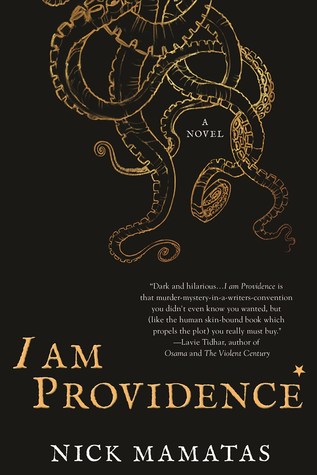


I Am Providence by Nick Mamatas (August 2) – Oh, Lovecraftian horror, I just can’t seem to quit you.
The Hanging Tree by Ben Aaronovitch (August 2) – It feels like I’ve been waiting forever for this sixth installment of the Peter Grant series, with the release having been pushed back a couple times. UK folks get this in June, but the US will have to wait a couple more months. (release date revised to 2017)
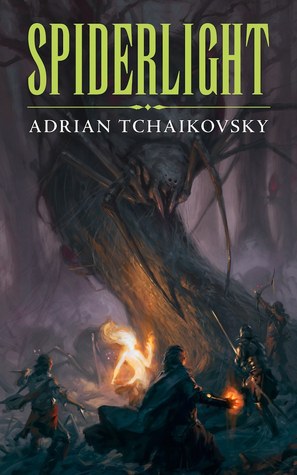
Spiderlight by Adrian Tchaikovsky (August 2) – I’m itching to read many of the upcoming Tor.com novellas, but this is probably highest on the list.
The Guns of Empire by Django Wexler (August 9) – The fourth installment of the exciting Shadow Campaigns series. The books just get better and better.
The Obelisk Gate by N.K. Jemisin (August 16) – The must-read follow-up to The Fifth Season!
Blood Oath by Melissa Lenhardt (August 16) – Okay, not sci-fi or fantasy, but I am no less excited for this sequel to the historical western adventure/romance Sawbones. (release date revised to 2017)
An Artificial Night Read-Along Week No.4
Posted on April 30, 2016 5 Comments

We’re journeying through the third book in the October Daye series. If you’re interested in joining this Read-Along, visit the SF/F Read-Along group for more information and to join the discussion.
“October “Toby” Daye is a changeling-half human and half fae-and the only one who has earned knighthood. Now she must take on a nightmarish new challenge. Someone is stealing the children of the fae as well as mortal children, and all signs point to Blind Michael. Toby has no choice but to track the villain down-even when there are only three magical roads by which to reach Blind Michael’s realm, home of the Wild Hunt-and no road may be taken more than once. If Toby cannot escape with the children, she will fall prey to the Wild Hunt and Blind Michael’s inescapable power.”


Week 1: Saturday 9th April, Chapters 1-7, hosted by Over The Effing Rainbow
Week 2: Saturday 16th April, Chapters 8-17, hosted by Books By Proxy
Week 3: Saturday 23rd April, Chapters 18-24, hosted by Lynn’s Book Blog
Week 4: Saturday 30th April, Chapters 25-End, hosted by Over The Effing Rainbow

1. Things pick up right where we left them, with Tybalt and Toby. What do you make of the not-quite-nine-lives thing? And do you have any fresh insight into what, if anything, is going on between him and Toby?
I expect this not-quite-nine-lives thing to pop up again in the future if Tybalt and Toby keep hanging out together. I’m still stuck on this “didn’t lie to him” thing. What does that even mean, Tybalt? I think they are drawing closer, of course, even with the awkwardness that Connor is presenting. I really need Connor to get his life, okay.
2. As predicted, Toby is far from finished with Blind Michael and returns to his realm, trading herself for Karen’s freedom. Things get pretty dark from there, but all isn’t lost… What’s your take on the Luidaeg’s rescue effort?
I think it was pretty ingenious and goes to show that there is more going on there with her relationship with Toby than what the Luidaeg wants to admit. Well, I think, after this book she might be a little more open to admitting it, but only a little. I thought her attempts to rescue Toby were pretty touching and goes to show that once again Toby has more love and support than she thinks she does. Even with her settling into some semblance of a normal life with friends and loved ones, I still don’t think that Toby still quite grasps the magnitude to which she is loved.
3. After all that, Toby still isn’t done. Do you think she did the right thing, going after Blind Michael to end things once and for all? And after all’s said and done, what do you think of Blind Michael himself?
Yes, I think she did the right thing. Was it stupid? Yes, but it was the right thing to do. I definitely understand that need to right the wrongs that he’s committed, to save those who others say can’t be saved, to save other children from ever having to live through this horror if there’s something that can be done to stop it. It might’ve been a slim chance, but it’s a chance that Toby was willing to take even if she didn’t succeed. Blind Michael is terrible, and he deserved to be taken down. Anyone who uses people, especially kids, in such a manner doesn’t deserve to grace this world. I was glad that Acacia took in the other children, too, after it was all said and done. Hopefully they’ll be able to heal from the years of what they endured with Blind Michael.
4. Quentin has a hard choice of his own to make in the aftermath, as the Luidaeg explains… Do you agree with her choice of consequence, or was she too hard on him?
Actually, I figured that’s what it was going to come down to, so I’m hardly surprised. It was a hard thing for him to have to endure, but I don’t think the choice itself was “too hard” on him. Sometimes, you have to let the things you love go, especially when their own safety and sanity factors into the equation. Katie is a teenager. She has so much growing up left to do yet, and Quentin’s world is probably not conducive to that growing up phase. Her sanity was almost broken by what happened. It’s hard, but it was the best that he let her go.
5. We get one more scene with the Luidaeg, and it’s quite a turnaround, character-wise. What do you think of where she and Toby seem to stand, at this point?
I love the Luidaeg for everything she is–powerful, wise, scathing, and now caring. I loved seeing this softer (or as soft as she can be) side of the Luidaeg. I think her friends with Toby will continue to grow, especially now that it’s clear where her feelings for Toby stand and how far she’s willing to go for her. She didn’t have to confront her own brother who is more powerful than her. She didn’t have to help Toby at all in her quest. I look forward to seeing how their friendship grows in the future. However, I still think that Toby has to be careful. As Julie shows, it’s very easy for even a good friend to take grave offense with something and turn on you. And the fae seem to be very good at taking offense for the slightest thing. The Luidaeg is wiser, smarter than many others, but you never know.
Rosemary and Rue by Seanan McGuire (October Daye #1)
Rosemary and Rue Read-Along Week No.1
Rosemary and Rue Read-Along Week No.2
Rosemary and Rue Read-Along Week No.3
Rosemary and Rue Read-Along Week No.4
A Local Habitation by Seanan McGuire (October Daye #2)
A Local Habitation Read-Along Week No.1
A Local Habitation Read-Along Week No.2
A Local Habitation Read-Along Week No.3
A Local Habitation Read-Along Week No.4
An Artificial Light By Seanan McGuire (October Daye #3)
An Artificial Night Read-Along Week No. 1
An Artificial Night Read-Along Week No. 2
An Artificial Night Read-Along Week No.3

YA Weekend: Nightstruck by Jenna Black
Posted on April 30, 2016 16 Comments

A review copy was provided by the publisher in exchange for an honest review. All opinions are my own.
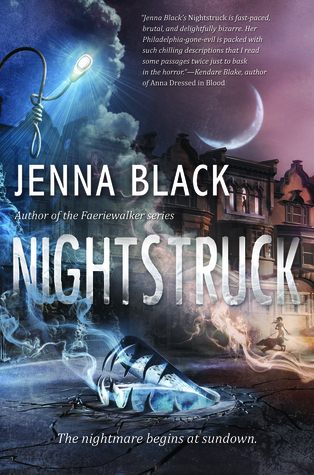
Mogsy’s Rating: 4 of 5 stars
Genre: Paranormal, Horror, Young Adult
Series: Book 1
Publisher: Tor Teen (April 5, 2016)
Length: 304 pages
Author Information: Website | Twitter
I’ve always been a bit wary of “dark” or “horror” YA because so often they don’t live up to those descriptions, but I think I’ve finally found one worthy of those labels. I had a surprisingly good time with Nightstruck, a young adult novel with chilling story that actually shocked me with a couple of its disturbing twists and turns.
It all began with a baby. Or, more precisely, what protagonist Becket thought was a baby, abandoned on the church steps on a cold night in Philadelphia, while she was out walking the dog. Unable to ignore its desperate cries for help, she goes and picks up the bundle, only to find two inhuman green eyes glowing back at her from within the darkness of the folds. The “baby” then crumbles into black dust, the remnants of it dispersing onto the wind like ashes. And thus begins the city’s descent into madness. For days, Becket keeps what she saw a secret, convinced that no one would believe her. But soon, others start to notice their surroundings changing. At first the changes are subtle, such as reports that everyday things around the city are being replaced with obscene or disturbing imagery—easy enough to ignore or dismiss. By the end of the week though, police and hospitals are overrun and baffled by the flood of panicked citizens claiming to have been attacked by inanimate objects that have come to life and transformed into living monstrous constructs.
Worst of all, even though these terrors are witnessed by many, no one has been able to capture any of it on film. Still, no one wants to admit that the causes are paranormal, least of all the federal government. Suspecting a contagious virus or something environmental like hallucinatory agents in the water, Philadelphia is quarantined—which, of course, only makes things worse. Whatever is changing the city starts changing its trapped citizens as well. All across Philly, people are going missing only to emerge again crazed and violent when the sun goes down. Dubbed the “Nightstruck”, they travel the streets in packs to prey on those unfortunate enough to be out after dark. What’s curious is that during the day, things still seem normal enough…but when night falls, the city goes to hell.
While all this is going down, we also have our main character struggling with a couple of serious changes in her personal life. Her parents have just gone through a very messy divorce, with Becket choosing to stay with dad while her mom moved to Boston. Becket’s father however is also the police commissioner, so having to deal with the meltdown of the city means leaving his daughter for most of this book. Thankfully Becket is the independent, capable sort. What’s interesting though, is how far removed she is from your typical “strong female protagonist.” In fact, if we’re talking in terms of willpower or having a backbone, Becket is decidedly the worst kind of pushover. It’s also clear that she doesn’t have the best self-esteem. She doesn’t stand up for herself and she lets others walk all over her a lot, especially when it comes to her so-called best friend Piper, who often talks Becket into things she doesn’t want to do.
That said, I suspect that this is all a set-up for Becket’s personal growth for the rest of this series, and we’ll probably see her gradually gaining confidence and becoming more assertive. Piper is a very complicated character as well, with many redeeming personality traits, making it easier to see why Becket would value their friendship. I thought that their relationship was established really well in this book, and it made for interesting (and traumatic) dynamics between the two girls when Piper becomes Nightstruck, and Becket has to deal with the horror of watching her best friend become a monster.
I also enjoyed the pacing of the novel. The chaos that descends upon the city is not an explosion that happens overnight, but rather a steady but devastating erosion of everything normal in the world. I loved the atmosphere of rising dread, which was sometimes punctuated by moments that were downright creepy, and there were even a few really terrible and heartbreaking scenes for our protagonist that I found emotionally hard to read.
I only had a couple main issues, which were largely inconsequential considering how much I enjoyed the book overall. The first is the romance: it’s REALLY annoying. Since forever, Becket has had a secret crush on neighbor boy Luke, but she’s always been too timid to say anything. The resulting dance of mixed signals was almost more than I could take, but the only reason I tolerated it was because this kind of behavior actually made sense with Becket’s personality profile. My other issue is the city quarantine. Once it was determined that people weren’t sick and that there wasn’t anything in the environment that could have caused all the nighttime mayhem, wouldn’t a mass evacuation during daylight hours technically make a ton more sense? But then, I suppose that bit of logic had to be swept under the rug in favor of having an actual story.
Also, major cliffhanger alert! But I admit it, I. Am. Hooked. Nightstruck did what it set out to do, and I’m really looking forward to what’s coming next!
Book Review: Willful Child by Steven Erikson
Posted on April 29, 2016 9 Comments
“Ah, Tammy, you really don’t understand biologicals at all, do you? We need to struggle. We need to strive for something forever just outside our reach! We need to dream! We need–Tammy, why did you go to close-up on me with the main viewer?”
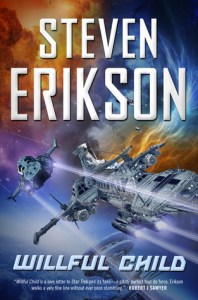 Willful Child by Steven Erikson
Genre: Science Fiction, Satire
Series: Willful Child #1
Publisher: Tor Books (November 2014)
Author’s Info: steven-erikson.com
Wendy’s Rating: 2.5 stars
These are the voyages of the Willful Child and it’s arrogant captain, Hadrian Alan Sawback, who is this:
 combined with a healthy dose of this:
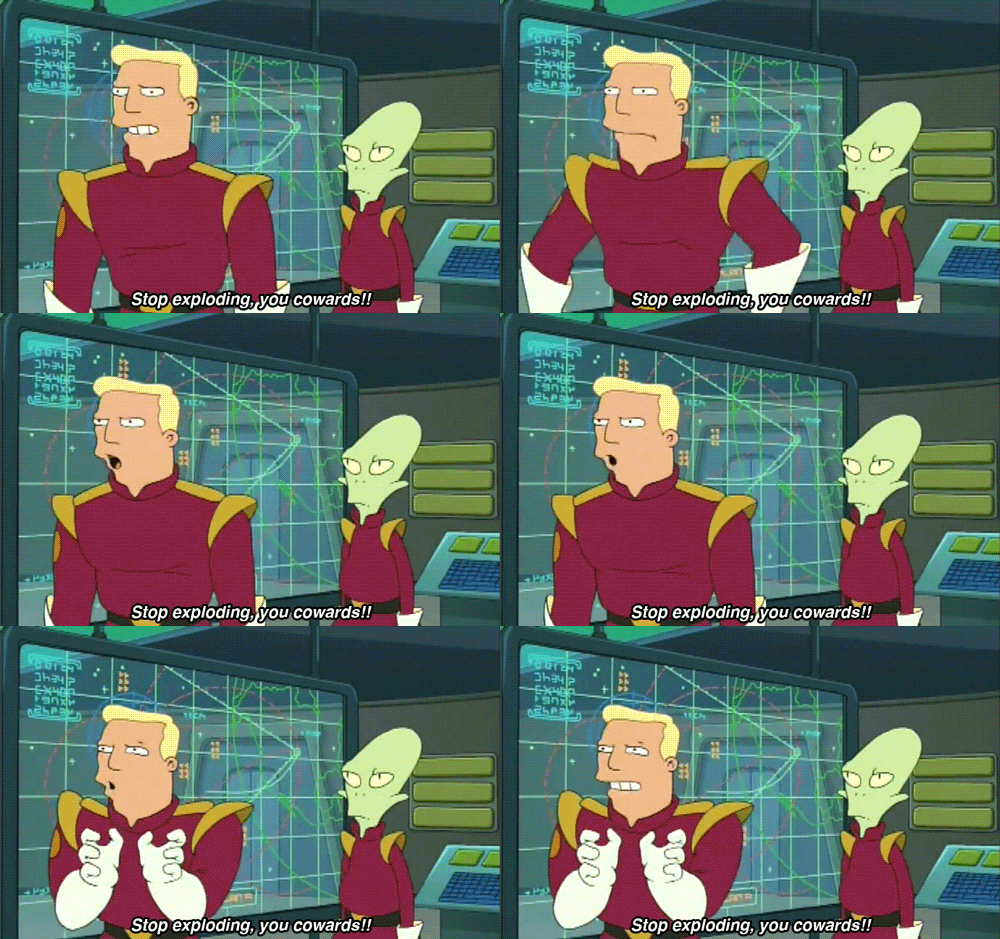 and some of this:

In my quest to read more science fiction, I have made a point of reading scifi books by authors whose fantasy novels I have enjoyed. Steven Erikson’s epic Malazan series led me to this book, which is more than just science fiction. It’s his very tongue in cheek homage to Star Trek, a show he loves dearly, and an obvious cathartic break from his decades long work on Malazan. For these reasons, I can most certainly appreciate the effort, but frankly, I’m just not a fan.
Not that the book isn’t well written. Lots of interesting characters and Erikson’s already proven skill with words and his sharp wit. It’s not easy to nail comedic timing in a non-visual medium, but Erikson manages some fantastic sight gags with just words on a page. The banter and power struggle between Sawback and Tammy, the AI that’s taken over his ship, is particularly amusing.
The problem is that the jokes get old fast when it’s just a variation of the same. Particularly the ones involving Sawback’s lechery and misogyny (he doesn’t actually hit women unless they attack first, but he does frequently undress them with his eyes and undermines them completely). I get it. This is satire and I’m fine with that. But after a while, it all gets boring because Sawback and his people really don’t learn or grow or do anything. Sawback is the intrepid hero who is always right even when he’s wrong, and even though the women don’t indulge his antics, much of which come from inner monologues anyway, I grew tired of hearing about it.
The ridiculousness of Captain Kirk is reknown and I praise Erikson for being able to satirically critique something he loves so much, but I think he could have done so within a few less pages. When I heard about the sequel, Willful Child: Wrath of Betty, I had to roll my eyes because I can’t help but think that this is just going to be more of the same, and, I predict, somewhere along the way, this will happen:


For a very different opinion of this book, check out Mogsy’s review!
Backlist Burndown: Wildwood Dancing by Juliet Marillier
Posted on April 29, 2016 18 Comments

As book bloggers, sometimes we get so caught up reading review titles and new releases that we end up missing out on a lot previously published books. As a result, one of my goals this year is to take more time to catch up with my backlist, especially in my personal reading pile. And it seems I’m not the only one. Backlist Burndown is a new meme started by Lisa of Tenacious Reader. Every last Friday of the month, she’ll be posting a review of a backlist book and is inviting anyone interested to do the same. Of course, you can also review backlist books any day you want, as often you want, but be sure to watch for her post at the end of the month to link up!
This month, I’m reviewing…
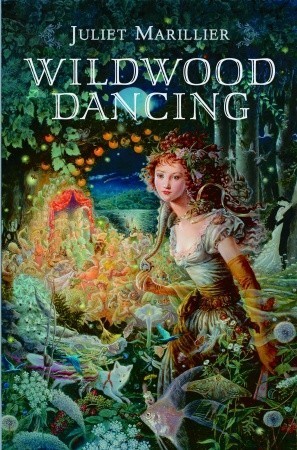 Wildwood Dancing by Juliet Marillier
Mogsy’s Rating: 3.5 of 5 stars
Genre: Fantasy, Young Adult
Series: Book 1 of Wildwood
Publisher: Knopf (January 23, 2007)
Length: 407 pages
Author Information: Website
After finishing Wildwood Dancing, I’ve decided to give it a solid 3.5 stars. Considering this is my first Juliet Marillier book that didn’t rate at least a 4, I probably should be feeling more disappointed, especially since, out of all her older titles, this was one I’d been looking forward to reading the most. But honestly, I am not. The reality is, while I’m pretty convinced that Marillier is incapable of writing a bad novel, I also wouldn’t expect to fall in love with every single one of them, and even though I didn’t think this was one of her best, I still thought it was a very good book and I enjoyed it a lot.
Naturally, Wildwood Dancing is a reimagining of several fairy tales and other stories inspired by folklore. It’s a Marillier novel, after all. In the tradition of “The Twelve Dancing Princesses”, the story follows a family of five sisters who put on their fine dancing gowns every full moon in order to travel to another realm, where they would dance all night with the magical creatures who live there. Only the five girls know how to get to this enchanted kingdom through the mysterious portal hidden deep in their home of Piscul Draculi, their castle nestled in the woods of the Transylvanian highlands.
The story is told through the eyes of Jena, the second eldest, who assumes the responsibility of looking after her sisters and running the family business after their father is taken to the southlands to recover from a grave illness. But everything changes with the arrival of their cousin Cezar, a power-hungry man determined to take over the castle and see Jena and her sisters grow up to be “proper” young ladies. His presence has made the girls’ full moon visits through the portal more difficult, and it doesn’t help either that Tatiana, Jena’s older sister, has apparently fallen in love with one of the dangerous dark creatures from the Other Kingdom. As trouble descends on all sides, Jena struggles to keep her family together and maintain her control over Piscul Draculi, even while Cezar tightens his grip around them all and Tatiana continues to slip away.
I should also probably note that Wildwood Dancing is categorized as a YA novel, and it’s possible that some of my issues with the book had to do with the fact it’s aimed at a younger audience. In spite of the story’s charming premise, it’s admittedly predictable at times and hampered by some annoying tropes. Not to mention, they aren’t very subtle. The moment Cezar sweeps in, you could tell he was the evil, evil bad guy, pumped up on his own self-importance and never misses a moment to tell Jena what a silly and improper girl she is for daring to think for herself. There is really nothing more to his character than being teeth grindingly obnoxious and soul-crushing. Tatiana also frustrated me, because while it’s all fine and good to fall in love, it’s not so cool when that love completely consumes you to the point you throw aside the concerns of those who care about you, or that you abandon all your responsibilities including the need to take care of yourself. Tatiana gradually becomes this empty shell because we’re to believe she’s so lovesick after a boy that she loses the will to eat. As the main character, Jena is not immune from criticism either; where her emotions are concerned, she has more blind spots than a drunk bat and I frequently found her stubbornness maddening. For a female protag who is supposed to be strong and independent, she can be stunningly ineffectual.
The characters were probably the novel’s weakest aspect. Happily, predictable or not, I was really interested in the story, and that kept me turning the pages. The Transylvanian setting was intriguing, along with all that it implies. I also liked how snippets of multiple fairy tales were woven into the plot, and the way Marillier somehow made it all work. Like most of her novels, Wildwood Dancing is infused with a whimsical but dark tone, enchanting but also potentially dangerous, and to be sure if you enjoy fairy tale retellings or stories with that kind of vibe, you really can’t go wrong with anything she writes.
Ever since I read my first Juliet Marillier novel and she became one of my favorite authors, I have been meaning to go back to read more of her work. I’m glad I read Wildwood Dancing, but given how I felt about it, I’ll probably set the sequel, Cybele’s Secret, as lower priority while I tackle some of her other adult novels since I find them to be more complex and feature more developed and convincing characters. Still, Wildwood Dancing was a delightful read and it is impressive for YA. Fans of Marillier owe it to themselves to check this one out.

Exclusive Cover Reveal & Excerpt: The Transference Engine by Julia Verne St. John
Posted on April 28, 2016 7 Comments
Today I’m totally thrilled to break out a cover reveal for a book I’ve had my eye on for a while, and with thanks to DAW Books/Penguin, we also have an exclusive excerpt of Chapter 1 to share. It’s no secret that I was excited when I got to get my hands on a copy of The Transference Engine by Julia Verne St. John – but did you know it also has one hell of an amazing cover? My jaw just dropped. Without further ado, here it is in all its glory!
A fantastical steampunk novel of magic and machines set in an alternate 1830s London.
Madame Magdala has settled comfortably into her new life in London, as the proprietress of the Book View Café, a coffee shop and extensive library. Her silent partner is Ada Lovelace, who will one day become the world’s first computer programmer—but who now is simply the young woman for whom Madame Magdala was a nursery maid.
Ten years ago, Ada’s father, Lord Bryon, was known as a great writer. But few knew of his powers as a necromancer. Upon his death, his devoted followers tried to repair the Transference Engine—a device that would allow Byron’s soul to claim the body of its choice. Magadala, along with Mary Godwin—a.k.a. Mary Wollstonecraft Shelley—had to stop them.
While the original Transference Engine was destroyed, they were unsure whether they truly stopped Bryon and his followers. Together, they fled to safety in London, and built new futures for themselves.
Now, Magdala and Mary care for the Book View Café’s community, leading fashion, following gossip, and reading the latest periodicals. But when members of the café’s community mysteriously disappear, and rumors of a threat of royal assassinaton grow, Magdala finds herself with new mysteries to solve. The more she learns, the clearer it becomes that this is the same mystery returned—the Transference Engine is back with a vengeance.
EXCERPT
From The Transference Engine by Julia Verne St. John, on-sale July 5, 2016. Published by DAW Books.
Chapter One
Above London, early June 1838
The gas flames hissed like a malevolent adder as Jimmy Porto, the hot air balloon’s pilot, pushed more gas into the envelope above us. I looked up and up to the interior of the dull gray silk. Cool dawn air caressed my cheeks. I marveled that no wind blew my blonde braids where they dangled down my back. But we moved at the same speed as the gentle wind, rather than standing still on the ground, defying it.
“Thank you again, Jimmy, for bringing me up today,” I said.
“No problem, Miz Elise.” He tugged the brim of his cap once. “We owe you.”
Yes, indeed, the Rom did. I thought they’d repaid me a hundred times over. But the Rom . . . carried this debt through several lifetimes. One lifetime for each of their lives I had saved back in southern France in 1817.
He met my gaze in gratitude, something Romany men did not do with a gorgí female, or even one of their own females unless she was a wife or a sister.
“I know what it is to have violently angry men on my trail. I could do nothing less.” I’d also seen more than enough needless death. The demise of an entire clan would have fueled a drunken vicomte’s necromancy for a year or more. “I had to warn you. Not one of you would be left alive if I didn’t.”
“That’s a risk you didn’t have to take.”
Yes, I did. For reasons I’d not tell him. “Still I thank you for letting me observe from your balloon this morning.”
Up here, one thousand feet above civilization, the air was fresh and crisp; the golden light of early morning clear and sharp. None of the smells of too many people crowded into too small a space penetrated my sensitized nose. The smoke of tens of thousands of coal fires lay like a pall over the rooftops with only an occasional church spire rising toward heaven, giving a hopeful pathway for all the prayers of people trapped below.
Steam-powered engines lightened the burdens of life, giving us many advances in transportation, communication, and household appliances. But the burning coal needed to convert ordinary water into steam left behind a filthy residue.
Below us, the city sprawled in unruly lines and clumps, blurred by smoke. The dome of St. Paul’s stood out from the jumble of London, one of a few distinctive landmarks. But once I’d anchored my sense of direction in the eternal symbol of solidity, permanence, and hope, my eyes pushed aside the pall and found other familiar places. Tower Bridge, Westminster, Piccadilly Circus. The winds pushed us west and north, following the Thames, the heart vein of transportation and commerce of southern England.
“There be Windsor, Miz Elise,” Jimmy pointed upriver. Farther than I wanted to go.
I winced at his use of my original name. Jimmy had known me too long. But he was useful as a pilot when I needed one, as a friend and go-between with his family of Romany spread across the entire island and half the continent.
Since Miss Ada Byron had married, I’d transformed myself into a new personality (not with Lord Byron’s dreaded transference engine, merely a new name, a new attitude, and a new wardrobe). No more the drab, respectful governess.
Jimmy’s people had helped me protect Miss Ada many times over the last decade—more of their perceived debt to me, which they had extended to my pupil. They also kept me apprised of necromancers taking up residence in ruined castles, and scientists moving their experiments away from the ethical and moral strictures of Oxford and Cambridge.
“Deploy the ailerons, Jimmy. I need to circle the city,” I said.
“Be prettier out here,” he replied, not moving his hand to the brass lever near the ring joining the firebox to the envelope. He drew in a long breath of the clear country air smelling of freshly tilled fields, trees leafing out, and meadow flowers. I mimicked his inhalation and appreciated why he wanted to linger, drifting aimlessly with the breeze.
“This is important, Jimmy. I love the green land as much as you do. I love the freedom of the roving life that you have transferred to roaming the skies. But I need to see the patterns of movement through the city. I have heard rumors. Possibly of violence at the queen’s coronation. My visions have confirmed them. I need to know which malevolent force drives those rumors. Or if my visions are failing me.”
We spoke in Romany. Most of Jimmy’s country accent disappeared in his native language. He even spoke correctly . . . mostly.
“Aye, Miss Elise. I feels it, too. Something wicked stirs the air and the people. I’ll get you as low as I dare.” He flashed me a cheeky grin as he engaged the lever that sent semi-rigid folds of silk outward and tacked back to the city, much as a sailboat would move against the wind. “Used fog gray for the envelope just so we’d stay invisible a bit longer.” A true Romany at heart, flamboyant and audacious when needed, equally quiet and hidden when skirting the law and distrustful gorgí.
He really was attractive in his slender, olive-skinned, and dark-eyed way. Alas, he was much too young for me, and though his tribe respected me for my visions and thanked me for my help, I was gorgí: an outsider, forbidden to touch.
“Romany know how to hide.” I returned his grin, grateful for the lessons they’d taught me.
We drifted back over the city, taking in more of the dark, poverty-stricken jungle of Southwark, south of the river. Evil could hide in the open streets and opulent houses on the north side just as easily as in the tenements. Armed military men were reluctant to enter Southwark. Criminals lived openly there, protected by neighbors who closed in on themselves like any impoverished ghetto. The military might of the country was put to better use protecting our new queen, young and beautiful Victoria. I had my own ways of making sure her upcoming coronation occurred on time, without the blemish of an assassination attempt.
It would be an attempt only. My enemies would use it as a diversion for other nefarious activities.
“There, Jimmy!” I pointed to a dark object hovering in the lee of St. Paul’s.
Another balloon. Black envelope, black basket, seemingly empty.
“Hovers, it does,” Jimmy said quietly on a long exhale. “Balloons need to move, flow with the air which is never still.”
I dropped a single magnifier over my flying goggles. The black basket jumped into sharper detail. Not a lot of room between the rim and the firebox.
Then a long telescope snaked out over the edge and pointed down. Whoever was in there looked at individuals, not large patterns.
“Pointing that thing toward Trafalgar Square, they be,” Jimmy muttered.
His young eyes were better than mine. I hated admitting that I needed spectacles.
“What is there? Besides a monument to a beloved but fallen admiral and his mighty victory over the French.”
A memorial to the dead. Necromancers needed death to fuel their magic.
And then the light patterns shifted, and I spotted the glint of sunlight on a brass circular opening in the bottom corner of the basket. A musket barrel? Or a small cannon? Aimed directly at Westminster Abbey where the coronation would take place in a matter of three weeks.
We descended rapidly, away from that black monster.
* * *
By the time I got to the Abbey and the Parliament buildings, all was normal and the black balloon had disappeared. I could neither see nor smell anything out of the ordinary. If Jimmy hadn’t corroborated my view of the situation, I might think I’d dreamed it.
So I returned to my home amid the morning bustle along Charing Cross Road.
“That’s Madame Magdala,” a stout woman dressed in black from bonnet to boots to lace parasol whispered, (a widow of minor means, I guessed from the classic cut of her gown that would take time to go out of style), jabbing her younger companion in the ribs with that wicked parasol. I wondered if she could extend the tip into a knife. I knew I wasn’t the only woman in London who’d purchased such an instrument from Georges’ Emporium of Fine Imported Lace. “She may be a widow and allowed some leeway in propriety, but she takes it too far.” The woman in black sniffed in disdain.
“The natural daughter of the Gypsy king?” asked the slight woman in awe. She wore a traveling gown in dark green, a fashion at least two years out of date. Must be the daughter, goddaughter, or niece of the widow, down from the country for the coronation—and the opportunity to meet an eligible man.
The girl continued in a whisper, “I heard that she’d only been married a few weeks when her husband was killed at Waterloo. She never remarried. How romantic.” The girl sighed and held her hand to her heart.
At least the myth I’d created to give me license to run my own business and control my own affairs held true.
“I don’t know any way to birth a child but the natural way,” I muttered. If they wanted to parrot my new name and way of life they should use the appropriate term. Bastard. Yet I was sure they considered themselves upright and faithful daughters of the Church of England, too proper to use such language.
Hastily, I shoved my goggles atop my leather flying helmet and peered at the crowds of people on the walkways and spilling over into the carriage-jammed road. A number of genteel couples adjusted their path around me. My leather jacket atop jodhpurs and high boots couldn’t disguise my feminine figure, even if I did stand taller than most of the men. Many of them let their gaze linger while their female companions sniffed in disdain.
“Too damn many people in London these days,” I said. The crowd gave me more room to move out of their way as I found the key to my café and reading room in a convenient pocket. The dustmen were late, and the back door was more than a bit noisome in the June heat. Otherwise I’d have used it and avoided the contemptuous crowd.
I sniffed and peered around to see if any of the passersby bore the taint of magic manipulation. Nothing. Whoever spied upon the crowds today had not used magic. One more piece of a giant puzzle of odd bits of information I stored for Ada Byron King, Countess Lovelace. Yes, the dark-haired and frightened little girl I had nurtured through adolescence and taught to appreciate the joys of life as much as the beauty and magic of numbers had grown up and married a wealthy man who adored her. She had helped me purchase the café and left her name off the deed so that our inquiries could not be traced back to her ever-so-proper husband and his titles: the gift of Victoria.
I’d heard rumors that Victoria would return a semblance of propriety to English society after the . . . delicious . . . scandals of her royal uncles. At least her mother hoped so.
I hoped not. Life would be ever so dull without new scandals every other day.
A “lady” jabbed my knees with her parasol as she passed. “Thank you for reminding me that if I linger gawking I’ll be late to my own salon,” I whispered just loud enough to make sure she heard me.
The bells inside my door tinkled invitingly as I strode inside with long, mannish strides. I know I should affect a more feminine walk. But why waste the freedom of trousers and boots?
That freedom was short-lived. I needed to bake sweet and savory delicacies for my guests as Violet, my assistant, would not return from her free morning with her mother until the afternoon. Then I would repair to my quarters upstairs to prepare myself so that I could greet my guests properly corseted, beribboned, and draped in fine silk. I wondered if anyone new would grace us with scintillating conversation or controversial issues to debate. Hmm . . . I needed to collect the latest newspapers from Hong Kong, New Delhi, Peking, and Tokyo, delivered weekly by dirigible express, so we’d have new information to dissect. Amazing what insights and patterns of unrest or transfer of raw goods to indicate a petty tyrant was building an army of automata I could uncover when I listened while others read aloud interesting tidbits from afar.
Those automata might also serve the purpose of housing the soul of a necromancer after the body had succumbed. I didn’t know how or why, but Lord Byron’s quest for the perfect body might involve an artificial one. The metal men were still crude devices. Scientists worked hard at making them more human looking.
I kept a neat kitchen, but no order survives the first onslaught of sifted flour and sugar. Butter and cream, cheeses and herbs, fruits and glazes, all my ingredients came readily to hand. I fell into a soothing rhythm combining them in proper ratios, losing myself in recipes based upon my mother’s confections that I’d perfected for British tastes. Modern scientists extolled the virtues of coal-fired steam ovens that added moisture and an even baking temperature. While I embraced much of the new technology, properly banked coals from a wood fire still suited my baking best.
When I looked up from removing a fifth batch from the oven, the clock chimed six.
“Six?” I asked aloud, somewhat alarmed.
“Violet?” I called. My assistant should have returned five hours ago. I would have noticed her return no matter how deeply immersed I was in the rituals of baking. Between batches, I had set the wine to breathing and arranged a nice store of hard liquor safely locked into its cupboard in my parlor.
“Violet?”
Silence inside, subdued traffic noise outside.

I hope you enjoyed the cover reveal and excerpt! I love the beautiful soft colors and the style seems perfectly fitting for the story, and I can’t wait to read the book. Steampunk and fantasy? Magic and necromancy? Seems right up my alley. What do you think of the cover and description? Tell me your thoughts!
Week 4: The Lies of Locke Lamora Read-Along
Posted on April 28, 2016 9 Comments
“Come along on an epic adventure! Flights (of fancy), accommodation (ethical) and food (for the imagination) included. Poison not guaranteed. All travel is at your own risk. Late nights, sore eyes, and an overwhelming desire to spend hours in the kitchen creating something wonderful may ensue. All belongings are the responsibility of the traveller; travel will not be reimbursed if limbs are lost to sharks, or hearts to thieves.”
You are cordially invited to join The Lies of Locke Lamora read-along. Our itinerary is as follows:
- April 7th: Prologue and Book 1 – hosted by Imyril at X+1
- April 14th: Book 2, Ch4-6 – hosted by Imyril at X+1
- April 21st: Book 2, Ch7-8 – hosted by Wendy at The Bibliosanctum
- April 28th: Book 4 and Epilogue – hosted by Lisa at Over the Effing Rainbow
1. Locke returns to finish the Salvara con, after a bit of a trying start. What did you think of the clothes con at Meraggio’s? Entertaining interlude, or timeline nuisance?
Wendy: Lynch is a teeeease. Let’s call these particular interludes an entertaining nuisance. Fortunately, Lynch had already established that the actual interludes, flashbacks, and other sidetracks lay groundwork for future events, so it was just a matter of time before the pay off of these particular shenanigans came to fruition. I also liked the reality of it. We’re heading into the final showdown, but Locke and Jean have almost nothing to their name and no one to turn to. It would have been unrealistic to have him simple stumble upon good fortune now, and contrived and disappointing to have him show up for angry revenge without plotting out an elaborate ruse to back it.
Tiara: Not gonna lie. I was a little antsy through all of this because I finally figured out that Lynch was totally screwing with my emotions with all this anticipation by dragging out all the scenes. I wouldn’t say it was a nuisance since we needed to know what the next scam was going to be to help them achieve their goals. The ending just started to feel like the author was intentionally adding all this padding because he knew, he knew, I was going to be salivating about this ending. (Yes, I’m making this all so personal… LOL.) I was so anxious to see what was going to happen that I was almost literally screaming, “WILL SOMEONE GIVE HIM THE CLOTHES SO I CAN SEE WHAT HAPPENS NEXT?” *sings* Anticipation, anticipation…is making me late… keeping me waiting…
2. The plot is back on, and before long Locke and Jean are facing the Falconer – with better results, this time… What were your thoughts on how this confrontation turned out?
Wendy: The interlude here is pretty damn ominous. It might be signing a death warrant to kill a bondsmagi, but somehow I think utterly maiming one is going to come back and bite the boys pretty hard in future books.
Tiara: Even though a part of me knows that they’ve probably made a terrible mistake (but a mistake I would’ve made for my loved ones, too!). While I was listening to that part, I pretty much hopped out of my chair and did the Melbourne Shuffle because I really, really hated that guy. I felt such satisfaction in my soul after that confrontation. Like there are so few moments of comeuppance in books that leave me totally satisfied, and that moment is one of them.
3. So it turns out that Capa Raza did indeed have bigger fish to fry than just Barsavi. What did you make of Locke’s decision between going after Raza/Anatolius and saving the nobility?
Wendy: I like the way this seemed like Locke actually had a heart, but ultimately was and has always thought only of himself and his brothers. He’s not heartless. He just shares his love sparingly. Based on the fate of the plague ship, it seems to me that it wasn’t about weighing the lives of the nobility versus seeking vengeance, but about weighing his promise of a death offering to end all death offerings, versus avenging the lost Bastards. Despite his state of mourning and pain and anger, Locke proved himself (even with the interlude to get the clothes and continue with the Salvaras) to be calculating no matter what, never letting his emotions get the better of him, even with so many emotions churning within him. That he could set aside the immediate hope of vengeance to focus on their tribute was very impressive.
Tiara: It just felt right that this was about so much more than being the Capa. Everything he’d done was just so distinctly brutal and personal in this book. As for Locke, well… whatever he is, I don’t think maliciously vicious is one of those things. He may steal from those people, but it’s just thieves’ business with him and the nobility of Camorr. There’s no anger toward them or some revenge plot. He just wants their money. While he could have just decided to step to the side and let whatever happened happen and wouldn’t have been wrong for that. I get the feeling that he doesn’t exactly want to see people suffer at the hands of cruelty either if he can prevent it, though, especially when he factored in the children. Being a thief doesn’t automatically mean he’d want to see people get hurt. And in the end, he weighed that saving the lives of many, after he’d lost so many people he’d love to Raza, was the right thing to do. He saved others from suffering the same pain that he felt by losing loved ones.
4. “I just have to keep you here… until Jean shows up.” Locke gets his chance at revenge after all… Thoughts on this final showdown?
Wendy: I didn’t expect it to end so cleanly. Well, not cleanly, but I thought Locke would lose the chance to face Raza–but again, his decision to go for the nobles (aided by Jean’s note) helped ensure that Raza had no where to go and would not want to go. Of course I thought Jean was going to fly in for the save, but I really like that Lynch once again did not take the obvious route, keeping me anxiously guessing right to the end.
Tiara: My heart when he said that. I mean, I knew Jean wasn’t coming or he wouldn’t make it in time due to his injuries, but there was just something so poignant about that moment with him using that line after reading the interlude with it earlier in the novel. It was true to who Locke Lamora is even when fighting. He’s not the strongest or the biggest, so he has to use what abilities he does have to the best of his advantage. Then, my heart again when he started naming all the people he’d lost. So touching. I ended going back and reading the ending in the eBook after listening to it, and I happened to be listening to a song called Retrograde while I was reading this. I might’ve gotten a little choked up during the fight scene when I heard these lyrics, “And your friends are gone, and your friends won’t come […] we’re alone now, so show me why you’re strong…” Then, MIA came on and it was LIVE FAST, DIE YOUNG, BAD GIRLS DO IT WELL! Annnnd… Moment over.
Final thoughts
Wendy: I started out really enjoying this book and Lynch’s unique method of storytelling and world building. I love the mysteries teased with the Eldren, and the alchemical aspects, and I adore the Bastards. But Nazca’s death (which got her out of an unwanted marriage she was sold into without her consent) really soured me. I understand why she died and recognize that she didn’t die alone, but fridged women is a tired, tired trope, especially within a world where, while women can hold places of power, they have to earn it with far greater effort required to do so than a man. It’s fantasy. That means we can change the reality. Lynch’s world is far better at dealing with sexism than other works I’ve read, but it made me sad to think: “well a vat full of horse piss is better than rape, right?”
I was strongly considering bowing out of the next readalong, unless something really compelling happened. Well. Something really compelling happened. Not just one thing. It was a whole lot of insidious things that kept digging under my skin to writhe there with everything else that got me eagerly turning the pages from the beginning until the big meeting in The Spider’s office where I decided that I wanted the next book to feature Locke and Jean teaming up with the Salvaras to reclaim the underworld that would now be in turmoil after the loss of not one, but two Capas, with The Spider and the super sexy Reynart to be both friend and foil to their plans, with the Daughters of Camorr stepping in to take control. The ending didn’t exactly give me that, but I have high hopes of seeing Sofia Salvara especially again, even though Locke and Jean have been forced out of town. And in chatting with Tiara today, it seems like we’re already sold on reading the third book too. So, while I don’t forgive Lynch for Nazca, it looks like I’m here for the long haul. Bastard.
Tiara: I’m not going to add too much more. I’ll just say that I’m not certain what I was going to get while reading this story, but that turned out to be much more than I thought it would be. I enjoyed the unique storytelling style along with the vulgar humor. It also managed some seriousness without losing that humor. A fine showing, and I can’t wait to see where the Bastards’ adventures take them.

That’s my excited for next book dance right now.


 The BiblioSanctum