Book Review: Wilders by Brenda Cooper
Posted on July 20, 2017 19 Comments
I received a review copy from the publisher. This does not affect the contents of my review and all opinions are my own.
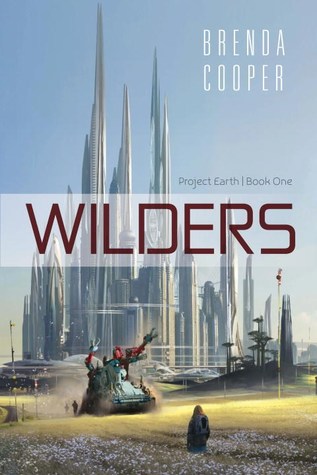
Mogsy’s Rating: 3 of 5 stars
Genre: Science Fiction
Series: Book 1 of Project Earth
Publisher: Pyr (June 13, 2017)
Length: 350 pages
Author Information: Website | Twitter
Brenda Cooper is taking a new direction in her new book Wilders, switching from space operas to look at a world in a future where human expansion and environmental change has shaped the face of the planet in dramatic ways.
The story takes place in the Pacific Northwest, in the megacity of Seacouver. Established after the merging of Seattle and Vancouver, the place is a shining example of progress and modernity: every citizen is connected to a greater network that takes care of their every need. And yet, not everyone is happy in this high-tech environment where everything is clean, controlled, and carefully ordered. Our protagonist is Coryn Williams, who loves living in Seacouver, but the same cannot be said for the rest of her family. Unable to take the pressures of the city anymore, her parents commit suicide, leaving behind Coryn and her older sister Lou.
Lou, however, is also miserable in Seacouver. At eighteen, she has reached the age where she can choose an occupation after graduating high school, but instead, she decides to leave to work in the wild lands, the unincorporated zones outside the city limits. Coryn is still fifteen, so she is left behind to finish her studies, with only her robot Paula for companionship. For the next three years, she receives regular updates from Lou, who writes about her idyllic life as a ranger working to restore the devastated ecosystem for a non-government organization. Charmed by these wonderful accounts of the wild beyond, when Coryn turns eighteen she also decides to leave the safety of the city with Paula to go reunite with Lou, only to discover that her sister might not have been entirely truthful with her descriptions.
I knew from some of the common themes in Cooper’s previous books that she was very passionate about environmental issues, and she’s brought them to the forefront here in Wilders, a story that speculates how humanity would live after the planet has gone through ecological degradation. Thus, it was with no surprise when I found that the messages in this novel—well-intentioned as they are— were delivered with the approximate delicacy of an orbital strike. That said, the narrative is completely upfront with this, as early as the prologue, so I have to give credit where credit is due. Even before the story started in earnest, I knew exactly what I was going to be in for, and because of that, I was able to overlook most of its weaknesses resulting from the author’s not-so-subtle messages, though admittedly it was a struggle sometimes.
One area I thought the book excelled in was character development. Coryn was a great protagonist, and I thought the story captured her personality and thought processes very well. Having grown up in the city with an appreciation for it not shared by her sister or most of the other characters in this novel, she also gave us a unique point of view. And while it may be true that she’s a city girl needing to overcome her naïve ways to learn about survival in the wild lands, it surprised me how frequently she ended up being the voice of reason. When Lou goes overboard in her romanticizing of nature, for example, or when the Wilders put down the life in the city unfairly, Coryn is often there to slap the truth and reality back into picture. Despite being childishly foolish and having her priorities confused at times, I thought Coryn was an independent and determined character, and as an outsider among the lawlessness of the wildlands, she did a good job holding her own.
In terms of criticisms though, I felt there was an overall “sparseness” to the world of Wilders that prevented the concept of the megacity and its surrounding wilderness from being fully realized. With Coryn being an exception, all of the others characters were painted in very broad strokes and given overly simplistic explanations for their motivations and actions. Furthermore, serious topics like suicide were diminished, such as when no other reason is given for Coryn’s parents’ suicides beyond simply that “they hated the city”, and most of what life is like in Seacouver was told to us instead of shown. There also seemed to be an “all or nothing” division to it, i.e. people in the city either suffered or thrived with no in between. At first I thought there might have been an underlying reason for this that author would reveal in due course, but nope. The Wilders also had a similar weird dichotomy in their attitudes, i.e. if you’re not on their side, then you’re an animal-murdering, planet-hating, city-slicking dirtbag.
For all the book’s flaws though, the story was entertaining, with frequent bursts of action to drive the pacing. Wilders won’t be for everyone, but some parts did work for me, especially some of the more intriguing ideas about futuristic smart cities and ecological reconstruction. I also have a good feeling that any weak points will be beefed up in the sequel, so for now consider me interested and optimistic about the next book of the Project Earth duology.


Waiting on Wednesday 07/19/17
Posted on July 19, 2017 18 Comments

“Waiting On Wednesday” is a weekly meme hosted by Breaking the Spine that lets us feature upcoming releases that we can’t wait to get our hands on!
Mogsy’s Pick
The Queens of Innis Lear by Tessa Gratton (March 27, 2018 by Tor Books)
Why am I looking forward to this novel? It’s billed as being inspired by both Game of Thrones and Shakespeare’s King Lear. Enough said.
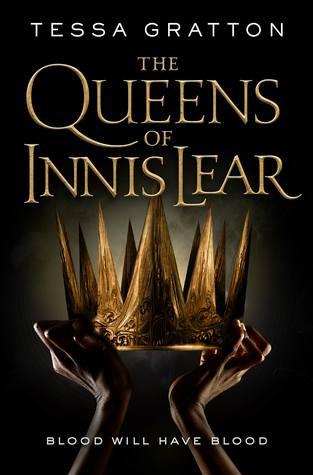 “Tessa Gratton’s debut epic adult fantasy, The Queens of Innis Lear, brings to life a world that hums with ancient magic, and characters as ruthless as the tides.
The erratic decisions of a prophecy-obsessed king have drained Innis Lear of its wild magic, leaving behind a trail of barren crops and despondent subjects. Enemy nations circle the once-bountiful isle, sensing its growing vulnerability, hungry to control the ideal port for all trade routes.
The king’s three daughters—battle-hungry Gaela, master manipulator Reagan, and restrained, starblessed Elia—know the realm’s only chance of resurrection is to crown a new sovereign, proving a strong hand can resurrect magic and defend itself. But their father will not choose an heir until the longest night of the year, when prophecies align and a poison ritual can be enacted.
Refusing to leave their future in the hands of blind faith, the daughters of Innis Lear prepare for war—but regardless of who wins the crown, the shores of Innis will weep the blood of a house divided.”
Book Review: Graveyard Shift by Michael F. Haspil
Posted on July 18, 2017 13 Comments
I received a review copy from the publisher. This does not affect the contents of my review and all opinions are my own.
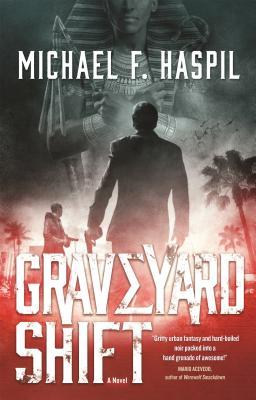 Graveyard Shift by Michael F. Haspil
Mogsy’s Rating: 3.5 of 5 stars
Genre: Urban Fantasy
Series: Book 1
Publisher: Tor (June 18, 2107)
Length: 352 pages
Author Information: Website | Twitter
Graveyard Shift, pitched as paranormal urban fantasy meets hard-boiled mystery noir, landed on my radar earlier this year and immediately had me salivating at its potential. On top of genre staples like vampires and shapeshifters, this intriguing debut also features a millennia-old main character who used to be a pharaoh and mummy, and as far as selling points go, you just can’t get much more irresistible than that.
When the story begins, our aforementioned former pharaoh/mummy protagonist and Miami vice cop Detective Alex Romer has just been called upon to investigate the scene of grisly murder. It appears that the serial killer known as “Abraham” has struck again, dealing another vicious blow Nocturn-human relations. While vampires—or Nocturns, as they prefer to be called—have been integrated into society ever since their big reveal many years back, these incidents are proof that not everyone has been quite accepting of them. Anti-vampire attitudes have led to groups of vigilantes targeting and killing Nocturns, and worse, the police has also recently learned of a rash of incidents involving poisoned artificial blood drinks showing up on store shelves, sending whoever consumes them into an uncontrollable frenzy.
Now Alex and his partner, an ancient vampire named Marcus, are on the case, doing whatever it takes to sniff out new leads, from shaking down black market blood-dealers in back alleys to trying to infiltrate the shady blood clubs operated by the violent gangs. Meanwhile, paranormal crimes are at an all-time high across Miami, straining the already stressed resources at the special police department in charge of such matters, which is unfortunately leaving their detectives with little support in the field. Desperate to put an end to the chaos but quickly running out of time to do it, Alex and Marcus are forced to team up with dubious allies in order to save innocent lives and keep the city from tearing itself apart.
While it didn’t turn out to be as original or distinctive as I’d hoped, Graveyard Shift was still a lot of fun. Unfolding like your typical police procedural, the story might not be breaking any new ground, but author Michael F. Haspil does succeed in injecting some fresh elements into this equation, and foremost of them is his main protagonist Alex. Once known as the Pharaoh Menkaure, Alex has racked up quite a resume for dealing with supernatural incidents in the thousands of years since he’s been around. Even before he became a Miami detective tasked with investigating Nocturn-related crimes, he was a part of UMBRA, a top-secret government organization involved with the hunting down of any wayward blood drinkers. However, now that the existence of vampires has been revealed to the world, his job has become a lot more complicated and mired in bureaucracy.
Despite the cool factor behind Alex’s origins though, I do wish that we’d gotten a bit more character development and backstory. While he may have fulfilled all the expectations of a standard urban fantasy hero, few of his personality traits stood out to me in particular, and there was also nothing specific in the book that convinced me that we were following the perspective of an ancient Egyptian king, beyond what the text simply stated. On top of that, we were only given tiny and infrequent glimpses into his past, though to be fair, I suspect Haspil might have been vague on Alex’s history on purpose in order to save that story for a future installment. While I wish we’d gotten a fuller picture of his character, I can also understand why an author might want to hold on to some cards and not reveal them all too early.
The story was entertaining and its fast pace kept me on my toes. That said, there was also a lot going on, and sometimes the multiple plot threads had a way of straying from the main conflict. If you enjoy action and mystery though, this novel will have plenty to satisfy your thirst, and eventually everything will tie together and set up possibilities for the future.
All in all, Graveyard Shift is a debut that delivers a solid beginning, and the seeds of potential have been planted for this series to become a strong contender in the genre. The way the book ends leads me to think there will be a lot more to come and I look forward to seeing what’s next.

Review: You Die When You Die by Angus Watson
Posted on July 17, 2017 22 Comments
I received a review copy from the publisher. This does not affect the contents of my review and all opinions are my own.
 You Die When You Die by Angus Watson
Mogsy’s Rating: 5 of 5 stars
Genre: Fantasy
Series: Book 1 of West of West
Publisher: Orbit (June 20, 2017)
Length: 512 pages
Author Information: Website | Twitter
You Die When You Die was a crazy wild ride I never wanted to end. Wooooootah, did I love this book! After having a blast with Angus Watson’s Iron Age trilogy I had a good feeling that his new book would be another glorious full-hearted adventure through new frontiers of dark fantasy, and I’m telling you all right now, I was abso-fucking-lutely not disappointed.
Though this novel is more heavily steeped in magic and fantasy, the author has once again drawn much of his inspiration from history, similar to what he did in his previous series. Inspired by the cultures of Native Americans as well as the Vikings, he has created a small population of villagers known to the surrounding local tribes as the “Mushroom Men”, who are simply content to live their modest, bucolic lives in a town known as Hardwork. Despite their name though, Hardworkers actually have it pretty good, to the point where some of the village elders fear that their people may have lost their ability to be self-sufficient. For generations, they have lived in relative peace and security, with whatever protection and resources they need provided by their Scrayling neighbors.
So when the attack on Hardwork came, none of them could quite believe it. Thanks to a Calnian prophecy that says the Mushroom Men will destroy the world, they are all now marked for death. Only a handful of them have survived, those who have heeded the warnings of a simple-minded village boy with the uncanny ability to see the future. His advice? Run. Run as far as you can towards the west, and then run some more. No one really knows what it means, but the survivors have no choice but to follow his words and go “west of west”. Their enemies will not give up until every man, woman, and child of Hardwork is dead, and to show how seriously they mean business, Calnia has even sent a squad of ruthless, magically-enhanced female warriors known as the Owsla after them.
The thing I loved best about this book were the Hardworkers, who are all so wonderfully well characterized and nuanced. Watson has set their culture apart with a unique set of traditions, and even their names possess their own individual charms. As children, many of them receive nicknames that stay with them well into adulthood, and so you get people called Sassa Lipchewer, Wulf the Fat, Freydis the Annoying, or Finnbogi the Boggy. (I mean, how could anyone not fall in love with a character named Finnbogi the Boggy?) As one of the key POV characters, Finn was easy to engage with. Consumed with youthful confidence, he is cocksure and naïve to many of life’s hardships, and up until the brutal attack on his village, his only concern in the world was trying to get the latest girl he’s infatuated with to notice him (and at the moment, it’s a firecracker named Thyri Treelegs). But as the story progresses, Finn begins to undergo a dramatic change, growing up quickly to demonstrate both increased wisdom and courage in many ways. A troop of bloodthirsty warrior women trying to hunt you down and kill you will do that to you.
Speaking of which, I really enjoyed the Calnian Owsla. Having spent generations living an idyllic, peaceful existence, the Hardworkers are of course no match for these powerful and deadly ladies, but even as I spent the whole book rooting for the underdogs, I could not help but admire their foes as well. From Sofi Tornado to Paloma Pronghorn and more, the frequent glimpses we saw through the Owsla’s perspectives were so genuine and enthusiastic that I simply could not bring myself to hate them, and in time we’re also led to wonder if there’s something more to their presence. Furthermore, there’s a fascinating mechanism behind their magical powers, but since that’s one of the coolest reveals in the story, I have no intention of spoiling it here.
Given the relative simplicity and straightforward nature of the plot, I was also impressed with how the author was able to pull it off. What we have is essentially a desperate race towards the west, with the Owsla constantly catching up to the slower and less adept Hardworkers who are escaping with all of their aged and their young. You’d think this cycle would tire itself out after a while, but it doesn’t, all thanks to the action and humor that one would expect from a book titled You Die When You Die. For you see, not all of the tribes that the Hardworkers come across are happy with the Calnian Empire either, and most of them don’t need much of an excuse to give the Mushroom Men an edge if it means screwing with the Owsla in spectacular ways. Also I was just as pleased with the rollercoaster of emotions the story gave me, ranging from pure mirth to profound poignancy. The Hardworkers’ determination and devotion to each other really touched my heart, and even with all the laughter and nail-biting moments, I think what will stay with me most are the times of light camaraderie and when they are helping each other to survive.
If you’re familiar with Angus Watson’s work then you’d know that he never holds back on the shocking twists, and with the ending to this novel, he leaves us wondering what will be coming next. You Die When You Die has a lot to love. It’s a story that commands your full attention from the very first page, whisking readers away on a journey set in an imaginative world full of riveting characters and gritty adventure. Watson has written another winner! I’m really excited to see to where he’ll take the story in the sequel, The Land You Never Leave.

Book Review: Lost Boy by Christina Henry + Giveaway!
Posted on July 16, 2017 26 Comments
***The giveaway is now over, thanks to everyone who entered!***
I received a review copy from the publisher. This does not affect the contents of my review and all opinions are my own.
Mogsy’s Rating: 4 of 5 stars
Genre: Fantasy
Series: Book 1/Stand Alone
Publisher: Berkley (July 4, 2017)
Length: 304 pages
Author Information: Website | Twitter
Each year seems to bring its crop of Peter Pan retellings, and 2017 is no exception. We’ve gotten to the point where even the versions told from Captain Hook’s point-of-view, where “Hook is good/Peter is evil” are nothing to bat an eye at. And yet, I still find myself unable to ever resist these, always searching for the one which will finally do this great villain justice.
This was what led me to Lost Boy, and I must say, Christina Henry’s portrayal may be one of the best I’ve ever read. Not surprising, really, considering this is the same author who brought us the dark and bloody Chronicles of Alice, a twisted duology inspired by the classics works of Lewis Carroll which I also happened to enjoy immensely. This time though, Henry is taking us down a different rabbit hole, into one that connects the world of our own with a magical island in another place where children never grow old. This is the home of Peter Pan, who spends his never-ending childhood stealing boys from the “Other Place” to bring back to his island paradise so that he will always have playmates to amuse him. However, Peter has a very sick sense of what constitutes “amusement”. His outward appearance of an eleven-year-old boy belies the fact that he is a master manipulator, with an infectious charm that makes all his Lost Boys love him and want to please him.
The only one who can see through all of this is Jamie, the first boy Peter ever brought to the island. They’ve been the best of friends for a long, long time—long enough that Jamie has become Peter’s favorite companion and right hand man, the one who takes care of the rest of the boys. Someone has to, after all, considering the way Peter goes through playmates like dogs go through chew toys, a fact that Jamie hates. Whether he is leading the boys into pirate raids or making them beat each other up during Battle, Peter only has his own entertainment in mind, giving no thought to whether the others got hurt, sickened, or even died. Already he is showing signs of growing bored with Charlie, the latest boy he has brought back from the Other Place. Younger and more helpless than the others, Charlie immediately becomes attached to Jamie, who steps in to become the little boy’s protector. Unfortunately, this just seems to make Peter resent Charlie even more. Not for the first time, Jamie wonders just how far Peter would go to maintain his absolute rule over the Lost Boys, though if it means harm to Charlie, he knows he will do whatever what it takes to stop his oldest friend.
And here I thought Disney’s depiction of Peter Pan was an annoying little shit. The portrayal of the Boy-Who-Wouldn’t-Grow-Up in Lost Boy on the other hand, is on an entirely different level of evil and heartlessness. While it is said that in the original play and books by J.M. Barrie, the character symbolizes the selfishness of childhood as evidenced by his thoughtlessness and cocky attitude, Christina Henry’s Peter Pan embodies of all of this plus a healthy dose of psychopathy, to the point I doubt even the Once Upon A Time version can hold a candle to hers in terms of sheer dickery. The Peter in Lost Boy is a repugnant little monster, one who relishes in manipulating the minds of young and innocent little boys so that they would worship him and leap unquestioningly to do his bidding—even if it is an order to beat each other to a bloody pulp. To Peter, the Lost Boys are nothing more than disposable and replaceable meat toys; if they get destroyed or if he grows bored with them, he’ll just go over to the Other Place and pick up another.
This in turn made it easy to root for Jamie, our protagonist who has come to realize that what used to be fun becomes no longer so if you’re forced to do it for eternity…never growing older, playing out the same “adventures” again and again. He’s also getting sick of burying his friends, the many Lost Boys who have died over the years because of Peter’s negligence (it’s all fun and games until someone gets decapitated by a cannonball). Without even being aware of it, Jamie is growing up, maturing in mind if not in body, a process which has already begun when we first meet him. What sets Lost Boy apart from similar books is the way Henry handles this transition. For Jamie, his hatred of Peter Pan isn’t a switch that just gets flipped on one day. Instead, it is like a seed which has been planted since the beginning, only it has been buried for a very long time. With every shock and revelation he receives about Peter’s true nature, it grows and grows until something finally happens that makes him reach the point of no return.
Jamie’s characterization was a huge part of what made Lost Boy such a fascinating, addictive read. However, it also led to a lot of powerful and heartbreaking moments. The protagonist’s caring attitude made me sympathize with him, but it also killed me knowing that it would eventually lead to his downfall. After all, we all know of the famous rivalry between Peter Pan and Captain Hook. That part of their story does not change with this retelling, but Christina Henry has made the journey to get there a lot more interesting and at times overwhelming and painful in its emotional intensity.
All told, Lost Boy is Hook’s tale as I have never heard it told before, and I thoroughly enjoyed it. I’d probably avoid this if you’d like hold on to your memories of Peter Pan as a cute and free-spirited young boy, but definitely pick this up if you are a fan of grim and gruesome imaginative retellings.


Lost Boy Giveaway
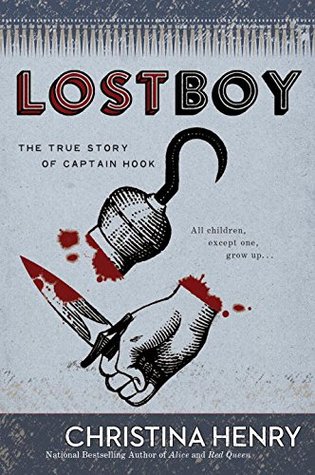
Time for a giveaway! With thanks to the publisher, the BiblioSanctum has one print copy of Lost Boy up for grabs! The giveaway is open to residents of the US. To enter, all you have to do is send an email to bibliosanctum@gmail.com with your Name and valid Mailing Address using the subject line “LOST BOY” by 11:59pm Eastern time on Sunday, July 23, 2017.
Only one entry per household, please. The winner will be randomly selected when the giveaway ends and then be notified by email. All information will only be used for the purposes of contacting the winner and sending them their prize. Once the giveaway ends all entry emails will be deleted.
So what are you waiting for? Enter to win! Good luck!
Mogsy’s Bookshelf Roundup: Stacking the Shelves & Recent Reads
Posted on July 15, 2017 45 Comments
Bookshelf Roundup is a feature I do every other weekend which fills the role of several blog memes, like Stacking the Shelves where I talk about the new books I’ve added to my library or received for review, as well as It’s Monday! What Are You Reading? where I round up what I’ve read since the last update and what I’m planning to read soon. Mostly it also serves as a recap post, so sometimes I’ll throw in stuff like reading challenge progress reports, book lists, and other random bookish thoughts or announcements.

Received for Review
Thank you to the publishers and authors for the following review copies received. For more details and full descriptions of the books, be sure to click the links to their Goodreads pages!

With thanks to Margaret K. McElderry Books for this ARC of The Glass Town Game by Catherynne M. Valente, her upcoming Middle Grade novel following Charlotte, Anne, Emily, and Branwell Brontë as they’re transported into Glass Town, the fictional realm based on a world of the siblings’ own creation. I’ve always been curious about Valente’s MG projects, and this sounds like it could be the perfect place to start.
Raining Fire by Rajan Khanna is the third book of the Ben Gold series which I’m still behind on, but as soon as I’m caught up with book two I’d like to check this one out. My thanks to Pyr Books for the finished copy.
From the kind folks at Simon & Schuster I also received this finished copy of The Good Earth by Pearl S. Buck and illustrated/adapted by Nick Bertozzi, a graphic novel adapted from the 1931 classic. The artwork is really breathtaking, and I wish I had read the original story.
Huge thanks to Flatiron Books for this ARC of 13 Minutes by Sarah Pinborough! I’m a big fan of the author’s work, not to mention that this novel has already been out in the UK for a while now to great acclaim, which is making me even more excited to read it.
The first book of the Adventures of Arabella Ashby series was such a joy to read, which is why I was thrilled when its sequel Arabella and the Battle of Venus by David D. Levine landed on my doorstep earlier this week. I also received Perilous Prophecy by Leanna Renee Hieber, the third installment of her Victorian-era fantasy series Strangely Beautiful, though I hear this one is considered a prequel novel and thus can be read as a stand alone. My thanks to Tor for these finished copies.

Continuing with the new arrivals from Tor, I also received Tomorrow’s Kin by Nancy Kress which I’m very excited to read because I just love tales of first alien contact. Next up is The Queen of Swords by R.S. Belcher, third in the Golgotha sequence, of which I’ve only read the first book. From the description though, it sounds like this novel can be read as a standalone and I’m really hoping this is the case – after all, how can I resist a story about female pirates? My thanks again to the publisher.
Last week I received a mystery package from Hachette, and to my to delighted surprise it contained this ARC of Provenance by Ann Leckie. The author’s Imperial Radch trilogy is one of the most unique works of science fiction I’ve ever read, so I’m really curious to see what she has in store for us next. Provenance appears to contain some elements of a heist book, featuring a young woman’s quest to retrieve a priceless lost artifact and a prison break. I can’t wait to see what it’s all about! With thanks to Orbit Books.
Thanks also to Harper Voyager for The Reluctant Queen by Sarah Beth Durst, book two of The Queens of Renthia series. I read the first book last year and enjoyed it a lot, and I’m excited to see how the story will continue.
Later this fall, Graydon House which is a new imprint from HarperCollins will be releasing their major launch title Best Day Ever by Kaira Rouda, a story that takes place over 24 hours following a seemingly perfect couple. The husband takes his wife away to their lakehouse for a romantic weekend getaway, promising her the best day ever (like that doesn’t sound ominous!) Domestic suspense is a genre that is hit or miss with me, but holy shit I can’t get over how AMAZING this one sounds. My sincerest thanks to the publisher and Wunderkind PR for the review opportunity, I’m seriously dying to read this.
And speaking of suspense, LoveMurder by Saul Black is another surprise arrival, described as a haunting thriller starring a homicide detective who must work with the convicted killer she put away six years ago in order to solve another grisly murder. It is technically the second book of a series, but sounds like it’s possible to just jump right in. My thanks to St. Martin’s Press.



So yeaaaah I went kinda nuts on NetGalley, but you can hardly blame me. From Del Rey, I requested A Plague of Giants by Kevin Hearne because what urban fantasy fan can say no to a brand new series from the mind who brought us the hilarious Iron Druid Chronicles? From Crown, I also requested Artemis by Andy Weir, a near-future heist thriller that sounds very different from his sci-fi hit The Martian. I also got an email one afternoon in which Little Brown Books for Young Readers was offering a limited number of “Read Nows” for Invictus by Ryan Graudin, so you can bet I slammed on that button right quick. Magicians Impossible by Brad Abraham was also an intriguing supernatural/fantasy thriller novel that caught my eye from Thomas Dunne Books. And finally, I saw Stillhouse Lake by Rachel Caine from Thomas & Mercer and just could not help myself. I love Rachel Caine but I’ve only read her fantasy, and I’d very much like to see how handles mystery/thriller. With thanks to all the publishers.
This week I also received a couple of review requests from authors. Revenant Winds by Mitchell Hogan is the first of a new epic fantasy series set in a world devastated by a series of cataclysms, and a group of unlikely heroes must band together to stop an evil long thought to have been defeated. Snowspelled by Stephanie Burgis is a romantic fantasy novella set in an alternate version of Regency England in which magic is reserved for gentlemen while ladies are expected to attend to the more practical business of politics. Thanks Mitchell and Stephanie, I’m looking forward to reading!
And finally, my thanks to Tor.com for these e-galleys of Switchback by Melissa F. Olson and Weaver’s Lament by Emma Newman, both of which are sequels to books I have not gotten a chance to read yet. I’ve been falling behind on all these novellas I want to read, but I’m working hard to catch up.
Reviews
In this section I do a roundup of my reviews posted since the last update. I’m so glad I finally got to share my review of Devil’s Call by debut author J. Danielle Dorn, which gets the highlighted spot this week along with the brilliant Spoonbenders by Daryl Gregory.
Devil’s Call by J. Danielle Dorn (5 of 5 stars)
Spoonbenders by Daryl Gregory (4.5 of 5 stars)
Shark Island by Chris Jameson (4 of 5 stars)
Now I Rise by Kiersten White (4 of 5 stars)
A Kiss Before Doomsday by Laurence MacNaughton (4 of 5 stars)
Warlock Holmes: The Hell-Hound of the Baskervilles by G.S. Denning (4 of 5 stars)
Godblind by Anna Stephens (3 of 5 stars)
Roundup Highlights:

Interviews & Guest Posts
A huge thanks to Laurence MacNaughton who stopped by last week for a Q&A about his new novel A Kiss Before Doomsday!
An Interview with Laurence MacNaughton, Author of the Dru Jasper Series

What I’ve Read Since the Last Update
The following are books I finished recently. Considering there were a couple of huge clunky tomes in the “unstacked” pile this week, I was surprised I got to read this many books, honestly. Reviews for most of these are coming soon.


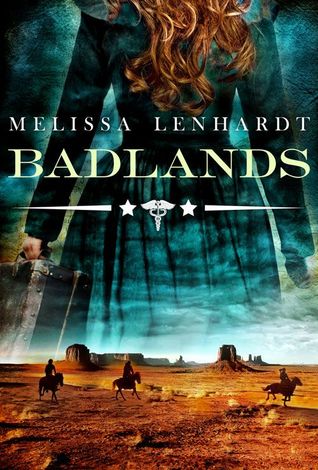

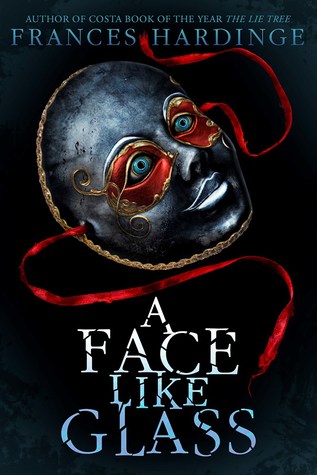
Have you heard of or read any of the books featured this week? What caught your eye? Any new discoveries? I hope you found something interesting for a future read! Let me know what you plan on checking out. Until next time, see you next Roundup!
Friday Face-Off: Boat
Posted on July 14, 2017 18 Comments
Welcome to The Friday Face-Off, a weekly meme created by Books by Proxy! Each Friday, we will pit cover against cover while also taking the opportunity to showcase gorgeous artwork and feature some of our favorite book covers. If you want to join the fun, simply choose a book each Friday that fits that week’s predetermined theme, post and compare two or more different covers available for that book, then name your favorite. A list of future weeks’ themes are available at Lynn’s Book Blog.
This week’s theme is:
“The Owl and the Pussy-cat went to sea, in a beautiful pea green boat…”
~ a cover featuring a BOAT
Mogsy’s Pick:
The Gracekeepers by Kirsty Logan
Well, I don’t know about owls or pussy-cats, but the book I’m featuring this week does have a bear. In a world where the ocean has flooded most of the earth, a bulk of the population has taken to the water and made their permanent homes aboard boats, calling themselves the damplings. North is a young woman who travels with a floating circus, performing in an act with a trained bear that has been her best friend and companion since childhood.
Now let’s take a look at the available covers I could find:
From left to right, top to bottom: Crown (2015) – Vintage (2016) – Harvill Secker (2015)


Winner:
This was a tough week, because all three covers are so enchanting and beautiful in their own way. Push comes to shove though, I think I’m going to have to go with the Harvill Secker edition because I just love the art style, which reminds of something I might find in a book of children’s fairy tales.
What do you think? Which one is your favorite?
Book Review: Devil’s Call by J. Danielle Dorn
Posted on July 13, 2017 25 Comments
I received a review copy from the publisher. This does not affect the contents of my review and all opinions are my own.
Devil’s Call by J. Danielle Dorn
Mogsy’s Rating: 5 of 5 stars
Genre: Fantasy, Historical Fiction
Series: Stand Alone
Publisher: Inkshares (July 18, 2017)
Length: 254 pages
Author Information: Website | Twitter
From the moment I started reading Devil’s Call, I was rapt. J. Danielle Dorn masterfully draws the reader in with her incredible debut, a horror-fantasy western featuring an emotional and gritty tale of revenge.
Written in the form of a letter from the narrator to her unborn child, the novel chronicles the life of Li Lian MacPherson, also known as Lily, a mixed-race witch who hails form a long line of magically gifted women. It is the mid-1800s when most of America is still wild, unsettled country. Lily was raised by her mother and her coven of aunts and cousins in a roadhouse in St. Louis, but youthful wanderlust soon led to her Texas where she first met Matthew Callahan. Even though she was a runaway and the young soldier was tasked to bring her home, the two of them ultimately bonded and fell in love, got married, and moved out to build a new life together on the Nebraskan frontier. Soon, the couple was expecting a baby.
But that was when the horror came. On a dark winter night, three men entered their home and murdered Matthew in cold blood before riding off without a trace, leaving Lily alone and pregnant in a world that believes her to be responsible for her husband’s death. Turning her grief into rage, Lily sets out on a quest for vengeance, using her magic to follow the killers across hundreds of miles of untamed land. Devil’s Call is our protagonist’s record of this journey, written so that the daughter growing inside of her will one day know the story of her parents and understand why her mother took all the risks she did. Lily also knows there’s a good chance she will not survive to tell her tale in person, for eventually it becomes clear that the mysterious enemy she seeks may not even be natural or human.
Anyone who follows my reviews probably also knows that I have a predilection for western-flavored fantasy, and Devil’s Call is easily the best I’ve read in years. First and foremost I loved Li Lian, a unique heroine who is as fierce in her pride of her magical heritage as she is in her devotion to those she loves. She felt like a genuine character from the start, her words in this journal ringing true to the depths of her experiences and emotions. So moonstruck was I by the tale of how she and Matthew met and fell in love that when his eventual killers arrived and shot him dead right in front of her, the scene and its repercussions damn near broke my heart. Then there is her unborn child, whom Lily frequently addresses in her writing. Every confession and heartfelt piece of advice leaves no question as to her love for her baby, but as more is revealed about the three men she is chasing, it becomes clear why her quest is leaving her torn. Still, everything about her character exudes strength, independence, and a will to fight on. Lily is likeable, believable, and she drives the story in such a way that every page and every step of the way had me cheering her on.
There’s also no way I can talk about excellent characterization without giving mention to Roger Hawking. A butcher with a shady past who ends up allying with our protagonist and lending her support, Hawk became a major character in his own right when the anticipation of learning more about his backstory became nearly as strong as needing to find out how everything will end. The scenes between him and Lily feature some truly excellent dialogue, and the great banter between them while they traveled kept things entertaining, though in truth the plot hardly needed any help in that department; this was a fast-paced story that never had a dull moment.
And of course, I adored the setting. It probably goes without saying, but atmosphere has a lot to do with what makes a good western, and it’s one of the main reasons why I love the genre. I’m also very particular when it comes to what I enjoy. Generally, fantasy mashups are allowed a lot more leeway, but there are still a number of essential elements that I have come to expect—which this novel delivered marvelously, I might add. It stresses the harshness of Lily’s world, where violence and death are always lurking around the corner. And despite the raucous saloons and busy telegraph stations, what we get to see here is a lot more wilderness than civilization. Picture all this and wrap it all up in a light veil of magic, and this should give you a sense of what to expect from Devil’s Call.
All told, this book was a poignant and riveting experience that took me by surprise. Westerns are always fun, and westerns with revenge plots are even better, especially when the struggle between good and evil is portrayed in such a heart-wrenchingly personal and visceral way. Even before I had a chance to start Devil’s Call, I had a strong feeling that I was going to love it—I just didn’t expect how much. So far, it is one of the best novels I’ve read this year, and I can’t recommend it highly enough. It had everything I wanted, from a strong and compelling heroine to a mesmerizing fast-paced plot that is guaranteed to engage, captivate and leave you breathless.
Waiting on Wednesday 07/12/17
Posted on July 12, 2017 14 Comments
“Waiting On Wednesday” is a weekly meme hosted by Breaking the Spine that lets us feature upcoming releases that we can’t wait to get our hands on!
Mogsy’s Pick
A Skinful of Shadows by Frances Hardinge (October 10, 2017 by Amulet Books)
I am right now reading Frances Hardinge’s A Face Like Glass and I’m finding myself so enamored with it that I just had to go look up her other books. While doing that I was happy to discover that she actually has an upcoming novel that it is set to drop this fall. I’m loving her vivid imagination and beautiful prose, and here’s hoping I’ll find more of it in A Skinful of Shadows.
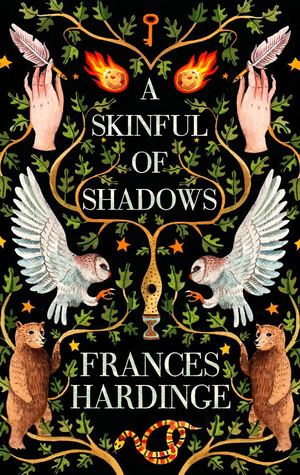
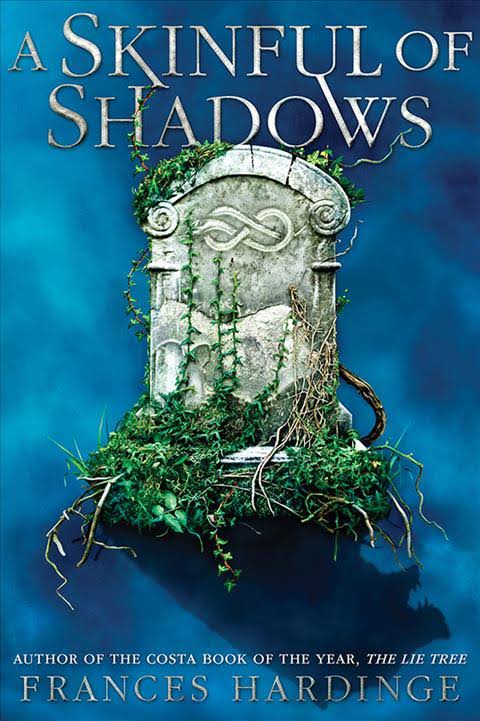
A Skinful of Shadows is a dark YA historical fantasy set in the early part of the English Civil War. Kate is an illegitimate daughter of the aristocratic Fellmotte family, and as such, she shares their unique hereditary gift: the capacity to be possessed by ghosts. Reluctant to accept her appointed destiny as vessel for a coterie of her ancestors, she escapes. As she flees the pursuing Fellmottes across war-torn England, she accumulates a motley crew of her own allies, including outcasts, misfits, criminals, and one extremely angry dead bear. From Costa Book of the Year winner Frances Hardinge comes a new dark historical fantasy that’s sure to satisfy her leagues of fans who are eager for more.
An Interview with Laurence MacNaughton, Author of the Dru Jasper Series
Posted on July 11, 2017 16 Comments
Today I am thrilled to welcome back Laurence MacNaughton to The BiblioSanctum for a chat about his new novel A Kiss Before Doomsday, the second book in the Dru Jasper series which is available today wherever books are sold. In case you missed it, last week I posted my review of the book so be sure to check it out and see how much I enjoyed this fun, quirky urban fantasy which stars a bookish sorceress whose power allows her to unleash the magical properties of crystals. The end of the world is nigh, and once again Dru and her friends are going to do all they can to prevent it – trust me when I say you’re not going to want to miss this! My thanks again to Laurence for giving us some fantastic insight into his books and writing, and I hope you enjoy our Q&A!
Hi Laurence! Thanks for the interview, we’re so happy you can join us today!
Hi, thanks for having me here! Always a pleasure.
Before we start, I think congratulations are in order for the release of your new novel A Kiss Before Doomsday! Since it’s the second book of your Dru Jasper series, can you kick us off by giving us a brief description of the books, and what prospective readers can expect?
It’s a fun urban fantasy series about Dru Jasper, who owns a crystal shop in Denver, and discovers that she can use crystals to gain magic powers. Her friends (and enemies) are generally powerful sorcerers, more powerful than her. So she must use her brains and her giant library of books to save the world from one doomsday threat after another.
In the first book, she stopped the Four Horsemen of the Apocalypse and found a handsome (but troubled) boyfriend. In the second book, the dead have started rising from the grave, her boyfriend is missing and presumed dead, and she has to find him in order to stop doomsday.
It sounds dark, but it’s actually lighthearted and really funny. It’s fast-paced, there’s plenty of magical action, a little bit of romance, and laugh-out-loud banter.
Can you tell us a bit about your creative process? How did you first get the idea for this series, and what spurred you to invent a magic system based on the metaphysical properties of crystals?
I’d wanted to write an urban fantasy series for a while, but I set out to do something different with the magic system. Something no one had ever seen before. Taking more of a spooky-comedy approach was a fresh start, but I needed something more.
My wife has always collected crystals, and one day it occurred to me that people have been fascinated by crystals for thousands of years. For example, the ancient Egyptians invented mascara by grinding up galena crystals and painting them around their eyes to ward off the “evil eye.”
But here’s the thing: in real life, galena is a lead sulfide, which is fairly toxic, but it can activate your immune system. So if you were an ancient Egyptian with an eye infection, and you put on your Cleopatra makeup, it’s entirely possible that the galena crystal would help you fight off the infection. There’s real science to back it up.
There’s another crystal called ulexite that’s fiberoptic and transmits images. (Just search online for “TV rock” and you’ll see some examples.) It’s so cool.
So I thought: what if I pumped up those properties to a super-power level? What if Dru could use ulexite to see the invisible? What if she could use galena to ward off evil demons? I just took that idea and ran with it.
Definitely cool! What do you love about urban fantasy, and what do you hope your books will bring to the genre?
Honestly, I just want to make people laugh, and tell them a good story. I love urban fantasy, but there are so many dark, hard-edged stories out there. I want to lighten things up.
Personally, I tend to gravitate toward funny writers in any genre. Terry Pratchett, Dave Barry, even Dan Neil, the guy who reviews cars for the Wall Street Journal. They’re all hilarious. If I can get even a tenth as many laughs as those guys get from their readers, I’ll be satisfied.
What made you decide to write this series from the perspective of Dru Jasper? And speaking of characters, I just love this quirky and unique cast! From Dru to Rane, Opal, Greyson, and Salem…everyone seems to have their own individual personality and charm. Where do you draw inspiration for your characters? Do you have any who are particularly near and dear to you, and why?
My characters are all inspired by little moments I witness in real life. Maybe I overhear a fragment of a conversation, or watch someone do something unexpected, or I run into someone who has such a strong personality that they stick in your mind.
I collect sort of a mental scrapbook of these moments, little fragments of individuals. As I write, I assemble these fragments into characters. In the beginning, these character concepts are a little hazy. So I ask myself questions about their personality, their background, their relationships, anything that helps define them. As they grow, it’s sort of like getting to know a real person, with a unique combination of strengths and faults.
The funny thing about the Dru Jasper series is that the characters all came from various unfinished short stories. I had Dru in mind, but I needed other characters for her to interact with, so I pulled them all from my notes, and somehow they all fit together beautifully. They’re all so different and weird that there are plenty of opportunities for them to misbehave in highly inappropriate ways.
I absolutely adore Dru. She’s a sweet mess. She can barely afford the rent, she has guy problems, and most of her friends and customers have far more magical power than she does. But she’s smart, she’s well-read, and she’s just such a darn good person. I know this is going to sound crazy, but I always feel like Dru is just eager to tell me her story, and I’m just scrambling to keep up.
I also have a secret sweet spot for Hellbringer. Because: demon muscle car. And even though it’s not a person, it’s still an unforgettable character.
 When you were writing these books, did you do a lot of research into crystal magic? How did you go about it and what would you say is the most interesting thing you’ve learned? Are you a rock and crystal collector yourself?
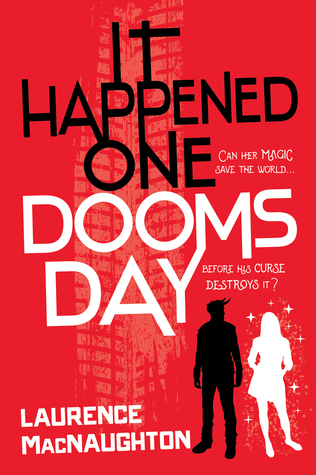
I can definitely say that I’ve become a rock collector! I live in Colorado, and most small towns in the mountains have some kind of a rock shop. You can just go in and dig through dusty cardboard trays full of various minerals and crystals.
The sheer variety of crystals that exist in this world is absolutely astonishing. On my desk right now, I have a piece of transparent quartz with tourmaline inclusions. It looks like someone took a thumb-sized piece of broken glass and jabbed it full of shiny black metal splinters. It looks so weird and dangerous that I just have to put it into a book. And this is a real thing, a real crystal.
That’s pretty much how all of the oddball crystals get into my books. I find something that looks cool, and then go research it to see what ancient beliefs I can find about it. Then I find a way to expand those beliefs into something epic and magical, and work it into the story.
Are you also a fan of muscle cars? What prompted you to incorporate them into the idea of the Four Horsemen of the Apocalypse?
I’m totally a car guy. In fact, before I became a writer, I was a professional test driver. That was fun. A little scary, but it gave me plenty of material to write about.
I have an old Thunderbird that I’ve had for almost twenty years now. In fact, I met my wife because of it. (She caught my attention not only because she was gorgeous, but also because she was driving a sleek old Chevy Impala that was probably too fast to be legal.)
A few years ago, we got my mean old Thunderbird out of storage, cleaned out the carburetor, and got it started. I had installed a tape deck at some point, and the moment the engine growled to life, the stereo started playing “I’m Evil” by Danzig.
And I wondered: what if there was a car that was actually evil, as in, possessed by a demon? That’s where I got the idea for Greyson’s car, the speed demon called Hellbringer. From there, it was a short jump to having the Four Horsemen of the Apocalypse driving demon-possessed muscle cars.
Now that I’ve picked your brain about your books, I’d love to know more about you, the author! Tell us a Laurence MacNaughton Fun Fact, or something about yourself that might surprise readers!
I love to cook. Just give me a cast-iron skillet, a heap of raw ingredients, and a heat source: stove, grill, campfire, glowing-hot meteorite, whatever. I’ll cook up something tasty.
My favorite go-to summer dessert is grilled bananas. Just cut a banana in half along the middle, leaving the skin on. Give the halves a quick spritz with cooking oil, and put them face-down on a hot grill for a minute or less to give them some nice grill marks. Then flip them over and cook over low heat, right in the skin, until they look soft and delectably gooey. Serve with your favorite toppings: honey, shredded coconut, cacao nibs, whipped cream, anything. Your taste buds will go into orbit.
Bonus points if you lightly grill some wedges of angel food cake to go with it. Mmm.
How do you balance life with writing? What do you do when you just need to kick back and relax?
If I had my way, I’d be writing 24/7. But human beings aren’t meant to exist that way, so I make it a point to leave the house every so often. Since I live in Colorado, I have access to some of the most beautiful trails and high country in America, and I am very thankful for that. The hiking and biking is amazing here. Despite all the snow. I get some of my best ideas when I’m halfway up a mountain. I make sure to bring a pencil with me.
What’s in the future for Dru Jasper? How many books are planned for the series, and is there anything you can tell us about the next one at this point?
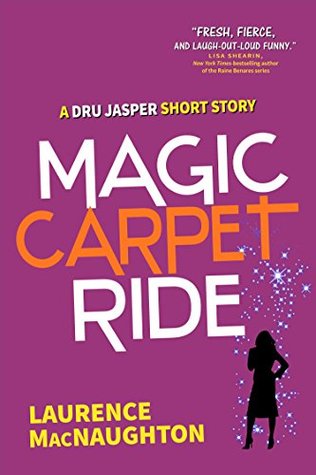 I’m writing Book 3 right now, and I’m very excited about what’s coming up. I desperately want to tell you more, but I’m sworn to secrecy. 🙂
However, I can tell you that there are also two Dru Jasper shorts available: a novelette called Put a Spell on You, and a short story called Magic Carpet Ride, which is free to subscribers of my author newsletter at http://www.LaurenceMacNaughton.com.
Wrapping up, are there any other projects you’re working on currently or in the near future that you’re excited about, either writing or non-writing related?
Right now, I’m working on a book for writers called Instant Plot: How to Plan Your Novel the Easy Way. It’s based on a talk I’ve given several times at writing conferences, and it’s often a standing-room-only affair. Essentially, Instant Plot is a technique that any writer can use to work out the fundamental basics of a novel in one sitting. It sounds a little crazy, but it works. I can’t wait to share it.
Thank you, Laurence! On behalf of The BiblioSanctum, I’d like to congratulate you again on the release of your new book and wish you all the best!
Thank you so very much! It’s always a treat to be here.
*** For more information about Laurence and his books, please visit his website at laurencemacnaughton.com and follow him on Facebook and Twitter @LMacNaughton! ***


 The BiblioSanctum