Waiting on Wednesday 09/13/17
Posted on September 13, 2017 11 Comments

“Waiting On Wednesday” is a weekly meme that first originated at Breaking the Spine but has since linked up with “Can’t Wait Wednesday” at Wishful Endings now that the original creator is unable to host it anymore. Either way, this fun feature is a chance to showcase the upcoming releases that we can’t wait to get our hands on!
Mogsy’s Pick
From Unseen Fire by Cass Morris (April 3, 2018 by DAW Books)
From Unseen Fire is the first book of the Aven Cycle, a historical fantasy series set in an alternate Ancient Rome. It also features a strong female lead and is a debut novel to boot. I think I need this book in my life!
 “The Dictator is dead; long live the Republic.
But whose Republic will it be? Senators, generals, and elemental mages vie for the power to shape the future of the city of Aven. One such mage, Latona of the Vitelliae, must rediscover her incredible powers of Fire and Spirit—which she suppressed for years at the Dictator’s court—in order to protect her family and the city she loves.
Her siblings—a widow who conceals a canny political mind in the guise of a frivolous socialite, a young prophetess torn from the sanctuary of her temple, and a military tribune leading a dangerous expedition in the province of Iberia—will be her allies as she builds a place for herself in this new world, against the objections of their father, her husband, and the strictures of Aventan society.
Their paths intersect with that of Sempronius Tarren, a rising politician who dreams of a vast and harmonious empire growing from the nexus of their beloved city. He believes the gods have thrown down a personal challenge, and equipped him with the skills to steer Aven towards this glorious future—but in order to realize his goals, he will have to break the Republic’s most sacred law. Although centuries-old custom dictates that no mage may hold the highest political offices, Sempronius, a Shadow mage who has kept his abilities a life-long secret, intends to do just that.
As rebellion brews in Iberia, Sempronius must outwit the ruthless leader of the opposing Senate faction to claim the political and military power he needs to achieve his—and Aven’s—destiny. As Latona unleashes her magical potential, she discovers that Sempronius’s extraordinary vision for their nation aligns with her desires to protect its people—but their burgeoning relationship may jeopardize the very future they seek to build in Aven.”
Top Ten Tuesday: Top Ten Favorite Books From the Year I Started Reviewing
Posted on September 12, 2017 28 Comments

Top Ten Tuesday is an original feature/weekly meme created by The Broke and the Bookish. They created the meme because they love lists. Who doesn’t love lists? They wanted to share these list with fellow book lovers and ask that we share in return to connect with our fellow book lovers. To learn more about participating in the challenge, stop by their page dedicated to it and dive in!
This week’s topic: Top Ten Favorite Books From the Year I Started Reviewing
Mogsy’s Picks
I’m always fascinated by how my tastes change over time, so with today’s theme being a Throwback Freebie, I thought it would be fun to take a look back at my favorite books in the first year I started reviewing. It’s important to note this is actually before this blog existed. I’ve always been a voracious reader, but it wasn’t until 2010 or 2011 that I started getting into the habit of taking notes while reading, which was also around the time I started my Goodreads account and became more active in that community. It began with random notes here and there, and soon these little snippets gradually evolved into longer paragraphs until it led to me writing these full-blown reviews. And because all this is still on GR, I was able to take a look back at the kind of books I was reading at this time and see which 2010-2011 releases had me raving with excitement. What I find interesting is how some of these are still among my favorites even now, while others have lost a bit of their appeal over time. I’ve read approximately 1150 more books since then, and it’s amazing to see how those years and experiences have altered my opinions.
 Ready Player One by Ernest Cline
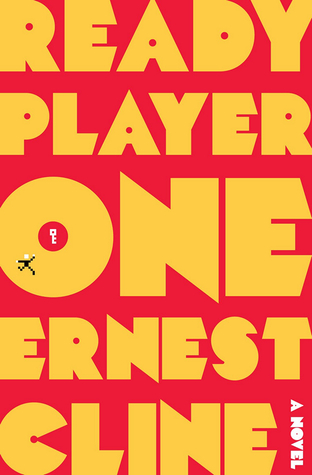
Year: 2011
What I thought then: “I … loved how Ernest Cline described the relationships between the characters in the book. A lot of us online gamers can probably relate to the experience of making long-lasting friendships over the internet, the excitement and nervousness of meeting your online friends for the first time in real life but ending up connecting like you’ve known each other for years even though you’ve never met face-to-face until that moment, etc. I think [Cline] nailed that part perfectly.”
What I think now: Yep, still love this book. I remember first hearing about Ready Player One in the early weeks of its release because it was making big waves among my friends in the MMO gaming community, so that was how I came to pick it up. Awesome to see how its popularity has exploded since publication, and with the movie coming out soon.
 The Way of Kings by Brandon Sanderson
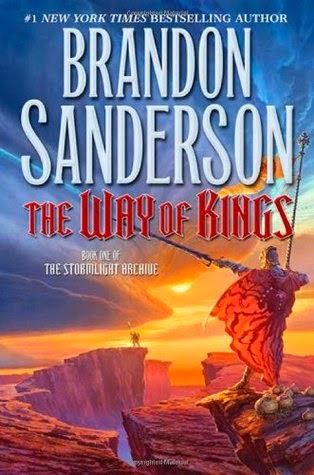
Year: 2010
What I thought then: “[Sanderson]’s a good storyteller, and his writing, while not too terribly elegant, is straightforward and undisguised without being too simplistic. I mean all that as a compliment; sometimes you just want to get to the meat of the story without poring over a page multiple times to contemplate all its artsy-ness or symbolic meanings. That stuff is for another time, another book. But when all I want to do is sit back and relax to enjoy an epic fantasy with a good story, The Way of Kings delivers.”
What I think now: Another book I still love to pieces. In fact, even now it sits at the top of my favorites-of-all-time list. The Way of Kings was only my second venture into Brandon Sanderson’s work after Mistborn, I had no idea then that he would become one of my favorite authors.
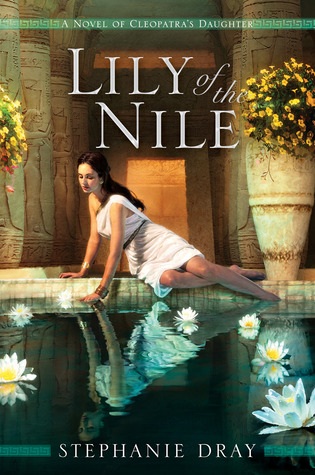
 Lily of the Nile by Stephanie Dray
Year: 2011
What I thought then: “This was simply a beautiful novel. While not exactly a heart-thumping page turner, it nonetheless had me enraptured with its story and characters every step of the way. At the heart of it, Lily of the Nile is a coming-of-age story, and it’s a unique one at that. It’s labeled as historical fiction, but I was surprised to find a thread of fantasy laced through the novel in the form of old magic, which sets it apart from other books I’ve read in the past.”
What I think now: I have fond memories of this book, and every time I see that gorgeous cover it still gives me the feels. This is still one of the best stories I’ve ever read about Cleopatra Selene and Ancient Rome, and I wish I had more time to read historical fiction these days.
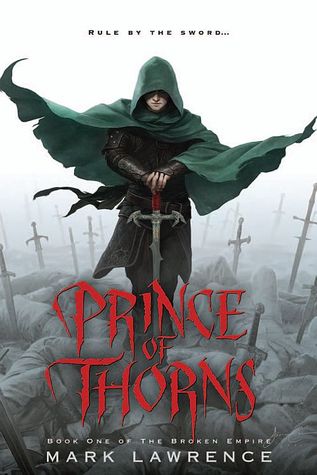
 Prince of Thorns by Mark Lawrence
Year: 2011
What I thought then: “Themes in this book will be familiar to fans of fantasy. A boy on his journey to manhood. A lost prince fighting for his birthright. A tale of revenge. And so on. All wrapped up in this nice little package which probably won’t take you more than a few days to read. And yet, all these themes are laced with a twist. Prince of Thorns will probably be unlike any fantasy novel you’ve ever read. Like other reviewers have warned, this book is dark, and it is violent. You’ll likely be disgusted and repulsed by the main character, Jorg … The story, however, I found riveting. I love the style of the narration, and the author’s refreshing take on dark fantasy. If the book had been a little longer, I wonder if more of the world and the characters could have been explored.”
What I think now: This was Lawrence’s debut, and he certainly has become a force to be reckoned with ever since. I’ve read all his subsequent novels, and he’s just getting better and better.
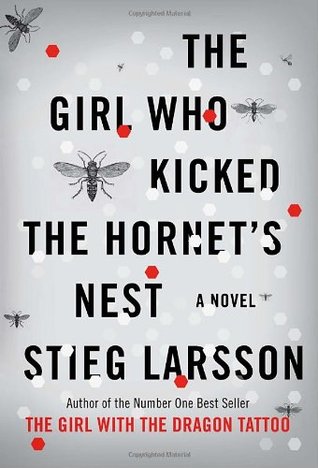
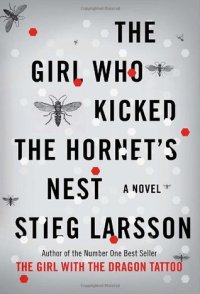 The Girl Who Kicked the Hornet’s Nest by Stieg Larsson
Year: 2010
What I thought then: “If you read the second book, the third one is a must. It. Is. Good. Again, perhaps not as strong as the first novel, but definitely in my opinion better than the second while providing it with a satisfying conclusion which answers all the questions and ties everything up beautifully as well. For the ending of this book alone, I feel both are worth reading. What a shame it is that the late Stieg Larsson will no longer bring us more adventures of Blomkvist and Salander. After finishing this book, I was actually overcome with a little sadness.”
What I think now: I guess this book made less of an impression than I thought, because I don’t actually remember all that much from it now. In truth, I don’t have much desire to check out the continuation novels by David Lagercrantz either, despite my past comments about more Blomkvist and Salander adventures.
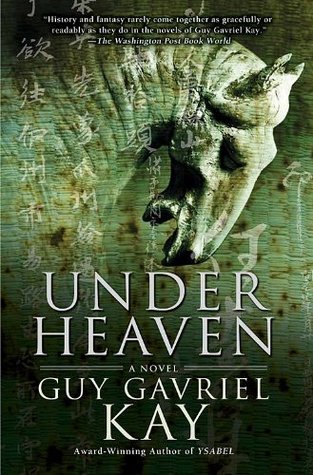
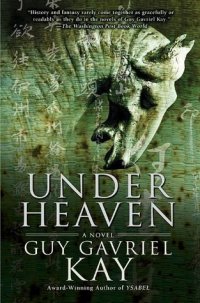 Under Heaven by Guy Gavriel Kay
Year: 2010
What I thought then: “A historical fantasy set in far-away Kitai, a land inspired by Tang Dynasty China. One of my favorite books of all time is The Lions of Al-Rassan by Kay, so this fact along with my interest in imperial Chinese history made this book a must-read … As always, I appreciate the immense detail Kay puts into his books, which makes the world of Kitai come to life. The characters are believable — not perfect but definitely “human”. Anyway, I don’t want to spoil too much of it, just know I highly recommend this.”
What I think now: I still have a lot of love for this book, but I thought River of Stars (its companion novel set in the same world) that came out a couple years later was even better. In that sense, Under Heaven has become overshadowed somewhat.
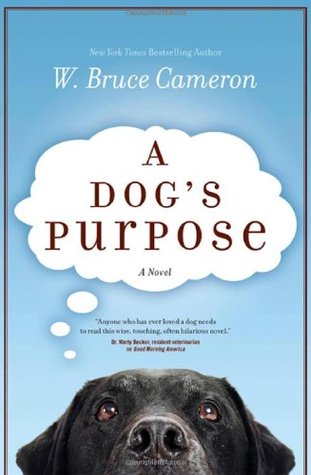
 A Dog’s Purpose by W. Bruce Cameron
Year: 2010
What I thought then: “This was a total impulse buy that caught my eye as I was browsing through the bestsellers in the Kindle store. Told in the first-person point of view of a dog looking for his purpose, and has to be reborn several times to find it, one moment this book was making me laugh, and the next I was bawling my eyes out. It’s cute, funny, touching, and perfect if you’re looking for a casual and easy read. Dog lovers will enjoy it, and while I’m not big on the anthropomorphizing of animals, I still have to admit Cameron does a pretty good job of delving into a dog’s mind … You don’t have to own a dog to love A Dog’s Purpose, but for someone who does, it definitely makes you consider your role in your dog’s life and vice versa.”
What I think now: Not a lot has stayed with me from this book, but I do remember all the best scenes, especially those that made me cry tears of joy or sadness. Yes, it’s a fluffy read, but I still think it’s very cute.
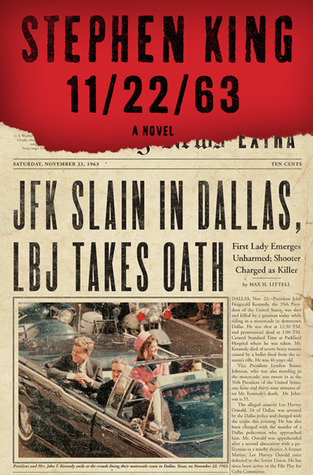
 11/22/63 by Stephen King
Year: 2011
What I thought then: “…I finished this 850 page monster in a little more than 4 days. Sure, the book had its ups and downs and there were some slow sections that really could have been cut out or filed down, but I plowed on through anyway. Perhaps the biggest surprise — and the biggest treat — for me was the love story in 11/22/63. You wouldn’t think romance was Stephen King’s forte, but wow, the depth of emotion and feeling he achieved here was very impressive. The last pages had me in tears. YES, A STEPHEN KING BOOK MADE ME CRY!”
What I think now: Probably one of my favorite Stephen King novels EVER, and I still rave about it to anyone who would listen. So good.
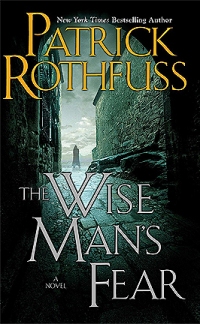 The Wise Man’s Fear by Patrick Rothfuss
Year: 2011
What I thought then: “Let me just say how much more I appreciated Kvothe as a character when he’s out in the world doing much more interesting things and not constantly worrying about making money. Here, I finally got a taste of the adventure I was looking for. And Kvothe, who was the arrogant, juvenile, slightly annoying character that I barely tolerated in [The Name of the Wind] finally began his change into the admirable protagonist I knew he would become. His actions and motivations became a lot more “real” to me in this book, making me like him more than I ever did in the previous one.”
What I think now: Sadly, the longer this series goes without news of the third novel, the more it’s fading from my mind and memory. I’d still be happy to read the next one, but I’m probably not as enthusiastic about it as I was back then.
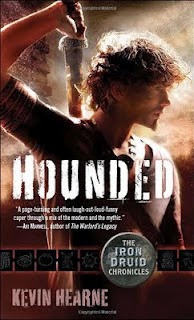 Hounded by Kevin Hearne
Year: 2011
What I thought then: “I had a lot of fun reading this book. I would say it is better than the average debut novel, but it is not without its problems. At times, Atticus can be a bit too smug for my taste, and some of the dialogue and references feel forced. It’s almost like the author is overcompensating in trying to make the readers buy that the protagonist is 2,100 years old successfully disguising himself by sounding like a 21-year-old college frat boy … I’m interested in seeing how things will turn out though. Like I said, it was a fun read, and it’s always refreshing to read a new urban fantasy novel that doesn’t suck. I will definitely be picking up the second book as well as the third.”
What I think now: I ended up fulfilling the last part of that statement, finishing up books two and three, but after that I took a break. Kevin Hearne is another author who has come a long way since this debut, and his Iron Druid Chronicles has become much beloved among UF fans, but like I said, the humor in the series can be too much sometimes and I found that I could only take Atticus in small doses.

Book Review: Age of Assassins by R.J. Barker
Posted on September 11, 2017 27 Comments
I received a review copy from the publisher. This does not affect the contents of my review and all opinions are my own.
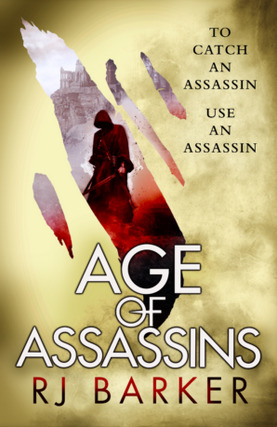 Age of Assassins by R.J. Barker
Mogsy’s Rating: 4.5 of 5 stars
Genre: Fantasy
Series: Book 1 of The Wounded Kingdom
Publisher: Orbit (August 1, 2017)
Length: 408 pages
Author Information: Website | Twitter
Okay, I’m seriously impressed. Orbit is really killing it with the 2017 debuts (no pun intended), releasing yet another winner in Age of Assassins by R.J. Barker. Though this book had caught my attention earlier this year with its Assassin vs. Assassin premise, I still found myself unprepared for just how enjoyable and addictive it was.
“To catch an assassin, use an assassin…” This is the situation Queen Adran has found herself in when she discovers a plot to murder her son, the royal heir Prince Aydor. But rather than showing her hand, the queen has decided to handle the matter quietly, privately seeking out the services of an expert in the field. Setting a trap, the queen lures her old friend the accomplished killer-for-hire Merela Karn to Castle Maniyadoc, tasking her to root out the would-be assassin and report any conspiracies she finds directly to Adran.
Enter our protagonist Girton Clubfoot, who is Merela’s young apprentice. Pretending to be a squire while his master dons the guise of a traveling jester, Girton is put through combat training with the other castle boys to maintain the deception. Hiding behind a mask of clumsiness and ineptitude, he begins to ingratiate himself with the other noble sons, when all the while he is actually keeping his eyes and ears open, discreetly gathering information that would help them discover who might want Prince Aydor dead.
The answer, as it turns out, is a lot of people. The heir is a contemptible and loathsome creature who will be a terrible ruler one day when he takes the throne, and it seems like everyone has a reason to want him gone. To make matters worse, Girton’s mission is further complicated by castle politics and scandal, even as his and Merela’s list of suspects grows and grows.
From the start, I was drawn to the fantastic premise of Age of Assassins, and that was even before I learned all about the secrets hidden behind the walls of Castle Maniyadoc. Needless to say, I loved the element of mystery and the way our protagonist conducted his investigation, sniffing around the palace trying to shake loose even the slightest clue. While it’s true that the scope of the setting is somewhat limited and self-contained, the good news is, not once did I feel that it restricted the story or made it feel dull. A rich cast of characters helped with this, each keeping their own agenda tightly under wraps. Plots within plots ensured that that the drama and the tensions always remained high, and often I found myself barely able to put the book down because I was so desperate to find out what would happen next.
But without a doubt, the highlight of this novel for me was the bond between Girton and Merela. Certainly, there’s no lack of examples when it comes to masters and apprentice relationships in fantasy fiction, and yet there was something about this particular one that warmed my heart. Merela is almost as much a mother to Girton as she is his teacher, encouraging him to see past the disability for which he is named in order to reach his full potential. And like any young man coming of age, Girton can sometimes be blinded by his naïve idealism (not to mention an infatuation for a pretty stable girl), which causes him to clash with Merela. Still, the two clearly have something very special between then, and it’s really quite rare to come across a master-apprentice relationship that feels so genuine and developed. Plus, speaking as someone who generally dislikes flashbacks and other such devices, the scenes going back to Girton and Merela’s early days together actually turned out to be some of my favorites in the entire book.
Like I said, Age of Assassins is an exceptional debut, so well written and put together that I am shocked that this is the author’s first novel. R.J. Barker will be going places, that’s for damn sure! If you’re looking for a compelling mix of fantasy and mystery along with a bit of wisdom and heart to go with your deadly intrigue, then I strongly urge you to pick up this book as soon as you can. I had an immensely good time with it, and I can’t wait to continue with the next book in the Wounded Kingdom series.

Book Review: At the Table of Wolves by Kay Kenyon
Posted on September 10, 2017 14 Comments
 At the Table of Wolves by Kay Kenyon
Mogsy’s Rating: 3 of 5 stars
Genre: Paranormal, Historical Fiction
Series: Book 1 of Dark Talents
Publisher: Saga Press (July 11, 2017)
Length: 432 pages
Author Information: Website | Twitter
At the Table of Wolves is the first book I’ve ever read by Kay Kenyon. It’s also the beginning of a new historical paranormal fantasy series set in the prelude to World War II, starring an extraordinary woman who uses her superpower to go undercover to spy for the British. Following the “bloom” in the aftermath of the Great War which resulted in the appearance of psychic talents in about one in a thousand people, Kim Tavistock has manifested the “spill” ability to compel others to reveal their deepest, darkest secrets to her. Not wanting to alienate her friends who might shy away from her if they ever find out, she has always kept her true nature close to her heart. After all, few people find themselves comfortable around a spill—for obvious reasons—though as an intelligence agent, Kim’s unique power would make her a formidable weapon indeed.
Upon her return to England in 1936 to visit her father after an unsuccessful journalism career in America, Kim is troubled by the political upheaval in Germany and the headway the Nazis have made on the research involving military uses for those affected by the bloom. Inspired to help the British, she decides to report to a facility to have her power tested, and is promptly recruited by her caseworker for a dangerous mission to expose a possible German spy. Eager to lend a support, Kim agrees to infiltrate the estate of an aristocratic family during a weekend where she will get meet some of England’s most prominent fascist sympathizers and even a visiting Nazi officer, the seductive and enigmatic Erich von Ritter.
It’s no secret that alternate history fiction set around the time of World War II has always been popular, but believe it or not, the theme of paranormal superpowers versus Nazis has become a growing trend in the subgenre too. Thus, the big question I asked as I sat down to read this novel was, what does it bring to the table? We have a protagonist who has no experience in espionage who unsurprisingly ends up committing a number of mistakes and falling into a bunch traps, always appearing to be outsmarted, outclassed, and outgunned at every turn. As such, the book doesn’t quite meet the typical requirements of a spy novel, and neither is it a satire, so we are presented with none of the humor despite Kim’s bumbling incompetence. Nor does At the Table of Wolves read much like a thriller, for that matter; the majority of the story has little action or suspense, not to mention the pacing was on the slower, plodding side. So, what is it that makes this one stand out? What makes it special?
In truth, I had a rough time getting a bead on this novel, which made answering these questions difficult. The story is pretty decent, light and fluffy enough to provide some entertainment, but now that I’m finished with it, I just can’t help thinking it could have been more. A good example is Kim, who would have been an admirable protagonist, except her character was constantly being undermined by her own poor decisions and inconsistencies. To her credit, she is strong-willed and brave—though I find it hard to truly admire someone who charges headlong into danger while disregarding orders and advice from more experienced agents, and then is shocked when everything blows up in her face. I was also somewhat let down by how little her spill came into play. The effects of that particular power was supposed to give Kim a strong advantage in her spying, but even in this area she underperformed and became overshadowed.
I should mentioned too that the story is told via two main POVs: Kim, as well as her father, Julian. Kenyon attempts to build tension by injecting potential friction between her two main characters, making Kim suspect that her father may be a Nazi sympathizer, when in truth he is actually working on the same side—as one of Britain’s most senior intelligence agents, no less—a development that the reader discovers very early on. For the entire novel though, we are kept in suspense for the epiphany in which estranged father and daughter will finally learn the truth, but alas, the moment never comes. While I understand this is the first of a new series, and that the priority is the resolution of the book’s main story line, still, the situation left unresolved between Kim and Julian felt to me like a glaring loose end. This robbed the conclusion of its emotional impact, which was something the book desperately needed, so hopefully the sequel will take big steps to address this.
Speaking of which, I’ve decided I may continue with the series, despite my issues with this one. For all its flaws, At the Table of Wolves is not a bad book, mainly because the entertainment value is there along with room for the premise to grow beyond what it is now. I didn’t see anything to get really excited about, but given the direction of the last couple of chapters, I have a feeling that may soon change with the next installment.

Mogsy’s Bookshelf Roundup: Stacking the Shelves & Recently Read
Posted on September 9, 2017 36 Comments
Bookshelf Roundup is a feature I do every other weekend which fills the role of several blog memes, like Stacking the Shelves where I talk about the new books I’ve added to my library or received for review, as well as It’s Monday! What Are You Reading? where I round up what I’ve read since the last update and what I’m planning to read soon. Mostly it also serves as a recap post, so sometimes I’ll throw in stuff like reading challenge progress reports, book lists, and other random bookish thoughts or announcements.

Received for Review
Thank you to the publishers and authors for the following review copies received. For more details and full descriptions of the books, be sure to click the links to their Goodreads pages!

My thanks to Jo Fletcher Books for this one for sending me a finished copy of The Curious Affair of the Witch at Wayside Cross by Lisa Tuttle! This is the follow-up to The Somnambulist and the Psychic Thief which I’d actually tried reading last year but didn’t get far because there was a lot going on at the time, not because I didn’t like the book. I’ll probably give it another shot one of these days, now that I have the sequel handy.
I’m also very excited about The Salt Line by Holly Goddard Jones, a dystopian described as being in the spirit of Station Eleven. I’m going to be starting this soon, if I haven’t already made a dent in this by the time this post goes live! With thanks to G.P. Putnam’s Sons for the review copy.
Call of Fire by Beth Cato is the sequel to last year’s Breath of Earth which I have to admit I have not read (but really want to!) I’m told that I can start here without getting too lost though, so maybe I will do just that. With thanks to Harper Voyager.
Courtesy of Thomas Dunne Books, I also received a finished hardcover of Magicians Impossible by Brad Abraham which I’m really thrilled about, because it sounds like a very fun book! It’s become a must-read for this fall.
Next up comes a couple of ARCs from the kind folks at Subterranean Press: Hellraiser: The Toll by Mark Alan Miller and The Father of Lies by K.J. Parker. For the life of me I couldn’t find much info on either of these yet, but hopefully more will be revealed soon! What I do know is that Mark Alan Miller is the VP of Clive Barker’s production company with a few other Hellraiser franchise-related credits under his belt, and of course any new K.J. Parker is cause for excitement.




On to the digital haul, my thanks to Harper Voyager for providing e-galleys of Markswoman by Rati Mehrotra and The City of Brass by S.A. Chakraborty. Both caught my eye when I tuned in to their Blogger Preview Event last month.
The Fifth Empire of Man by Rob J. Hayes is book two of Best Laid Plans, a grimdark fantasy series about pirates. I’d just recently reviewed the first book so when the author contacted me to see if I would like an eARC of the sequel as well, I immediately said yes. Thanks so much, Rob!
I also couldn’t resist grabbing The Stone in the Skull by Elizabeth Bear from NetGalley when I saw it offered by Tor last week. I’ve been looking forward to reading more of Bear’s books, and this start of a new series set in the same world as her Eternal Sky trilogy seemed like it would be a good place to start.
Described as an oral history of the apocalypse for fans of books like World War Z, Sleep Over by H.G. Bells is a novel that’s been on my radar for a while, and my interest hasn’t waned despite the publication delays. I’m just glad to hear that it’s finally coming out in the winter, and I immediately snagged an eARC which was “Read Now” from NetGalley as soon as I saw that it was available. With thanks to Talos.
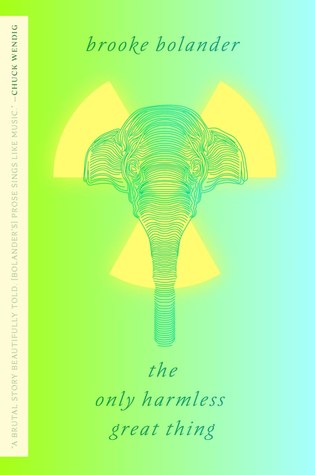
Thanks also to Tor.com for sending me an e-galley of The Only Harmless Great Thing by Brooke Bolander. Now that is some cover! The description sounds pretty wild too.
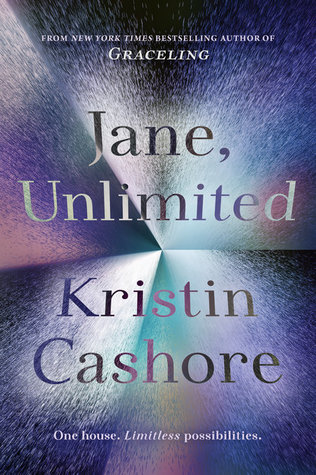
It’s been a lighter week for audiobooks, but I did take on a few review copies from Penguin Random House Audio. Jane, Unlimited by Kristin Cashore, Star Wars: Phasma by Delilah S. Dawson, and Leia, Princess of Alderaan by Claudia Gray are all books that I’m really looking forward to and are on my audio listening plans for September.
Reviews
A quick summary of the reviews I’ve posted since the last update:
An Alchemy of Masques and Mirrors (4.5 of 5 stars)
Golden Age and Other Stories by Naomi Novik (4 of 5 stars)
We Are Legion (We Are Bob) by Dennis E. Taylor (4 of 5 stars)
Minecraft: The Island by Max Brooks (4 of 5 stars)
Godsgrave by Jay Kristoff (4 of 5 stars)
The Guns Above by Robyn Bennis (3.5 of 5 stars)
The Glass Town Game by Catherynne M. Valente (3 of 5 stars)
Roundup Highlights:

What I’ve Read Since the Last Update
Here’s what I’ve “unstacked” from the TBR since my last roundup post. This being the first week back to school, my schedule was really hectic and I didn’t get as much reading done as I usually do, but hopefully things will stabilize in good time. I’ve already posted reviews for a couple of these, and the rest are coming soon!


Have you heard of or read any of the books featured this week? What caught your eye? Any new discoveries? I hope you found something interesting for a future read! Let me know what you plan on checking out. Until next time, see you next Roundup!
Friday Face-Off: City
Posted on September 8, 2017 32 Comments
Welcome to The Friday Face-Off, a weekly meme created by Books by Proxy! Each Friday, we will pit cover against cover while also taking the opportunity to showcase gorgeous artwork and feature some of our favorite book covers. If you want to join the fun, simply choose a book each Friday that fits that week’s predetermined theme, post and compare two or more different covers available for that book, then name your favorite. A list of future weeks’ themes are available at Lynn’s Book Blog.
This week’s theme is:
“That great condenser of moral chaos, The City”
~ a cover featuring a CITY
Mogsy’s Pick:
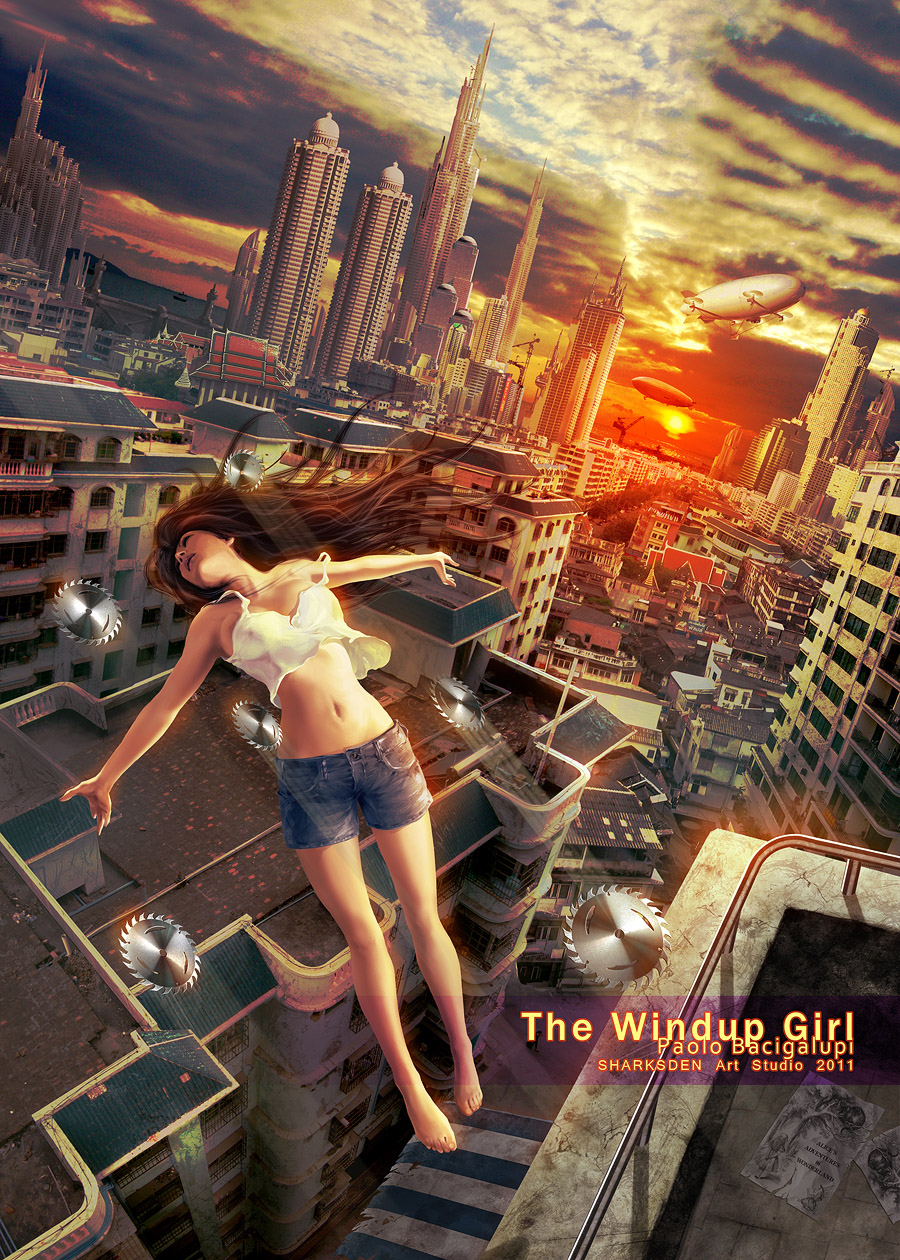
The Windup Girl by Paolo Bacigalupi
My pick for this week is a brutal dystopian set in 23rd century Thailand, in a world devastated by ecological disasters and economic collapse. Humanity is now almost entirely dependent on biotechnology for food production, and megacorporations control the market using their own genetically modified seeds, which have all but replaced the natural order. The capital city of Bangkok only survives due to technology, but its future is always hanging by a thread.
The titular character of the novel is Emiko, a “Windup Girl” genetically engineered to be a docile slave. After being abandoned by her master, Emiko is forced to endure abuse and humiliation at the club where she works in exchange for a measure of protection against the Thai government. If they find out she exists, she would be destroyed.
The covers for this book are many and varied, so let’s take a look at some of them now:
First row, from left to right: Night Shade Books (2009) – Subterranean Press (2011) – French Edition (2013)

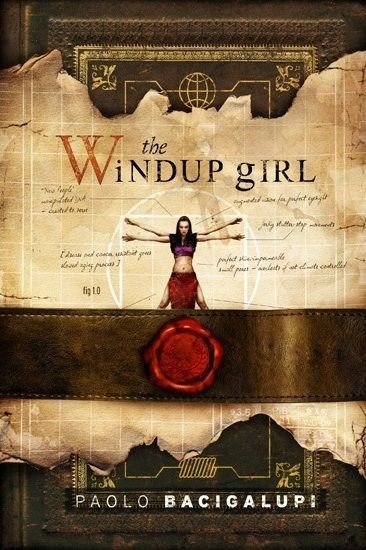

Italian Edition (2013) – Polish Edition (2013) – Serbian Edition (2014) – Russian Edition (2012)

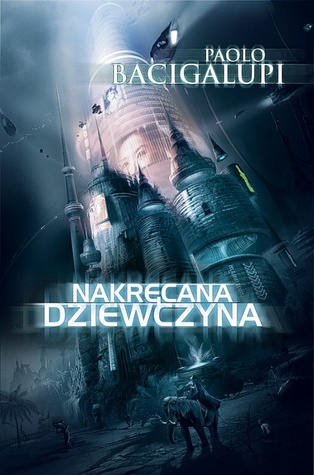
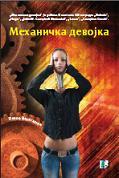
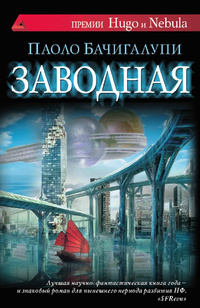
Chinese Edition (2012) – Romanian Edition (2013) – Czech Edition (2011)
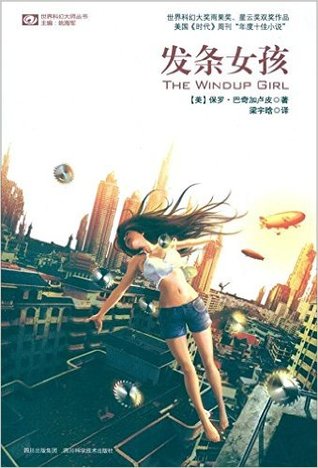

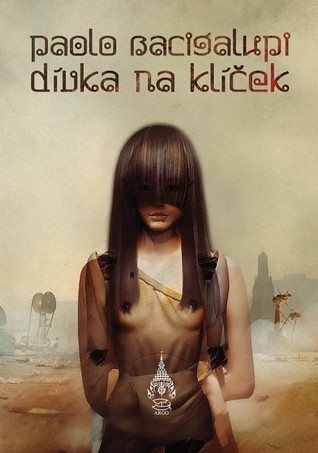
Winner:
This week is a really mixed bag, with some excellent covers along with some not-so-great ones (e.g. the monstrosities that are the Serbian and Czech editions that seem to have confused this for a horror novel). There are a couple that I love so much though, I think I’m going to have to go with a tie. My choices for the winners are the Night Shade Books (2009) and Chinese Edition (2012) covers, and I’m just gonna go ahead and leave the original artwork pieces here to speak for themselves.
What do you think? Which one is your favorite?

Audiobook Review: The Guns Above by Robyn Bennis
Posted on September 7, 2017 13 Comments
I received a review copy from the publisher. This does not affect the contents of my review and all opinions are my own.
 The Guns Above by Robyn Bennis
Mogsy’s Rating (Overall): 3.5 of 5 stars
Genre: Fantasy, Science Fiction
Series: Book 1 of Signal Airship
Publisher: Macmillan Audio (August 29, 2017)
Length: 11 hrs and 57 mins
Author Information: Website | Twitter
Narrator: Kate Reading
The Guns Above is a book that has been on my radar for a while, and so when the audio edition became available I decided to take the plunge, doubly excited by the fact that it would be read by one of my favorite narrators, Kate Reading.
From the look of the book’s cover, I had deduced that the story would be a military fantasy, though in truth it is a bit more complicated than that. For one thing, the presence of magic in this world is sparse to non-existent, not to mention that the tone and style of the setting more is more strongly reminiscent of something you’d find in the historical fiction adventure genre. And then of course we have the steampunk allusions with the airships and aerial battles, which certainly injects a fair amount of thrills and action.
As the novel opens, we are introduced to protagonist Josette Dupre, an airship captain in the Garnian Navy. While in general women are not frequently given command posts, her kingdom has been at war for the better part of life—most recently against the nation of Vinzhalia—and the military has need of all the warm bodies it can get. And thus, when Josette unexpectedly turns the tide in a major battle against the enemy while serving as an Auxiliary Lieutenant, she is rewarded with a promotion and an airship of a “revolutionary” design, a term which everyone in the navy dreads because it almost always means an experimental deathtrap. However, Josette is undaunted, taking to her new role as captain of the Mistral with aplomb even when the powers that be are it making no secret their contemptuous dismay at having a female in such a highly placed position.
In particular, Josette’s promotion has caught the attention of a general who is determined to see her fail and removed from the service. As it happens, his nephew, the pampered and foppish Lord Bernat is in need of some focus and discipline in his life, and so the young nobleman is summarily assigned to the Mistral to act as a spy for his uncle. Bernat’s orders are to keep an eye on Josette, cataloguing all her flaws and mistakes for a negative report that will lead to her dismissal from the navy. However, as the airship crew heads into battle against the Vin, Bernat gets to witness Josette’s leadership firsthand, and eventually comes to respect her abilities for strategy and command.
Let me first begin by saying I enjoyed The Guns Above. This book had all the tensions and urgency of one of my favorite genres, which is military sci-fi or space opera, except that the setting here more resembles the era of the Napoleonic Wars, of course. I always find myself caught up in the thrill of the moment whenever I’m treated to scenes of ship-to-ship assaults, reveling at the complete mayhem of hull breaches, blaring alarms, and panicked officers barking out orders. To my absolute joy, the airship assaults featured in this novel can certainly give any epic space battle a run for its money.
But for all the action in the story, I thought the character development was the best part of the book and would have liked to have seen more. Initially, I was perplexed as to why I wasn’t enjoying myself as much as expected, until I realized how much of the plot was dominated by battle scenes and action sequences. Since at the time, my schedule was only allowing me to listen to this audiobook in short bursts, the constant barrage of pandemonium actually became a little tedious when in fact I was feeling in the mood for something more substantial. It wasn’t until the later parts of the novel that I began to feel more invested in the story, and not surprisingly this was also when the friendship between Josette and Bernat finally evolved to the point where their interactions became more interesting. There was one particular bar scene that was my favorite, where the humor and camaraderie between the characters was on full display.
All told, I definitely enjoyed the second half of the novel more than the first, once story and character relationships were firmly established and began to evolve. At the very least, The Guns Above was fast-paced high-flying adventure full of explosive action and intrepid personalities. The audiobook was also a great listen because of the superb narration. As always, Kate Reading nailed the performance, her voice being the perfect match for Josette’s poise and strength. This book is the best kind of escapism, especially if you’re a fan of military fantasy or speculative fiction with a nice steampunk flavor. I’ll be keeping my eye out for the second Signal Airship installment. Given all the groundwork completed here, I think the next one will be great.

Waiting on Wednesday 09/06/17
Posted on September 6, 2017 12 Comments
“Waiting On Wednesday” is a weekly meme hosted by Breaking the Spine that lets us feature upcoming releases that we can’t wait to get our hands on!
Mogsy’s Pick
Grey Sister by Mark Lawrence (April 19, 2018 by Ace)
Nona Grey’s growing up, and the shit’s getting real!
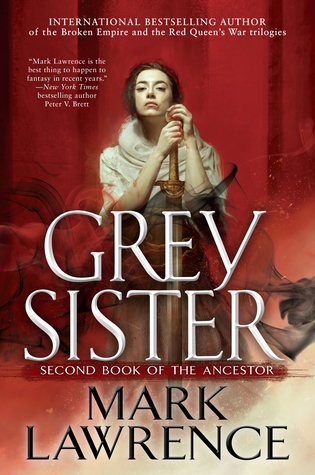 “In Mystic Class Nona Grey begins to learn the secrets of the universe. But so often even the deepest truths just make our choices harder. Before she leaves the Convent of Sweet Mercy Nona must choose her path and take the red of a Martial Sister, the grey of a Sister of Discretion, the blue of a Mystic Sister or the simple black of a Bride of the Ancestor and a life of prayer and service.
All that stands between her and these choices are the pride of a thwarted assassin, the ambition of a would-be empress wielding the Inquisition like a blade, and the vengeance of the empire’s richest lord.
As the world narrows around her, and her enemies attack her through the system she has sworn to, Nona must find her own path despite the competing pull of friendship, revenge, ambition, and loyalty.
And in all this only one thing is certain.
.
There will be blood.”
Book Review: Godsgrave by Jay Kristoff
Posted on September 5, 2017 14 Comments
I received a review copy from the publisher. This does not affect the contents of my review and all opinions are my own.
Mogsy’s Rating: 4 of 5 stars
Genre: Fantasy
Series: Book 2 of The Nevernight Chronicle
Publisher: Thomas Dunne Books (September 5, 2017)
Length: 448 pages
Author Information: Website | Twitter
Jay Kristoff appears to be working the popular fantasy tropes, first with “Magic School” in Nevernight and now with “Gladiator Games” in the sequel Godsgrave. Don’t get me wrong though, I’m not complaining. I could always go for some Sword & Sandal action and the intense thrill of combat in the arena.
Following the events of the previous novel, our protagonist Mia Corvere has completed the trials of the Red Church and has become formidable assassin. And yet, for all the blood, sweat, and tears she has poured into honing her body into the perfect weapon, she is still no closer to her gaining access to the two prime targets on her kill list: Consul Scaeva and Cardinal Duomo, the ones she holds responsible for the deaths of her father, mother, and baby brother. Worse, she has been forbidden to take any action against them, making Mia suspect that the Red Church itself may be in the pockets of the two men. Disregarding orders, she decides to take matters into her own hands, teaming up with an unlikely ally to fulfill her vow of vengeance.
Together, they hatch up a mad plan to have Mia compete in the Venatus Magni, which is the final bout of the grand gladiatorial games at Godsgrave where both Scaeva and Duomo would be present to bestow their favor upon the victor. Mia will first sell herself to Sanguila Leonides, owner of the most illustrious collegium, at which she will then climb the ranks to become their champion fighter and be guaranteed a spot in the culmination of the contest. However, their plan immediately falls apart as Mia is purchased by a fledgling and impoverished collegium—owned by the bitterly estranged daughter of Leonides, no less. Left with no choice but to forge ahead, Mia knows she still has a small chance to win a place in the Venatus Magni, but the road ahead will be many times more difficult now, filled with dangerous enemies and obstacles beyond her control.
If there’s one thing I’ve learned from having half a dozen of the author’s novels under my belt, it’s that his writing might not be the most elegant and his ideas might not be the most original, but damn, the man can spin one hell of a good yarn. Much like its predecessor, Godsgrave was a fast-paced and addictive read, filled with just as many twists and turns, bargains and betrayals, secrets and lies. However, when it comes to action, this sequel may have Nevernight beat. The pacing simply DOES NOT LET UP. While we may get a brief respite between fights—just long enough to catch a breath—the story never waits too long before plunging us into the fray again. But still, trust me when I say there’s always something new and exciting to see each time we step into the arena, and Kristoff maintains the reader’s interest by keeping the encounters varied.
As a gladiator, Mia is also a force to be reckoned with, painting the sands red with every fight. Brutal and undaunted as she is though, Godsgrave lets us see her personality develop as some of her inner vulnerabilities start to show through the cracks in her armor. One theme I believe the novel tried to explore was the idea of revenge and how it can consume a person’s life. While I’m not sure it did so fully or satisfactorily (because all the outcomes turned out to be pretty obvious), I still really enjoyed seeing how Mia’s inner conflicts affected her choices and kept us rooting for her as she dealt with anything—or anyone—in her way.
Another aspect that is much improved is the writing. In past reviews of Kristoff’s books, I’ve talked about how he has a tendency towards purple prose, but happily I found it to be much less noticeable in Godsgrave. What’s not so easy to ignore, however, are the footnotes—though I’ve learned to tolerate them somewhat. To be fair, they’re definitely a creative and often humorous way to inject some extra history or background into the world, even if I find them to be insanely distracting. Admittedly, I mostly skimmed the footnotes in this book (because sometimes they do provide important foreshadowing), but since that has more to do with personal preference, I don’t hold it against the book or author, and only mention them because they appear to be a main feature of this series and are here to stay.
Overall, I’m really glad I decided to continue with The Nevernight Chronicle, for there was in fact a period time in which I was uncertain. As much as I enjoyed the first book, Mia’s stint at the Red Church felt like a prolonged side-plot and I was growing a little impatient with her lack of progress, but I have to say Godsgrave eased those concerns tremendously. Even if the ending did leave us with an infuriating cliffhanger and verified my predictions as to how things would play out, I feel we’re making huge headway with Mia’s quest. Final verdict? I’m having a blast, and I can’t wait to read the next book to see how this epic story will conclude.

More on The BiblioSanctum:
Review of Nevernight (Book 1)
Book Review: The Glass Town Game by Catherynne M. Valente
Posted on September 4, 2017 15 Comments
I received a review copy from the publisher. This does not affect the contents of my review and all opinions are my own.
The Glass Town Game by Catherynne M. Valente
Mogsy’s Rating: 3 of 5 stars
Genre: Fantasy, Middle Grade
Series: Stand Alone
Publisher: Margaret K. McElderry Books (September 5, 2017)
Length: 544 pages
Author Information: Website | Twitter
As a relative newcomer to Catherynne M. Valente, having only read my first book by her earlier this year, I’ve grown increasingly curious about her other work especially her Middle Grade/Children’s projects. And so when the opportunity to read The Glass Town Game came to me, it sounded like it could be the perfect place to start.
Inspired by the fantastical stories and worlds created by the Brontë siblings as children, this novel follows Charlotte, Branwell, Emily, and Anne as they are spirited away to a land populated by the creatures and denizens of their own imagination. The book opens with the two oldest girls preparing to leave for Cowan Bridge School, a situation none of the youngsters are happy about, considering how their two older sisters had just recently died from a fever contracted from that very same place. As the only brother, Branwell is instructed to accompany them to the carriage station, while also bringing along Anne. In town, however, the children are distracted by the sights and sounds, and instead of continuing on to Cowan Bridge, they find themselves unexpectedly carried off on a magical train bound for another realm.
To the children’s surprise and excitement, the place they find themselves is Glass Town, a perfect replica of the world they have created in their imaginations during play sessions, complete with all their dolls and wooden toy soldiers come to life. Unfortunately though, as they soon find out, the rules they’ve come up with during their fun and games have also become binding, and innocent joy quickly turns to worry as the siblings begin to wonder if they’ll ever find their way home.
At the beginning of this review, I posited that The Glass Town Game might be a good jumping on point for readers curious about Valente’s Middle Grade books. However, after finishing this novel, I’ve started to rethink that initial assessment. The truth is, I’m having a hard time figuring out its audience. The publisher’s recommendation is for children between Grades 4-7, which ostensibly makes sense, considering the ages of the main characters as well as the silly and somewhat juvenile nature of their adventures. Kids who delight in wild, whimsical descriptions and situations (like Napoleon Bonaparte riding to war on a giant chicken, for example) will no doubt eat this one right up.
However, linguistically and stylistically, I feel that the writing in this book is actually geared towards readers much older than the ages recommended. The story’s pacing suggests this to me as well, with large swaths of the book that could have been cut down or scrapped completely, for they added no real substance to the plot. While adult and young adult readers might gain some appreciation for all this exposition by finding value in the character or relationship development, I have to wonder if the majority of Middle Grade readers will have the same amount of patience for these slower sections, not to mention how the double meanings behind many of the “punny” jokes might go over their heads.
Honestly, there is nothing intrinsically wrong with this book. Characters and storytelling are topnotch. The writing is as gorgeous and technically sound as it can be. At the end of the day, I think I liked The Glass Town Game. Still, as I went back and forth between thinking like an adult and thinking like a middle schooler while reading this, I just couldn’t figure out who would benefit the most. Other questions that went through my head were, would this book hold the average nine-year-old’s attention for 500+ pages? Or, would an adult fantasy reader be able to look past all the silliness? Because of this, the novel strikes me as a bit confused as to what it wants to accomplish, and that was what hurt it the most, ultimately affecting my overall enjoyment and rating.
But for fans of Catherynne M. Valente, I doubt they’d want to miss this. The mixed feelings I have for The Glass Town Game notwithstanding, I can’t fault the beautiful prose, the fanciful imagery, or the author’s magnificent talent for bringing the Brontë children and their world to life. This book is getting filed under “Interesting Experiences” for now, but I’ll definitely continue keeping my eye out for Valente’s future work.


 The BiblioSanctum