Book Review: The God Game by Danny Tobey
Posted on January 16, 2020 29 Comments
I received a review copy from the publisher. This does not affect the contents of my review and all opinions are my own.
Mogsy’s Rating: 5 of 5 stars
Genre: Science Fiction, Thriller
Series: Stand Alone
Publisher: St. Martin’s Press (January 7, 2020)
Length: 496 pages
Author Information: Website | Twitter
Some books simply deserve five stars because of how thoroughly and overwhelmingly it hooked me. The God Game by Danny Tobey was definitely one of these, a novel which first captured my attention because of its augmented-reality gaming angle, but soon I found myself completely wrapped up in its other aspects as I ravenously devoured its pages.
Although the story largely follows a group of five gifted teenagers at a Texas high school, The God Game is a mature thriller heavily influenced by the likes of Black Mirror, Stranger Things, and the works of Stephen King. The characters are generally seen as outcasts, gifted kids who don’t really fit into any of the other social cliques, so they formed their own. Calling themselves the Vindicators, they began as a group of overachieving geeks who met frequently in the school computer lab, bonding over a love of video games and coding.
But as the teens entered their senior year, much has changed in the recent past to alter the group dynamic. Charlie, who used to be a top student, saw his life and grades spiral out of control after he lost his mother to cancer. His close friend Vanhi, whose family immigrated to the United States from India to seek a better life, has her sights set on Harvard, though one lousy grade in AP History may have just put an end to those dreams. Then there’s quiet and unassuming Kenny, an aspiring journalist who is caught up in his own troubles at home and rivalries at the student newspaper at school. Next is Alex, whose strict Asian upbringing places high expectations on education. Unfortunately though, he’s been struggling in math and every time he brings home a failing test his father beats him black and blue. And finally, there’s Peter, the charming and popular rich kid who everyone likes. He can flit from group to group, rubbing elbows with jocks and geeks alike, though secretly, the other Vindicators take some pride in the fact that out of all the social cliques on campus, Peter has chosen them.
Then one day, Peter introduces his Vindicator friends to a big secret—the G.O.D. game, an old-school style text-based program he claims is run by an A.I. chat bot that believes it is God. Once you accept the invitation to play, he explains, the game will issue instructions. Good actions by the player will earn them “Goldz” currency, used to buy perks like special privileges and rewards, while disobedience will result in “Blaxx”, demerit points that can lead to bodily harm and even death. If you win though, the A.I. promises to make all your dreams come true. Intrigued by the idea, and believing it to be just a harmless game, Charlie, Alex, Vanhi and Kenny decide to play. At first, the teens are awed by the augmented reality technology, especially once they earn special glasses so that they can be connected to the game world at all times. However, what started as a handful of innocent instructions from G.O.D. rapidly begins escalating into more dangerous, malicious, and underhanded attacks on others, including their fellow Vindicators.
The issue of moral choice plays a huge role in The God Game. Although the characters are in their late teens, their ambitions are wholly relatable, sometimes gut-wrenchingly so. After all, whether you’re a senior in high school or an adult in the workplace, deep down all human beings need and want more or less the same things: to achieve their goals and to succeed, to love and be loved in return, to gain affirmation and be accepted. What makes the game in the book so sinister is the way it feeds on the Vindicators’ worst fears while dangling their deepest desires in front of them as bait. In this way, even the brightest, most mild-mannered kids can be pressured to commit senseless violence and do the most ruthless things to get ahead.
But no doubt the driving force behind the novel is the thriller aspect of it, which on occasion crosses over into horror territory. Tobey is well-versed in AR gaming, knows his pop culture, and has clearly spent time trawling through online social media communities such as Reddit, incorporating memes and other references into The God Game. The AI entity in this story is pretty scary indeed, made omnipresent and all-powerful by the internet and the fact that more and more facets of our lives are now being supported by monitoring and reporting technology. G.O.D. has eyes everywhere, knows your likes and dislikes, your darkest secrets, and can even accurately predict your next moves. While the concept of the game and many of the scenarios in this book may seem farfetched, somewhere in there is a cautionary tale about online privacy and how information can be abused and used against you, and that part is definitely no fiction.
Still, I would recommend The God Game to fans of sci-fi, as long as you don’t expect too much in the way of explanations. Like I said, the plot can sometimes get a little over-the-top, the game itself doesn’t operate on clear rules, and the world-building surrounding it is a bit fuzzy. I also wouldn’t categorize the novel as traditional YA fiction, but if you have low tolerance for teen drama like high school crushes, bully problems, or conflicts between kids and parents, do be aware there’s quite a lot of that in here. That said, if you like stories involving crazy, out-of-control bots and AI, then you’re in for a treat, as that is the book’s most prominent theme. Fans of thrillers should take note as well, since the storytelling style is a good match for the genre. I was kept riveted by the great characters, fascinating concept, and the plot’s fast pacing, and I’m pleased to say the momentum never ends.


Waiting on Wednesday 01/15/20
Posted on January 15, 2020 19 Comments

“Waiting On Wednesday” is a weekly meme that first originated at Breaking the Spine but has since linked up with “Can’t Wait Wednesday” at Wishful Endings now that the original creator is unable to host it anymore. Either way, this fun feature is a chance to showcase the upcoming releases that we can’t wait to get our hands on!
Mogsy’s Pick
The Angel of the Crows by Katherine Addison (June 23, 2020 by Tor Books)
I read The Goblin Emperor when it came out, about five years ago, but I still remember the story and the characters think of them fondly. I’m pretty excited to read The Angel of Crows, which sounds very different, but the description is great and reading it gave me chills.
 “Katherine Addison, author of The Goblin Emperor, returns with a fantasy novel of alternate 1880s London, where killers stalk the night and the ultimate power is naming.
This is not the story you think it is. These are not the characters you think they are. This is not the book you are expecting.
In an alternate 1880s London, angels inhabit every public building, and vampires and werewolves walk the streets with human beings under a well-regulated truce. A fantastic utopia, except for a few things: Angels can Fall, and that Fall is like a nuclear bomb in both the physical and metaphysical worlds. And human beings remain human, with all their kindness and greed and passions and murderous intent.
Jack the Ripper stalks the streets of this London too. But this London has an Angel. The Angel of the Crows.“
Top Ten Tuesdays: Top Ten Books that Surprised Me in 2019
Posted on January 14, 2020 37 Comments

Top Ten Tuesday was created by The Broke and the Bookish, a weekly meme that now resides at That Artsy Reader Girl. The meme first came about because of a love of lists. Who doesn’t love lists? The original creators also wanted their lists to be shared with fellow book lovers and to ask that we in turn share ours with them and connect with other book bloggers. To learn more about participating, stop by their page dedicated to it and dive in!
This week’s topic: Top Ten Books that Surprised Me in 2019
Today’s Top Ten Tuesday theme is “Bookish Discoveries I Made In 2019”, but as we all know discoveries can also be accidental surprises, and lucky me, I had quite a few of those last year. The following are the books that might not have made it onto any of my “best of” lists, but that doesn’t mean I didn’t enjoy them immensely. For a couple, it may be a shocking turn of events that blew my mind, while others may have been outside my comfort zone but ended up growing on me nonetheless. So without further ado, here are ten books in 2019 that surprised me in some way.
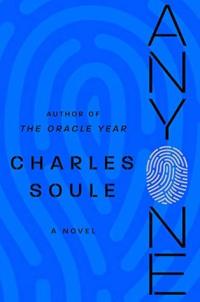 Anyone by Charles Soule
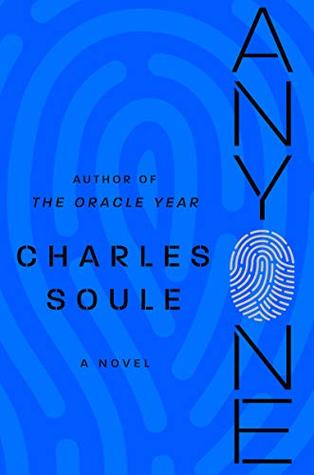
Having very much enjoyed Charles Soule’s debut The Oracle Year, I was curious about Anyone and was surprised to find that it to be a bit of a departure. A relentless sci-fi thriller that would also make any fan of Blake Crouch or Black Mirror feel right at home, Anyone is old through multiple timelines, with the story first taking us inside a barn in Ann Arbor, Michigan where brilliant neuroscientist Dr. Gabriella White is on the verge of a breakthrough in her Alzheimer’s research project. Unfortunately, her funding is also about to run out, leading Gabby to throw caution to the wind and risk it all in an act of desperation. To her horror, after experimenting with her equipment in a way she’s never had before, she finds her mind mysteriously transported into the body of her husband Paul. And thus, “flash technology” was born, a process which allows an individual to transfer their consciousness into another person’s body, a process which would change the world forever—for of course, no discovery this big can stay buried for long. To say that I was impressed is an understatement. Soule has truly outdone himself by writing an even more unique and mind-blowing novel, ratcheting up the excitement and knuckle-blanching action. (Read the full review…)
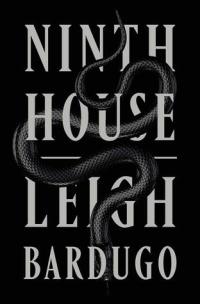 The Ninth House by Leigh Bardugo
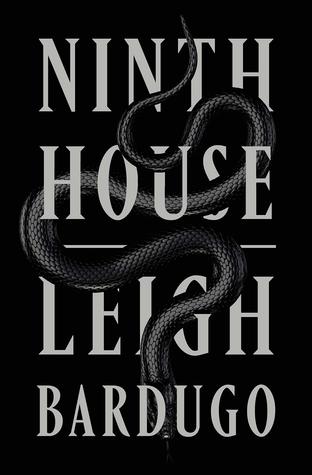
I was a bit nervous about starting Ninth House by Leigh Bardugo, but I actually ended up enjoying it quite a bit. I think many reviewers have hit the nail on the head with this one, when they say how you feel about the book will be highly dependent on your expectations and whether you were hoping for something similar to the author’s previous work, because I am telling you now—it is not. First of all, Ninth House takes place in a contemporary real-world setting, and boy, can it get too real sometimes. The story follows 20-year-old Galaxy “Alex” Stern, newly admitted into the freshman class at Yale. An ex-junkie, raised by a hippie single mom in Los Angeles where her life plunged into a downward spiral of chaos and darkness after dropping out of school, Alex never thought she would find herself in New Haven getting a second chance. But of course, there is more to everything than meets the eye. For you see, Alex can see ghosts. Called “Grays”, these spirits of the dead are everywhere on campus, drawn to the occult ritual energies performed by magical practitioners of the secret societies known as the Ancient Eight. Ninth House was marketed as Leigh Bardugo’s adult debut, and in this book, she makes no bones about tasting this new freedom and spreading her wings, going bolder and darker than she’s ever gone before. The darker, grittier, and more mature tone of this novel was a stark but welcome change, one I personally felt was quite refreshing. There’s just something about this one that’s so real and from the heart, that despite its grimmer outlook and more macabre themes, I’m glad I read it. (Read the full review…)
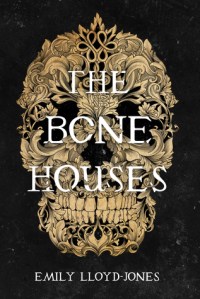 The Bone Houses by Emily Lloyd Jones
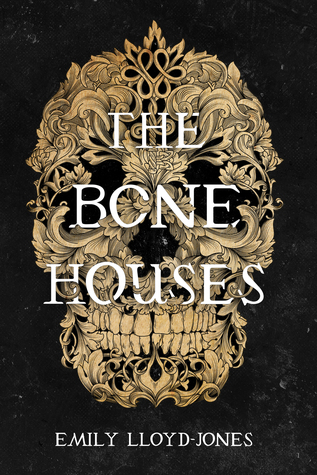
I was surprised how much I enjoyed this. The Bone Houses follows seventeen-year-old Aderyn—Ryn for short—who lives in the remote village of Colbren with her younger brother and sister at the edge of the woods. Their mother had died shortly after the disappearance of their father, who walked into the forest years ago on a job and never returned. To make ends meet, as well as to pay off the debts of her drunken uncle, Ryn works as a gravedigger for the town. However, with the recent spate of cases involving the rising dead, business has been significantly impacted, to say the least. One night, Ryn ends up saving the life of a young mapmaker named Ellis, who has come to Colbren to map the nearby mountains for the prince. But Ellis also has his own personal reasons to be here. An orphan, he was found as a child wandering these woods alone before he was rescued and brought to the city to be raised. Fifteen years later, it is his hope to find some trace of his true parents, so he offers to hire Ryn to guide him through the treacherous wilderness. What I loved most about this book is that it felt like a haunted fairy tale. Because of this, I didn’t mind so much that the story itself was relatively predictable. Traditional folklore features strongly in the plot, and I enjoyed the fascinating mix of eeriness and magic. The ending twist also brought it all together in a way that was satisfying and emotionally significant. (Read the full review…)
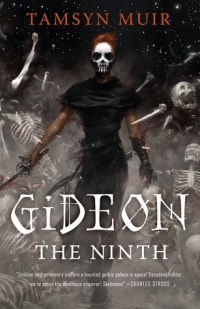 Gideon the Ninth by Tamsyn Muir

On principle, I don’t DNF, even though they say life is too short for bad books. But then once in a while, a book like Gideon the Ninth will come along and make me glad I hold to that rule. I’m just so glad I kept reading until the end, because against all odds, I actually enjoyed myself quite a bit. The story starts with a introduction to our eponymous protagonist, an orphan who has grown up living in servitude to the Ninth House. For as long as she can remember, death and necromancy has been a part of Gideon Nav’s life, as well as being tormented by the young scion of the house, Harrowhark Nonagesimus, a powerful bone witch in her own right. Eventually though, Gideon becomes tired of always having to play the servant to the princess and devises a plan to get off planet in an escape shuttle. However, before she can make her move, a major shakeup at the Ninth House suddenly causes all of Gideon’s plans to fall apart. If you’re thinking about picking this novel up, I say give it a chance. It has all the hallmarks of a “either love it or hate it” book, and the fact that its elements are so different and eclectic means that it’s best experienced personally. I didn’t think it would be for me, but obviously the end of the book changed my mind, and after this wild ride, I find myself looking forward to checking out the next volume in the series. (Read the full review…)
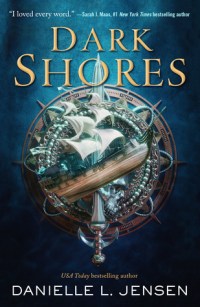 Dark Shores by Danielle L. Jensen
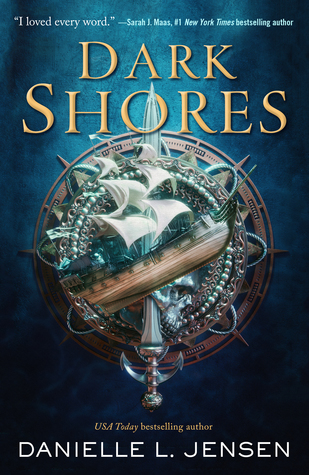
To be honest, I almost didn’t want to read this. After the way Danielle L. Jensen’s first series ended, which left a horrible taste in my mouth, I’ve learned to be cautious of anything else she writes. However, because the description of Dark Shores sounded so enticing with its promise of sea-faring adventures and pirates, ultimately I decided it might be worth a shot. Fortunately, in the end, the book gave me no cause to regret that decision. Set in a world inspired by Ancient Rome, our story features a fractured empire with characters from both sides of the divide including a mariner princess and a soldier of the legion. In this world, conquest is the name of the game, and the Celendor Empire means to win it. Ruled by a corrupt and power-hungry senate, the Cel have long a long history of subjugating nations and their peoples in the name of bringing in more wealth for themselves. Now the only places they have left to conquer are the seas and Dark Shores, the near mythical land on the other side of the world. I had a good time with this book, which went a long way in making up for the cruel parting shot in the final chapter of the author’s Malediction trilogy. So long as Jensen doesn’t rip my heart out and stomp it to pieces like that again, I think this new series and I will get along just fine. (Read the full review…)
 One Word Kill by Mark Lawrence
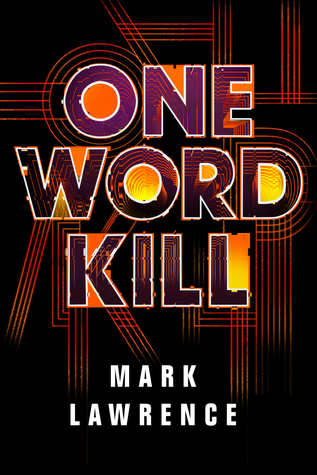
Having only read Mark Lawrence’s fantasy before this point, I had thought The Book of the Ancestor was a departure for him, but One Word Kill was truly an entirely different beast. It was also a novel I inhaled in about two sittings, and it is now up there among my favorites by the author. The story takes place in the 1980s, following 15-year-old protagonist Nick Hayes and his small group of friends who get together every week for their role-playing sessions of Dungeons & Dragons. But at the beginning of the book, Nick receives the devastating news that he has terminal cancer, and the consequences and the events following his diagnosis bring them together in solidarity in a way that no one could have possibly imagined. Despite its short length and YA vibes, this book isn’t just all about geeky fun and secret heist action, for it is also a character-first story that packs an emotional punch, combining cheerful sweetness and poignant feeling in equal measure. It also has time travel, even though it doesn’t feel like any time travel story I’ve read before. Honestly, I think it’s because Lawrence never allows the tech and science-y bits to gain the foreground, focusing instead on the human aspects. As a result, this story plays out like a very personal drama. If this is what we can expect from the next installment, it’s going to be awesome. (Read the full review…)
 The Priory of the Orange Tree by Samantha Shannon
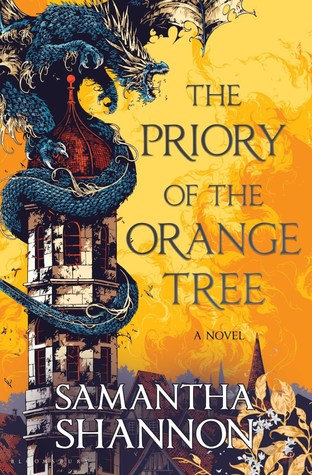
The Priory of the Orange Tree is a labor of love. As a reader, I could sense so much passion and effort poured into this novel, it is no wonder Samantha Shannon decided to take a break from The Bone Season series in order to birth this one into the world. But let’s first just get this out of the way: clocking in at more than 800 pages, this book certainly measures up to the task, but it also contains all the strengths and weaknesses one might anticipate with such an ambitious undertaking, especially considering we are dealing with the author’s first foray into the epic fantasy genre. Clearly inspired by the traditions established by authors like George R. R. Martin or Robin Hobb, Shannon tries her hand at a sprawling, world-spanning saga of myth, dragons, and political intrigue. But with so much world-building and character development to establish, this story takes a long time to find its legs. Still, the main forces driving The Priory of the Orange Tree are compelling, especially once character motivations are revealed and they become the most important factors fueling the story’s many conflicts. This isn’t a perfect novel, but quite honestly, I did not expect it to be. Epic fantasy can be a tricky genre riddled with traps and pitfalls for even the most experienced authors, and in spite of this, even given the novel’s flaws I think Shannon did a marvelous job pulling it all together. (Read the full review…)
 Slayer by Kiersten White

Well, I had my doubts, but not anymore. In Slayer, Kiersten White has accomplished the formidable feat of writing a novel in the Buffy the Vampire Slayer universe that not only provides a wistful trip down memory lane but also thoughtfully builds upon the existing lore and mythos of the franchise. Our story begins with the introduction to Nina and Artemis, the twin daughters of Merrick Jamison-Smythe who was the first Watcher of Buffy Summers. After their father’s death, the girls’ mother whisked them away to Ireland where the family lived in a castle with a remnant group of Watchers, carrying on their research even though the world has been much changed since all magic went away. But over the last two months, Nina has been experiencing some unsettling changes. She has become stronger, her reflexes are faster, and her dreams have started to become filled with strange visions. Since the Seed of Wonder event, no more Slayers could be called, but somehow, in an act of bravery and selflessness, Nina had triggered her innate potential right before the critical moment, making her the last Slayer. I’ll be honest, I don’t really consider myself a Buffy mega-fan, but in a way, coming to Slayer with this equivocal and noncommittal attitude might have helped, because it allowed me to simply sit back and enjoy without the burden of expectation or hype. This book had a good mix of drama, action, and intrigue which I enjoyed tremendously, and it will be interesting to see what’s next. (Read the full review…)
 The Beast’s Heart by Leife Shallcross

Few retellings invite more scrutiny from me than Beauty and the Beast, one of the most beloved fairy tales, so I was quite surprised at how much I enjoyed this. Told from the perspective of the Beast, our story begins in the enchanted forest where our protagonist lives with the curse cast upon him long ago. Slowly, painfully, he begins to remember the man he once was, but has no memory of why he was made into this beastly form, let alone how to break the curse. For many years he lives alone in his crumbling castle where the magic of the place seems to know his very heart, for it appears to cater to his every need. But even his invisible servants cannot help him with his one true desire, until one day, a lone traveler arrives at his door seeking rest and shelter. My favorite part of this book is hands down Shallcross’ depiction of the Beast. He is no monster, and over time it becomes clear that there’s not a malicious bone in his body. As for the atmosphere, The Beast’s Heart also offers a nice change of pace. It is dark, but not oppressively so; moody, but not to the point of being melodramatic. As retellings go, this one’s pretty low-key, which makes it a somewhat slow and plodding tale. And while not all will have the patience for this, on my part I relished every moment. (Read the full review…)
 Polaris Rising by Jessie Mihalik

Not gonna lie, I’ve always been hard on the romances in my fiction. While I have nothing against romance, I’ve always said that if there’s going to be a romance arc in any book, it needs to be convincing—not to mention I also want the characters, plot and other story elements to be strong. It also helps when a novel is upfront with the reader on what to expect. In the case of Polaris Rising by Jessie Mihalik, it is an example of a sci-fi romance mashup that handles all these points very well. As the fifth of six children, our protagonist Ada’s usefulness to her wealthy family only extends to her marriageability into one of the other High Houses, and to avoid that fate, she ran away years ago. As our story begins, Ada finds herself in a holding cell with another prisoner named Marcus Loch aboard a bounty hunter’s ship, soon to be handed off to the man she was supposed to marry. Though Ada knows better than to trust Loch, she’s also aware he’s her only chance to escape. Of course, it doesn’t hurt that Loch is hot as hell and has the body of a Greek god. In case it’s not glaringly obvious, Polaris Rising is mostly a romance first, and a genre novel second. It can be awfully self-indulgent at times, thought it goes about it boldly and with no apology. Admittedly, the romance genre is not something I can take in large doses. But like a rich, fluffy and decadent dessert, whenever I do read these kinds of books they’re always oh so satisfying and delicious. (Read the full review…)
Book Review: The Hanged Man by K.D. Edwards
Posted on January 13, 2020 24 Comments
I received a review copy from the publisher. This does not affect the contents of my review and all opinions are my own.
 The Hanged Man by K.D. Edwards
Mogsy’s Rating: 3.5 of 5 stars
Genre: Fantasy
Series: Book 2 of The Tarot Sequence
Publisher: Pyr (December 17, 2019)
Length: 383 pages
Author Information: Website | Twitter
Unlike a lot of readers, I wasn’t really as bedazzled by The Last Sun. A good story cannot be supported by action alone, no matter how many battle sequences or daring escapades you throw in my face. Despite the spectacular world-building and relentless pacing, all throughout the first book I couldn’t shake the feeling that much of it was meant to compensate for (or distract me from) a rather thin plot. It’s true that I wanted something a bit more substantial, especially from a series opener, and while overall I enjoyed the book, by the end of it I was also exhausted and feeling no small amount of relief that it was over.
But now we have the sequel, The Hanged Man, and I’m pleased to say I found it to be a lot more balanced with regards to story and plotting, more restrained in its action, and best of all, more time was given to character and relationship development. Before I proceed with the review though, I highly recommend being caught up with the series because spoilers for The Last Sun are possible. In this sequel, which once more centers on the lives of Rune Saint John and his friends, we are delving deeper into complicated world of the Atlantean court whose members represent the Major Arcana of a Tarot deck. Known as Scions, these individuals are possessed of powerful magic, able to store and utilize spells in the form of sigils. The story picks up soon after the events at the end of the previous book with a bombshell development that involves Rune’s ward, Max. It appears that the monstrously cruel and vicious Scion known as The Hanged Man has set his sights on the young man, intending to force him into a marriage contract against his will.
Needless to say, Rune and Brand are going to do whatever it takes to make sure that will never happen. However, it soon appears that our protagonist’s troubles are merely beginning. As the story shifts its attention to the Dawncreeks and Rune’s friendship with Corrine, we find out that her son Layne is missing, and it’s feared that his disappearance may have something to do with The Hanged Man’s sick and twisted agenda.
Rewinding back to my review of The Last Sun, I noted how amidst all the furious action and excitement, the irony was that my favorite parts of the novel were always and unfailing the quieter moments especially when Rune had his stolen moments of connection to those closest to him. To me, those were the scenes that defined his character and brought meaning to a novel that sometimes felt like it was more concerned with delivering wise-cracking lines and fast thrills. In contrast though, I was glad to see that in The Hanged Man we got more of these precious, emotionally revealing conversations between our protagonist and the people who mattered to him most. For one thing, it gave us more insight into the bond he has with Brand, and for another—and this was important for me, personally—some of the interactions between Rune and Addam in this one provided some much needed clarity into the nature of their romance which was something that felt off to me in the first book and never sat quite right.
I also liked how the flow of the story remained snappy without becoming overwhelming this time around. It’s possible that some of this can be attributed to what I wrote about above, which had a balancing effect on the pacing. The Hanged Man is also much darker, featuring higher stakes with consequences that are more significant and far-reaching. As someone who thought the tone of the first book was occasionally too flippant in the face of some of its heavier themes, I appreciated how this installment brought in greater depth and profundity to make me care more about the characters and the story.
Finally, it would be a crime to discuss a novel of The Tarot Sequence without mentioning the world-building. I think this element remains the strongest of author K.D. Edwards’ writing, and he continues to build upon the existing lore and magic of New Atlantis, dishing out answers to some questions while raising many more. The world of this series is a vast system—living, breathing, and complete—but clearly, it’s not ready to give up all its secrets yet. And that’s a good thing, considering how many more books are planned (nine all together, apparently!) and I hope to savor each and every discovery as Edwards adds more layers with each installment.
Overall, I was very pleased with The Hanged Man, which managed to step up as a sequel should. It continued to excel in the things the first novel did well, while improving on the things it didn’t. If this trend continues, The Tarot Sequence will become a force to be reckoned with—not that it isn’t a big deal already, making some huge waves in SFF circles. Truly, I think its potential can only grow, and I’m curious and excited to see where series is headed.

More on The BiblioSanctum:
Review of The Last Sun (Book 1)
Book Review: The Dragon Republic by R.F. Kuang
Posted on January 12, 2020 27 Comments
I received a review copy from the publisher. This does not affect the contents of my review and all opinions are my own.
 The Dragon Republic by R.F. Kuang
Mogsy’s Rating: 4 of 5 stars
Genre: Fantasy
Series: Book 2 of The Poppy War
Publisher: Harper Voyager (August 8, 2019)
Length: 560 pages
Author Information: Website | Twitter
4 stars for The Dragon Republic by R.F. Kuang, and just barely. This was a good book, but considering how unreservedly I adored The Poppy War, it’s hard not to see this as a slight downgrade. I had a harder time getting into this sequel, for a couple of reasons. First, I think it suffers from a touch of second-book syndrome, and second, perhaps most disappointing of all was that the main character felt like a shadow of herself compared to the previous novel.
But before we start, this review assumes the reader has completed The Poppy War, so beware of possible spoilers for the first book if you are not yet caught up. The Dragon Republic picks up almost immediately following the events at the end of book one, and Rin is barely holding herself together in the aftermath of all the destruction. She also has to come to terms with her devastating power as a shaman of the Phoenix, and the fact that in the light of Alton’s demise, she is now the last Speerly. Drowning the grief and trauma of her losses with the numbing effects of opium, Rin becomes addicted to the drug, and it is severely impacting her ability to lead the Cike, the special squadron of god-touched magic-using individuals placed under her command.
Before long, the Cike are captured by the Dragon Warlord, who presses Rin into his service and orders her to put an end to the traitorous Empress’ rule and help him unite the Nikan empire under one republic. Hungering for vengeance, Rin goes along with the assassination plot, but filled with rage and destabilized by the poppy, she struggles to control the power of the Phoenix. Her growing disillusionment is further complicated by the Warlords’ tactics, and upon witnessing the suffering of Nikara, Rin begins to question her purpose. What is she fighting for, if not to improve the lives of the people?
Yes, Rin has it rough in The Dragon Republic. She’s seen things, done things that have messed her up. Her mind is not all together hers these days, because of the addiction. She’s also angry, confused, full of guilt and resentment. In fact, not one chapter goes by without something to remind us all what a great big ball of angst she is. And let me tell you, it was exasperating as hell. I went from rooting for Rin all the way in The Poppy War to wanting to beat the living shit out of her in this sequel. I get it; our hero had to hit rock bottom in order to gain the insight she needs to rise again, to truly appreciate where she could be and what was possible and all that jazz. I didn’t mind that part. What I did mind, however, was how Rin became a wholly unlikeable brat in this book, completely ruled by her selfish, emotional, and downright violent impulses.
Ironically, The Dragon Republic contains darker and more mature themes, but the overall tone of the book feels more juvenile and childish because of the callow behaviors of its protagonist. Also, for a dead guy, Alton sure seemed to get a lot of page time. While Rin’s admiration and fondness for him was understandable, the story’s constant dwelling on his life and legacy grew tiresome after a while. Ultimately, this bizarre fixation with Alton did nothing to develop Rin’s character, and in fact it did quite the opposite, anchoring her to the past and prolonging the whininess and self-pity.
Thank goodness the second half of the book saved the first half, and that’s no exaggeration. Once Rin started getting her act together, that was when the story finally felt like it was going somewhere. Until that point, we were spinning our wheels, watching her direct her anger at everyone and everything. The character was adrift, which I guess was part of the point, but in turn, that frustration and lack of power also sent the plot into a directionless tailspin type of tedium. But the moment Rin started to care about something more than her problems, everything changed. Even though the disillusionment is still there and as strong as ever, at least our protagonist’s realizations gave her (and the story) a more discernable roadmap.
Other commendable aspects include the development of the supporting cast, when they’re not there just to be abused by Rin. Thing is, the protagonist is so cantankerous in this book that even her foes are sometimes more enjoyable to read about, including the wily Vaisra. Aside from familiar faces like the members of the Cike, Kuang also introduces a few new players and factions. As vile as they are, the appearance of the Hesperians adds an intriguing element to the mix, which is just one of many examples of the author beefing up her world-building. In addition to expanding the history, lore, and cultures of the various nations and their peoples, development also occurs at the character level, with some getting more detailed backstories and important roles. Speaking of which, I loved Kitay. And Nezha? Nezha damn near broke my heart.
At the end of the day, I enjoyed The Dragon Republic, but it didn’t even come close to capturing my attention, imagination and heart the way The Poppy War did. Chalk it up to a slight case of middle book syndrome, or the fact that the protagonist was just too unbearably annoying in this sequel, but overall I have to say the magic was lacking this time around. Still, I have high hopes for the next book. This one was good, but fingers crossed that the next installment will once more elevate this series to fabulously amazing again.
More on The BiblioSanctum:
Review of The Poppy War (Book 1)
Bookshelf Roundup 01/11/20: Stacking the Shelves & Recent Reads
Posted on January 11, 2020 25 Comments
Bookshelf Roundup is a feature I do every weekend which fills the role of several blog memes, like Stacking the Shelves where I talk about the new books I’ve added to my library or received for review, as well as It’s Monday! What Are You Reading? where I summarize what I’ve finished reading in the last week and what I’m planning to read soon. Mostly it also serves as a recap post, so sometimes I’ll throw in stuff like reading challenge progress reports, book lists, and other random bookish thoughts or announcements.

Received for Review
My thanks to the publishers and authors for the following review copies received, and be sure to click the links to their Goodreads pages for more details and full descriptions!

To my great excitement, I received an ARC of Crush the King by Jennifer Estep earlier this week, thanks to the kind folks at Harper Voyager. I’m really enjoying this series and I can’t wait to read book three. With thanks to the Forge Books team I also received a copy of Remembrance by Rita Woods. A historical fiction novel that weaves in a light touch of magic, it’s a bit out of my wheelhouse but looks good nonetheless. Courtesy of Subterranean Press, I also received an ARC of their re-issue of Unexpected Stories by Octavia E. Butler, a collection that includes the stories “A Necessary Being” and “Childfinder”. As a side note, seeing these last two books next to each other, it seems cover artists need some new ideas. Next up, I’d like to thank 47North and Wunderkind PR for sending me a finished copy of The Will and the Wilds by Charlie N. Holmberg. I had mixed feelings about the last book I read by the author so I haven’t decided if I’ll read this one yet, but I’ll be keeping a close eye on reviews. And from Ace Books, I received a surprise copy of Stars Beyond by S.K. Dunstall, the second installment of the Stars Uncharted series. I enjoyed the first book, so I might just check out this one if I have time.
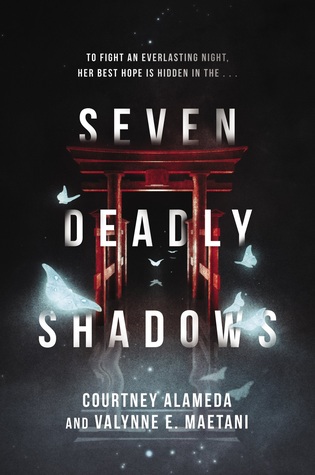
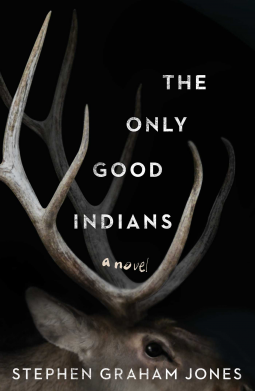
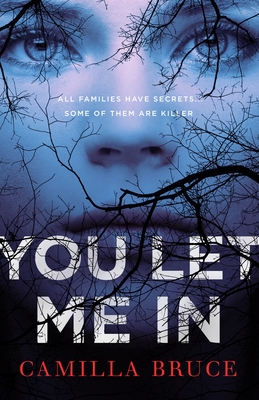
In the digital haul, I received a listening copy of Seven Deadly Shadows by Courtney Alameda with thanks to Harper Audio. I enjoyed the author’s Shutter a few years back and I’m curious to read another one of her books. NetGalley has also been a lot more active now that the holidays are over, and I ventured into my auto-approvals section for the first time in weeks to see what was available. Big mistake, I almost caved in to a lot of temptations, but in the end I only grabbed two horror/thriller themed titles: The Only Good Indians by Stephen Grapham Jones with thanks to Saga Press and You Let Me In by Camilla Bruce with thanks to Tor Books.
Reviews
Jade City by Fonda Lee (5 of 5 stars)
The Queen’s Road by R.S. Belcher (5 of 5 stars)
The Shadow Saint by Gareth Hanrahan (3.5 of 5 stars)
Roundup Highlights:


This Week’s Reads

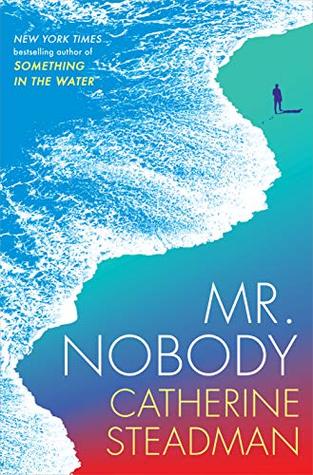
Have you heard of or read any of the books featured this week? What caught your eye? Any new discoveries? I hope you found something interesting for a future read! Let me know what you plan on checking out. Until next time, see you next Roundup!
Friday Face-Off: Vintage Sci-Fi
Posted on January 10, 2020 38 Comments
Welcome to The Friday Face-Off, a weekly meme created by Books by Proxy! Each Friday, we will pit cover against cover while also taking the opportunity to showcase gorgeous artwork and feature some of our favorite book covers. If you want to join the fun, simply choose a book each Friday that fits that week’s predetermined theme, post and compare two or more different covers available for that book, then name your favorite. A list of future weeks’ themes are available at Lynn’s Book Blog.
This week’s theme is:
“Live long and prosper.”
~ a cover that is VINTAGE SCI-FI
Mogsy’s Pick:
Foundation by Isaac Asimov
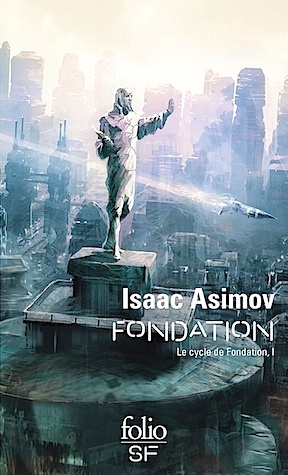
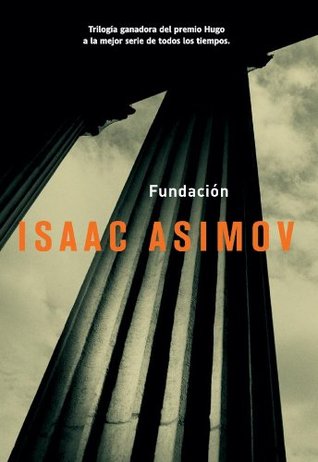
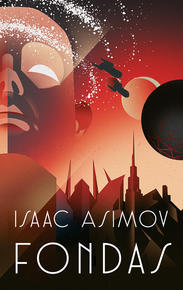
This month we’re honoring vintage sci-fi with a Friday Face-Off theme dedicated to it. Admittedly I’ve not read a lot of classic science fiction so there weren’t too many my choices on my shelf to choose from, but lucky for me there was Foundation and as you would expect there were a lot of editions for this book. Let’s take a look at some of them now:
From left to right:
Doubleday & Company (1951) – Weidenfeld & Nicolson (1953) – Bantam (2004)
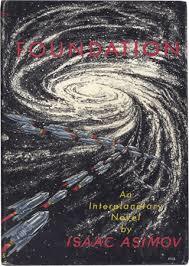
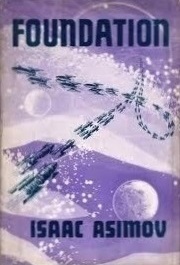
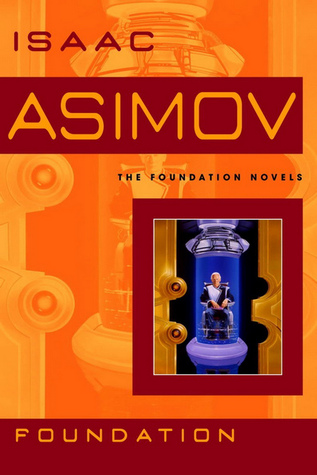
Spectra (2004) – Panther Books Limited (1960) – Harper Voyager (2018)

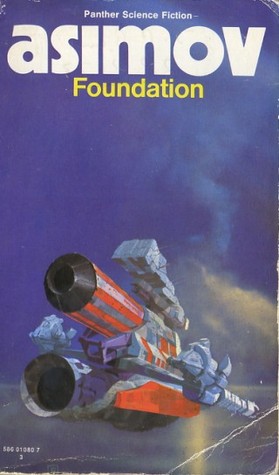
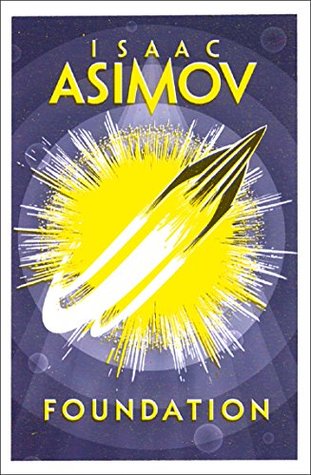
Avon Books (1966) – Voyager (1994) – French Edition (2015)

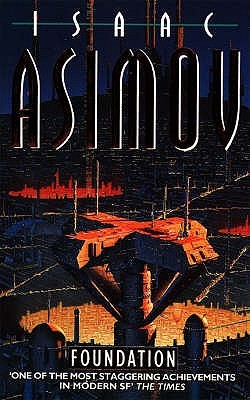
Spanish Edition (2012) – Lithuanian Edition (2016) – Greek Edition (2012)
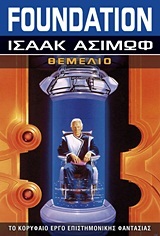
Thai Edition (2018) – German Edition (1978) – Korean Edition (2013)



Winner:
I enjoyed how even a lot of the “modern” covers adopt throwback styles this week. Most of the ones I like all fall into this category, and the two that really stuck out for me were the 2018 Harper Voyager and the Lithuanian Edition. Since I can’t choose between them, I’m calling it a tie.
But what do you think? Which one is your favorite?
Audiobook Review: The Shadow Saint by Gareth Hanrahan
Posted on January 9, 2020 21 Comments
I received a review copy from the publisher. This does not affect the contents of my review and all opinions are my own.
The Shadow Saint by Gareth Hanrahan
Mogsy’s Rating (Overall): 3.5 of 5 stars
Genre: Fantasy
Series: Book 2 of The Black Iron Legacy
Publisher: Hachette Audio (January 9, 2020)
Length: 19 hours 39 minutes
Author Information: Website | Twitter
Narrator: John Banks
Here’s what you need to know about The Shadow Saint: it is the second book of The Black Iron Legacy series by Gareth Hanrahan, but it doesn’t really follow the tradition of a direct sequel. While the story picks up soon after the events of The Gutter Prayer, the focus has mostly shifted to another set of characters, though a lot of familiar faces from the first book return. Not surprisingly, when it comes to these types of sequels, it’s also common for a shift in tone, and indeed we see a little bit of that happening here. Obviously, your experience will differ based on your own personal preferences, but it was because of this shift that I felt The Shadow Saint was not as strong as The Gutter Prayer, which had a plot and themes that suited me better. That said, this was still a good book and a respectable follow-up. It just felt different, which can be either a negative or a positive depending on your tastes.
Also keep in mind that because this is a review to a sequel, it may contain plot details from the previous book, and I recommend being caught up first if you want to avoid any possible spoilers. In the aftermath of the chaotic events at the end of The Gutter Prayer, Guerdon is left in shambles with a power vacuum waiting to be filled. Amidst the lawlessness left by what is now known as the Gutter Miracle, the area has become a neutral haven for all manner of displaced groups, from roving bands of brigands to exiled saints and other magical creatures. In a move to bring some semblance of order back into their lives, residents of the newly created neighborhood known as New City are gearing up for the upcoming election to gain representation in the parliament.
Found in the middle of all this is Eladora Duttin, a returning character from the first book, who is now a political operative for the Industrial Liberal party working on behalf of Kelkin. While Guerdon is in the process of being rebuilt, the city’s many factions are all vying to gain the upper hand while rumors abound of a godswar looming on the horizon. Terevant Erevesic, newly appointed guard captain, is assigned the task of recovering Guerdon’s god bombs, powerful weapons said to be buried beneath the city which would make anyone who controlled them an unstoppable force. Sliding into whatever role is required for him, an unnamed man only known as “The Spy” also adopts the persona of a refugee named Alic Nemon, whose secret agenda will remain shrouded in mystery until such time that the plot chooses to reveal all.
Since Eladora was one of my favorites from the first book, I was excited to discover she was one of the main perspective characters. As a matter of fact, settling in with our new protagonists was certainly not an issue for me. Instead, I had a difficult time developing an interest in the story, which has shifted heavily into the political sphere and focusing on the destabilizing effect of clashing factions. These themes play a big role in The Shadow Saint, and to put it bluntly, they aren’t the most engaging or entertaining of topics, even with the fascinating setting of Guerdon as a backdrop. To be honest, I’d much rather be reading more about the god and the saints, the rich history of the city, its extraordinary cultures and magic and creatures and pretty much everything that made the first book such an eye-opening experience. But it seems Hanrahan had other plans, continuing at length with the comings and goings within a politically charged New City.
If intrigue and machinations are your bag, I think you will love The Shadow Saint. But if you are like me, having loved the world-building and originality from The Gutter Prayer, then you might end up feeling the elements of magic, action, and lore craft in this sequel are lacking. It’s ironic, really, how I felt that the world-building almost overshadowed everything else in the first book, whereas in this one I couldn’t seem to get enough. Thankfully, I think the more time you spend with the book, the easier it is to feel invested, especially once the new characters like Terevant and Alic start giving you more reasons to care about what happens to them. It helps too that the familiar trio of Cari, Spar, and Rat show up for the last section of the book in their various capacities. This development meshes well with the overall crux of the novel, which relates to the impending godswar, culminating in a conclusion that will make you glad you saw things through to the end.
Ultimately, if The Shadow Saint feels like a slight departure from The Gutter Prayer, that’s because it sort of is. Still, that itself is not a complaint; I think it’s refreshing for sequels to be a little different than their predecessors so that we don’t get a repeat of the same old, same old. However, this time around, the narrative was steeped in the politics of this world, and while this may have added a thought-provoking and suspenseful touch to the story, it also made some earlier parts of the book a bit slow and dull. That being said, sooner or later you do get drawn into the plot, but the sloggier, denser sections also meant things took longer to get off the ground. Personally, I thought the first book was better, but this was a solid sequel nonetheless, and I look forward to see where the third installment will take us next.
Audiobook Comments: This was a long audiobook, coming in at nearly twenty hours, and I daresay some of the slower sections would have been more of a struggle to get through had it not been for a fantastic narrator. John Banks’ performance was strong and confident, and I think narrators like him possess a certain timbre and tone in their voices that make them perfectly suited to reading dark gritty fantasy.

More on The BiblioSanctum:
Review of The Gutter Prayer (Book 1)
Waiting on Wednesday 01/08/20
Posted on January 8, 2020 14 Comments
“Waiting On Wednesday” is a weekly meme that first originated at Breaking the Spine but has since linked up with “Can’t Wait Wednesday” at Wishful Endings now that the original creator is unable to host it anymore. Either way, this fun feature is a chance to showcase the upcoming releases that we can’t wait to get our hands on!
Mogsy’s Pick
The Year of the Witching by Alexis Henderson (July 21st, 2020 by Ace Books)
In my quest for more horror, I stumbled across this one, and it sounds very much the kind of witchy tale I’ve been searching for, set in a fantasy world that’s a bit like The Village meets creepy paranormal coming-of-age. Early reviews are promising, I hope it will be good.
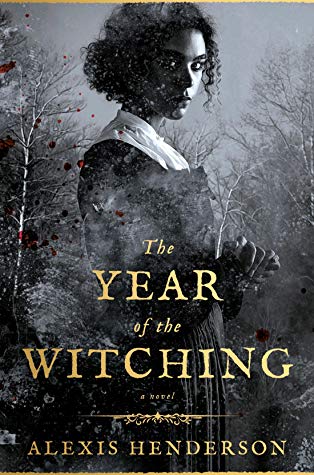 “In the lands of Bethel, where the Prophet’s word is law, Immanuelle Moore’s very existence is blasphemy. Her mother’s union with an outsider of a different race cast her once-proud family into disgrace, so Immanuelle does her best to worship the Father, follow Holy Protocol, and lead a life of submission, devotion, and absolute conformity, like all the other women in the settlement.
But a mishap lures her into the forbidden Darkwood surrounding Bethel, where the first prophet once chased and killed four powerful witches. Their spirits are still lurking there, and they bestow a gift on Immanuelle: the journal of her dead mother, who Immanuelle is shocked to learn once sought sanctuary in the wood.
Fascinated by the secrets in the diary, Immanuelle finds herself struggling to understand how her mother could have consorted with the witches. But when she begins to learn grim truths about the Church and its history, she realizes the true threat to Bethel is its own darkness. And she starts to understand that if Bethel is to change, it must begin with her.”
Most Anticipated Releases of 2020: January to March
Posted on January 7, 2020 38 Comments
Happy 2020! As we get ready to begin another year, it’s time to look ahead to the Science Fiction and Fantasy reads I’m most excited about. Not only is it fun to organize my reading and to make lists, they also have the added benefit of focusing my attention to the highly anticipated releases that I’d like to check out. Every quarter I’ll be putting together a post of my “must reads”, and while I’m under no illusions that I’ll be able to read them all, hopefully I can get to most of them (and also put some new books on people’s radars)!
So here are the books I’m really excited for in early 2020. What are some of yours?
January

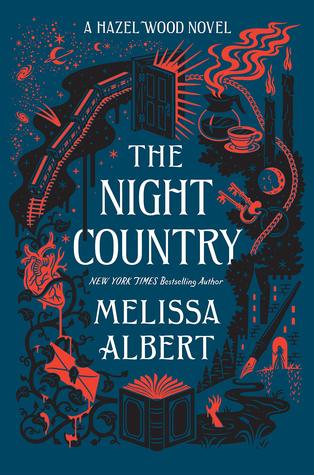


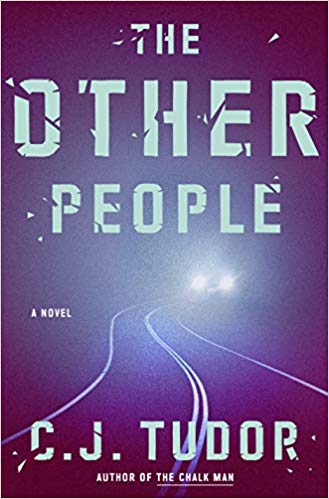
January 7 – The Secret Chapter by Genevieve Cogman, Mr. Nobody by Catherine Steadman, The Night Country by Melissa Albert, The Shadow Saint by Gareth Hanrahan, The God Game by Danny Tobey, Chosen by Kiersten White, City of Stone and Silence by Django Wexler
January 14 – A Longer Fall by Charlaine Harris, The Vanished Birds by Simon Jimenez
January 21 – Bitter Falls by Rachel Caine
January 28 – The Bard’s Blade by Brian D. Anderson, The Other People by C.J. Tudor
February


February 4 – Alone in the Wild by Kelley Armstrong
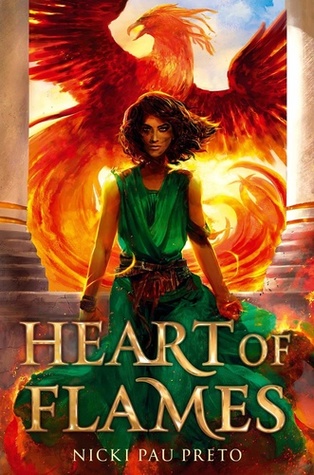
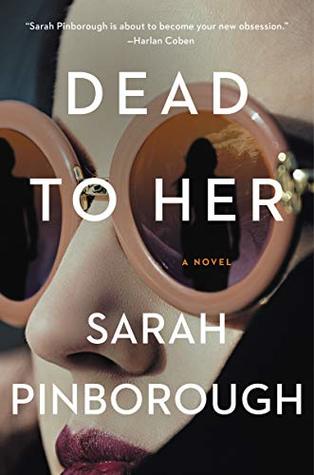
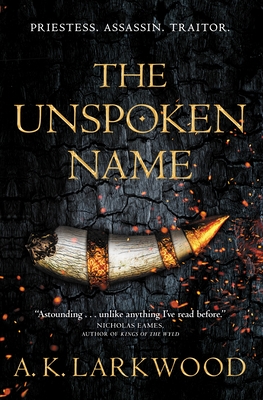
February 11 – Heart of Flames by Nicki Pau Preto, Dead to Her by Sarah Pinborough, Untamed Shore by Silvia Moreno-Garcia, The Unspoken Name by A.K. Larkwood
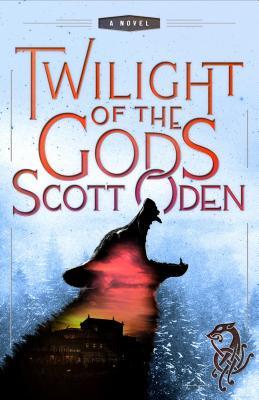
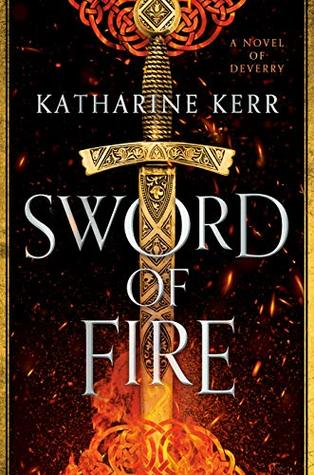
February 18 – Twilight of the Gods by Scott Oden, Sword of Fire by Katharine Kerr
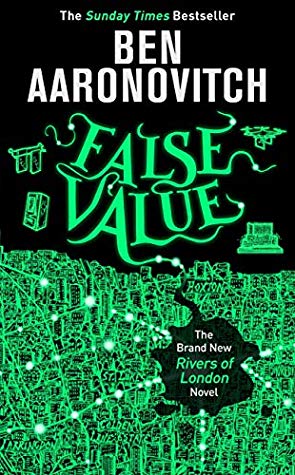
February 25 – False Value by Ben Aaronovitch
March
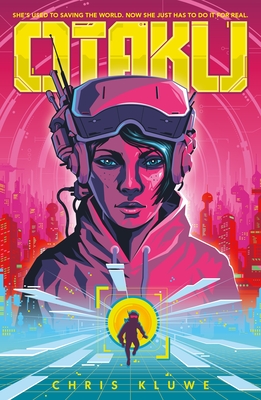

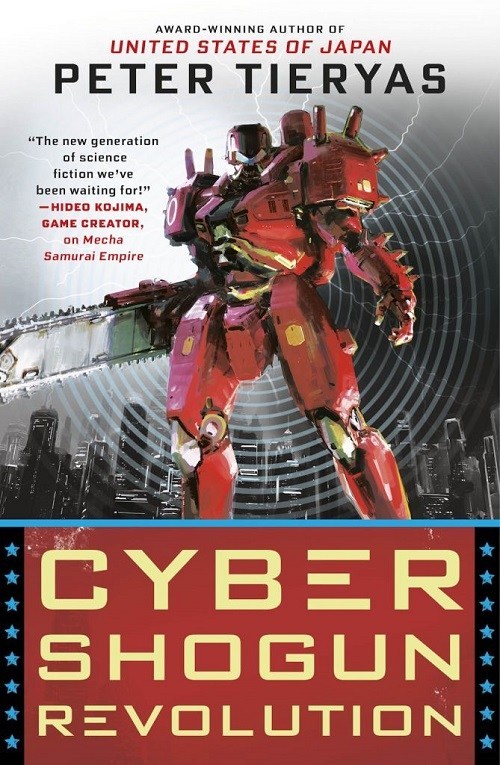


March 3 – Otaku by Chris Kluwe, The Vanishing Deep by Astrid Scholte, Cyber Shogun Revolution by Peter Tieryas
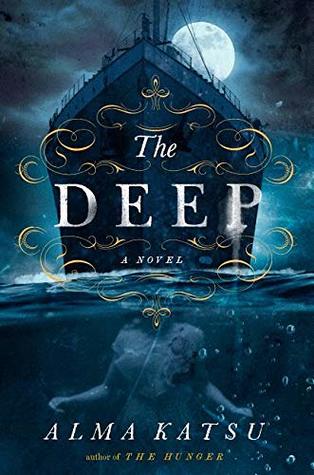
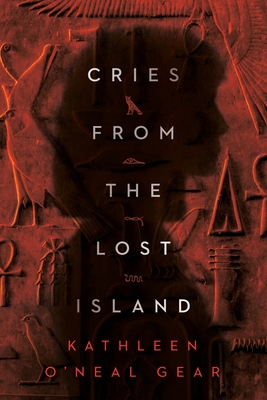
March 10 – The Deep by Alma Katsu, Cries From the Lost Island by Kathleen O’Neal Gear
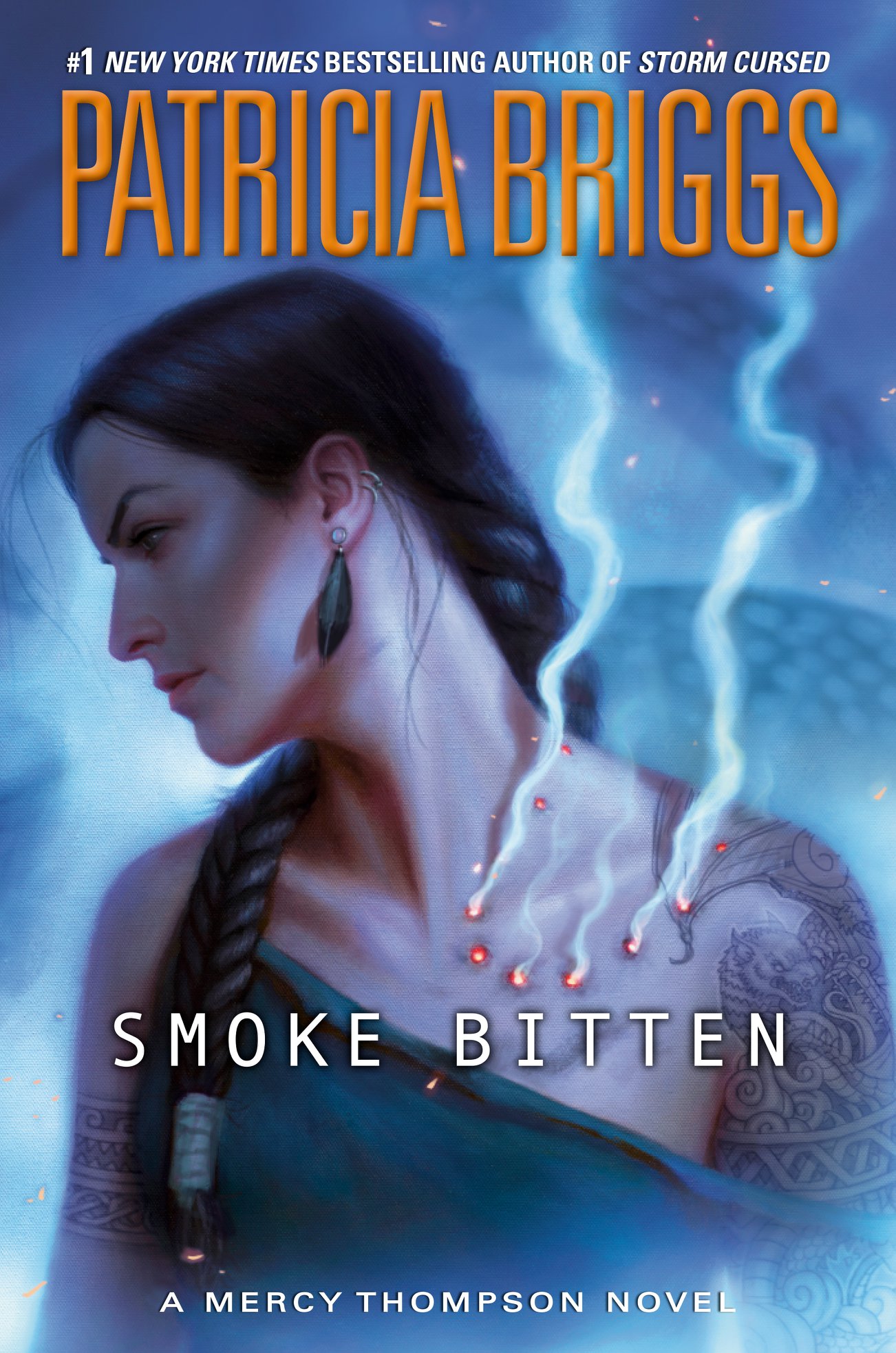
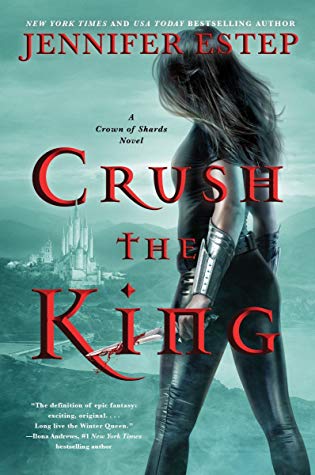
March 17 – Smoke Bitten by Patricia Briggs, Crush the King by Jennifer Estep, Girls With Razor Hearts by Suzanne Young
March 24 – The Last Human by Zack Jordan, The Return by Rachel Harrison
March 31 – Anthropocene Rag by Alex Irvine


 The BiblioSanctum