Audiobook Review: The Business Trip by Jessie Garcia
Posted on December 20, 2024 13 Comments
I received a review copy from the publisher. This does not affect the contents of my review and all opinions are my own.
 The Business Trip by Jessie Garcia
Mogsy’s Rating (Overall): 2 of 5 stars
Genre: Mystery, Suspense
Series: Stand Alone
Publisher: Macmillan Audio (January 14, 2025)
Length: 9 hrs and 7 mins
Author Information: Website
Two strangers. One flight. A tangled web of lies and deception which begins to unravel when both women, with no prior connections, wind up seated next to each other on a plane departing Madison, Wisconsin for Denver, Colorado. Jasmine, fed up with her dead-end job as a bar waitress and desperate to escape the clutches of her abusive boyfriend Glen, has finally stashed away enough of her tips to afford her ticket to a new life. Leaving no trace of her plans, she sneaks out of Glen’s trailer under the cover of darkness and secretly makes her way to the airport. Meanwhile, in a much different part of the city, Stephanie is a polished executive preparing for an important business trip to the west coast, where a high-profile industry conference with her fellow news directors awaits. Soon after making arrangements with her neighbor to check her mail and feed her cat, Stephanie leaves to catch her plane, excited to leave behind the stress of her newsroom, even if it’s just for a little while.
The day after that fateful flight, Jasmine’s friends and co-workers begin getting angry calls and texts from Glen. Where is Jasmine? No one has a clue. Many, however, believe she may have finally found the courage to leave her possessive boyfriend. This theory seemed to be confirmed when one of Jasmine’s childhood friends receives a text from her, gushing about meeting a really great guy, one who actually makes her feel loved and special. In Stephanie’s case, however, there are a lot more people asking questions. Initially, her absence following her trip raises few alarms, with those closest to Stephanie getting texts from her basically saying the same thing—something urgent had suddenly come up in Atlanta, requiring her immediate attention. To her neighbor, Stephanie divulges even more, claiming she had met someone at the conference and is taking some time off to explore the romance. In reality, unbeknownst to anyone who knows Jasmine and Stephanie, their shared, seemingly routine flight had thrust both women into a chain of events that ultimately led both to vanish into thin air, leaving behind only cryptic clues about a mysterious man—the same man in both their stories. Who is he, and what role does he play in their disappearance?
At first, everything about The Business Trip started off strong. The opening chapters were interesting and attention grabbing. Focusing on Jasmine and Stephanie, this intro section delved into each woman’s circumstances, ranging from personal struggles to professional ambitions, explaining how they each ended up on board the same flight as seatmates. The writing in this part was sharp and engaging, immersing me in the characters’ contrasting lives—Jasmine and her determination to get away from Glen, a real piece of shit who steals her money, smacks her around, and doesn’t even allow her to have her own car; and Stephanie, a recently divorced workaholic who seems to spend more time doting on her cat than talking with her adult son, seemingly in high spirits ahead of attending her industry conference.
The second part shifts the narrative to the next day, focusing on the people left behind, each wondering what happened to Jasmine and Stephanie. Text messages fly back and forth between friends, colleagues, and loved ones, creating intriguing layers of suspense. For a while, things seem normal. It is assumed that Jasmine is laying low, in case Glen tries to track her down. And Stephanie, of course, is at her conference. But beneath the surface, there’s a subtle sense that something is off. In this way, the plot continues to tempt the reader with the illusion that everything is fine when we all know that a bombshell is looming—and when it finally drops, it hits hard. We learn the truth, that neither Jasmine nor Stephanie is okay.
As the mystery unfolds, the frantic search for answers is paired with the introduction of another major character—a key figure central to everything in the story. But here’s where things started to fall apart for me. While the early plot development was on point, it starts faltering once we move into the second half of the novel. In the mystery-suspense genre, suspending disbelief is often a requirement, and I’m no stranger to going with the flow when it comes to a wild premise. In this case, though, the leaps in logic become increasingly implausible and, eventually, just plain dumb.
A lot of things just didn’t make sense. Characters seem to randomly lose their ability to reason or to think. For example, just how does one work in the business of news reporting, especially with a focus on crime, and not think to contact a lawyer when things go sideways? And without spoiling anything, there’s also a character who is suddenly revealed as a mastermind, yet their knowledge and competence seem oddly selective, as they manage to completely fail in other areas of life. And then there’s a character who appears to solely exist for the purpose of swooping in at the most convenient moments to solve problems that would otherwise derail the plot.
The author also seems to take liberties with how police investigations and forensic processes are carried out, choosing to bend or ignore rules when it suits the story’s needs. There is really such a thing as too much creative license. Even then, I can usually forgive a lot. Yet, it was the final twist that completely lost me. It was so clumsily executed and so far-fetched that it dropped my rating by an entire star. Don’t get me wrong, a good twist doesn’t have to be realistic, but it should feel earned, or at least convincing enough within the world of the story. This one didn’t feel that way at all—in fact, it was the kind that made me roll my eyes and say, “Really?”
In sum, The Business Trip started strong and kept me entertained for much of its runtime, but it went downhill in the second half. Despite its flaws, I have to say it was still a fun, fast-paced read, and fans of twisty thrillers might find enough here to enjoy. For me, though, certain inconsistencies and over-the-top plot points really tried my patience, and the final implausible twist was ultimately just too much.


Book Review: Revenant-X by David Wellington
Posted on December 16, 2024 10 Comments
I received a review copy from the publisher. This does not affect the contents of my review and all opinions are my own.
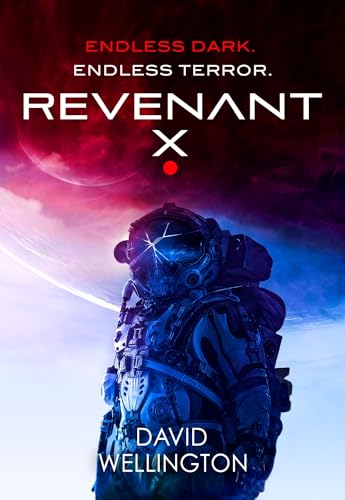 Revenant-X by David Wellington
Mogsy’s Rating: 3.5 of 5 stars
Genre: Science Fiction, Horror
Series: Book 2 of Red Space
Publisher: Orbit Books (November 5, 2024)
Length: 512 pages
Author Information: Website | Twitter
When David Wellington’s Paradise-1 came out, it wasn’t exactly to rave reviews, though I found myself enjoying it all the same—far more than I expected, in fact. That experience (along with that infuriating cliffhanger) actually left me eager to see how the space horror action will continue, and I was quite excited to check out Revenant-X. In the end, I thought it was an engaging sequel, stronger than its predecessor in some areas, but there were some weaker parts as well.
The story picks up right where the first book left off (so make sure you’re caught up before you read this next part!), with Firewatch agent Alexandra Petrova and her team stranded on a desolate, nightmarish planet. Her team has dwindled to include her former flame Sam, whose physical form is now a digital projection; Zhang, the nervous medic forced into a leadership role; and Rapscallion, their puckish artificial intelligence which resides in the patchwork robotic body that he cobbled together from a mess of printed parts.
The environment they’ve found themselves in is equally disorienting and bleak. Petrova is still dealing with a psychic alien presence that has invaded her mind, and occasionally takes control. The planet’s former colony along with its mining operation has been completely destroyed, overrun by a mysterious plague which has turned its residents into a horde of feral, bloodthirsty creatures called revenants that bring to mind space zombies. For this already broken down and fragile team, simply staying alive at this point seems straight-up impossible.
Not unexpectedly, the horror elements are more in-your-face this time, leaning heavily into the action. Despite the high stakes though, the main problem with Revenant-X comes down to its massive page-count, which really doesn’t warrant 500+ pages (as I recall, this was a similar complaint I had with the first book, which was 700ish, so an improvement, I guess). After the short intro, I noticed a pattern in the story, which pretty much boils down to our characters embarking on a long quest to get from Point A to Point B. Along their journey, they encounter many difficulties that range from getting lost to revenant attacks—lots and lots of revenant attacks. These scenes, while full of thrills and excitement, are nevertheless light on depth and unfortunately start to get a little tiresome after the first half-dozen times it happens.
That said, I’m still enjoying the character interactions and the gradual development of their relationships. Each member of the group has a unique backstory and a personal arc that continues to evolve as they confront their individual challenges, like Petrova’s struggle with the entity known as the basilisk, everyone’s adjustment to Sam’s current existence as a hard light construct, Zhang’s battle with his own mental health, and of course who can forget my favorite, Rapscallion and his peculiar approach to his human crew’s hangups. All the revenant activity in narrative somehow manages to avoid overshadowing all these moments of character growth, keeping me invested in their survival.
Ultimately, Revenant-X is a solid sequel that builds on the foundation of Paradise-1, even if it does run a little long and doesn’t fully capitalize on its action-heavy potential. But if you enjoy sci-fi horror movies like Alien and especially the later ones in the franchise, then I think you’ll feel right at home.

More on The BiblioSanctum:
Review of Paradise-1 (Book 1)
Book Review: The Relentless Legion by J.S. Dewes
Posted on December 11, 2024 17 Comments
I received a review copy from the publisher. This does not affect the contents of my review and all opinions are my own.
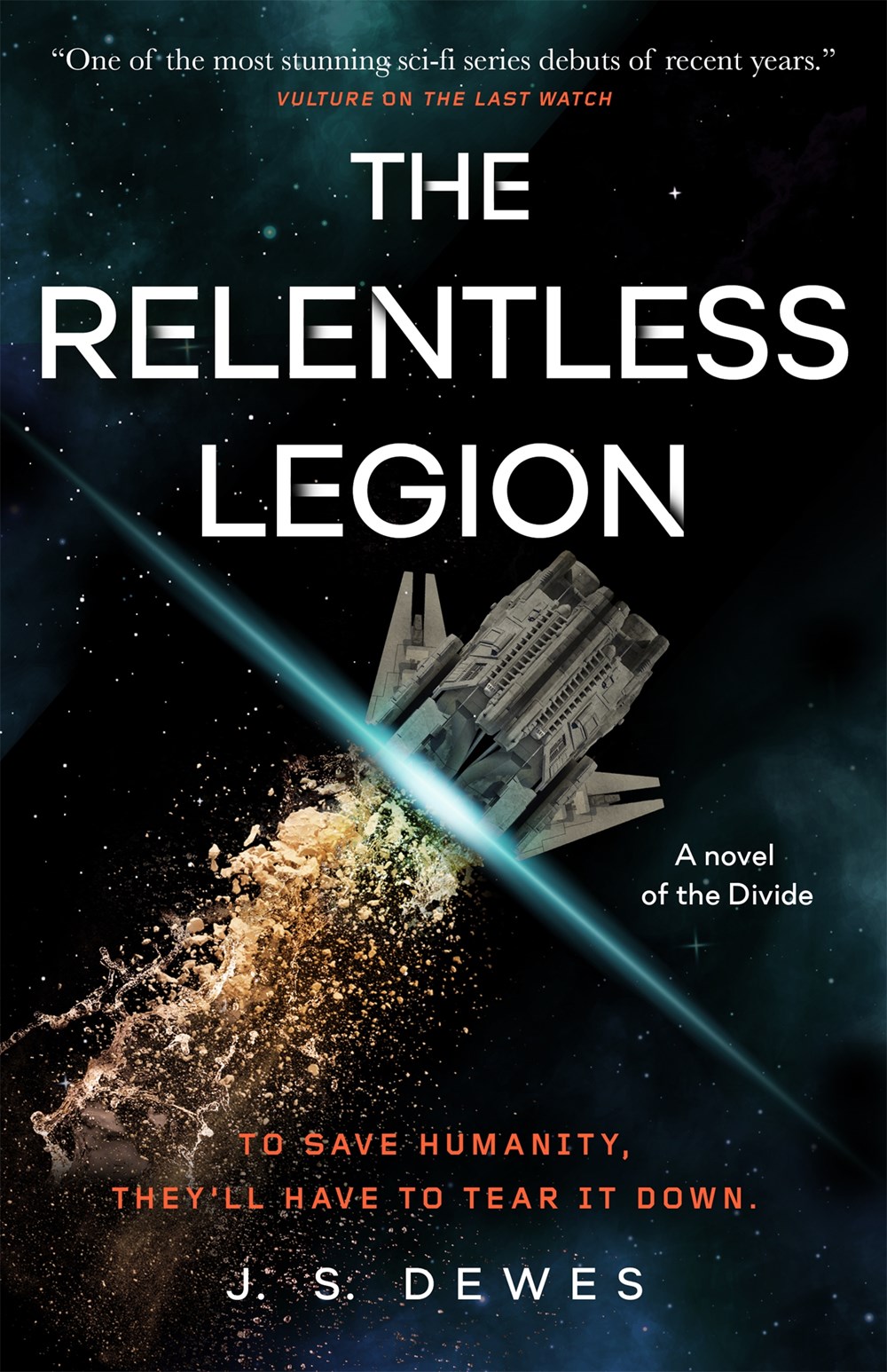 The Relentless Legion by J.S. Dewes
Mogsy’s Rating: 3.5 of 5 stars
Genre: Science Fiction
Series: Book 3 of The Divide
Publisher: Tor Books (November 12, 2024)
Length: 512 pages
Author Information: Website
J.S. Dewes takes us back to the world of The Divide in The Relentless Legion, the third and final book in the space opera trilogy. The story picks up soon after the ending of The Exiled Fleet, so just a heads up—this review may include spoilers for the first two books if you’re not caught up yet!
After escaping the collapse and surviving the dangers from Core, Adequin Rake and her Sentinels now find themselves racing against time to save the human colonies from a deadly bioweapon. As part of a scheme masterminded by the maniacal August Mercer who thinks he will be “saving” humanity with his actions, the genetically engineered virus would in fact eradicate a significant portion of the population. It’s up to his grandson Cavalon, allied with Rake and her crew, to stop Mercer’s vision from becoming reality.
The Sentinels are facing overwhelming odds as they prepare for this confrontation. Split across multiple perspectives, with Rake, Cavalon, and the tough but private Jackin North taking center stage, the story takes us to a desolate part of the universe where our characters are holed up as they make do with limited resources. However, their efforts to thwart the virus are hampered when one of them is captured by Mercer and compromised, creating tension between the survivors. Friendships are formed, alliances are tested, and sacrifices are made as the team is pushed to their physical and emotional limits.
As always, the world of The Divide stands out with its intriguing glimpses into alien tech and posthuman elements. Dewes has saved the best and most dastardly villain for last, as well as threat that resonates with readers in these uncertain times. Overall, the plot is packed with action and adventure while still making enough time for the softer, quieter moments in which characters get to bond. That said, though, the novel is not without a few flaws along the way.
For one, The Relentless Legion somehow did not feel as well paced as its predecessors. While the action comes fast and furious, the transitions between them do not feel as balanced. This time, there were definitely more pages dedicated to downtime where much exposition and conversation take place, bringing in more drama than I’d bargained for. While I appreciate it when an author develops character relationships, I prefer it when they don’t come at the expense of the story’s momentum. These emotional beats could have been better integrated, making the relationships—especially one romantic subplot in particular—feel more natural and the characters’ choices less questionable.
But for readers looking for as much heart as there is action in their sci-fi, this makes The Divide series a pretty good contender. Even though The Relentless Legion did not reach quite the same heights as the previous two books, it’s still a solid read and a satisfying conclusion to a trilogy that I love as a whole. If you have not read J.S. Dewes yet, don’t wait—she is an author to watch. I can’t wait to see what she does next.

More on The BiblioSanctum:
Review of The Last Watch (Book 1)
Review of The Exiled Fleet (Book 2)
Novella Review: The Mistletoe Mystery by Nita Prose
Posted on December 10, 2024 5 Comments
I received a review copy from the publisher. This does not affect the contents of my review and all opinions are my own.
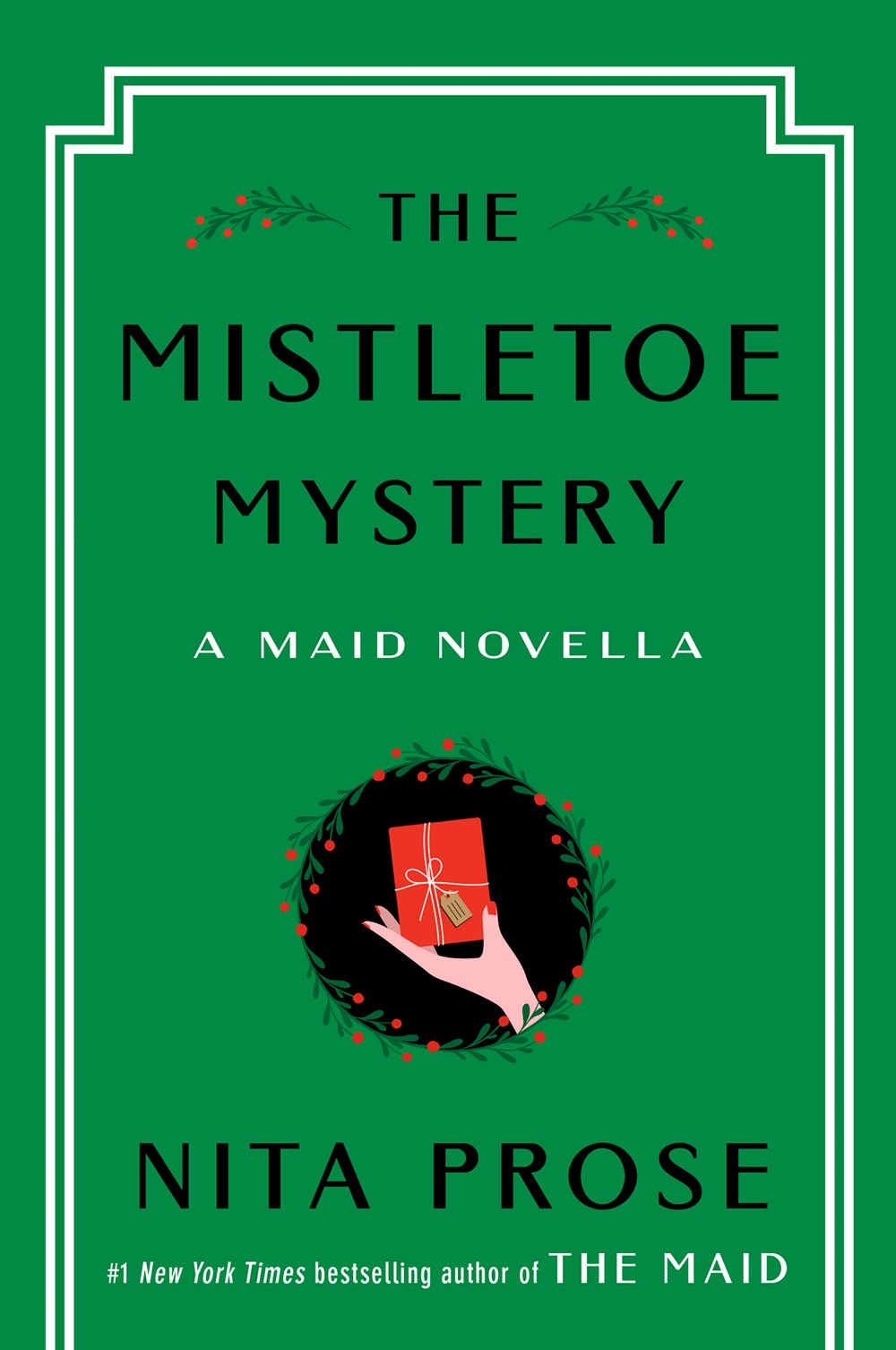 The Mistletoe Mystery by Nita Prose
Mogsy’s Rating (Overall): 3.5 of 5 stars
Genre: Mystery, Holiday
Series: Book 2.5 of Molly the Maid
Publisher: Random House Audio (October 1, 2024)
Length: 2 hrs and 38 mins
Author Information: Website
I don’t usually go out of my way to read novellas in the series because they often feel like throwaway or filler stories that are entirely skippable. But since it’s nearing Christmastime and Molly the Maid is at the center of The Mistletoe Mystery, I couldn’t resist picking it up to get into the holiday mood.
Nita Prose returns to the world of her beloved character with this short tale that takes place after The Mystery Guest. Molly and her boyfriend Juan Manuel have taken the big step and moved in together, and now they are preparing for the holidays. For Molly, Christmas has always been bittersweet since the passing of her dear Gran, who had carried on cherished traditions for the two of them that aways made the season feel magical, but Juan Manuel is determined to bring back the cheer by making this year’s festivities extra special.
Still, it wouldn’t be a Molly the Maid book without a mystery, and our eponymous protagonist has been noticing her boyfriend’s unusual behavior—his sneaking around, keeping secrets, and overall acting suspicious. It’s starting to concern her, making her worried their relationship isn’t as strong as believes. Emotional turmoil aside, though, sleuthing is what Molly does best. As the Regency Grand Hotel where she works prepares for its annual Secret Santa gift exchange event, she uses the commotion to uncover the truth about Juan Manuel’s strange behavior, putting her detective skills to the test.
If you’re like me and waiting impatiently for the next Molly the Maid novel, The Mistletoe Mystery makes for a great distraction to tide you over. While it’s not going to be anywhere near as satisfying or complex as a full-fledged story from the main books, it’s a lighter and more intimate interlude that will delight fans all the same. Rather than the usual high-stakes murder mystery, we’re getting to spend more personal time with Molly and the people closest to her, getting a look into her day-to-day life outside of her escapades at the hotel. It’s a sweet, heartfelt story that makes character relationships its focus.
Characterization continues to be this series’ main strength. Though we still see her struggle with reading and communicating with people, Molly is as charming and endearing as ever. However, one downside is that I think many of her personality quirks were played up to manufacture drama and miscommunication, which I confess is one of my pet peeves. On a more positive note, Juan Manuel gets his chance to shine in this story as Molly’s boyfriend, getting the attention he deserves. The two of them are so adorable together, but again it pained me a little to see how the book’s main conflict was deliberately created to stress the bond between them—especially since he of all people should know how Molly has trouble interpreting social cues.
As the title suggests, The Mistletoe Mystery also perfectly captures the atmosphere of the cozy and festive season, and as expected, leans heavily on the kind of tropes you see in romantic holiday movies. This makes the plot entirely predictable, but that’s probably not a bad thing for a novella about the warmth, joy, and love of being together at Christmas.
In the end, The Mistletoe Mystery is a pleasant little side story offering a low-pressure, comforting read for fans of Molly the Maid. Sure, it’s not going to be packed with the intricacies of a full-length novel, but it’s still a great opportunity to revisit the characters and immerse yourself in their world again while awaiting the next installment of the series.

More on The BiblioSanctum:
Review of The Maid (Book 1)
Review of The Mystery Guest (Book 2)
YA Weekend: The Whispering Night by Susan Dennard
Posted on December 7, 2024 5 Comments
I received a review copy from the publisher. This does not affect the contents of my review and all opinions are my own.
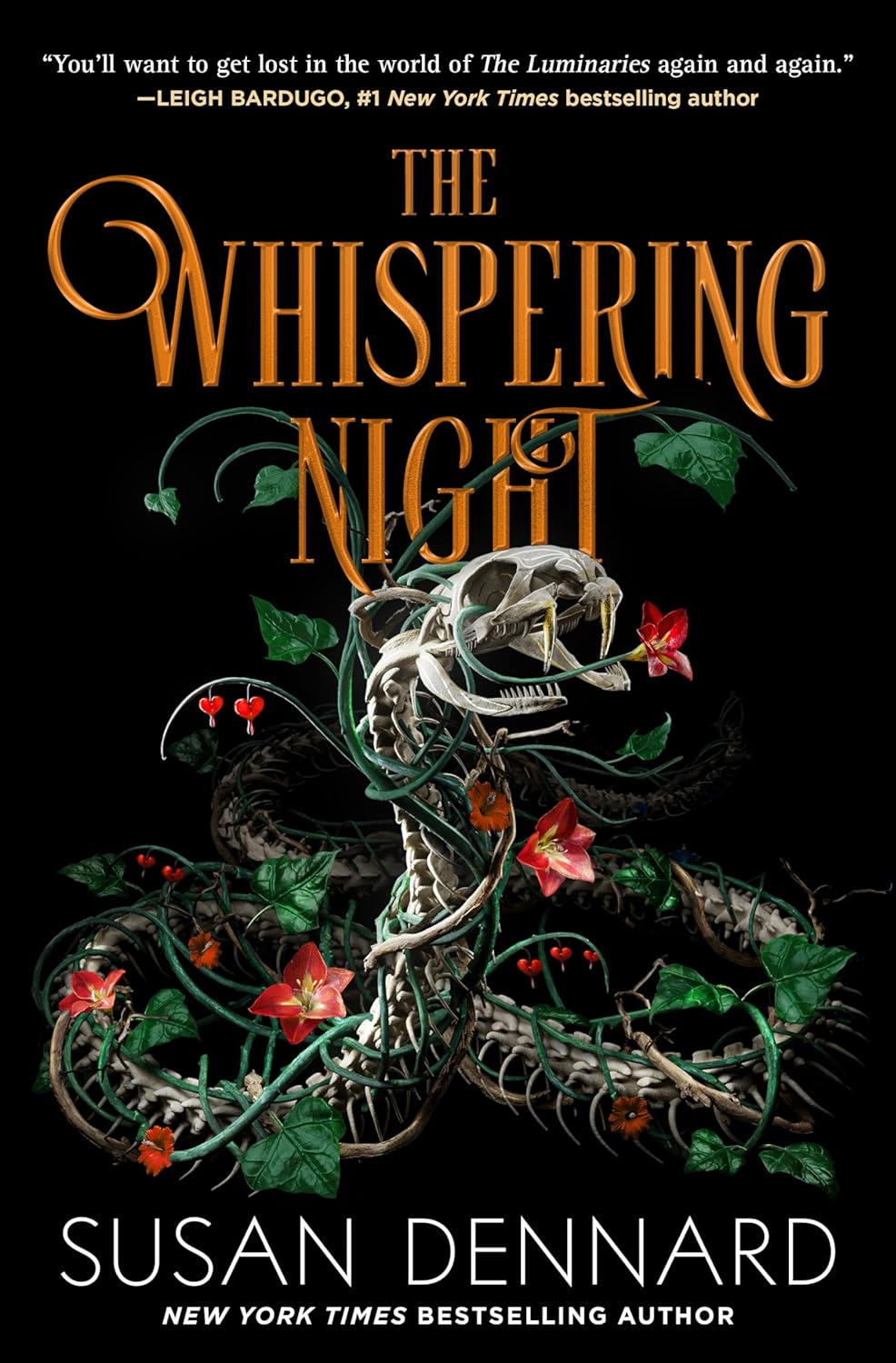 The Whispering Night by Susan Dennard
Mogsy’s Rating: 4 of 5 stars
Genre: Young Adult, Fantasy
Series: Book 3 of The Luminaries
Publisher: Tor Teen (November 19, 2024)
Length: 384 pages
At last, the final book of Susan Dennard’s Luminaries trilogy is here. The Whispering Night brings things to a thrilling and emotional conclusion, and I was excited to see how everything would play out. Having followed this series from the start, I was invested in the ending which made this well worth the read, though I couldn’t help but notice some of the issues I’d had with the first two books remained unresolved.
The story picks up with Winnie Wednesday finally setting into her new life as an elite member of the Luminaries. The werewolf threat that the hunters have faced has been brought under control…at least for now. Far from being the pariah she was before all this began, Winnie’s latest escapades have made her more popular than she could ever imagine. She has rekindled her old friendship with Erica, and even started something a little more intimate and complicated with Jay Friday. On top of that, their community’s biggest celebration of the year, the Nightmare Masquerade, is just around the corner.
However, the attention becomes more than Winnie can handle when she is unexpectedly crowned queen of the Masquerade—a role that many feel she did not do enough to earn. As the revelries continue throughout the event, Winnie is forced to fend off this resentment along with other threats related to the mysterious scandal surrounding her father’s disappearance years before. Enter the Dianas, the secretive and antagonist group that stands in opposition to the Luminaries. Witches who are said to use forbidden magic, the Dianas’ exact motivations are unknown, but Winnie’s father had been mixed up in their business. Together with Jay and Eric, she must find out how and why, and also uncover the truth about the figure known as the Whisperer and find out how all of it is connected to the long-standing war that has always existed in Hemlock Falls.
As a protagonist whom I’d had mixed feelings about, Winnie Wednesday has certainly grown on me since we were introduced to her in the first book. She’s emerged as a much more interesting character when she’s not on the defensive all the time, not to mention a lot more pleasant. A Winnie who is not constantly trying to prove her worth has more time for her real personality to come through, and it’s one with a great deal of introspection and a wicked sense of humor. Friendships also appear to agree with her, and the interactions she has with her peers in Hemlock Falls have really come to the forefront in this book now that Winnie’s solitary existence is behind her. Erica shines in this book as she steps up as a loyal ally, and the romance with Jay is getting its well-deserved moments as well.
But the world-building of the Luminaries trilogy remains one of its most confusing aspects, and unfortunately, we never really get clarification on how it’s connected to the outside world. Hemlock Falls still feels strangely isolated, existing in a bubble. It’s clear now that Dennard has kept this lack of connection in place on purpose, but the gaps do leave the series overall feeling incomplete, with a sense that pieces of the puzzle are left out.
When it comes to wrapping up the story, though, The Whispering Night is satisfying with its mix of action, resolution, and emotional payoff. It’s true that some parts felt chaotic, especially during the build up to the ending, or when the supernatural elements felt rushed or glossed over, but on the whole most of the major questions were answered. That said, the conclusion leaves the door open for the potential of more stories, and I wouldn’t be surprised if the world-building issues I mentioned above are addressed in future books set in this universe.
Overall, The Whispering Night is a solid conclusion to the Luminaries trilogy. It’s not without flaws but does deliver on the elements the series’ readers have come to enjoy. I would recommend it as a fun YA paranormal adventure, and if you’ve been following Winnie’s journey from the beginning, this finale is absolutely worth picking up.

More on The BiblioSanctum:
Review of The Luminaries (Book 1)
Review of The Killing Moon (Book 2)
Book Review: Memorials by Richard Chizmar
Posted on December 3, 2024 13 Comments
I received a review copy from the publisher. This does not affect the contents of my review and all opinions are my own.
Mogsy’s Rating: 3.5 of 5 stars
Genre: Suspense, Horror
Series: Stand Alone
Publisher: Gallery Books (October 22, 2024)
Length: 480 pages
Author Information: Website
Earlier this year, I had the pleasure of reading the first two books in Richard Chizmar’s Boogeyman series before attending an event where I got to hear the author speak. During his talk, I was thrilled when he announced that not only is the third installment in the series in the works, but also that he would be releasing a new standalone novel in the fall.
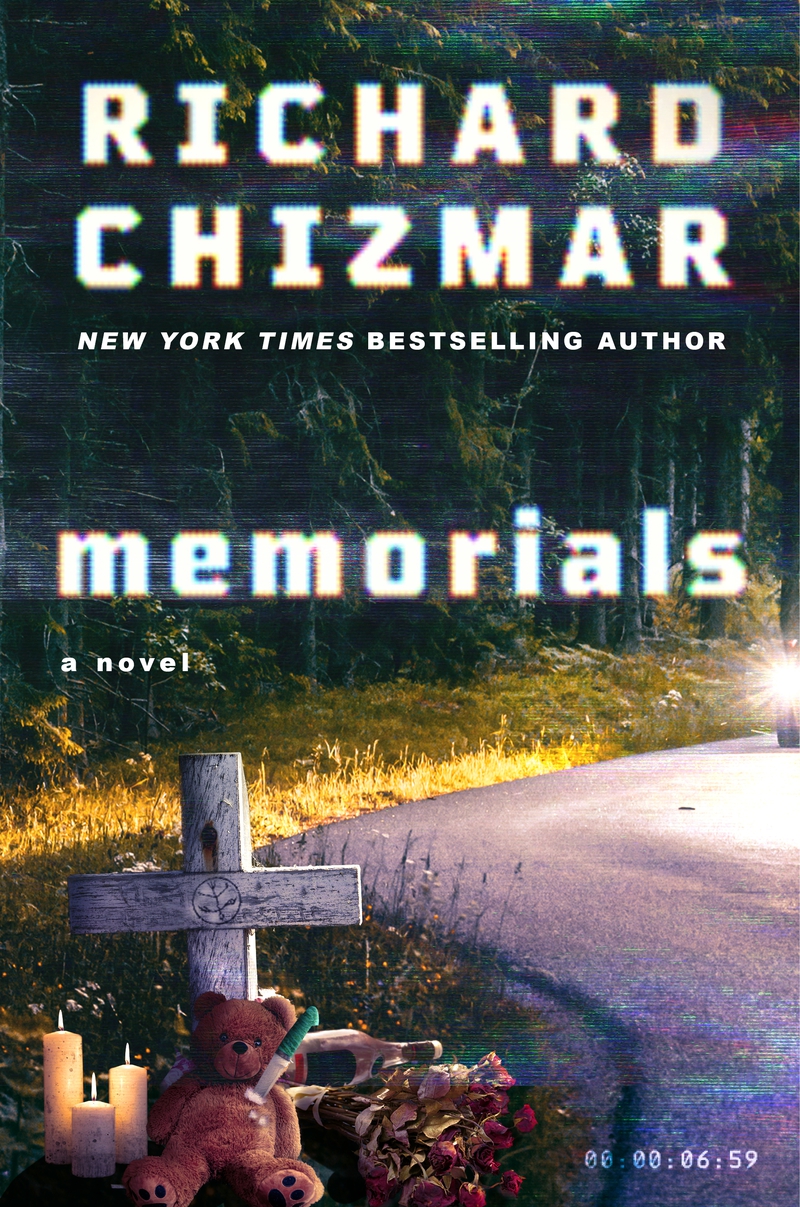
This book turned out to be Memorials. Transporting readers back to the 1980s, the story follows three college students on a road trip through rural Appalachia to film a documentary about roadside memorials—markers that usually take the form of white crosses or signs adorned with flowers, wreaths, or other items to form a shrine. They can be found all over the country alongside highways or residential roads, memorializing someone who passed away from a motor vehicle accident at or near the location where the death took place. Richly atmospheric and heavy with the gravity of its subject matter, the novel blends elements of mystery, suspense, and horror with the enduring traditions of folk superstition.
For Billy, Troy, and Melody, the week-long journey isn’t just about earning a good grade on their American Studies class project; it’s also a chance for the three friends to deepen their bond and embrace their independence. However, in Billy’s case, the documentary carries deep personal meaning as well. While all three of them have experienced the loss of someone close to them, Billy’s parents were killed in a car accident years earlier, and the plan was to make their roadside memorial a part of the film.
But what begins as a carefree expedition through the halcyon Pennsylvanian countryside soon spirals out of control as a sense of unease starts creeping in. As our characters delve deeper into the backroads, they begin to suspect someone might be silently watching them from the shadows at deserted campsites. They come across a town where the locals eye them with suspicion or outright hostility. Strange symbols are spotted carved or painted on some of the memorials they visit. It’s even possible that their van was sabotaged, as the increasing fear that they’re being followed turns their road trip into a nightmare.
Memorials is perfect for fans of slow-burn, atmospheric horror with a touch of Americana. There’s just something so unique about the eerie backdrop of rural Appalachia—where the mountains and forests seem to hide ancient secrets, the people and their stories steeped in their traditions and isolation—and Chizmar’s writing really brings those vibes to the forefront. I also loved the premise of the novel with its focus on roadside memorials, sights that are common along every drive. Yet, when you take the time to consider what they symbolize, it’s hard not to wonder at their tragic backstories behind them, with each memorial representing someone who was loved and cared for, someone whose life left an impact and was honored.
But when I say slow-burn, I mean REALLY slow-burn. Honestly, I feel the pacing is where the book falters. The first half drags, with no clear direction. After following Billy, Troy, and Melody through the first few towns, watching them film at several memorials with no real conflict emerging, I started to worry that this wasn’t the suspenseful horror promised in the publisher blurb. After all, even though I enjoyed the novel’s clever structure which intersperses description of Billy’s filmed interviews and shots of the memorials reminiscent of the found footage genre, it also reminded me of The Blair Witch Project for all the wrong reasons—namely, the dreary repetition and aimless wandering.
The heart of the story should also lie in its characters, but I personally did not find any of them all that compelling. Billy was a wishy-washy protagonist who was probably the blandest of the three, but his first-person narration was the main perspective. While the backstory of his parents’ deaths may have fueled the main plotline, the excessive self-pitying sometimes made it hard to connect with him. Meanwhile, Troy and Melody had more interesting personalities, but they were shallowly developed which made them feel like caricatures at times. Related to this, several of the side characters they meet on their travels also seem to lean heavily into small-town stereotypes that feel like surface-level writing.
It wasn’t until the second half that the emotional stakes were raised, mainly due to THINGS FINALLY HAPPENING. Up until this point, the story felt stagnant, but once the tension picked up, it kept me on edge until the end. Stylistically, Chizmar proves his strength as a writer when he’s in his element, drawing readers into the unfolding drama with heightened drama and suspense. The later parts of this book hold some of the best moments, leading me to think the overall story would have been much stronger had the first half been edited down or spruced up with a bit more conflict or action.
Overall, Memorials ended up being worth the ride, but just don’t be surprised if it takes a while for the wheels to get rolling. Still, I was happy I got to read this atmospheric tale of horror and suspense with its nostalgic undertones, set against a haunted landscape that is distinctly American. That said, I’m beyond excited or Richard Chizmar’s next Boogeyman novel, which I hope will deliver a faster-paced, more thrilling experience.
Book Review: The Swarm by Andy Marino
Posted on November 29, 2024 17 Comments

I received a review copy from the publisher. This does not affect the contents of my review and all opinions are my own.
Mogsy’s Rating: 4 of 5 stars
Genre: Horror, Science Fiction
Series: Stand Alone
Publisher: Redhook (November 5, 2024)
Length: 512 pages
Author Information: Website
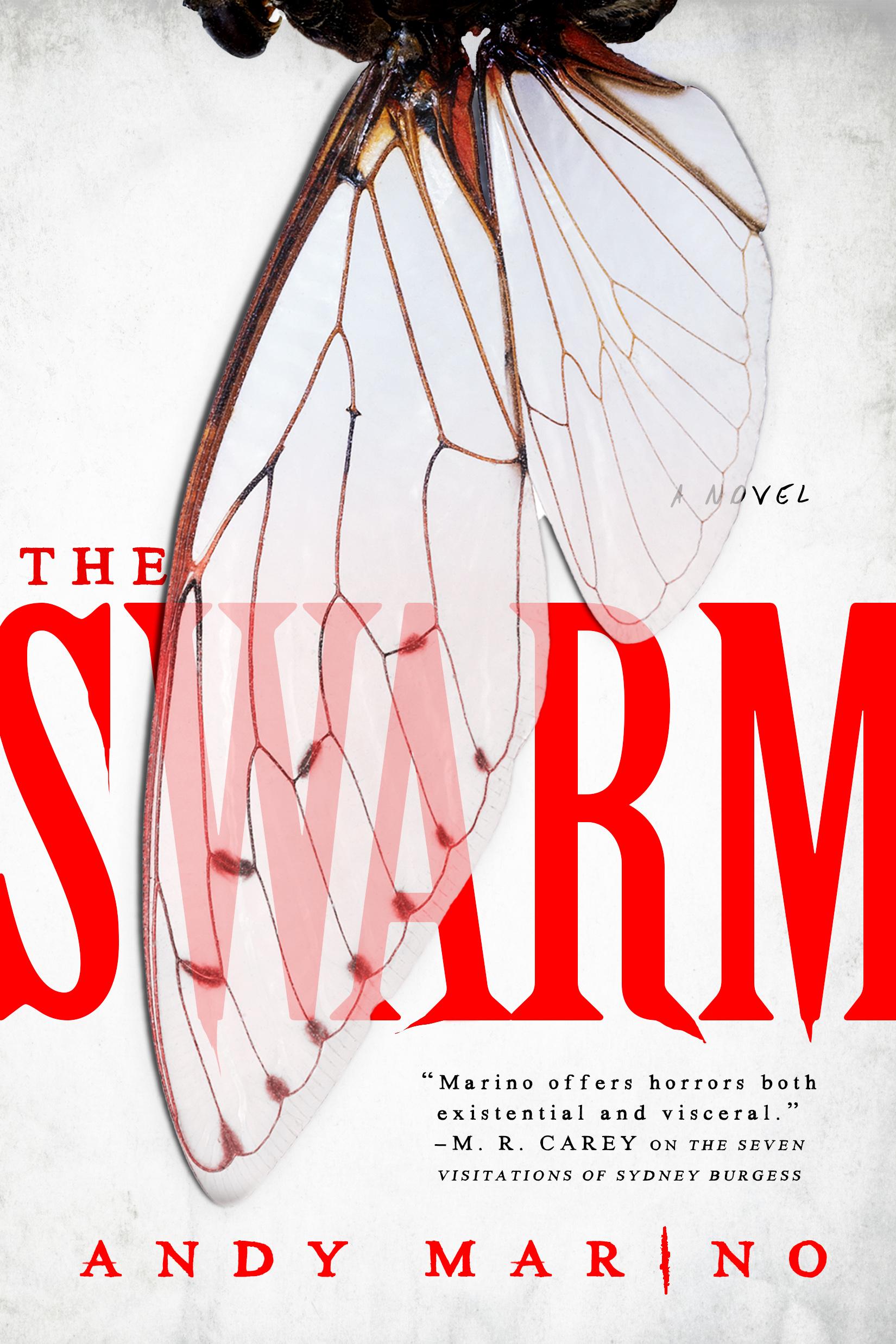
Several years ago, my area experienced the emergence of Brood X, the Great Eastern Brood of cicadas. The experience was a bit surreal and unsettling. Even though cicadas themselves are harmless, they are ugly with their roach-like bodies and blood-red eyes, and for a few weeks they were absolutely everywhere. Tree trunks were covered with nymphs, and afterwards, it felt like every blade of grass you saw bore signs of their empty husks. As adults, their bodies would seemingly fall from the sky, smacking people in their faces or pelting car windshields like gross little projectiles. Every time you stepped outside, you would hear a constant siren—which was actually the droning of hundreds of thousands of these creepy bugs.
It was disgusting. And it also made me think: what if someone wrote a novel inspired by cicada swarm emergence? Their very lifecycle—spending 90% of their 17-year existence underground, only to burst out onto the surface en masse for a brief and frenzied time—has a very alien quality about it. It seemed like the stuff of horror and science fiction.
Along comes Andy Marino’s The Swarm, which delivers on this exact premise. Combining bug-based body horror and apocalyptic thrills, the novel depicts a horrifying, alien-like invasion of cicadas across the state of New York. But this is far from a normal emergence, and these cicadas are anything but harmless. The story follows several groups of characters as they try to survive the utter chaos brought on by a sudden and unprecedented swarm of these giant, aggressive bugs.
First, you have Vicky and Grimes, detectives who are drawn into the mystery following an investigation into a series of bizarre murders that defy all logic. Next, you have a pair of enterprising “fixers”, Will and Alicia, an ex-married couple who are trying to track down a missing young woman. Rebecca is a forensic entomologist who is leading a summer class at the Body Farm when the cicada apocalypse hits. And finally, Anton is the CEO of a cutting-edge communications company who discovers that his life’s biggest innovation may have been at the root of it all.
All their stories are told in tandem together as the book alternates between these characters, building upon the growing threat of the swarm. Instead of surfacing briefly to mate and die, the monstrous cicadas in this novel have mutated into parasites that require human beings to complete their lifecycle. In a process disturbingly reminiscent of Alien, the bugs invade the body through any open orifice, maturing inside before violently bursting forth in their fully adult form, approximately the size of a cat. They have also become carnivorous, evolving lamprey-like mouths to attack and eat their prey—us.
Marino’s writing maintains a swift pace, with descriptions of the swarms becoming more urgent and dire as time goes on. However, this story doesn’t just focus on the cicadas, taking the time to explore the devastating toll in human lives and the sacrifices required for survival. In addition, like many horror stories rooted in biological themes, there’s an underlying message about the consequences of meddling with nature. Here, we start dipping into science fiction territory with regards to the origins of the mutated cicadas, but unfortunately this is also where the story started to lose me with its convoluted and somewhat underdeveloped concepts. I can’t help but think too that this had a lot to do with why the ending felt so confusing and abrupt.
That said, The Swarm was a good read, delivering a visceral and spine-chilling deep dive into an apocalyptic scenario from an unexpected cause. If you have an insect phobia, I highly recommend staying away from this book as Andy Marino doesn’t shy away from tapping into those primal fears to maximize terror and discomfort. If you can stand the creepy crawlies and are looking for a change in a different kind of creature feature novel though, then this may be the fresh take you’re looking for.
Book Review: The Dungeon Anarchist’s Cookbook by Matt Dinniman
Posted on November 27, 2024 9 Comments
I received a review copy from the publisher. This does not affect the contents of my review and all opinions are my own.
 The Dungeon Anarchist’s Cookbook by Matt Dinniman
Mogsy’s Rating: 5 of 5 stars
Genre: Fantasy, Science Fiction
Series: Book 3 of Dungeon Crawler Carl
Publisher: Ace (October 22, 2024)
Length: 544 pages
Author Information: Website
Dungeon Crawler Carl is the gift that keeps on giving. Just when I thought the series couldn’t get any better, it blows me away again with the third volume, The Dungeon Anarchist’s Cookbook. So many great moments in this installment, which is so far my favorite one yet, and I am excited to sing its praises.
A short recap: After the apocalyptic takeover of Earth by an alien conglomerate, Carl and his cat Donut have found themselves participating in a televised dungeon crawl with the surviving remnants of humanity. Making it through the first three levels in spectacular fashion has rocketed them up the social media charts, amassing them quadrillions of views and favorites, making them solid fan favorites. However, all this attention also has a downside. Making it to the top ten crawler list may mean more sponsorships and better loot, but it also paints a giant target on your back, making it more attractive to player-killers to collect your bounty.
As the book opens, Carl and Donut have made it to the fourth floor, called the Iron Tangle. True to its name, this level is once again different than the ones we’ve seen before, introducing a highly complex subway system made up of hundreds of trains and lines, all packed into a tight space. The cars are populated with new mobs and bosses, posing more dangerous and difficult challenges, and finding and accessing the stairways down to the next level will be harder than ever. Still, one positive side of a smaller map is that for the first time, crawler groups can interact and work together. New alliances are formed as Carl catches up with old friends, but unfortunately, his notoriety also makes him a magnet for schemes and suspicion. Despite knowing he can’t save everyone, that won’t stop Carl from doing everything he can to try.
Things just keep getting better as this third book ramps things up for Carl and Donut while striking an impressive balance between the author’s sense of humor and some surprisingly emotional moments. Furthermore, the one criticism I had with the previous book—namely its shift to a quest narrative, resulting in our protagonists working through a string of mini side adventures, mostly on their own—is happily not an issue here, with The Dungeon Anarchist’s Cookbook returning readers to a plotline that is once more heavily focused on crawler-to-crawler dynamics.
The fourth floor of the dungeon also makes for a wild setting. Dinniman deserves credit for his attempt to explain the labyrinthine layout of the Iron Tangle, which features an eclectic mix of trains and systems from different worlds and timelines. Ultimately though, his efforts might not have been enough. While I’m sure it all makes perfect sense in his own head, translating it to readers is another matter. Visual aids such as maps or diagrams would have been extremely helpful here, because I confess I had trouble piecing together a clear mental picture in my mind. Still, even if you can’t wrap your head around it, the payoff in the end I worth the price of admission. It’s the boss fights and the sense of urgency that keeps the pages turning after all, not to mention Carl’s explosive methods of problem solving.
The other highlight of this book is the character development, which continues to be exceptional. Carl is proving himself to be more than just a stereotypical action hero, growing into a true leader. Donut’s character arc also takes an intriguing turn as we see her maturing in her own unique way. But the biggest treat of all is perhaps Katia, who joins the fray and becomes a major player in a big way. This book had me pumping my fists by the end of it, and she’s a huge reason why.
Hilarious, heartfelt, and filled with action, The Dungeon Anarchist’s Cookbook is filled with everything I loved about the first two books of Dungeon Crawler Carl and more, building upon the unstoppable momentum. If you haven’t picked up this series yet, you’re missing out on one of the most entertaining LitRPGs around. Highly recommended to readers and gamers alike.

Book Review: Bloodguard by Cecy Robson
Posted on November 21, 2024 9 Comments
I received a review copy from the publisher. This does not affect the contents of my review and all opinions are my own.
Mogsy’s Rating: 3 of 5 stars
Genre: Romance, Fantasy
Series: Book 1 of Old Erth
Publisher: Red Tower Books (October 8, 2024)
Length: 448 pages
Author Information: Website
Here I am, diving once more into the fantasy romance genre, but I was particularly excited about this book because of its themes. It seems all things gladiatorial are having a moment right now (thanks Gladiator 2), and Bloodguard by Cecy Robson promised a refreshing departure from the usual romantasies filled with dragons or cozy bookshops. In that respect, it totally delivered. That said, it was also not without its flaws. While the story was captivating with its frequent and explosive bursts of action, it was equally frustrating to watch it struggle with balancing the romantic and fantasy elements.
In the wealthy kingdom of Arrow, on a world called Old Erth, gladiatorial combat serves as entertainment for the masses, but also a stark reflection of social divides. Leith is a young human who fights voluntarily in the pits to earn money to send to his impoverished family. On the other side of the class spectrum, Maeve is an elven princess and healer whose succession to the throne is currently in jeopardy while her father is in prison for allegedly killing her grandmother, the former queen. Believing that he is innocent, Maeve has been dedicating all her time and efforts into setting him free, but her uncle, acting as regent, still insists that she get married before she comes of age in order to secure her position.
Currently, the most likely suitor is Soro, an ambitious commander in the Arrow army. However, Maeve has other plans. After witnessing one of Leith’s matches, she ostensibly approaches him to heal his wounds, but in fact she has a proposition. If Leith wins enough battles, he could earn the title of Bloodguard, making him an honorary noble and eligible for her to marry. As her husband, he will not only have his freedom but will also become king with the power to help his family and provide the much-needed care for his ailing sister. In return, Maeve will secure autonomy as queen, with which she promises to end the cruel bloodsport of gladiatorial combat once and for all.
The book alternates between Leith and Maeve’s perspectives, effectively highlighting the difference between their worlds. Here’s what worked: Leith’s chapters exceled in depicting the brutality and adrenaline of the arena, highlighting the visceral stakes of his fights. Maeve, on the other hand, comes off as an atypical royal. Both a medicine woman and a descendant of warriors, her character portrays both gentleness and strength.
The opening of Bloodguard was also particularly gripping. Of course, kicking things off with a couple of intense battle scenes didn’t hurt. These called to mind the violent drama of Gladiator, which may seem a a bit derivative—but hey, it works. Readers are immediately hooked by the tension and emotions.
But here’s what needed work: mainly, the romance. Seems like every book is marketing slow-burn relationships these days, but all we keep getting is instalove! Story-wise, it’s on the thinner side as well. Simplistic, the plot gives the novel a more young adult vibe despite being part of Red Tower Books’ new adult imprint. Emotional scenes lack weight and intensity, which I think is what contributed to the feeling of instalove, but with this issue being so common now, it’s likely a feature not a bug. I’ll give Bloodguard this—it knows exactly what it wants to be, which is a straightforward romance with a touch of fantasy, and it’s upfront about not going out of the way to build things up.
Not surprisingly then, there is little room for world-building. We’re introduced to this fantasy realm populated by various fictional races and creatures, but everything feels like window dressing because of how underdeveloped the setting feels. Details are sparse or inconsistent, leaving readers to fill in the gaps themselves. A thought did occur to me that, if you’re going to throw in high fantasy staples like elves, dwarves, etc. without providing more detail, a historical fantasy setting probably would have worked just as well or better.
Final thoughts? Some will call Bloodguard a promising start. The story has heart but is having a little trouble finding its footing. It has its moments, from riveting arena scenes to a couple shocking plot twists, but these wins are dampened by surface level world-building and relationship development. Still, at the end of the day, for readers who prioritize a romance arc and are willing to overlook a more simplistic setting and storyline, I think the novel may still hold great appeal.

Book Review: The Ravening by Daniel Church
Posted on November 20, 2024 5 Comments
I received a review copy from the publisher. This does not affect the contents of my review and all opinions are my own.
Mogsy’s Rating: 3 of 5 stars
Genre: Horror
Series: Stand Alone
Publisher: Angry Robot (September 24, 2024)
Length: 400 pages
Author Information: Website | Twitter
I first heard of Daniel Church when I picked up The Hollows a couple years ago, a book which turned out to be a delightfully claustrophobic chiller that’s equal parts terrifying and entertaining. As such, I was very excited to check out The Ravening, his latest psychological horror. However, despite my high hopes, something about it just didn’t fully click. While the story had its moments, as well as some genuinely cool ideas, it still never quite reached its full potential.
That said, one thing The Ravening does right is its killer prologue. The novel opens at night on a desolate stretch of forest road where fifteen-year-old Jenna and her mother are stranded after their car breaks down. While checking the engine for the problem, Jenna’s mother is suddenly and violently snatched away by some monstrous thing in the darkness, leaving behind nothing but the echoes of the woman’s screams. Her daughter, helpless to intervene, witnesses the entire incident and is left traumatized and filled with guilt.
This event would go on to shape the rest of Jenna’s life, casting a long shadow over her adulthood. No one believes what she saw that night, leading to years of ridicule from her peers as well as nasty rumors surrounding her mother’s disappearance. Struggling to cope with the psychological trauma, Jenna found herself unable to move forward or to find her sense of self. Things went from bad to worse following her father’s death, as connecting to other people became more difficult. And finally, of course, there was her fear of the forest, where her mother was swallowed up by the darkness all those years ago.
Yet, just as things in her life were starting to settle with a new girlfriend and a tiny sense of stability, Jenna’s world is rocked again when she finds out she is pregnant by the controlling ex-boyfriend she recently broke up with. Besides being unexpected, this pregnancy is also far from ordinary. Certain parties tied to ancient legends and sinister forces have taken an interest in Jenna and they’re willing to use her for their own purposes, going as far as to hold her captive and cut her off from the outside world.
An intriguing mystery? Check. Supernatural forces at play? Check. Moody, claustrophobic atmosphere? Check. The Ravening delivers on many of the characteristics of a great horror novel, and certainly the first few chapters do a good job setting the stage for a story filled with tension and dread. There was the gripping prologue, and the historical background provided which ties in a legend related to the Knights Templar to boot. The first half of the book had me completely hooked.
So, where did things start to go off track? Personally, I feel it was shortly after Jenna finds herself trapped in the bizarre prison created by her captors. For me, this was when the plot hit its peak before unraveling, becoming more scattered, moving away from its focus on survival, and turning into a repetitive, confusing tangle. The more answers we got, the less impressed I became with the mystery, with the antagonists revealed to be rather shallow, uncomplicated villains with their stereotypical dime-store motives. The Templar legend angle could also have been better leveraged, as I thought the concept behind the otherworldly monster warranted far greater depth than simply serving as another standard creature feature.
In terms of characters, Jenna’s long history of emotional scarring and the impact it had on her relationships felt undeveloped and overly simplified. Church seems to fare better when it comes to writing ensemble casts as he did in The Hollows, but when it comes down to a single protagonist—particular a female lead, in this case—he gives the impression of being out of his depth. There’s a sense of this uncertainty in Jenna’s relationship with her girlfriend Holly, where the supposed strength of their bond doesn’t really come through. You can also catch it sometimes in the stilted logic of Jenna’s inner dialogue and the things she says.
Pros: Daniel Church excels at creating an eerie and oppressive atmosphere, particularly through his use of supernatural elements. The Templar myth angle was also an interesting addition, as was the concept of the monster. Cons: The story lost a lot of its momentum as the mystery dissipated and the plot grew more convoluted. There was also the occasional lack of character depth. Overall, The Ravening is an ambitious entry to the horror genre, though I feel it is weaker than his previous novel, The Hollows. Pacing and character development issues aside though, readers who enjoy paranormal horror exploring psychological trauma and survival may find it worthwhile.


 The BiblioSanctum